Kunal Desai, MD is an Assistant Professor of Neurology at Yale School of Medicine , serving as Director of Neuromuscular Medicine at Greenwich/Stamford and Interim Stroke Medical Director at Greenwich Hospital. His clinical and research work focuses on neuromuscular diseases and neurophysiology. Education: BS in Biology from Boston College (2007) MD from Creighton University School of Medicine (2012) Intern at Greenwich Hospital (2013) Neurology Residency & Chief Residency at Albert Einstein/Montefiore Medical Center (2016) Neuromuscular Fellowship at Albert Einstein/Montefiore Medical Center (2017) Dr. Desai specializes in neuromuscular medicine , treating conditions like ALS , myasthenia gravis , inflammatory myopathies , and peripheral neuropathies . He is certified by the American Board of Electrodiagnostic Medicine , with fluency in Hindi, Gujarati, and Marathi . His research explores non-pharmacological interventions for stress and burnout reduction among healthcare professionals, focusing on Heartfulness Meditation and gratitude practices through randomized controlled trials. Recent publications analyze Mindfulness-based wellbeing strategies and work engagement metrics in clinical settings. He emphasizes team-based patient care , advocating for regular communication between neurology specialists and primary care physicians to improve treatment outcomes.
Dr. Elliot L. Dimberg is a neurologist specializing in neuromuscular disorders at Mayo Clinic Hospital in Jacksonville, Florida. He serves as faculty at Mayo Clinic Alix School of Medicine within the Department of Neurology, holding leadership roles including Vice Chair of the Curriculum Committee and Clerkship Sub Committee. Dr. Dimberg actively contributes to medical education through multiple committees related to student promotions, academic affairs, and residency program evaluation, while maintaining a clinical practice focused on complex neuromuscular conditions. Dr. Dimberg earned his MD from Tulane University in 2001. He completed his Neurology residency and served as Chief Resident at the University of Virginia, followed by fellowships in Clinical Neurophysiology at the University of Virginia (2006) and Neuromuscular Disease at Mayo Clinic Rochester (2008). He maintains board certification in Neurology, Clinical Neurophysiology, and Neuromuscular Medicine through the American Board of Psychiatry and Neurology. His clinical expertise spans neuromuscular junction disorders including myasthenia gravis and Lambert-Eaton Myasthenic Syndrome, peripheral neuropathies, brachial and lumbosacral plexus disorders, polyradiculopathies, motor neuron diseases, and myopathies. Dr. Dimberg integrates clinical evaluation with electrodiagnostic medicine to diagnose and manage these complex conditions. His research focuses on advancing diagnostic methodologies through electromyography techniques, genetic testing, and clinical trial participation for rare neuromuscular disorders. Dr. Dimberg's publication record demonstrates consistent contributions to neuromuscular medicine, with emphasis on diagnostic precision, genetic underpinnings of muscle disorders, and therapeutic innovations. His recent work includes clinical trials for hereditary transthyretin amyloidosis, studies on spinal muscular atrophy treatments, and investigations into immune-mediated necrotizing myopathy, reflecting his commitment to advancing both clinical practice and scientific understanding in his field. Multiple Above and Beyond Awards from Mayo Clinic in Florida (2008-2024) A.B. Baker Teacher Recognition Award from American Academy of Neurology (2013, 2021) Commitment to Education Award from Mayo Clinic Alix School of Medicine (2019) Alpha Omega Alpha Honor Society membership (2000) As an educator, Dr. Dimberg has coordinated the Residency Neuroanatomy Course and Clinical Pathological Correlation Conference for over a decade. He previously chaired the Curriculum Committee for the Adult Neurology Residency Program and currently serves in leadership roles for Mayo Clinic Alix School of Medicine's educational committees. His dedication to teaching has been recognized through numerous awards including the prestigious A.B. Baker Teacher Recognition Award. Professionally, Dr. Dimberg serves as Co-Chair of the American Association of Neuromuscular and Electrodiagnostic Medicine's EDX Lab Accreditation Committee and holds leadership positions in the American Clinical Neurophysiology Society. He contributes to developing certification exams, educational programming, and clinical guidelines for these organizations, maintaining active engagement with the broader neuromuscular medicine community.
Dr. Jennifer A. Langsdorf is an Assistant Professor of Clinical Neurology at Weill Cornell Medical College and an Assistant Attending Neurologist at NewYork-Presbyterian Hospital. Her clinical practice focuses on neuromuscular disorders, including peripheral neuropathy, spinal disorders, and nerve injuries, with expertise in electromyography (EMG) and nerve conduction studies. Education: M.D. from Washington University School of Medicine (2001), B.A. from University of Delaware (1994, summa cum laude) Dr. Langsdorf specializes in diagnosing and treating conditions such as carpal tunnel syndrome, lumbar spinal stenosis, radiculopathy, and chronic inflammatory demyelinating polyneuropathy (CIDP). Her research explores nutritional factors in neuropathy, heavy metal toxicity, and electrodiagnostic methodologies. She is board-certified in Neurology and Electrodiagnostic Medicine. Notable publications include studies on small fiber neuropathy gender differences, CIDP diagnostic protocols, and mercury exposure effects on axonal integrity. Her work appears in journals like JAMA Neurology and Muscle & Nerve , with significant citations in neurological diagnostics and pathophysiology. Dr. Langsdorf is affiliated with the American Academy of Neurology and the American Association of Neuromuscular and Electrodiagnostic Medicine. She practices at Weill Cornell's Peripheral Neuropathy Center and Neuromuscular Center in New York City.
Cesare Gagliardo is a Researcher (MEDS-22/B) at the University of Palermo, Department of Biomedicine, Neuroscience and Advanced Diagnostics, School of Medicine and Surgery. He maintains regular office hours on Wednesdays from 10:00 to 12:00 at the Radiological Sciences Section. His academic responsibilities include teaching diagnostic imaging courses across multiple health professions programs including Nursing, Hearing Prosthetic Techniques, and Neuroscience. Dr. Gagliardo's research focuses on advanced diagnostic imaging techniques, particularly in neuroradiology and MRI-guided focused ultrasound applications. His work spans neurological disorders, peripheral nerve pathologies, and innovative non-invasive surgical approaches. He has made significant contributions to transcranial MRI-guided focused ultrasound surgery, publishing some of the world's first experiences with this technology for treating essential tremor and other neurological conditions. Analysis of his publication record reveals a strong emphasis on translational research connecting imaging technology with clinical applications. His work demonstrates expertise in diffusion kurtosis imaging, resting state fMRI, and the diagnostic applications of ultrasound in peripheral nerve pathologies. The research trajectory shows progression from foundational imaging techniques to innovative therapeutic applications of focused ultrasound. His scientific contributions include pioneering work in transcranial MRI-guided focused ultrasound surgery, with publications documenting the world's first experiences with this technology. His research spans multiple disciplines including neuroscience, radiology, neurosurgery, and gynecology, demonstrating interdisciplinary collaboration across medical specialties. Dr. Gagliardo actively contributes to medical education through multiple courses in diagnostic imaging, neuroradiology, and medical advanced diagnostics across various health profession programs at the University of Palermo. His teaching spans undergraduate and graduate level instruction for nursing, neuroscience, and specialized health professions.
Dr. Kara Stavros serves as Associate Professor of Neurology at Brown University's Warren Alpert Medical School and Rhode Island Hospital, where she directs the Neuromuscular Division, EMG Laboratory, and MDA Clinic. Education: 2010: MD, Albert Einstein College of Medicine 2006: BS in Neural Science, New York University (minors in French and Psychology) Research Focus: Her work centers on advancing diagnostics and treatments for neuromuscular disorders through neuromuscular ultrasound, chemodenervation techniques, and electrodiagnostic testing (NCS/EMG). She integrates clinical practice with quality improvement initiatives and advocates for policy reforms impacting neurology patients and practitioners. Scientific Awards: No awards explicitly documented in source material Academic Leadership: As division director, she oversees clinical operations and research infrastructure while mentoring trainees in neuromuscular medicine. Current grants and student supervision details weren't specified in available documentation. Laboratory Oversight: She manages the EMG Laboratory and MDA Clinic at Rhode Island Hospital, coordinating multidisciplinary care for neuromuscular disease patients through specialized diagnostic and therapeutic programs.
Megan K. Mills, MD , is an Associate Professor and Associate Vice Chair for Clinical Operations at the University of Utah's Department of Radiology and Imaging Sciences. She specializes in Musculoskeletal Imaging and serves as Chief of the Musculoskeletal section. Education: B.S. in Business Administration from Utah State University MD from University of Utah Residency in Diagnostic Radiology at University of Utah, School of Medicine Fellowship in Musculoskeletal Radiology at University of Colorado Research Interests : Dr. Mills focuses on innovating training techniques for medical students and radiology residents, particularly in windowing and perceptual training for diagnostic imaging. Her work spans musculoskeletal disorders, image-guided procedures, and orthopedic radiology. Recent Publications : Her research covers musculoskeletal imaging, pain management via radiofrequency ablation, AI integration in diagnostics, and educational methodologies. Key areas include hip stability assessment, foot and ankle imaging, and improving diagnostic accuracy through perceptual training. Professional Contributions : Dr. Mills is board-certified by the National Board of Medical Examiners and leads in clinical operations within her department. She has co-authored reviews on postoperative imaging, pediatric orthopedics, and stress injuries in athletes.
Prosper Benhaim, MD is an Associate Professor and Chief of Hand Surgery at UCLA and Olive View-UCLA Medical Centers. He is affiliated with both the Department of Orthopaedic Surgery and the Division of Plastic & Reconstructive Surgery at the UCLA School of Medicine, where he has been a faculty member since 1998. UCLA School of Medicine - Department of Orthopaedic Surgery UCLA School of Medicine - Division of Plastic & Reconstructive Surgery Olive View-UCLA Medical Centers Dr. Benhaim earned his B.A. in Animal Physiology at the University of California, San Diego, followed by his M.D. at the University of California, San Francisco. His surgical training included general surgery at UCSF (with a three-year research fellowship in wound healing and limb allotransplantation), plastic surgery at UCLA, and a hand surgery/microsurgery fellowship at UCLA. His research interests focus on Dupuytren's Disease, Limb Transplantation, Use of Stem Cells for Bone and Cartilage Tissue Engineering, and Forearm/Wrist Biomechanics. His publication record shows consistent research activity with recent work emphasizing Dupuytren's disease mechanisms and treatments, diagnostic techniques for nerve compression syndromes, and tissue engineering applications. His scholarly output demonstrates a progression from foundational stem cell research to more clinically focused hand surgery applications. Super Doctors Southern California 2022-2025 Top Doctors Los Angeles Magazine (2023, 2021, 2018) As Chief of Hand Surgery, Dr. Benhaim oversees clinical services at both UCLA and Olive View-UCLA Medical Centers. His editorial position for the Journal of the American Society for Surgery of the Hand demonstrates his leadership in the field. His extensive board certifications in both Plastic Surgery and Surgery of the Hand by the American Board of Plastic Surgery underscore his dual expertise. Dr. Benhaim maintains active clinical practice in hand surgery and reconstructive plastic surgery while continuing his research on Dupuytren's disease and stem cell applications. His work bridges basic science research with clinical applications, particularly in the areas of tissue engineering and fibrosis treatment.
Andrea E. Brown, MD is an Associate Professor in the Department of Physical Medicine & Rehabilitation at Lewis Katz School of Medicine, Temple University. She specializes in electrodiagnostic procedures and cancer rehabilitation. Education: MD from Lewis Katz School of Medicine at Temple University Training: Fellowship in Neuromuscular Disease and Electrodiagnosis at New York School of Medicine, Residency in Physical Medicine & Rehabilitation at New York University School of Medicine Certifications: American Board of Electrodiagnostic Medicine, American Board of Physical Medicine and Rehabilitation Memberships: American Academy of Physical Medicine and Rehabilitation, National Medical Association Dr. Brown has received multiple accolades including being named a Top Doctor by Philadelphia magazine (2023-2025) and the Most Humanitarian Qualities Award from the Rusk Institute.
Jonathan Perk, MD, PhD, serves as Clinical Associate Professor of Neurology and Neurology Residency Program Director at Maimonides Medical Center, specializing in Neuromuscular Medicine with board certifications from ABPN (Neurology and Neuromuscular Medicine) and AANEM (EMG/electrodiagnostic medicine). His academic credentials include: Medical Degree: Hebrew University of Jerusalem PhD in Genomic Imprinting and Gene Regulation: Hebrew University of Jerusalem Research Fellowship in Stem cells and tumorigenesis: Memorial Sloan-Kettering Cancer Center Residency: New York Presbyterian Hospital and Weill Cornell Medical College Fellowship in EMG/Neuromuscular Medicine: Columbia Presbyterian Hospital Dr. Perk's research concentrates on neuromuscular disorders and electrodiagnostic techniques (EMG), with clinical expertise spanning diagnostic and therapeutic applications in peripheral nerve and muscle diseases. As Residency Program Director, he oversees comprehensive training for neurology residents while maintaining active patient care at Maimonides Medical Center. Fluent in Hebrew and Spanish, he integrates multilingual capabilities into patient care and medical education. His dual MD/PhD background informs a translational approach to neuromuscular disorders, bridging genomic research with clinical practice.
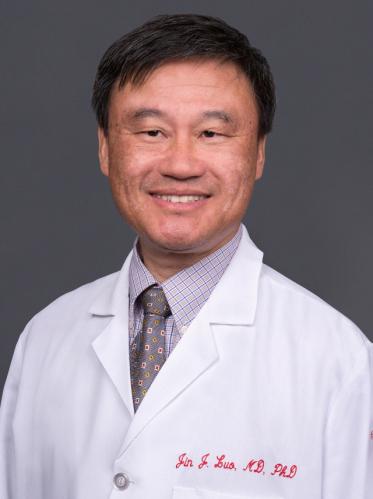
Jin Jun Luo is a Professor of Neurology at the Lewis Katz School of Medicine, Temple University. He specializes in Movement Disorders and Neurology, with clinical interests in neuromuscular disorders, general neurology, epilepsy, and genetic/congenital disorders. His research focuses on neuromuscular disorders, metabolic/inherited and genetic disorders, and neurodegenerative conditions like epilepsy, dementia, and degenerative disorders. Education: MD from Sun Yat-Sen University of Medical Science, Guangzhou, China Training: Fellowship in Clinical Neurophysiology at Temple University Hospital, Residency in Neurology at Temple University Hospital Board Certifications include American Board of Electrodiagnostic Medicine, American Board of Psychiatry and Neurology (Neurology), and American Board of Psychiatry and Neurology (Clinical Neurophysiology). He has received multiple patient satisfaction ratings (4.0-4.1) and holds the title of America's Top Physician in multiple periods. Office Location: Temple Neurology, Ambulatory Care Center, Suite D-101, Philadelphia, PA 19140
Noor A. Pirzada, M.D., serves as Professor and Chair of the Department of Neurology at the University of Toledo College of Medicine and Life Sciences, concurrently holding roles as Program Director for the Neurology Residency and Director of the EMG laboratory. With continuous faculty appointments since 1996, she has advanced from Assistant to full Professor while maintaining leadership in academic neurology. Her educational foundation includes: M.D. from Government Medical College, Kashmir, India (1980) Internal Medicine Residency at Crozer Chester Medical Center, Pennsylvania (1991-1992) Neurology Residency at Hahnemann University Hospital, Philadelphia (1992-1995) Fellowship in EMG/Neuromuscular Disease at Duke University Medical Center (1995-1996) Dr. Pirzada's clinical and research expertise centers on neuromuscular disorders , with specialized focus on Myasthenia Gravis , Diabetic Neuropathy , and ICU neuromuscular complications . She pioneers botulinum toxin therapy applications and develops innovative educational methodologies for neurology trainees, evidenced by her leadership in residency program design and national teaching initiatives. Her publication portfolio demonstrates evolving expertise from clinical case reports (e.g., central pontine myelinolysis, fluorouracil neurotoxicity) to contemporary analyses of subspecialty trends and dialysis-related neurological complications, reflecting dual mastery in neuromuscular medicine and medical education scholarship. Notable honors include: National AAN teaching awards (2002, 2010) Mayo Clinic Visiting Professorship (2005) 11-time recipient of Toledo's Golden Apple Teaching Award Multiple Resident-selected Outstanding Attending awards As Neurology Residency Program Director, she mentors generations of residents while shaping national standards through ABPN leadership (serving on its Board of Directors 2008-2016 and as Vice Chairman in 2016). Her committee work spans ACGME milestone development and AAN governance, establishing her as a key architect of neurology education frameworks. The EMG laboratory she directs serves as both a clinical diagnostic hub and training ground for electrodiagnostic techniques, integrating her expertise in neuromuscular disorders with hands-on resident education to advance patient care in peripheral nerve and muscle diseases.
Scott W. Shaffer, PT, PhD, ECS is a Professor and Interim Dean at the School of Physical Therapy, University of the Incarnate Word (UIW). He joined the UIW faculty in 2021, bringing over 27 years of experience as an Army physical therapist, with expertise in clinical, teaching, and research domains. Education: PhD in Rehabilitation Sciences (focus: Adult Neurologic Disorders), University of Kentucky Master of Physical Therapy, Baylor University Master's in Strategic Studies, U.S. Army War College His research and clinical interests center on neuromusculoskeletal evaluation and treatment , clinical electrophysiology , injury risk screening , and health outcomes . He is a Board-Certified Specialist in Clinical Electrophysiologic Physical Therapy, underscoring his clinical expertise. His recent publications reflect a strong focus on military and athletic populations, particularly in injury prediction, rehabilitation after trauma, and performance optimization. Studies utilize advanced methods such as shear-wave elastography and predictive algorithms like MP3, indicating a blend of clinical innovation and scientific rigor. Scientific Awards and Recognition: Board-Certified Specialist in Clinical Electrophysiologic Physical Therapy Dr. Shaffer has been actively involved in research funding as an investigator on multiple grant-supported projects. He has published over 30 peer-reviewed articles and delivered more than 60 national and international presentations. He contributes to institutional leadership as a member of the UIW Institutional Review Board, Physical Therapy Clinic Committee, and Capstone Committee, demonstrating academic service and mentorship. He teaches courses such as Foundational Sciences II and Patient Client Management III, indicating active engagement in the academic curriculum. His dual role as Interim Dean highlights administrative leadership within the School of Physical Therapy.
Anza B. Memon, MD, is a Clinical Associate Professor of Neurology at Wayne State University School of Medicine and leads the Multiple Sclerosis Centers of Excellence East at the Veterans Affairs. Her research focuses on neuroimmunology , multiple sclerosis , and immune-mediated neuromuscular disorders , with a special interest in biomarker discovery for diabetic neuropathy and MEG studies on MS-related fatigue. She has received prestigious teaching awards and research accolades , including the President’s Research Initiative Award (twice) from AANEM. Specialties: Multiple Sclerosis, Neuroimmunology, Clinical Neurophysiology/EMG Fellowships: MS/Neuroimmunology (Wayne State), Clinical Neurophysiology (Henry Ford Health) Her clinical leadership extends to directing the Neurology Research Program and Neurophysiology Lab at John D. Dingell VA Medical Center. As a journal editor/reviewer and AAN Fellow , she actively contributes to neurology literature and national VA MS care initiatives.
Karl Harris Echiverri, M.D., is an Assistant Professor in the Department of Neurology at Baylor College of Medicine in Houston, Texas. His clinical and research interests span diverse areas of neurology, including amyotrophic lateral sclerosis, dementia, epilepsy, and stroke. He holds certifications from the American Board of Psychiatry and Neurology. Education: BA, Vanderbilt University, Nashville, TN (2012) MD, University of Kentucky, Lexington, KY (2016) Neurology Residency, University of Kentucky, Lexington, KY (2020) Neuromuscular Medicine Fellowship, University of Illinois at Chicago (2021) Research Focus: Dr. Echiverri’s work addresses genotype-phenotype correlations in rare neurological disorders, neuroimaging correlates of genetic conditions, and age-related neurological phenomena. Recent studies explore Zellweger spectrum disorders and headache patterns across cognitive aging populations. Professional Memberships: American Association of Neuromuscular & Electrodiagnostic Medicine (2018) American Neurological Association (2018) American Academy of Neurology (2016)
Professor Pamela Murison is a faculty member at the University of Glasgow, specializing in Veterinary Anaesthesia and Analgesia within the Small Animal Clinical Sciences department. She holds a PhD in novel analgesia for cats and has extensive experience in clinical training, curriculum development, and veterinary education. Her research focuses on anaesthesia monitoring, pain management, and respiratory physiology during anaesthesia in small and large animals. Education: Graduated from Glasgow University Veterinary School (1992), completed European and RCVS Diplomas in Veterinary Anaesthesia (2000, 2005). Research interests span anaesthetic techniques, pain management, and ventilation dynamics. Notable contributions include developing an online MSc in veterinary anaesthesia at the University of Edinburgh and pioneering studies on analgesic efficacy and anaesthetic complications in cats and dogs. Her 15 most recent articles (2021–2025) emphasize translational research in anaesthetic safety, pain assessment, and equipment optimization, with a focus on companion animals and equine species. She serves on editorial boards for Veterinary Anaesthesia and Analgesia and Frontiers in Veterinary Science .