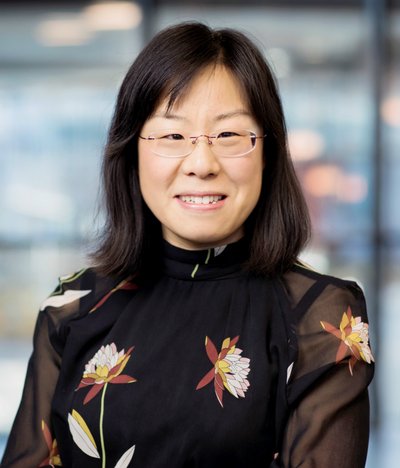
Yali Tang is an Assistant Professor in the Department of Mechanical Engineering at Eindhoven University of Technology (TU/e), specializing in fluid dynamics and transport phenomena within multiphase flows and physicochemical conversions . Her work targets Iron Power technology , green steel production , and alkaline water electrolysis for hydrogen generation, combining advanced computational models with experimental validation . Education: Master's in Chemical Engineering from Sichuan University (2011) PhD in Mechanical Engineering at TU/e (2015) with Prof. Hans Kuipers Research Interests: She focuses on interphase interactions , interfacial transport mechanisms , and high-resolution simulations (down to 40 nm mesh) to predict bubble coalescence and film dynamics. Her studies on hydrogen bubble growth , dendritic iron formation , and gas distribution in electrolyzers aim to refine reactor design and industrial processes. Collaborations with industrial partners ensure practical applicability of her computational models. Recent Publications: Her 2025 work includes dimensional analysis of liquid film formation, solutal Marangoni effects in electrolysis, and X-ray validation of gas distribution models. Earlier studies (2020–2023) cover defluidization behavior of iron fines, CFD-DEM modeling of raceways, and acoustic field applications in particle dynamics. Labs & Collaborations: She leads computational efforts within the Power & Flow group under Prof. Niels Deen, contributing to the EIRES Research cluster. Her work bridges academic research with industrial innovation in fluid dynamics and energy transition technologies.
Prof. Marc Koper is a Professor of Catalysis and Surface Chemistry at Leiden University, affiliated with the Leiden Institute of Chemistry (LIC) . His research focuses on sustainable energy and chemistry, particularly electrocatalytic redox reactions of carbon, nitrogen, and oxygen compounds. He leads a dynamic research group with 17 current PhD candidates, including Ariba Adnan, Karen van den Akker, and others. Koper’s work bridges experimental, theoretical, and catalyst design principles to advance energy transition technologies. His research interests span catalysis , electrochemistry , and surface chemistry , with a focus on CO 2 reduction , nitrate reduction , and electrochemical water oxidation . Recent studies emphasize solvent effects, cation roles in catalysis, and nanostructured electrode design to enhance reaction selectivity and efficiency. Notable achievements include the Antwerp Honorary Doctorate (2024) for contributions to sustainable energy research. His publications explore topics like platinum hydride formation, double-layer capacitance measurement challenges, and the mechanisms of electrochemical CO 2 reduction on metal surfaces. Koper’s work also addresses industrial-scale applications, such as optimizing gas bubble detachment during hydrogen evolution and designing bipolar membranes for CO 2 electrolysis. Advisor to over 38 former PhD students, Koper’s teaching spans Electrochemistry (MSc) and Chemical Energy Transition (Minor). He collaborates widely, with projects funded by initiatives like the ANION Gravitation Program and the ELCOREL EU Horizon 2020 Project .
Dr. Sonja Pullen is a Visiting Professor at the University of Amsterdam's Faculty of Science, affiliated with the Van 't Hoff Institute for Molecular Sciences. Her research focuses on photocatalysis, coordination chemistry, and supramolecular systems, with particular emphasis on developing sustainable energy conversion technologies. Key areas include molecular catalyst design, confined-space catalysis, and light-driven chemical transformations. Her work integrates advanced spectroscopic techniques (e.g., ultrafast spectroscopy) to study catalytic mechanisms, particularly in systems like diiron complexes and metal-organic frameworks (MOFs). Recent projects explore oxygen-tolerant catalysts, substrate-binding effects in photocatalytic dehalogenation, and the role of hydrogen bonding in catalytic activity. She also investigates functional materials such as coordination cages for artificial photosynthesis. Dr. Pullen’s publications highlight breakthroughs in catalyst stability, reaction selectivity, and energy-efficient processes. Her interdisciplinary approach bridges organic/inorganic chemistry, materials science, and renewable energy applications. Current trends in her work emphasize environmental sustainability and scalable photocatalytic systems for hydrogen production and CO2 conversion. Her lab at the Van 't Hoff Institute collaborates widely on topics like molecular encapsulation, MOF functionalization, and bioinspired catalysts. Ongoing projects aim to enhance photocatalytic efficiency through structural design and confinement strategies.
Thiago Batista Soeiro serves as a Full Professor with exceptional scholarly impact, evidenced by over 200 research publications and an h-index of 27. His work fundamentally advances power electronics applications in transportation and energy systems, particularly through innovations in electric vehicle infrastructure and sustainable power conversion technologies. Despite the absence of explicit institutional affiliation in source materials, his research permeates critical IEEE journals and conferences. Professor Soeiro's research portfolio centers on: Power converter design for electric vehicle charging systems AI-driven battery health estimation using electrochemical impedance spectroscopy Wireless power transfer optimization for automotive applications High-efficiency topologies for more electric aircraft Hydrogen energy system integration Advanced semiconductor utilization in grid-connected systems Analysis of his 2023-2025 publications reveals accelerating innovation in wide-voltage-range converters, predictive battery management, and fault-tolerant power systems. His work increasingly bridges machine learning with power electronics, notably through computation-light AI models for battery diagnostics, while maintaining strong focus on practical implementation challenges in EV charging and aircraft electrification. No scientific awards or honors were documented in the available materials. Similarly, information regarding student supervision, research grants, laboratory facilities, or collaborative teams was not provided in the source texts.
Professor Roland J. Pieters is a distinguished academic at Utrecht University's Faculty of Science, where he serves as a full Professor in the Department of Chemical Biology and Drug Discovery. With over two decades of experience at the institution, he has progressed from Assistant Professor (1998) to Associate Professor (2005) and ultimately to Full Professor (2010-present). His research group is internationally recognized for groundbreaking work at the intersection of carbohydrate chemistry, chemical biology, and drug discovery, with particular emphasis on developing novel therapeutic approaches against bacterial infections and pathogenic mechanisms. Full Professor, Utrecht University (2010-present) Associate Professor, Utrecht University (2005-2010) Assistant Professor, Utrecht University (1998-2005) NWO Talent Post-doctoral Fellow, ETH-Zürich (1995-1996) Postdoctoral Researcher, University of Groningen (1996-1998) Professor Pieters earned his M.Sc. in Organic Chemistry from the University of Groningen in 1990, where he worked with Professor Ben Feringa, and completed his Ph.D. at MIT in 1995 under the supervision of Professor Julius Rebek Jr. His doctoral research focused on molecular recognition and template effects in bisubstrate systems, establishing the foundation for his lifelong interest in molecular interactions. Professor Pieters' research primarily centers on glycodrugs and the strategic interference with protein-carbohydrate interactions using multivalent systems of varying architectures. His laboratory has made significant contributions to understanding how rigid spacers in multivalent ligands can dramatically enhance binding affinity to target proteins, with applications against viral and bacterial adhesion proteins, toxins, galectins, and glycosidases. A particular focus has been on developing inhibitors for Pseudomonas aeruginosa lectin LecA, cholera toxin, influenza virus hemagglutinin, and more recently, SARS-CoV-2 spike protein interactions with host cell receptors. His group also pioneered the use of glyco- and peptide-microarrays for high-throughput screening of carbohydrate-protein interactions and drug discovery, particularly in the area of O-GlcNAcylation research. The publication record of Professor Pieters demonstrates consistent innovation in the field of multivalent carbohydrate-based therapeutics. His recent work (2020-2024) shows a strategic expansion into viral pathogenesis (particularly influenza and SARS-CoV-2), immune modulation through glycan recognition, and novel approaches to vaccine development. A notable trend is the increasing sophistication of multivalent architectures, moving from simple divalent systems to tetra- and hexavalent ligands with precisely engineered spatial arrangements. His research bridges fundamental chemical principles with practical therapeutic applications, maintaining strong connections to pharmaceutical development while advancing basic science understanding of carbohydrate-mediated biological processes. Professor Pieters' scientific achievements have been recognized with prestigious awards including a Fellowship from the Royal Netherlands Academy of Arts and Sciences (KNAW) in 1999 and a VICI personal grant from the Netherlands Organisation for Scientific Research (NWO) in 2008. These competitive awards reflect the significance and innovation of his research program. He has also served on editorial advisory boards, notably as Section Editor-in-Chief for Chemical Biology in the journal Molecules (2018-2022), contributing to the scholarly community through peer review and academic leadership. Fellowship of Royal Netherlands Academy of Sciences (KNAW), 1999 VICI, personal grant, NWO, 2008 Section Editor-in-Chief Chemical Biology for Molecules (2018-2022) Throughout his career, Professor Pieters has coordinated significant research projects including the EU project POLYCARB and secured competitive funding that has sustained his innovative research program. His laboratory has fostered numerous collaborations across Europe and internationally, creating a vibrant research environment that has trained many scientists now working in academia and industry. His research on multivalent carbohydrate systems represents a sustained intellectual contribution to chemical biology with direct relevance to developing new anti-infective strategies and therapeutic approaches. Professor Pieters leads an active research group within Utrecht University's Department of Chemical Biology and Drug Discovery, situated in the David de Wied Building. His laboratory maintains strong connections with other research groups both within Utrecht University and internationally, particularly in the fields of glycobiology, infectious diseases, and drug discovery. The research environment he has cultivated emphasizes interdisciplinary approaches, combining synthetic chemistry, biophysical analysis, and biological testing to address fundamental questions in carbohydrate-mediated biological processes with therapeutic applications.
René A.J. Janssen is a Full Professor and University Professor at Eindhoven University of Technology (TU/e), leading the interdisciplinary Molecular Materials and Nanosystems group. His roles span departments in Chemical Engineering and Chemistry, Applied Physics, and affiliations with ICMS Core, EIRES Research, and Macromolecular and Organic Chemistry. He holds a MSc (1983) and PhD (1987) from TU/e, with postdoctoral research at UC Santa Barbara. His research focuses on functional molecular materials for solar energy applications, including organic/polymer solar cells, solar-to-fuel systems, and nanoscale material interactions. Education: MSc Chemistry and Chemical Engineering, TU/e (1983, cum laude) PhD in Physical Organic Chemistry, TU/e (1987) Research Interests: Development of materials with tailored physical properties for photovoltaics, electrochemical cells, and nanoscale systems. Key areas include polymer solar cell efficiency improvements, multi-junction solar devices, and organic semiconductors for artificial photosynthesis. Grants & Awards: ERC Advanced Grant (2023) NWO Spinoza Prize (2015) NWO Gravitation Program (€26.9M, 2012) René Descartes Prize (2000) Advising & Labs: Leads the Molecular Materials and Nanosystems group, collaborating globally on perovskite solar cells and electrocatalysts. Supervises interdisciplinary projects, including the 'Light Management for Perovskite-Silicon Tandem PV' initiative (2021–2024).
Prof. Annemiek ter Heijne is a Full Professor of Environmental Technology at Wageningen University & Research, affiliated with the Agrotechnology & Food Sciences faculty and leading the Environmental Technology group. She focuses on circular economy solutions, microbial electrochemistry, and sustainable resource recovery from waste streams. Her research integrates biological, chemical, and physical processes to develop technologies like bioelectrochemical systems for methane production and nutrient recovery. Education: MSc in Environmental Sciences (Wageningen University), PhD in Environmental Technology (Wageningen University & Wetsus). She has held a 0.8 FTE position since her PhD, balancing work with family and hobbies. Her leadership emphasizes collaboration, work-life balance, and the ethical use of AI in science. Research Interests: Bioelectrochemical systems, microbial fuel cells, carbon capture via electrochemical processes, and sustainable wastewater treatment. She explores how bacteria can clean wastewater while generating energy, emphasizing circularity and global sustainability. Key Projects: Scaling up methane-producing bioelectrochemical systems, CO₂-to-methane conversion, and optimizing bioanodes for ammonium recovery. Collaborates with industry to translate lab innovations into real-world applications. Awards: NWO Vidi Grant (2019) Advising: Supervises 18 PhD candidates including D. Metz (Circular Nutrients), Y. Chang (Sulfur Recovery), and J. Steller (Power-to-Methane) Grants: Multiple EU and industry funded projects on electrochemical technologies Labs/Teams: Leads the Environmental Technology group and chairs the Wageningen Energy Alliance, fostering cross-disciplinary energy research.
Carlijn Bouten is Full Professor of Cell-Matrix Interactions in Cardiovascular Regeneration at Eindhoven University of Technology. She leads the Soft Tissue Engineering & Mechanobiology group, investigating cellular interactions with extracellular environments in tissue growth, adaptation, and regeneration. Her research develops biodegradable heart valve prostheses that enable in vivo tissue regeneration, applying tissue engineering approaches to cardiovascular medicine. Professor Bouten holds an MSc from Vrije Universiteit Amsterdam and a PhD from TU/e. She completed postdoctoral research at Université Laval and University of London before joining TU/e's faculty. She directs the national Gravitation program 'Materials-Driven Regeneration' and received an ERC Advanced Grant for cardiac tissue organization research. Research Focus: Her interdisciplinary program spans: Mechanobiological cues in tissue regeneration Development of living heart valve replacements Advanced biomaterials for cardiovascular applications In vitro models for tissue development Soft robotic systems for cardiac assistance Recent publications demonstrate innovations in biohybrid devices, standardized biomaterial testing, and novel tissue patterning techniques. Her work integrates engineering, materials science, and clinical translation through collaborations with medtech spin-offs. Leadership and Recognition: Fellow of the European Alliance for Medical and Biological Engineering President-elect of the Heart Valve Society Member of AcademiaNet for Outstanding Female Scientists Recipient of NWO VICI grant and Aspasia award She leads multinational consortia in regenerative medicine and teaches courses on heart/blood physiology and regeneration. Her lab develops model systems spanning cellular to tissue levels to quantify mechanobiological processes.
H.J.M. Bouwmeester is an Associate Professor at the University of Twente's MESA+ Institute, leading the Electrochemistry Research group and participating in the Membrane Science and Technology group. He holds a part-time professorship at the University of Science and Technology (USTC) in China since 2012. He earned his PhD cum laude from the University of Groningen, followed by industrial research at Sentron V.O.F. His expertise spans solid-state electrochemistry, oxide ion conductors, and applications in oxygen separation membranes and fuel cells. He co-edits CRC's Handbook of Solid State Electrochemistry and serves as a topical editor for the Journal of Solid State Electrochemistry. His research focuses on advancing materials for energy applications, including cathode design for CO₂ electrolysis and composite membranes for oxygen separation. Recent work explores defect chemistry in perovskite oxides and catalyst optimization to reduce nitrogen oxide emissions. Prof. Bouwmeester has supervised 21 students and contributed over 269 publications. Key collaborations include institutions in China, Germany, and the Netherlands. His work aligns with UN Sustainable Development Goals related to clean energy and climate action.
Marta Costa Figueiredo is an Assistant Professor in the Department of Chemical Engineering and Chemistry at Eindhoven University of Technology (TU/e), specializing in electrocatalysis and electrochemical synthesis for sustainable processes. Her research focuses on converting CO₂ and biomass into high-value chemicals like fuels and organic molecules. She holds a MSc from University of Porto and completed her PhD at the University of Barcelona in 2012, followed by postdoctoral positions at Aalto University, Leiden University, and University of Copenhagen. She joined TU/e in 2019 after industry experience at Avantium. Research Interests: Her work addresses challenges in CO₂ electroreduction, catalyst design (e.g., Cu-based bimetallic systems), and scaling-up electrochemical processes for industrial applications. Key topics include formate production via In₂O₃ doping, lignin-based electrode functionalization, and superparamagnetic ferrite electrolyzers. Her group emphasizes understanding reaction mechanisms at electrochemical interfaces and improving catalyst stability under practical conditions. Awards: ISE Travel Award for Young Electrochemists (2015) Advising & Grants: Supervises 18 students and contributes to courses on electrochemical energy storage and inorganic chemistry. Her work aligns with UN Sustainable Development Goals 7 (Affordable Energy) and 13 (Climate Action). Labs/Teams: Leads research in TU/e's Inorganic Materials Chemistry group and collaborates with industry partners like Avantium. Active in interdisciplinary teams focusing on electrochemical CO₂ conversion and green chemical synthesis.
Prof. Timothy Noël serves as Professor of Flow Chemistry at the Van 't Hoff Institute for Molecular Sciences, Faculty of Science, University of Amsterdam (UvA), appointed in September 2020 after seven years as an associate professor at Eindhoven University of Technology. He earned his PhD from Ghent University in 2009 and completed a Fulbright-funded postdoc at MIT. His research pioneers flow chemistry to solve critical challenges in chemical synthesis, including scalability, hazardous substance production, and energy efficiency through microreactor technologies. Notable innovations include an artificial leaf harnessing sunlight for organic molecule synthesis—enabling off-grid pharmaceutical manufacturing—and breakthroughs in photochemistry and electrochemistry within microfluidic systems. His scientific impact is recognized by: KNCV Gold Medal (2021) IUPAC-ThalesNano Prize for Flow Chemistry (2020) Hoogewerff Youth Prize (2019) DECHEMA Prize (2017) NWO Vidi grant (2015) NWO Veni grant Fulbright fellowship Marie Curie Career Integration Grant Prof. Noël secures major funding from NWO and EU programs while collaborating with industry leaders like Eli Lilly, AbbVie, ThalesNano, and Vapourtec. As editor-in-chief of the Journal of Flow Chemistry, he shapes the field globally and develops curriculum for UvA's Science for Energy and Sustainability Master's program. His research group integrates chemistry and engineering expertise to advance sustainable chemical manufacturing, with future work focused on expanding flow chemistry applications in pharmaceutical production and renewable energy-driven synthesis.
Rémy Jacquemond is a Postdoctoral Researcher at Eindhoven University of Technology's Department of Chemical Engineering and Chemistry, working within both the Membrane Materials and Processes Group and Electrochemical Materials and Systems Group. His research focuses on developing advanced materials for next-generation redox flow batteries, with particular emphasis on membrane technology and electrode engineering. His academic background includes: BSc in General Chemical Sciences from Institut Universitaire de Technologie (IUT), Montpellier, France MSc in Chemical Engineering with materials science specialization from Ecole Nationale Superieure de Chimie de Montpellier (ENSCM), France Second MSc in Nanoscience, Materials and Processes from Universitat Rovira I Virgili (URV), Tarragona, Spain PhD in Chemical Engineering and Chemistry from Eindhoven University of Technology (2023) His research centers on solving critical challenges in redox flow battery technology, particularly the development of ion exchange membranes stable in organic solvents and engineered porous electrodes. He pioneers the application of neutron radiography for in-situ diagnostics of battery operation and employs non-solvent induced phase separation techniques for precise electrode microstructure control. His work directly contributes to UN Sustainable Development Goals related to clean energy and responsible consumption. Analysis of his publication record reveals a strong trajectory in advanced battery diagnostics and materials engineering, with increasing focus on neutron-based visualization techniques and microstructure-controlled electrode fabrication. His 2024 Nature Communications paper on concentration distribution mapping represents a methodological breakthrough, while his consistent development of phase separation techniques for electrode engineering demonstrates systematic innovation in manufacturing approaches. He has received significant recognition for his contributions: Energy Technology Division Graduate Student Award sponsored by Bio-Logic for work on porous carbon electrodes As an active postdoctoral researcher, Jacquemond contributes to research supervision and project leadership within his groups. His current work focuses on membrane diagnostics and novel porous materials development, with emphasis on improving battery efficiency, longevity, and compatibility with organic electrolytes. He maintains strong industry and academic collaborations, evidenced by multiple co-authored publications with international research teams. He operates within Eindhoven University of Technology's cutting-edge research infrastructure, utilizing specialized facilities for membrane synthesis, electrode fabrication, and advanced characterization including neutron imaging capabilities through partnerships with major research facilities. His work bridges fundamental materials science with practical energy storage applications.
Harry Bruning is an Assistant Professor in Environmental Technology at Wageningen University & Research, specializing in advanced water treatment technologies. His research focuses on electrodialysis, desalination, ion exchange membranes, and fouling mitigation in environmental systems. He leads projects on chemical-free desalination, PFAS degradation using modified cathodes, and sodium-selective electrodialysis. Bruning collaborates extensively on biogas technologies and hydraulic optimization in anaerobic digesters. Key research interests include membrane-based separation processes, water reuse strategies, and sustainable wastewater management. He has pioneered studies on EDTA complexation for selective ion removal and developed novel electrochemical methods for organic pollutant degradation. Publications highlight innovations in electrodialysis metathesis, fouling prevention via BODAC filtration, and modeling ammonia concentrations in anaerobic digestion. His work bridges theoretical process engineering with practical applications in industrial water systems. Supervising 17 PhD projects, Bruning advises on topics like microbial fuel cells for ammonium recovery and cooling tower water treatment. He contributes to datasets analyzing constructed wetlands and nanofiltration systems for water reuse.
Shuxia Tao is an Associate Professor at the Department of Applied Physics, Eindhoven University of Technology (TU/e), leading the Computational Materials Physics Group. Her research bridges quantum mechanics and macroscopic material performance through first-principles simulations and machine learning. Education: MSc in Physical Chemistry (Nankai University, China) and PhD (TU/e, 2011) in computational materials design. Roles: Affiliated with Materials Simulation & Modelling (MSM) division, Computational Center for Energy Research (CCER), and Eindhoven Institute for Renewable Energy Systems (EIRES). Her work focuses on chiral-induced spin selectivity (CISS), spin electrochemistry (SEC), and quantum phenomena in halide, oxide, and nitride materials. Recent publications analyze temperature-dependent chirality in perovskites, circular dichroism modeling, and band gap engineering for optoelectronic applications. Scientific awards include: 2024 NWO Open Competition M Grant 2024 ERC Consolidator Grant 2023 Aspasia Award 2022 NWO VIDI 2019 NWO START-UP 2016 CSER Tenure Track Fellowship She serves as Associate Editor for AI for Science (IOP Publishing) and on editorial boards of Applied Physics Letters . Her group collaborates with national and international research communities in Nano, Quantum, and Materials Physics.
Prof. Atsushi Urakawa is a Full Professor in the Department of Chemical Engineering at the Faculty of Applied Sciences, Delft University of Technology (TU Delft) . He leads the Urakawa Group , which focuses on developing sustainable heterogeneous catalytic processes with minimal environmental impact. PhD, ETH Zurich (2006) MSc, TU Delft BSc, Kyushu University, Japan His research is centered on heterogeneous catalysis , employing in situ/operando spectroscopy and reaction engineering to understand catalytic mechanisms. Key research themes include CO₂ conversion to chemicals , methane activation , hydrogen production , and environmental catalysis (NOx abatement) . The group also pioneers advanced in situ/operando tools for studying solid-gas and solid-liquid interfaces at the reactor scale. The recent publications reflect a strong focus on CO₂ hydrogenation under high pressure, design of bimetallic and supported catalysts , and mechanistic elucidation using operando techniques. The work bridges fundamental understanding with industrial sustainability. Scientific Awards: Fellow of the Royal Society of Chemistry (2016) JSPS Prize (2020) The Japan Academy Medal (2021) Advising: Prof. Urakawa supervises PhD and postdoctoral researchers, including Nat Phongprueksathat , George Tierney , and Gerben-Jan Hooijer . His group collaborates with industrial partners such as Toyota on carbon capture and reduction (CCR) projects. While specific grants are not detailed, his research is clearly supported by high-impact publications and international recognition. Labs & Teams: The Urakawa Group is embedded within the Catalysis Engineering section at TU Delft, fostering interdisciplinary research at the intersection of materials science, catalysis, and process engineering.