Prof. Raffaele Mezzenga is a Full Professor at ETH Zürich's Department of Health Sciences and Technology and Head of the Institute of Food, Nutrition, and Health. He earned his master's from Perugia University (Italy) and a PhD in Polymer Physics from EPFL, followed by postdoctoral work at UC Santa Barbara. His career includes roles at the Nestlé Research Center and the University of Fribourg before joining ETH in 2009. His research focuses on self-assembly processes in polymers, biopolymers, and colloidal systems, with applications in environmental remediation, bioplastics, and biomedical materials. Key contributions include pioneering protein-based materials and advancing understanding of amyloid fibrils. Education: Master's, Materials Science & Engineering, Perugia University PhD, Polymer Physics, EPFL Research Interests: Self-assembly, biopolymers, amyloid materials, sustainable technologies, food colloids, and soft condensed matter. Awards: 2011 AOCS Award, 2017 APS Fellowship, and 2013 Biomacromolecules Young Investigator Award. Visiting Roles: Held visiting professorships at Aalto University, RMIT, Monash University, Nanyang Technological University, and others. Labs/Teams: Leads the Institute of Food, Nutrition, and Health at ETH, focusing on interdisciplinary research in food science and biomaterials. His work bridges fundamental science and applied innovation, addressing global challenges in sustainability and health through materials science. Recent projects include creating bioplastics from food waste, developing amyloid-based water purification systems, and advancing targeted drug delivery via lipidic mesophases.
Dr. Christopher M. Wolverton is a Professor of Materials Science and Engineering at Northwestern University , where he leads the Wolverton Research Group . His work focuses on computational materials science with applications in energy sustainability , particularly in batteries , hydrogen storage , and thermoelectrics . PhD in Physics from University of California, Berkeley BS in Physics (summa cum laude) from University of Texas, Austin His research leverages first-principles quantum mechanical simulations and machine learning to enable virtual materials synthesis before laboratory testing. The group specializes in hybrid computational methods integrating Density Functional Theory (DFT) , Monte Carlo simulations , and phase-field microstructural models . The article portfolio shows leadership in energy storage materials , with recent work on data-driven nanoparticle facet control , mixed-anion semiconductors , and machine learning-accelerated discovery . Publications span top journals including Nature Energy , Nature Materials , and Science . 2006 Ford Motor Company Technical Achievement Award 2005 Ford Patent & Publication Awards 2003 Ford Environmental/Physical Sciences Recognition As advisor to PhD candidates Zhenpeng Yao , Shiqiang Hao , and Shane Patel , he fosters interdisciplinary research connecting materials informatics with experimental validation . The group maintains active collaborations with Argonne National Lab and MIT/Harvard teams.
Professor Peter F. Driessen is a faculty member in the Department of Electrical and Computer Engineering at the University of Victoria, with a cross-appointment in the School of Music. He holds a BSc and PhD from the University of Victoria and is a Professional Engineer (PEng). His research focuses on communication systems, signal processing, control, and interdisciplinary projects in computer music and wireless technologies. Key areas include audio/video signal processing, radio propagation, sound recording, and multimedia systems. He leads the University of Victoria Propagation Laboratory, which explores radio wave propagation and Amateur radio integration with engineering education. His work spans theoretical research and applied projects like ECOSat satellite systems, software-defined radio (SDR), and innovative musical instruments such as the Radio Drum. He supervises undergraduate and graduate projects in these domains through ELEC 499 courses. Notable contributions include the APEGBC Editorial Board Award for Best Paper (2002) and patents in wireless networking and signal processing. His teaching includes courses in signal analysis and electromagnetics, and he collaborates on interdisciplinary programs like the Music/Computer Science degree. Education: BSc in Electrical Engineering, University of Victoria PhD in Electrical Engineering, University of Victoria Research Interests: Audio and video signal processing for music and media Software-defined radio and Amateur radio technologies Satellite communication and ground station development Gesture-based interfaces and musical instrument design Error mitigation in streaming audio/video Optical and microwave-photonic systems Labs & Collaborations: Propagation Laboratory (radio wave research) UVic Experimental Radio Group (Amateur radio club) UVic Satellite Design Team (ECOSat projects) UVic Centre for Aerospace Research Grants & Awards: APEGBC Editorial Board Award (2002) Multiple US patents in wireless systems and signal processing
Professor Hala Zreiqat AM is a leading biomedical engineer at The University of Sydney , serving as the Director of the ARC Training Centre for Innovative BioEngineering . A Fellow of all major Australian academies (AAS, ATSE, FAHMS, FRSN), she develops 3D printed bioceramics for bone regeneration while championing diversity through initiatives like the IDEAL Society and BIOTech Futures mentorship program. Her work bridges academia, clinical practice, and industry in musculoskeletal research . Research Focus: Her lab creates synthetic bone scaffolds that mimic natural bone architecture, strength, and porosity, enabling non-rejected bone regeneration via patient-matched implants. Key applications include orthopaedic, dental, and maxillofacial repair , with over $18M in competitive funding and multiple patents. Current projects explore AI-driven scaffold performance prediction and anti-senescence strategies for aging-related bone loss. Scientific Trends: Recent publications highlight 3D printed nanovoxelated ceramics , antisenescence biomaterials , and multifunctional theranostic platforms . Her team integrates machine learning for scaffold design, atom probe tomography for interface analysis, and two-photon imaging for cellular monitoring in 3D environments. 2021-2022 Fulbright Senior Scholar 2018 NSW Premier's Woman of the Year 2019 Eureka Prize for Innovative Use of Technology Fellow of Australian Academy of Science (2021) Over $18M in research funding Teaching & Leadership: She designed core courses like Tissue Engineering and Nanomaterials in Medicine , mentoring 158 students in 2020 alone. As Chair of CAAR (2020-2023), she strengthens Australia-Arab collaborations. Her lab trains early-career researchers , with alumni now in academia and industry.
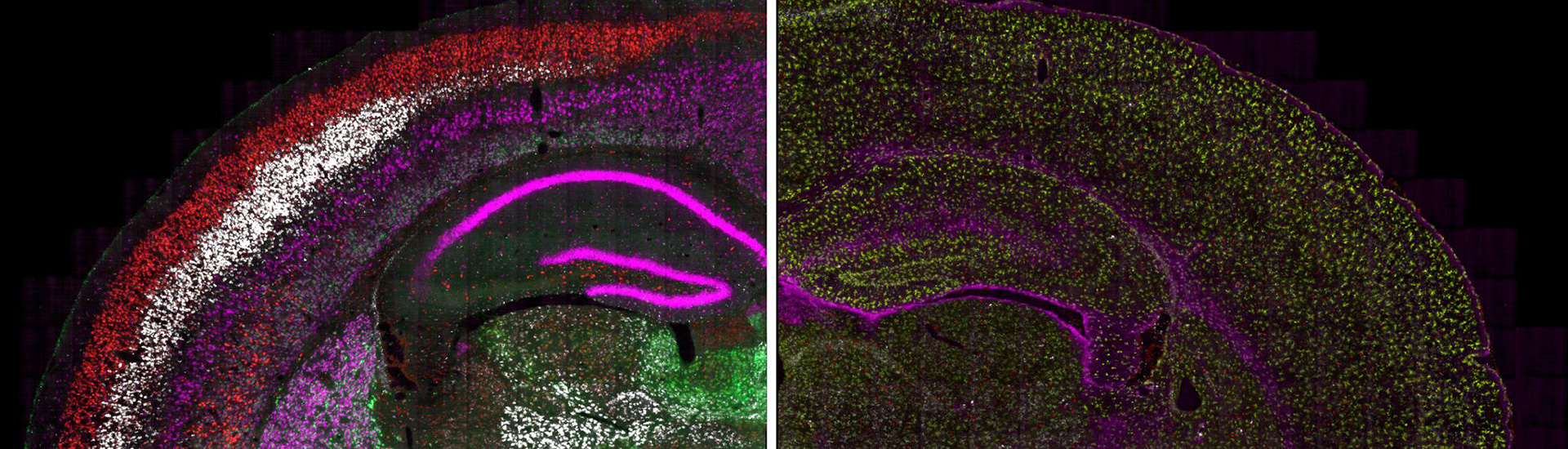
Omer Bayraktar is a Group Leader at the Wellcome Sanger Institute , leading research in the Cellular Genomics Programme. His work focuses on decoding human brain cellular diversity using spatial transcriptomics , imaging , and functional screening to study neural complexity in health and disease. Bayraktar's educational background includes a PhD from HHMI under Chris Doe, investigating neural diversity development in Drosophila , followed by postdoctoral work at University of California, San Francisco and University of Cambridge as a Life Sciences Research Foundation Fellow. He developed a spatial transcriptomic pipeline during his postdoc to analyze astrocyte heterogeneity in the cerebral cortex. His research explores neural cell type mapping , glial-neuronal interactions , and cellular pathways in neurodevelopmental disorders . Recent publications emphasize 3D tissue mapping , multi-omic integration , and computational tools like Cell2fate and WebAtlas. His work bridges neurogenetics and computational biology to advance understanding of human tissue ecosystems. Bayraktar's lab collaborates with the Human Cell Atlas initiative and develops technologies such as automated histology pipelines and highly-multiplexed smFISH for molecular cell typing. His team also investigates glia-based therapies and astrocyte functional heterogeneity in neurodevelopmental contexts. Key scientific contributions include: Discovering astrocyte layer patterns independent of neuronal laminae Developing cell2location for spatial cell mapping Characterizing Drosophila neural stem cell models with human relevance Notable awards include the Life Sciences Research Foundation Fellowship during his postdoctoral training. His current group includes a PhD student , Senior Data Scientists , and Bioinformaticians .
Prof. Dr. Pia Knoeferle is a leading academic at Humboldt-Universität zu Berlin , where she serves as a Professor in the Department of German Language and Linguistics . She is a principal investigator in the Collaborative Research Center (CRC 1412) focused on register phenomena and leads the Reaction Time, Eye-tracking, and EEG Laboratories . Her research spans psycholinguistics , cognitive neuroscience , and computational modeling of language , with a central interest in how real-time language comprehension interacts with social context , formality-register congruence , and morphosyntactic processing . Appointments: Professor at Humboldt-Universität (2024), CRC 1412 member Methodologies: Eye-tracking, EEG, Visual World Paradigm, ERP Her work investigates lifespan language processing (children, adults, older adults) through contextual cue integration , including emotional , spatial , and social context such as gender cues , eye gaze , and facial expressions . Key questions include: How do pragmatic and contextual factors modulate lexical and grammatical processing ? What representations underlie register sensitivity in spoken and written comprehension ? Recent articles (2022-2024) focus on register congruence effects in German sentence processing, age-related differences in formality-register anticipation , and interactions between register and morphosyntactic knowledge . Using eye-tracking and visual world paradigms , her team examines incremental integration of socially-situated context with verb-argument relations and grammatical constraints . Findings suggest subtle late-stage register effects and interference between pragmatic and syntactic processing . Her lab collaborates with researchers like Katja Maquate , Valentina Nicole Pescuma , and Camilo Ronderos , contributing to the Frame text of the Second Phase Proposal for CRC 1412 (2020) and subsequent reviews in Frontiers in Psychology (2023). The work emphasizes complementary methods to model register variability across languages , modalities , and cultural contexts .
Marilyn J Smith is the David S. Lewis Professor and Director of the Vertical Lift Research Center of Excellence (VLRCOE) at the Georgia Institute of Technology's Daniel Guggenheim School of Aerospace Engineering. She leads a seven-university consortium conducting vertical lift research for the U.S. Army, Navy, and NASA, and has secured over $200 million in collaborative research funding. Computational Nonlinear Computational Aeroelasticity Lab Director NASA FUN3D development team contributor Aerospace Systems Design Lab (ASDL) affiliate Her research spans unsteady aerodynamics, computational aeroelasticity, and sustainable energy applications across rotary-wing, fixed-wing, and launch vehicles. She serves on the Vertical Lift Consortium (VLC) Board of Directors and Vertical Flight Society (VFS) Board, while acting as VFS Deputy Technical Director for Aeromechanics and leading international NATO AVT panels on UAV aerodynamics. Recent publications focus on galaxy cluster cosmology, ship-helicopter dynamic interface modeling, and Type Ia supernova analysis. She has won prestigious awards including the AIAA Aerodynamics Award and multiple American Helicopter Society honors for research, mentoring, and service. 2022 AIAA Aerodynamics Award 2015 Best Paper Awards at AHS Forum 2014 & 2012 AHS Agusta-Westland International Fellowships Her laboratory work integrates high-performance computing with aerospace design and develops advanced turbulence models through partnerships with Georgia Tech Research Institute (GTRI). She contributes to public science communication with appearances on National Geographic, PBS, NPR, and local media.
Susan Hughes, Ph.D., is a Professor of Psychology and Director of the Evolutionary Studies Program at Albright College. She holds a B.S. in Psychobiology from Binghamton University and a Ph.D. in Biopsychology from the University at Albany, SUNY. Her work bridges evolutionary psychology, biopsychology, and the study of human mating strategies. She explores how voice characteristics convey social, biological, and behavioral information, including attractiveness, mate selection, and sexual behavior. Her research also examines facial/body measures in attraction, female preferences for resources, and sexual orientation from an evolutionary lens. Education: B.S. Psychobiology, Binghamton University, SUNY Ph.D. Biopsychology, University at Albany, SUNY Research Interests: Evolutionary Psychology: Human mating strategies, sex differences, and ancestral adaptations Voice Analysis: Vocal attractiveness, manipulation, and its role in social perception Mating/Sexual Behaviors: Post-coital behaviors, jealousy, and physical markers of fitness Labs/Teams: Directs the Evolutionary Studies Program, fostering interdisciplinary research on evolutionary principles. Collaborates with colleagues on studies of vocal perception and behavioral ecology. Grants/Awards: None explicitly listed. Teaching: Teaches courses including Evolutionary Psychology, Human Sexuality, and Psychobiology. Engages students in research labs and fieldwork.
Prof. Dr. Jing Wang is a Full Professor at the Department of Civil, Environmental and Geomatic Engineering at ETH Zürich. His research focuses on air pollution control, nanoparticle transport, and environmental health and safety (EHS) impacts of nanomaterials. He has held roles including Assistant Professor at ETH Zürich (2010–present), Research Assistant Professor at the University of Minnesota (2007–2010), and postdoctoral associate in Particle Technology (2005–2007). Education: Bachelor’s in Engineering (2000) – Tsinghua University, Beijing Master’s in Computer Sciences (2003) – University of Minnesota PhD in Aerospace Engineering (2005) – University of Minnesota Research Interests: Air/water filtration technologies Nanoparticle emission reduction and measurement Multiphase flow mechanics Environmental impacts of nanomaterials Collaborations: Industrial partnerships include 3M, BASF, Boeing, Intel, Samsung, and others in nanoparticle measurement and filtration solutions. Honors: 2011 Smoluchowski Award (Association for Aerosol Research) 2006 ‘Best Dissertation’ Award (University of Minnesota) 2004 Doctoral Dissertation Fellowship Teaching: Courses include Air Pollution Control, Environmental Engineering Seminars, and Excursions for Environmental Engineers. Labs/Teams: Leads the Particle Technology Lab and collaborates with the Institute of Environmental Engineering at ETH Zürich.
Sarah A. Soule is the Philip H. Knight Professor and Dean of Stanford Graduate School of Business and Morgridge Professor of Organizational Behavior. She has been a faculty member at Stanford since 2008 and previously taught at the University of Arizona and Cornell University. As of June 2025, she serves as the first woman dean of Stanford GSB, marking the school's centennial year. Her educational background includes a PhD and MA in Sociology from Cornell University (1995, 1991) and a BA in Sociology from the University of Vermont (1989). She has held significant leadership roles including Senior Associate Dean for Academic Affairs (2016-2023) and Director of the Center for Advanced Study in the Behavioral Sciences (2023-2025). Soule's research focuses on organizational theory, social movements, and political sociology, examining how social movements impact organizational and policy change. Her work bridges sociology and business, analyzing how protest influences corporate decisions and how organizations respond to social movement pressures. She has made significant contributions to understanding tactical innovation in social movements and the diffusion of protest strategies. Her scholarly output shows a consistent trajectory examining the intersection of social movements with business and policy. Early work focused on protest policing and movement tactics, while more recent research explores corporate activism, DEI initiatives, and the role of design thinking in organizational contexts. Her publications span top sociology and management journals, demonstrating interdisciplinary impact. Hank McKinnell-Pfizer Inc. Faculty Fellow, Stanford GSB, 2014 James and Doris McNamara Faculty Fellow, Stanford GSB, 2011 GSB Trust Faculty Fellow, Stanford GSB, 2010 Member, Sociological Research Association, 2009 Fellow, Michelle R. Clayman Institute for Gender Research, 2009 Magellan Circle Award for Excellence in Graduate Teaching, University of Arizona, 2006 Soule has served on multiple editorial boards including Sociological Science (founding team), Stanford University Press, and Cambridge University Press. She has advised numerous PhD students and has been actively involved in curriculum development, particularly in diversity, equity, and inclusion education. Her leadership extends to nonprofit boards including the Hasso Plattner Institute of Design (Stanford d.school) and the international advisory board to the president of the Stockholm School of Economics. She co-directs the Stanford LEAD Online Business Program and has developed executive education programs focused on coaching skills and diversity leadership.
Kumar Varoon Agrawal is an Associate Professor at École Polytechnique Fédérale de Lausanne (EPFL), holding the Gaznat Chair for Advanced Separations. He is affiliated with the School of Basic Sciences (SB), the Institute of Chemical Sciences and Engineering (ISIC), and the Laboratory of Advanced Separations (LAS) in Sion, Switzerland. Additionally, he contributes to the Swiss Doctoral School in Chemical and Bioengineering (SCGC) and serves as Vice President of the Confédération des Chimistes et des Génie Chimique (CCE). Research Focus: Material Chemistry & Engineering at the Ångström scale for high-performance inorganic and hybrid membranes, emphasizing energy-efficient molecular separations. Teaching: Courses include Fundamentals of separation processes , Diffusion and mass transfer , and Chemical engineering product design . Scientific Contributions: His 15 most recent publications (2025-2020) span topics like graphene pore engineering , 2D material synthesis , carbon capture , and gas separation membranes , with keywords such as Nanotechnology , Materials Science , and Molecular Transport . Subfields include Atomic-Scale Pores , Membrane Stability , and Industrial Scalability . Students and Collaborations: He advises 10 current PhD students and has mentored 9 past PhD candidates in areas like graphene membranes , ion separation , and MOF films . He is an Academic Referent for the EPFL Carbon Team and a committee member for the EDCH Doctoral Program in Chemistry and Chemical Engineering.
Christian Friedrich Wilhelm Becker is a full Professor at the University of Vienna, holding a position within the Faculty of Chemistry and the Department of Biological Chemistry. His research profile shows extensive activity in protein chemistry and biochemistry, with particular focus on post-translational modifications and their implications in disease mechanisms. His work bridges chemical biology, biochemistry, and biomedical applications, contributing significantly to the academic and research landscape at one of Europe's oldest and most prestigious universities. Faculty of Chemistry, University of Vienna Department of Biological Chemistry Active research leader with numerous ongoing projects Significant publication record spanning multiple disciplines Professor Becker's research primarily focuses on protein chemistry, particularly post-translational modifications and their role in protein function and dysfunction. His work spans multiple interconnected areas including ubiquitination, protein aggregation, prion protein behavior, and biomimetic approaches to protein analysis. His research has significant implications for understanding neurodegenerative diseases and developing novel therapeutic approaches. The fingerprint analysis of his work shows strong connections to biochemistry, molecular biology, and chemistry, with particular emphasis on cysteine chemistry, glycosylation, and amino acid modifications. Analysis of Professor Becker's recent publications (2021-2025) reveals a consistent research trajectory focused on protein modification techniques and their biological implications. His work shows increasing sophistication in chemical biology approaches to study protein function, with particular emphasis on ubiquitination pathways and protein aggregation mechanisms. The integration of chemical synthesis methods with biological analysis represents a hallmark of his research approach. His publications span high-impact journals in biochemistry, chemical biology, and peptide science, demonstrating the interdisciplinary nature of his contributions. Professor Becker has received notable recognition for his research contributions, most prominently the Cathay Award in 2020. This award acknowledges his significant contributions to the field of protein chemistry and chemical biology. His work appears to have practical applications in therapeutic development, particularly in the areas of targeted protein degradation and immunotherapy, which likely contributed to this recognition. Cathay Award (2020) Professor Becker leads multiple significant research projects, including 'Targeted protein degradation - from small molecules to complex organelles' (2020-2024), 'Taktira: Development of an improved, low-side-effect and sustainable immunotherapy' (2019-2023), and 'Structure Zoom: Zooming in on protein functional sites with atomic resolution' (2018-2021). These projects demonstrate substantial grant funding and collaborative research efforts across multiple institutions. His active participation in 290 recorded activities through 2025 indicates a highly engaged research program with numerous collaborators and trainees. Targeted protein degradation project (2020-2024) Taktira immunotherapy project (2019-2023) Structure Zoom project (2018-2021) Professor Becker's research environment includes a robust team of collaborators and junior researchers, as evidenced by the numerous co-authored publications and activities. His work intersects with multiple research groups studying protein function, modification, and therapeutic applications. The international collaboration network shown in his profile indicates significant engagement with researchers across multiple countries, creating a dynamic research ecosystem focused on advancing protein science and its biomedical applications.
Anthony D. Wagner is the Lucie Stern Professor in the Department of Psychology at Stanford University and Deputy Director of the Wu Tsai Neurosciences Institute. He holds affiliations with Stanford's Center for Cognitive and Neurobiological Imaging, Symbolic Systems Program, Human Biology Program, and Stanford Center on Longevity. His PhD (1997) is from Stanford University in Psychology. Research focuses on the neurobiology of learning, memory, and executive function across ages, with translational studies on aging, Alzheimer’s disease, multitasking, and neuroscience applications in law. Key themes include biomarker development for neurodegeneration, cognitive resilience, and the impact of attention on memory. Labs/teams include collaborations at the Wu Tsai Institute and neuroimaging centers. Recent work emphasizes tau PET imaging, proteomics of aging, and fluid biomarkers for Alzheimer’s prediction. He also explores societal impacts of neurotechnology and media on cognition.
Professor Julie Harris is a faculty member at the University of St Andrews, holding the position of Professor of Psychology within the School of Psychology and Neuroscience since 2005. She previously held academic posts at Newcastle University and the University of Edinburgh, and conducted postdoctoral research at the Smith-Kettlewell Eye Research Institute in California. Her research focuses on human visual processing, including vision and camouflage, depth perception, binocular stereopsis, and eye movements in natural environments. She earned a BSc in Physics from Imperial College London and a DPhil from Oxford University. Research interests include exploring how visual systems process environmental cues for depth and motion, with applications in camouflage design and stereo display technologies. Her lab employs psychophysical, behavioral, and computational methods. Notable projects address countershading camouflage effectiveness, motion-in-depth perception, and visual-motor interactions in driving scenarios. Selected grants include funding from BBSRC, Leverhulme Trust, and Medical Research Scotland. Collaborations span evolutionary biology, neuroscience, and applied vision science. She supervises PhD students Federico De Filippi and Rebecca Maguire. Awards include the Davida Teller Award Nomination and Fellowship in the Society of Biology. Labs/Teams: Julie Harris Lab (St Andrews), St Andrews Vision Labs, and the Institute of Behavioural and Neural Sciences. Current projects investigate warning signal design, visual perception in virtual environments, and the impact of visual processing on driving ability.
Masato Kato serves as Professor in the Department of Biochemistry at the University of Texas Southwestern Medical Center since 2020 and concurrently as Team Leader at Japan's National Institutes for Quantum and Radiological Science and Technology. His academic trajectory includes progressive appointments from Assistant Professor (2004-2014) to Associate Professor (2014-2020) at UT Southwestern, with prior postdoctoral training at Harvard Medical School and Nara Institute of Science and Technology. 2020-present: Professor, Department of Biochemistry, UT Southwestern 2020-present: Team Leader, National Institutes for Quantum and Radiological Science and Technology, Japan 2014-2020: Associate Professor, Department of Biochemistry, UT Southwestern 2010-2014: Assistant Professor, Department of Biochemistry and Internal Medicine, UT Southwestern 2004-2010: Assistant Professor, Department of Internal Medicine, UT Southwestern 1999-2004: Postdoctoral Fellow, Ellenberger Lab, Harvard Medical School 1998-1999: Postdoctoral Fellow, Hakoshima Lab, Nara Institute of Science and Technology Dr. Kato's research pioneers the biophysical characterization of protein phase separation, particularly focusing on low-complexity domains (LCDs) in neurodegenerative disease contexts. His work establishes fundamental mechanisms of biomolecular condensate formation, including hydrogel polymerization, liquid-solid transitions, and mutation-induced dysregulation in ALS/FTD. Key contributions demonstrate how C9orf72-encoded poly-dipeptides disrupt nucleocytoplasmic transport and how redox states regulate Ataxin-2 phase behavior, bridging structural biochemistry with pathological mechanisms. Analysis of his 22 publications reveals a cohesive research program centered on LCD-driven phase transitions. The most recent 15 articles (2012-2019) systematically investigate pathological aggregation in neurodegeneration, structural basis of condensate formation, and regulatory mechanisms like phosphorylation and oxidation. This body of work establishes LCDs as central players in both physiological RNA granule assembly and disease-associated solidification, with strong emphasis on C9orf72-related ALS/FTD mechanisms. Dr. Kato maintains active leadership within the McKnight Laboratory at UT Southwestern, where his team employs integrated approaches spanning structural biology, cell biology, and biophysics to dissect phase separation mechanisms. His collaborative network includes prominent neuroscience and biochemistry groups, with co-authorship on key studies in Cell, Science, and PNAS.