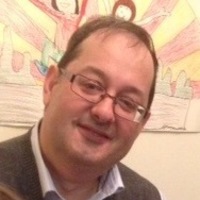
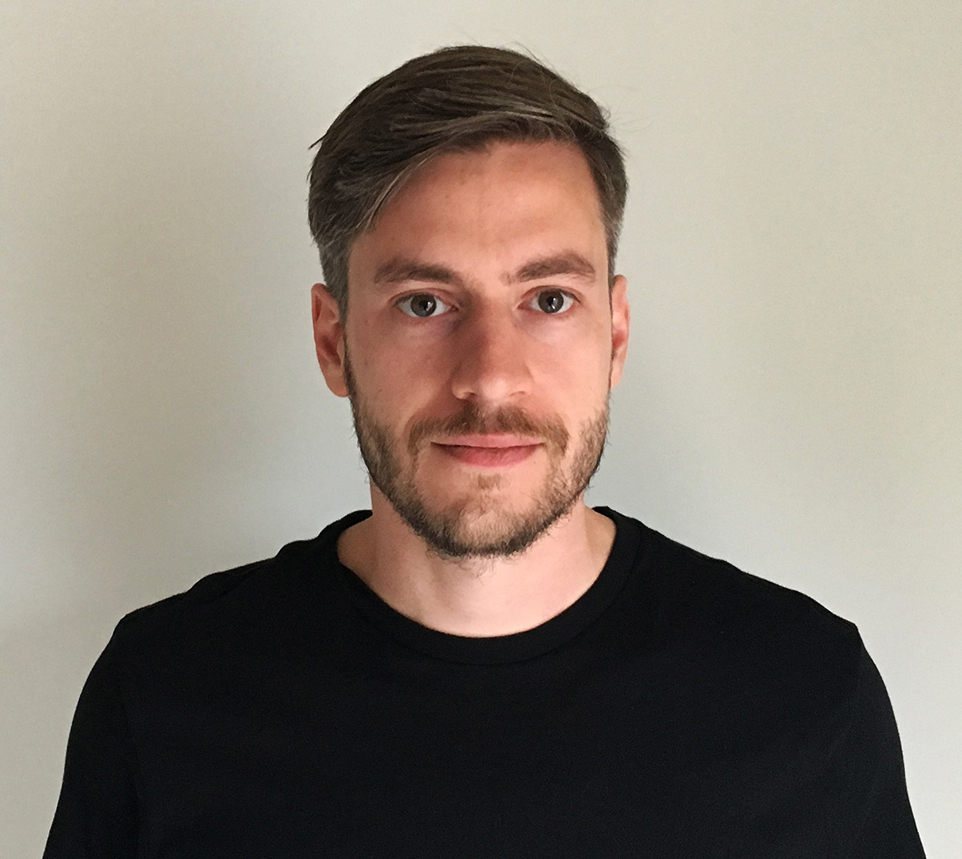
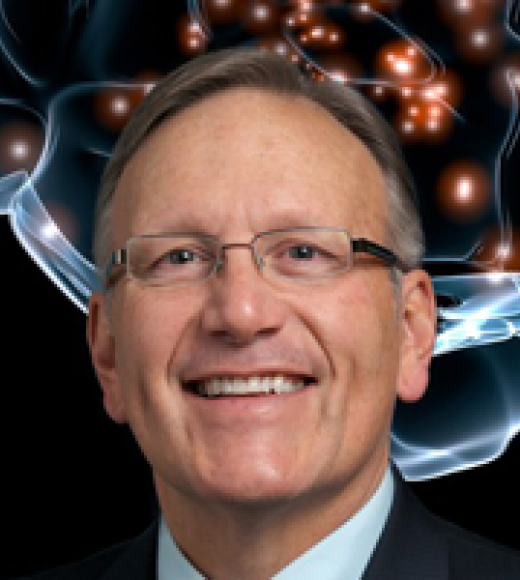
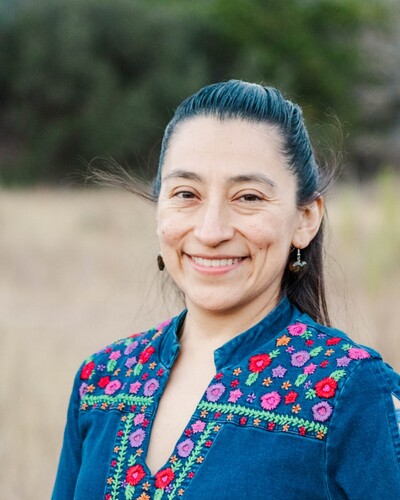
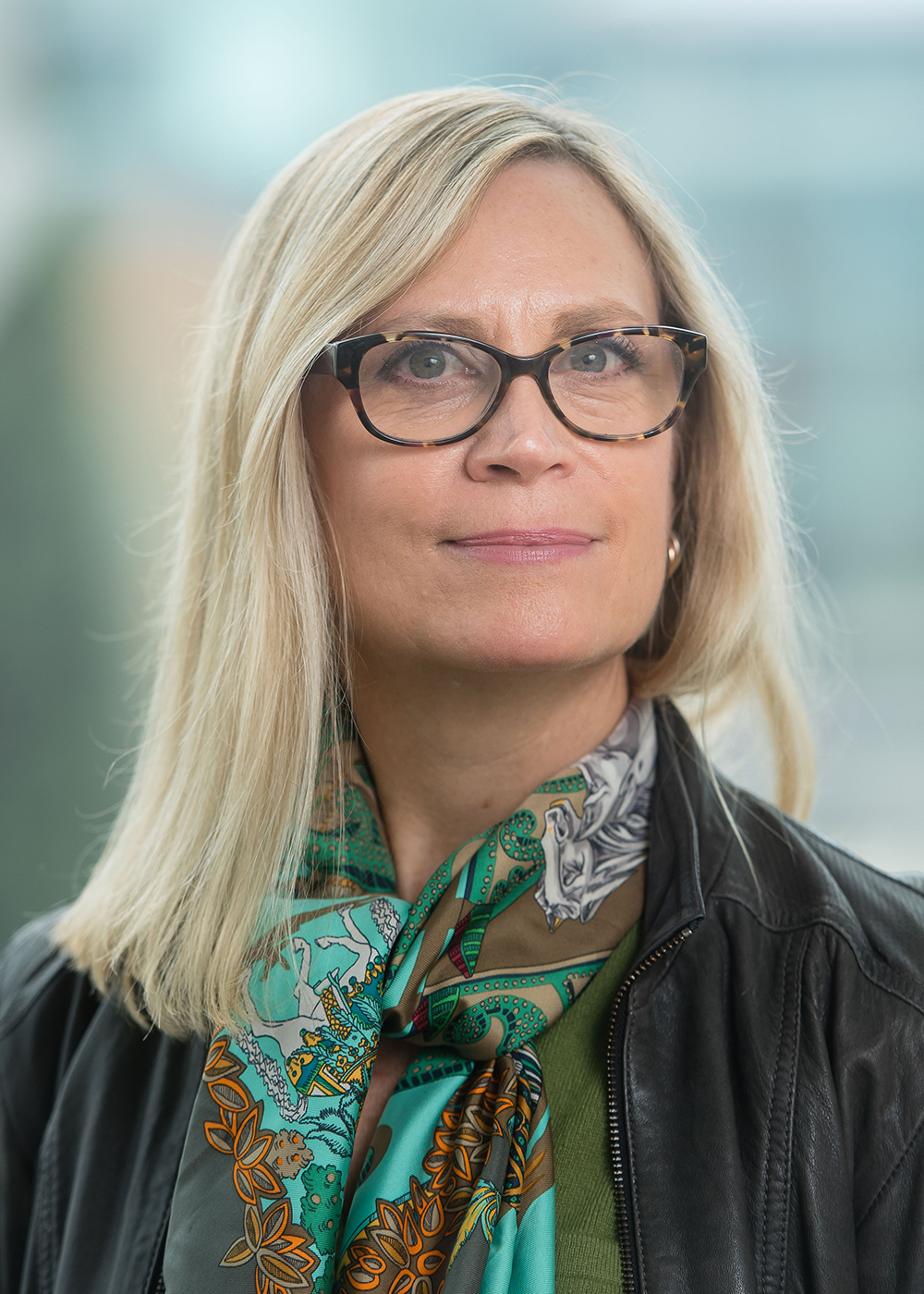
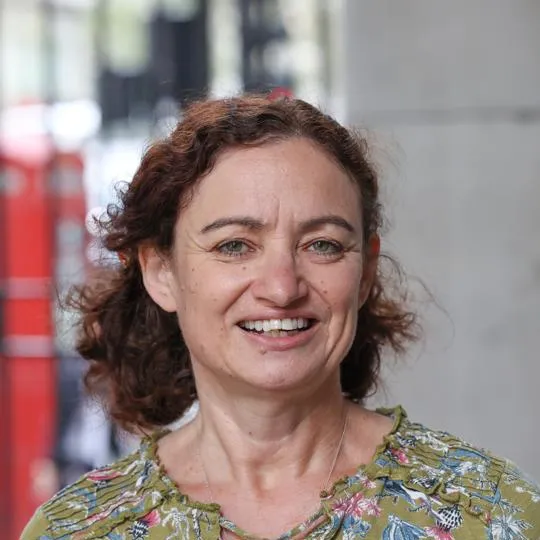
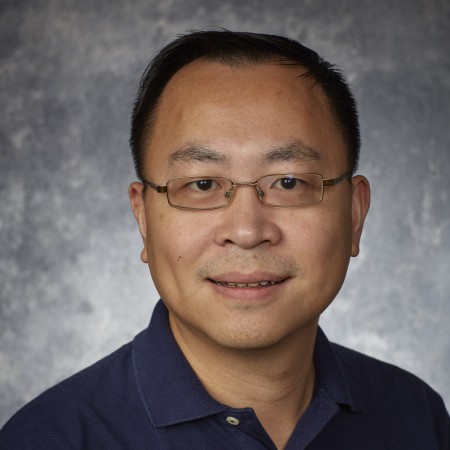
Luca Somigli is a Professor at the University of Toronto, holding the Emilio Goggio Chair in Italian Studies. His research focuses on European and Italian modernism, avant-garde movements, futurism, detective fiction, genre literature, and comics. Born in Florence, he earned a Laurea from the Università degli Studi di Firenze and a PhD in Comparative Literature from SUNY Stony Brook. Educational Background: PhD, State University of New York at Stony Brook Laurea, Università degli Studi di Firenze Luca's scholarship explores tensions between modernism and postmodernism, colonial narratives in Italian crime fiction, and the intersection of visual narratives with cultural themes. His recent publications include co-edited volumes on futurism and modernism, alongside articles analyzing authors like Marinetti, Pirandello, and Camilleri. Key research trends include: Colonialism in Italian historical fiction Symbolist and avant-garde artistic movements Visual storytelling in comics and film The legacy of fascist ideology in literature Scientific awards highlight his contributions: the 2019 Visiting Scholar at Université de Haute-Alsace and the 2003 American Association for Italian Studies Book Award. Luca has co-authored works with scholars like Federico Luisetti and Eleonora Conti, and his conference presentations address neomodernist novels and modernist historiography. He serves as Chair of the Department of Italian Studies (2021-present) and previously as Associate Chair – Graduate (2020-2021).
David Lindlbauer is an Assistant Professor at the Human-Computer Interaction Institute (HCII) within Carnegie Mellon University's School of Computer Science. He leads the Augmented Perception Lab and co-directs the CMU Extended Reality Technology Center (XRTC) . His research bridges Human-Computer Interaction, Computer Graphics, and Computer Vision to create adaptive interfaces that enhance human-digital interaction. Education : PhD (summa cum laude) from Technische Universität Berlin , MSc and BSc from University of Applied Sciences Upper Austria Previous Affiliation : Postdoctoral Researcher at ETH Zurich (2018-2020) David's research focuses on understanding human perception of digital information and developing computational approaches to optimize AR/VR interface usability. Key areas include: Context-aware adaptive interfaces Visual saliency and attention modeling Spatial audio-haptic systems Optimal placement algorithms Object manipulation in Remixed Reality Diminished/ambient MR interfaces His 15 most recent publications (2024-2025) span topics in adaptive XR interfaces, multimodal notifications, haptic systems, and spatial cognition. These works appear at venues like ACM CHI, ACM UIST, IEEE VR, and Frontiers in VR. Common themes include: Machine learning for interface adaptation Human factors in XR design Real-time environment analysis Privacy-aware display systems Collaborative MR interfaces Accessibility enhancements Scientific Recognition : Best Paper Honorable Mention Award (ACM CHI 2024) Best Paper Award (ACM ISS 2023) ETH Zurich Postdoctoral Fellowship Multiple best paper recognitions at CHI, UIST, and IEEE VR Teaching & Leadership : Course developer for CMU's "Interactive Extended Reality" Mentor for NASA SUITS Challenge team Co-chair roles at CHI and UIST Overseeing PhD students and research interns
George R. Mangun is a Distinguished Professor of Psychology and Neurology at the University of California, Davis and Co-Director of the Center for Mind and Brain. He founded the UC Davis Center for Mind and Brain in 2002 and served as Dean of Social Sciences (2008-2015). Education: Ph.D. in Neurosciences (UC San Diego, 1987), B.S. in Chemistry and Life Sciences (Northern Arizona University, 1981) His research focuses on the neuroscience of attention , combining EEG and fMRI to explore how the brain selects and processes sensory stimuli. Key areas include attentional control, brain networks, and neural oscillations. Recent studies investigate hierarchical attention control, decoding spatial attention, and the role of theta/alpha oscillations in cognitive tasks. His work has implications for understanding neurological disorders like ADHD. Scientific Awards : Fulbright U.S. Distinguished Scholar (2025), Society for Neuroscience Education Award (2024), AAAS Fellow (2010), APS Fellow (2007) He has led the Neural Mechanisms of Attention Lab , funded by NSF, NIH, and international organizations, and co-authored the leading textbook Cognitive Neuroscience: The Biology of the Mind (6th ed., 2025).
Margaret Carlyle is an Assistant Professor in the Department of History and Sociology at the Irving K. Barber Faculty of Arts and Social Sciences, University of British Columbia Okanagan. She is a graduate student supervisor and member of UBCO’s Science and Technology Studies (STS) Collective. Her academic journey includes postdoctoral research at the University of Chicago and University of Cambridge, and a Visiting Assistant Professor role at the University of Minnesota. Research Interests: Carlyle specializes in the history of medicine, science, and technology within early modern France and transatlantic contexts. Her work examines women’s roles as experimentalists, artisans, and translators in scientific knowledge formation, utilizing archival and museum sources. Key themes include scientific imaging, medical technologies, gender and women’s studies, and the intersection of race and science in the French Atlantic World. Selected Articles: Recent publications analyze Enlightenment anatomy education, reproductive technologies, and transnational scientific networks. Her research spans topics from midwifery training to fetal representation in media, reflecting interdisciplinary engagement with medical humanities and material culture. Scientific Awards: SSHRC Insight Development Grant (2021–2023) UBCO Curricular Innovation Grant (2023) CIHR Project Grant (2023–2027) Molina Fellow at Huntington Library (2014) Teaching & Public Engagement: Offers courses on science and empire, reproductive technologies, and pandemics. Created the SSHRC-funded Reproductive Technologies podcast and co-curated the University of Chicago’s 'Fetus in Utero' digital exhibition. Collaborates on medical education tools for chronic gynecological pain.
Dr. Martha Sidury Christiansen is a Professor of Applied Linguistics/TESOL at the University of Texas at San Antonio , where she serves in the College of Education and Human Development . She is the Principal Investigator of Project RESPETO , a NSF-funded initiative exploring racial equity in engineering education. Her work spans sociolinguistics, digital literacies, and raciolinguistic analysis, with a focus on transnational multilingual communities. Born in Veracruz, Mexico Ph.D. in Foreign/Second Language Education (Ohio State University, 2013) M.A. in English Composition (Indiana University, 2007) B.A. in English Language Teaching (Universidad Veracruzana, 2002) Her research examines how transnational youth navigate digital spaces through multiliteracies , challenges Western academic writing norms via Mexican decolonial methodologies , and investigates raciolinguistic intersections in identity formation. The 15 most recent publications reveal a strong focus on digital communication , transnationalism , and critical pedagogy across journals like TESOL Quarterly and Language@Internet . 2023-2025: Expanding raciolinguistic frameworks in digital contexts 2021-2022: Analyzing multimodal identity construction 2019-2020: Exploring Mexican bilinguals' online language use She has received multiple honors including ACUE Fellow (2023), Fulbright Scholar (2017), and Faculty Leadership Fellow (2021-2022). Her presentations at conferences like ICOLLITE and DDVM Lab highlight her expertise in critical sociolinguistic awareness and digital discourse analysis . Dr. Christiansen actively consults for nonprofits on linguistic equity and multilingual education .
Mihye Won is an Associate Professor at Monash University’s Faculty of Education, specializing in innovative science education strategies. Her research integrates dialogic teaching, student-generated diagrams, immersive Virtual Reality (VR), and generative AI to enhance scientific understanding and creativity. She has secured Australian Research Council (ARC) funding for projects like Using Immersive Virtual Reality to Enhance Science Visualisation (2019–2025) and Drawing Science Diagrams to Enhance Scientific Creativity (2018–2025). Her work supports students, teachers, and early-career researchers, aligning with the UN Sustainable Development Goal for Education. PhD, University of Illinois at Urbana-Champaign: Inquiry-based science education via Dewey’s theory of inquiry Her research focuses on: Dialogic teaching to foster student reasoning Student-generated diagrams for conceptual understanding VR for visualizing complex science topics Generative AI in science learning Creative and critical thinking in science education Recent articles span VR applications, AI in physics education, collaborative drawing techniques, and curriculum-aligned creative pedagogy. Awards include the Most Valuable Paper Award 2024 for her work on enzyme-substrate interactions in VR. She serves on the advisory board for Chemistry Education Research and Practice and the editorial board of the International Journal of Science Education .
Victoria Lemieux is a Professor at the University of British Columbia (UBC) Faculty of Arts, School of Information, and Cluster Lead for Blockchain@UBC, Canada’s largest research cluster focused on blockchain technology. Her research centers on risks to trustworthy records in blockchain systems and their impact on transparency, financial stability, and human rights. She has pioneered Canada’s first research-oriented graduate blockchain training program and organized multiple interdisciplinary summer institutes. Education: Ph.D. in Archival Studies from University College London (2002), Certified Information Systems Security Professional (CISSP, 2005). Affiliated with UBC’s Peter Wall Institute for Advanced Studies, Sauder School of Business, and Institute for Computers, Information and Cognitive Systems (ICICS). Research interests span blockchain technology , trustworthy records , risk management , information governance , and visual analytics , with recent work addressing healthcare data frameworks, Web3 AI integration, and socio-cultural dynamics of decentralized systems. She has published extensively on blockchain applications in archives, land transactions, and privacy-preserving technologies. Scientific Awards : 2015 Emmett Leahy Award 2015 World Bank Big Data Innovation Award 2016 Emerald Literati Award 2016 Emerald Literati Outstanding Paper Award Supervision: Currently accepts doctoral students in Computational Archival Science and blockchain-related archival research. Affiliated with the Blockchain@UBC cluster and multidisciplinary research teams exploring decentralized systems for social good.
Sunny Stalter-Pace serves as the Hargis Professor of American Literature in Auburn University's College of Liberal Arts, English Department. A specialist in modernist performance, literature, and urban space, she authored Imitation Artist: Gertrude Hoffmann's Life in Vaudeville and Dance (2020) and is currently completing a cultural history of the New York Hippodrome. Her work bridges academic research with public engagement through blogs, interviews, and collaborations with institutions like the Library of Congress. Her educational foundation includes: Ph.D. in English, Rutgers University (2007) M.A. in English, Rutgers University (2003) B.A. in English and French, Loyola University Chicago (1997), magna cum laude Stalter-Pace's research interrogates intersections of mobility, gender, and performance in 20th-century American culture. She examines how vaudeville, subway systems, and theatrical spectacles shaped public identity, with particular attention to women's experiences and spatial politics. Her methodology combines literary analysis, archival research, and visual studies to reveal how imitation and movement function as cultural forces. Current projects explore aquatic performances at the New York Hippodrome and the legacy of vaudeville producer Gertrude Hoffmann. Her 15 most recent publications demonstrate an evolving trajectory from subway systems ( Underground Movements , 2013) toward aquatic spectacles and vaudeville legacies, consistently centered on New York City's infrastructure. This body of work establishes mobility studies as a critical lens for understanding modernism, revealing how transportation networks and performance venues structured social interactions. Her interdisciplinary approach connects theater history, gender studies, and urban theory to uncover marginalized narratives in American cultural production. Key recognitions include: Harry Ransom Center Fellowship (2020) New York Public Library Short-Term Research Fellowship (2020) Alabama Humanities Foundation Grant (2014) College of Liberal Arts Excellence in Teaching Award nomination (2011) Multiple research fellowships from 2003-2017 Stalter-Pace has secured substantial funding for archival research through fellowships from the NEH, MLA, and university grants. She serves on Biographer’s International Organization's program committee and curated the 'Common Grounds' exhibition at Auburn's Jule Collins Smith Museum. Her teaching innovations include the first-year seminar 'Thinking Through the Arts' and courses on contemporary drama that integrate Hamilton into American literature pedagogy. As Book Review Editor for Transfers: Interdisciplinary Journal of Mobility Studies , she shaped scholarly discourse in mobility studies. Through her Hippodrome research blog and collaborations with the New York Public Library, Stalter-Pace transforms specialized scholarship into accessible public history. Her Library of Congress presentation on Albertina Rasch and the Hippodrome exemplifies her commitment to bridging academic research with community engagement, while ongoing interviews and blog posts extend her work beyond traditional academic boundaries.
Dr Ellen Adams is a Reader in Classical Archaeology and Liberal Arts at King’s College London, affiliated with the Departments of Classics and Interdisciplinary Humanities. She holds a PhD from the University of Cambridge (2004) and has conducted archaeological fieldwork across Europe. Her research focuses on Minoan Crete, disability studies in classical contexts, and museum accessibility for sensory-impaired audiences. She co-organizes the ICS Mycenaean Seminars and founded the Museum Access Network for Sensory Impairments (MANSIL) in 2018. Her work bridges archaeology and modern accessibility, emphasizing audio description, touch tours, and British Sign Language in museums. Recent projects include Disability Studies and the Classical Body (Routledge, 2021) and collaborations with institutions like the British Museum and the Courtauld Gallery. She teaches Greek archaeology, museum studies, and interdisciplinary modules in global cultures. Adams has appeared on BBC Radio discussing Minoan civilization and classical reception. Her research projects include Making Sense of Visual Art Through a Visual Language (BSL) and Anosmia in Culture and History . She actively curates public engagement events, such as BSL storytelling in Holyrood Park and creative writing competitions for blind/visually impaired audiences.
Michela Bertolotto is a Professor in the School of Computer Science at University College Dublin (UCD). Her research focuses on spatio-temporal data modeling, GIScience, and applications of geospatial technologies in fields like urban planning and health informatics. She leads a research group and has supervised 19 PhD and 8 MSc students. Her work includes innovations in LiDAR-based flood risk visualization, semantic web quality assurance, and open-source spatial data analysis. Bertolotto has held roles including College Lecturer at UCD (2000–2006) and postdoctoral research positions at the University of Maine and University of Genoa. Education: BSc and PhD in Computer Science from the University of Genoa (1993, 1998). Professional achievements include over 100 publications, 24 grants (e.g., Science Foundation Ireland-funded Urban ARK project), and editorial roles at journals like the International Journal of Geographical Information Science. Awards include the UCD President's Research Award (2001) and NATO Postdoc Fellowship (1998–1999). Research interests span map personalization, volunteered geographic information (VGI), and geospatial data quality. Her lab develops tools like the LAMSkyCam (low-cost sky imaging system) and dynamic flood risk viewers. She chairs international conferences and serves on program committees for GIScience events.
Vazira Fazila-Yacoobali Zamindar serves as Associate Professor of History at Brown University, specializing in modern South Asia, decolonization, and visual archives. Her interdisciplinary work bridges historical scholarship with contemporary art and public engagement, notably through her acclaimed book The Long Partition and the Making of Modern South Asia (2007). Her educational background includes a PhD from Columbia University (2003), MA from the University of Michigan Ann Arbor (1997), and BA from Wellesley College (1992). As Director of Brown's South Asian Studies Program (2012-2016), she co-organized the Brown-Harvard Pakistani Film Festivals and founded the Theory from the South reading group. Zamindar's research critically examines decolonization, displacement, and statelessness through visual and oral histories. Current projects include a graphic novel collaboration with Sarnath Banerjee on Gandhi and Abdul Ghaffar Khan (supported by the Salomon Research Grant) and the Anticolonial solo exhibition at Karachi's Canvas Gallery (2023), exploring anticolonial resistance on the Indo-Afghan border. Her publications reveal evolving interdisciplinary trends: early works focus on Partition refugees and borders, while recent scholarship (2020-2023) emphasizes repair, statelessness architectures, and secularism in South Asian art. Recurring themes include border politics, visual culture, and decolonial methodologies across historical and contemporary contexts. Scientific recognition includes: National Endowment for the Humanities Fellowship (2009-10) Fulbright Research Scholar (2008-9) Richard B. Salomon Faculty Research Award (2022-23) Visiting Fellow at FU Berlin's Center for Affective Societies (2020-21) She actively engages public scholarship through collaborations with Primary Source, RISD Museum, Lahore Museum, and media appearances on BBC Radio's Museum of Lost Objects . Her teaching portfolio includes courses like Resisting Empire: Gandhi and the Making of Modern South Asia and Art History from the South , reflecting commitment to decolonial pedagogy. Zamindar co-leads the Decolonial Initiative on Migration of Objects and People and continues developing her graphic novel project while expanding the Art History from the South series through collaborations with scholars like Tapati Guha-Thakurta.
Xiaohu Guo is a Professor of Computer Science at the University of Texas at Dallas specializing in computer graphics, computer vision, and geometric modeling. His research develops algorithms for 3D/4D reconstruction, virtual reality, medical imaging, and physics-based simulations. Professor Guo has received significant recognition including a Best Paper Award at SIGGRAPH (2023) and an NSF CAREER Award (2012). His current research focuses on dynamic human capture, deformable models, and medical image computation. Education: PhD, Stony Brook University MS, Stony Brook University BS, University of Science and Technology of China Research Funding: Recently secured a $500,000 NSF grant for developing open-source 4D reconstruction frameworks for real-time dynamic human capture (2021). Editorial Roles: Serves on editorial boards of Graphical Models , Computer Animation and Virtual Worlds , and IEEE Transactions on Visualization and Computer Graphics .
Julia Kurz is a Researcher at TU Dortmund University's Department of Sociology of Science and Technology, Faculty of Social Sciences. She leads the 'Visually Integrated Clinical Collaboration' project within the Collaborative Research Center (SFB) Media of Cooperation. Her work spans healthcare informatics, educational research, and disability studies. Education: M.A. in Sociology from the University of Siegen (2011), with prior studies at Philipps-University Marburg. Professional experience includes research roles at the University of Siegen (2012–2023) and support work with disabled populations (since 2001). Research focuses on information workflows in hospitals, collaborative data practices, and participatory technology design. Recent talks address topics like disempowerment in participation frameworks and challenges in transdisciplinary research. Her publications explore medical visualization tools, mentoring impacts, and role-playing pedagogy. Award recognition details are not explicitly listed, but her grants include SFB funding for the Media of Cooperation project. Advising activity is not documented here. She contributes to seminars on competence, knowledge theory, and educational innovation.
Warren Buckland is a Reader in Film Studies at Oxford Brookes University's School of Arts. He holds a PhD in Film Studies from the University of East Anglia (1993) and previously studied photography at Derby (1987). Research: Film semiotics, cognitive film theory, narrative theory (puzzle films), digital humanities, independent American cinema Professional Roles: Editor of New Review of Film and Television Studies (2003-2016), editorial board member for Signata and book series Thinking Cinema and Hollywood Studio System His article trends analyze: Impossible storyworlds in Hollywood blockbusters Stylometric approaches to independent cinema Semiotic structures in music videos Epistemological foundations of film criticism Cognitive dimensions of cinematic rhetoric Contemporary auteur theory applications Awards: British Academy Post-Doctoral Fellowship (1994) Senior Research Fellow at Freie Universität Berlin (2016) As an educator, he supervises: PhD theses on film style, philosophy, puzzle films MA dissertations on Hollywood, digital humanities BA/MA film theory and research methods
Miguel Nacenta is a Professor in the Department of Computer Science at the University of Victoria (UVic), Canada, and a founding member of the Victoria Interactive eXperiences with Information (VIXI) research group. Previously affiliated with the University of St Andrews (UK), his work bridges Human-Computer Interaction (HCI), Information Visualization, and Cognitive Science. He specializes in designing interactive systems that enhance human cognition, with a focus on Infotypography (using typography to encode data), collaborative problem-solving tools, and perceptual input/output devices. Research Interests: His key areas include cognitive augmentation, visualization techniques for complex tasks, multi-display environments, and tools for constraint problem-solving. Notable projects include the WriteReason tool for essay writing, InfoTypography studies on perceptual typographic parameters, and Solvi for visual constraint modeling. Grants & Collaborations: He collaborates internationally, including with the University of St Andrews on PhD scholarship programs. His work is supported by grants focusing on HCI innovations and accessibility. He actively mentors students (e.g., Adam Binks, Johannes Lang) and supervises postdoctoral researchers. Affiliations: Member of the VIXI group,他曾是St Andrews计算机科学学院的教授, 并参与多个学术服务活动, including conference program committees and journal reviews. Labs & Teams: Leads the VIXI lab at UVic, focusing on interactive technologies for cognitive tasks. Collaborates with industry partners on projects like TypoCartographer for infoTypographic maps and HaptiQ for accessible graph exploration.