London School of Economics and Political Science (LSE)United Kingdom
Professor Andrew Murray is a leading academic in Law with expertise in New Media and Technology Law. He holds the position of Professor of Law at the LSE Law School and directs the LSE Law, Society and Technology Group. His research focuses on digital rights, AI ethics, and regulatory frameworks for emerging technologies. Murray has held roles including Fellow of the Royal Society for the Arts and advisor to the Saudi Arabian government on e-commerce law. He has advised parliamentary committees, including the House of Lords Communications Committee on digital regulation, and delivered the prestigious TMC Asser Lecture on AI and human agency. Education: LL.B. Hons from Edinburgh University (1994), followed by academic roles at Stirling University and LSE since 2000. Professional memberships include the Society of Computers and Law (SCL) and the Higher Education Academy (HEA). He has been a visiting professor at Amsterdam Law and Technology Institute and Sciences Po Paris. Research interests span cyberspace regulation, AI governance, and the intersection of technology with human rights. Key publications include Human Rights in the Digital Age (2004) and The Regulation of Cyberspace (2007). Awards include recognition as an Independent Expert in Nominet UK dispute resolution (2001–2008) and a 2024 Leibniz Prize reviewer. Advocacy includes contributions to EU e-commerce directives and UK surveillance law debates. His work emphasizes balancing innovation with legal accountability in digital spaces.
Melissa Coyle is a Senior Lecturer at the School of Sport, Exercise and Rehabilitation, Marjon University. She specializes in sport and exercise psychology, focusing on applications in sport science, coaching, physical education, outdoor education, and health and well-being. Her qualifications include HCPC registration as a sport and exercise psychologist, BASES chartered scientist, and BASES-accredited sport scientist (Psychology), alongside a PGCert, MSc, and BSc. Her research explores psychological factors in high-stakes environments, including military training, cancer patient exercise programs, and aging populations. Notable studies include a qualitative evaluation of an 8-week exercise referral program for cancer patients and an investigation into psychological factors in Royal Artillery Army Commando training. She has also examined motivations and barriers to indoor bowls participation among over-65s and mental health transitions in university students. Dr. Coyle has been awarded grants for studies like 'Psychological factors in Army Commando training' and 'Exercise adherence for cancer recovery.' Her publications span journals like Psychology of Sport and Exercise and conferences such as the Association of Applied Sport Psychology. She actively contributes to professional bodies like HCPC and BASES. Her teaching emphasizes practical applications of psychology in sports and health, complemented by research-driven insights. Beyond academia, she is an avid golfer and hill walker.
Professor Elaine Fahey is a leading scholar in EU law and global governance at the City Law School, City St George's, University of London, where she serves as Professor of EU Law and Deputy Head of Department (academic programmes). She is co-convener of the Institute for the Study of European Law (ISEL) and the UACES James Madison Trust EUFUtures initiative (2022–2025). Her academic career includes visiting professorships at Washington College of Law (American University), Keio University, and NYU, as well as fellowships at the European University Institute and the University of Graz. LLB, Trinity College Dublin LLM, Sidney Sussex College, University of Cambridge PhD, Trinity College Dublin Barrister-at-Law, Honorable Society of King’s Inns, Ireland Attorney-at-Law, State of New York Senior Fellowship, Higher Education Authority UK Her research focuses on the intersection of EU law with global governance, digital regulation, transatlantic relations, and the Area of Freedom, Security and Justice. She explores how the EU navigates legal frameworks beyond the nation-state, particularly in digital trade, cybersecurity, and data protection. Her work critically examines the EU’s role as a global regulatory actor and its interactions with international institutions. Her extensive publication record includes the monograph The EU as a Global Digital Actor (Hart, 2022) and numerous articles on digital sovereignty, data transfers, and transatlantic cooperation. Recent research analyzes the EU–US Trade and Technology Council (TTC), the evolution of the Privacy Shield, and strategic litigation in digital rights. Her work reveals a strong trend toward understanding how soft law, institutional design, and judicial decisions shape EU external relations and digital governance. Erasmus+ Jean Monnet Chair in Law & Transatlantic Relations (2019–2022) Emile Noël Fellow, NYU Law School Max Weber Fellow, European University Institute Senior Land Steiermark Fellow, University of Graz Senior Fellowship, Higher Education Authority UK Professor Fahey has supervised multiple PhD students, including Isabella Mancini, Giulio Kowalski, and Christos Karetsos, on topics such as algorithmic collusion, digital markets, and investment law. She has led significant research projects, including the ESRC-funded TRILATTRADE grant and the Marie Curie ITN on EU and Transatlantic Investment and Trade (EUTIP). She previously held leadership roles as Associate Dean (International) and interim Associate Dean (Research) at the City Law School. She is an elected member of the EU Studies Association (EUSA) Executive (2021–2025). She has also contributed to public policy through briefings for the Welsh Parliament and reports on CJEU litigation in Ireland. She is associated with research initiatives such as the Institute for the Study of European Law (ISEL) and has collaborated on interdisciplinary projects on Facebook regulation, transatlantic relations, and EU technological sovereignty. Her work bridges legal scholarship, policy, and international academic collaboration.
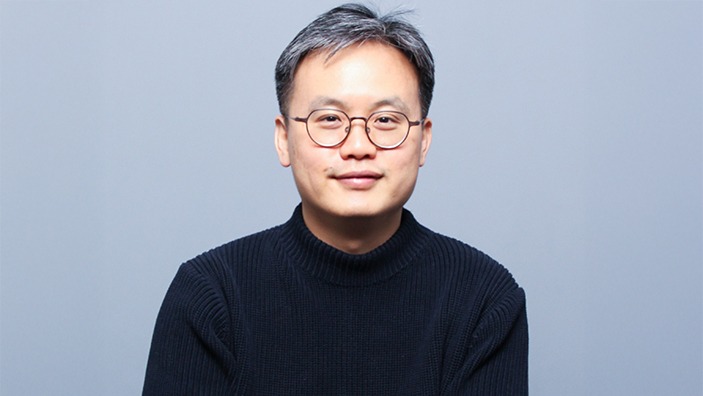
Dr. Yeun Joon Kim is an Associate Professor in Organisational Behaviour at the Judge Business School , University of Cambridge, and a Principal Investigator at the Institute of Metabolic Science , School of Clinical Medicine. He serves as the Director of the MPhil in Strategy, Marketing, Operations and Organisational Behaviour Programme and focuses on creativity, culture creation, and human-AI collaboration in organisational and medical contexts. Education PhD, University of Toronto MS and BA, Seoul National University BA, Yonsei University Research Interests : Dr. Kim investigates how information structure and feedback influence employee creativity, strategies for functional culture creation in organisations, and the psychological and social impacts of AI integration in workplaces and medical practices. His work spans organisational theory, behavioural science, and technology ethics. Academic Contributions : His research on human-AI collaboration demonstrates that while initial co-creation boosts creativity, long-term reliance on AI can hinder learning. In medical contexts, he explores patient moralisation of AI and its implications for healthcare interactions. Collaborations and Affiliations : Dr. Kim collaborates with firms like Invesco and LGIM on diversity and inclusion, and with Kyobo Lifeplanet on organisational strategy. He leads the Human-AI Research Group in Medicine and Organisations , mentoring PhD students Jungmin Choi, Pengzhao Lyu, and Yingyue Luan. Contact : Reach Dr. Kim via y.kim@jbs.cam.ac.uk or yj320@cam.ac.uk .
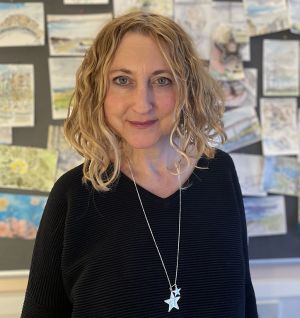
Dr. Anna Dubiel is a Senior Lecturer in Marketing at King's Business School, King's College London. Her research focuses on the intersection of innovation and R&D management with international markets, particularly in emerging economies. She teaches a broad range of Marketing topics in postgraduate and executive programmes covering International Marketing and Digital Marketing. Dr. Dubiel obtained her PhD from WHU – Otto Beisheim School of Management, Vallendar, Germany, where she previously served as Assistant Professor of International Innovation Management. Her academic journey includes visiting researcher positions at Boston College, Judge Business School, and London Business School, as well as a Visiting College Research Associate position at Wolfson College, University of Cambridge in 2017. Her research expertise centers on Innovation Management , New Product Development , R&D Management , International Marketing , and Emerging Economies . Dr. Dubiel's work particularly examines how businesses can develop better products and services for consumers and businesses at the subsistence market ends. Her current research project focuses on 'Risk Management in Emerging Economies: A Marketing Perspective. The Context of Human-Wildlife Conflict (HWC) Insurance,' which studies how to reach buyers of complex new services in subsistence marketplaces and raise insurance literacy. Dr. Dubiel's publications reveal a consistent focus on innovation in emerging markets, with significant contributions to journals such as the Journal of Product Innovation Management, Industrial Marketing Management, Journal of Business Research, European Journal of Marketing, and International Marketing Review. Her work often explores frugal innovation, new product development strategies, and international market adaptation, demonstrating how businesses can succeed in resource-constrained environments while creating social impact. Her notable scientific achievements include: Highly Commended Paper Winner of the Journal of Indian Business Research (2014) Finalist for the Thomas P. Hustad Best Paper Award for the Journal of Product Innovation Management (2016) Academy of Marketing Teaching Excellence Award (2020) British Academy of Management Early Career Education Practice Award (2021) Finalist for the Academy of International Business Teaching Innovation Award (2021) HEA Fellowship (2019) Multiple Case Writing Competition awards from AESE Business School (2010, 2011) Dr. Dubiel has received research funding from several intramural grants as well as the British Academy/Leverhulme Trust. Her teaching methodology emphasizes practical application through managerial guest lectures and consulting projects conducted by students for real organizations. While she is not currently accepting new PhD students, her research group focuses on marketing financial services to first-time buyers in emerging markets, with evidence from Human-Wildlife Conflict (HWC) Micro-Insurance in Kenya.
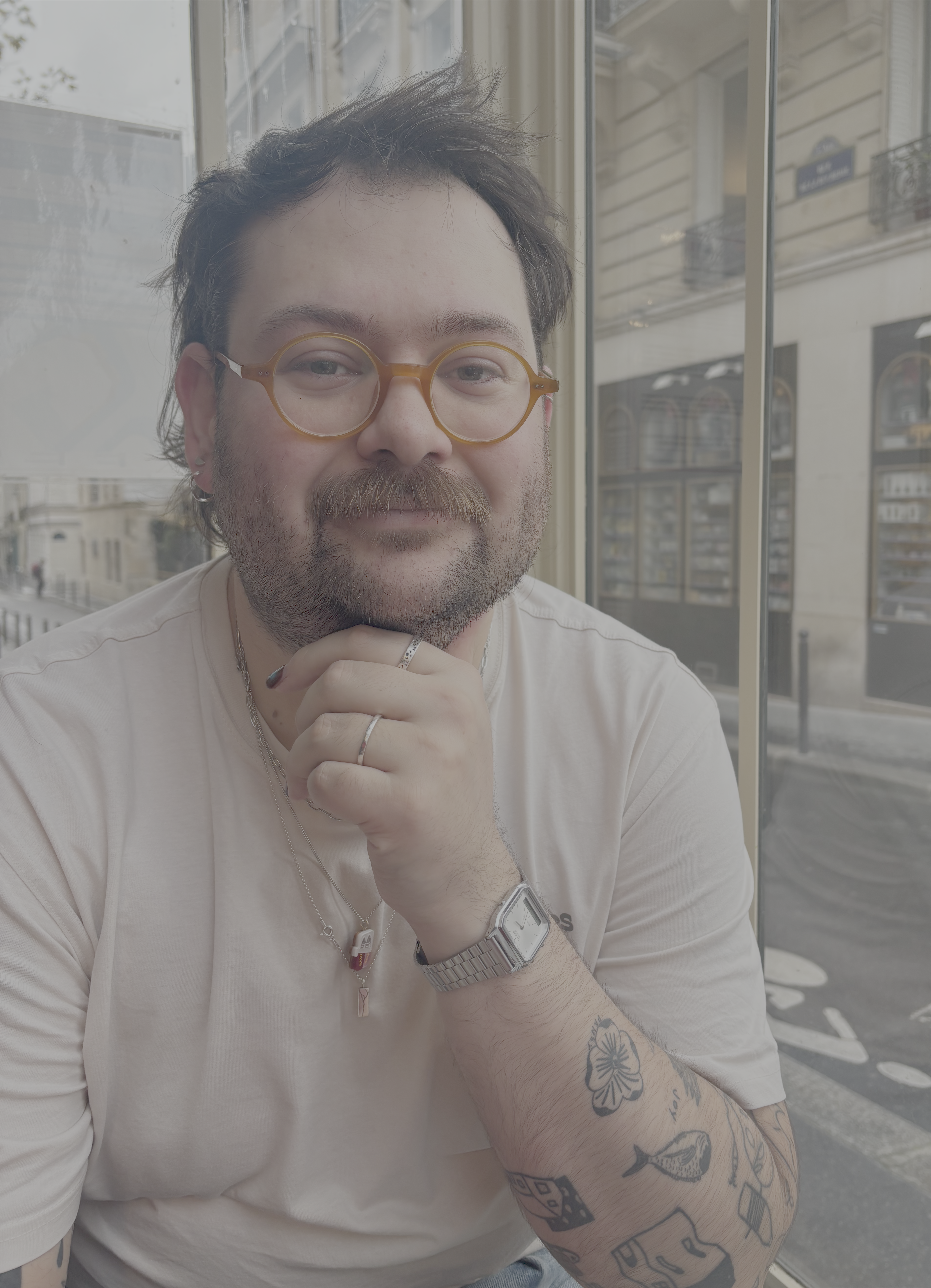
Jack Bowman is a Teaching Fellow in Modern History at the University of Warwick, School of Arts, Department of History. He teaches modules such as "Britain in the Twentieth Century" and "Race, Racism, and Resistance in Modern Britain," and serves as an Academic Writing Adviser and Teaching Representative for the Social Inclusion and Diversity Committee. PhD in History, University of Warwick (2019–2023) MA in Modern History, University of Warwick (2018–2019) BA (Hons) in History, University of Warwick (2015–2018) His research focuses on anti-colonial print cultures, particularly within the British Empire and the Pan-African movement. He specializes in book history, global histories of empire, queer histories, and visual media. His work explores the role of political publishing in anti-colonial activism and the intellectual networks of figures like V. K. Krishna Menon and Ras T. Makonnen. The recent publications and presentations reflect a strong engagement with transnational anti-colonial movements, Black radicalism, and the material culture of print. His work spans historical biography, archival research, and critical reviews of scholarship in visual culture, decolonization, and global knowledge systems. He frequently contributes to public history through outreach and digital media. University of Warwick, History Department Doctoral Scholarship (2019–2023) Jack Bowman advises undergraduate students and contributes to academic governance through committee roles. He is also involved in public engagement, including outreach to school children as the historian for George Padmore and creating educational resources for GCSE and A-Level students. He is a Convenor of the Modern British History Reading Group and a member of the Global History and Culture Centre and Manuscript and Print Cultures Research Group at Warwick. He is currently working on a new book project on the League Against Imperialism and maintains an active public presence through Twitter (@DrJackBowman) and podcast contributions, such as with Shoga Films on the Harlem Renaissance.
Professor Carlo Harvey is a creative technologist at the School of Digital Arts (SODA), Manchester Metropolitan University. His interdisciplinary research merges games , machine learning , virtual production , and cultural heritage reinterpretation . He leads industry collaborations with entities like Jaguar Land Rover and Epic Games, focusing on AI-driven interactive audio, real-time visualization, and accessibility solutions. Award-winning projects : TIGA, Innovate UK, and Epic Games MegaGrant for Accession Industry partnerships : Automotive sector, cultural institutions His research spans human-computer interaction , multisensory virtual environments , and acoustic-visual cross-modal perception . Recent publications address robotic simulations, motion alignment, and haptic feedback systems. Scientific recognition : TIGA Award, Innovate UK Funding, Epic Games MegaGrant Advocacy : Digital inclusion, creative collaboration, social impact of technology
Professor Siân Bayne is a leading academic in digital education at the University of Edinburgh , where she serves as Assistant Principal for Education Futures and directs the Centre for Research in Digital Education . Her work bridges critical theory and practical innovation in higher education. Interdisciplinary research on digital education and futures studies Leadership in the Edinburgh Futures Institute and Moray House School of Education and Sport Global impact through UNESCO collaborations and UKRI GCRF projects Bayne’s research explores higher education futures , utopian theory , and digital enhancement , with a focus on: AI’s role in teaching and learning Ethical implications of educational technologies Anonymous social media in academic spaces Speculative scenarios for educational systems Global South digital education models Augmented reality applications in assessment Her 15 most recent publications span 2017-2025 , covering critical perspectives on: Generative AI and educational innovation Utopian design in universities Data governance in learning analytics Augmented reality pedagogy Digital cultural heritage Scientific recognition includes: IASH Sabbatical Fellowship (2023) Bayne leads Higher Education Futures initiatives and partners with institutions worldwide, including: UNESCO Global Education and Technology Report World Bank collaborations European university leadership programs She also drives major research centers like: Centre for Research in Digital Education UKRI GCRF Urban Disaster Risk Hub
Professor Lizelle Bisschoff is a Professor of Film Studies at the University of Glasgow’s School of Culture & Creative Arts. She specializes in African cinema with particular focus on gender representation, digital technologies, and film festival curation. Her research bridges academic scholarship and practical initiatives, such as co-founding the Africa in Motion Film Festival (AiM). She holds a PhD from the University of Stirling and has held prestigious fellowships including the Leverhulme Trust (2010-2012) and Lord Kelvin Adam Smith (2012-2015). Education: PhD in African Cinema (University of Stirling, 2009) MSc in Cultural Studies (University of Edinburgh, 2005) Research Interests: Gender dynamics in African filmmaking Emerging digital film industries across sub-Saharan Africa Postcolonial cinema and modernist aesthetics Her work emphasizes decolonizing film studies through projects like AiM Festival and edited volumes such as Women in African Cinema . Recent research explores African science fiction and feminist archives. She has secured £115k in grants for film restoration and educational outreach programs. Awards: Leverhulme Trust Postdoctoral Fellowship AHRC Follow-on Funding for Impact (£90k) British Federation of Women Graduates Scholarship Teaching: Convenes MSc Film Curation program Teaches Introduction to African Cinemas and Race on Screen Key Projects: Lead curator for Africa’s Lost Classics restoration initiative Organized international symposia on African art and activism
Johnny Golding is a Professor at the Royal College of Art (RCA), School of Arts & Humanities. His career spans roles such as Director of the Centre for Fine Art Research at Birmingham City University, Professor of Philosophy in the Visual Arts & Communication Technologies (2000–2012), and honorary Professorship in Philosophy and Imaging at Dundee School of Art (2009). Born in New York, he holds a PhD from the Universities of Toronto and Cambridge. Education : - PhD in Philosophy from the Universities of Toronto and Cambridge. - Earlier studies in Toronto and New York. Research Interests : Golding’s work explores post-Newtonian analytics, new materialisms, and the erotics of sense as 'radical matter.' His interdisciplinary approach bridges art, philosophy, and 'wild sciences' like AI, robotics, and quantum theory. Key themes include data proliferation's societal impact, emergent systems, and the interplay between art and technology. Recent Articles & Projects : Focus on Data Loam (2020), exploring future knowledge systems through art and science collaborations. Recent works address radical empathy, distributed intelligence, and the ethics of AI. His 2018 opera Entanglement: The Opera and installations like Of The Thick and the Raw exemplify his practice-led philosophy. Grants & Leadership : - Led the Data Loam project (FWF-PEEK funded), involving over 20 artists and scholars. - PI for AiDesign Labs on generative AI at RCA. Labs & Collaborations : - Radical Matter Lab (2017–2018), a pedagogical experiment at RCA. - Collaborations with institutions like the University of Applied Arts Vienna and the British Library.
London School of Economics and Political Science (LSE)United Kingdom
Abby Innes is an Associate Professor of Political Economy at the European Institute, London School of Economics , where she has been a faculty member since 1997. Her academic career includes a Visiting Fellowship at MIT (1995–1997) and a Jean Monet Fellowship at the European University Institute (2001–2002) . She has received multiple teaching awards , including the LSE Teaching Prize and European Institute Departmental Teaching Prize, and currently serves as the Teaching Chair of her institute. Research Interests : Dr. Innes specializes in the political economy of Central Europe , neoliberalism , and materialist utopias . Her work explores state capture , systemic transitions , and comparative capitalism , with a focus on the UK’s neoliberal transformation. Recent research addresses the political economy of the green transition and neoliberal institutional failures . British Academy Mid-Career Fellowship (2017-2018) LSE Teaching Prize (2002) LSE/ASRC Excellence in Education Award (2020) European Institute Departmental Teaching Prize (2011, 2013, 2015) Nominee for LSE Student-Led Teaching Excellence Awards (2014, 2020) Publications : Her 2023 book Late Soviet Britain: Why Materialist Utopias Fail argues that UK neoliberalism parallels Soviet economic dogma, leading to institutional rigidity , democratic erosion , and governance crises . She has published in journals such as The Review of International Political Economy and Comparative Politics , alongside frequent contributions to LSE Blogs and The London Review of Books .
Kamila Kociałkowska is an Assistant Professor in the Department of History of Art at the University of Warwick, Faculty of Arts. She joined the department in 2024 after holding postdoctoral fellowships at the Metropolitan Museum of Art, the Getty/ACLS, and Harvard University’s Davis Center. Education: PhD in History of Art, University of Cambridge MA in History of Art, Courtauld Institute of Art MA in Fine Art, University of Edinburgh Her research centers on modernism in Eastern Europe, especially the interplay between artistic production and systems of censorship and surveillance in the Soviet Empire and its peripheries. She employs new materialist approaches to analyze redacted and fragmented visual and textual sources, rethinking the origins of abstraction beyond traditional resistance narratives. Her work also explores the cryptographic imagination and the impact of surveillance technologies on interwar avant-garde aesthetics. Her recent publications span topics such as Suprematist resistance, undead imagery in Stalinist propaganda, and explosive futurist texts, reflecting a deep engagement with avant-garde experimentation under repression. These works reveal recurring themes: the materiality of censorship, subversive semiotics, and the transformation of political constraint into aesthetic innovation. Scientific Awards and Fellowships: Leonard A. Lauder Postdoctoral Fellow, Metropolitan Museum of Art Getty/ACLS Postdoctoral Fellow in the History of Art Visiting Scholar, Davis Center, Harvard University She is currently completing her first book, The Black Square and the Blue Pencil: Censorship and the Stimulation of Modernist Style , which charts how censorship shaped avant-garde aesthetics in Russia, Georgia, Ukraine, and Azerbaijan. Her second project, Coding Modernity: The Cryptographic Imagination and the Interwar Avant-Garde , investigates the cultural history of spying and secret policing in interwar Europe. She does not currently have any listed advisees or research grants in the provided text.
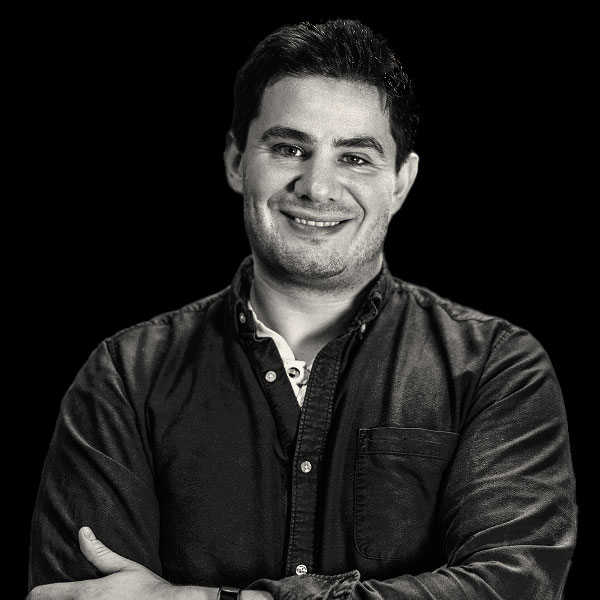
Samir Dani is a Professor of Operations and Supply Chain Management at Keele University’s Keele Business School. He holds Chartered Manager status and is a Fellow of multiple professional bodies, including the Higher Education Academy and Chartered Institute of Logistics and Transport. Prior to academia, he worked in India’s automotive industry. His research focuses on supply chain resilience, sustainability, food logistics, and Industry 4.0 technologies like AI and Blockchain. Affiliations: Keele University (current), University of Huddersfield (2014–2019), Loughborough University (2005–2008) Leadership: Former Head of Logistics, Marketing, Hospitality, and Analytics Department at University of Huddersfield Industry Engagement: £5M Leeds City Region LEP Supply Chain Program, UK-India trade advisory roles Research Interests: Supply chain risk and resilience Food supply chain sustainability AI, IoT, and Blockchain applications Industry 4.0 transformations Recent Article Trends: Focus on climate action impacts, blockchain trust mechanisms, and SME net-zero strategies. His work bridges academic theory with industry challenges, emphasizing technology adoption and sustainability. Awards: Prix des Associations (2015), UK Top 100 Logistics Professional (2017/18) Grants: £800K+ from EPSRC, IMCRC, and KTP Advisory Roles: Editorial Board member of Supply Chain Management: An International Journal, Academic Review Board member of International Journal of Operations and Production Management.
Terry C. Lansdown is an Associate Professor in the School of Social Sciences and Department of Psychology at Heriot-Watt University. His expertise lies in Human Factors, particularly focusing on driver safety, workload management, and attentional distraction in transportation contexts. Prior to his academic role, he worked as a senior researcher at the Transport Research Laboratory, contributing to numerous EU-funded and government-sponsored projects. His research integrates ergonomics principles with real-world applications, addressing issues like automated driving systems, social distractions in vehicles, and occupational health in construction industries. Key research interests include: Driver behavior and road safety Human factors in automated systems Workload and attentional demands in complex tasks Health and safety in small-to-medium enterprises (SMEs) He has led studies on pandemic response strategies, such as the CHARIS project analyzing behavioral adherence during the COVID-19 crisis. Lansdown’s work frequently bridges psychological theory with practical interventions, including text messaging campaigns to improve construction worker safety and experimental designs to evaluate automation failure responses. Collaborations span academic and industrial sectors, with publications addressing topics ranging from UV exposure in outdoor workers to the cognitive impacts of in-vehicle distractions. His contributions align with UN Sustainable Development Goals related to health (SDG 3) and sustainable cities (SDG 11).
Dr Dominic McCafferty is a Senior Lecturer in Physiology, Ageing & Welfare at the University of Glasgow, based at the Scottish Centre for Ecology and the Natural Environment. He holds academic roles including Editor-in-Chief of the Journal of Thermal Biology and previously Ibis . His research focuses on thermal adaptation, behavioral thermoregulation, and urban wildlife ecology, particularly using thermal imaging techniques. He has a Ph.D. and BSc in Ecological Science from the University of Edinburgh (1989–1993 and 1985–1989). His work spans physiological studies in mammals, birds, and marine species, emphasizing conservation applications. Notable projects include habitat suitability modeling for urban water voles and thermal physiology studies in elephant seals. His educational background includes advanced studies in ecological science, complemented by post-doctoral research at institutions like the British Antarctic Survey (1993–1998). He has contributed to over 99 publications, advancing methodologies in non-invasive wildlife monitoring and ecological field studies. His editorial roles reflect expertise in thermal biology and avian science. McCafferty has led projects on carrion dynamics, stress physiology, and behavioral adaptations in diverse species, with a focus on applying findings to conservation challenges. Labs/Teams: Scottish Centre for Ecology and the Natural Environment (SCENE), part of the broader University of Glasgow's ecological research network. Collaborations include the Muséum National d’Histoire Naturelle in France and the National Trust for Scotland.