Martin T. Wells is the Charles A. Alexander Professor of Statistical Sciences at Cornell University, with joint appointments in the Department of Statistical Science, Department of Biological Statistics and Computational Biology, Department of Social Statistics, and as Professor of Clinical Epidemiology and Health Services Research at Weill Medical School. He serves as Editor-in-Chief of the ASA-SIAM Book Series and Co-Editor of the Journal of Empirical Legal Studies. Cornell University, Ithaca, NY Weill Cornell Medical College Research Interests span applied and theoretical statistics, Bayesian methods, biostatistics, clinical epidemiology, and computational biology. His work bridges disciplines like finance, legal studies, and health services research. Article Trends highlight advancements in Bayesian modeling, quantum cognition machine learning, tensor analysis, and misclassification correction, with applications in genomics, finance, and public health. Fellow of the American Statistical Association Fellow of the Royal Statistical Society Contributions include developing statistical software (e.g., rTensor), methodological innovations in clinical trials, and empirical legal studies on civil rights and the death penalty.
Grace Y. Yi is a Professor and Tier I Canada Research Chair in Data Science at the University of Western Ontario, holding a joint appointment in the Departments of Statistical & Actuarial Sciences and Computer Science. She previously served at the University of Waterloo (2000-2019) and earned degrees from Sichuan University (B.Sc., M.Sc. in Mathematics), York University (M.Sc. in Statistics), and the University of Toronto (Ph.D. in Statistics). Her research focuses on statistical methodology for missing/mismeasured data, biostatistics, causal inference, and machine learning. She has authored influential monographs and co-edited major handbooks in her field. Recognized for leadership, she served as SSC President (2021-2022) and holds editorial roles at top journals. Awards include the SSC Gold Medal (2025), CRM-SSC Prize (2010), and Fellowships from the Institute of Mathematical Statistics and American Statistical Association. Her doctoral thesis (2000) under Don Fraser explored asymptotic distributions. She has supervised 23 Ph.D. students, three of whom won the Pierre Robillard Award. She mentors actively and advocates for statistical education globally, including founding the ICSA Canada Chapter. Her work bridges statistical theory and modern machine learning challenges like label noise and domain adaptation.
Dr. Haiyan Liu is an Associate Professor of Quantitative Methods, Measurement, and Statistics in the Department of Psychological Sciences at the University of California, Merced, within the School of Social Sciences, Humanities, and Arts. She earned her Ph.D. in Quantitative Psychology from the University of Notre Dame (2018). Her research focuses on advanced statistical modeling of psychological and educational data, including high-dimensional, longitudinal, and social network data. She develops Bayesian methodologies and machine learning techniques to enhance understanding of human behavior, with recent emphasis on structural equation modeling, network dynamics, and nonparametric growth curves. Her work addresses challenges in survey methodology and behavioral data analysis. Dr. Liu’s educational background includes a Ph.D. in Quantitative Psychology from the University of Notre Dame (2018), complementing her current academic role. Her lab, accessible at https://sites.google.com/view/ucmhaiyanliu , supports her research activities. Her research interests span Bayesian SEM, social network analysis, and applications of machine learning to behavioral data, aiming to bridge methodological innovation with practical psychological inquiry. Her recent articles highlight advancements in Bayesian model selection, longitudinal sentiment analysis, and social network mediation. She emphasizes prior specification rigor in Bayesian frameworks and explores nonlinear relationships in social dynamics. Though no awards are explicitly listed, her contributions to statistical methodologies in psychological research reflect significant scholarly impact. Dr. Liu advises students in quantitative methods and has developed software tools like logistic4p for misclassification correction in logistic regression. Her work integrates computational methods with theoretical advancements, positioning her as a key contributor to modern quantitative psychology.
Erin Strumpf is a Full Professor jointly appointed in the Department of Economics and the Department of Epidemiology, Biostatistics and Occupational Health at McGill University. She is a founding member of McGill’s Public Policy and Population Health Observatory (3PO) and holds the distinguished William Dawson Scholar title. Her work bridges economics and population health, focusing on evaluating health and social policies through rigorous causal inference methods. Education: PhD in Health Policy and Economics, Harvard University BA, Smith College Research Interests: Prof. Strumpf’s research agenda centers on the impacts of health policies on health care delivery, population health outcomes, and health inequalities. She employs quasi-experimental designs and large-scale administrative data to assess interventions such as cancer screening programs, primary care reforms, and paid family leave policies. Her work spans multiple jurisdictions, including Canada, the United States, and France, and actively informs policymakers at provincial and national levels. Her recent projects include evaluating the cost-effectiveness of population-based cancer screening guidelines, assessing the health system impacts of integrated primary care in Quebec, and exploring how paid family leave policies reduce infant respiratory infections and promote equity. She is also a key contributor to the Canadian Institutes of Health Research’s Drug Safety and Effectiveness Network. Scientific Awards & Honors: William Dawson Scholar, McGill University Chercheur-boursier Junior 1 & 2, Fonds de Recherche du Québec – Santé Collaborations & Funding: Prof. Strumpf collaborates extensively with ministries of health and finance across Canadian provinces and with international agencies. She leads multidisciplinary teams that leverage rich administrative health data to generate actionable evidence for decision-makers. Her research is primarily aligned with the Centre on Population Dynamics’ Social and Economic Determinants of Health axis, and intersects with the Aging axis. Affiliations & Labs: She is affiliated with McGill’s Department of Equity, Ethics, and Policy, Family Medicine Department, Department of Oncology, and the Centre on Population Dynamics. Previously (2019-2022), she was an affiliated researcher with the cancer unit at l’Institut national d’excellence en santé et en services sociaux (INESSS).
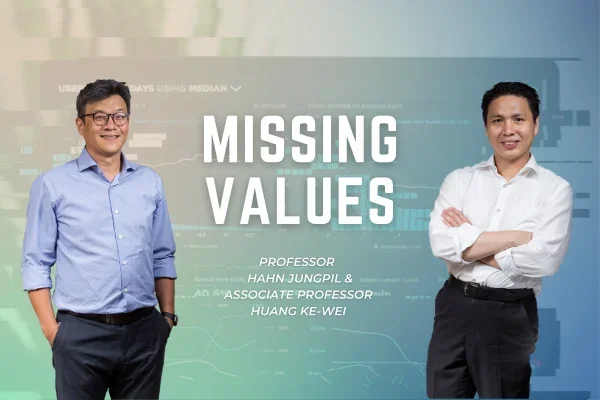
Ke-Wei Huang is an Associate Professor at the Department of Information Systems and Analytics, National University of Singapore (NUS), and Executive Director of the Asian Institute of Digital Finance (AIDF). He joined NUS in 2007, holding prior roles including Assistant Dean of Graduate Studies and founding director of NUS's FinTech MSc/PhD programs. Huang holds a PhD from NYU Stern and degrees from National Taiwan University. His research focuses on machine learning for social science, FinTech, data mining in finance, and IT labor economics. Notable works include studies on hierarchical forecasting, AI's impact on jobs, and pricing strategies for digital goods. Education: PhD in Information Systems, NYU Stern (2007) MSc in Information Systems, NYU Stern (2002) MBA in Finance, National Taiwan University (1997) BSc in Electrical Engineering, National Taiwan University (1995) Research Interests: Machine Learning applications in FinTech, data science for financial forecasting, labor economics of IT professionals, and pricing models for digital goods. His work bridges econometrics and computational methods, addressing challenges like missing data, measurement bias, and hierarchical variable decomposition. Awards & Grants: $1.6M Singapore NRF Grant (2020) for AI-driven financial text analysis Multiple teaching excellence awards (2013–2016) Best paper nominations at ICIS, WITS, and CSWIM Advising & Labs: Advised 8 PhD graduates, including faculty at Chinese University of Hong Kong and South China University of Technology. Active in FinTech education, leading courses like Machine Learning for Finance and Risk Analytics. Research teams focus on AI's societal impact, financial innovation, and data-driven decision-making.
Dr Bastien Lechat is a Research Fellow at Flinders Health and Medical Research Institute (FHMRI): Sleep Health, within the College of Medicine and Public Health at Flinders University. He is also a Full Member of the College of Science and Engineering and the Medical Device Research Institute. As an NHMRC Emerging Leadership Fellow, he leads innovative research at the intersection of sleep medicine, artificial intelligence, and wearable technology. Education: PhD in Sleep Health, Adelaide Institute for Sleep Health, Flinders University (2018–2021) Bachelor of Engineering in Engineering Science/Acoustics, Université du Maine, France (2014–2017) Dr Lechat’s research focuses on understanding the physiological mechanisms and consequences of obstructive sleep apnea (OSA), particularly night-to-night variability and patient subtypes. He develops AI-driven tools for efficient and accurate diagnosis using wearables and signal processing. His work aims to create a scalable, low-cost model of care for sleep-disordered breathing, addressing global diagnostic gaps. His recent publications reveal a strong trend in digital health innovation, with a focus on machine learning for OSA detection, circadian rhythm modeling, cardiovascular risk prediction, and climate impacts on sleep. His research has been published in top journals including Nature Communications , Journal of Sleep Research , and Sleep Medicine , demonstrating interdisciplinary reach. Scientific Awards and Recognition: NHMRC Emerging Leadership Fellow (2023) Helen Bearpark Memorial Scholarship (2022) Emerging Research Leader Award, Flinders University (2021) Multiple early-career awards from Sleep Down Under, Australasian Sleep Association, and Adelaide Sleep Retreat Ranked in the top 5% of international authors in sleep apnea by Expertscape Dr Lechat has secured over $2.5 million in competitive research funding and actively supervises and mentors junior researchers. He serves on the program committee of the American Thoracic Society meetings and contributes to clinical guidelines. He collaborates globally with industry and academic partners to translate research into clinical practice. Laboratories and Research Teams: He co-leads the 'Novel use of digital innovations & technology development' theme at FHMRI: Sleep Health, working closely with Professor Danny Eckert. His team integrates expertise in biomedical engineering, data science, and clinical sleep physiology to advance digital sleep medicine.
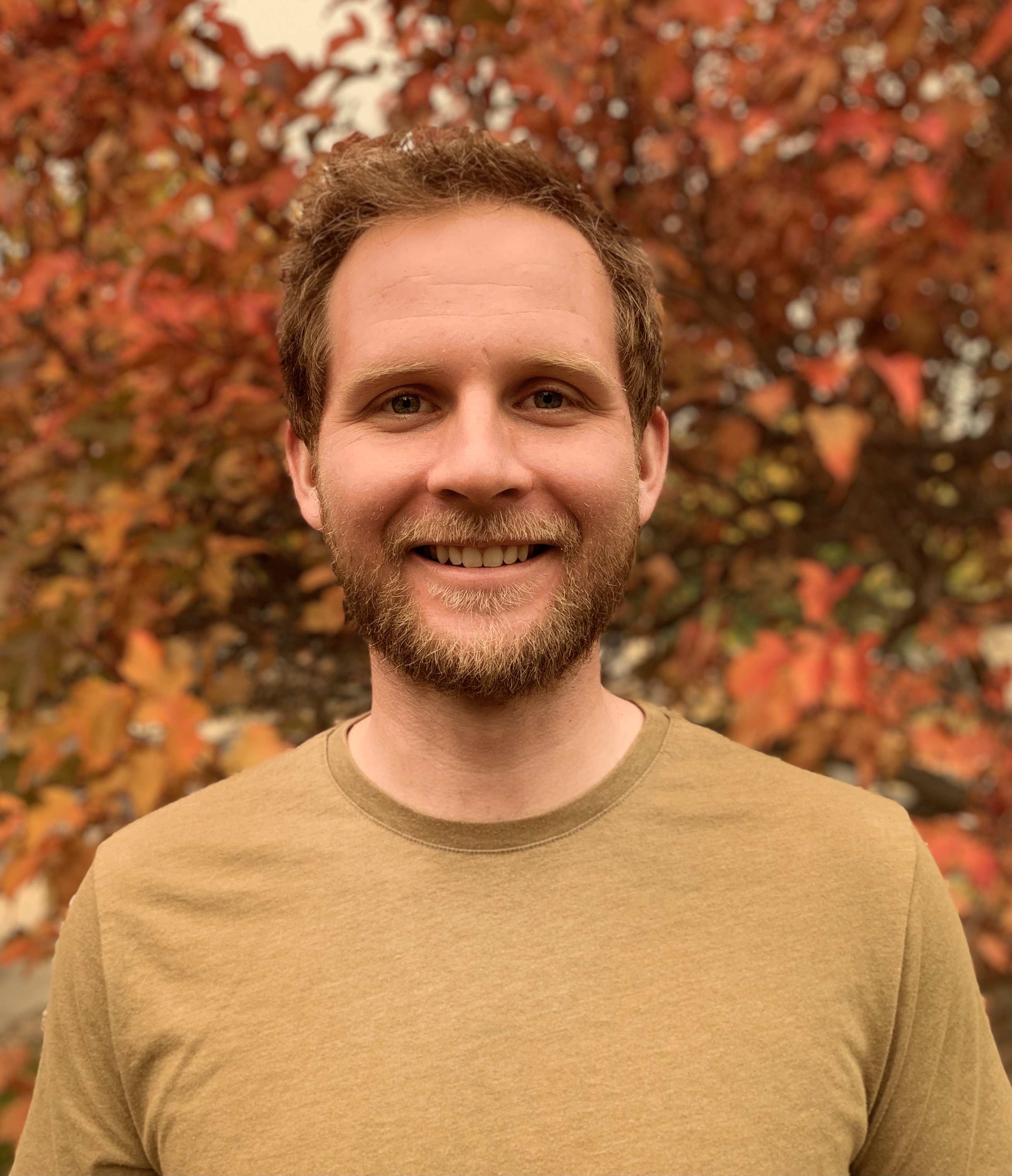
Matt Koslovsky is an Assistant Professor of Statistics at Colorado State University. He completed his PhD in Biostatistics at The University of Texas Health Science Center School of Public Health (UTHealth) in 2016 and served as a Post-Doctoral Research Associate at Rice University's Marina Vannucci lab from 2018-2020. Prior to joining CSU in 2020, he worked as a statistical consultant at Johnson Space Center's Biostatistics Lab. PhD, Biostatistics (2016), UTHealth School of Public Health Post-Doctoral Research Associate (2018-2020), Rice University Assistant Professor (2020-Present), Colorado State University His research spans Bayesian methodology and its applications across diverse domains: Theory: Bayesian modeling, variable selection, graphical models, nonparametric Bayes Applications: Cancer prevention, mental health, microbiome analysis, space health, ecological momentary assessment Recent publications demonstrate methodological advancements in: Bayesian variable selection for rare variants Integrated population modeling Compositional data analysis Continuous-time hidden Markov models mHealth data processing Microbiome mediation effects Current advisees include: Hyungjoon Kim (PhD candidate) Brody Erlandson (PhD candidate) Suppapat Korsurat (PhD candidate)
Laurence S. Magder, PhD, serves as Professor in the Department of Epidemiology and Public Health at the University of Maryland School of Medicine, where he has held continuous faculty positions since 1994 after progressing from Assistant to Associate to full Professor. With over 30 years of biostatistical expertise, he has contributed to nearly 200 biomedical publications through collaborative research across diverse health domains. Educational background includes: PhD in Biostatistics, Johns Hopkins University (1994) Master of Public Health, University of Michigan (1983) His research program centers on developing accessible statistical methodologies for real-world biomedical challenges. Key specialties include longitudinal data analysis, handling misclassified/missing data, transmission probability modeling, and systemic lupus erythematosus applications. Magder actively promotes a paradigm shift in statistical practice—advocating for evidence quantification over rigid hypothesis testing frameworks, which he argues renders traditional concerns like one-sided tests and multiple comparisons adjustments largely obsolete in scientific decision-making. Publication analysis reveals consistent methodological innovation across infectious disease modeling, diagnostic test evaluation, and missing data solutions. His work prioritizes practical applicability, translating complex statistical theory into tools usable by non-statisticians while maintaining rigorous evidence standards. Recurring themes include simplification of analytical approaches and contextual interpretation of statistical evidence within broader scientific judgment. As a collaborative biostatistician, Magder has supported numerous biomedical research projects throughout his career, though specific advising relationships and grant details remain undocumented in available sources. His role exemplifies the critical contribution of statistical expertise to advancing medical and public health research through both methodological development and direct project consultation.
Emmanuel Mamatzakis is a Professor of Finance at Birkbeck Business School, University of London. He holds a DPhil in Economics from University of London (Queen Mary College), MSc from University of Warwick, and BSc from National and Kapodistrian University of Athens. His research focuses on empirical studies in accounting, banking, finance, and public finance, emphasizing real-world economic impact. Key roles include Director of Accounting and Finance Research Centre and Program Director for MSc Accounting and Finance and MSc Management and Finance. Education: PhD, University of London, 1999 MSc, University of Warwick, 1994 BSc, University of Athens, 1993 Research Interests: International Macroeconomics, Accounting, Banking, Finance, Applied Econometrics, Public Finance. Recent work examines household debt repayment behavior during the pandemic (ESRC-funded project), fiscal policies, and environmental impacts on financial reporting. His studies often combine quantitative methods like Bayesian models and neural networks. Grants & Awards: £102,974 ESRC grant for pandemic-era debt research (2020–2022). Honored as Fellow of the Higher Education Academy (2021). Advising & Grants: Supervises PhD students in banking, international macroeconomics, and applied econometrics. Leads the Accounting and Finance Research Centre. Collaborates with institutions like ESMA and the Hellenic Fiscal Council. Labs/Teams: Principal Investigator at Accounting and Finance Research Centre, leading projects on fiscal policy and pandemic economics. Active in research clusters like the UK ESRC Rapid Response initiative.
Maia Delage Toriel is a dermatologist and researcher at Institut Pasteur , focusing on Hidradenitis Suppurativa (HS) pathogenesis, microbiota interactions, and innovative therapeutic approaches. She leads key projects like SHINE-HS (hormonal influences), ABCESS2 (antibiotic regimens), and ROXANE (genetics and microbiota). Education: Medical studies at University of Necker (1997–2005) Dermatology residency at CHRU Tours (2005–2009) Diploma in Skin Cancerology (2008–2009) Head of Clinic Assistant in Dermatology at Bobigny (2009–2012) Research Interests center on HS etiology, including: Microbiota-host interface dysregulation Tryptophan catabolism and inflammation Sex-related dimorphism in disease manifestation Antibiotic resistance patterns Development of dynamic severity scoring systems (e.g., IHS4) Publications and clinical trials highlight her work on antimicrobial strategies, microbial profiling, and surgical outcomes. Her studies integrate metagenomics , metabolomics , and clinical data to address HS complexity. Collaborations span multidisciplinary teams at Institut Pasteur, focusing on translational immunology, microbiome dynamics, and open science initiatives.
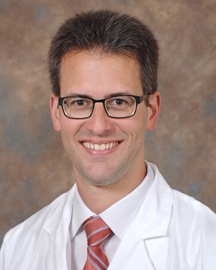
Dr. Justin L. Benoit is an Assistant Professor at the University of Cincinnati College of Medicine, Department of Emergency Medicine. His work focuses on prehospital medicine, cardiac arrest resuscitation, and blood-based biomarkers, with a clinical emphasis on cardiovascular disease and airway management. He is board-certified in Emergency Medicine and Emergency Medical Services by the American Board of Emergency Medicine. Bachelor's Degree: University of Maryland, College Park (Cell and Molecular Biology and Genetics) Master's Degree: University of Cincinnati (Clinical and Translational Research) Medical Degree: Case Western Reserve University Residency: University of Cincinnati (Emergency Medicine) Fellowship: University of Cincinnati (EMS and Clinical Research) His research spans sudden cardiac arrest, emergency airway management, and biomarker development, particularly in the context of OHCA and SARS-CoV-2. Recent publications highlight advancements in ECPR accessibility, cooling duration protocols, and ventilation practices. He leads multiple federally and privately funded grants, including NIH and Bill & Melinda Gates Foundation projects. Dr. Benoit's work integrates emergency medicine, critical care, and public health, emphasizing data-driven improvements in resuscitation and pandemic response. Collaborations with international researchers and institutions underscore his impact on global clinical practices.
Grace Yi is a Professor at the University of Western Ontario and holds a Tier I Canada Research Chair in Data Science. She is affiliated with the Departments of Statistical and Actuarial Sciences and Computer Science. Her research focuses on statistical methodology addressing challenges in measurement error, causal inference, missing data, and machine learning. Yi has authored influential works, including the monograph Statistical Analysis with Measurement Error or Misclassification and co-edited Handbook of Measurement Error Models . She has served as Co-Editor-in-Chief of The Electronic Journal of Statistics and President of the Statistical Society of Canada. Her accolades include the CRM-SSC Prize (2010), Fellowships from the IMS and ASA, and leadership roles in professional societies. Education: Ph.D. in Statistics (University of Toronto, 2000), M.A. in Statistics (York University, 1996), M.Sc. and B.Sc. in Mathematics (Sichuan University, China). Research Interests: Measurement error models, causal inference, high-dimensional data analysis, statistical machine learning. Yi’s work bridges theoretical advancements and practical applications, particularly in handling noisy data across disciplines like epidemiology and public health. Her recent studies include analysis of COVID-19 data dynamics and quarantine strategies. She has supervised numerous students and contributed to software development, including R packages like augSIMEX and swgee .
Glen McGee is an Assistant Professor in the Department of Statistics and Actuarial Science at the University of Waterloo. He holds a PhD in Biostatistics from Harvard University and a BScH in Mathematics from Queen's University. His research focuses on developing statistical tools for epidemiology, environmental health, and health policy, with a particular emphasis on environmental mixture analysis, cluster-correlated data modeling, and outcome-dependent sampling methodologies. Education : PhD in Biostatistics, Harvard University BScH in Mathematics, Queen's University Research Interests : McGee advances methodologies for analyzing complex environmental mixtures and their health impacts, including incorporation of biological knowledge into statistical frameworks. His work addresses challenges in multigenerational studies, informative cluster sizes, and measurement error correction in case-crossover designs. Key application areas include hospital profiling, exposure misclassification, and longitudinal health data analysis. Research Trends : His publications emphasize Bayesian methods for mixture modeling, innovative sampling strategies for clustered data, and causal inference techniques. Notable contributions include frameworks for integrating biological pathways into environmental health analyses and developing efficient sampling approaches for healthcare performance evaluation. Grants & Labs : McGee collaborates on projects involving CMS data applications and maintains GitHub repositories like hospODS for hospital profiling methodology implementation. His work bridges statistical theory with practical public health applications, particularly in environmental epidemiology and healthcare analytics.
Dustin T. Duncan, ScD is Professor of Epidemiology and Associate Dean for Health Equity Research at Columbia University Mailman School of Public Health. An internationally renowned Social and Spatial Epidemiologist, his research investigates how neighborhood characteristics influence population health and health equity, with a focus on sexual minority men and transgender people of color across the African diaspora in the United States and East Africa. Dr. Duncan's educational background includes: ScD from Harvard T.H. Chan School of Public Health ScM from Harvard T.H. Chan School of Public Health BA from Morehouse College His research integrates spatial analysis and social epidemiology to address health disparities through multiple lenses: Neighborhood effects on HIV prevention and care among Black MSM Spatial mobility patterns in high-risk communities Urban environmental factors (green space, safety) impacting sleep health Structural inequities in digital academia and global health Dr. Duncan's publication record (over 250 articles cited ~10,000 times) reveals consistent methodological innovation in spatial epidemiology, with recent work addressing COVID-19 disparities, neighborhood safety impacts on sexual minorities, and cross-national HIV research. His studies frequently employ geospatial modeling and GPS tracking to map health inequities. Scientific recognition includes: Mentor of the Year Award from Columbia University Irving Medical Center (2020) National Academy of Medicine (NAM) honors Harvard T.H. Chan School of Public Health awards Interdisciplinary Association for Population Health Science accolades As an educator, Dr. Duncan has received multiple mentoring awards and serves on editorial boards for Health & Place, Journal of Urban Health, and Transgender Health. His research is funded by NIH, CDC, HIV Prevention Trials Network, Robert Wood Johnson Foundation, and Tow Foundation, supporting interventions to reduce health disparities through structural changes. He directs the Columbia Spatial Epidemiology Lab which has become a leading geospatial resource for studying sexual and gender minorities, with ongoing expansion into East Africa through partnerships with the Kenya Institute of Social Work.
Caroline Blais is a full Professor at the University of Quebec in Outaouais (UQO) in the Department of Psychoeducation and Psychology. She leads the Visual and Social Perception Laboratory and holds the Canada Research Chair in Cognitive and Social Vision (Tier 1). Her research examines how sociocultural factors influence visual and cognitive processes, particularly focusing on face perception, emotional expression recognition, and cross-cultural differences in visual processing. Her work spans topics like cultural variability in pain facial expression decoding, the impact of childhood maltreatment on parenting behaviors, and neural mechanisms underlying face recognition. Key contributions include studies on spatial frequency utilization in face identification and the role of visual strategies in emotion perception. She has published extensively in journals such as Psychological Science , Journal of Pain , and Development and Psychopathology . Research Focus: Cultural influences on visual perception, emotion recognition, face processing neurocognition. Awards: Canada Research Chair (Tier 1). Her research integrates behavioral experiments, neuroimaging, and computational modeling to address real-world applications in healthcare, policing, and education. Recent projects explore how perceptual biases affect decision-making in contexts like sports officiating and clinical pain assessment.