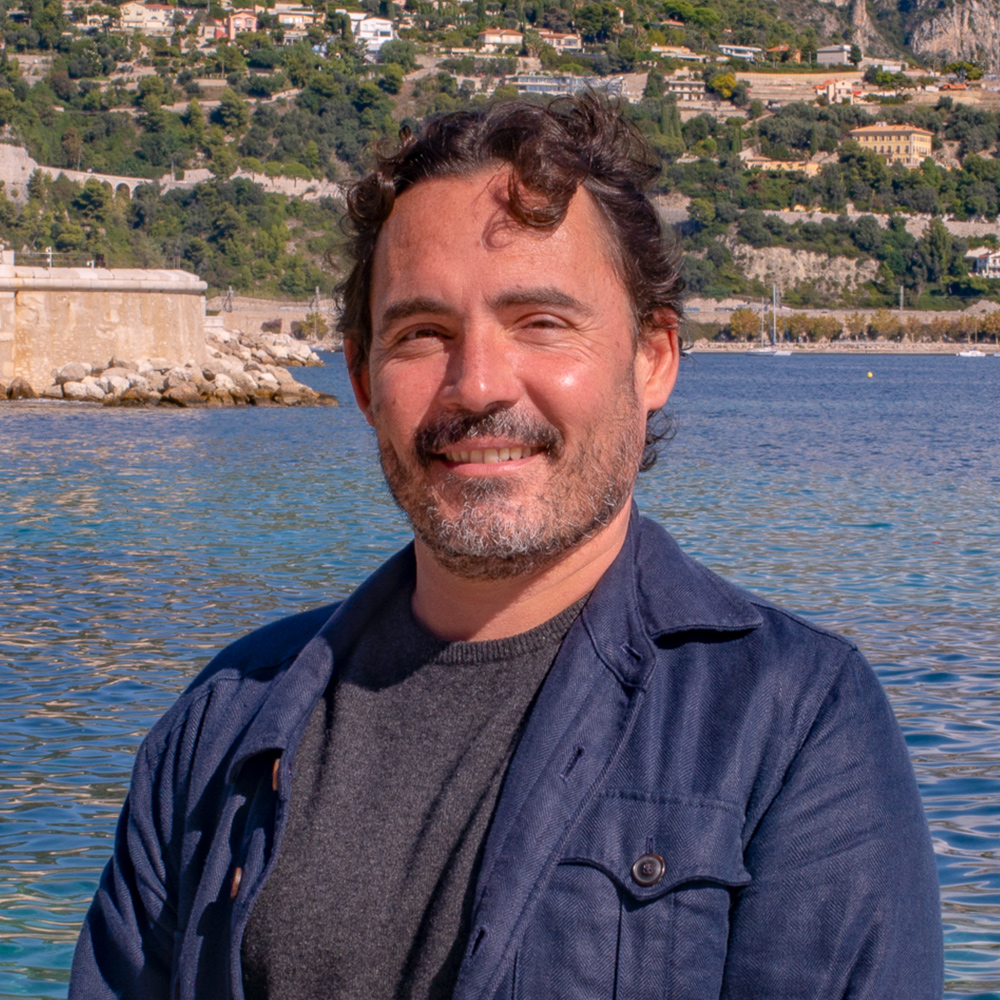
Martin Žnidaršičمشاهده پروفایل
استادیار
Martin Žnidaršič serves as a Senior Research Associate at the Department of Knowledge Technologies, Jožef Stefan Institute, and holds an Assistant Professor position at the Jožef Stefan International Postgraduate School. His academic career, active since 2003, focuses on integrating machine learning with decision modeling for practical environmental applications. He teaches courses in machine learning, computational creativity, and artificial intelligence methodologies. His research centers on decision support systems under uncertainty, specializing in data-based revision of hierarchical rule-based models through DEX methodology. This work manifests in tools like proDEX and web applications deployed in environmental domains, particularly for cropping systems analysis and GMO risk assessment. His methodological innovations address knowledge revision in probabilistic qualitative models and multi-attribute decision frameworks. Publication trends from 2004-2010 reveal consistent application of decision modeling to agricultural and environmental challenges. Key themes include soil quality assessment, economic-ecological impact modeling of cropping systems, and risk frameworks for genetically modified organisms. His work bridges theoretical advances in uncertainty handling with real-world implementation through software tools. Dr. Žnidaršič has led significant research initiatives including EU H2020 projects RESILOC (2019-2022) and EMBEDDIA (2019-2021) as task leader, CF-Web (2017-2018) as project coordinator, and earlier collaborations like HEALTHREATS (2007-2010) as work package leader. His project portfolio spans environmental risk assessment, food security, and AI infrastructure development. Based at the Department of Knowledge Technologies in Ljubljana, he operates within interdisciplinary teams focused on data mining and decision support. His work involves extensive European collaboration through projects like e-LICO and ConCreTe, targeting scalable solutions for environmental science and agricultural policy challenges.