- Soil Science
- Pedology
- Digital Agriculture
- +۱۲ مورد دیگر
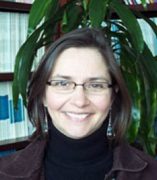
Professor Jacqueline Hannam is a leading academic in soil science at Cranfield University, where she holds the position of Professor of Pedology within the Cranfield Environment Centre, part of the School of Water, Energy and Environment. She leads the Soil Informatics group and the LandIS team, which manages the national soil data for England and Wales. She is President of the British Society of Soil Science (BSSS) and a member of Natural England’s Science Advisory Committee. Her work bridges science, policy, and public engagement, with extensive collaboration with Defra, Welsh Government, NERC, and international bodies. Her research expertise lies in digital agriculture, soil informatics, soil health, land use for net zero, and soil policy . She integrates machine learning with soil spectroscopy and citizen science to develop predictive models for sustainable land management. Her work has directly informed national policies, including co-developing Wales’ new soil policy during a 24-month secondment. She is a passionate science communicator, featured on BBC, Sky News, and founder of Soapbox Science Milton Keynes. Her recent publications focus on soil health indicators, climate impacts on agricultural land capability, precision nutrient management, and transdisciplinary soil science. She actively supervises PhD students in areas such as regenerative agriculture, soil carbon stability, and digital soil mapping. Her research is funded by NERC, ESRC, Defra, and the EU, and she contributes to major initiatives like the Land-Use for Net Zero Hub and the Soil Health and Carbon Dynamics Topic Advisory Group. Scientific Awards and Recognition: President, British Society of Soil Science (BSSS) Member, Natural England Science Advisory Committee (NESAC) NERC Panel Member She mentors several PhD researchers and collaborates with institutions like NIAB, BGS, University of Reading, and Syngenta. Her policy-relevant research emphasizes co-production with stakeholders. She is also involved in art-science projects, including the ‘Sensing Soil’ initiative with Goldsmiths and hosting artists at the National Soil Archive. Her outreach and interdisciplinary approach highlight her commitment to making soil science accessible and impactful.