Jacqueline Beatty, an Assistant Professor in the Department of Nutrition at Simmons University, is a Registered Dietitian and certified personal trainer through the American College of Sports Medicine. Her interdisciplinary expertise bridges nutrition, exercise science, and inclusive teaching practices, with a focus on health promotion and disease prevention for athletes and aging populations. PhD in Biological and Environmental Sciences, University of Rhode Island MS in Physical Education, Bridgewater State University BS in Food and Nutrition, Framingham State University Dr. Beatty's research explores hydration effects on recreational athletes, individualized nutrition counseling for collegiate athletes, and interprofessional collaboration in education. Her lab investigates how nutrition and exercise science partnerships enhance student understanding of interdisciplinary teamwork and belonging. Recent publications highlight her work on weight loss interventions, eating rate measurement technologies, and hydration risks in endurance sports. These studies span nutrition science, metabolic analysis, wearable device applications, and sports health education. Margene Wagstaff Award for Innovation in Dietetics Education (2024) Simmons Faculty Fund for Research Award (2022) Outstanding Faculty Service Award (2021) Special Recognition Award from The Obesity Society (2018) As a trained Inclusive Teaching Facilitator, Dr. Beatty promotes equitable education through learning communities and faculty workshops. She coordinates guest speakers for the Marion Mason Seminar Series and participates in interprofessional simulation labs for nutrition, physical therapy, and nursing students.
Dr. Andrew Burlinson is a Lecturer in Economics at the School of Economics, University of Sheffield, since September 2023. He is a member of the Sheffield Urban, International Trade and Environmental Economics (SUITE) group and the Centre for Competition Policy (CCP). Andrew Burlinson holds the following educational qualifications: PhD in Economic Modelling and Forecasting from Warwick Business School, funded by Ofgem’s Low Carbon Network Fund. MSc in Economics with Distinction from the University of Nottingham. BSc in Economics with First-class honours from Newcastle University and University of Groningen. Dr. Burlinson's research focuses on energy economics, particularly consumer decision-making regarding energy-efficient and renewable technologies, and inequality in energy markets. His work examines the impact of poverty on health, wellbeing, and healthy eating, as well as household resilience to high energy prices. He has contributed to policy discussions with organizations such as the APPG on Fuel Poverty and Energy Efficiency, Ofgem, and National Energy Action. Dr. Burlinson's publications, spanning from 2018 to 2025, predominantly appear in high-impact energy economics journals such as Energy Economics and Research Policy . His research trajectory shows a consistent focus on energy poverty, consumer behavior in energy markets, and the socio-economic impacts of energy policies. Recent articles address the dual crises of energy prices and fuel poverty, while earlier work explores low-carbon technology adoption and innovative business models for energy storage. Dr. Burlinson has received several accolades for his teaching and academic contributions: HEA Fellowship (Higher Education Academy) WBS Outstanding Contribution to Teaching Award (2016) Economics Department Recognition Award (awarded twice in 2018) Dr. Burlinson has secured research funding from prominent bodies. He serves as the Sheffield Academic lead and Co-I for the UKERC Flexible Research Fund project on 'Gas price volatility: distributional impacts and mitigations'. Additionally, he was a named researcher on the EPSRC Grant 'Energy Transactions for Non-Traditional services (EnTraNTS)' at Loughborough University. Regarding student advising, no specific information is provided in the available text. Dr. Burlinson is an active member of the Sheffield Urban, International Trade and Environmental Economics (SUITE) research group and the Centre for Competition Policy (CCP) at the University of Sheffield.
Servane Barrault is a Senior Lecturer in the Department of Psychology at the University of Tours, affiliated with the Quality of Life and Psychological Health (QualiPsy) research unit (UR 1901) and the Faculty of Arts and Humanities. She specializes in behavioral and product addictions, focusing on gambling, sex, video games, shopping, and internet addiction, with a particular emphasis on psychological and psychopathological determinants, vulnerability and protection factors, and treatment and prevention strategies. Her research integrates clinical psychology , social psychology , and research methodology . She supervises master’s and doctoral research in these areas, including theses on emotional regulation, personality traits, and behavioral addictions. Her publications explore the interplay between cognitive distortions, anxiety, depression, and gambling practices, with a focus on online and live poker players. Key activities include serving on pedagogical committees for addiction-related diplomas at the Faculty of Medicine, reviewing for national and international journals, and participating in research grant evaluation committees. She is also a member of the National Network for Prevention and Care of pathological gambling (RNPSJP).
Oddgeir Friborg is a Professor in the Department of Psychology at UiT The Arctic University of Norway , leading the Health Psychology research group. His work spans trauma psychology, sleep disorders, stroke rehabilitation, and sports medicine, with a focus on clinical interventions and population health. Research Interests Health psychology and trauma recovery Sleep-wake dynamics in chronic pain Post-stroke neuropsychological outcomes Eating disorders and sports-related energy deficiency Sámi child health disparities Recent Publications highlight interdisciplinary collaborations in PTSD prevention (EIR study), sleep interventions for pain patients, and health risks in elite athletes. He contributes to clinical trials, epidemiological studies, and health policy frameworks. Labs & Teams : Active in the Health Psychology research group and the Arctic Childhood Study, addressing violence and health in Arctic populations. Collaborates on projects involving TMS depression treatment , stroke rehabilitation, and sports medicine diagnostics.
Dr. Anna Beaudry serves as Assistant Professor of Biology and Exercise Science at Roberts University, where she teaches highly-rated courses as evidenced by student reviews describing her lectures as "amazing" and "instructional." A Certified Exercise Physiologist (ACSM-EP) and NSCA-Certified Personal Trainer, she maintains active membership in the American College of Sports Medicine and National Strength and Conditioning Association while applying clinical expertise with cardiac, pulmonary, and neurologic populations. Her academic foundation includes: Ph.D. in Exercise and Nutrition Sciences from Baylor University B.S. in Sports Medicine and Exercise Science from Mercyhurst University Dr. Beaudry's research program integrates molecular oncology with sports biomechanics, focusing on cardiac dysfunction mechanisms in cancer cachexia and injury prevention in athletic populations. Her work examines physiological pathways to improve cancer patient quality of life while analyzing pitching mechanics, sex-specific injury patterns, and nutritional interventions for athletes. This dual focus bridges preclinical models with direct clinical applications across diverse patient groups. Analysis of her 2022-2024 publications reveals two dominant research streams: cancer cachexia investigations covering obesity interactions, leucine supplementation, and cardiac remodeling; and sports orthopedics studies on baseball pitching styles, ulnar collateral ligament injuries, and female athlete health. This demonstrates consistent translational impact from molecular mechanisms to practical clinical solutions. At Roberts University, she directs research in the Law Laboratory where preclinical cancer cachexia models inform therapeutic development. Her community engagement extends beyond academia through church participation and outdoor activities, reflecting her philosophy that "health is real wealth" as quoted by Gandhi on her faculty profile.
Tim Wildschut is a Professor of Social and Personality Psychology at the University of Southampton's Department of Psychology within the Faculty of Social Sciences. He received his PhD from the University of North Carolina at Chapel Hill and is a distinguished Fellow of the Academy of Social Sciences (FAcSS). His research has significantly reshaped understanding of nostalgia as a psychological phenomenon and explores critical aspects of intergroup relations. Wildschut's research fundamentally challenges the historical view of nostalgia as a negative emotion, instead presenting it as a complex, multi-faceted experience with positive psychological functions. His work demonstrates how nostalgia enhances social connectedness, fosters meaning in life, and strengthens self-continuity. He also investigates intergroup relations, particularly the interindividual-intergroup discontinuity effect, which explains why groups tend to be more competitive than individuals acting alone. His research spans diverse contexts including refugee experiences, aging populations, conflict zones, and social movements. Analysis of Wildschut's recent publications reveals a strong focus on nostalgia's multifaceted psychological functions across various populations and contexts. His work consistently demonstrates how nostalgia serves as a psychological resource that enhances well-being, strengthens social bonds, and provides meaning. The research spans multiple disciplines including social psychology, cross-cultural psychology, environmental psychology, and gerontology, showing the breadth of nostalgia's applications. His collaborative approach is evident in the extensive co-authorship network, particularly with Constantine Sedikides. Fellow of the Academy of Social Sciences (FAcSS) Gordon Allport Intergroup Relations Prize for work on interindividual-intergroup discontinuity effect Professor Wildschut actively supervises PhD students, currently guiding Emma Louise Bayford (DClin) and Luke Edward Spencer Chandaman (PhD Psychology). His research is conducted through membership in the Institute for Life Sciences and the Centre for Research on Self and Identity at the University of Southampton. He is currently accepting PhD applications and continues to lead active research projects including 'Dyadic Nostalgia in Couple Relationships.' His work bridges theoretical psychological concepts with practical applications in diverse real-world contexts from refugee integration to social activism against ageism.
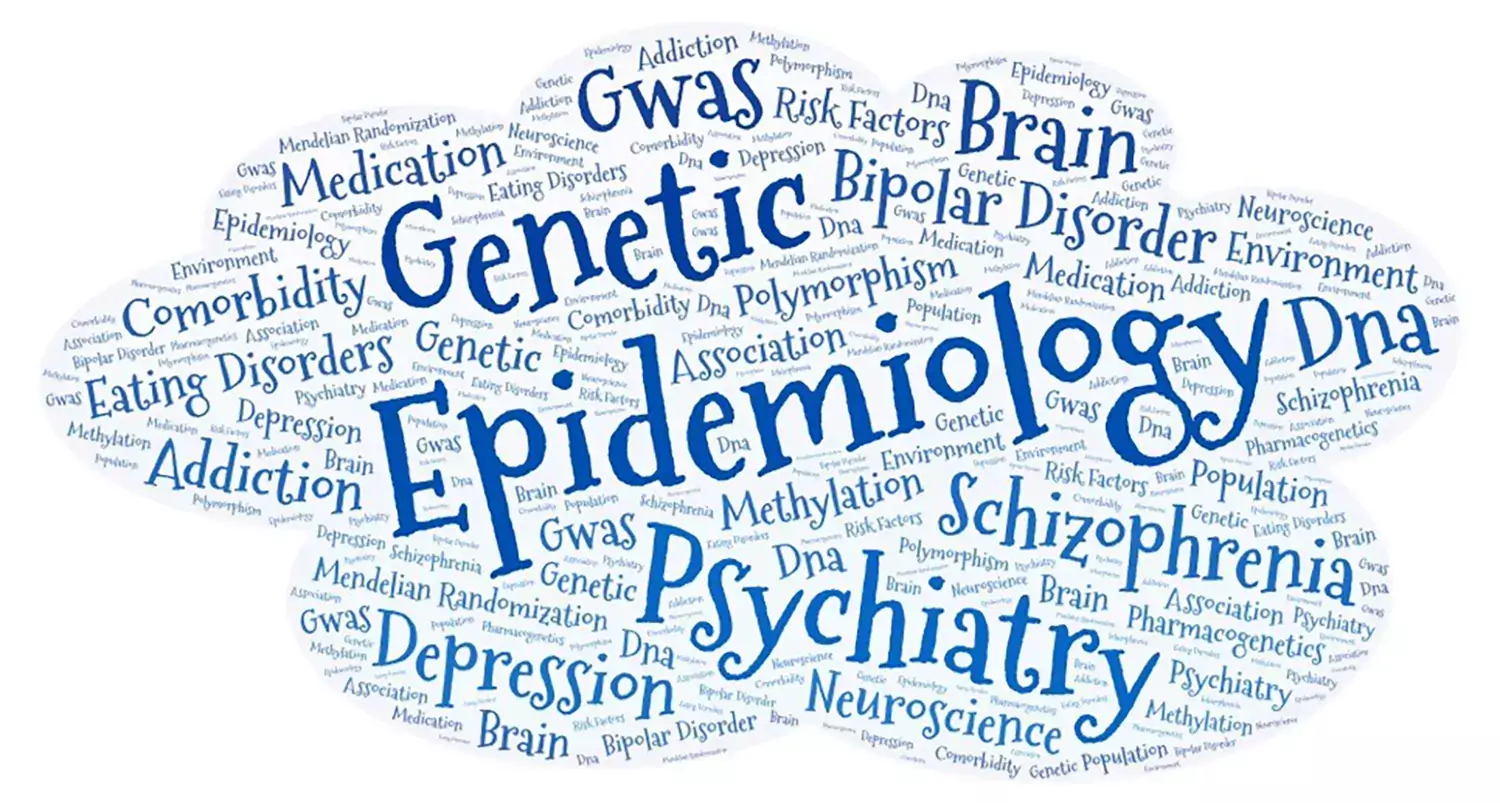
Sarah Bergen is a Senior Lecturer and Docent at the Department of Medical Epidemiology and Biostatistics at Karolinska Institutet. She leads the Psychiatric Genetic Epidemiology research group, focusing on understanding the biological and environmental foundations of psychiatric disorders and their comorbidities with other medical conditions. Her educational background includes: Docent, Karolinska Institutet, 2014 PhD in Human and Molecular Genetics, Virginia Institute for Psychiatric and Behavioral Genetics, Virginia Commonwealth University, 2009 MS in Neuroscience, University of Pittsburgh, 2004 BA in Neuroscience and Psychology, Macalester College, 2000 Dr. Bergen conducts quantitative genetics research predominantly focusing on schizophrenia and bipolar disorder, as well as depression and eating disorders. Her current studies aim to better understand the genetic and environmental contributions to disease risk, comorbidities associated with these disorders, and the observed variability within patient groups. She has a strong foundation in neuroscience which offers added biological context to the results from genetic research studies. Her research group investigates genetic and environmental risk factors for psychiatric disorders, epidemiological and genetic relationships between different psychiatric disorders, and relationships between psychiatric disorders and comorbid medical conditions. Her recent publications demonstrate a strong emphasis on genetic overlap between psychiatric disorders and other medical conditions, environmental risk factors across the lifespan, and subtyping approaches to understand heterogeneous etiological pathways. Her work frequently utilizes large population-based datasets from Sweden and employs advanced genetic epidemiological methods. Dr. Bergen serves as Director of studies for the KI-NIH Doctoral Program in Neuroscience and has held various leadership positions including on the Management Committee for Maximizing Impact of research in NeuroDevelopmental DisorderS (MINDDS) and Enhancing psychiatric genetic counselling, testing, and training in Europe (EnGagE). She has also served on the Board of Directors for the International Society for Psychiatric Genetics (ISPG). She leads the Psychiatric Genetic Epidemiology research group at Karolinska Institutet, which aims to discover the biological and environmental foundations of psychiatric disorders, the patterns and determinants of their comorbidities with other medical disorders, and subgroups within psychiatric patient populations. The group's ultimate goal is to contribute to improved treatment options and help alleviate the personal and social burdens associated with these disorders.
Skouroliakou Maria serves as an Associate Professor in Enteral and Parenteral Nutrition at Harokopio University of Athens, where her research bridges clinical pharmacy and nutritional science with emphasis on vulnerable patient populations. Her work significantly impacts neonatal intensive care, pediatric nutrition, and pharmaceutical care through innovative approaches to parenteral formulations and dietary interventions. Her educational background includes: Bachelor of Pharmacy, School of Pharmacy, Samford University, Birmingham, Alabama, USA (1981) Pharmacy Internship, University of Alabama Hospital, Birmingham, Alabama, USA (1982-1983) Doctoral thesis, Department of Pharmacy, University of Athens (1997) Professor Skouroliakou's research portfolio demonstrates exceptional depth in clinical nutrition applications , particularly: Parenteral and enteral nutrition protocols for special clinical situations Chemical stability analysis of intravenous solutions Clinical applications of nutritional supplements and micronutrients Food-drug interaction mechanisms and management Her recent publications reveal an expanding focus on Mediterranean diet implementations across diverse populations—from schoolchildren to cancer patients—while maintaining core expertise in preterm infant nutrition. The integration of clinical decision support systems represents a significant methodological evolution in her work, particularly for personalized nutrition interventions during the COVID-19 pandemic. Her scholarly output shows consistent contributions to high-impact journals in nutrition, pediatrics, and clinical pharmacy, with increasing emphasis on technology-assisted nutritional care and population-specific dietary interventions. Current research trajectories indicate growing investigation into nutraceutical applications for chronic inflammatory conditions and digital health solutions for nutritional therapy optimization. Professor Skouroliakou maintains active clinical and research engagement through her university position, with contact available via mskour@hua.gr for professional collaboration.
Assoc. Prof. Imran Gokcen Yilmaz Karaman is an academic at Eskisehir Osmangazi University, Faculty of Medicine, Department of Internal Medical Sciences . He holds a B1 Intermediate Italian and C1 Advanced English proficiency. His research focuses on psychiatry and clinical psychology, particularly in areas such as women's mental health, trauma-related disorders, and digital mental health. Education : Undergraduate from Ankara University, Faculty of Medicine (2007-2013) His publications span topics including maternal mental health, cyber violence, forensic psychiatry, and pandemic-related stress in healthcare workers. Recent articles highlight intersections between technology-facilitated violence, posttraumatic growth in cancer survivors, and gender differences in suicidal behavior. Roles : Technical Editor, Archives of Neuropsychiatry (2024-) Committee Member, Osmangazi Medical Journal (2022-) Member, Psychiatric Association of Turkey (2014-) He has contributed to peer reviews for journals like International Journal of Mental Health Systems and Archives of Women's Mental Health. His work addresses structural barriers in healthcare, stigma in substance use disorders, and pandemic impacts on mental health systems.
James Walton serves as a Research Assistant Professor in the Department of Neuroscience at West Virginia University School of Medicine and the Rockefeller Neuroscience Institute. His primary research examines circadian biology's intersection with neurological disorders, cancer progression, and immune function using rodent models with emphasis on sex differences and environmental light exposure. Education PhD from The Ohio State University Research Focus Dr. Walton investigates how circadian disruptions—particularly light-at-night exposure—impact stroke outcomes, cognitive decline, and mammary cancer progression. His work demonstrates that altered light cycles induce neuroinflammation, impair microglial function, and worsen vascular dementia in aged models. He explores therapeutic applications of circadian timing in pharmacology and stroke recovery, with significant findings on sex-specific responses to circadian challenges. Research Trends Analysis of Walton's 15 most recent publications reveals dominant themes: circadian disruption mechanisms (73%), stroke/cognitive impairment models (60%), cancer chronobiology (40%), and sex-difference analyses (87%). His work increasingly integrates neuroimmunology (53% of recent papers) and architectural lighting solutions for healthcare environments, establishing critical links between environmental light exposure and pathological outcomes. Research Support Alzheimer's Association grant: "Circadian Rhythms in Sundowning and Alzheimer's Disease" NIGMS Team Science project: "Sex Differences in Cognitive Recovery from Experimental Stroke" (collaborating with Drs. Shahrzad Latifi & Aminata Coulibaly) Collaborative Infrastructure As part of the Rockefeller Neuroscience Institute, Walton co-leads a multidisciplinary team investigating circadian-stroke interactions. His lab maintains active collaborations with the Department of Neuroscience on microglial function studies and with oncology researchers examining time-of-day effects in cancer models, utilizing shared facilities for circadian phenotyping and neuroimaging.
Kirsti Akkermann is a Professor of Clinical Psychology at the Institute of Psychology, Faculty of Social Sciences, University of Tartu since January 2024. Previously, she served as Associate Professor of Clinical Psychology (2021-2023), and has held various academic positions at the University of Tartu since 2004, including Lecturer and Research Fellow. She is also a licensed clinical psychologist-psychotherapist and supervisor at the Center for Cognitive and Behaviour Therapy since 2014, working 0.20 FTE. Dr. Akkermann earned her Doctor's Degree in 2010 from the University of Tartu with a dissertation on "Serotonin-related Biomarkers and Symptoms of Eating Disorders," supervised by Jaanus Harro and Anu Aluoja. She completed her Master's Degree in 2003 with a thesis on "Convergence between self- and other ratings of personality traits in eating and anxiety disorders patients," supervised by Kenn Konstabel. Her educational background includes undergraduate and graduate studies in Psychology at the University of Tartu from 1995-2010. Dr. Akkermann's research primarily focuses on eating disorders, with particular emphasis on emotional eating, binge eating mechanisms, and the role of emotion regulation. Her work examines age and sex differences in eating disorder risk factors, latent profiles in eating disorders, and the relationship between eating disorders and the serotonergic system. She also investigates gene-environment interactions in psychopathological processes, biomarkers of eating disorders, and digital health interventions for psychological problems in chronically ill children. Her research employs various methodologies including latent profile analysis, experience sampling, and registry-linked longitudinal studies. Her recent publications demonstrate a strong focus on transdiagnostic approaches to understanding eating disorders through personality-based latent profiles, gender differences in emotional eating patterns, and the development of digital health interventions. She has led major national studies including the Estonian National Mental Health Survey, examining mental health problems in the adult population and supportive services across Estonia. 2023 Publication award, Institute of Psychology, University of Tartu 2022 AcademiaNet nomination by Swiss National Science Foundation 2021 University of Tartu Badge of Distinction 2019 Recognition for societal activities, Faculty of Social Sciences, University of Tartu 2018 Publication award, Faculty of Social Sciences, University of Tartu Dr. Akkermann has supervised postdoctoral researchers, including Kadri Haljas on the project "Reducing psychological problems in chronically ill children through digital intervention." She has secured significant research funding, currently serving as Principal Investigator for the Estonian National Mental Health Survey and participating in the Estonian Center of Excellence of Well-Being Sciences. She has been involved in numerous research projects funded by the Estonian Research Council, Ministry of Education and Research, and Estonian Science Foundation, often collaborating with Jaanus Harro on large-scale studies examining personality, behavior, and health. Dr. Akkermann is active in professional organizations including the Estonian Association for Dialectical Behavior Therapy (founding member), European DBT Association (founding member), Union for Estonian Clinical Psychologists, and Union of Estonian Psychologists. She co-leads working groups on standardization of diagnostic assessment methods and has developed treatment guidelines for eating disorders and overweight/obese patients. She regularly organizes national and international conferences and conducts skills training for clinical psychologists across the Baltic region.
Prof. Stephanie Kullmann serves as Group Leader and Deputy Head of the Division "Metabolic Neuroimaging" at the Institute for Diabetes and Metabolic Diseases (IDM) of Helmholtz Zentrum München, affiliated with the University of Tübingen. She is an active member of the Graduate Training Centre of Neuroscience at the International Max Planck Research School. Her academic credentials include: Master's in Neuro- and Behavioral Sciences, University of Tübingen (2009) PhD in Neuroscience, University of Tübingen (2013, summa cum laude) Habilitation, Medical Faculty of University of Tübingen (2019) Kullmann's research pioneers the critical link between brain insulin sensitivity and metabolic health, demonstrating that neural pathways regulate peripheral metabolism and eating behavior in type 2 diabetes. Her innovative work combines functional MRI and brain stimulation to show that exercise and pharmacological interventions can normalize brain insulin resistance, improving whole-body metabolism. Key focus areas include hypothalamic-prefrontal networks in prediabetes and transcranial modulation of appetite circuits. Her 2024-2025 publications in Nature Metabolism, Brain Stimulation, and Trends in Endocrinology reveal converging themes: brain insulin action as a therapeutic target, sex-specific neural responses to food cues, and developmental impacts of metabolic disorders. These studies consistently highlight neural mechanisms as central to diabetes pathophysiology and treatment. Major recognitions include: Ferdinand-Bertram-Preis of the Deutschen Diabetes Gesellschaft (2022) DZD NEXT Young Talent Program (2020) Ernst-and-Berta-Scharrer Award (German Society of Endocrinology) (2018) As Deputy Head of Metabolic Neuroimaging, Kullmann mentors graduate students through the International Max Planck Research School while leading externally funded projects on brain-centered diabetes interventions. Her team's work on transcranial stimulation for appetite control and metabolic memory effects demonstrates significant translational potential. Current grants focus on improving brain insulin sensitivity through lifestyle and pharmacological approaches to prevent diabetes progression. Her laboratory operates within the Helmholtz Diabetes Center's collaborative ecosystem, integrating neuroscience, endocrinology, and imaging expertise to develop novel diagnostic and therapeutic strategies for metabolic disorders.
Dr. Alison L Miller is a Professor in the Department of Health Behavior & Health Equity at the University of Michigan School of Public Health. A developmental psychologist by training, her research examines how child factors, social relationships, and contextual processes influence healthy development, particularly for children in poverty or experiencing early life stress (Adverse Childhood Experiences). She focuses on translating developmental science into public health approaches to reduce health inequities through interventions targeting self-regulation, relational health, and contextual influences. Education: PhD & MA in Developmental Psychology (University of Michigan), BA in Psychology (Wesleyan University), NIMH T-32 Postdoctoral Fellowship (Brown University) Her work spans child mental health, obesity prevention, lead exposure mitigation, and diabetes management. Key projects include Trauma-Informed Programs and Practices for Schools (TIPPS), Adolescent Interventions to Manage Self-Regulation in Type 1 Diabetes (AIMS-T1D), and community-based studies on parenting and lead exposure prevention. Current research explores virtual exercise programs, emotion regulation in preschoolers, and maternal dietary impacts on infant growth. Recent publications show a focus on infant feeding behaviors, physical activity promotion, maternal mental health pathways, and stress physiology in low-income populations. Her work frequently involves interdisciplinary collaborations and community partnerships across healthcare, education, and grassroots organizations. Scientific Awards: NIMH T-32 Postdoctoral Fellowship Dr. Miller leads the Child Health and Development Lab, emphasizing systems-focused approaches to address social determinants of health. Her studies often leverage mixed-methods designs and inform policy/practice through translational frameworks that connect clinic and community systems.
Julie C Lumeng is a Professor of Pediatrics and the Thomas P. Borders Family Research Professor of Child Behavior and Development at the University of Michigan School of Public Health. Her work focuses on the interplay between biology, stress, and parenting in shaping children's eating behavior, particularly during infancy and early childhood. Education MD, University of Michigan Medical School, 1997 BA, University of Michigan, 1993 Research Interests Development of eating behavior in early childhood and infancy Parenting and responsive feeding practices Child development and obesity prevention Biobehavioral markers of stress Integrating nutrition with child behavior Developmental origins of cardiometabolic risk Scientific Awards Thomas P. Borders Family Research Professorship of Child Behavior and Development Additional Expertise Dr. Lumeng collaborates with experts in nutrition, developmental psychology, biostatistics, nursing, and human development. Her research includes randomized controlled trials, qualitative approaches, and novel behavioral coding schemes like BABES, with a focus on policy interventions for healthy eating and active living.
Floor van Meer, PhD , is a Researcher affiliated with Team Data Science . Her work bridges neuroscience, psychology, and data science , focusing on how body mass index (BMI) , distraction , and hormonal factors influence brain activation during food-related decision-making . She has published extensively in journals like Appetite and NeuroImage , leveraging functional magnetic resonance imaging (fMRI) to explore cognitive load, taste processing, and neural food cue reactivity . Her research highlights distracted eating patterns and their correlation with BMI , alongside projects integrating deep learning to anticipate climate-driven disease outbreaks . She also serves as a co-promotor for PhD research on the microbiome-gut-brain axis in ADHD . Notably, her work on distracted eating received media attention and a scientific prize despite experimental challenges. Floor van Meer leads initiatives in artificial intelligence for food safety and has contributed to food image databases . Her collaborations span Europe , with funding from the LVVN project for food-borne disease research. She emphasizes neuroimaging and behavioral tracking to address public health questions. Scientific Awards Prize for research on distracted eating patterns despite experimental challenges Projects include: Active : The effect of nutrition on the microbiome-gut-brain axis in ADHD (co-promotor) Completed : Applying deep learning to anticipate climate-driven disease outbreaks (project leader)