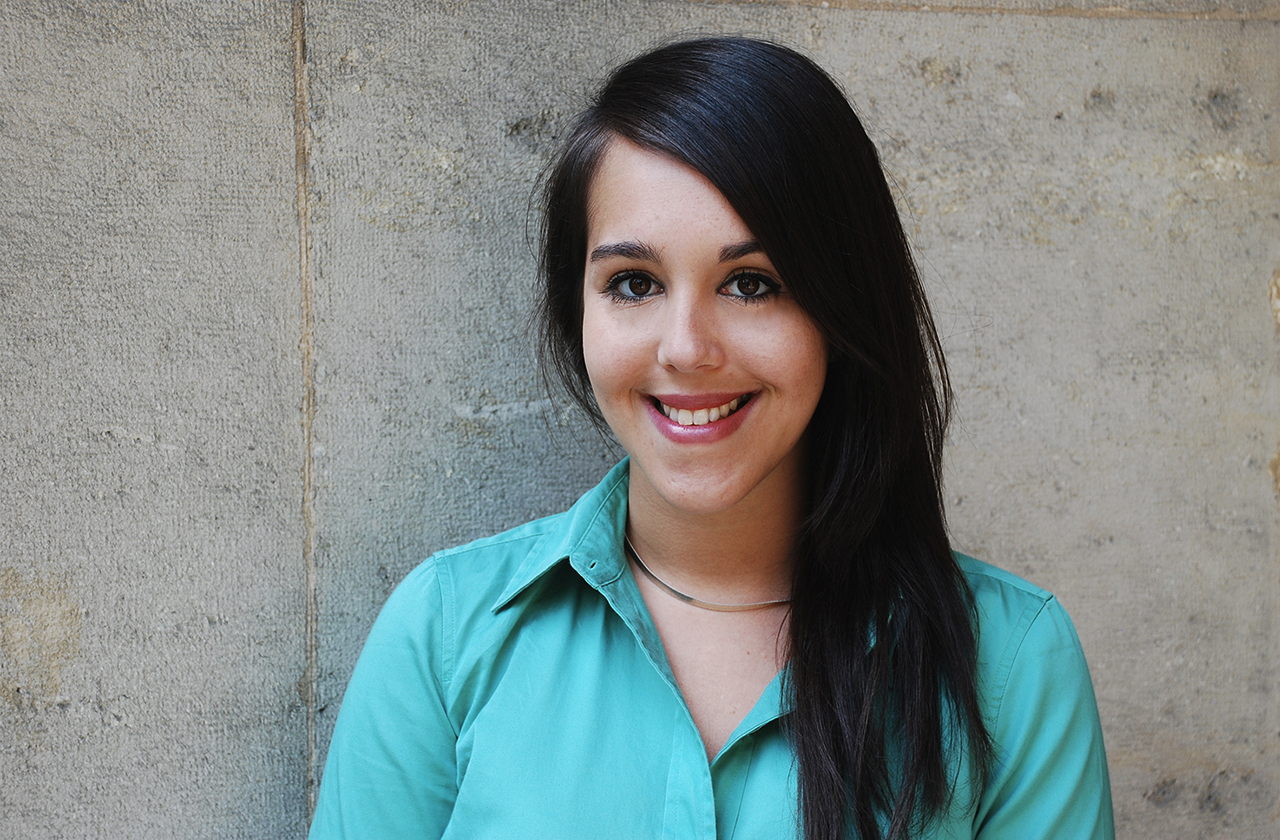
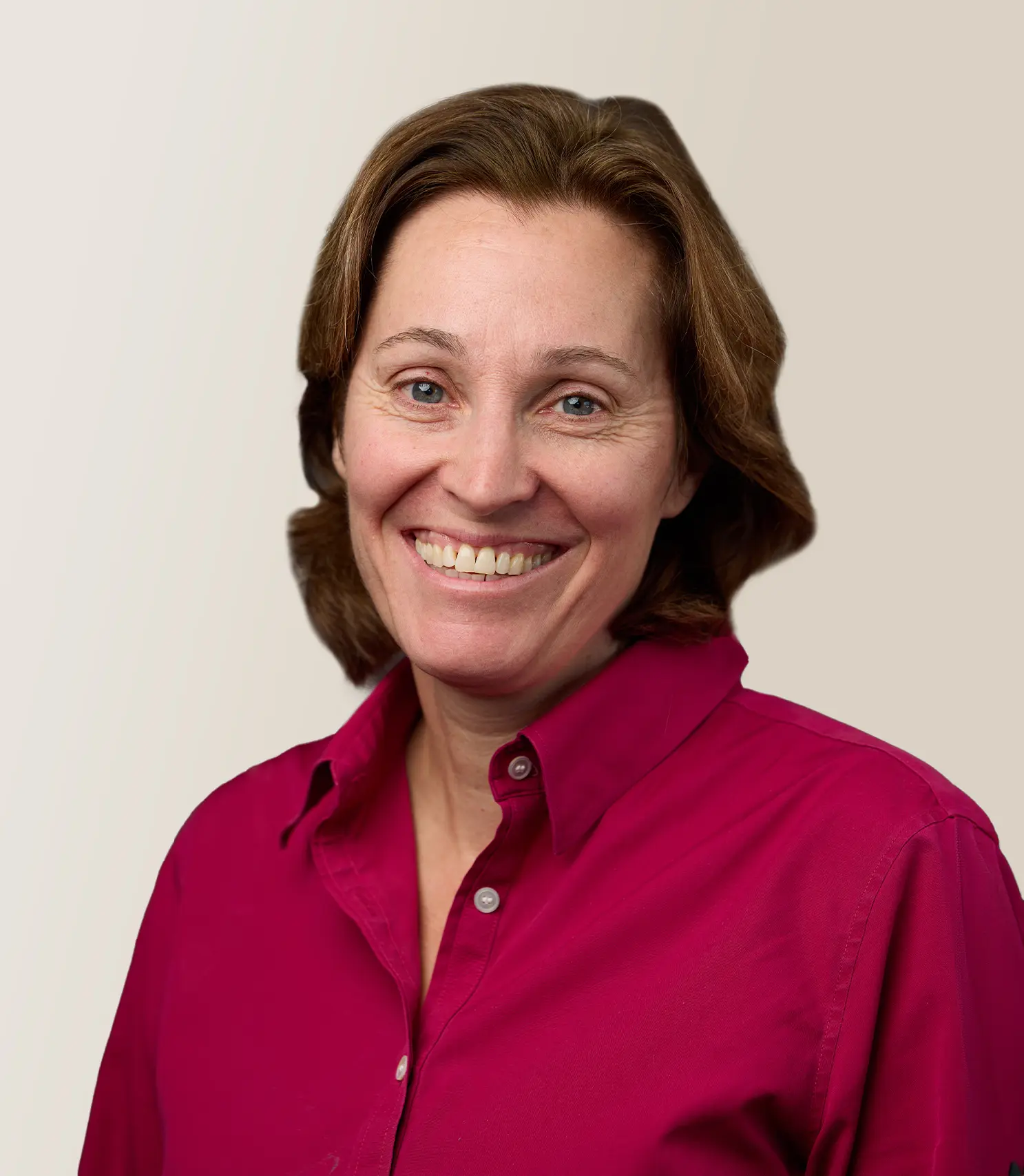
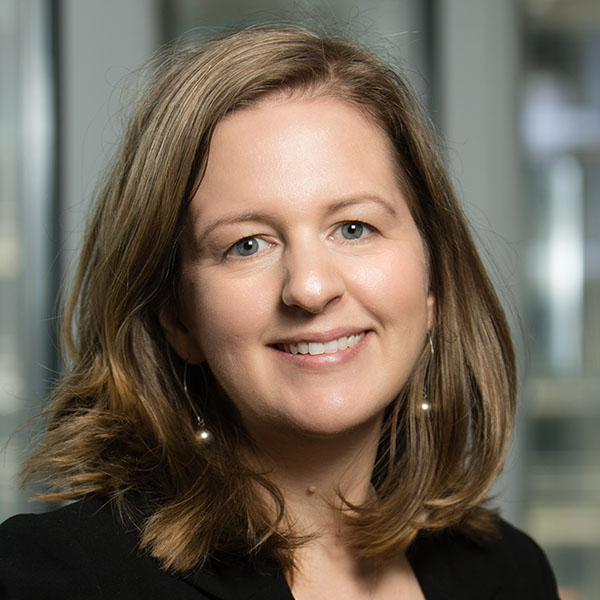
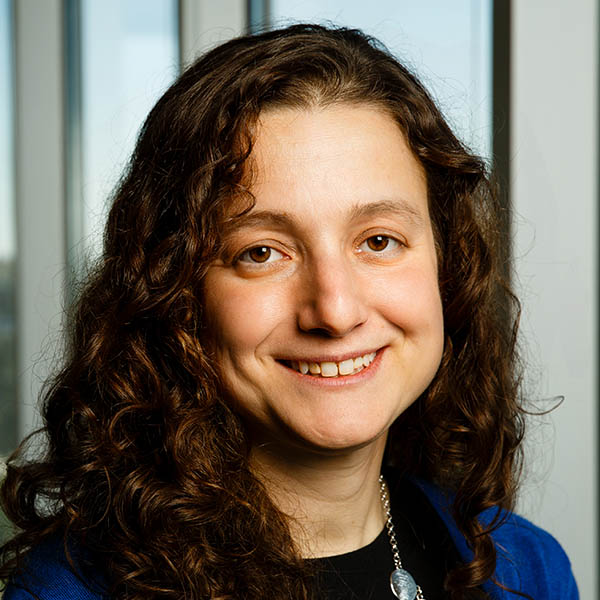
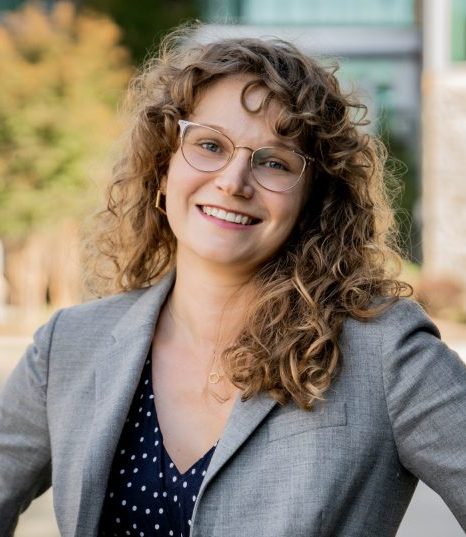
Dr. Deana Leahy is an Associate Professor in the Faculty of Education at Monash University , Australia. She specializes in critical health education research , focusing on policy analysis, curriculum development, and transformative pedagogical approaches. Research Focus: Interdisciplinary studies of health education across multiple contexts including schools, digital platforms, museums, and community initiatives. Key projects include: Review of National School Drug Education Principles Making the Link (digital mental health platform) Seeing through the Haze (vaping education resources) First Do No Harm (nutrition messaging) Academic Leadership: Serves on editorial boards of Health Education Journal and Health Education , co-convenes CHESS and EERA RN8, and contributes to UNESCO Chair initiatives. Awards: Dean's Award for Outstanding Contribution to Student Learning (2015) Dean's Early Career Researcher Award (2016) WHO NCD Lab Shortlisted (2020) Vice Chancellor's Community Education Award (2023) Research Trends: Combines critical policy analysis , co-design methodologies , and systems thinking across health education domains including substance use prevention, sexual health, nutrition, mental health, and climate action.
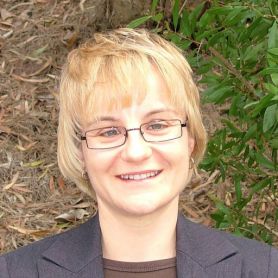
Sarah Wild is an Associate Lecturer and Psychology Technician at the Department of Education , University of York. She joined the department in 2019 and contributes to teaching across undergraduate and postgraduate programs while supporting staff and student research initiatives. MSc in Psychology of Child & Adolescent Development Former Psychology Technician and Research Assistant at York St John University Research focus: adolescent development, eating/exercise behaviors, drug use in festivals/prisons Current role includes Deputy Pathway Lead for Undergraduate Studies Her research group affiliation is with the Psychology in Education Research Centre (PERC) . A 2019 publication in JMIR mHealth and UHealth explores the impact of health applications on behavioral patterns in youth. Contact: D/L/205, Department of Education, University of York, York YO10 5DD, UK | Tel: +44(0)1904 322448
Dr. Roslyn Galligan is a Lecturer in the School of Health Sciences at Swinburne University of Technology, Australia. She holds a PhD in Developmental Psychology from the University of Toronto and a Doctorate in Clinical Psychology from the University of Melbourne. She previously taught at the Australian National University for ten years before joining Swinburne. Her academic and clinical work bridges developmental, clinical, and health psychology. PhD in Developmental Psychology, University of Toronto Doctorate in Clinical Psychology, University of Melbourne (2007) Bachelor’s in Chemistry, University of Western Australia Bachelor’s in Psychology, University of Queensland Her research focuses on clinical and health psychology , particularly disordered eating , binge eating disorder , shame , adverse childhood experiences , emotion regulation , and perinatal mental health . She also explores emotional intelligence, psychopathology, and family dynamics. Her work often integrates developmental and clinical perspectives to understand psychological distress across the lifespan. Her recent publications reveal a strong trend in binge eating research , including the development of the Functions of Binge Eating Scale (FBES) , latent profile analyses of binge eating functions, and the role of shame and trauma. She also investigates integrated treatments for comorbid borderline personality disorder and eating disorders. Her earlier work includes studies on video communication with children and emotional intelligence. Her scientific awards include the Canada Council Scholarship , which supported her doctoral studies in Canada. Canada Council Scholarship She has actively supervised numerous PhD students on topics ranging from perinatal anxiety to social anxiety and emotional intelligence. Her research has been supported by various academic and clinical collaborations. She is involved in developing clinical interventions, particularly for mothers and adolescents, and has contributed to understanding family functioning in mental health contexts. Dr. Galligan is affiliated with Swinburne’s research community in clinical psychology and contributes to advancing knowledge in eating disorders and emotional regulation. She continues to publish in high-impact journals and mentor the next generation of clinical psychologists.
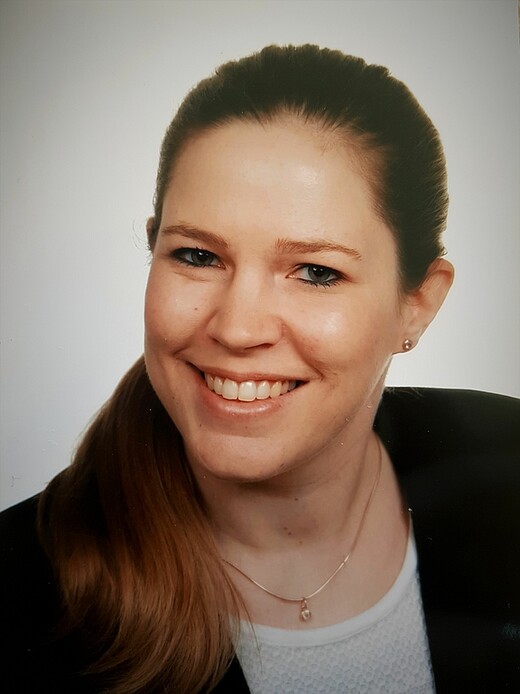
Dr. Caroline Seiferth is a researcher in the Department of Education and Psychology at Freie Universität Berlin, affiliated with the Clinical Psychology and Psychotherapy research group led by Prof. Babette Renneberg. She is also associated with the German Center for Mental Health (DZPG) in Berlin-Potsdam, where she contributes to advancing digital mental health interventions. Her work focuses on clinical-psychological intervention research, particularly in the areas of emotional regulation, cognitive control, and prevention strategies for psychosocial stress and obesity. Her research interests span digital mental health (e-mental health and mHealth) , postpartum depression , obesity and weight management , gender-sensitive psychological interventions , and cognitive-behavioral therapy . She has been instrumental in developing and evaluating evidence-based digital tools such as the I-GENDO and I-PREGNO interventions, which target behavioral change in individuals with overweight and families during the transition to parenthood. The 15 most recent publications highlight a strong trend toward digital health interventions , with a focus on real-time assessment (ecological momentary assessment) , just-in-time adaptive systems , and user-centered design . These works are grounded in clinical psychology and behavioral science, often employing randomized controlled trials to evaluate intervention efficacy. Keywords across these publications include mHealth, obesity, postpartum mental health, emotional regulation, and gender sensitivity. She has received recognition for her work, including the Posterpreis des DZPG in 2024, awarded jointly with Charlotte Rosenbach. This award underscores the impact and quality of her research presentations in the field of mental health. Dr. Seiferth actively mentors and collaborates on research projects, though no formal advisees are listed. She has contributed to externally funded projects such as I-REACH, ProChild, and Smart-e-Moms, indicating involvement in grant-supported research. Her collaborative work spans multiple institutions and interdisciplinary teams, reflecting a strong network in clinical and digital health research. She is involved in the development and evaluation of digital tools within the SMART FAMILY and I-GENDO research teams, focusing on behavioral change through mobile technology. These initiatives aim to deliver personalized, evidence-based psychological support to individuals and families facing mental health and weight-related challenges.
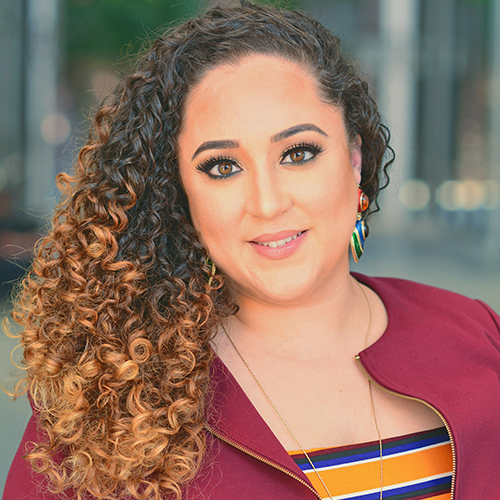
Dr. Mira Mayrhofer serves as a Senior Lecturer in Advertising at the University of Vienna's Department of Communication within the Faculty of Social Sciences. Currently on maternal leave, she maintains her office at Währinger Straße 29 (Room 7.43) in Vienna and continues research through the Advertising and Media Psychology Research Group (AdMe) led by Prof. Jörg Matthes. Her academic profile spans health communication, advertising research with focus on food and alcohol, product placement in digital media, and quantitative methodology. Her educational background includes: Ph.D. in Journalism and Communication Studies (2019, University of Vienna) M.Sc. in Marketing (2015, Vienna University of Economics and Business) B.A. in Journalism and Communication Studies (University of Vienna) B.Sc. in Business, Economics & Social Sciences (2013, Vienna University of Economics and Business) Mayrhofer's research centers on the psychological mechanisms of media effects, particularly examining how alcohol and food are portrayed in entertainment media and social platforms. Her work investigates observational learning of drinking behaviors, the impact of product placements on children's eating habits, and the persuasive dynamics of user-generated brand content. She employs rigorous quantitative methods to analyze audience responses across demographic variables, with significant contributions to understanding how perceived similarity influences alcohol consumption modeling. Her publication trajectory reveals evolving expertise from early studies on alcohol portrayal in comedy series (2016-2018) toward broader health communication applications including pandemic response analysis (2022). Key thematic clusters include alcohol risk communication, children's food marketing, and social media persuasion mechanics, with methodological strengths in experimental design and content analysis. Award highlights: Top Faculty Paper Award, AEJMC (2018) for observational learning research Top Student Paper Award, International Communication Association (2017) for alcohol education studies Research leadership includes serving as postdoctoral researcher (2021-2022) for the Austrian Health Insurance Fund (ÖGK)-funded project 'Concept for Marketing/Communication for the Disease Management Program Chronic Heart Failure' under Prof. Matthes. She previously contributed to the 'Food Product Placements in Children’s Movies' project (2015) and has mentored numerous junior researchers within the AdMe group. Current collaborative work examines pandemic-era healthcare delivery through qualitative GP interviews. As core faculty in the Advertising and Media Psychology Research Group, Mayrhofer contributes to the department's international reputation in media effects research. Her team collaborates across disciplines including public health and nutrition science, with ongoing projects analyzing social media's impact on health behaviors and the effectiveness of disease management communications.
Anita Carson is the Larz Anderson Professor in Operations & Technology Management and department chair at the Questrom School of Business , Boston University . Previously affiliated with Wharton, Harvard, and Brandeis Business Schools, she holds a doctorate in Business Administration, with bachelor’s and master’s degrees in Industrial Engineering and Operations Research. Her early career included 5 years in manufacturing at General Mills and General Dynamics’ Electric Boat division. Her research focuses on service process design in healthcare, particularly care delivery processes in hospitals. She demonstrates that workarounds due to poor internal integration waste up to 10% of staff time, proposing operations management principles to mitigate this and foster improvement-oriented cultures. Her work has been recognized with awards like the AcademyHealth Best Dissertation , Sloan Industry Studies Fellowship , and multiple Academy of Management best paper honors. Professor Carson teaches operations management , healthcare operations , and supply chain management across all academic levels. She collaborates with hospitals such as Kaiser Permanente , Cleveland Clinic , and Brigham and Women’s , with her research presented at institutions including Johns Hopkins Hospital and the Institute for Healthcare Improvement .
Simone French is a Professor at the Division of Epidemiology & Community Health within the School of Public Health at the University of Minnesota. She is also a member of both the Healthy Weight Research Center and the Masonic Cancer Center (MCC). PhD in Psychology from University of Minnesota BA in Psychology from Macalester College Her research focuses on obesity prevention interventions targeting children and adults in natural settings like homes, schools, and neighborhoods. She investigates environmental influences on eating behaviors , food policy impacts, and equity in food access . Her work combines individual behavior change with structural environmental modifications . Recent publications emphasize community-based pediatric obesity trials , weather's impact on treatment adherence , and neurobehavioral models for temptation management. Articles span 2002-2023, with methodological diversity from randomized trials to statistical reviews . Member, Healthy Weight Research Center Member, Masonic Cancer Center (MCC) She employs mixed-method approaches for environmental health research , with grant-funded projects exploring low-income food accessibility and policy-level nutritional interventions . Her lab teams focus on community health equity through environmental modification strategies.
Melissa Laska is a Distinguished McKnight University Professor in the Division of Epidemiology & Community Health at the University of Minnesota School of Public Health. She serves as Co-Director of the Healthy Weight Research Center and is a Member of the Masonic Cancer Center (MCC). Dr. Laska earned her PhD from the University of North Carolina at Chapel Hill, a BS with Honors from Cornell University, and her Registered Dietitian (RD) credential from the Academy of Nutrition and Dietetics through Vanderbilt University Medical Center. Her research focuses on nutrition promotion, food access, and addressing nutrition-related inequities, with particular emphasis on supporting historically under-resourced communities in making healthy food choices. With over two decades of experience, Dr. Laska has developed a multifaceted research portfolio examining obesity prevention, food environments, nutrition policy, and health equity. Her work spans multiple settings including schools, colleges, and community food environments, with special attention to vulnerable populations including adolescents, college students, and sexual minorities. Analysis of Dr. Laska's publication record reveals consistent focus on food insecurity, particularly in educational settings, with significant contributions to understanding weight-related disparities across different demographic groups. Her work increasingly incorporates systems science approaches to address complex food environment challenges, while maintaining strong emphasis on practical policy implications and community-based solutions. 2019 Sara Evans Faculty Woman Scholar and Leader Award 2020 Distinguished McKnight University Professor Dr. Laska's research has been extensively funded by NIH, CDC, and USDA, resulting in nearly 200 peer-reviewed publications cited over 14,000 times across 28 languages from researchers in more than 120 countries. Her work has informed recommendations from prestigious organizations including the National Academy of Sciences, Dietary Guidelines Advisory Committee, American Academy of Pediatrics, and the Lancet Commission on Adolescent Health. As Co-Director of the Healthy Weight Research Center, she leads interdisciplinary teams addressing complex nutrition and obesity challenges through innovative research approaches.
Rachel Widome is a Professor in the Division of Epidemiology & Community Health at the University of Minnesota School of Public Health. She holds additional appointments as a Member of the Healthy Weight Research Center, Masonic Cancer Center (MCC), and Minnesota Population Center. Dr. Widome's research program focuses on how environmental and contextual factors influence chronic disease-related behaviors, particularly tobacco use and eating patterns. Her primary research areas include: the role of sleep in obesity development and relevant policy interventions; tobacco control strategies for disadvantaged populations; commercial cigarette marketing in American Indian communities; and military veteran health issues including food access, tobacco cessation, and sleep patterns. Her expertise spans epidemiology, prevention policy, health equity, tobacco research, obesity, adolescent health, sleep research, and social determinants of health. Recent publications demonstrate her commitment to translating epidemiological findings into practical policy applications, with significant contributions in tobacco control, health disparities research, sleep epidemiology, and veterans' health. Her work on racial and ethnic disparities, vaccine decision-making among Black women, and the intersection of smoking cessation with food security highlights her focus on health equity. Dr. Widome holds a PhD in Epidemiology from the University of Minnesota, an MHS in International Health from Johns Hopkins Bloomberg School of Public Health, and a BA in Medical Anthropology from Brown University. Her methodological approach combines quantitative epidemiological techniques with qualitative insights to address complex public health challenges. Her scholarly contributions include numerous high-impact publications spanning cardiovascular health markers related to smoking, e-cigarette effects, cancer pain management, and adolescent sleep patterns. As an active researcher with publications extending into 2025, she continues to influence public health discourse and policy development.
Dr Agatha Conrad is a Lecturer at the University of Newcastle and Senior Research Development Officer for Hunter New England Mental Health . She operates within the Mental Health - Research, Evaluation, Analysis & Dissemination (MH-READ) unit , based at the University's Priority Research Centre for Brain & Mental Health Research (CBMHR) . PhD in Psychology Doctorate in Clinical Psychology Registered Clinical Psychologist Her research expertise spans Mental Health , Clinical Psychology , and Service Evaluation , with a focus on severe mental illness treatment and evidence-based psychotherapies. She contributes to Psychosis risk assessment, Eating Disorders in Older Adults , and Digital Health implementation in mental health triage. Recent work examines mobile phone access in inpatient units and family-based interventions for distressed youth. Dr Conrad's grant funding includes Cancer Prevention initiatives for mentally ill populations ($340,450, 2018) and primary care mentoring programs ($98,532, 2017). She supervises PhD research on Infant Mental Health Nursing and collaborates with multidisciplinary teams across Community Mental Health Services , Acute Psychiatry Units , and Public Health Networks .
Tanja Dewitt, PhD, is a Researcher at the Institute of Nursing Science, University of Education Schwäbisch Gmünd. She teaches organizational development, leadership, communication, and teamwork while conducting health psychology research focused on evidence-based interventions and stress management in nursing contexts. Her office is located in room C 2.09 CHAL with consultation hours daily from 08:30-09:30. Her research centers on health promotion through theory-driven interventions, particularly examining self-regulation strategies for health behavior, patient education frameworks, and psychosocial stressors in healthcare settings. Key areas include adolescent nutrition interventions, stress dynamics in operating rooms, and resource identification for nursing trainees, reflecting her commitment to bridging psychological theory with clinical practice. Analysis of her publications reveals a consistent focus on developing and evaluating context-specific health interventions, primarily using frameworks like Intervention Mapping. Her work spans adolescent nutrition behavior, occupational stress in surgical environments, and self-regulation training for nursing students, demonstrating interdisciplinary approaches to improving health outcomes in educational and clinical settings. Current active projects include the conception and evaluation of a self-regulation training program for health behavior in nursing trainees and a comprehensive study identifying stressors, impairments, and resources among health and pediatric nursing students. These initiatives highlight her applied research focus on strengthening resilience and health practices within healthcare education systems.
Niels Boysen Feddersen is an Associate Professor at the Norwegian School of Sport Sciences (NIH) , where he teaches in the Department of Teacher Education and Outdoor Studies . With a MSc in Sports Psychology and Sociology from the University of Copenhagen and a PhD in Organizational Psychology in Sports Organizations from Liverpool John Moores University, he brings a unique interdisciplinary perspective to his work. His research spans three primary areas: (1) Sociological-Psychological Approaches to Neurological Injury Rehabilitation , collaborating with organizations across Norway, Sweden, Poland, Denmark, and Iceland; (2) Organizational Culture in Sports Organizations , examining power dynamics and destructive culture development in elite sports with federations in the UK, Denmark, and Norway; and (3) Adapting Psychological Support in Elite Sports Environments , particularly through partnerships with English Premier League academies and Norwegian Eliteserien clubs. Feddersen employs qualitative research methods , including ethnography, observational studies, action research, and intervention studies . He emphasizes inclusive physical education and innovative teaching strategies like reverse mentoring and focus groups to enhance student engagement and learning outcomes.
Dr. Bernadette Pivarunas is a Lecturer at Naropa University , specializing in clinical mental health counseling with a focus on somatic counseling and trauma-informed care. She contributes to the MA Clinical Mental Health Counseling programs emphasizing body psychotherapy and dance/movement theories. Education: BS in Psychology, DePaul University MS in Counseling Psychology, Colorado State University PhD in Developmental Psychology and Science, Colorado State University Her research spans trauma-informed care, mindfulness-based interventions, eating disorders, and psychedelic-assisted psychotherapy. Recent publications highlight applications in adolescent mental health, type 2 diabetes prevention, and socio-emotional factors affecting gestational weight gain. She founded and serves as Clinical Director of Radical Healing in Fort Collins, CO, integrating her clinical expertise into community practice.
Natalie N. Watson-Singleton is an Associate Professor in the Department of Psychology at Spelman College , where she has served since 2016. She holds a Ph.D. in Clinical/Community Psychology from the University of Illinois, Urbana-Champaign, and completed her clinical psychology pre-doctoral internship at Emory University's Department of Psychiatry and Behavioral Sciences. Currently, she is a Faculty Fellow at Emory University/Grady Health System through the Grady Nia Project. Research Interests: Black women's health and wellness Strong Black Womanhood schema Health disparities Mind-body interventions Mindfulness and compassion-based therapies Academic Contributions: Dr. Watson-Singleton's research bridges clinical-community psychology with culturally relevant applications, focusing on reducing mental health disparities among African American women through innovative interventions. Her recent publications (2022-2025) span topics including racial stress, digital health tools, and intersectional approaches to trauma recovery. Scientific Awards: AWP Women of Color Psychologies Award Kanfer Award for excellence in research List of Instructors Ranked as Excellent Herman Eisen Award for Clinical/Community Psychology Social Activism Award Teaching: Courses taught include Abnormal Psychology, Counseling Techniques, Psychometric Instruments, and an independent study on Black Women, Trauma, and Intervention.
Alexandra DiFeliceantonio, PhD is an Assistant Professor at Virginia Tech's Department of Human Nutrition, Foods, and Exercise within the College of Agriculture and Life Sciences. She serves as Associate Director of the Center for Health Behaviors Research at the Fralin Biomedical Research Institute at VTC in Roanoke, Virginia. Her research focuses on understanding the neural mechanisms underlying food choice and reward processing, particularly regarding ultra-processed foods. Dr. DiFeliceantonio earned her BS in Psychology from Sweet Briar College (2008) and her PhD in Psychology from the University of Michigan (2013). Prior to joining Virginia Tech in 2019, she served as an Associate Research Scientist at Yale University. Her DONNUT LAB investigates how modern food environments influence physiology, brain function, and individual differences in food response that may confer disease risk. Her research program examines how food properties affect brain-physiology interactions and how individual differences in response to these properties influence health outcomes. Recent work has explored glycemic control's role in food learning, the addictive potential of ultra-processed foods, and how dopamine signaling mediates food reward. Her laboratory employs multimodal brain imaging and metabolic measures to study food motivation. Dr. DiFeliceantonio's publication record demonstrates expertise in food reward neuroscience, with recent articles examining ultra-processed foods, nutrient conditioning, and metabolic influences on food choice. Her work has been highlighted in major media outlets including the New York Times. Mentor of the Month, Virginia Tech Graduate School (2022) Timothy J. Bartness Award, Society for the Study of Ingestive Behavior (2021) Invited Scholar in the iTHRIV Scholar Program (2020) Travel Award to NIDDK Neuroimaging and Modulation in Obesity and Diabetes Meeting (2019) She advises doctoral students in the Translational Biology, Medicine, and Health Graduate Program and has secured significant research funding including a $2.75 million grant to study brain signals governing food decisions. Her work has practical implications for understanding obesity mechanisms and developing interventions for unhealthy eating behaviors. She leads the DiFeliceantonio Lab which has developed research tools like the NOVA-scored picture set to evaluate ultra-processed foods.