- Orthodox Theology
- Christian Anthropology
- Hesychasm
- +۵ مورد دیگر
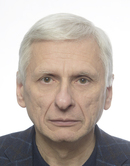
Professor Krzysztof Leśniewski serves in the Department of Orthodox Theology at John Paul II Catholic University of Lublin, Poland, where he has established himself as a leading scholar bridging theological inquiry with medical ethics and psychological studies. His academic profile reflects deep expertise in Eastern Orthodox spirituality, particularly hesychasm, and its application to contemporary issues surrounding death, dying, and palliative care. Leśniewski's research interests span Orthodox theology , Christian anthropology , bioethics , and ecumenical dialogue , with a distinctive focus on how theological concepts inform medical practice. His work frequently examines the Great Canon of St. Andrew of Crete , brain death criteria, hope studies in terminal illness, and the spiritual dimensions of healthcare. His interdisciplinary approach connects theological anthropology with practical medical concerns, demonstrating how ancient spiritual traditions can inform modern healthcare practices. Analysis of his recent publications reveals a consistent trend toward interdisciplinary scholarship that combines theological depth with empirical medical research. His articles frequently appear in both theological journals like European Journal of Science and Theology and medical journals including International Journal of Environmental Research and Public Health , reflecting his unique position at the intersection of faith and healthcare. The recurring themes across his work include the theological understanding of human personhood, the spiritual dimensions of dying, and the application of Orthodox spirituality to contemporary medical ethics challenges. Nagroda im. Księzia Konstantego Ostrogskiego za zasługi w rozwoju myśli, kultury i duchowości prawosławia oraz działalność na rzecz jednoczenia chrześcijan (Prince Konstanty Ostrogski Award for merits in Orthodox thought, culture, and spirituality) Leśniewski has served extensively as a reviewer for doctoral dissertations in theology and Orthodox studies, though specific advisees are not listed in the available materials. His organizational work includes coordinating national conferences on topics ranging from hospice care to Eastern Christian spirituality. His scholarly activities demonstrate significant engagement with both academic theology and practical healthcare concerns, particularly through his examination of how Orthodox theological anthropology informs contemporary medical ethics and palliative care practices.