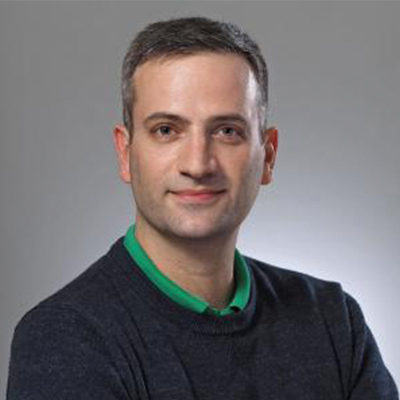
Bettina-Johanna Kringsمشاهده پروفایل
پژوهشگر ارشد
Dr. Bettina-Johanna Krings is a Scientific Associate at the Institute for Technology Assessment and Systems Analysis (ITAS) at the Karlsruhe Institute of Technology (KIT), where she has been working continuously since 1995. She currently serves as Deputy spokesperson for the topic "Work and Technology" within the focus area "Humans and Technology" at KIT and is a Member of the Ethics Advisory Board of the research network "Village Community 2.0 – Aging in Rural Areas." Her role includes being the Responsible Coordinator for Technology Assessment in Teaching at KIT, demonstrating her commitment to integrating research and education. Dr. Krings completed her dissertation in 2015 on "Strategien der Individualisierung" (Strategies of Individualization) at Goethe-Universität Frankfurt am Main, supervised by Prof. Dr. Birgit Blättel-Mink and Prof. Dr. Tilla Siegel. Her academic journey began with work as a scientific associate in educational management programs and gender equality initiatives in Argentina during the early 1990s before joining ITAS. Her research focuses on the critical intersection of technology, work, and society. Main content areas include technical innovations and their impacts on work structures, concepts of human-machine relations, theory and methods of technology assessment, and sociological theories of modernity. She examines how digitalization transforms work environments, particularly in care settings, and investigates ethical dimensions of emerging technologies like artificial intelligence. Her work consistently addresses questions of human-centered technology design, the future of work in rapidly changing technological landscapes, and the societal implications of technological change from multiple disciplinary perspectives. Her extensive publication record (2015-2025) reveals a clear evolution toward increasingly applied research on ethical technology implementation, with particular emphasis on AI applications in workplace contexts, participatory technology development in healthcare, and the transformation of work through digitalization. The interdisciplinary nature of her work is evident in collaborations across sociology, engineering, healthcare, and ethics disciplines. Dr. Krings leads and participates in multiple significant research initiatives including the investigation of 4-day week models and digitalization in geriatric care, international Graduate Summer Schools on "Knowledge Production in Modern Societies," and the Artificial Intelligence for Work and Learning in the Karlsruhe Region (KARL) project. She also contributes to KIT's Umbrella Strategy 2025 on Human Resources (Subproject 7: Visions of Future Work), Kopernikus: SynErgie Cluster VI on organizational development with fluctuating energy supply, and the "NoWa – Norms in demographic change" project, demonstrating her engagement with both theoretical and practical aspects of technology assessment.