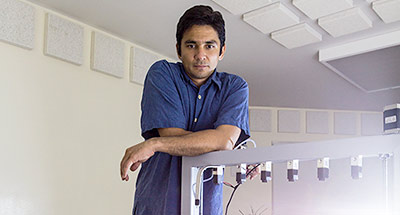
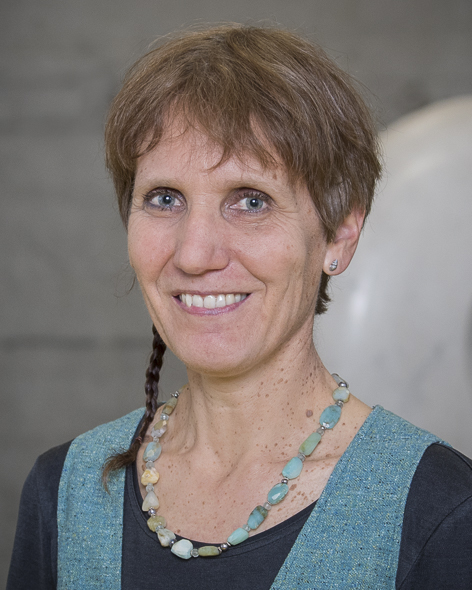
Ashli Owen-Smith is a behavioral scientist affiliated with the School of Public Health at Georgia State University , where her research focuses on mental health disparities, suicide prevention, and integrative/complementary approaches for complex mental-physical health conditions. She works with underserved populations including refugees/immigrants, incarcerated individuals, and LGBTQ+ communities through community-based participatory research and mixed-methods frameworks. Her current projects are funded by CDC , DBHDD , and DPH . Education: Ph.D. in Behavioral Sciences (Emory, 2009), S.M. in Public Health (Harvard, 2005), B.A. in Psychology (Smith College, 2001) Her research spans mental health , trauma , suicide prevention , and mindfulness-based interventions . Recent work examines telehealth adaptations for chronic pain and mental health, vaccine hesitancy in refugee communities, and social determinants of suicide . She leads studies on gender-affirming care and health disparities in LGBTQ+ populations. Key article trends include epidemiological analysis of suicide risk factors, COVID-19 impacts on mental health, ICD-10 coding for autism, and complementary medicine in trauma recovery. Subfields span telehealth , health equity , mental-physical comorbidity , and community engagement . Students she has mentored include C.A. Scarlett , T. Griner , and M.M. Sesay . Her work integrates public health policy , clinical research , and health systems analysis .
Professor Matthias Mann is a world-leading scientist serving as Director of the Proteomics and Signal Transduction department at the Max Planck Institute of Biochemistry in Martinsried, Germany, and Director of the Proteomics department at the Novo Nordisk Foundation Center for Protein Research, Faculty of Health Sciences, University of Copenhagen, Denmark. With an h-index exceeding 277 and over 350,000 citations, he is recognized as the highest cited German researcher and one of the most influential scientists globally in proteomics. His educational background includes: Ph.D. in Chemical Engineering from Yale University (1988) Master's Degree in Physics from Georg August University Göttingen (1984) Bachelor's of Arts in Mathematics from Georg August University Göttingen (1982) Professor Mann's research focuses on advancing mass spectrometry-based proteomics to understand biological systems at the protein level. His work spans technological developments in mass spectrometry, bioinformatics and computational analysis, signal transduction and posttranslational modifications, and clinical proteomics applications for disease diagnosis and treatment. The Mann lab has pioneered groundbreaking methods like SILAC for quantitative proteomics and MaxQuant for proteome data analysis. Their vision is to translate proteomics knowledge into clinical practice for predictive, diagnostic, and preventive medicine, with recent work focusing on AI-guided platforms for analyzing proteomes from minimal tissue samples. Analysis of Professor Mann's recent publications reveals a strong trend toward clinical applications of proteomics, particularly in cancer research, metabolic diseases, and neurodegenerative disorders. His work increasingly integrates spatial proteomics, single-cell resolution techniques, and artificial intelligence approaches to uncover disease mechanisms and identify potential biomarkers, with a clear shift from basic technology development toward direct clinical applications and personalized medicine. Professor Mann has received numerous prestigious awards throughout his career: 2025: Elected member of the American National Academy of Sciences 2024: Dr. H.P. Heineken Award for Biochemistry and Biophysics 2023: Otto Warburg Medal 2019: Nominated member of the Bavarian Academy of Sciences 2013: Elected member of Leopoldina German National Academy of Sciences 2012: Körber European Science Award, Louis-Jeantet Foundation Prize for Medicine, Ernst Schering Prize, and Leibniz Prize Professor Mann leads a highly collaborative research team involved in multiple international networks including the Bill & Melinda Gates Foundation, Michael J. Fox Foundation for Parkinson's Research, CLINSPECT-M, and Munich Heart Alliance. His lab has mentored numerous successful researchers, with several former postdocs receiving prestigious ERC Starting Grants. The Mann group has developed innovative clinical proteomics pipelines for analyzing archived tissue specimens and body fluids, aiming to identify protein markers for early detection of diseases such as diabetes and cancer. The Mann lab operates across two major research centers with state-of-the-art mass spectrometry facilities. Their Clinical Knowledge Graph platform integrates multi-omics data with extensive metadata, creating an ecosystem for machine learning applications in proteomics. Current research focuses on developing highly sensitive methods that can profile thousands of proteins from minimal cell samples, enabling the identification of critical disease-related proteins and supporting the development of individualized therapies.
Prof. Dr. Sven Heidenreich is a full Professor of Business Administration, specializing in Technology and Innovation Management at the University of Saarland. He leads an active research group and holds a prominent position in the German-speaking academic community, with consistent recognition in national and international rankings. University: University of Saarland Department: Business Administration Research Focus: Technology and Innovation Management Email: sven.heidenreich@uni-saarland.de His research centers on innovation processes, particularly consumer integration, co-creation, resistance to innovation, and sustainable business models. He employs a quantitative-empirical approach to study individual and organizational aspects of innovation, with applications in digital services, video games, and green innovation. The recent publications reflect a strong trend in understanding consumer behavior in innovation contexts, including greenwashing, leapfrogging, co-creation, and the role of personality in entrepreneurial success. His work frequently appears in high-impact journals such as Journal of Product Innovation Management , R&D Management , and Technological Forecasting and Social Change . Top 0.5% researcher worldwide in Innovation Management (ScholarGPS 2024) JPIM Outstanding Reviewer Award 2023 Multiple appearances in WirtschaftsWoche Economist Rankings (2018–2024) Finalist, Best Paper Award, IRCSM 2024 Prof. Heidenreich supervises doctoral researchers and has led significant research projects, including the DFG-funded TRIP project on integrating different consumer types into new product development. His team includes postdocs, junior professors, and scientific staff, indicating active mentorship and collaborative research. He also collaborates with researchers across Europe and beyond. He leads the DFG project TRIP and has secured funding from major German research bodies. His lab focuses on empirical studies involving consumer panels, student experiments, and idea competitions to validate innovation theories in realistic settings.
Nikolaos Koutsouleris serves as a Research Professor leading the Precision Psychiatry team at the Max Planck Institute of Psychiatry in Munich, Germany. He directs the KOUTSOULERIS LAB, which focuses on developing advanced machine learning methodologies for clinical psychiatry applications. His work bridges computational neuroscience, clinical psychology, and precision medicine approaches to transform psychiatric diagnosis and treatment. Dr. Koutsouleris's research program centers on precision psychiatry, with particular emphasis on multimodal data integration for predicting psychiatric outcomes. His laboratory develops sophisticated machine learning workflows that combine neuroimaging, clinical assessments, genetic information, and biomarker data to create personalized prediction models. This approach enables more accurate identification of individuals at risk for psychosis and other psychiatric disorders, facilitating earlier intervention and tailored treatment strategies. Analysis of Dr. Koutsouleris's publication record reveals a consistent trajectory toward increasingly sophisticated applications of artificial intelligence in psychiatry. His recent work demonstrates a shift from single-modality prediction to complex multimodal frameworks that capture the heterogeneous nature of psychiatric conditions. Key themes include addressing methodological challenges in clinical prediction generalizability, exploring neurobiological underpinnings of mental illness through advanced analytics, and translating computational findings into clinically actionable tools. As leader of the KOUTSOULERIS LAB at the Max Planck Institute of Psychiatry, Dr. Koutsouleris oversees a multidisciplinary research environment that brings together computational scientists, clinicians, neuroscientists, and data analysts. His team collaborates extensively with international consortia to validate prediction models across diverse populations, ensuring robustness and clinical applicability of their findings. The laboratory serves as a nexus for innovation in computational psychiatry, driving methodological advances while maintaining strong connections to clinical practice.
Dr Robin Crockett is the University Academic Integrity Lead at the University of Northampton, based in the Academic Registry. He is a mathematician-ethicist actively engaged in research and professional development in academic integrity, document forensics, and the detection of contract cheating and AI-generated text. He is a member of the European Network for Academic Integrity (ENAI), co-founder of the Midlands Integrity Group (UK), and has advised UK policymakers on legislation to ban essay mills. He holds Chartered Scientist and Chartered Mathematician status. MPhil, The Management of Electricity Supplies via Storage as Hydrogen, Cranfield University Master, Energy Conservation and the Environment, Cranfield University PhD, Electrostatic Damage to Semiconductor Devices, University of Southampton Master, Natural & Electrical Sciences, University of Cambridge Bachelor, Natural & Electrical Sciences, University of Cambridge Dr Crockett's research centers on document forensics and academic integrity, with core interests in Fourier theory, time-series analysis, and stylometry for identifying contract cheating. His work increasingly addresses the challenges posed by generative artificial intelligence in education. He applies mathematical and statistical methods to analyze linguistic cues, writing styles, and embedded information in student submissions. His recent publications highlight a strong trend toward understanding and mitigating academic misconduct in the AI era. Topics include AI-text detection uncertainties, forensic stylometry, and policy development for generative AI misuse. Earlier work includes environmental research on radon remediation and signal processing applications in telecommunications. Chartered Scientist Chartered Mathematician Dr Crockett has supervised PhD students, including Believe Nwamae in Computing. He has secured internal research funding, such as the Small Grants Scheme for Early Career Researchers at the University of Northampton for a project on AI-synthesized text detection. He has been an Academic Visitor at Loughborough University and served on the Turnitin Advisory Board, indicating active collaboration and external engagement. He frequently presents at academic events and contributes to policy discussions. He is affiliated with research networks including the European Network for Academic Integrity (ENAI) and the European Geosciences Union (as a former Scientific Officer). His work is supported by institutional and collaborative projects focused on advancing machine discernment of academic misconduct.
Professor Nikolaos Koutsouleris serves as a Research Group Leader for the Max Planck Fellow Group for Precision Psychiatry at the Max Planck Institute of Psychiatry and holds a position as Senior Physician in the Department of Psychiatry and Psychotherapy at Ludwig Maximilian University (LMU) Munich. His work bridges clinical practice with advanced computational approaches to transform psychiatric diagnostics and treatment. Dr. Koutsouleris specializes in predictive psychiatry, focusing on extracting meaningful patterns from neurobiological, neurocognitive, and clinical data to improve early recognition of functional psychoses. His research employs structural MRI, neuropsychological testing, and clinical evaluations within cross-sectional and longitudinal studies, utilizing advanced machine learning methods to identify and validate biomarkers for single-subject prediction of psychosis. As head of the Early Psychosis Studies and the Workgroup for Neurodiagnostic Applications, he drives initiatives to implement predictive models across healthcare settings for personalized management of high-risk individuals. His publication record reveals a consistent focus on machine learning applications in psychiatry, with recent work addressing critical issues like the generalizability of clinical prediction models, brain aging patterns in large populations, and multimodal approaches to psychosis prediction. His research spans from fundamental methodological challenges to clinical applications, demonstrating how AI and machine learning are transforming psychiatric practice toward precision medicine. Dr. Koutsouleris actively trains pre- and post-doctoral investigators in advanced data analysis techniques, emphasizing comprehensive analysis of complex, high-dimensional datasets using multivariate methods. His leadership in the PRONIA Consortium and other collaborative efforts highlights his commitment to advancing the field through international cooperation and rigorous scientific inquiry.
Elizabeth "Beth" Mayer-Davis is the Dean of The Graduate School and the Cary C. Boshamer Distinguished Professor of Nutrition and Medicine at the University of North Carolina at Chapel Hill. She holds joint appointments in the Gillings School of Global Public Health and the School of Medicine, where she previously served as Chair of the Department of Nutrition for eight years. As Dean of The Graduate School, she oversees more than 160 degree-offering programs and over 10,000 graduate students at UNC Chapel Hill. Dr. Mayer-Davis earned her educational credentials from prestigious institutions: Ph.D. in Epidemiology from the University of California, Berkeley (1992) Master of Public Health with honors from the University of Colorado School of Medicine (1986) B.S. in Dietetics from the University of Tennessee (1980) Dr. Mayer-Davis is an internationally recognized expert in diabetes research with a career focused on the epidemiology and natural history of type 1 and type 2 diabetes in children and adults. Her research addresses how nutrition impacts diabetes risk and complications, with particular emphasis on culturally and regionally diverse populations. Her primary current focus is on type 1 diabetes in youth and young adults, examining diabetes self-management and energy balance/weight management for individuals with type 1 diabetes. She employs innovative methodologies including large epidemiological studies, clinical trials, and adaptive intervention designs, often incorporating communication technologies to enhance patient-centered care. Analysis of Dr. Mayer-Davis's recent publications reveals consistent focus on diabetes epidemiology across diverse populations, with particular attention to youth-onset diabetes, health disparities by race and ethnicity, and innovative interventions for diabetes management. Her work frequently addresses the intersection of obesity and diabetes, particularly in type 1 diabetes where this comorbidity has been historically understudied. The research demonstrates methodological sophistication through the use of advanced statistical techniques, continuous glucose monitoring data, and adaptive trial designs to address complex questions in diabetes care. Dr. Mayer-Davis has received numerous professional honors and appointments: Cary C. Boshamer Distinguished Professorship at UNC President for Health Care and Education for the American Diabetes Association (2011) Member of the 2020 Dietary Guidelines Advisory Committee Appointee to President Obama's Advisory Group on Prevention, Health Promotion and Integrative and Public Health Co-director of the Nutrition Obesity Research Center funded by NIH Throughout her career, Dr. Mayer-Davis has been deeply committed to mentoring the next generation of researchers, having supervised dozens of graduate students. She has secured over $45 million in research funding, including as Principal Investigator for the Carolina site of the landmark SEARCH for Diabetes in Youth study and the Nutrition for Precision Health Consortium initiative. Her leadership extends to national scientific committees and professional organizations, where she has shaped diabetes research and care standards. She is particularly dedicated to promoting diversity, equity, and inclusion in graduate education and research. Dr. Mayer-Davis co-directs the UNC Nutrition Obesity Research Center, a NIH-funded center that has received continued support through multiple funding cycles. She also leads the Carolina site of the SEARCH for Diabetes in Youth study, a large multi-center national study that has been tracking diabetes incidence and trends in youth for over two decades. Her research team includes epidemiologists, nutritionists, statisticians, and clinicians working collaboratively to address critical questions in diabetes prevention and management.
Maria Chiara Passolunghi is a Full Professor in Developmental and Educational Psychology (MPSI/04) at the University of Trieste's Department of Life Sciences. She serves as a member of the Department's Board, Boards of Studies, and multiple Doctoral Studies Boards for the Neural and Cognitive Sciences program across various cycles (XXVIII-XXXIX). She leads the Evolutivamente LAB research group focused on typical and atypical development during the lifespan within the Psychology research area. Her primary research interests center on developmental mathematics and mathematics learning disabilities in children, with particular focus on working memory and mathematical cognition. Her work spans five main research lines: precursors of mathematical learning and their training, math-gender stereotypes, the Approximate Number System and its relationship with mathematics, math anxiety, and Executive Functions in both typical and atypical development. She investigates cognitive and emotional aspects involved in mathematical learning, with emphasis on early identification of risk factors and development of intervention programs. Analysis of her recent publications reveals consistent focus on mathematical cognition, with particular attention to the intersection of cognitive and emotional factors in mathematical learning. Her work demonstrates strong emphasis on practical applications, including development of training programs for math anxiety, executive function interventions, and assessment tools for early identification of mathematical learning disabilities. The research spans diverse populations including typically developing children, those with mathematical learning disabilities, and children in highly deprived contexts such as Yazidi genocide survivors. Professor Passolunghi has secured significant research funding from multiple sources including A.B.C. Associazione per i Bambini Chirurgicos del Burlo Onlus, Auxilia Onlus, AIPD Associazione Italiana Persone Down, and Fondazione Beneficientia Stiftung. She also collaborates with institutional partners including Trieste Town Hall, Region FVG, and I.R.C.C.S. Burlo Garofolo of Trieste on various projects related to cognitive development, math learning, and interventions for at-risk populations. She leads the Evolutivamente LAB research group which includes Researcher Sandra Pellizzoni and PhD students Chiara De Vita, Martina Fontana, and Marjia Zivkovic. The lab focuses on exploring domain-specific and domain-general abilities involved in learning, with particular emphasis on precursors of mathematical ability and disability, working memory and number sense training, and emotional-motivational factors influencing learning disabilities. Current projects include studies on math anxiety in early primary school and development of specific training programs.
Camilo Mora is a Professor in the Department of Geography at the University of Hawaii at Manoa, where he maintains an active research laboratory and teaches courses on environmental issues, biogeography, and data analysis. His academic journey began with a BSc in Marine Biology from Universidad del Valle in Colombia (1999), followed by a PhD in Biology from the University of Windsor, Canada (2005). He completed postdoctoral fellowships at the University of Auckland (2005), Scripps Institution of Oceanography (2006-2008), and Dalhousie University (2008-2010). BSc, Marine Biology, Universidad del Valle, Colombia (1999) PhD, Biology, University of Windsor, Canada (2005) Postdoctoral Fellow, University of Auckland (2005) Postdoctoral Fellow, Scripps Institution of Oceanography (2006-2008) Postdoctoral Fellow, Dalhousie University (2008-2010) Mora's research spans interconnected lines focused on understanding biodiversity patterns and their modification by human activities, with particular emphasis on climate change impacts. His lab specializes in big data analytics applied to diverse environmental challenges including heatwaves, disease transmission, marine ecosystems, and even unconventional topics like Bitcoin's environmental footprint. The Mora Lab operates on a 'divide and conquer' approach to tackle large research questions by breaking data gathering into individual parts that can be concatenated into central databases. Mora has received the CSS Excellence in Research award (2014) for his significant contributions to environmental science. His influential publications include groundbreaking work on the global risk of deadly heat (2017), the projected timing of climate departure from historical variability (2013), and the finding that over half of known human pathogenic diseases can be aggravated by climate change (2022). CSS Excellence in Research (2014) Highly cited publications in Nature and Nature Climate Change Research featured in major international media outlets Development of innovative research methodologies for large-scale analyses Mora leads an active research group that engages students in the full scientific process from idea generation to publication. His approach to mentoring involves creating yearly classes where graduate students, professors, and international advisors collaborate to tackle significant research questions, with papers typically completed within a single semester. His Carbon Neutrality Challenge project, spearheaded by his daughter Asryelle Mora, provides a practical mechanism for individuals to offset carbon emissions through tree planting. The Mora Lab maintains a distinctive approach to environmental research, working on seemingly diverse topics from reef fishes to Bitcoin, united by their reliance on big data analytics. This interdisciplinary methodology has produced impactful research across multiple domains of environmental science and climate change impacts, establishing Mora as a significant contributor to our understanding of humanity's environmental challenges.
Dr. Bei Bei is an Associate Professor at the School of Psychological Sciences, Monash University, and an NHMRC Emerging Leadership (EL2) Fellow. She leads the Behavioural Sleep Medicine service, research, and training at Monash University Healthy Sleep Clinic, focusing on individual differences in sleep-wake behaviors, sleep-mental health relationships, and community dissemination of evidence-based sleep interventions. Doctor of Psychology (Clinical), University of Melbourne PhD, University of Melbourne Her research spans six major areas: Sleep-wake circadian rhythm disorders Cognitive Behavioral Therapy for Insomnia (CBT-I) Psychological/behavioral aspects of sleep Sleep-mental health interactions (mood, anxiety) Adolescent sleep patterns and wellbeing Perinatal/postpartum sleep interventions for women Recent publications (2024-2025) address: Insomnia treatment mechanisms in depression comorbidity Neurodevelopmental impacts of circadian factors Pregnancy-related insomnia risk identification Adolescent sleep facilitators/barriers Integrated models for youth depression and sleep across continents She also contributes to: Antifungal drug tolerance mechanisms RNA polyadenylation dynamics Mitochondrial RNA stability in cancer 3' UTR splice variants in rare diseases Awarded the NHMRC Emerging Leadership (EL2) Fellowship and Early Career Research Grant , Dr. Bei serves on editorial boards for Sleep Medicine Reviews, Sleep, and Behavioral Sleep Medicine journals.
Kathryn Seigfried-Spellar serves as an Adjunct Professor in the cyberforensics program within the School of Applied and Creative Computing at Purdue University's Polytechnic Institute. She holds a prominent international reputation as an expert in the psychosocial and technological factors associated with cybercriminal behavior, with particular expertise in the criminological characteristics and grooming strategies of online child sex offenders. Her professional appointments include membership in the Tippecanoe High Tech Crime Unit and Special Deputy status for the Tippecanoe County Prosecutor's Office. Dr. Seigfried-Spellar completed her academic training at Purdue University, earning a PhD in Technology with concentration in Cyberforensics and Psychology (2011), an MA in Forensic Psychology from City University of New York, John Jay College of Criminal Justice (2007), and a BA in Psychology and Law and Society from Purdue University (2005). Her research interests focus on the psychological aspects of cybercrime, particularly the personality and motivation of cyberdeviants, child sexual exploitation, and behavioral analysis of digital evidence. Her work bridges the gap between psychological theory and digital forensics practice, with significant contributions to understanding online child sex offenders' behaviors and characteristics. She has conducted international research including a 2022-2023 Fulbright Scholar position at the University of Valencia, Spain, studying criminological differences in online child sex offenders, and has been awarded the International Fellows Award for Summer 2024 at the University of Adelaide, Australia. Dr. Seigfried-Spellar's scholarly contributions have been recognized with numerous awards including the 2023 Jefferson Award, 2022 University Faculty Scholar designation at Purdue, the 2022 Outstanding Early Career Achievement in Forensic Science Award from the American Academy of Forensic Sciences, and multiple Outstanding Research Awards from the Digital and Multimedia Sciences Section of the American Academy of Forensic Sciences (2015-2018). She serves as the Chair of the Digital and Multimedia Sciences section of the American Academy of Forensic Sciences and is a Fellow of this organization. Her professional affiliations also include membership in the American Psychological Association, American Psychology-Law Society, and International Association of Law Enforcement Intelligence Analysts. In December 2023, she co-founded and co-organized the Child Sexual Abuse Reduction Research Network workshop at the University of Adelaide, bringing together academics, nonprofit institutions, and law enforcement professionals focused on combating online child sexual abuse.
Prof. Dr. Elisabeth Moser Opitz is a Full Professor of Special Education with a focus on Inclusion and Instruction Research at the University of Zurich. She leads the Institute of Educational Science and has held academic roles since 2010. Her research prioritizes inclusive education, mathematics learning difficulties (e.g., dyscalculia), and diagnostic tools for educational assessment. Key projects include SMILE (addressing mathematics difficulties in adolescents) and the Zurich Learning Progress Study (LEAPS) , examining learning trajectories from kindergarten through compulsory schooling. She has authored over 100 publications, focusing on teacher training, special education practices, and social-emotional development in classrooms. Education: 2000: Doctorate in Educational Science (University of Fribourg) 1991: Master's in Special Education (University of Fribourg) 1983: Primary School Teaching Certification Research Interests: Moser Opitz investigates inclusive pedagogical strategies, early numerical competence, and systemic educational equity. Her work bridges theory and practice, emphasizing teacher collaboration and contextual factors influencing student success. Grants/Leadership: Active in Swiss National Science Foundation projects (e.g., SinuS analyzing secondary school inclusion). She directs the LEAPS consortium, combining interdisciplinary expertise from multiple Swiss universities. Her contributions include developing diagnostic tools like the BASIS-MATH-G series for early mathematics assessment. Labs/Teams: Leads projects at the Institute of Educational Science, collaborating with experts in mathematics didactics, educational psychology, and teacher education.
Alex F. Manini, MD, MS, is a Professor of Emergency Medicine at the Icahn School of Medicine at Mount Sinai, where he practices clinically at Elmhurst Hospital Center in New York City. He serves as the Director of the Mount Sinai Center for Research on Emerging Substances, Poisoning, Overdose, and New Discoveries (RESPOND Center), and the Associate Program Director of the T32 Clinician Scientist Training Program focused on emergency care research. Dr. Manini earned his Bachelor of Science from MIT, Doctor of Medicine from UCSF School of Medicine, completed his Emergency Medicine Residency at Harvard Affiliated Emergency Medicine Residency (Brigham & Women's Hospital / Massachusetts General Hospital), and Medical Toxicology Fellowship at NYU/Bellevue where he also earned a Master of Science in Clinical Investigation. Dr. Manini's research focuses on emergency medicine and medical toxicology, with particular expertise in drug overdose, opioid-related emergencies, cardiovascular complications of drug overdose, and novel substances of abuse. His work aims to develop clinical tools to individualize prevention strategies for curtailing the national rise in drug overdose fatalities through risk prediction instruments, laboratory biomarkers, and genetic analyses. He has published over 110 peer-reviewed articles in the emergency medicine and medical toxicology literature. Analysis of Dr. Manini's recent publications reveals a strong focus on emerging drug threats, particularly novel synthetic opioids like nitazenes and fentanyl analogs, as well as the increasing prevalence of xylazine and other adulterants in the illicit drug supply. His research spans emergency department management protocols, health disparities in overdose treatment, and the intersection of mental health and substance use disorders. Scientific Awards: Fellow of the American College of Medical Toxicology (FACMT) Young Investigator of the Year, Society of Academic Emergency Medicine (SAEM) NIH Study Section Member, CEBRA (Cutting Edge Basic Research Awards) NIH Early Career Reviewer (ECR), Center for Scientific Review Young Investigator Award WINNER, XXXIII International Congress EAPCCT The Dr. Harold and Golden Lamport Research Award, Mount Sinai School of Medicine Dr. Manini has been continuously funded by the National Institutes of Health (NIH) since 2009, totaling over $10 million as a principal investigator. He has mentored over 40 pre- and post-doctoral students, residents, and junior faculty who have secured millions in federal grant funding. His major grants include an R01 from NIDA studying risk prediction for overdose fatalities, an R56 as Site PI for the NIDA National Early Warning System Network (iN3), and a K23 Career Development Award. As Director of the RESPOND Center (Research on Emerging Substances, Poisoning, Overdose, and New Discoveries), Dr. Manini leads a multidisciplinary team focused on identifying emerging drug threats and developing evidence-based approaches to manage novel substances of abuse. His work bridges emergency medicine, toxicology, cardiology, and public health to address the evolving overdose epidemic.
Professor Stuart Johnstone is a prominent researcher and educator in the School of Psychology at the University of Wollongong. He has held academic positions at UOW since 1999, progressing from Lecturer to his current role as Professor since 2018. He previously served as Deputy Head of School (Teaching and Learning) from 2020-2023 and Acting Head of School in 2024. He also maintains a Visiting Professor position at Zhejiang Normal University's Faculty of Special Education since 2018. His educational background includes a PhD and Bachelor of Science (Honours Class I) from the University of Wollongong, followed by post-doctoral work at the University of Sydney's Department of Psychological Medicine. He is a Registered Psychologist with the Australian Health Practitioner Regulation Agency (2001-2022). Johnstone's research focuses on neurophysiological approaches to understanding and treating ADHD, particularly using brain electrical activity measures to improve assessment and diagnosis. His work spans biological psychology, psychophysiology, and developmental psychology, with emphasis on neurocognitive training interventions for children with ADHD. He has developed innovative approaches to ADHD assessment that incorporate EEG measurements alongside traditional clinical evaluations. His publication record demonstrates consistent focus on ADHD neurophysiology, with recent work expanding into cross-cultural applications, portable EEG technology for educational settings, and animal-assisted interventions. His research shows growing emphasis on practical applications of neurocognitive assessment and training, with increasing attention to remote delivery methods and cross-cultural validity of interventions. UOW Vice-Chancellors Award for Outstanding Achievement in Research Commercialisation (2013) UOW Vice-Chancellors Award for Global Strategy (2018) Johnstone actively supervises numerous PhD students, with current projects examining sleep patterns in ADHD, human-dog interactions for wellbeing, and test anxiety in school children. His research is supported by multiple grants including external funding from the Prevention Research Support Program and internal University of Wollongong grants focused on neurocognitive assessment and training. His work has strong international collaboration, particularly with Chinese institutions. He coordinates courses in Biological Psychology and Psychophysiology and has developed international educational programs in Singapore. His research group focuses on translating neurophysiological findings into practical assessment tools and interventions for ADHD, with recent work emphasizing portable technology and cross-cultural applications.
Professor Terrie E. Moffitt is Chair in Social Behaviour & Development at King’s College London (since 1996) and Nannerl O. Keohane University Professor of Psychology at Duke University. Her research spans longitudinal methods , developmental theory , clinical mental health , neuropsychology , and genomics in behavioral science . University: King’s College London, Duke University Academic Rank: Professor Departments: Social Genetic and Developmental Psychiatry Centre (King’s), School of Mental Health & Psychological Sciences (Duke) Education : B.A. in Psychology, University of North Carolina at Chapel Hill M.A. in Experimental Animal Behavior, University of Southern California Ph.D. in Clinical Psychology, University of Southern California Postdoctoral Training, UCLA Neuropsychiatric Institute Research Focus : Mental health disorders across the lifespan, aging processes, genetic-environmental interactions, and public understanding of behavioral science. She co-founded the Environmental Risk (E-Risk) Longitudinal Twin Study and serves as Associate Director of the Dunedin Longitudinal Study , a 50-year project tracking 1,037 individuals from birth to aging. Recent Articles (2023-2025) examine accelerated aging in schizophrenia , social isolation and dementia risk , epigenetic aging biomarkers , and mental health impacts of environmental factors using twin and population cohort data. Scientific Honors : 2018 US National Academy of Medicine British Academy Fellow Academy of Medical Sciences (UK) Fellow Stockholm Prize in Criminology Grawemeyer and NARSAD Awards Grants : Major funding from UKRI Medical Research Council for aging and E-Risk studies. Collaborates across genetics , neuroscience , epidemiology , and public policy . Labs : Leads the Moffitt-Caspi Research Team , managing the Dunedin and E-Risk studies. Also involved in the Ageing Research at King’s (ARK) consortium .