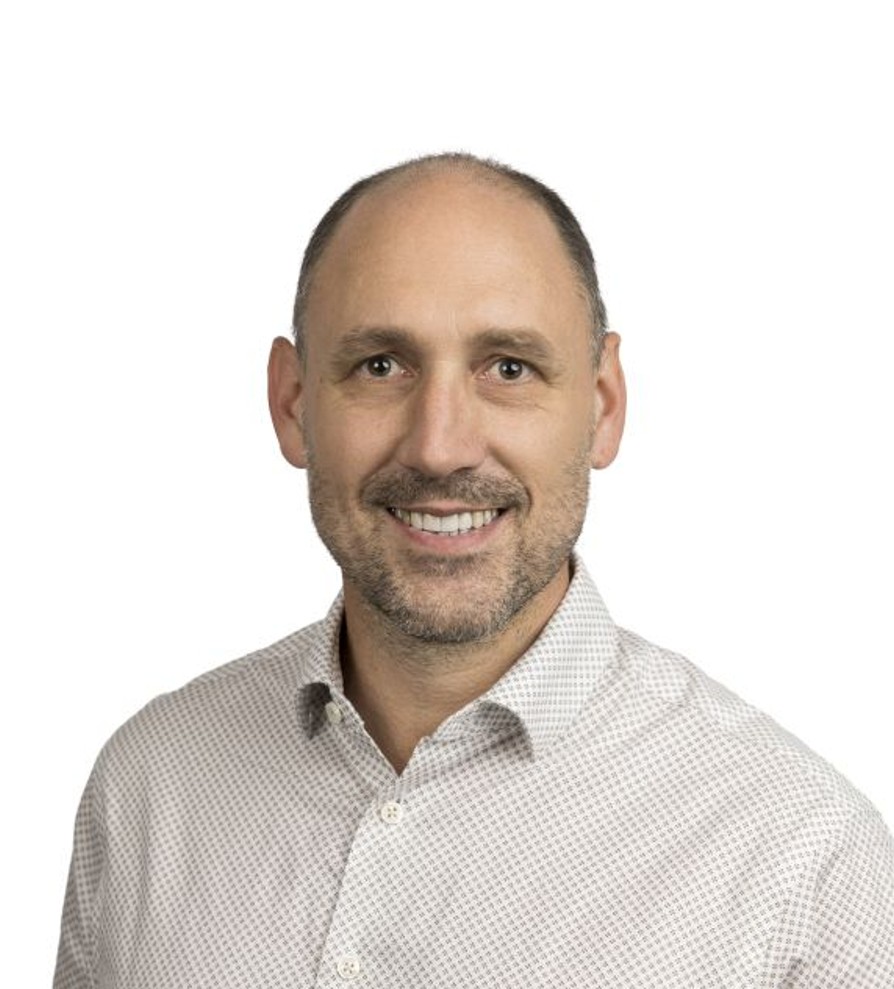
Buyung Kosasih is a Professor in the School of Mechanical, Materials, Mechatronic and Biomedical Engineering at the University of Wollongong. He has held this position since 2000 and focuses on teaching and research in mechanical engineering, including Machine Dynamics, Finite Element Methods, and Renewable Energy Technology. His research spans fluid dynamics in industrial processes, renewable energy systems, and aqueous lubrication. Key projects include 3D-printed surfboard fin optimization and steel coating dynamics. Research interests emphasize experimental and computational fluid dynamics, particularly in renewable energy turbines and tribological systems. Notable awards include the 2013 Outstanding Contribution to Teaching and Learning Award. He has supervised numerous students and led over 20 funded projects, including ARC grants for steel innovation and renewable energy. Collaborative work includes the Steel Research Hub and HVAC/cool roof efficiency studies.
Professor Bing-Jie (Bruce) Ni is an Adjunct Professor at the University of Technology Sydney (UTS) within the School of Civil and Environmental Engineering and a full Professor at UNSW Sydney. He is an internationally recognised leader in environmental engineering, wastewater treatment, greenhouse-gas mitigation, microplastics fate, electrocatalysis and sustainable energy systems. Education PhD in Environmental Engineering, University of Science and Technology of China, Hefei (2005–2009) Research Interests Professor Ni’s research integrates process engineering, microbial biotechnology, materials science and mathematical modelling to develop sustainable technologies for high-efficiency pollutant removal, minimal carbon footprint and maximal energy recovery from wastewater. He is a global pioneer in: Modelling and control of nitrous oxide (N₂O) and methane (CH₄) emissions from wastewater systems, Micro- and nano-plastics ecotoxicity and mitigation in anaerobic digestion, Transforming sewage sludge into high-value liquid bio-energy (medium-chain fatty acids and long-chain alcohols), Designing cost-effective electrocatalysts from natural minerals for green hydrogen production and wastewater electrolysis. Research Output & Impact Over the last decade he has published 2 research books, 30 book chapters and >400 refereed journal papers , including 35 in Environmental Science & Technology and 85 in Water Research . His work has influenced global policy: the IPCC adopted his nitrous-oxide-emission model in 2019 to revise national greenhouse-gas inventories for the first time in 13 years. Awards & Recognition ARC Future Fellowship & ARC DECRA Fellowship Clarivate Analytics Highly Cited Researcher (Web of Science) Royal Society of Chemistry Highly Cited Researcher (2020–present) Mendeley Data Top 2 % Cited Researchers worldwide Listed among “Australia’s Most Innovative Engineers” (Engineers Australia, 2018) 50+ additional awards including Scopus Young Researcher Award, South Australian Water Awards, UQ Research Excellence Awards, and Outstanding Doctoral Dissertation Awards. Research Funding & Leadership He has secured ≈ AUD $10 million in competitive funding (six major ARC grants plus >20 government, university and industry projects). He serves as: Lead Guest Editor, Water Research Editorial Advisory Board, Environmental Science & Technology Associate Editor for Journal of Cleaner Production , Environmental Chemistry Letters , Environmental Research , Journal of Environmental Management Editorial Board member for five additional high-impact journals. Teaching & Supervision At UTS he teaches Renewable Energy Technologies , Environmental and Sanitation Engineering , Process Dynamics and Control , and Water and Wastewater Treatment . He is available to supervise Masters and PhD students in environmental biotechnology, process modelling and sustainable energy systems. Laboratory & Commercial Translation He heads active research teams at both UNSW and UTS and is the inventor of >10 granted patents , some of which are currently being commercialised to deliver real-world impacts in greenhouse-gas-neutral wastewater treatment and renewable energy production.
Professor Susan Thorp is a Finance academic at the University of Sydney Business School . With a PhD in Economics from UNSW and prior roles at University of Technology Sydney and the Reserve Bank of Australia, she focuses on household finance , retirement planning , and financial market behavior . BEc (Hons) - University of Sydney Dip. Ed. - University of New England PhD - University of New South Wales Her research interests include: Life-cycle financial decision-making Behavioral influences on savings and investments Superannuation policy and market integration Commodity market dynamics Economic impacts of financial literacy Crises-driven market contagion Recent publications analyze retirement decumulation , financial trust , and commodity-equity market correlations . She leads cross-disciplinary teams applying dynamic programming , econometric modeling , and experimental design to financial challenges. Her grants include ARC Linkage Projects and ASIC commissions for improving financial communication and regulatory frameworks . Media outlets frequently cite her expertise on superannuation policy , market volatility , and retirement savings behavior .
Dr Dongbin Wei is an Associate Professor at the School of Mechanical and Mechatronic Engineering , University of Technology Sydney (UTS), with a career spanning academia and industry. He holds a PhD in Materials Processing Engineering from the University of Science and Technology Beijing (2001) and academic appointments from 2005–2012 at the University of Wollongong (Research Fellow to Lecturer) and 2013–2017 at UTS (Senior Lecturer) before his promotion to Associate Professor in 2018. His research lies at the intersection of Mechanical Engineering , Manufacturing Engineering , and Materials Processing , focusing on: Ultrasonic Additive Manufacturing (UAM) Micro Metal Forming and Size Effects Tribology and Lubrication Numerical Simulations of Material Processing Composite Material Fabrication Key contributions include: Development of the Springback Path–Displacement Adjustment (SP-DA) method for stamping accuracy Advancements in femtosecond laser texturing for silicon wettability control Studies on nanolubrication in hot rolling Optimization of micro-deep drawing parameters He has secured competitive grants from the Australian Research Council (ARC) and industry partners like Weir Minerals Australia Ltd , including projects on: Revolutionizing mineral separation via additive manufacturing Super high-speed grinding technologies Mechanics of micro composite drill fabrication As a lead supervisor, he guided the 2022 thesis 'Creation and Validation of 3D Printable Mineral Separation Spiral' . His work bridges theoretical analysis, computational modeling (FEM/FEA), and practical validation in advanced manufacturing systems.
Professor Bradley D Eyre is a leading academic at Southern Cross University, serving as a Professor in the Faculty of Science and Engineering and as the Foundation Director of the Centre for Coastal Biogeochemistry (CCB). His work spans the land-ocean continuum, with a focus on carbon and nitrogen biogeochemistry in coastal and estuarine systems under global change pressures. Education: BAppSc(Hons), University of Adelaide PhD, Queensland University of Technology His research centers on ecosystem-scale biogeochemical processes, particularly the impacts of climate change, ocean acidification, and eutrophication on greenhouse gas emissions and carbonate dynamics. He employs multi-scale approaches, from field measurements to global modeling. His recent work highlights how methane and nitrous oxide fluxes alter the climate benefit of blue carbon ecosystems and how ocean acidification drives net dissolution of coral reef sediments. An analysis of his recent publications reveals a strong focus on quantifying greenhouse gas fluxes in aquatic systems, with an emphasis on upscaling methods, geomorphic controls, and climate feedbacks. His work frequently appears in high-impact journals such as Nature , Science , and Nature Climate Change , reflecting broad disciplinary influence in environmental science, biogeochemistry, and climate research. Scientific Awards and Recognitions: Fellow, Association for the Sciences of Limnology and Oceanography (ASLO), since 2018 Member, ARC College of Experts, since 2022 Deputy Chair, 2024 MPCE DECRA Panel Professor Eyre has supervised 32 PhD students to completion and currently mentors 13 more, in addition to 22 early- and mid-career researchers. His research has attracted over $20 million in funding, including 32 ARC grants (>$10 million), 11 ARC Linkage projects (> $7.5 million), and over $3 million in contract research. His collaborations span federal and state agencies, local governments, private sector partners, and multiple universities across Australia and internationally, demonstrating extensive impact on policy and practice. He leads the Centre for Coastal Biogeochemistry, which played a key role in securing SCU’s ERA Rank 5 (well above world standard) in Geochemistry. His team conducts interdisciplinary research on coastal carbon cycling, sediment dynamics, and climate change impacts, contributing significantly to national and global environmental assessments.
Professor Andrew Doherty is a prominent academic in the Faculty of Science at the University of Sydney, specializing in quantum information science and quantum computing. His research focuses on quantum error correction, quantum control, and foundational aspects of quantum mechanics, particularly involving quantum trajectories and entanglement. He leads projects within the Sydney Nanoscience Hub (SNH), contributing to advancements in superconducting qubits and topological codes. His work bridges theoretical and experimental quantum physics, with grants including the 'Quantum and Advanced Technologies' project (2024) and the ARC Training Centre for Future Leaders in Quantum Computing (2023). His publications emphasize scalable error suppression, photonic qubit systems, and code concatenation strategies, reflecting a commitment to both fundamental science and applied quantum technologies. Research Themes: Quantum error correction, quantum measurement theory, topological codes, and superconducting circuits. Key Collaborations: Involvement with international teams in quantum computing and nanoscience. Labs/Teams: Active member of the Sydney Nanoscience Hub (SNH). Professor Doherty's contributions span over 100 articles, with recent work addressing noise-aware decoding and Gottesman-Kitaev-Preskill (GKP) states. His research aims to advance fault-tolerant quantum computing and deepen understanding of quantum correlations.
Olga Kokshagina serves as an Associate Professor in Innovation & Entrepreneurship at The University of Sydney, with adjunct research appointments at Monash University's Emerging Technology Lab and the UNU Hub - Learning Planet Institute. She is also an active member of the French Digital Council. Her research program investigates technology-mediated collaboration in complex innovation systems, focusing on healthcare transformation, deep tech commercialization, and co-design methodologies. Kokshagina has led high-impact projects with global institutions including the World Health Organization, OECD, STMicroelectronics, Vall d’Hebron Hospital, and Roche, demonstrating strong translational research capabilities. Her scholarly work centers on value-based healthcare innovation, digital platform governance, and AI-enhanced collaborative systems. She examines how organizational capabilities evolve during technological transitions, particularly in healthcare ecosystems, and investigates regulatory frameworks for algorithmic control in digital markets. Kokshagina's research bridges theoretical innovation management with practical applications, evidenced by her co-founding of Ninti—an initiative advancing women's health in workplace environments—and her Open Covid-19 crowdsourcing campaign that mobilized global expertise during the pandemic. Analysis of her 2021-2025 publications reveals a cohesive trajectory examining innovation in socio-technical systems. Key themes include value digitalization in healthcare, mission-oriented interdisciplinary collaboration, and the impact of big data on technology management. Her work consistently addresses grand challenges through mixed-methods approaches, spanning conceptual frameworks in journals like Research Policy to applied studies in Technovation and R&D Management, with increasing focus on quantum readiness and AI-augmented learning systems. No scientific awards are documented in the provided materials. Kokshagina currently holds a 2025 research grant for "Co-designing societal readiness and scenario building for quantum" through the University of Sydney Nano Institute/Catalyst program. While no student supervision activities are mentioned, her collaborative projects involve multi-institutional teams across industry, government, and academic sectors. Kokshagina maintains active roles within the University of Sydney Nano Institute and contributes to international policy discourse through the French Digital Council. Her Ninti initiative exemplifies her commitment to human-centered innovation, while ongoing collaborations with healthcare providers like Roche and Vall d’Hebron Hospital demonstrate sustained engagement with real-world implementation challenges in value-based care systems.
Dr. Wade Smith is a Senior Lecturer within the School of Mechanical and Manufacturing Engineering at the University of New South Wales. He is an active member of the WAVES research group (Wear, Aeroacoustics and Vibration in Engineering Systems) and conducts his research in the Tribology and Machine Condition Monitoring laboratory. His primary research interests include vibration-based diagnostics of rotating machinery, prognostics of rotating machinery, gear wear monitoring and prediction, simulation and modeling of rotating machines for diagnostic applications, and signal processing of machine vibration signatures using cyclostationarity. His work has significant applications in industrial machinery health monitoring and predictive maintenance systems. Dr. Smith's recent publications demonstrate a consistent focus on advanced diagnostic techniques for rotating machinery, with particular emphasis on gear systems and bearings. His research integrates traditional mechanical engineering principles with modern signal processing and machine learning approaches to develop more effective condition monitoring solutions. He actively supervises PhD and Masters students on projects related to gear diagnostics, wear monitoring, and vibration analysis. His current research projects include gear diagnostics in planetary gearboxes using internal sensors, gear wear monitoring and prediction, sliding contact-induced vibration studies, and transmission-error-based gear diagnostics. Dr. Smith's laboratory is equipped with specialized facilities including gearbox test rigs (both planetary and parallel configurations), a rolling element bearing test rig, an engine test rig, friction rig, tribometer, high-quality microscope, and extensive instrumentation for vibration analysis. His research has attracted collaborations with institutions including Queensland University of Technology, SpectraQuest (USA), Weir Minerals, University of Technology Sydney, RWTH Aachen University (Germany), and Safran.
Steven Meikle is a Professor of Medical Imaging Physics and Head of the Imaging Physics Laboratory at the Brain and Mind Centre, University of Sydney. He also serves as Deputy Director (Preclinical) of Sydney Imaging and Deputy Director of the National Imaging Facility's Sydney node. His expertise spans advanced imaging technologies, with a focus on PET/SPECT instrumentation and molecular imaging. He holds a B.App.Sc.(Hons) from the University of Technology Sydney and a PhD from the University of New South Wales. Research focuses include developing novel PET systems like Open-field PET (for freely moving rodents) and Total Body PET, which enhance imaging sensitivity and enable real-time behavioral studies alongside brain function analysis. Collaborations include Tsinghua University (China) and UC Davis (USA). He leads projects on motion correction, quantitative imaging, and AI-driven analysis. Key achievements include over 180 peer-reviewed publications, editorial roles in Physics in Medicine and Biology , and leadership in professional societies. Awards include IEEE Senior Membership and Australian Institute of Physics Fellowship. Current student projects explore Total Body PET applications, motion correction, and radiopharmaceutical evaluation. Teaching roles include medical physics courses in diagnostic radiography and medical physics programs. He advises on imaging ethics, facility implementation, and translational research bridging basic science and clinical applications.
Dr. Ali Amin is a Senior Lecturer and ARC Industry Fellow at the School of Civil Engineering, The University of Sydney. He holds academic roles at ETH Zurich and The University of Toronto, and has consulting experience at Pells Sullivan Meynink. He earned a Bachelor of Engineering (Honours Class I) and PhD in Civil Engineering from UNSW Sydney, with awards including the 2017 Concrete Institute of Australia National Bursary Award and the 2016 UNSW Vice-Chancellor’s Teaching Excellence Award. His research focuses on structural analysis and design of high-performance and fiber-reinforced concrete structures, including contributions to Australian standards like AS5100.5-2017 and AS3600-2018. He teaches courses such as CIVL5269 (Advanced Concrete Structures) and CIVL3235 (Structural Analysis). Key research areas include fiber-reinforced concrete (FRC/SFRC) behavior, shear strength analysis, time-dependent deformation, and fluid-structure interaction in tall buildings. Collaborations include Professor Walter Kaufmann (ETH Zurich) and Professor Fausto Minelli (University of Brescia). Grants: ARC Industry Fellowship (2024), UNSW Goldstar Award (2018). Awards: 2017 Concrete Institute of Australia National Bursary Award, 2016 Teaching Excellence Award. His publications span over 50 peer-reviewed articles in journals like Journal of Structural Engineering , ACI Structural Journal , and conferences such as BEFIB and FraMCoS. Current research includes AI-based quality control in steel fabrication and performance evaluation of specialty cement in waste systems.
Professor Hilary Bambrick is a distinguished environmental epidemiologist and anthropologist at the Australian National University (ANU), leading the National Centre for Epidemiology and Population Health. She specializes in climate change and health, focusing on adaptation strategies, vector-borne diseases, and urban resilience. Her work bridges research, policy, and practice, with significant contributions to global health initiatives like the WHO and UNDP. Bambrick has over 180 publications and $11M in research funding, addressing climate impacts on vulnerable populations, including First Nations communities and Pacific Island nations. She serves on the Climate Council of Australia and the Australia Institute, advocating for evidence-based climate policies. Her research integrates epidemiology, anthropology, and environmental science to enhance health resilience in changing climates. Education: PhD (ANU, 2003), BA (Hons), BSc, Grad Cert Higher Ed. Key Research Focus: Climate change health impacts, adaptation strategies, vector-borne diseases, urban design, and health equity. She leads interdisciplinary projects on climate litigation, heatwaves, and infectious disease forecasting. Grants & Funding: Over $11 million in research grants, including projects on bushfire preparedness, dengue transmission modeling, and climate-sensitive disease surveillance. Labs/Teams: National Centre for Epidemiology and Population Health (ANU), collaborating with global networks like the Lancet Countdown and MJA-Lancet Countdown.
Professor Khac Duc Do is a faculty member at Curtin University, holding a position in the School of Civil and Mechanical Engineering within the Faculty of Science and Engineering. He serves in the Office of the Provost and is based at Curtin Perth campus. His research focuses on advanced control systems, nonlinear dynamics, and robotics applications in marine, aerospace, and mechanical systems. He earned a PhD with distinction in 2003 and has held prestigious fellowships including ARC Postdoctoral Fellow (2004) and ARC Australian Research Fellow (2009). His teaching includes courses like Advanced Control and Mechatronics, Navigation and Marine Control Systems, and Advanced Control Engineering. Key research interests encompass control of nonlinear systems, stochastic systems, formation control of mobile agents, fluid-structure interaction, and boundary control of PDE-governed systems. His funded projects include wave-energy converter development (2023-2026), inerter-based damper research (2019-2021), and ocean vehicle control systems. Scientific awards include ARC grants totaling over AUD 2 million. Current opportunities include scholarships in control systems/fluid-structure interaction and a postdoc position in wave-energy conversion.
Owen Price is an Associate Professor and Director in Bushfire Risk Management at the School of Earth, Atmospheric and Life Sciences (SEALS), University of Wollongong. His roles include leading research on wildfire impacts on ecosystems, human health, and infrastructure. He holds a PhD from the Australian National University (1998), an MSc from the University of Strathclyde (1986), and a BSc (hons) from the University of York (1985). Director, Centre for Environmental Risk Management of Bushfire (since 2020) Principal Fellow, SEALS (2019–2021) His research integrates fieldwork, GIS/remote sensing, and statistical modeling to address landscape-scale wildfire risks. Key interests include fire severity effects on biodiversity, smoke pollution impacts, and cost-effective fire management strategies. He supervises postgraduate students in topics like coastal wetland vulnerability and fire regime analysis. Recent grants include studies on coastal wetlands' fire resilience (2023–2026), Bayesian fire spread modeling (2023–2026), and evaluating aerial firefighting efficacy (2023). His work bridges ecological, social, and technical dimensions of wildfire risk. Notable awards and recognitions are not explicitly listed in the provided materials. His contributions to fire policy and community adaptation are highlighted through collaborative projects with government and environmental agencies.
Di Bu is an Associate Professor in the Department of Applied Finance at Macquarie University, leading the Macquarie University FinTech and Banking Research Centre. He holds a PhD in Finance from the University of Queensland (2015). His research focuses on FinTech innovations, climate finance, household finance, and behavioral finance, with an emphasis on embedding sustainability into financial systems. He has secured over AUD 4 million in research funding through ARC Linkage and Discovery projects, focusing on AI-driven credit assessments, Open Banking, ESG analytics, and climate resilience. Education PhD in Finance, University of Queensland (2015) Research Interests Di's work explores belief formation in financial decisions, sustainable lending practices, and climate adaptation tools. He pioneers projects such as AI credit scoring systems, behavioral interventions for sustainable investing, and digital platforms for climate resilience. His interdisciplinary approach bridges industry, government, and academia to address financial and environmental challenges. Projects & Funding AUD 4M+ in grants including two ARC Linkage and one ARC Discovery projects Current initiatives: Greenwashing detection, ESG rating divergence analysis, and climate-resilient finance platforms Labs/Teams Director of the FinTech & Banking Research Centre and affiliated with Data Horizons Research Centre and Frontier AI Research Centre at Macquarie University.
Kavan Modi is a Professor at the School of Physics and Astronomy, Monash University. His research focuses on quantum information theory applied to dynamics, metrology, computation, thermodynamics, and relativity. He leads the Monash Quantum Information Science (MonQIS) group and serves as Director of the Centre for Quantum Technology at Transport for NSW (2022–2024). Education: B.Sc. Engineering Physics (Embry-Riddle Aeronautical University, 2001), M.A. Physics (University of Texas at Austin, 2004), Ph.D. Physics (University of Texas at Austin, 2008). Postdoctoral positions included the Centre for Quantum Technologies (Singapore, 2008–2011) and Clarendon Lab, Oxford (2011–2013). Joined Monash in 2014. Research interests center on quantum dynamics, non-Markovian processes, and their applications in quantum computing and information science. Projects include developing error correction codes, quantum algorithms for network analysis, and mitigating correlated noise in quantum systems. He has authored over 111 publications, with recent work emphasizing non-Markovian characterization, quantum process tomography, and topology-based quantum algorithms. Awards and grants include leadership in multiple Australian Research Council projects. Advising/Grants: Primary Chief Investigator in projects like 'Quantum Software Platform' (2023–2026) and 'Mitigating Correlated Noise in Quantum Machines' (2020–2021). Supervises graduate students and collaborates globally on quantum information science. Labs/Teams: MonQIS group focuses on foundational and applied quantum research, integrating theory and experimental collaborations.