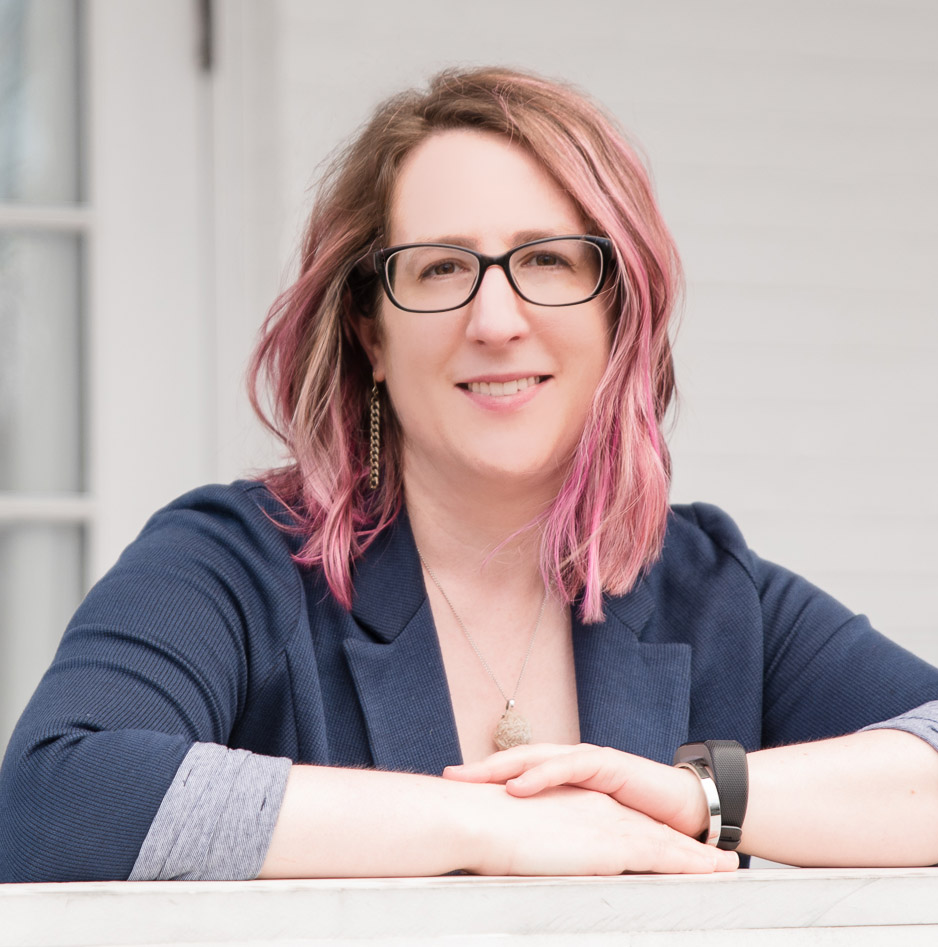
Kate M. Lesciottoمشاهده پروفایل
استادیار
- Forensic Anthropology
- Sex Estimation
- Biomechanics
- +۶ مورد دیگر
Kate M. Lesciotto, JD, PhD, D-ABFA is an Assistant Professor at the Center for Anatomical Sciences , affiliated with the College of Biomedical and Translational Sciences at UNT Health in Fort Worth, TX. Her work bridges forensic anthropology, biomechanics, and legal systems, focusing on skeletal analysis, trauma interpretation, and the Daubert standard's impact on forensic science. Education PhD in Anthropology, Pennsylvania State University (2020) MS in Forensic and Biological Anthropology, Mercyhurst University (2015) Juris Doctor (JD), Washington University in St. Louis (2009) BS in Biological Science and Zoology, Colorado State University (2004) Her research centers on forensic anthropology , with three primary areas: (1) sex estimation from skeletal remains using metric/morphological data and statistical models; (2) biomechanics of skeletal trauma via experimental bending models and medical imaging; and (3) the intersection of forensic anthropology and legal systems , particularly Daubert standard admissibility criteria. Recent projects include NSF/National Institute of Justice-funded software development for sex estimation and collaborations on cranial bone development studies. Dr. Lesciotto's publications reflect expertise in forensic identification , methodological validation , and science communication . She has contributed to software tools, biomechanical protocols, and educational outreach initiatives like March Mammal Madness. Her 2021-2025 work demonstrates consistent focus on improving forensic accuracy, legal standards, and developmental imaging techniques. Scientific Awards ABFA Board-Certified Forensic Anthropologist (2023) As a practicing forensic anthropologist, she consults for Texas counties and trains law enforcement. At UNT Health, she directs Graduate Structural Anatomy (PHAN 5301) and teaches gross anatomy to medical, physical therapy, and physician assistant students. Her work integrates biomedical research , legal analysis , and pedagogical innovation , reflecting interdisciplinary expertise in forensic science.