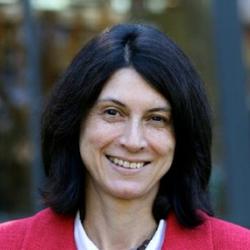
Professor Usha Goswami is a leading academic in Cognitive Developmental Neuroscience at the University of Cambridge, serving as Professor of Cognitive Developmental Neuroscience and Director of the Centre for Neuroscience in Education. She is also a Fellow at St John's College, Cambridge. Her work focuses on understanding the neural and cognitive foundations of language acquisition, reading development, and developmental disorders such as dyslexia. Key areas of interest include the role of rhythm perception, speech processing, and EEG-based studies of neural entrainment in typical and atypical development. Her research integrates insights from neuroscience, cognitive psychology, and education, emphasizing translational approaches to improve literacy interventions. She has conducted longitudinal studies on infants and school-aged children, examining predictors of language outcomes and the impact of rhythmic training on executive function. Her work bridges developmental linguistics, auditory neuroscience, and educational policy, with a focus on universal speech structures in child-directed communication. Professor Goswami’s contributions include pioneering studies on the neural basis of phonological awareness and the application of machine learning to decode speech information from EEG data in infants. She has also explored cross-linguistic patterns in poetry and infant-directed speech, highlighting universal acoustic features underlying language acquisition. Her research has significant implications for understanding and remediating developmental disorders, particularly dyslexia and developmental language disorder. Her lab, the Centre for Neuroscience in Education, focuses on translating neuroscientific findings into practical educational strategies. Current projects include investigating rhythm-based interventions for children with language difficulties and analyzing the acoustic properties of speech in diverse linguistic contexts.
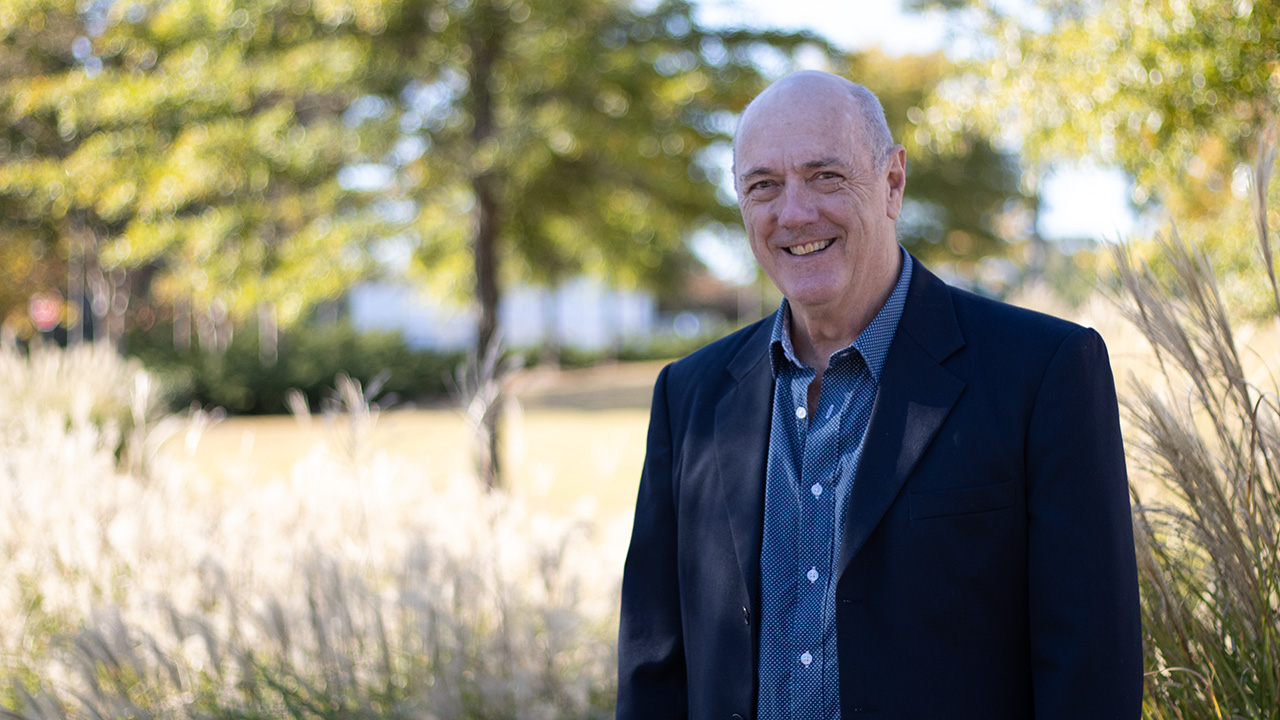
Peter Hastie is a Wayne T. Smith Distinguished Professor in the School of Kinesiology at Auburn University. With over 224 peer-reviewed publications, he is recognized as the top physical education scientist in the United States and ranks fourth globally. His work focuses on innovative pedagogical approaches, particularly the Sport Education Model, and has been adopted internationally across diverse educational contexts. Expertise: Sport Education Model, physical education curriculum design, teacher development, and motor skill progression in children. Global Impact: Implemented educational frameworks in Saudi Arabia, Russia, Spain, Ireland, Portugal, and China, contributing to widespread curriculum adaptations and teacher training programs. Hastie’s research emphasizes student engagement, inclusive education, and interdisciplinary integration (e.g., combining mathematics with PE). He co-created Auburn’s ActiveU and ActiveMe online physical education resources, now adopted by institutions nationwide and in multiple languages. Awards & Recognition: 2024 Creative Research and Scholarship Award from Auburn University. Inducted into the National Academy of Kinesiology, reflecting his status as a leading scholar and practitioner. Hastie has delivered keynote speeches on six continents, advanced the understanding of skill development in children with disabilities, and contributed to policy discussions on health-related fitness education. His work bridges research and practice, influencing both academic discourse and real-world teaching methodologies.
Dr. Mark Williams is a Professor and Chair of the Department of Health, Kinesiology, and Recreation at the University of Utah. He holds dual expertise in kinesiology and neuroscience, with a focus on perceptual-cognitive mechanisms in skill acquisition. Previously, he served in senior roles at Brunel University London and the University of Sydney. His research spans 180+ peer-reviewed articles across neuroscience, psychology, and sports science, supported by $6M+ in external funding from agencies like the Australian Research Council and UK-based councils. Education: B.Sc. (Hons) in Sports Science from Manchester Metropolitan University; Ph.D. in Movement Science/Experimental Psychology from the University of Liverpool. Research Interests: Neural underpinnings of perceptual-motor skills, decision-making in dynamic environments, expertise development, and the impact of anxiety on motor performance. His work integrates neuroimaging (fMRI, EEG) with behavioral experiments to explore cognitive-motor interactions. Awards: Distinguished Scholar Awards from International Society of Sport Psychology and North American Society for Psychology of Sport and Physical Activity. Served as Visiting Professor at 9+ institutions including Florida State University and University of British Columbia. Advising & Grants: Supervised ~50 doctoral students and mentored 9 postdocs. Editorial roles include Editor-in-Chief of Journal of Sports Science and Executive Editor for Human Movement Science. His grants address topics like skill development pathways in youth athletes and cognitive performance under environmental stressors. Labs & Teams: Active in interdisciplinary collaborations exploring motor learning, sport cognition, and neuroplasticity. Co-developed virtual reality tools for mobility anxiety research and fall prevention strategies.
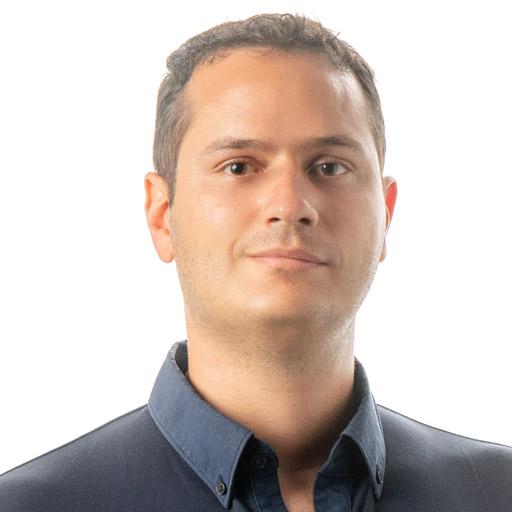
Dr. Anil Ufuk Batmaz is an Assistant Professor in the Department of Computer Science and Software Engineering at Concordia University. His research focuses on Virtual Reality (VR), Augmented Reality (AR), and Human-Computer Interaction, with emphasis on interaction techniques, immersive analytics, and motor skill training systems. He holds a BSc in Electrical and Electronics Engineering (2007-2011), an MSc in the same field (2011-2013), and a PhD in Biomedical Engineering (2015-2018). His work bridges engineering and cognitive science, investigating how visual and haptic feedback impact user performance in immersive environments. Research interests include: 3D interaction techniques for mid-air tasks Effects of display technologies on motor coordination Hybrid UI design for mixed reality systems Training systems for precision tasks using VR Recent publications emphasize evaluation of AR/VR interfaces in healthcare, sports training, and collaborative environments. His work has appeared in venues like IEEE TVCG, ACM CHI, and ISMAR, addressing challenges in spatial navigation, error feedback, and system reliability.
Caroline Ketcham is a Professor of Exercise Science and the Associate Dean of Elon College, the College of Arts and Sciences at Elon University. Her research focuses on movement neuroscience, neurodiversity, concussions, and mental health, with expertise in neuromusculoskeletal control and rehabilitative strategies across diverse populations including children, elderly, neurological patients, and athletes. Education: PhD in Exercise Science/Motor Control, Arizona State University (2003) MS in Exercise Science/Motor Control, Arizona State University (1999) BA in Biology/Psychology, Colby College (1996) Her work spans motor control, concussion management, and mental wellness, with over 87 undergraduate mentees and 65+ publications. She co-edited Concussion in Athletics and Cultivating Capstones , and co-directs the Elon BrainCARE Research Institute, which advocates for concussion awareness and mental health. Recent research trends include concussion baseline testing as mental health screening, dual-task gait analysis, and global mentoring frameworks. Scientific awards highlight her contributions: Distinguished Scholar (2023), Ward Family Mentoring Award (2017), and multiple teaching distinctions. Scientific Awards: Distinguished Scholar Award (2023), Elon University Ward Family Excellence in Mentoring Award (2017), Elon University Elon College Service Award (2014), Elon University School of Education Excellence in Scholarship Award (2010), Elon University Teacher of the Year (2007), Texas A&M University She actively mentors students in concussion advocacy and neurodiverse movement research, with hundreds advised in health professions. Her labs focus on neuromuscular control and mental wellness initiatives.
Andreas Fink serves as a University Professor at the Institute of Psychology within the Faculty of Natural Sciences at Karl-Franzens-University Graz, Austria. His research bridges cognitive neuroscience, psychology, and sports science with a particular emphasis on understanding the neurobiological foundations of creative thinking and emotional processing. As a leading figure in creativity neuroscience, Professor Fink employs advanced methodologies including EEG, fMRI, and ambulatory monitoring to investigate how physical activity influences brain function and cognitive performance. His work has significant implications for mental health interventions and cognitive enhancement strategies across various populations. Professor Fink's research interests center on three interconnected domains: biological mechanisms of cognitive and affective functions, creativity neuroscience, and the relationship between physical activity and brain health. His laboratory investigates how physical exercise influences neural processes related to creativity, emotion regulation, and cognitive performance through both basic neuroscience research and applied interventions. A hallmark of his approach is examining EEG alpha power during creative ideation tasks while simultaneously exploring how running, dance, and other physical activities can improve mental health outcomes and cognitive functioning. His work spans from laboratory-based experimental designs to real-world interventions with ecological validity. Analysis of Professor Fink's recent publication trajectory reveals a sophisticated evolution in his research focus, with increasing emphasis on the intersection of physical movement, brain function, and creative cognition. His work has progressively incorporated more ecologically valid approaches using ambulatory monitoring to study creativity in natural contexts, while maintaining rigorous neuroscience methodology. A consistent theme across his publications is neuroplasticity, particularly how physical exercise interventions induce structural and functional brain changes, with special attention to hippocampal volume and white matter integrity. His research has expanded to explore specialized forms of creativity including malevolent creativity and the nuanced relationship between everyday movement patterns and creative cognition. 2009 Psychology Prize for innovative scientific or practical work for his habilitation thesis 'The neuroscientific study of creative thinking' from the Professional Association of Austrian Psychologists (BÖP) and the Austrian Psychological Society (ÖGP) Professor Fink currently leads multiple significant research initiatives funded by the Austrian Science Fund (FWF), including 'Neuronal mechanisms underlying the generation of creative solutions in complex environments' (2016-2018), 'Running Away From Depression with Your Brain and Your Heart' (2022-2025), and 'Dance and Brain' (2024-2026). These projects demonstrate his commitment to translating basic neuroscience findings into practical interventions for mental health. While specific doctoral students aren't listed in the provided materials, his position as a full professor and principal investigator on multiple grants indicates active mentorship of junior researchers and graduate students. His collaborative approach is evident through interdisciplinary partnerships spanning psychology, neuroscience, sports science, and clinical practice. Professor Fink is an active member of the 'Complexity of Life' profile area at the University of Graz and participates in the 'Brain and Behavior' research network. His laboratory environment fosters interdisciplinary collaboration, bringing together researchers from diverse backgrounds to tackle complex questions about the brain-mind-body connection. Current projects suggest his team employs a multimodal approach combining neuroimaging, physiological monitoring, behavioral assessments, and intervention studies to comprehensively investigate how physical activity influences brain function and creative cognition. His 'Running Away From Depression' project exemplifies his translational research focus, directly connecting basic neuroscience findings to clinical applications for mental health improvement.
Kevin Lynch is a Professor of Mechanical Engineering and Director of the Center for Robotics and Biosystems at Northwestern University. He holds a Ph.D. in Robotics from Carnegie Mellon University and a B.S.E. in Electrical Engineering (with honors) from Princeton University. His research focuses on robotic manipulation, robot locomotion, physical human-robot interaction, and distributed control of robot swarms. He has pioneered advancements in exoskeleton control, swarm formation algorithms, and haptic interaction frameworks. Professor Lynch has received significant recognition, including the IEEE Fellow distinction (2010), the Harashima Award (2017), and the Charles Deering McCormick Professor of Teaching Excellence award (2007–2010). He serves as Editor-in-Chief of the IEEE Transactions on Robotics and has authored over 150 peer-reviewed publications. Key contributions include the development of safety-aware human-robot collaboration systems and self-healing swarm control algorithms. He created the ME 333 Introduction to Mechatronics course and the Mechatronics Design Laboratory, fostering interdisciplinary robotics education. His lab, the Center for Robotics and Biosystems, integrates biomechanics with advanced robotics to address challenges in rehabilitation and autonomous systems.
Karim Oweiss is a Pre-eminent Professor at the University of Florida, with joint appointments in the Department of Biomedical Engineering (Herbert Wertheim College of Engineering), Electrical and Computer Engineering, and Neuroscience (McKnight Brain Institute). He holds a Ph.D. in Electrical Engineering and Computer Science from the University of Michigan (2002). His research focuses on neural mechanisms of sensorimotor integration and the development of clinically viable brain-machine interfaces (BMIs) to restore damaged neurological function. His work spans computational neuroscience, neural decoding, optogenetics, and advanced neurotechnology, with a strong emphasis on closed-loop systems and neural plasticity. 2025 : Chemogenetic stimulation of phrenic motor output and diaphragm activity 2024 : Chemogenetic phrenic motoneuron activation enables increased tidal volume 2023 : Compressive sensing of functional connectivity maps from patterned optogenetic stimulation Oweiss has received the NSF Excellence in Neural Engineering Award (2001) and is a Senior Member of the IEEE. He has published extensively on topics including neural decoding, compressive sensing, and multiscale neural interfacing. As editor of Statistical Signal Processing for Neuroscience and Neurotechnology (2010), he has contributed significantly to the field's methodological foundations. His lab develops tools like NeuroQuest for large-scale neural data analysis and implantable neuroprocessors for wireless BMI applications.
Dr. Robert Vaughan is an Associate Professor and Head of Psychological Sciences at the University of West London's School of Human and Social Sciences since 2023. Previously, he served as Senior Lecturer in Psychology at York St John University (2014–2023). His academic journey includes a BSc in Psychology (2008), MSc in Applied Sport and Exercise Psychology (2014), and a PhD on 'The Role of Intelligence in Sports' (2016) from Ulster University. Research focuses on executive functions in athletes, emotional intelligence, burnout prevention, and pandemic impacts on mental health. He has published over 35 peer-reviewed works, secured £60k+ external funding, and contributed to outlets like BBC interviews. Collaborations span international researchers and students. Teaching spans undergraduate/postgraduate courses in Sport Psychology, Personality, Health Psychology, and research methods. Editorial roles include Stress & Health and Perceptual and Motor Skills, plus Research Lead for British Psychological Society's Sport and Exercise Psychology Division. Recent articles emphasize neurocognitive aspects of athletic performance, smartphone use effects, and pandemic mental health implications. His work bridges clinical psychology with applied sport science, emphasizing practical interventions for athletes' wellbeing.
Bradley Turner serves as the Director of Online Golf Instruction at Keiser University College of Golf, where he holds an academic position with significant leadership responsibilities. With credentials including an MBA and PGA certification, Turner has established himself as an authority in golf education and instruction methodology. His research interests span multiple dimensions of golf education, including golf instruction techniques, golf course management, golf psychology, technological innovations in golf training, turfgrass management, and the business aspects of the golf industry. Turner has demonstrated particular expertise in the psychological components of golf performance and the application of modern technology to traditional golf instruction. Turner's scholarly output demonstrates consistent engagement with contemporary issues in golf education, with a focus on practical applications for both amateur and professional golfers. His work often addresses the intersection of traditional golf instruction with modern technological advancements, examining how digital tools and platforms can enhance learning outcomes in golf education. Over 165 published articles on golf instruction and education Specialized expertise in online golf instruction methodologies Focus on practical applications for golfers of all skill levels Contributions to golf business and management education As Director of Online Golf Instruction, Turner oversees the development and delivery of golf education programs through digital platforms, adapting traditional golf instruction to modern educational technologies and learning preferences. His work bridges the gap between academic golf education and practical industry applications, making him a significant contributor to contemporary golf pedagogy.
Janet S. Dufek, Ph.D., is a Professor at the University of Nevada, Las Vegas (UNLV) in the Department of Kinesiology and Nutrition Sciences . She also serves as Vice Provost for Faculty Affairs and holds adjunct appointments at the University of Nebraska at Omaha and Rocky Mountain University of Health Professions . Her career spans leadership roles including Associate Dean of the School of Integrated Health Sciences and Director of the Interdisciplinary Health Sciences Ph.D. Program . Education: Ph.D. in Biomechanics (University of Oregon, 1988) M.S. in Scientific Foundations of Kinesiology (Illinois State, 1982) B.S. (Summa Cum Laude) in Physical Education (University of Wisconsin-Superior, 1981) Research Interests focus on biomechanical mechanisms of locomotion , injury prevention , and clinical gait assessment . She specializes in jump-landing dynamics , movement variability , and performance enhancement for clinical populations , advocating for interdisciplinary approaches to solve complex health science problems. Her 15 most recent publications (2019-2024) reflect trends in concussion biomechanics , autism spectrum disorder gait analysis , machine learning applications in diabetes progression , and advanced sensor technology for movement studies . Articles explore topics from head acceleration effects on lower extremity function to weighted vest interventions in autism therapy . Scientific Awards include: Fellow, American College of Sports Medicine UW-Superior Hall of Fame (Scholar-Athlete, 2007) Membership in Phi Kappa Phi and Sigma Xi honor societies As a dedicated mentor , she supervises graduate research projects and advises on interdisciplinary health sciences . Her lab ( REBEL Research Group ) pioneers work in biomechanical injury prevention and gait variability assessment , utilizing pressure-measuring insoles and wearable inertial sensors.
Dr. Janet F. Werker is a University Killam Professor and Canada Research Chair at the University of British Columbia , affiliated with the Faculty of Arts and Department of Psychology . She directs the Infant Studies Centre and co-founded the UBC Language Sciences initiative. Her research focuses on perceptual foundations of language acquisition , studying speech perception mechanisms in monolingual and bilingual infants, critical periods of development, and neural correlates using behavioral, ERP, and NIRS methods. Recent work extends to literacy development in multicultural contexts through an SSHRC Partnership Grant. Key themes in 15 most recent articles: Infant brain development, statistical learning, speech perception, bilingualism, musical sophistication, microbiome-brain links, sensorimotor integration, voice recognition, and cross-linguistic generalization. Studies employ EEG, NIRS, and behavioral paradigms to explore early language, social understanding, and neurodevelopmental pathways. Scientific accolades include election to the National Academy of Sciences (2020) , Benjamin Franklin Institute Medal (2024) , and multiple fellowships (AAAS, Royal Society of Canada). Her work is funded by NSERC, SSHRC, NIH, and CIFAR. Dr. Werker supervises graduate students and leads international collaborations examining language acquisition, bilingualism, and developmental disabilities. She is actively involved in pandemic-era research adaptations, emphasizing online methodologies.
Daragh Byrne is an Associate Teaching Professor at the Carnegie Mellon University School of Architecture , with courtesy appointments in the School of Design and Human-Computer Interaction Institute (HCII) . Previously an Assistant Research Professor at Arizona State University’s School of Arts, Media and Engineering, he manages the NSF-funded XSEAD project and leads MakeSchools , a catalog of making practices in higher education. PhD in Digital Media from Dublin City University (2011) M.Res. in Design and Evaluation of Advanced Interactive Systems from Lancaster University B.Sc. in Computer Applications from Dublin City University His research explores experiential media systems through Internet of Things and tangible interaction design , focusing on how computational tools can capture human experience and enable multidisciplinary collaboration. Key projects include Sentient Concrete (thermochromic architectural surfaces) and Spooky Technology (speculative design around invisible technologies). He has developed CMU’s Designing for the Internet of Things course since 2016, creating hands-on curricula for connected product design. Recent publications examine creative physical computing education , AI-driven documentation systems , and XR-enabled skill training . Awards include multiple CMU research grants and the CHI 2018 Best Paper Award . He actively advises PhD and Masters students in Computational Design, emphasizing human-centered design and speculative technology research .
Professor Matt Garratt is a faculty member at the University of New South Wales (UNSW Canberra), School of Engineering and IT, serving as AI theme lead for the Defence Trailblazer Universities initiative with over $200 million in funding. His primary research focuses on sensing, guidance, and control for autonomous systems within robotics and unmanned aerial vehicles. Garratt's research spans robotics, swarm intelligence, and autonomous systems with emphasis on bio-inspired navigation techniques and adaptive flight control. His work addresses critical challenges including terrain following using vision systems, landing UAVs on moving platforms, and developing self-organizing swarms. He integrates artificial intelligence, computer vision, and machine learning to advance unmanned systems capabilities in complex environments. Analysis of his recent publications reveals strong trends in bio-inspired UAV navigation (particularly honeybee behavior modeling) and swarm robotics applications. His work increasingly incorporates deep learning for perception tasks while addressing real-world challenges like gas plume detection and adversarial robustness in 3D vision systems. The research demonstrates consistent progression toward practical implementation of autonomous systems in dynamic environments. Professor Garratt has secured over $7.7 million in external research funding as Chief Investigator on 33 grants. He actively mentors graduate students with scholarships available for Masters and PhD research in robotics and AI, focusing on: UAV path planning and adaptive control systems Swarm robotics collective motion optimization Bio-inspired autonomous navigation techniques Computer vision for robotic perception He co-founded the UNSW Canberra AIR (AI and Robotics) Group (AIR Lab), which drives research in trusted autonomy, swarm intelligence, and AI integration for defense applications. The lab develops practical solutions for autonomous systems operating in complex, real-world environments while maintaining ethical AI frameworks.
Dr. Manuela Angioi is a Reader in Sports and Exercise Medicine Education at Queen Mary University of London's Faculty of Medicine and Dentistry, leading the iBSC Sports and Exercise Medicine Course. She specializes in curriculum development for intercalated degrees, supervising student research projects and managing academic modules. Her research focuses on injury prevention in performing arts, particularly dance and judo, and the application of exercise in healthcare, such as dementia care. She collaborates with organizations like the National Centre for Circus Arts and Dancefit Prime. Teaching includes modules on research methods, exercise physiology, and dance medicine at levels 6 and 7. Research interests span physiological determinants of performance, musculoskeletal injury risk in dancers, and cardiovascular health interventions. She has contributed to high-impact journals and international conferences. Collaborations include the Royal Ballet School and NHS projects on dance-based therapies.