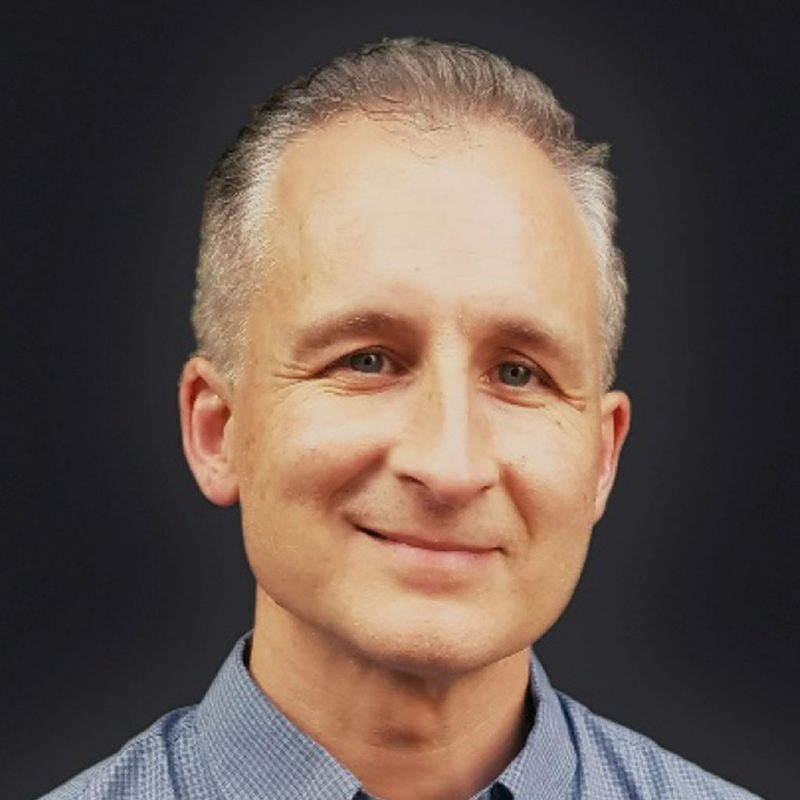
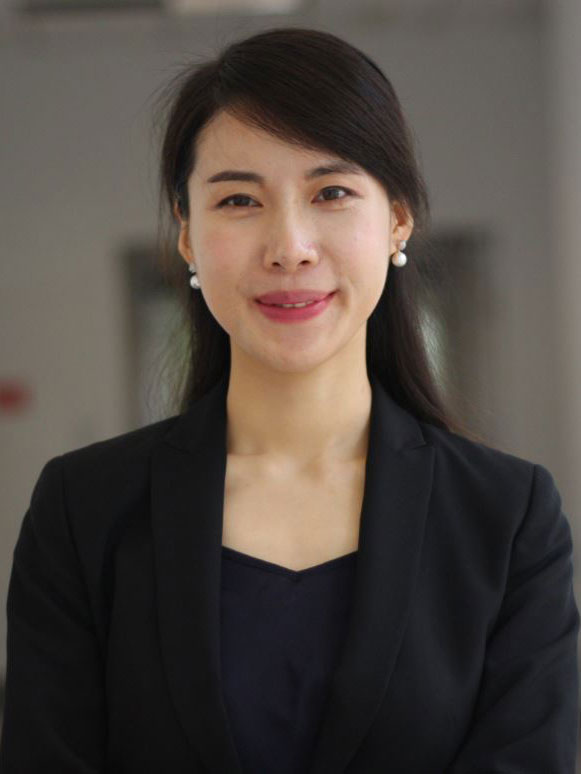
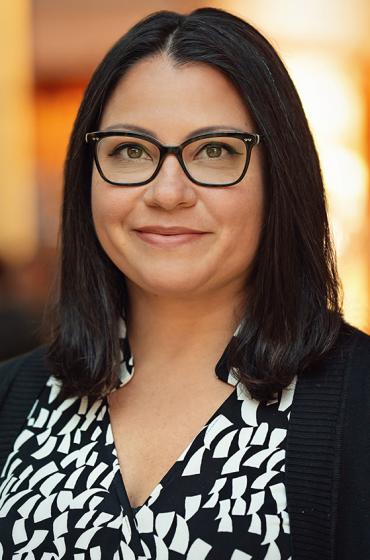
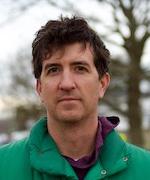
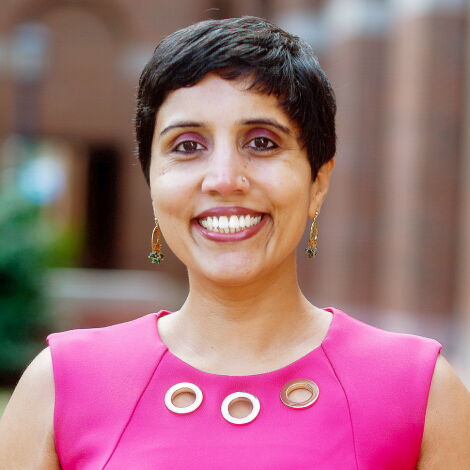
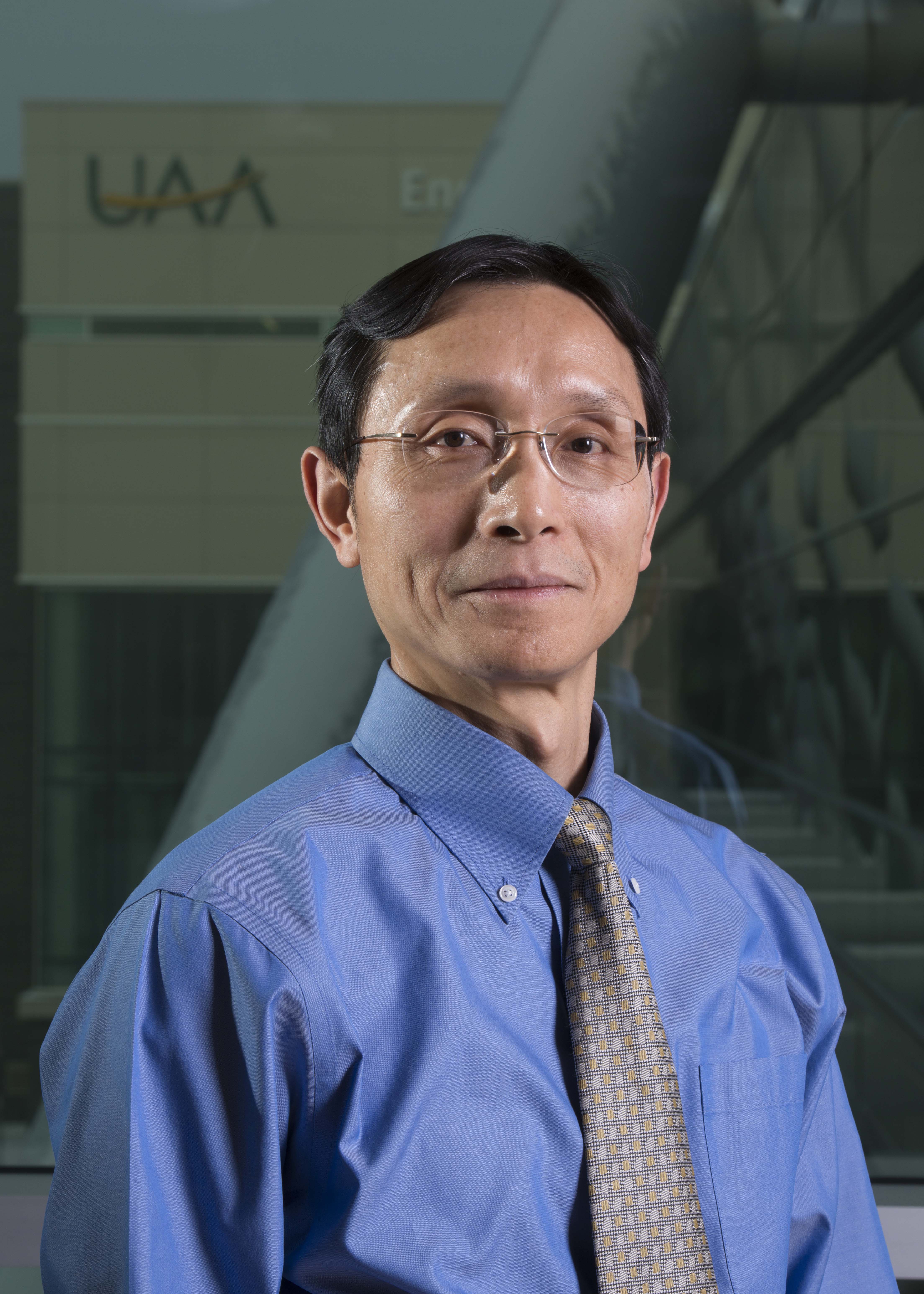
Matt Nowinski is a Collegiate Associate Professor in the Department of Mechanical Engineering at Virginia Tech's College of Engineering. His professional roles include advisory board memberships and leadership positions within the department. He holds multiple degrees including a Ph.D. in Mechanical Engineering from ETH Zurich (1999), an M.S. in Computer Science from Syracuse University (2022), and prior mechanical/aerospace engineering degrees from Virginia Tech. His research focuses on asteroid dynamics (particularly D-type and V-type asteroids), gas turbine engines, aeroelasticity, and education technology. Notable areas include lightcurve analysis, surface mineralogy modeling, and machine learning applications in astronomy. His work bridges aerospace engineering with astrophysics, leveraging both experimental and computational methods. Dr. Nowinski has over 24 years of industry experience as a Boeing subject matter expert in military communications systems, complemented by academic roles at George Mason University and University of Chicago. He is a recipient of the John Jones Faculty Fellowship and Society of Distinguished Alumni honor. His research contributions span asteroid characterization, turbine blade flutter mechanisms, and telescope instrumentation. Current work emphasizes observational astronomy through the Stone Edge Observatory and Slack-based collaborative platforms. He actively contributes to advancing STEM education through innovative curricula and research integration.
Nathan van de Wouw is a Full Professor at the Mechanical Engineering Department of Eindhoven University of Technology (TU/e), affiliated with ICMS, EAISI Mobility, EAISI High Tech Systems, EAISI Foundational, and EIRES. He also holds an adjunct Full Professor position at the University of Minnesota and a part-time Full Professorship at Delft University of Technology. His research focuses on dynamics and control of mechanical systems, including mechatronics, robotics, smart manufacturing, energy systems, and networked control. He has supervised over 150 students and led numerous projects funded by industry partners like ASML, Philips, and Shell. Education: M.Sc. (with Honors) in Mechanical Engineering, TU/e (1994) Ph.D. in Mechanical Engineering, TU/e (1999) Research Interests: Nonlinear systems and control Model reduction and complexity analysis Data-driven and networked control strategies Applications in high-tech systems, autonomous vehicles, and energy systems Awards: IEEE Control Systems Technology Award (2015) for variable-gain control in motion systems Grants & Projects: Lead projects on mechatronic design, lithography systems, and thermodynamic optimization Collaborations with TNO, ASML, and industrial partners Labs & Teams: Member of TU/e’s Dynamics and Control group Affiliated with EAISI (Eindhoven AI Systems Institute)
Florian Muijres is an Associate Professor and Chairholder at the Experimental Zoology Group, Wageningen University & Research, where he leads the Animal Flight Lab. His research focuses on the biomechanics, aerodynamics, and flight control of natural flyers such as insects, birds, and bats, with applications in bio-inspired robotics and ecological solutions like mosquito traps and flapping-wing drones. He holds a PhD from Lund University (Sweden) and conducted postdoctoral research at the Dickinson Lab, University of Washington (USA). Research Interests: Merging experimental and computational methods, his work explores primary research on flight mechanics (e.g., mosquito evasion, butterfly gliding) and applied studies (e.g., drone design, pollinator behavior in greenhouses). His lab uses advanced videography and robotic models to study flight dynamics under real-world conditions. Labs & Teams: The Animal Flight Lab collaborates with biologists, physicists, and engineers to investigate flight adaptations in mosquitoes, bumblebees, and pied flycatchers. Projects include developing high-efficiency traps and analyzing flight performance in complex environments.
Dr. Hongli (Julie) Zhu is an Associate Professor in the Department of Mechanical and Industrial Engineering at Northeastern University's College of Engineering. Her research focuses on sustainable energy storage, multifunctional materials, and advanced manufacturing, with emphasis on developing environmentally friendly biomass-derived materials, all solid-state batteries, and flow batteries. She leads the ZHU Lab at Northeastern University, which is dedicated to creating safer, cheaper, and higher performance energy storage solutions while exploring multifunctional materials derived from nature. Dr. Zhu received her PhD from South China University of Technology and Western Michigan University (2004-2009). She conducted postdoctoral research at KTH Royal Institute of Technology in Sweden (2009-2011), focusing on biodegradable and renewable biomaterials from natural wood, followed by additional postdoctoral work at the University of Maryland (2012-2015), where she researched nanocellulose and energy storage. Dr. Zhu's research spans multiple disciplines at the intersection of materials science, energy storage, and sustainable manufacturing. Her work addresses critical challenges in energy storage technology, including developing all solid-state batteries, flow batteries, and high energy density battery systems. She has pioneered research in sustainable biomass-derived materials, particularly investigating cellulose, hemicellulose, and lignin for applications in bendable, implantable, and biocompatible electronics. Her lab also focuses on advanced manufacturing techniques, including high-speed roll-to-roll processing for emerging advanced materials and devices. Analysis of Dr. Zhu's publication record reveals a strong focus on next-generation battery technologies, particularly solid-state systems. Her research demonstrates significant contributions to understanding and improving lithium dendrite suppression, electrode architecture optimization, and interface stabilization in solid-state batteries. She has also made substantial advances in sustainable materials derived from natural resources, developing applications for cellulose nanostructured fibers, paper, and aerogel/hydrogel systems. MRS Communications Early Career Distinguished Presenters and JMR Distinguished Invited Speakers (2024) Selected in Stanford University List of Top 2% Scientists Worldwide (2021-2024) College of Engineering Faculty Fellow (2023) Soren Buus Outstanding Research Award (2022) Women in Materials Science, Advanced Materials (2021 and 2022) Women Scientists at the Forefront of Energy Research, ACS Energy Letters (2020) Innovator of the Year 2013, Maryland Jakob Wallenberg Scholarship, Sweden Dr. Zhu has secured significant research funding from various sources, including the National Science Foundation and Department of Energy. Her current projects include "Uncovering the mechano-electro-chemo mechanism of fresh Li in sulfide based all solid-state batteries through operando studies" (NSF), "Enabling Advanced Electrode Architecture through Printing Technique" (DOE), and "Engineering the Metal Sulfide Interface in All Solid State Batteries through Operando Study" (NSF). She collaborates with industry partners including Rogers Corporation and has developed patented technologies related to sustainable materials and energy storage. Dr. Zhu serves as Codirector of Advanced & Intelligent Manufacturing, Editor of Progress in Materials Science, and on the Editorial Advisory Board of Chemical Society Reviews. The ZHU Lab at Northeastern University is a highly interdisciplinary research group that bridges scales from the nanoscopic to macroscopic and system level. The lab's work has led to numerous patents, including "Natural fiber composites as a low-cost plastic alternative" and "Fire-retardant Nanocellulose Aerogel, and Methods of Preparation and Uses Thereof." The group focuses on making energy storage safer, cheaper, and higher performing while exploring multifunctional materials derived from nature, with particular emphasis on applying high-speed roll-to-roll manufacturing to emerging advanced materials and devices.
Professor Dario Alessi is a leading academic at the University of Dundee's School of Life Sciences, serving as the Director of the MRC Protein Phosphorylation Unit (MRC PPU) and Professor of Signal Transduction. He earned his BSc (1988) and PhD (1991) from the University of Birmingham. His research focuses on protein phosphorylation and ubiquitylation pathways, particularly the LRRK2 kinase pathway linked to Parkinson's disease. He has made groundbreaking contributions to understanding LRRK2's role in neurodegeneration, including its interaction with Rab proteins and scaffolding molecules like RILPL1. School of Life Sciences, University of Dundee MRC PPU Director since 2012 Signal Transduction Therapy Unit Director His work combines molecular biology, biochemistry, and collaborative industry partnerships to advance therapeutic strategies for Parkinson's disease. Key research areas include LRRK2 activation mechanisms, Rab protein phosphorylation, and lysosomal dysfunction. Alessi has trained over 30 graduate students and 40 postdocs, many now in academic and industry leadership roles. Notable awards include the EMBO Gold Medal (2005), the Robert A. Pritzker Prize for Leadership in Parkinson’s Research (2023), and an OBE (2023) for contributions to medical science. His lab promotes open science, sharing reagents and protocols globally through platforms like MRC Pure Agents and LRRK2.bio. Current projects include investigating novel mitochondrial and organelle biology in Parkinson’s, developing biomarkers, and advancing LRRK2 inhibitors through clinical trials. Collaborations span the Michael J. Fox Foundation, Aligning Science Across Parkinson’s, and the UK Dementia Research Initiative.
Deborah Rivas-Drake is the Stephanie J. Rowley Collegiate Professor in the Marsal Family School of Education and a Professor of Psychology in the College of Literature, Science, and the Arts at the University of Michigan. Her research focuses on how educational, familial, and community contexts shape adolescents’ racial and ethnic identity, socioemotional well-being, and civic engagement. She co-directs the Contexts of Academic + Socioemotional Adjustment (CASA) Lab, emphasizing practices that disrupt racism and xenophobia. Her work is funded by NSF, Spencer Foundation, and W.T. Grant Foundation. She has authored/co-authored influential books like Below the Surface: Talking with Teens about Race, Ethnicity, and Identity , which won major awards. She holds leadership roles in SRCD and SRA committees, advocating for equity in education and youth development. Her research highlights the role of ethnic-racial socialization, discrimination, and intergroup contact in youth outcomes. She collaborates with educators and policymakers to translate research into practical tools for schools and families. Key contributions include frameworks for equity-focused social-emotional learning (SEL), strategies for undocumented families, and interventions to foster civic responsibility. Her grants include initiatives like the 'INVITE: Inclusive and Innovative Intelligent Technologies for Education' project and measures of equity-based SEL practices. Rivas-Drake’s awards reflect her impact on developmental science and policy. She bridges academia with community engagement, advising school districts and organizations like CASEL and Sesame Workshop. Her work underscores intersectionality, emphasizing how race, class, and immigration status interact to shape youth experiences. The CASA Lab’s interdisciplinary approach addresses systemic inequities through rigorous research and actionable solutions.
Will Perkins is an Associate Professor in the School of Computer Science at Georgia Institute of Technology. Previously, he held faculty positions at the University of Illinois at Chicago, the University of Birmingham (UK), and was an NSF Postdoc at Georgia Tech. He earned his PhD in 2011 from New York University's Courant Institute under Joel Spencer. His research focuses on algorithms, statistical physics, and discrete mathematics, particularly exploring algorithmic tractability of random computational problems, statistical physics spin models, and combinatorial methods derived from algorithmic intuition. Research Interests : Algorithms, statistical physics, combinatorics, phase transitions, random graphs, and Gibbs measures. His work bridges theoretical computer science and statistical mechanics, addressing questions about sampling, phase coexistence, and algorithmic barriers. Recent Activities : Director of the Algorithms and Randomness Center at Georgia Tech, Managing Editor of Combinatorial Theory , and Associate Editor of Random Structures and Algorithms and SIAM Journal on Discrete Mathematics . Upcoming engagements include the Rocky Mountain Summer Workshop (2024), Park City Mathematics Institute (2024), and conferences on Random Structures and Algorithms (2025). Teaching : Courses include Design and Analysis of Algorithms (CS 3510), Advanced Algorithms (CS 4540), and specialized topics like Statistical Physics in Algorithms and Combinatorics (CS 8803). He has taught across institutions, including at the University of Birmingham and University of Illinois at Chicago. Key Contributions : His work on phase transitions in combinatorial structures, algorithmic sampling in statistical physics models, and rigorous analysis of Gibbs measures has been published in top venues like FOCS, STOC, and Communications in Mathematical Physics. Notable results include hardness of sampling for anti-ferromagnetic Ising models and novel contour methods for Pirogov-Sinai theory.
Sreedhari Desai is an award-winning, tenured Associate Professor of Organizational Behavior and Crist W. Blackwell Scholar at the Kenan-Flagler Business School, University of North Carolina at Chapel Hill. Her research focuses on negotiations, ethical decision-making, and gender dynamics in organizations. She holds a PhD in Organizational Behavior from the University of Utah, an MS in Finance, and a BS in Metallurgical Engineering from Punjab Engineering College. Dr. Desai’s academic career includes roles as a visiting assistant professor at Duke University’s Fuqua School of Business and research fellowships at Harvard University’s Edmond J. Safra Center for Ethics and Harvard Kennedy School’s Women and Public Policy Program. She has been honored with prestigious awards such as the Mariner S. Eccles Graduate Fellowship and finalist recognition for the ASPEN Dissertation Proposal Award. Her research explores topics like unethical behavior mitigation, gender and racial disparities in negotiations, and the impact of organizational income inequality. Notable findings include the role of virtuous quotes in curbing unethical requests and the link between marital structure and workplace gender attitudes. Her work has been featured in outlets like Harvard Business Review, Wall Street Journal, and BBC. As an educator, Desai teaches MBA, Master of Accounting, and PhD courses on leadership, negotiations, and ethics. She is a sought-after keynote speaker and consultant for global organizations, military leaders, and Fortune 500 companies, advising on strategic decision-making and ethical practices. Her consulting clients include Boeing, IBM, ExxonMobil, and the U.S. Army. Dr. Desai’s grants and fellowships include funding from the National Stock Exchange of India and UNC’s University Research Council. She has also received the MBA Teaching All-Star award multiple times for her engaging pedagogy.
Houman BOROUCHAKI is a Professor at the University of Technology of Troyes (UTT), France, with over 20 years of academic leadership. He has served as Head of the Automatic Mesh Generation and Advanced Methods (GAMMA3) project team since 2008 and previously led the Laboratory of Mechanical Systems and Concurrent Engineering (LASMIS) (2005-2007). His work bridges academic research and industrial applications through collaborations with INRIA , French Petroleum Institute (IFPEN) , Dassault Aviation , and others. Research Interests: A pioneer in adaptive meshing , he focuses on finite element methods , geometric modeling , and numerical simulations . His innovations underpin mesh generation algorithms , 3D triangulation software , and industrial applications in metal forming, composite simulation, and subterranean modeling. Scientific Trends: His recent work emphasizes metric-based meshing , high-order geometric validity , and parallel processing for mesh generation , with applications in petroleum reservoirs, aviation surfaces, and nanomaterials. His Google Scholar profile reflects 25+ years of contributions to meshing and simulation. Teaching: With 22 years of experience, he teaches courses on meshing , numerical analysis , geometric modeling , and computer graphics at UTT, covering undergraduate to PhD levels. Labs & Teams: He leads the interdisciplinary GAMMA3 team and has contributed to LASMIS (mechanical engineering), L2n (CNRS-UMR 7076) (nanomaterials), and LIST3N (computer science).
Rajamani Gounder is the R. Norris and Eleanor Shreve Professor of Chemical Engineering at Purdue University's Davidson School of Chemical Engineering. He leads the Gounder Research Group, focusing on heterogeneous catalysis, zeolite synthesis, and catalytic materials for energy and environmental applications. His work includes developing structure-function relationships in zeolites for reactions like NOx reduction, hydrocarbon conversion, and biomass processing. Education: B.S., University of Wisconsin (2006); Ph.D., UC Berkeley (2011); Postdoctoral Fellow, Caltech (2011-2013). Research Interests: The group studies catalyst design for renewable energy, petroleum processing, and pollution control. Key areas include zeolite-based catalysts for NOx abatement, propene oligomerization, and methane oxidation. They emphasize synthesizing materials with controlled active site environments to optimize reactivity and selectivity. Publications: Recent studies explore copper ion mobility in Cu-CHA zeolites, propene oligomerization in MFI voids, and NH3 oxidation kinetics. These highlight advancements in catalytic mechanisms and material design. Awards: Recognitions include the Royal Society of Chemistry Fellowship (2023), ISCRE Rutherford Aris Award (2023), and multiple teaching awards (e.g., R. Norris Shreve Award). His work has been funded by DOE, NSF, and industry partnerships. Advising & Grants: Supervises a team of ~30 students (PhD, master's, undergrad) and collaborates with the Purdue Catalysis Center. His research is supported by grants from agencies like DOE and NSF. Labs/Teams: The Gounder Group operates in Forney Hall, part of Purdue's chemical engineering facilities. They engage with CISTAR (Catalysis Center for Energy Innovation) and other interdisciplinary networks.
Pengfei Wang is an Assistant Professor in the Department of Civil & Environmental Engineering at Old Dominion University (ODU). He holds a Ph.D. in Geotechnical Engineering and an M.S. in Statistics from UCLA, alongside a B.S. in Transportation Engineering from Tongji University. Prior to ODU, he conducted postdoctoral research at UCLA. His expertise focuses on Geotechnical Engineering , Engineering Seismology , and Applied Statistics , with emphasis on regional geo-hazard modeling, multi-hazards risk assessment, and statistical learning applications. Key research interests include seismic site response analysis, liquefaction susceptibility, and probabilistic risk frameworks for infrastructure resilience. Dr. Wang’s work integrates geospatial analysis and statistical methodologies to address challenges in earthquake engineering. He has developed frameworks for regional landslide and liquefaction risk assessments, particularly in vulnerable regions like California’s Sacramento-San Joaquin Delta. His contributions include advancing HVSR (Horizontal-to-Vertical Spectral Ratio) methodologies and ergodic site response modeling. He maintains active collaborations with institutions globally and contributes to open-source databases for seismic data, promoting transparency and reproducibility in geotechnical research. His educational background in transportation engineering enriches interdisciplinary approaches to civil infrastructure resilience.
Joey Yang is a Professor of Civil Engineering at the University of Alaska Anchorage (UAA), serving as Associate Director of the Alaska University Transportation Center and Director of the Geotechnical and Frozen Ground Engineering Research Laboratory. His expertise spans geotechnical and earthquake engineering with a focus on cold regions, including permafrost dynamics, infrastructure resilience, and de-icing technologies. He holds a Ph.D. from the University of California, Davis, and a B.S. from Chengdu University of Science and Technology. Education: Ph.D., Civil and Environmental Engineering, University of California, Davis B.S., Hydraulic Engineering, Chengdu University of Science and Technology Research Interests: Dr. Yang's work addresses geotechnical challenges in cold regions, including permafrost thaw, seismic site response, frozen soil-pile interaction, and fungal mycelium-based biofoams for insulation. His research is funded by NSF EPSCoR, USGS, USDOT, and others. Professional Contributions: Chief Editor, ASCE Journal of Cold Regions Engineering Editorial Board Member, Cold Regions Science and Technology Keynote/Theme Session Speaker at International Permafrost and Earthquake Conferences Awards: Arctic Kicker Prize (2015) Outstanding Reviewer Awards (2010, 2014) ASTM Technical Editors Award (2014) Advising & Grants: Dr. Yang has advised over 20 visiting scholars and secured multi-million-dollar grants for cold regions infrastructure research. His lab focuses on advancing technologies for permafrost engineering, seismic resilience, and sustainable construction. Labs/Teams: Leads the Geotechnical and Frozen Ground Engineering Research Laboratory, collaborating with global partners on cold regions challenges.
Professor Lei Zhou is a faculty member in the Department of Mechanical Engineering at the University of Wisconsin-Madison, with an affiliate appointment in Electrical & Computer Engineering. His research focuses on Precision Mechatronics, integrating precision mechanical design, electromagnetics, and control engineering to address challenges in electric machines, motion control, and precision systems. He holds a PhD from MIT (2019), an MS from MIT (2014), and a BE from Tsinghua University (2012). Research interests include: High-performance motion systems and electric motor design Control solutions for precision positioning and robotic actuation Magnetic levitation technologies for manufacturing and medical applications Recent work emphasizes magnetic levitation systems (e.g., LevCube nanopositioning stage) and over-actuated precision stages that break traditional performance trade-offs. His publications span 2020-2025, reflecting advancements in motor design, control algorithms, and mechatronics integration. Notable achievements include the 2023 ASPE Early Career Award and Meta Research Award. Teaching includes courses on mechatronics (ME 376), automatic controls (ME 577/ECE 577), and advanced research supervision (ECE 790/ME 890). He leads the FlexLab and LevLab, focusing on portable mechatronics education and precision motion systems. Current research explores lightweight stages for semiconductor manufacturing and magnetic catheter systems for medical treatments.
Andrew S. Whittaker is a SUNY Distinguished Professor in the Department of Civil, Structural and Environmental Engineering at the University at Buffalo, State University of New York . He serves as Director of the Institute of Bridge Engineering and Interim Director of the Stephen Still Institute for Sustainable Transportation and Logistics , both within the School of Engineering and Applied Sciences . A registered Civil and Structural Engineer in California, Whittaker specializes in structural and earthquake engineering, bridge engineering, blast and impact engineering, performance-based engineering, and nuclear structures. Research Interests: His work focuses on seismic isolation systems for nuclear reactors, fluid-structure interaction in advanced reactor vessels, gamma radiation effects on materials, and the dynamic behavior of graphite blocks in high-temperature gas reactors (HTGRs). He also explores the commodification of microreactors and soil-structure interaction for seismically isolated facilities. Scientific Awards: Distinguished Member, American Society of Civil Engineers (2025) Untermyer & Cisler Reactor Technology Medal (2023) Nathan M. Newmark Medal (2023) Fellow of multiple societies (ASCE, SEI, ACI) Awards and grants highlight his leadership in nuclear safety, seismic engineering, and reactor design.
Dr. Christopher Morton is an Associate Professor in the Department of Mechanical Engineering at McMaster University, specializing in fluid-structure interaction, UAV technology, and energy systems. His research focuses on aerodynamics, flow control, and sustainable energy solutions, with applications in aerospace and environmental engineering. Education background includes a BASc in Mechatronics Engineering (University of Waterloo, 2008), MASc (2010), and Ph.D. (2014) in Mechanical Engineering from the same institution. His work bridges experimental and computational methods, particularly in flow estimation and control using advanced diagnostics like PIV and spectral analysis. His research interests span vortex-induced vibrations (VIV), unsteady aerodynamics, and energy harvesting through fluid-structure interactions. Recent publications highlight innovations in flow field reconstruction, sensor-based monitoring, and turbulence control. His work has been recognized through awards such as the Departmental Research Excellence Award (2021-2022) and multiple teaching accolades, reflecting his dedication to both research and education. Dr. Morton currently teaches MECH ENG 4FM3 (Advanced Instrumentation for Thermo-Fluids) and MECH ENG 723 (Flow Induced Vibrations), emphasizing hands-on experimental techniques and theoretical analysis. He actively supervises graduate students and collaborates with industry partners like Atlantis Research Labs and Plains Midstream Canada. Key Research Clusters: Advanced Materials & Manufacturing, Digital & Smart Systems, Energy, and Environment. Teaching Excellence: Awarded “Professor of the Year” multiple times and recognized for outstanding teaching performance.