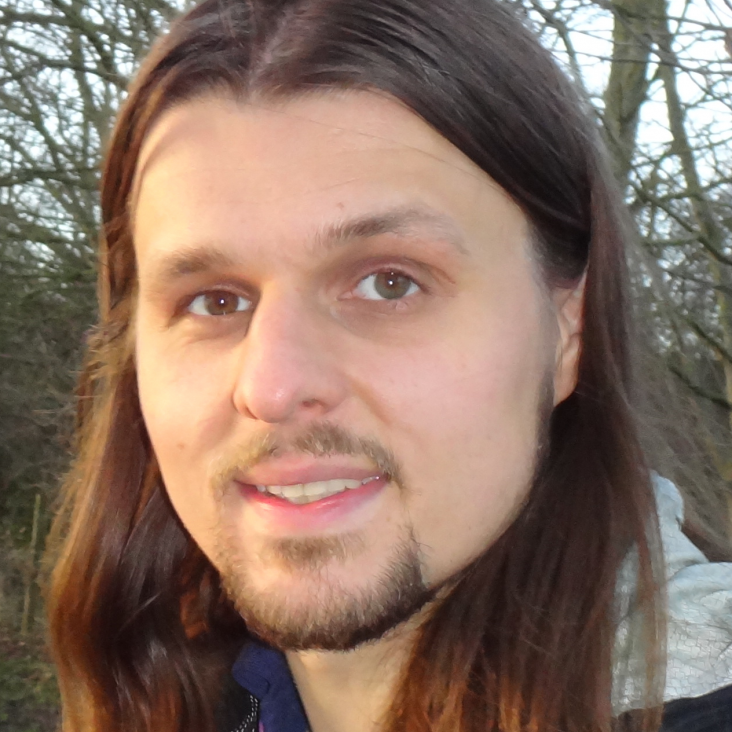
Andrew Wells is an Associate Professor of Physical Climate Science at the University of Oxford's Department of Atmospheric, Oceanic and Planetary Physics. His research focuses on fluid mechanics, thermodynamics, and geophysical processes, with a particular emphasis on sea ice dynamics, ice-ocean interactions, and turbulent convection. He is affiliated with the Ice and Fluid Dynamics research group and conducts studies using mathematical modeling, numerical simulations, and laboratory experiments. His work explores phenomena such as mushy layer growth in sea ice, buoyant plumes under ice shelves, and the impact of salinity on melt pond evolution. Key contributions include studies on Enceladus' geysers, frazil ice crystal interactions, and thermal convection in porous media. His research has implications for climate modeling, astrobiology, and geophysical fluid dynamics. Wells has published extensively in journals like *Journal of Fluid Mechanics*, *Geophysical Research Letters*, and *Proceedings of the Royal Society A*. His recent work emphasizes the interplay between phase changes, convection patterns, and environmental processes in polar and planetary systems.
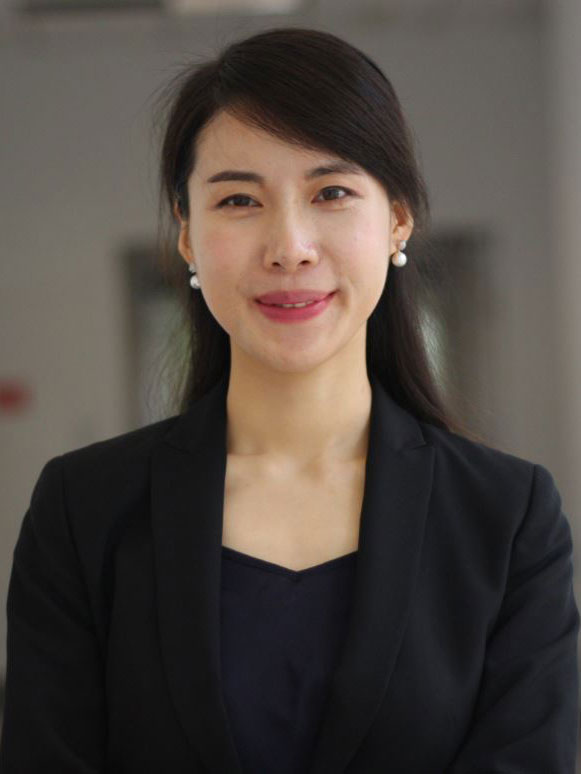
Dr. Hongli (Julie) Zhu is an Associate Professor in the Department of Mechanical and Industrial Engineering at Northeastern University's College of Engineering. Her research focuses on sustainable energy storage, multifunctional materials, and advanced manufacturing, with emphasis on developing environmentally friendly biomass-derived materials, all solid-state batteries, and flow batteries. She leads the ZHU Lab at Northeastern University, which is dedicated to creating safer, cheaper, and higher performance energy storage solutions while exploring multifunctional materials derived from nature. Dr. Zhu received her PhD from South China University of Technology and Western Michigan University (2004-2009). She conducted postdoctoral research at KTH Royal Institute of Technology in Sweden (2009-2011), focusing on biodegradable and renewable biomaterials from natural wood, followed by additional postdoctoral work at the University of Maryland (2012-2015), where she researched nanocellulose and energy storage. Dr. Zhu's research spans multiple disciplines at the intersection of materials science, energy storage, and sustainable manufacturing. Her work addresses critical challenges in energy storage technology, including developing all solid-state batteries, flow batteries, and high energy density battery systems. She has pioneered research in sustainable biomass-derived materials, particularly investigating cellulose, hemicellulose, and lignin for applications in bendable, implantable, and biocompatible electronics. Her lab also focuses on advanced manufacturing techniques, including high-speed roll-to-roll processing for emerging advanced materials and devices. Analysis of Dr. Zhu's publication record reveals a strong focus on next-generation battery technologies, particularly solid-state systems. Her research demonstrates significant contributions to understanding and improving lithium dendrite suppression, electrode architecture optimization, and interface stabilization in solid-state batteries. She has also made substantial advances in sustainable materials derived from natural resources, developing applications for cellulose nanostructured fibers, paper, and aerogel/hydrogel systems. MRS Communications Early Career Distinguished Presenters and JMR Distinguished Invited Speakers (2024) Selected in Stanford University List of Top 2% Scientists Worldwide (2021-2024) College of Engineering Faculty Fellow (2023) Soren Buus Outstanding Research Award (2022) Women in Materials Science, Advanced Materials (2021 and 2022) Women Scientists at the Forefront of Energy Research, ACS Energy Letters (2020) Innovator of the Year 2013, Maryland Jakob Wallenberg Scholarship, Sweden Dr. Zhu has secured significant research funding from various sources, including the National Science Foundation and Department of Energy. Her current projects include "Uncovering the mechano-electro-chemo mechanism of fresh Li in sulfide based all solid-state batteries through operando studies" (NSF), "Enabling Advanced Electrode Architecture through Printing Technique" (DOE), and "Engineering the Metal Sulfide Interface in All Solid State Batteries through Operando Study" (NSF). She collaborates with industry partners including Rogers Corporation and has developed patented technologies related to sustainable materials and energy storage. Dr. Zhu serves as Codirector of Advanced & Intelligent Manufacturing, Editor of Progress in Materials Science, and on the Editorial Advisory Board of Chemical Society Reviews. The ZHU Lab at Northeastern University is a highly interdisciplinary research group that bridges scales from the nanoscopic to macroscopic and system level. The lab's work has led to numerous patents, including "Natural fiber composites as a low-cost plastic alternative" and "Fire-retardant Nanocellulose Aerogel, and Methods of Preparation and Uses Thereof." The group focuses on making energy storage safer, cheaper, and higher performing while exploring multifunctional materials derived from nature, with particular emphasis on applying high-speed roll-to-roll manufacturing to emerging advanced materials and devices.
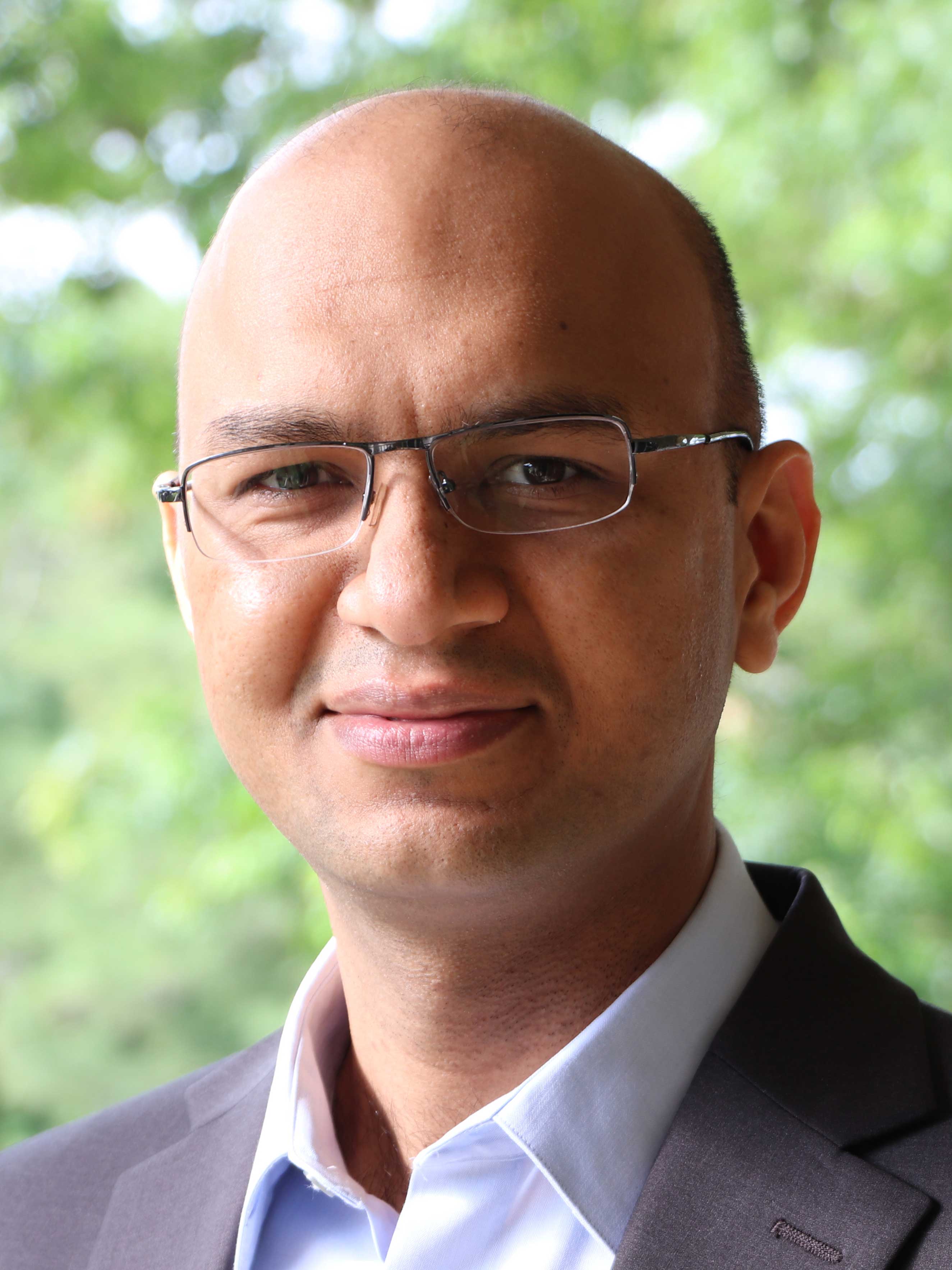
Sunil Mittal is an Assistant Professor in the Department of Electrical and Computer Engineering at Northeastern University, specializing in quantum and topological photonics. He joined Northeastern in 2021 and holds a PhD from the University of Maryland, College Park, alongside master’s degrees in Physics and Optoelectronics. His research focuses on quantum photonics, topological photonics, nonlinear photonics, and two-dimensional materials, with notable contributions to topological frequency combs and photonic quadrupole phases. Education: PhD in Electrical Engineering (University of Maryland, 2014), MS in Physics and Optoelectronics, and industry experience in optical telecommunications. Research highlights include pioneering work on topological sources of quantum light and non-Hermitian photonics systems. Recipient of 2024 and 2022 Stanford University citations (top 2% most-cited scientists) Lead co-PI on a $1.5M NSF DMREF grant (2024) for photonic materials development Recipient of Northeastern’s FY24 TIER 1 Interdisciplinary Research Seed Grant His Quantum Photonics Lab explores topological photonics applications in quantum computing and optical communication. Recent projects include using deep learning to accelerate photonic material design and studying excitonic Mott insulators in 2D heterostructures.
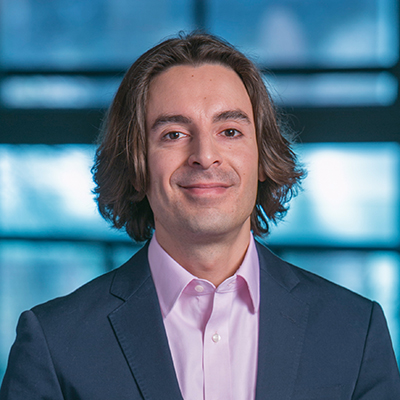
Taskin Padir is a Professor in the Department of Electrical and Computer Engineering at Northeastern University and concurrently serves as an Amazon Scholar. He holds a PhD and MS from Purdue University and a BS from Middle East Technical University. His research focuses on experiential robotics, human-robot teaming, and embodied AI, with leadership roles in the Robotics and Intelligent Vehicles Research Laboratory (RIVeR Lab) and the Institute for Experiential Robotics. Padir has led projects for DARPA, NASA, and industry partners, advancing autonomous systems for extreme environments and human-robot collaboration. Education: PhD, Electrical and Computer Engineering, Purdue University (2004) MS, Electrical and Computer Engineering, Purdue University (1997) BS, Electrical and Electronic Engineering, Middle East Technical University (1993) Research Interests: Shared autonomy and human-in-the-loop robotics Embodied artificial intelligence Human-robot teaming in extreme environments (e.g., space, disaster zones) Collaborative robotics for industrial applications His work bridges robotics, AI, and real-world challenges, with recent projects addressing seafood processing automation, robotic navigation in unstructured terrains, and spectroscopy-based environmental monitoring. Awards: Recipient of the 2024 Faculty Research Team Award, 2023 Impact Award, and 2022 Amazon Scholar distinction. His research has been funded by NSF, DARPA, NASA, and industry collaborators like Amazon Robotics and Intel. Labs: Director of the RIVeR Lab and Institute for Experiential Robotics, fostering interdisciplinary research in autonomous systems and intelligent vehicles. Current projects include CRISP (Co-worker Robots for Seafood Processing) and PROSPECT (robotic spectroscopy tools).
Michael J. Mitchell is an Associate Professor in the Department of Bioengineering at the University of Pennsylvania. His research focuses on overcoming biological barriers to drug delivery through biomaterials science, nanotechnology, and cellular engineering. Key areas include mRNA lipid nanoparticle development for cancer therapy, immunotherapy, genome editing, and regenerative medicine. His lab has pioneered placental-targeted drug delivery for in utero treatments and developed scalable microfluidic manufacturing processes for vaccines. Education: PhD in Bioengineering (University of Pennsylvania) Postdoctoral Training in Nanomedicine Research Interests: Dr. Mitchell’s work integrates biomaterials with biological systems to improve drug delivery efficiency. Current projects include: Design of lipid nanoparticles for mRNA and CRISPR delivery Targeted therapies for cancer metastasis and cardiovascular disease Placenta-specific drug delivery systems for maternal-fetal health Bioengineered immune cell therapies using mRNA Recent Achievements: In 2021, his lab published breakthrough work on lipid nanoparticles improving mRNA vaccine stability, featured in Penn Today and MIT Technology Review . Collaborations with CHOP and Penn Medicine have advanced in utero mRNA delivery for congenital diseases. Awards & Grants: Recipient of NIH grants for nanomedicine research and industry partnerships for vaccine development. Active in translational projects with startup companies for clinical nanotechnology applications. Labs & Teams: Lead of the Mitchell Lab at Penn Engineering, which includes over 20 researchers focusing on nanomedicine, biomaterials, and clinical translation.
Houman BOROUCHAKI is a Professor at the University of Technology of Troyes (UTT), France, with over 20 years of academic leadership. He has served as Head of the Automatic Mesh Generation and Advanced Methods (GAMMA3) project team since 2008 and previously led the Laboratory of Mechanical Systems and Concurrent Engineering (LASMIS) (2005-2007). His work bridges academic research and industrial applications through collaborations with INRIA , French Petroleum Institute (IFPEN) , Dassault Aviation , and others. Research Interests: A pioneer in adaptive meshing , he focuses on finite element methods , geometric modeling , and numerical simulations . His innovations underpin mesh generation algorithms , 3D triangulation software , and industrial applications in metal forming, composite simulation, and subterranean modeling. Scientific Trends: His recent work emphasizes metric-based meshing , high-order geometric validity , and parallel processing for mesh generation , with applications in petroleum reservoirs, aviation surfaces, and nanomaterials. His Google Scholar profile reflects 25+ years of contributions to meshing and simulation. Teaching: With 22 years of experience, he teaches courses on meshing , numerical analysis , geometric modeling , and computer graphics at UTT, covering undergraduate to PhD levels. Labs & Teams: He leads the interdisciplinary GAMMA3 team and has contributed to LASMIS (mechanical engineering), L2n (CNRS-UMR 7076) (nanomaterials), and LIST3N (computer science).
Shabaz Mohammed is an Associate Professor of Proteomics at the University of Oxford, holding joint appointments in the Departments of Chemistry and Biochemistry. Since 2020, he has served as Head of the Mechanistic Proteomics research programme at the Rosalind Franklin Institute. His research focuses on advancing proteomics technologies to study protein post-translational modifications and their roles in cellular processes, with applications in viral infections and disease mechanisms. Education: BSc in Chemistry, UMIST (now The University of Manchester), 1999 PhD in Biological Mass Spectrometry, University of Manchester, 2003 Postdoctoral Research, University of Southern Denmark (with Ole Jensen), 2005-2008 Postdoctoral Research, Utrecht University (with Albert Heck), 2008 Professor Mohammed's research centers on developing novel mass spectrometry approaches for large-scale characterization of protein post-translational modifications (PTMs). His group innovates in chromatographic techniques for single-cell proteomics, creates materials for PTM enrichment (glycosylation/phosphorylation), and applies these tools to study viral infections (SARS-CoV-2), cell cycle regulation, and signaling pathways. His work bridges chemistry, biochemistry, and cell biology to understand dynamic protein functions in health and disease. His recent publications (2023-2025) demonstrate strong emphasis on viral proteomics, particularly virus-host RNA-binding protein interactions, and innovations in mass spectrometry fragmentation techniques and chromatography. Key themes include viral remodeling of host cells, new labeling strategies for PTMs, and advancements in single-cell proteomics, with significant implications for understanding viral pathogenesis. Scientific Awards: No specific awards or fellowships were detailed in the source material. Advising and Grants: Information regarding graduate students supervised or specific research grants was not provided in the available text. As an active research group leader, Professor Mohammed likely mentors PhD students and secures competitive funding for proteomics research. Laboratories and Collaborations: Professor Mohammed leads a research group at Oxford focused on proteomics technology development. He collaborates extensively with the Ben Davis group on PTM detection materials and across the university on biochemical applications. At the Rosalind Franklin Institute, he heads the Mechanistic Proteomics programme to unravel protein functions through advanced proteomic methods.
Rajamani Gounder is the R. Norris and Eleanor Shreve Professor of Chemical Engineering at Purdue University's Davidson School of Chemical Engineering. He leads the Gounder Research Group, focusing on heterogeneous catalysis, zeolite synthesis, and catalytic materials for energy and environmental applications. His work includes developing structure-function relationships in zeolites for reactions like NOx reduction, hydrocarbon conversion, and biomass processing. Education: B.S., University of Wisconsin (2006); Ph.D., UC Berkeley (2011); Postdoctoral Fellow, Caltech (2011-2013). Research Interests: The group studies catalyst design for renewable energy, petroleum processing, and pollution control. Key areas include zeolite-based catalysts for NOx abatement, propene oligomerization, and methane oxidation. They emphasize synthesizing materials with controlled active site environments to optimize reactivity and selectivity. Publications: Recent studies explore copper ion mobility in Cu-CHA zeolites, propene oligomerization in MFI voids, and NH3 oxidation kinetics. These highlight advancements in catalytic mechanisms and material design. Awards: Recognitions include the Royal Society of Chemistry Fellowship (2023), ISCRE Rutherford Aris Award (2023), and multiple teaching awards (e.g., R. Norris Shreve Award). His work has been funded by DOE, NSF, and industry partnerships. Advising & Grants: Supervises a team of ~30 students (PhD, master's, undergrad) and collaborates with the Purdue Catalysis Center. His research is supported by grants from agencies like DOE and NSF. Labs/Teams: The Gounder Group operates in Forney Hall, part of Purdue's chemical engineering facilities. They engage with CISTAR (Catalysis Center for Energy Innovation) and other interdisciplinary networks.
Dr. Nicholas Nelson is an Associate Professor in the Department of Physics at California State University, Chico. His research spans interdisciplinary areas including astrophysics, dynamical chaos, and medical education curriculum development. He specializes in stellar evolution models, solar convection dynamics, and magnetic field generation in stars. His work bridges physics and healthcare, addressing structural competency in medical training and social determinants of health through innovative curricula. Research interests include: solar magnetic loop formation, chaotic dynamics in celestial bodies, and integrating social determinants of health into residency programs. His publications reflect a dual focus on computational astrophysics and healthcare equity. Notable contributions include studies on knuckleball aerodynamics, early career challenges in astrophysics, and curriculum design for addressing health disparities. Though no awards are explicitly listed, his work demonstrates impactful cross-disciplinary engagement. No advising relationships or grant information was provided in the source material. His office is located in PHSC 121B on campus.
Dr. Christopher Morton is an Associate Professor in the Department of Mechanical Engineering at McMaster University, specializing in fluid-structure interaction, UAV technology, and energy systems. His research focuses on aerodynamics, flow control, and sustainable energy solutions, with applications in aerospace and environmental engineering. Education background includes a BASc in Mechatronics Engineering (University of Waterloo, 2008), MASc (2010), and Ph.D. (2014) in Mechanical Engineering from the same institution. His work bridges experimental and computational methods, particularly in flow estimation and control using advanced diagnostics like PIV and spectral analysis. His research interests span vortex-induced vibrations (VIV), unsteady aerodynamics, and energy harvesting through fluid-structure interactions. Recent publications highlight innovations in flow field reconstruction, sensor-based monitoring, and turbulence control. His work has been recognized through awards such as the Departmental Research Excellence Award (2021-2022) and multiple teaching accolades, reflecting his dedication to both research and education. Dr. Morton currently teaches MECH ENG 4FM3 (Advanced Instrumentation for Thermo-Fluids) and MECH ENG 723 (Flow Induced Vibrations), emphasizing hands-on experimental techniques and theoretical analysis. He actively supervises graduate students and collaborates with industry partners like Atlantis Research Labs and Plains Midstream Canada. Key Research Clusters: Advanced Materials & Manufacturing, Digital & Smart Systems, Energy, and Environment. Teaching Excellence: Awarded “Professor of the Year” multiple times and recognized for outstanding teaching performance.
Enrico Arrigoni is a Professor at the Institute of Theoretical Physics - Computational Physics at Graz University of Technology (TU Graz). His research focuses on correlated quantum systems, many-body physics, and nonequilibrium dynamics, with applications to Mott insulators, quantum transport, and photovoltaic systems. He teaches courses such as 'Green's functions in Many-Particle Physics' and 'Atom Physics - Quantum Mechanics'. Recent work explores phonon effects in Mott systems, neural network approaches to quantum states, and impact ionization processes in photodriven materials. His methods include auxiliary master equation techniques and variational cluster approaches. Publications span topics like nonequilibrium steady states, quantum impurity models, and disordered systems. While no specific awards are listed, his contributions to theoretical physics and computational methods are evident through his prolific research output. Advising and grants details are not explicitly mentioned, though his involvement in graduate theses and research projects is implied via available master's and bachelor's thesis topics.
Hongyi Xu is a Senior Lecturer at the Australian National University's Research School of Chemistry and a researcher/principle investigator at Stockholm University (0.2 FTE). He holds a PhD in Materials Engineering from the University of Queensland (2013) and a Bachelor of Engineering (Mechatronics) from the same institution (2008). His research focuses on developing electron crystallography methods for studying materials, small molecules, peptides, and macromolecules, with applications in drug design and structural biology. He has pioneered MicroED techniques, including solving the first new protein structure using this method and demonstrating protein-inhibitor binding analysis. Key research areas include electron crystallography methodology, multidimensional electron microscopy toolkits, metalloenzyme charge state analysis, and fragment-based drug design. He has secured grants such as the Swedish Research Council Starting Grant and has collaborated with over 25 international groups. Notable achievements include the development of SerialED and contributions to cryo-EM advancements like Single Particle Analysis (SPA) and cryo-ET. Recent publications highlight advancements in perovskite photovoltaics, electrocatalytic hydrogen peroxide production, and zeolite structural analysis. His work bridges materials science and biology, addressing challenges in structural determination through innovative microscopy techniques. Awards include the Dean’s Accommodation for Academic Excellence (2013) and the Best Thesis Award (2013).
Valerie Karplus is a Professor in the Department of Engineering and Public Policy at Carnegie Mellon University (CMU) and Associate Director of the Wilton E. Scott Institute for Energy Innovation. She holds a Ph.D. in Engineering Systems from MIT and a B.S. in Biochemistry and Political Science from Yale University. Her research focuses on resource and environmental management in global industrial contexts, emphasizing institutions, management practices, and policy design. Key areas include decarbonization pathways, hydrogen energy systems, and the intersection of public policy with workforce resilience. Dr. Karplus leads the Laboratory for Energy and Organizations (LEO) at CMU and is affiliated with MIT’s Energy Initiative and environmental policy centers. She previously directed the MIT-Tsinghua China Energy and Climate Project (2011–2016), analyzing China’s energy policies and their global impacts. Her work bridges academia and practice, addressing challenges like steel industry decarbonization and clean energy workforce development through interdisciplinary approaches. Notable contributions include modeling China’s carbon neutrality targets (C-REM 4.0), evaluating hydrogen hub risks, and assessing energy audit effectiveness. She has secured grants such as a $500,000 ARISE planning grant to analyze Appalachian workforce skills for decarbonization. Media engagements include commentary on EU energy strategies, green hydrogen viability, and nuclear energy for AI systems.
Hari Nair is an Assistant Professor in the Department of Materials Science and Engineering at Cornell University, part of the College of Engineering. His research focuses on the synthesis and characterization of complex oxide thin films using molecular beam epitaxy (MBE), with applications in power electronics, quantum materials, and optoelectronics. B.Tech. in Engineering Physics, Indian Institute of Technology Madras, 2006 M.S. in Electrical and Computer Engineering, The University of Texas at Austin, 2008 Ph.D. in Electrical and Computer Engineering, The University of Texas at Austin, 2013 His research interests lie at the intersection of semiconductor physics, materials synthesis, and advanced functional materials. He specializes in epitaxial strain engineering, heterostructure design, and the control of electronic and magnetic properties in oxide thin films. His vision is to leverage novel materials to enable revolutionary advances in electronic and optoelectronic devices. Analysis of his recent publications reveals a strong focus on β-Ga₂O₃ for high-power devices and ruthenate-based quantum materials such as Sr₂RuO₄ and SrRuO₃. His work spans ultra-wide bandgap semiconductors, strain-engineered phase transitions, superconductivity, and spin-orbit phenomena. Techniques include MBE growth, THz spectroscopy, and advanced electron microscopy. Notable scientific awards include: Student Paper Award, Device Research Conference (DRC), 2013 The Ben Streetman Prize for Outstanding Research in Electronic and Photonic Materials and Devices, 2013 Student Paper Award, Electronics Materials Conference (EMC), 2012 Hari Nair has advised several graduate students and postdoctoral researchers, though specific names are not listed in the provided text. His work has been supported by grants from federal agencies and institutional programs focused on advanced materials and quantum science. He is actively involved in collaborative research through centers and labs at Cornell, particularly those related to materials synthesis and characterization. He leads a research group focused on the growth and study of epitaxial thin films, working closely with the D.G. Schlom group and other collaborators in the Kavli Institute at Cornell. His lab utilizes state-of-the-art MBE systems and advanced characterization tools for probing electronic, magnetic, and structural properties at the nanoscale.
Professor Denis Doorly is a Professor of Fluid Mechanics in the Department of Aeronautics at Imperial College London's Faculty of Engineering. His research focuses on biomedical fluid mechanics, particularly respiratory and cardiovascular systems, with expertise in computational fluid dynamics (CFD) and aerosol transport. He has published extensively on nasal airflow modeling, cardiovascular MRI simulations, and aerosol dynamics in medical contexts. Key contributions include CFD cohort studies on nasal decongestion effects, benchmarking models for SARS-CoV-2 transmission, and ventilator strategies during the pandemic. Research interests span biological fluid mechanics, biomedical flows, and medical device design. His work integrates computational modeling with clinical applications, addressing issues like tracheal compression, myocardial perfusion, and aerosol extraction during surgeries. Collaborations include studies on isolated heart models and particle deposition in respiratory systems. Affiliations include the Biological Fluid Mechanics and Biomedical Flows groups at Imperial. His publications (139+ articles) highlight interdisciplinary applications of fluid mechanics to healthcare challenges.