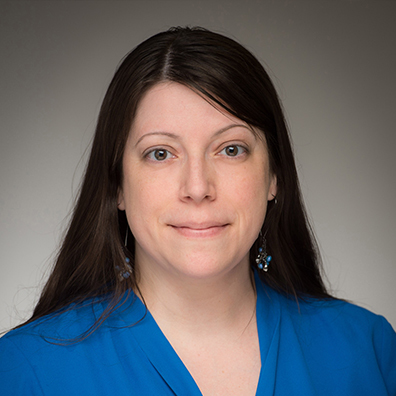
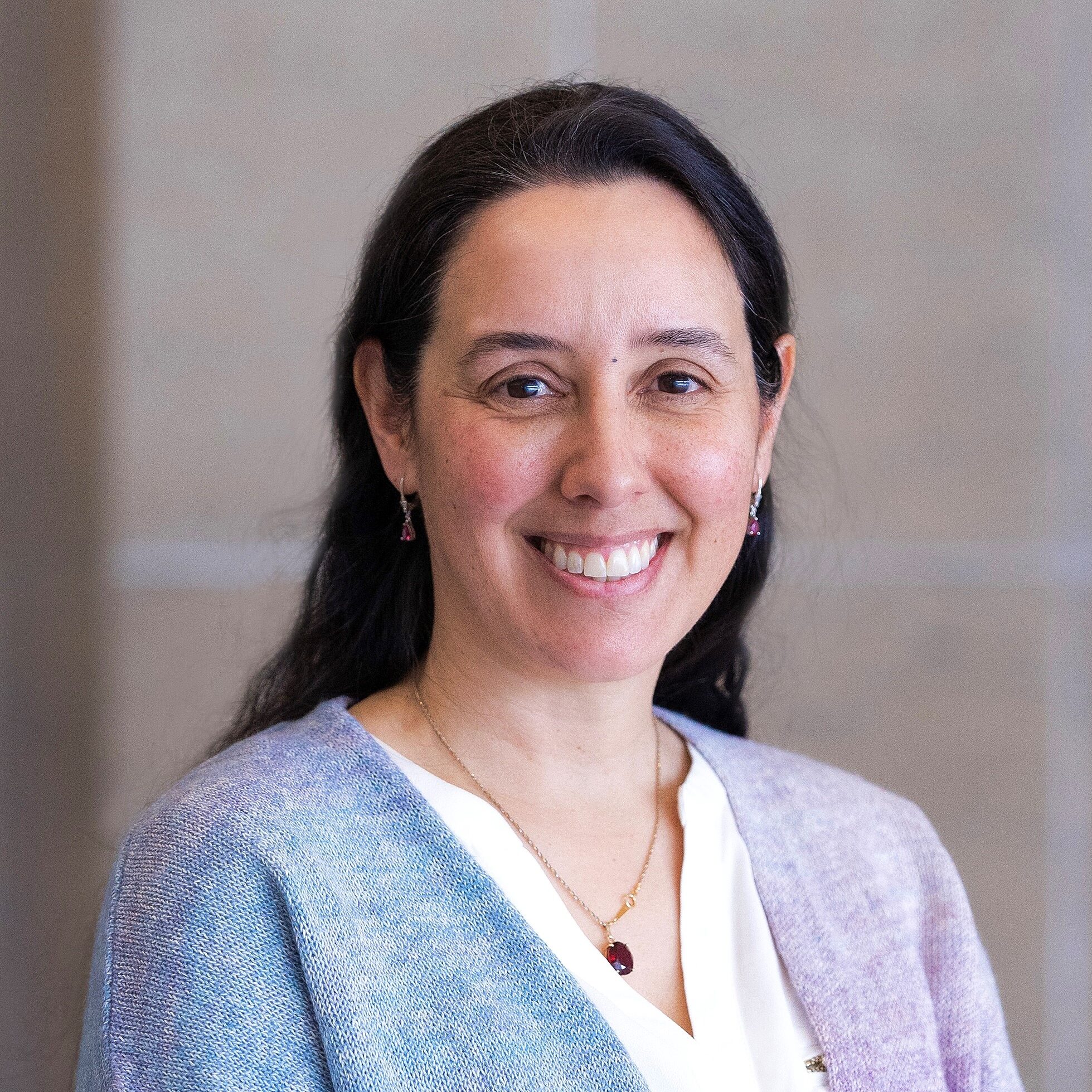
Christine Stumpp is a Professor at the Institute of Soil Physics and Rural Water Management , affiliated with the University of Natural Resources and Life Sciences Vienna (BOKU) . Her work integrates hydrology , soil physics , and stable isotope analysis to address critical issues in groundwater recharge , climate change impacts on water systems , and microplastic transport in soils .
Zeynep Atamer is an Assistant Professor at Oregon State University's Food Science and Technology Department, affiliated with the Food Innovation Center in Portland, OR. Her research focuses on dairy science and technology, particularly bacteriophage dynamics, spore inactivation, milk protein behavior, membrane processing, and food safety optimization. Primary affiliation: Oregon State University, Food Innovation Center Department: Food Science and Technology Research interests include: Dairy bacteriophages and their thermal/non-thermal inactivation Spore-forming bacteria in dairy processing Milk protein fractionation and functional properties Membrane separation technologies for dairy applications Cheese and fermentation process optimization Development of phage-free dairy products and sensitive detection systems Recent publications highlight advancements in UV-C/phage reduction strategies, casein-based material development, bitter peptide characterization in cheese, and encapsulation technologies for microbial control. Key subfields include dairy processing stressors, whey protein stability, and gut microbiota modulation via phage delivery. Her work integrates industrial-scale validation with lab-to-commercial translation, addressing critical challenges in dairy safety and functionality through interdisciplinary approaches spanning microbiology, biochemistry, and food engineering.
Harry Bruning is an Assistant Professor in Environmental Technology at Wageningen University & Research, specializing in advanced water treatment technologies. His research focuses on electrodialysis, desalination, ion exchange membranes, and fouling mitigation in environmental systems. He leads projects on chemical-free desalination, PFAS degradation using modified cathodes, and sodium-selective electrodialysis. Bruning collaborates extensively on biogas technologies and hydraulic optimization in anaerobic digesters. Key research interests include membrane-based separation processes, water reuse strategies, and sustainable wastewater management. He has pioneered studies on EDTA complexation for selective ion removal and developed novel electrochemical methods for organic pollutant degradation. Publications highlight innovations in electrodialysis metathesis, fouling prevention via BODAC filtration, and modeling ammonia concentrations in anaerobic digestion. His work bridges theoretical process engineering with practical applications in industrial water systems. Supervising 17 PhD projects, Bruning advises on topics like microbial fuel cells for ammonium recovery and cooling tower water treatment. He contributes to datasets analyzing constructed wetlands and nanofiltration systems for water reuse.
Prof. Maurizio Musso is a Professor of Experimental Physics at the University of Salzburg , leading the Musso Group within the Faculty of Natural and Life Sciences . His research focuses on condensed matter physics, materials science, and Raman spectroscopy applications. The group specializes in the characterization of novel materials, including biofoams, nanomaterials, and sustainable biomaterials, leveraging advanced spectroscopic techniques such as Raman scattering and FTIR. Prof. Musso is also actively involved in teaching, contributing to courses in the Joint-Degree Bachelor’s Program in Engineering (PLUS-TUM), the Master’s program in Chemistry and Physics of Materials, and the Bachelor’s degree in Physics. Research activities emphasize multi-technique analysis of materials like tannin-furanic foams and nanostructured silicon, with applications in energy storage, environmental sensing, and industrial manufacturing. The Musso Group collaborates on projects related to sustainable materials development, plasmonic device fabrication, and electrochemical systems. Their work bridges fundamental research with practical applications, such as wastewater filtration and renewable energy solutions. Prof. Musso’s team includes researchers like Dr. Sonja Gamsjäger (visiting scientist), Gebhard Sabathi (MSc/Ing.), and Dr. Paolo Sereni (Senior Lecturer). They utilize state-of-the-art facilities for material synthesis, characterization, and nanofabrication. Current studies explore machine learning-driven data validation in Raman spectroscopy and the structural dynamics of polymers under varying conditions. Notable projects include the IN-CIMa initiative for smart material characterization and the PLUS Research programs on eco-sustainable materials. Prof. Musso’s contributions to Raman spectroscopy and material science have positioned him as a leader in experimental physics and sustainable technology innovation.
Prof. Andreas Farnleitner is a Professor at TU Wien, affiliated with the Environmental Microbiology and Molecular Diagnostics Research Group. His research focuses on microbial water quality, molecular diagnostics, and environmental microbiology. Key areas include PCR-based methods for fecal pollution tracking, antimicrobial resistance in aquatic environments, and climate change impacts on waterborne pathogens. He has contributed to advancements in DNA aptamer technology for rapid water quality monitoring and employs machine learning for predictive modeling in hydrology. His work spans collaborations across Europe, addressing One Health challenges and wastewater-based epidemiology. Recent projects include studies on Vibrio cholerae in Austrian bathing waters and the biostability of drinking water resources. Prof. Farnleitner leads interdisciplinary initiatives to improve water safety and environmental management. Publications highlight his expertise in microbial source tracking, climate change effects on infection risks, and antibiotic resistance patterns. His team develops innovative diagnostic tools and models for environmental monitoring, with applications in both academic and applied settings. Current projects emphasize the integration of molecular biology and engineering to address global water quality challenges.
Yves Comeau is a Professor in the Department of Civil, Geological and Mining Engineering at Polytechnique Montréal. With a Ph.D. in Environmental Civil Engineering from the University of British Columbia (1989), his career spans over three decades, focusing on wastewater treatment, nutrient removal, and water resource recovery systems. He directs the Environmental Engineering Laboratory and co-leads the Center for Research, Development and Validation of Water Treatment Technologies (CREDEAU). Education: B.Eng. (1980), M.A.Sc. (1984), Ph.D. (1989) from UBC Current research emphasizes biological/chemical nutrient removal, modeling, and phytotechnology for cold climates Key projects include steel slag filters for phosphorus removal, willow-based wastewater treatment, and landfill leachate management His 183 publications cover topics from activated sludge modeling to bioremediation of contaminated soils Recent work demonstrates the efficacy of willow vegetation filters in cold climates and microplastic characterization in wastewater. He has supervised 12 Ph.D. and 54 Master’s students, including Dominique Claveau-Mallet (2017) and Xavier Lachapelle-Trouillard (2017). Awards include the Environmental Network Distinction (2016) .
Boya Xiong is an Assistant Professor at the University of Minnesota in the Department of Civil, Environmental, and Geo-Engineering . Her research bridges polymer science , environmental chemistry , and membrane material science to address global environmental challenges. Research Interests: Elucidating polymer degradation mechanisms under environmental stressors Designing nature-inspired antimicrobial membranes Advancing plastic circularity and waste management Mitigating biofouling and pathogenic contamination Assessing environmental fate of industrial polymers Developing sustainable resource recovery systems Recent Publications analyze polymer behavior in hydraulic fracturing, plastic degradation pathways, and biofouling solutions, with keywords spanning polymer chemistry , environmental toxicology , and membrane technology . Scientific Awards: NSF CAREER award (2025) McKnight Land-Grant Professorship (2025) 40 Under 40 (2024) Young Engineer of the Year (2023) NSF ACADEME fellow (2018) Mentorship includes advising current PhD students (Phoebe Keyes, Ehsanur Rahman), alumni (Tariq Bastawisy, Rebeca Loss), and interdisciplinary teams focused on environmental sustainability.
Adrian Unc is a Professor at Memorial University of Newfoundland's School of Science and the Environment, with affiliations at McGill University and University of Leeds. His research focuses on northern agriculture under climate change, boreal soil health, waste re-valorization, and microbiological drivers of soil fertility. B.Sc. in Agronomy (Timisoara, Romania) M.Sc. & PhD in Soil Science (University of Guelph) Postdoc in Environmental Microbiology (University of Ottawa, Medicine) Research spans climate change impacts on boreal soils, biochar applications for soil fertility, microbial transport dynamics, and permafrost-affected soil systems. He established Canada's first graduate program for northern agriculture (Boreal Ecosystems and Agricultural Sciences - BEAS) and co-founded the Canadian Soil Biodiversity Observatory. His 15 most recent articles address soil carbon cycling, microbial ecology in reclaimed mines, fertilizer source effects on nutrient dynamics, biochar's role in boreal agriculture, and geophysical methods for soil moisture mapping. These works emphasize interdisciplinary approaches to food security, environmental quality, and climate adaptation strategies. Senior Cheney Fellow (2014) Top 3% Cited in Soil Use and Management (2024) Scientific Reports Top 100 Earth Science Article (2018) Top 1% Cited in Applied Soil Ecology (2000 paper) As Deputy Editor of Soil Use and Management and former Associate Editor of Algal Research , he has shaped scientific discourse in soil and algal sciences. His work integrates field studies (e.g., Pye Farm, Labrador) with global collaborations on boreal climate impacts.
Dr. Sara Beck is an Assistant Professor in the Department of Civil Engineering at the University of British Columbia. She leads the Beck Lab, focusing on water disinfection, UV LED technology, and environmental microbiology to address global water challenges. Her work bridges fundamental science and engineering applications, emphasizing sustainable solutions for public health and water quality. Education: Ph.D. in Environmental Engineering (2015, University of Colorado Boulder), M.S. in Environmental Engineering (Georgia Tech), B.S./B.A. in Aerospace Engineering/Studio Art (CU Boulder). Prior to academia, she worked as a NASA flight controller supporting Space Shuttle and ISS programs. Research Interests: UV disinfection mechanisms, water reuse, applied environmental microbiology, decentralized systems, and microplastic degradation. Key projects include UV LED applications for point-of-use disinfection, biofilm dynamics in filtration systems, and fecal contamination impacts on child health in low-resource settings. Awards: AEESP Outstanding Dissertation (2016), NSERC Discovery Accelerator (2021), Fulbright Scholar (2015), NASA Astronaut Finalist (2017). Lab members include PhD candidates Patrick Mirindi and Thusitha Rathnayake, and collaborators across global institutions. Grants: NSERC funding for UV LED research, WHO collaborations on surface disinfection protocols. Active research spans microbial communities in membranes, viral load quantification, and optimizing BWRO energy efficiency. Labs/Teams: Beck Lab @ UBC collaborates with interdisciplinary experts in engineering, microbiology, and policy to advance water treatment solutions. Current projects address microplastic prevalence in BC freshwater and surface disinfection standardization for healthcare settings.
Lars Moberg Salbu is a Postdoctoral Fellow at the Department of Informatics, University of Bergen. His research focuses on computational geometry, algebraic topology, and parameterized complexity, with contributions to graph theory, metric analysis, and algorithm design. He has collaborated with institutions such as the Department of Mathematics and Department of Computer Technology at Western Norway University of Applied Sciences. His work bridges theoretical mathematics and computer science, addressing challenges in topological data analysis and combinatorial optimization. Key publications include studies on transition graph dynamics, minimum bounded chains, and homology determination from data samples. Salbu’s research emphasizes interdisciplinary approaches, leveraging discrete mathematics and geometric principles to solve complex computational problems. No scientific awards are listed, but his active participation in international journals like IEEE Access and Mediterranean Journal of Mathematics highlights his academic contributions. Collaborations with co-authors such as Morten Brun and Belen Garcia Pascual underscore his collaborative approach to advancing theoretical frameworks in his field.
Rebecca A. Wingert is the Elizabeth and Michael Gallagher Associate Professor in the Department of Biological Sciences at the University of Notre Dame, where she also serves as Director of Graduate Studies and Chair of the Institutional Animal Care and Use Committee. Her research focuses on the genetic and molecular mechanisms of renal stem cells in kidney development, regeneration, and disease. Research Interests: The Wingert Lab investigates how renal stem cells contribute to nephron formation, homeostasis, and regeneration after injury. Her work addresses fundamental questions in developmental biology, stem cell biology, and organogenesis, with implications for understanding birth defects and chronic kidney diseases. Using zebrafish models, her lab explores conserved genetic pathways in vertebrate kidney development. Developmental Biology Stem Cell and Regenerative Biology Genetics & Genomics Molecular Biology Nephrology and Kidney Disease Rare and Neglected Diseases (e.g., Non-Ketotic Hyperglycinemia) Recent Research Trends: Analysis of her recent publications reveals a strong focus on transcriptional regulation (e.g., Tfap2a, Irx2a, Emx1), prostaglandin signaling, ciliogenesis, and nephron segmentation. Her lab uses zebrafish to model human renal diseases and uncover conserved mechanisms of nephrogenesis and repair. There is a recurring emphasis on metabolic regulation (e.g., PGC-1α) and injury response pathways. Scientific Awards and Recognition: Gallagher Family Professorship in Stem Cell Biology Advising and Grants: As Director of Graduate Studies, Dr. Wingert plays a central role in mentoring graduate students in the Department of Biological Sciences. While specific grant funding is not listed, her sustained productivity and leadership roles suggest active external support for her research program. She advises graduate students and postdoctoral researchers in her lab, fostering training in developmental genetics and renal biology. Labs and Research Teams: The Wingert Lab at the University of Notre Dame utilizes zebrafish as a model system to study kidney development and regeneration. The lab integrates forward and reverse genetics, chemical screening, and molecular imaging to dissect nephrogenesis and disease mechanisms. Her team collaborates across disciplines to model rare diseases and explore regenerative pathways.
Dusan Licina is an Associate Professor at the École polytechnique fédérale de Lausanne (EPFL) and director of the Human-Oriented Built Environment Laboratory (HOBEL) within the Smart Living Lab initiative. His research bridges building science, environmental engineering, and human health. Education: BSc/MSc in Mechanical Engineering (University of Belgrade), joint PhD (National University of Singapore & Technical University of Denmark), postdoc (University of California Berkeley) Key research areas: Indoor air quality, human exposure science, building ventilation, IoT sensing, energy-efficient housing His 15 most cited works focus on particle dynamics, ozone chemistry, and occupant-driven building systems. Notable trends include human-clothing interactions in pollution transport, nanocluster aerosol formation, and real-time CO2 monitoring behavior. Awarded Yaglou award (ISIAQ) for sustainable healthy buildings research Ralph G. Nevin’s award (ASHRAE) for human exposure studies and serving on the Indoor Air editorial board. Current PhD students Dong Hui, Liu Tianqi, Loizou Maria, Medina Taylor Oran explore: Occupant behavior in energy systems Smart sensor networks Radon measurement technologies Work-from-home environmental quality His laboratory develops Human-Centric Sensing Platforms and Occupant-Centric Building Design methodologies through experimental chambers and computational models.
Silvia Santa Maria Newell serves as Director of Michigan Sea Grant and Professor at the University of Michigan School for Environment and Sustainability (SEAS), where she leads critical research on freshwater ecosystems. Her work bridges academic scholarship with practical environmental management through federal partnerships and stakeholder engagement initiatives focused on the Great Lakes region. Education Ph.D. in Geosciences, Princeton University M.A. in Geosciences, Princeton University A.B. in Biogeochemistry, Smith College Newell specializes in nutrient biogeochemistry and microbial ecology, with primary focus on how excess nutrients from agricultural and wastewater sources drive harmful algal blooms (HABs) in freshwater systems. Her research integrates field studies of nitrogen cycling, mercury methylation processes, and climate change impacts on eutrophication. She develops stakeholder-driven solutions for nutrient reduction in watersheds through interdisciplinary collaboration with farmers, policymakers, and environmental managers. Analysis of her 15 most recent publications reveals dominant research themes in Great Lakes HABs mitigation, nutrient cycling dynamics (particularly nitrogen-phosphorus interactions), and emerging contaminants like mercury. Her work consistently connects microbial processes to ecosystem-scale phenomena, with strong emphasis on practical applications for water resource management across North American and international freshwater systems. Scientific Awards Excellence in Grantsmanship (2022) for securing $1M+ research funding AGU Top 10 Most Downloaded Paper (2021) Limnology & Oceanography Outstanding Reviewer (2021) ASTRA Fellow, Estonia Education (2019-2020) Newell actively mentors the next generation of environmental scientists as primary advisor to PhD candidates Berk Durutürk and Ran Jin, and Master's student Monica Woodruff. Her current $1.2M+ research portfolio includes NSF-funded projects on Lake Erie HABs mitigation (DISES CHABS: $150K), mercury-nitrogen cycling interactions (GEOTRACES: $378K), and Ohio wetland monitoring (H2Ohio: $500K). She directs major collaborative initiatives including the Great Lakes Commission HABs Collaboratory and Lake Erie Area Research Network. As Director of Michigan Sea Grant, Newell oversees a federal-state partnership that funds research, outreach, and education programs addressing critical Great Lakes challenges. Her leadership connects university resources with community stakeholders through the Maumee River watershed engagement project and international collaborations studying nutrient pollution impacts from Lake Erie to Lake Taihu in China.
Onita Basu, Professor in the Department of Civil and Environmental Engineering at Carleton University's Faculty of Engineering and Design, specializes in water and wastewater treatment technologies. With a Ph.D. from the University of Waterloo, she leads the Basu Research Group, focusing on filtration/membrane bioreactors, biological removal of pharmaceuticals, and community-based water solutions in Tanzania. Her teaching includes courses like ENVE 3001 Water Treatment Principles and Design and graduate-level membrane processes. B.A.Sc., M.A.Sc. (University of British Columbia) Ph.D. (University of Waterloo) Professional Engineer (P.Eng.) Research Interests: Professor Basu investigates integrated water treatment systems, emphasizing membrane fouling control, nanoparticle disinfection mechanisms, and removal of recalcitrant organics. Her work bridges advanced technologies like ceramic ultrafiltration with practical implementations in low-resource settings through projects such as the Tanzania Water Hub. Recent Publications: Her 2025 studies on silver-doped zinc oxide for antimicrobial water treatment and PFAS removal strategies highlight emerging contaminant solutions, while 2024 work explores graphene oxide adsorption and climate change education programs. Earlier articles focus on membrane fouling, nanoparticle elution, and biofiltration optimization. Labs & Projects: The Basu Research Group operates pilot plants for membrane testing, biofiltration systems, and community engagement initiatives in Tanzania. They hosted Carleton's 3MT event in 2023 and collaborate with institutions like Humber College on NSERC-funded projects.
Rabin Bhattarai is an Associate Professor in the Department of Agricultural and Biological Engineering at the University of Illinois Urbana-Champaign. His research focuses on understanding climate change impacts on agricultural systems, water quality management, and extreme weather event analysis. He has collaborated on projects involving crop yield optimization, nitrate loss reduction, and the development of novel biochar-based nutrient capture systems. His work integrates modeling tools such as SWAT and DRAINMOD to assess subsurface drainage systems and their environmental impacts. Key contributions include a globally recognized water quality database for lakes and studies on extreme precipitation regimes in Illinois. Bhattarai's publications emphasize interdisciplinary approaches, combining hydrology, climate science, and engineering to address agricultural sustainability challenges. Recent research highlights include analyzing socially vulnerable communities' exposure to compound extreme heat and precipitation events in the Upper Midwest and evaluating probabilistic approaches for extreme weather prediction. His datasets, such as the Framework of Simulating Structural Sediment Perimeter Barriers, demonstrate commitment to practical applications in erosion control and environmental engineering. Research Strengths: Climate-Driven Agricultural Systems, Hydrological Modeling, Sustainable Nutrient Management Notable Projects: Cover Crop Decision Support Tool, DIRECT4AG Project Series