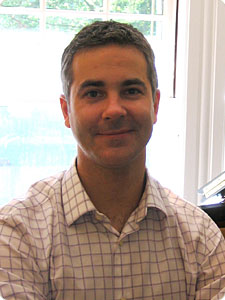
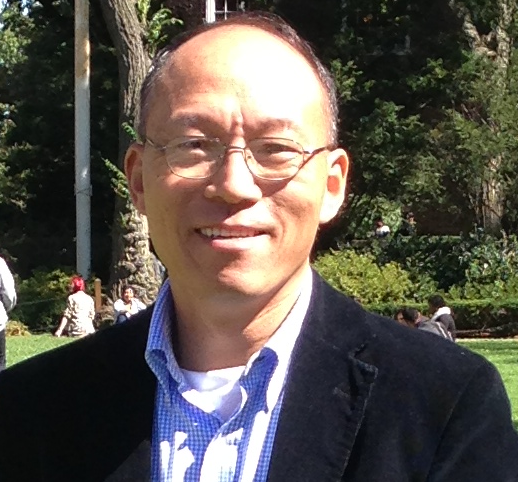
Kheewoong Baekمشاهده پروفایل
پژوهشگر ارشد
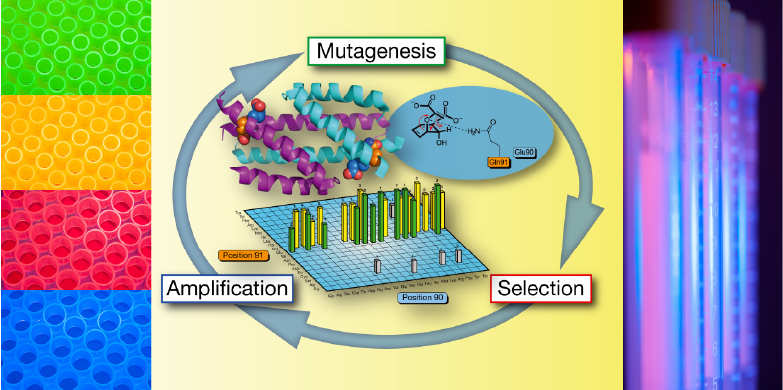
Kheewoong Baek, Ph.D. is a Research Fellow in the Department of Biological Chemistry and Molecular Pharmacology (BCMP) at Dana-Farber Cancer Institute in Boston, Massachusetts. His research focuses on protein degradation mechanisms, molecular glues, and targeted therapeutics for cancer treatment. Dr. Baek's research spans several interconnected areas in chemical biology and cancer pharmacology. He specializes in targeted protein degradation technologies, particularly focusing on molecular glues that harness the CRBN E3 ubiquitin ligase system. His work involves chemoproteomics to identify novel protein-protein interactions, structural studies of ubiquitin ligases, and the development of combinatorial libraries for discovering new molecular glue degraders. His research demonstrates expertise in Small Molecule Libraries, Protein-Tyrosine Kinases targeting, Adaptor Proteins signaling, Cell Cycle Proteins regulation, and Combinatorial Chemistry Techniques. Dr. Baek has published multiple high-impact papers between 2023-2025, with significant contributions to understanding CRBN-dependent degradation pathways and ubiquitin signaling mechanisms. His work shows strong interdisciplinary integration of structural biology, chemical biology, and cancer pharmacology approaches. Dr. Baek collaborates extensively with researchers in the Biological Chemistry and Molecular Pharmacology department, particularly with Dr. Eric Fischer's laboratory. His research is likely supported by institutional funding from Dana-Farber Cancer Institute and potentially by grants from the National Institutes of Health or other research foundations focused on cancer biology and chemical biology. Dr. Baek is part of a vibrant research community at Dana-Farber working on targeted protein degradation, with colleagues including Rebecca Metivier, Shourya Roy Burman, and Hong Yue. His laboratory work focuses on understanding the molecular mechanisms of E3 ubiquitin ligases and developing novel therapeutic approaches based on these insights for cancer treatment.