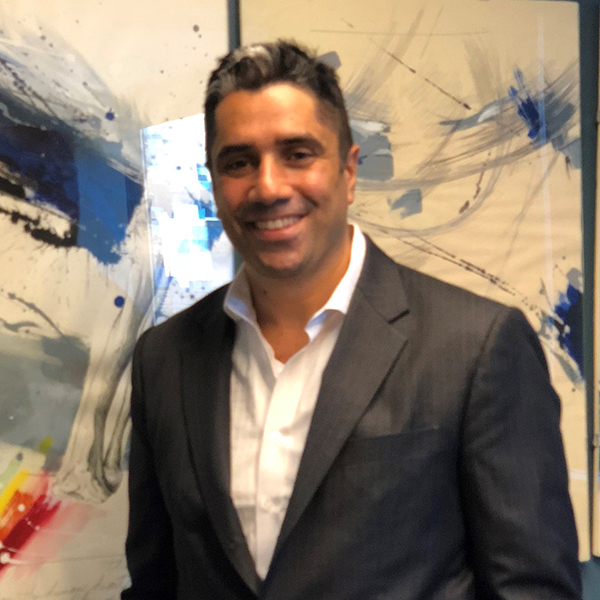
Mohammad "Mo" Hamoudi serves as Adjunct Professor at Seattle University School of Law while maintaining an active litigation practice at Stritmatter Kessler Koehler Moore. His academic work focuses on civil rights, police accountability, and human rights violations. Legal Practice Specializes in complex tort cases involving police misconduct, wrongful imprisonment, and discrimination claims. Notable cases involve Fourth Amendment violations, evidentiary misconduct, and systemic discrimination in law enforcement practices. Teaching Develops trial advocacy curriculum integrating practical litigation experience with theoretical frameworks. Presents continuing legal education on digital evidence ethics, due process protections, and forensic methodologies.
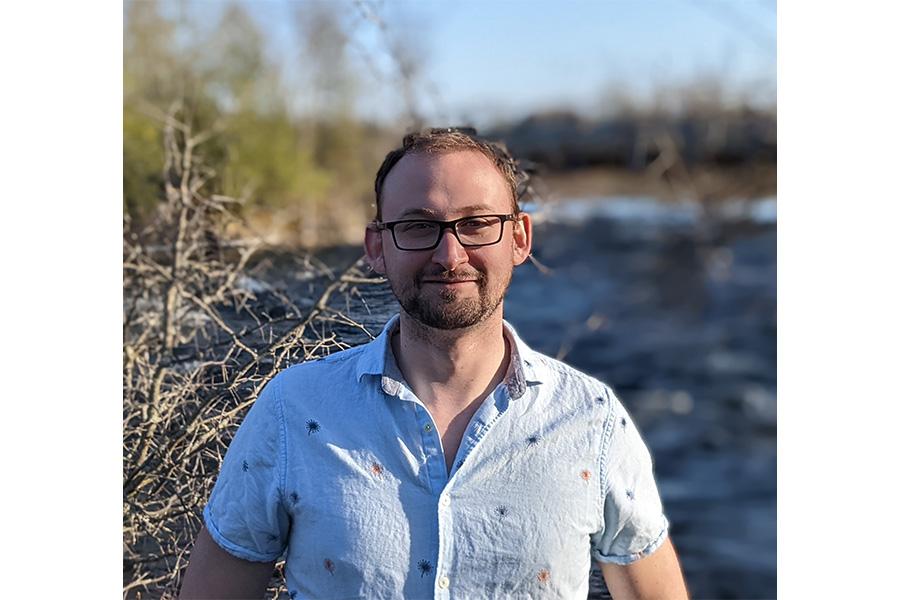
Paul Swegle is an Adjunct Professor with extensive experience as general counsel for companies across fintech, financial services, healthcare, and natural resources. He advises on corporate governance, fundraising, intellectual property, and dispute resolution. Currently Of Counsel at Kinsel Law Offices in Seattle, he specializes in business law, mergers, and litigation. Formerly with the U.S. Securities and Exchange Commission and as a Special Assistant U.S. Attorney, Swegle combines regulatory expertise with private practice. Swegle holds a JD from the University of Washington School of Law (1988) and a BA in Political Science, magna cum laude, from the University of Washington (1985). He actively contributes to legal education through publications and speaking engagements. His research interests focus on startup legal frameworks, corporate governance best practices, and securities law compliance. He has authored two best-selling books and multiple articles addressing entrepreneur legal challenges, in-house counsel responsibilities, and ethical corporate conduct. Swegle serves on the Washington State Bar Association (WSBA) Board of Governors, chairs the Corporate Counsel Section, and leads the Securities Law Committee. His work emphasizes practical legal solutions for emerging businesses and regulatory compliance.
Ruthann Robson is a University Distinguished Professor and Professor of Law at The City University of New York School of Law, where she has taught since 1990. Her research focuses on constitutional law, sexuality and law, and feminist legal theory. She is the author of numerous books, including *Dressing Constitutionally: Hierarchy, Sexuality, and Democracy* (2013) and *Lesbian (Out)Law* (1992), and co-editor of the *Constitutional Law Professors Blog*. Professor Robson is recognized for her innovative pedagogy and was featured among the 26 best law teachers in *What the Best Law Teachers Do* (Harvard UP, 2013). Her scholarly work bridges legal analysis with interdisciplinary perspectives, addressing topics such as same-sex marriage, judicial review, and the intersection of gender and legal norms. Robson’s creative works include novels, poetry, and essays that explore lesbian identity and feminist narratives. She has held leadership roles in academic organizations and contributed to public discourse on issues like sexual misconduct and pandemic governance. Award: Featured in *What the Best Law Teachers Do* (2013) Key Publications: Over 30 articles and 8 authored/edited books Professional Affiliations: CUNY School of Law, Constitutional Law Professors Blog Her recent scholarship critiques governmental responses to crises and examines the role of law in shaping sexual citizenship. Robson’s interdisciplinary approach integrates legal theory with creative writing, reflecting her commitment to accessible and transformative scholarship.
Heiko Neumann is a Professor at the University of Ulm heading the Vision and Perception Science Group, where his research investigates visual information processing mechanisms in biological and technical systems with emphasis on adaptation to dynamic environments. His work bridges neuroscience and computational approaches to advance understanding of biological vision while developing novel computational vision systems for real-world applications. Neumann's primary research spans computer vision, biological vision, machine learning, and neuromorphic engineering. He focuses on how visual systems process information and learn from changing environments, with applications in perceptual human-computer interfaces, biometric systems, automotive technologies, medical image analysis, and visually-guided robotics. His neural modeling provides insights into brain functions for visual sensory processing and behaviorally relevant tasks, driving innovations in computational vision mechanisms. Analysis of his 2023-2025 publications reveals a strong trend toward thalamo-cortical models for visual binding, deep learning for shape/motion understanding, and multimodal integration (visual-auditory). His research increasingly applies neural modeling to robotics and human-computer interaction, with growing emphasis on neuromorphic computing architectures and event-based vision systems. The work spans theoretical neuroscience and practical applications in medical imaging and autonomous systems, showing consistent integration of biological principles into artificial vision solutions. Neumann's research receives significant funding from the European Union, Bundesministerium für Bildung und Forschung (BMBF), and Deutsche Forschungsgemeinschaft (DFG). While specific advisees aren't listed in available materials, he leads an active research group with current and previous members as indicated on his institutional webpage (currently inaccessible due to 404/401 errors). He directs the Vision and Perception Science Group at the University of Ulm, conducting interdisciplinary research at the neuroscience-computer vision intersection. The group develops neural models to understand biological vision mechanisms and applies these insights to create advanced computational vision systems for applications including medical image analysis, automotive technologies, and robotics, with recent work emphasizing neuromorphic architectures and real-time visual processing.
Natalie M. Chin is Associate Professor of Law at CUNY School of Law and Director of the Disability Rights and Social Justice (DRSJ) Clinic. She represents low-income New Yorkers in prisoners' rights, guardianship due process, and disability-based discrimination cases. Previously, she founded Brooklyn Law School's Disability and Civil Rights Clinic, the first law clinic focused on adults with intellectual/developmental disabilities. Research examines: Legal frameworks for sexual autonomy of disabled individuals Intersection of disability rights and LGBTQ+ protections Alternatives to guardianship systems Discrimination in healthcare access Holds a BS in Journalism from Boston University and JD from George Washington School of Law. Serves on the Disability Rights Bar Association board and Supported Decision Making New York State project. Former co-chair of FIERCE, an LGBTQ youth of color organization.
Ramzi Kassem is a Professor of Law at the CUNY School of Law, where he co-directs the CLEAR clinic. His work focuses on national security, civil rights, and immigration law. He has argued cases before the U.S. Supreme Court and federal courts, representing detainees at Guantanamo Bay and advocating for marginalized communities affected by security policies. From 2022–2024, he served as a Senior Policy Advisor at the White House, addressing immigration and national security issues. Kassem is an elected member of the American Law Institute and a Freedom Scholar. He holds degrees from Columbia College, Columbia Law School, and the Sorbonne. Education: Columbia College Columbia Law School (J.D.) Sorbonne (Law Degree) Research Interests: His work critiques U.S. security state excesses, including surveillance, watchlisting, and Guantanamo detention policies. He emphasizes clinical legal education and community advocacy. Recent articles address watchlisting, drone warfare accountability, and immigrant rights. Notable Cases: Led landmark cases like Tanzin v. Tanvir (Supreme Court victory on watchlisting) and Raza v. NYC (restricting surveillance of religious/political activity). Represented Guantanamo detainees, achieving twelve releases. Authored studies on legal education in Tunisia and lectured globally. Awards: Honored as a Paul & Daisy Soros New American Fellow and Quincy Institute Non-Resident Fellow. Recognized for contributions to social justice and legal accountability. Labs & Initiatives: Founded CLEAR and directed the Immigrant & Non-Citizen Rights Clinic. Collaborates with international organizations like FIDH on human rights assessments.
James Biagi is Teaching Professor at Stevens Institute of Technology's School of Business with JD and CPA credentials. His practice-based research examines federal tax compliance, cryptocurrency regulation, philanthropic ethics, and AI's impact on accounting. With experience as a tax attorney, IRS trial lawyer, and EY auditor, he brings practical insights to taxation education. Recent scholarship analyzes ethical dimensions of donor-advised funds, pandemic-related tax provisions, and implications of remote work on state taxation. Publications in Journal of Philanthropy and Marketing and Inc. Magazine address contemporary tax policy developments and compliance strategies for businesses and individuals. Biagi directs the Financial Planning program and contributes to curriculum development for the Master of Science in Accounting and Analytics. He maintains professional engagements through NYSCPA committees and expert witness services in tax litigation.
George Chondrakis is an Associate Professor in the Department of Strategy and General Management at Esade Business School, Ramon Llull University. His research focuses on strategic management, technology acquisition, and organizational dynamics. He is affiliated with the Grup de recerca en iniciativa emprenedora (Entrepreneurial Initiative Research Group) and holds an ORCID identifier: 0000-0002-8666-4654 . Research Interests: Patent Prosecution and Legal Frameworks Make-or-Buy Decisions and Outsourcing Strategies Innovation Process and Technology Acquisition Organizational Design and Dynamic Capabilities Key Projects (2019–2027): FPI-2022: Predoctoral Fellowship (2024–2027) INNORES: Resource Acquisition Strategies of Innovative Ventures (2022–2025) GRIE: Research Group in Entrepreneurial Initiative (2022–2025) Employee Mobility and Sourcing Strategy (2020) Creative Growth of Innovative Firms (2019–2021) His research explores how firms navigate technology acquisition, patent law, and strategic sourcing while addressing coordination challenges and supplier dynamics. Recent work emphasizes the impact of legal frameworks on venture financing and innovation ecosystems.
Dragana Spencer is a Senior Lecturer in Law at the University of Greenwich within the School of Law and Criminology and Department of Law, where she has been a faculty member since 2006 following completion of her PhD at the University of Westminster. Her academic qualifications include: LL.M in International Law from the University of Westminster PhD in International Criminal Law from the University of Westminster (2006) Dr. Spencer's research centers on international criminal law with specialized expertise in war crimes trial procedures, defense rights, and sentencing practices. Her work uniquely bridges linguistic justice in multilingual courtrooms and psychiatric evidence evaluation, addressing critical gaps in fair trial standards within international tribunals. She examines how language barriers and cultural differences impact evidentiary reliability and defendant rights. Her publication record (2007-2024) reveals consistent focus on procedural justice mechanisms, particularly language rights in atrocity prosecutions (2024), enforced disappearances as crimes against humanity (2021), and ICC complementarity frameworks (2007). Recurring themes include defense protections, evidentiary standards, and the intersection of mental health assessments with international criminal responsibility. Her scholarly recognition includes: Peter Harris Trust Research Grant (2017) for language rights research in war crimes trials Fellowship of the Higher Education Academy Dr. Spencer provides expert consultation to governmental and non-governmental organizations on procedural human rights implementation and law reform, leveraging fluency in Italian and Serbian. Her research has been published in leading journals including the International Criminal Law Review and European Journal of Crime, Criminal Law and Criminal Justice, supported by targeted grants addressing linguistic justice in international courts. No dedicated research laboratories or formal team structures are documented in her academic profile.
Cale Gushulak is an Assistant Professor in the Department of Biological Sciences at the University of Manitoba. His research focuses on freshwater ecosystems, particularly paleolimnology, eutrophication processes, and climate change impacts. He leads the Gushulak Aquatic Sciences Lab, conducting interdisciplinary studies on algal blooms, cyanobacteria dynamics, and biogeochemical cycles in lacustrine systems. His work integrates sediment core analysis with modern ecological observations to understand human and climatic influences on aquatic environments. Research interests include the Anthropocene boundary stratotype using Crawford Lake sediments, historical changes in lake ecosystems due to land-use and climate shifts, and mental health challenges faced by early-career researchers in aquatic sciences. He actively participates in professional development initiatives, including organizing conference sessions and webinars to support underrepresented groups in science. His laboratory is located in the Duff Roblin Building (W463), and he maintains an active presence on Google Scholar and ResearchGate. Key contributions include defining the Anthropocene's geological markers through varved lake sediments and analyzing the ecological consequences of agricultural intensification on prairie lakes.
Peter Smith is a Professor in the Cell, Developmental and Integrative Biology (CDIB) department at the University of Alabama at Birmingham (UAB), with joint appointments in the School of Medicine's Department of Medical Education. He also serves as Director of Restorative Sciences in the School of Dentistry and is affiliated with the Center for Clinical and Translational Science and the Global Center for Craniofacial, Oral and Dental Disorders. Dr. Smith earned his Doctor of Philosophy in Zoology/Animal Biology from Clemson University in 1989. His academic journey at UAB began in 1998 when he joined as an Associate Professor in Physiology & Biophysics, later transitioning to his current position in CDIB in 2012. Dr. Smith's research primarily focuses on the interaction of the membrane cytoskeleton with epithelial ion channels and transport proteins . His work has significantly contributed to understanding epithelial sodium channels (ENaC), their regulation, and their role in various physiological processes including fluid transport in the lungs, kidneys, and other epithelial tissues. He has published extensively on the molecular mechanisms of ion channel function, particularly examining how the cytoskeleton regulates channel activity and how different subunits contribute to channel properties. His research bridges basic molecular mechanisms with clinical implications, particularly in respiratory and renal physiology. Analysis of Dr. Smith's publication record reveals a consistent research trajectory centered on epithelial sodium channel structure and function, with particular attention to ENaC subunit composition, regulation by second messengers, and interactions with other proteins including the cytoskeleton. His work spans multiple physiological systems, from lung mesothelium to renal epithelia, demonstrating the fundamental importance of ion channel regulation across diverse tissues. Dr. Smith has secured substantial research funding through numerous competitive grants including: UAB Cancer Research Experiences for Students (National Cancer Institute/NIH) UAB Center for Clinical and Translational Science (National Center for Advancing Translational Sciences/NIH) Development of Verbal Autopsy to Determine Mortality Due to Chagas Disease in Indigenous Communities in Brasil (New York Academy of Medicine) Short-Term Training for Medical Students in Cardiovascular Research (American Heart Association) As an educator, Dr. Smith has taught numerous courses across UAB's medical and dental programs, focusing on systems physiology including renal, gastrointestinal, musculoskeletal, and cardiovascular systems. His teaching portfolio spans multiple instructional formats from traditional lectures to team-based learning sessions. He has served on multiple committees including CODA Accreditation, School of Medicine Admissions Committee, and various curriculum committees, demonstrating his commitment to academic leadership and medical education.
Monika Simmler is an Assistant Professor of Criminal Law, Criminal Procedure, and Criminology at the University of St. Gallen (HSG), holding a tenure-track position. She is affiliated with the Law School and based at Bodanstrasse 3, 9000 St. Gallen. Her work integrates criminal law theory with modern societal challenges, particularly focusing on digitalization’s impact on legal systems. Education: She earned a Dr. iur. (Doctor of Law) from the University of Zurich in 2017. Her research emphasizes human-machine interaction in legal contexts, algorithmic justice, and data protection law. Main Research Interests: Legal implications of AI and automated systems Algorithmic accountability in criminal justice Digitalization of law enforcement practices Criminological analysis of police risk management Modernization of Swiss criminal procedure laws Her recent articles (2020–2025) critically examine facial recognition technology regulation, liability frameworks for autonomous systems, and the ethical deployment of predictive policing algorithms. She contributes to legal journals like LTZ (Legal Tech Journal) and sui generis . Prof. Simmler leads projects on criminal responsibility gaps in human-machine collaboration and the normative requirements for 'Smart Criminal Justice' systems. She advises cantonal authorities on balancing technological innovation with legal safeguards.
Eveline Wouters is a Professor of Technological Innovations in Healthcare at Tilburg University's Tranzo Academic Collaborative Center for Digital Health & Mental Wellbeing, part of the TS Social and Behavioral Sciences school. She holds an endowed chair (PNI) and is affiliated with the Technology Innovation Network. Her research focuses on technology acceptance in healthcare contexts, organizational process changes due to disruptive technologies, and multi-stakeholder perspectives in healthcare innovation. She concurrently serves as Lector at Fontys University of Applied Sciences and holds multiple supervisory roles including at Stichting Brabant Advies (2024–2028), Prins Heerlijk (2023–2027), and ASVZ (2023–2027). Her work spans topics like e-health adoption in dementia care, stroke rehabilitation, and digital divides in healthcare access. Her research methodology emphasizes Normalisation Process Theory and user-centered design principles. Key themes in her recent publications include inter-organizational collaboration in eHealth implementation, stakeholder values in dementia surveillance technology, and the impact of advance care planning documentation on end-of-life care outcomes. Eveline has supervised 11 academic works and contributed to datasets on foot muscle morphology and plantar muscle activation. She actively participates in conferences, delivering invited lectures on healthcare technology uniqueness and AI's impact on healthcare workflows.
Jenny Wang is Senior Lecturer in Finance at the University of Southern Queensland's School of Business, with multidisciplinary expertise in engineering, accounting, and finance. She holds a Ph.D. from the National University of Singapore and Queensland University, complemented by industry experience in banking and real estate. Research focuses on climate/sustainable finance, ESG integration, and innovative risk-transfer mechanisms like weather index insurance. Current projects examine sustainable finance taxonomies and climate disclosure frameworks. She secured the ARC Early Career Industry Fellowship ($431,000) in 2023 and contributed to Australia's sustainable finance taxonomy development as Technical Advisory Group member at the Australian Sustainable Finance Institute. Industry collaborations include work with Rio Tinto, SunWater, and government agencies. She holds the CFA Institute's Certificate in ESG Investing and memberships in CPA Australia and AFAANZ.
Dr. Torben Antretter is a Senior Lecturer in Entrepreneurship at the University of St. Gallen (HSG), affiliated with ITEM-HSG and GCEI-HSG. His research focuses on entrepreneurial finance, business angels, venture capital, and machine learning applications in investment decision-making. He explores topics such as social proof in angel groups, portfolio diversification strategies, and the role of digital legitimacy in startup viability. Key research themes include analyzing the impact of stereotypes on investment decisions, comparing human angel performance with algorithmic models, and investigating cross-border investment returns through syndicates. Antretter's work bridges behavioral economics with quantitative methods, often leveraging machine learning to predict venture survival and optimize investment strategies. He has published extensively on venture capital dynamics, including studies on angel network effectiveness, social venture funding gaps, and the interplay between skill and luck in entrepreneurial success. His recent work emphasizes algorithmic fairness in investing and the use of social media data for legitimacy assessment.