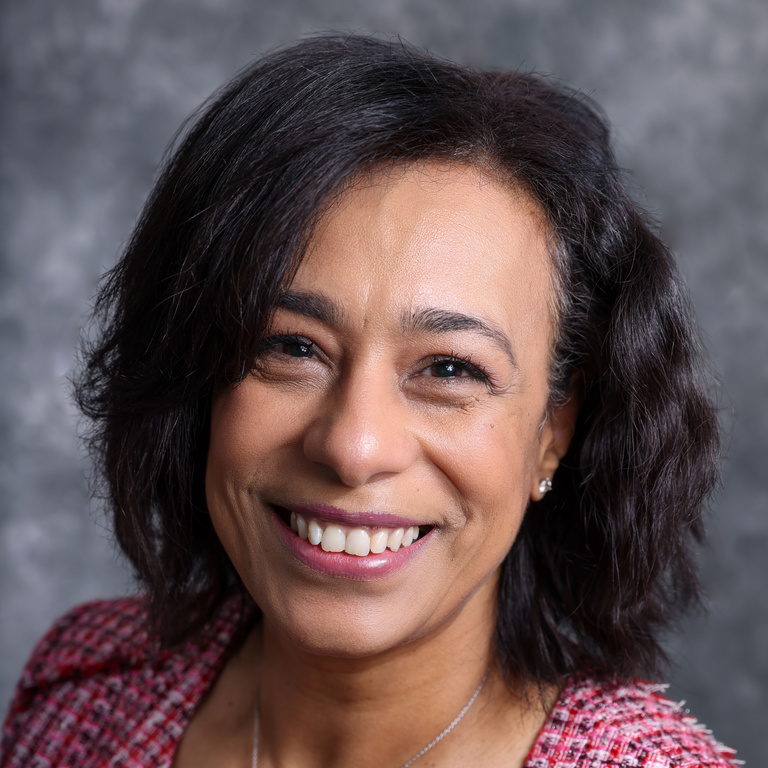
Dr. Maryam Ghahramani is a Senior Lecturer in AI & Robotics at the Faculty of Science & Technology, University of Canberra, Australia. She holds a BSc in Electrical Engineering from Shiraz University, Iran, and a PhD in Biometric Gait Analysis from the University of Wollongong, Australia. Biomedical Engineering Researcher Machine Learning Specialist Human Motion Analysis Expert Her research focuses on applying machine learning to human motion analysis for rehabilitation purposes, particularly in three key areas: Parkinson's Disease: Using fNIRS and machine learning for disease detection and motor function assessment Fall Prevention: Analyzing postural sway and risk of falls in older adults Spatial Disorientation: Studying balance in hypoxic aviation environments Recent publications demonstrate her work at the intersection of biomedical engineering, machine learning, and clinical rehabilitation. Current projects include: Young Onset Dementia Detection with 12-week Home-Based Exercise Programs Mild Hypoxia Analysis for Aviation Safety Balancing Mat Performance Evaluation
Mathias Benedek is an Associate Professor at the Institute of Psychology, Faculty of Natural Sciences, University of Graz, Austria. He directs the Creative Cognition Lab and is actively involved in several research networks, including the "Complexity of Life" profile area, the "Brain and Behavior" research network, and the "FUTURE EDUCATION" research network at the University of Graz. His research focuses on the cognitive and neural mechanisms underlying creative thinking, with particular emphasis on the role of memory processes, metacognition, and eye movement patterns during creative ideation. Dr. Benedek's work bridges psychological theory with empirical research methods including eye tracking, neuroimaging, and computational modeling of creative processes. His research has important implications for understanding how creative potential develops and how it can be assessed and nurtured in educational and professional contexts. Dr. Benedek's publication record demonstrates a consistent focus on creative cognition across multiple dimensions. His recent work has expanded into emerging areas such as human-AI collaboration for creative tasks, automated assessment of creativity using large language models, and the relationship between physical activity and creative performance. His research shows a strong trajectory toward more ecologically valid methods for studying creativity in real-world contexts, moving beyond traditional laboratory paradigms. Seraphine Puchleitner Anerkennungspreis (PhD Supervision Award), University of Graz, 2021 William-Stern-Preis, German Psychological Society, 2019 Research Prize, University of Graz, 2017 Research Prize (Publication Category), Initiative Gehirnforschung, 2016 Berlyne Award, Division 10, American Psychological Association, 2015 Dr. Benedek has demonstrated strong commitment to mentoring the next generation of researchers, as evidenced by his 2021 PhD Supervision Award. His research has been supported by multiple grants from national and international funding bodies, though specific grant details are not provided in the available information. His professional service includes leadership roles in the Initiative Gehirnforschung Steiermark since 2010 and active membership in several psychological societies across Europe and North America. Dr. Benedek leads the Creative Cognition Lab at the University of Graz, which employs a multidisciplinary approach to studying creative processes. The lab integrates methods from cognitive psychology, neuroscience, and computational modeling to investigate the mechanisms underlying creative thought. Current research projects examine the relationship between eye movements and internal cognitive processes, the development of automated assessment tools for creativity, and the application of creativity research to educational contexts.
Dr. Adam B. Rosen is an Associate Professor in the School of Health and Kinesiology at the University of Nebraska Omaha (UNO) and Director of the Athletic Training Program. He holds a PhD in Kinesiology (Biomechanics and Athletic Training) from the University of Georgia and advanced degrees from the University of Delaware. His research focuses on lower extremity biomechanics, chronic ankle instability, patellar tendinopathy, and systematic reviews/meta-analyses. He co-directs the Omaha Sports Medicine Laboratory and Biomechanics Pitching Lab. Dr. Rosen has received notable awards, including UNO’s Distinguished Associate Professor (2021) and MAATA Educator of the Year (2020). He leads the Athletic Training graduate program and serves on national committees like the NATA Professional Education Committee. Education: BS in Athletic Training, University of Delaware (2006) MS in Exercise Science (Motor Control), University of Delaware (2008) PhD in Kinesiology (Biomechanics & Athletic Training), University of Georgia (2014) Research Interests: Dr. Rosen investigates biomechanical factors in sports injuries, evidence-based practices for musculoskeletal conditions, and clinical assessment tools. His work emphasizes translating research into practice for improved patient outcomes. Recent studies address dual-task effects on gait, shoulder biomechanics in pitchers, and sleep behavior’s role in ankle instability. Labs/Teams: Co-director of the Omaha Sports Medicine Laboratory and Biomechanics Pitching Lab , focusing on injury prevention and performance optimization in athletes. Grants/Service: Dr. Rosen chairs UNO’s Athletic Training graduate program and actively contributes to professional organizations. His service includes committee roles at local, state, and national levels, emphasizing education and clinical standards.
Dr. Le-Nam Tran is a researcher at the UCD School of Electrical & Electronic Engineering , University College Dublin. His work focuses on optimizing the last hop of 5G/6G wireless networks through mathematical programming, with emphasis on energy efficiency, interference management, and security against eavesdropping. Develops low-cost, low-complexity transmission techniques Projects supported by Science Foundation Ireland Career Development Award Author of over 80 peer-reviewed publications Research Keywords: Wireless Communications Network Security Signal Processing Energy-Efficient Systems Beamforming Optimization Interference Mitigation
Amany Farag is a tenured Associate Professor at the University of Iowa College of Nursing and Co-Director of the VA Quality Scholars Program (Iowa City site). Her work bridges nursing science, human factors engineering, and data science to address critical patient safety challenges, with a specific focus on medication administration practices across healthcare settings. Education: Postdoctoral Scholar, Case Western Reserve University, Frances Payne Bolton School of Nursing PhD, Case Western Reserve University, Frances Payne Bolton School of Nursing MSN, University of Alexandria, Alexandria Egypt BSN, University of Alexandria, Alexandria Egypt Dr. Farag's research centers on reactive and proactive approaches to patient safety , with dual emphasis on medication error reporting systems and nurse fatigue prevention. Her work integrates human factors engineering and machine learning to develop novel interventions. Key themes include understanding how social and system factors influence nurses' error reporting behaviors, examining fatigue as a precursor to errors, and developing self-management strategies for nurse wellness. Recent projects explore intershift recovery, sleep hygiene using consumer technology, and the impact of shift work on cognitive performance. Publication trends reveal a strong focus on interdisciplinary safety science , with consistent output in nursing, human factors, and healthcare quality journals. Her work increasingly incorporates AI methodologies while maintaining clinical relevance to frontline nursing practice. Scientific Recognition: Mary Hanna Memorial Journalism Award (Journal of Peri-Anesthesia Nursing, 2016) Author of the Year (Journal of Emergency Medicine, 2018) Junior Investigator Award (Midwest Nursing Research Society, 2018) Rogers Endowed Lectureship Award (Mississippi Medical Center, 2018) Dr. Farag secures significant funding from national agencies including the National Council of State Boards of Nursing (NCSBN), NIOSH-funded Healthier Workforce Center of the Midwest, CDC-funded Injury Prevention Research Center, and University of Iowa Institute for Clinical and Translational Science. Her collaborative approach spans nursing, data science, ergonomics, and public health teams. As Co-Director of the VA Quality Scholars Program, she mentors future healthcare quality leaders while advancing her research on medication safety systems and nurse fatigue mitigation strategies through interdisciplinary partnerships.
Dr. Jenna Yentes is an Associate Professor in the Department of Kinesiology and Sport Management at Texas A&M University, affiliated with the College of Education and Human Development. Her research focuses on functional resiliency in aging populations, biomechanics of chronic obstructive pulmonary disease (COPD), and nonlinear analysis of human movement. She leads studies on gait stability, respiratory-gait coupling, and exoskeleton-assisted walking. Notable contributions include quantifying locomotor reserve and exploring firefighter performance in protective gear. Education: Ph.D. in Biomechanics (University of Nebraska, 2013), M.S. in Kinesiology (California State University Fullerton, 2006), B.A. in Kinesiology (University of Northern Colorado, 2000). Research Interests: Reserve capacity in older adults' mobility and cognition Biomechanical adaptations in COPD patients Methodological rigor in nonlinear data analysis (e.g., entropy metrics) Firefighter physical performance under protective gear Recent Articles Trends: Focus on entropy-based gait analysis, COPD biomechanics, dual-task interference in aging, and exoskeleton effects on interlimb coordination. Methodological rigor in parameter selection for nonlinear algorithms is a recurring theme. Awards: 2023 Faculty Climate Award (Texas A&M), 2019 Promising Scientist Award (International Society of Posture and Gait Research), and 2019 Chancellor's Commission on the Status of Women Award (University of Nebraska). Advising & Grants: Mentors graduate students (noted in publications) and collaborates with TEEX Fire Academy and multiple Texas A&M research centers including the Huffines Institute for Sports Medicine and the Center for Population Health and Aging. Research supported by institutional and federal grants. Labs/Teams: Active in Texas A&M's Human Movement and Aging Lab, collaborating with interdisciplinary teams in sports medicine, rehabilitation engineering, and pulmonary research.
Dr. Eirini Sanoudaki is a Professor in Linguistics (Bilingualism) at Bangor University's School of Arts, Culture and Language. She specializes in language development in monolingual and bilingual children, particularly those with developmental conditions such as Down syndrome, Rett syndrome, and neurodiverse populations. Her research focuses on bilingualism's impact on cognitive and linguistic skills in atypical development. She leads the Child Bilingualism Lab and has secured UKRI funding for projects like 'Language Development in Welsh-English bilingual children with Down syndrome and autism.' She is a Senior Fellow of the Higher Education Academy and Director of Postgraduate Research and Welsh Language Matters in her school. Education: BA in Philology (National and Kapodistrian University of Athens), PhD in Linguistics (University College London), MA in Linguistics (University of Reading). Research Interests: Bilingualism, neurodiversity, child language acquisition, developmental disorders, and the intersection of language and cognitive skills. She collaborates with organizations like the Down's Syndrome Association and explores innovative methods like creative techniques in language learning. Her work has been recognized with the 2021 National Work Welsh Award for promoting Welsh in the workplace. Grants & Projects: Includes ESRC Wales DTP grants, Impact Acceleration Awards, and Welsh Crucible grants. She supervises numerous PhD students studying bilingualism in neurodiverse populations. Recent publications address bilingualism in Rett syndrome, executive function in bilingual children, and Welsh-English language profiles in Down syndrome. Labs/Teams: Heads the Bangor University Child Bilingualism Lab, which investigates bilingualism's role in neurodiverse contexts. Engages in outreach through public lectures and workshops for families and educators.
Anthony Hornof is a Professor in the Department of Computer Science at the University of Oregon, part of the College of Arts and Sciences. He has been a faculty member since 1999 and was granted tenure in 2005. His research is centered on human-computer interaction, with strong emphases on cognitive modeling, eye tracking, and assistive technology. He leads an active research laboratory and has secured substantial funding from the National Science Foundation and the Office of Naval Research. University: University of Oregon School: College of Arts and Sciences Department: Department of Computer Science Position: Professor Email: hornof@uoregon.edu, hornof@cs.uoregon.edu Office: 356 Deschutes Hall Phone: (541) 346-1372 Education: B.A. in Computer Science, Columbia University, 1988 M.S. in Computer Science and Engineering, University of Michigan, 1996 Ph.D. in Computer Science and Engineering, University of Michigan, 1999 Research Interests: Dr. Hornof's research lies at the intersection of human cognition and computing. He is particularly interested in understanding and modeling the perceptual, cognitive, and motor processes involved in human-computer interaction. His work uses eye tracking both as an evaluation tool for cognitive models and as a real-time input method for creative expression and accessibility. A major focus is assistive technology, especially developing tools like EyeDraw that enable children with severe motor impairments to create art using only eye movements. He also explores eye-controlled musical compositions, bridging technology and artistic expression. His research is grounded in participatory design, involving end-users directly in the development process. Publication Trends: His recent publications demonstrate a consistent focus on modeling human behavior in complex interactive tasks. Key themes include visual search strategies, dual-task performance, cognitive modeling using eye-tracking data, and accessibility. His work spans top venues in HCI (CHI, TOCHI), cognitive science (CogSci, ICCM), and specialized conferences like ETRA and NIME. There is a strong methodological thread involving data calibration, model validation, and the development of predictive tools for interface design. Scientific Awards: Best Paper Award (Top 1%) at CHI 2014 (two papers) Honorable Mention Paper (Top 5%) at CHI 2010 Siegel-Wolf Award for Best Applied Paper at ICCM 2010 Advising and Grants: Dr. Hornof actively seeks to mentor exceptional undergraduate students, graduate students, and postdoctoral researchers in his lab. He emphasizes rigorous and creative scientific research. He has been awarded over $2.9 million in single-investigator research grants from prestigious agencies including the National Science Foundation (NSF) and the Office of Naval Research (ONR). Notably, he served as an NSF Program Director from 2012 to 2014, contributing to funding decisions for approximately $65 million in research. Labs and Teams: He leads the Human-Computer Interaction Laboratory at the University of Oregon, where interdisciplinary research is conducted on cognitive modeling, eye tracking, and assistive technologies. His team has developed software such as VizFix for visualizing eye-tracking data and has ported the Eyegaze system to Macintosh. The lab fosters collaborations with new media artists and musicians, and engages in participatory design with children who have disabilities.
Prof. Dr. Christina Raasch is Professor of Digital Economy at Kühne Logistics University (KLU) and holds a joint appointment with the Kiel Institute for the World Economy (IfW) . Since 2017 she has led research and teaching on how digitalization reshapes innovation processes, enterprise crowdfunding, and customer-driven disruptive innovation. Education Habilitation (Dr. habil.) in Business Administration, Hamburg University of Technology (TUHH), 2012 PhD in Management, University of Erlangen-Nuremberg, 2006 MSc (lic. oec.) in Economics & Management, University of St. Gallen (HSG), 2002 Visiting Researcher, MIT Sloan School of Management, 2010-2012 Research Interests Prof. Raasch’s work centers on digital transformation of innovation . She investigates how firms leverage digital technologies—ranging from AI to crowdfunding platforms—to enhance idea generation, evaluation, and implementation. Core themes include: Open & User Innovation: understanding when and how users become valuable innovators inside and outside firms. Disruptive Innovation Dynamics: analyzing whether disruptive ideas stem from users or producers under varying environmental conditions. Enterprise Crowdfunding: designing decentralized decision-making systems that mitigate hierarchy-induced biases. Publication Trends Her 70+ publications reveal a systematic exploration of demand-side innovation . Early work modeled welfare impacts of user innovation; recent studies use large-scale field data from Siemens and other multinationals to uncover cognitive and social biases in idea evaluation. A consistent thread is bridging micro-level behavioral insights with macro-level policy and strategy implications. Scientific Awards & Honors Fellow of the Open and User Innovation (OUI) Society Host of the 2023 OUI Conference at KLU Research Funding & Industry Collaboration Current grants exceed €2 million and include: FabCity-Citizen Extension (2025-2026) – decentralized urban innovation funded by the German Federal Ministry of Education and Research. EvaluationShirking (2024-2026) – idea evaluation biases in collaboration with a global industrial manufacturer. Idea Evaluation in Democratized Innovation (2019-2023) – DFG-funded project on enterprise crowdfunding design. Labs, Teams & Knowledge Transfer Prof. Raasch leads the Open & User Innovation Research Group at KLU, supervising doctoral researchers and managing industry partnerships with firms in automotive, high-tech, and logistics sectors. She regularly contributes to policy panels and media outlets such as Harvard Business Manager and Springer Professional .
Marisa Exter serves as Associate Professor of Learning Design and Technology within Purdue University's Department of Curriculum and Instruction since 2020, following promotion from Assistant Professor (2013-2020). With 15+ years of software design and development experience, she holds dual expertise in Computer Science (BS/MS) and Instructional Systems Technology (PhD). Her educational foundation includes: PhD in Instructional Systems Technology, Indiana University (2011) MS in Computer Science, Illinois Institute of Technology (2003) BS in Computer Science, Elmhurst College (1999) Dr. Exter's research pioneers transdisciplinary educational innovation , focusing on how design processes transform technology-creation fields like Instructional Design, Computing, and Engineering. She investigates formal and non-formal learning experiences to enhance undergraduate education through interdisciplinary programs, while simultaneously examining online graduate program structures that support adult learners' connection to faculty and peers. Her work integrates heutagogical principles for lifelong learning and rigorously documents design successes/failures through scholarly design cases. Analysis of her 15 most recent publications reveals accelerating focus on dispositional development in computing professions , competency-based curriculum models, and transdisciplinary experience design. Her methodological evolution includes increased use of Q methodology and collaborative autoethnography to capture diverse perspectives in educational innovation. As Purdue PI for a $3M multi-institutional computing competencies grant and co-coordinator of AECT's Summer Research Symposium, she drives national curriculum reform. Her mentorship approach cultivates the Exploring Disruptive Education research family group, which investigates interdisciplinary design processes across technology-rich learning environments. Professional service spans Computing Curriculum 2020 Task Force leadership and ACM/AERA membership. The Exploring Disruptive Education research collective she co-leads operates as an interdisciplinary incubator for educational innovation. This team examines how design thinking transforms learning experiences through technology integration, with particular emphasis on creating connections between formal education and industry practices in computing and engineering fields.
Professor Banu Bayar is a distinguished faculty member at Muğla Sıtkı Koçman University's Faculty of Health Sciences, Department of Physiotherapy and Rehabilitation with specialization in Musculoskeletal Rehabilitation. With over two decades of academic and clinical experience, she has established herself as a leading researcher in physical therapy and rehabilitation sciences. Education: Bachelor's Degree: Hacettepe University - School of Physical Therapy and Rehabilitation (1990-1994) Master's Degree: Hacettepe University - Institute of Health Sciences - Physical Therapy and Rehabilitation (MSc) (1996-1998) Doctorate: Hacettepe University - Institute of Health Sciences - Physical Therapy and Rehabilitation (1998-2002) Professor Bayar's research spans multiple critical areas in rehabilitation science, with particular emphasis on stroke rehabilitation, musculoskeletal disorders, pain management, and geriatric rehabilitation. Her work integrates clinical practice with scientific research to develop evidence-based rehabilitation protocols. She has extensively studied proprioception, balance disorders, and functional recovery in neurological conditions, contributing significantly to the understanding of how physical interventions can improve patient outcomes. Her publication record demonstrates consistent scholarly output with a notable increase in high-impact research in recent years. The trend shows a strategic focus on developing assessment tools, validating measurement instruments, and investigating innovative rehabilitation techniques. Her work bridges clinical practice and scientific validation, with particular attention to culturally adapted assessment tools for the Turkish population. Recent publications reveal growing interest in technology-assisted rehabilitation, cognitive-motor interactions, and the psychological aspects of chronic conditions. Professor Bayar has served as an editor for multiple journals including the Journal of Karya Health Science (2020-2022) and has contributed to numerous book chapters on physiotherapy and rehabilitation. Her collaborative research approach is evident in her extensive co-authorship network, working with colleagues across various institutions to advance rehabilitation science. While specific grant information isn't detailed in the available records, her sustained publication output suggests successful research funding throughout her career.
Dr. Michael Otto is affiliated with the University of Ulm, Department of Computer Science, within the Faculty of Engineering. His research focuses on virtual technologies for production planning, immersive virtual assembly assessments, and markerless motion capture systems. He has contributed to projects like ARVIDA (Cost-efficient motion capture systems) and INTERACT (Human-centered workplaces). His work bridges computer science, manufacturing systems, and human factors. Key contributions include developing frameworks for motion capture, virtual reality benchmarking, and augmented reality applications in industrial contexts. Notable achievements include receiving the Best Industrial Paper award (2015) for his work on ubiquitous tracking using depth cameras. His research addresses challenges in assembly planning, ergonomic assessments, and spatial interaction in manufacturing environments. Education/Background: Former External PhD Candidate at University of Ulm. Research Interests: Dr. Otto’s work emphasizes practical applications of virtual and augmented reality in manufacturing. He explores how technologies like markerless motion capture and immersive environments can optimize assembly processes, enhance worker ergonomics, and improve production verification workflows. His projects often involve interdisciplinary collaboration with industry partners. Articles Overview: His publications (2014–2025) span topics such as augmented reality visualization, motion tracking algorithms, and VR-based simulation tools. These contributions highlight advancements in scalable systems, sensor fusion, and human-motion analysis within industrial contexts.
Professor Helena Cooper-Thomas is a faculty member at Auckland University of Technology (AUT), holding the position of Professor of Organizational Behavior in the AUT Business School. She also holds honorary positions at the University of Auckland and the University of Waikato, reflecting her broad academic influence in Aotearoa New Zealand. Her research and teaching focus on organizational behavior, with an emphasis on employee development and workplace relationships. Her research interests include: New employee adjustment and organizational socialization Proactive behavior and work engagement Workplace wellbeing and quality of working life Workplace friendships and person-organisation fit Quantitative and qualitative research methods Professor Cooper-Thomas's recent publications explore themes such as workplace gossip, psychological contracts, job crafting, and sustainability in organizations. Her work often investigates the social dynamics of onboarding, the role of leadership in psychological safety, and the impact of environmental practices on employee wellbeing. She employs both empirical and methodological approaches, contributing to both theoretical and practical understanding in organizational psychology. She has received scientific recognition including: Best Paper Award, Group & Organization Management (2024) Best Paper selected by the Careers Division of the Academy of Management (2023) Professor Cooper-Thomas is actively involved in mentoring and supervising graduate students at both Master’s and PhD levels, with recent projects covering topics such as broken psychological contracts, psychological safety for racial minorities, and menopause in the workplace. She contributes significantly to academic service as a Representative-at-Large for the Academy of Management’s Organizational Behavior Division (2022–2025) and as a member of the Royal Society Te Apārangi Marsden Panel for Economics and Human Behaviour (2022–2024). She also serves on editorial boards for the Journal of Business and Psychology and Journal of Managerial Psychology, and regularly reviews for top journals and grant agencies. Her outreach includes public engagement through articles in The Conversation and NZ Management magazine, translating research into practical leadership insights. She has collaborated with institutions across Europe, North America, and Asia, and has been a visiting scholar at the University of Toronto, Cass Business School, Tilburg University, and Exeter Business School. She co-organizes the annual Aotearoa New Zealand Organisational Psychology and Organisational Behaviour Conference, fostering scholarly exchange nationally.
Caroline Ketcham is a Professor of Exercise Science and the Associate Dean of Elon College, the College of Arts and Sciences at Elon University. Her research focuses on movement neuroscience, neurodiversity, concussions, and mental health, with expertise in neuromusculoskeletal control and rehabilitative strategies across diverse populations including children, elderly, neurological patients, and athletes. Education: PhD in Exercise Science/Motor Control, Arizona State University (2003) MS in Exercise Science/Motor Control, Arizona State University (1999) BA in Biology/Psychology, Colby College (1996) Her work spans motor control, concussion management, and mental wellness, with over 87 undergraduate mentees and 65+ publications. She co-edited Concussion in Athletics and Cultivating Capstones , and co-directs the Elon BrainCARE Research Institute, which advocates for concussion awareness and mental health. Recent research trends include concussion baseline testing as mental health screening, dual-task gait analysis, and global mentoring frameworks. Scientific awards highlight her contributions: Distinguished Scholar (2023), Ward Family Mentoring Award (2017), and multiple teaching distinctions. Scientific Awards: Distinguished Scholar Award (2023), Elon University Ward Family Excellence in Mentoring Award (2017), Elon University Elon College Service Award (2014), Elon University School of Education Excellence in Scholarship Award (2010), Elon University Teacher of the Year (2007), Texas A&M University She actively mentors students in concussion advocacy and neurodiverse movement research, with hundreds advised in health professions. Her labs focus on neuromuscular control and mental wellness initiatives.
Prof. Laura Na Liu is a Professor and Director at the 2nd Physics Institute, University of Stuttgart, with a dual affiliation at the Max Planck Institute for Solid State Research. Her research bridges nanophotonics, DNA nanotechnology, and plasmonics, focusing on dynamic systems for biomedical applications, optical metamaterials, and synthetic biology. Key contributions include DNA-templated plasmonic architectures, reconfigurable metasurfaces, and synthetic cell components using DNA nanotechnology. Academic training includes advanced work in physics and materials science, with a career spanning leading institutions. Research interests emphasize the interplay between nanoscale structures and optical/chemical functionalities. Recent publications highlight innovations in programmable nanomaterials, real-time molecular tracking, and high-performance holography systems. Her work integrates experimental and theoretical approaches, addressing challenges in biophotonics, nanoelectronics, and smart materials. Awards and recognitions are listed in institutional records, while her lab actively collaborates with industry on applied photonics solutions.