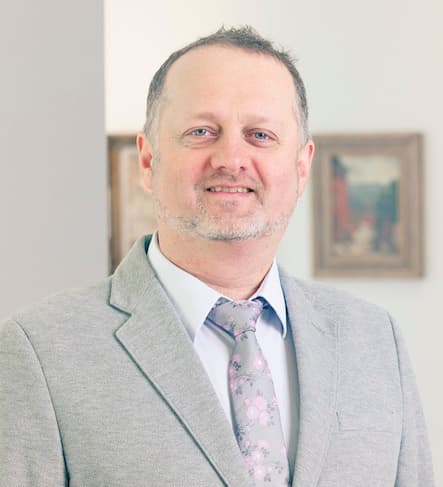
Professor Darren Ashcroft holds the Foundation Chair in Pharmacoepidemiology at the University of Manchester and serves as Director of the NIHR Greater Manchester Patient Safety Translational Research Centre. His work focuses on medication safety systems and pharmacoepidemiological methods. Research expertise includes: Medication error prevention strategies Drug safety surveillance methodologies Prescribing quality improvement Risk-benefit assessment of drug therapies Professor Ashcroft advises national bodies including the Medicines and Healthcare Products Regulatory Agency (MHRA) and National Institute for Health and Care Excellence (NICE). He leads the UK's premier research center for medication safety innovation.
Professor Ann Morgan is Professor of Rheumatology at the University of Leeds School of Medicine, Head of the Molecular & Personalised Medicine Group within the Leeds Institute of Cardiovascular and Metabolic Medicine, and an Honorary Consultant Rheumatologist at Leeds Teaching Hospitals NHS Trust. She leads major national and EU research consortia including MRC TARGET, UK GCA Consortium, MRC-MATURA and HELICAL ITN, focusing on vasculitis, rheumatoid arthritis and stratified medicine. Education & Qualifications: BSc Pathology (First Class Honours) – University of Leeds MBChB with Honours (distinctions in Biochemistry & Surgery; prizes in Medicine & Surgery) – University of Leeds PhD Fc-gamma receptor genetics in rheumatoid arthritis – University of Leeds FRCP – Royal College of Physicians, London Research Interests: Her work spans bench-to-bedside themes: (i) autoantibody-FcγR biology driving persistent inflammation; (ii) genetic and soluble biomarker discovery for diagnosis, prognosis and therapy stratification; (iii) multi-omics integration (genomics, transcriptomics, proteomics) to dissect vasculitis and RA pathogenesis; (iv) clinical trials and drug-repurposing programmes to reduce glucocorticoid toxicity in giant-cell arteritis and Behçet’s syndrome; and (v) development of Affimer therapeutics targeting Fcγ receptors. Recent publications (2024-2025) reveal a shift toward machine-learning-guided biomarker discovery, multi-ancestry GWAS, proteomic signatures of large-vessel vasculitis, and predictive models for biologic response in RA and Behçet’s, emphasising personalised therapy and steroid-sparing strategies. Scientific Awards & Fellowships: MRC Clinical Training Fellowship Arthritis Research UK / Academy of Medical Sciences Clinician Scientist Fellowship HEFCE Clinical Senior Lectureship Grants & Leadership: She is PI on four current grants (>£14 M) and Co-I on eight others, including NIHR BRC Drug Repurposing stream (£6.7 M), EU HELICAL ITN, MRC TARGET (£0.7 M) and MRC-MATURA (£6 M). She chairs the UK GCA Consortium and MRC TARGET Partnership, and serves on medical boards of Vasculitis UK, PMRGCAuk and Behçet’s Syndrome Society. PhD Supervision & Teaching: Programme Director for West Yorkshire NIHR Academic Clinical Lectureships in Rheumatology; Wellcome Trust N4ward PhD supervisor; has completed supervision of 7 BSc, 2 MD and 7 PhD students; currently mentoring 4 PhD students (Foy, Limumpornpetch, Brown, Duff) and four final-year medical students on ESREP projects.
Dr. Matthew Andrews is a Researcher in the School of Chemistry at the University of St Andrews, specializing in organometallic catalysis and CO2 utilisation. His work focuses on developing novel catalytic systems for sustainable chemistry, including polymer synthesis, radioiodination techniques, and bio-orthogonal labelling methods. Dr. Andrews has collaborated on multiple high-impact projects involving ligand design, transition metal catalysis, and reaction mechanism elucidation. His research interests span catalytic processes, green chemistry, and organic synthesis methodologies. Recent publications highlight advancements in CO2 conversion via polyethylenimine synthesis and mechanistic insights into copper-mediated reactions. He has contributed to projects involving radiochemistry applications and bioconjugation strategies, reflecting his interdisciplinary approach to chemical challenges. Dr. Andrews has published extensively in top-tier journals such as Nature Communications , Journal of the American Chemical Society , and ACS Catalysis . His work emphasizes practical applications of fundamental chemical research, particularly in sustainable materials and medicinal chemistry contexts. While no specific grants or awards are listed, his active publication record underscores ongoing research contributions to the field.
Peter Ghijben is a Senior Research Fellow at the Centre for Health Economics (CHE), part of the Faculty of Business and Economics at Monash University. He is actively engaged in research that directly informs healthcare funding decisions in Australia and internationally, particularly through health technology assessment and economic evaluation. He is the deputy-head of the Health Technology Assessment programme at CHE and is accepting PhD students. Dr Ghijben holds academic qualifications in pharmacy, economics, and health economics, which underpin his interdisciplinary research approach. His work contributes to several United Nations Sustainable Development Goals, particularly those related to good health and well-being. His primary research interests lie in healthcare decision-making, cost-effectiveness analysis alongside clinical trials, decision analytic modelling, healthcare utilisation research, causal inference using real-world data, preferences in health, and price negotiations in health markets. His expertise bridges clinical, economic, and policy domains, focusing on improving healthcare efficiency and equity. The recent publications highlight a strong focus on health policy evaluation, particularly in smoking cessation, cancer treatment assessment, and mental health interventions. His work frequently involves collaboration with government agencies such as the Pharmaceutical Benefits Advisory Committee (PBAC) and the National Disability Insurance Scheme (NDIS), producing commissioned reports that directly influence public health decisions. There is a consistent emphasis on real-world data, behavioural responses, and the economic implications of health interventions. Dr Ghijben has been involved in multiple research projects as a Chief or Associate Investigator, covering areas such as rare genetic disorders, cancer survival monitoring, and tobacco control. These projects reflect an applied, policy-relevant research agenda aimed at improving health system outcomes. He has authored or co-authored several peer-reviewed articles in journals like Health Economics , Australian and New Zealand Journal of Psychiatry , and Nicotine and Tobacco Research , as well as commissioned reports for the Australian Department of Health and Aged Care. His research has been widely disseminated, with coverage in news outlets and engagement on social media platforms. Dr Ghijben collaborates extensively with researchers across Monash University and external institutions, working on interdisciplinary teams to address complex health system challenges. His leadership in the HTA programme and involvement in national advisory frameworks underscore his role as a key contributor to evidence-based health policy in Australia.
Dr. Tayla Degan is a Research Fellow at the National Drug and Alcohol Research Centre (NDARC), University of New South Wales, and a registered Clinical Psychologist with the Psychology Board of Australia. She holds a Doctor of Philosophy (Clinical Psychology) and a Bachelor of Psychology (Honours) from the University of Wollongong. Current roles: Postdoctoral Research Fellow (NDARC), Adjunct Lecturer (University of Wollongong/Charles Darwin University) Specializations: Substance use disorder treatment, mental health services, health literacy, and stimulant research Key projects: The Tina Trial (mirtazapine for methamphetamine use), Continuing Care Project (telephone-based interventions) Research Focus: Tayla's work bridges clinical psychology and public health , examining how health literacy impacts treatment outcomes, developing technology-driven interventions for substance use, and evaluating continuing care models post-residential treatment. Her methodologies include randomised controlled trials , latent profile analysis , and systematic reviews . Publication Trends: Her recent articles (2025-2019) emphasize: Testing pharmacotherapies like mirtazapine for stimulant dependence Improving health literacy in dual-diagnosis populations Implementing telehealth interventions post-residential care Evaluating longitudinal recovery trajectories via statistical modeling Scientific Recognition: Australian Psychological Society Student Prize (2022) Publication of the Month Award (Illawarra Health and Medical Research Institute, 2022) University of Wollongong and Salvation Army Matching Scholarship (2018-2022) Education & Advocacy: Tayla's PhD (2020) focused on health literacy in mental health services. She has lectured at the University of Wollongong and Charles Darwin University, and contributed to health literacy policy , indigenous health initiatives , and prison mental health care .
Li-Chia Chen is a Professor at the University of Manchester , affiliated with the Division of Pharmacy and Optometry and the Centre for Pharmacoepidemiology and Drug Safety . With over two decades of academic and professional experience, she bridges clinical pharmacy with population health research, focusing on optimizing medication use and improving healthcare systems. PhD in Clinical and Cost-Effectiveness of COX-2 Inhibitors (University of Manchester, 2005) MSc in Drug Utilisation Evaluation (National Cheng Kung University, 1996) BSc in Pharmacy (Kaohsiung Medical University, 1993) Her research integrates pharmacoepidemiology, health economics, and drug safety to address critical issues in patient-centred healthcare. She specializes in secondary database analysis (e.g., Taiwan National Health Insurance Database, UK CPRD) and mixed-methods approaches for policy evaluation. Recent publications highlight trends in opioid utilization , breast cancer therapeutic adherence , and cross-national healthcare comparisons . Her work contributes to SDGs related to health (3, 17) and education (4). Active participant in global opioid utilization research Developed decision-support tools for cancer symptom management Advocates for pharmacy service innovation and safety indicators
Dr. Alice Holton is a Lecturer at the Royal College of Surgeons in Ireland (RCSI) within the School of Pharmacy and Biomolecular Sciences since 2018. She concurrently serves as a Senior Research Associate with the Ontario Drug Policy Research Network (ODPRN) at St. Michael's Hospital in Toronto, Canada. Her roles include teaching responsibilities such as coordinating the MPharm modules on Cardiovascular Health and Management and Organisational Skills, contributing to Central Nervous and Musculoskeletal System modules, and providing Interprofessional Education (IPE) sessions for pharmacy and medicine students. She holds a PhD in Pharmacy from RCSI (2019) and additional qualifications including a Postgraduate Diploma in Health Professions Education and Professional Diploma in Health Economics. Her research focuses on pharmacoepidemiology, alcohol epidemiology, and medications in older adults, employing systematic reviews, Delphi studies, and longitudinal analysis. Notable grants include the POSAMINO Study (2014–2018) and the CONNECTS toolkit project (Health Research Board-funded). She has been recognized with the RCSI President's Teaching Award (2020). Alice's work intersects with public health, medication safety, and healthcare policy, contributing to international collaborations in Canada and Ireland. She is actively involved in professional committees such as the RCSI PBS Athena Swan Committee and the RCSI Research Day Committee.
Dr. Kevin Wing is a Senior Lecturer in Pharmacoepidemiology at the University of Glasgow's School of Health & Wellbeing. His research focuses on leveraging observational health data to evaluate drug treatments in underrepresented populations, particularly in respiratory, cardiovascular, and infectious disease contexts. He specializes in methodological improvements for epidemiological studies, including aligning non-interventional research with randomized controlled trial frameworks. Research Interests: Use of RCTs to enhance observational study validity Drug utilization trends and time-series analyses Standards for pharmacoepidemiological research Post-acute infection syndromes ME/CFS (Myalgic Encephalomyelitis/Chronic Fatigue Syndrome) Teaching: Dr. Wing teaches epidemiology on Glasgow's MPH program and contributes to the London School of Hygiene & Tropical Medicine's Professional Certificate in Pharmacoepidemiology. Awards: Associate Fellow, Higher Education Academy (2020) Supervision: Current projects include pharmacogenomic implementation in the NHS and ethnic differences in diabetes treatments. Completed work includes real-world anticoagulant efficacy studies and ACE inhibitor/ARB validation against RCT results.
Professor Amanj Kurdi holds a faculty position at the University of Strathclyde within the Strathclyde Institute of Pharmacy and Biomedical Sciences. He specializes in Pharmacoepidemiology and Drug Utilisation Research, focusing on cardiovascular diseases, diabetes, antibiotics, and medication adherence. His work also extends to Health Service Research, evaluating health policies and clinical guidelines' impacts. He actively collaborates internationally, participating in conferences like EuroDURG and ICPE. Research interests include secondary database analysis for medication adherence, antibiotic utilization, and policy evaluation. His recent studies address post-pandemic prescribing trends and healthcare recovery in Scotland, alongside CVD risk screening innovations in Saudi Arabia. Prof. Kurdi has received the 'Best Researcher (Poster winner)' award and serves as an External Examiner. He leads major projects, including the Real World Effectiveness of Tirzepatide and the Cancer Medicines Outcomes Programme. His work aligns with UN Sustainable Development Goals related to health and well-being.
Dr Rebecca Venables is a Senior Lecturer in Clinical Pharmacy at the School of Allied Health Professions and Pharmacy , Keele University. Her work bridges clinical pharmacy practice with paediatric research and pharmacy education. Educational Background: PhD from the University of Birmingham (2013), focusing on paediatric oral medicine administration challenges MA in Higher Education, specializing in innovative assessment methods Research Interests center on paediatric pharmacology , medication adherence barriers , and drug formulation acceptability . She also explores pharmacy education innovations and utilises GP datasets for pharmacoepidemiological studies. Publication Trends span: Paediatric medicine administration challenges Tribology applications in drug texture analysis Deprescribing practices in elderly care Metabolic health and mental health correlations Education research in pharmacy curriculum development Teaching Contributions: MPharm Course Director Lead instructor for respiratory/pain therapeutics Developer of innovative summative assessments Supervisor for undergraduate research and Masters/DPharm projects Research Affiliations: Keele Centre for Medicines Optimisation (KCMO), clinical team member in the School of Pharmacy.
Roles & Affiliations: Dylan Kiltschewskij is a Postdoctoral Research Fellow in the Molecular Neurobiology department at the University of Newcastle's School of Biomedical Sciences and Pharmacy. He also holds a Casual Academic appointment at the same institution. His primary affiliation is with Professor Murray Cairns’ Complex Disorder Group. Education: Bachelor of Biomedical Science (First Class Honours), University of Newcastle (2015) PhD in Medical Genetics, University of Newcastle Research Interests: Dylan’s work focuses on the intersection of neuroscience, genetics, and psychiatric disorders. He employs multidimensional molecular techniques, systems biology, and statistical genetics to investigate: Genome-wide association studies (GWAS) for psychiatric disorder mechanisms Epigenetic profiling (DNA methylation) for schizophrenia risk stratification Noncoding RNA (microRNA, circRNA) roles in neuronal differentiation Drug repurposing opportunities through biochemical exposure studies Publications Trends: His 15 most recent articles (2020–2025) emphasize: Cardiovascular toxicity in cancer therapies Cortical anatomy-genetic biomarker correlations Federated neuroimaging analysis in psychiatric disorders Molecular mechanisms of neurodevelopmental disorders Awards: 2016 Australian Postgraduate Award 2015 Faculty of Health and Medicine Medal Multiple undergraduate prizes (2014–2015) Grants & Supervision: Principal supervisor for a current PhD student researching cancer genetics Total grant funding: $39,000 across 7 grants (2018–2022) Highlighted grant: 'Utilising Epigenetic Risk for Schizophrenia as a Platform for Precision Medicine' ($10,000, 2022) Labs/Teams: Active in the Cairns lab, focusing on psychiatric disorder mechanisms and precision medicine applications.
Dr Janyne Afseth is a Lecturer in the School of Health and Social Care at Edinburgh Napier University, specialising in cancer and neurological disease research with a strong emphasis on nursing education and holistic patient needs assessment. Research Interests Cancer nursing and supportive care Holistic needs assessment in brain-cancer patients Electronic medical records for clinical-trial recruitment Competency frameworks for specialist nurses Non-medical prescribing education Her work integrates systematic reviewing, qualitative exploration, and professional guideline development to enhance nursing practice and patient outcomes. Funding & Projects UK Oncology Nursing Society (£48,348) – exploring nurses’ perceptions of cytotoxic-drug exposure (2022–2024) Edinburgh & Lothians Health Foundation (£9,428) – development of a Patient Concern Inventory for brain-cancer outpatients (2013–2015) Doctoral Supervision Dr Afseth has successfully directed a PhD project titled Assessing and addressing unmet needs in people affected by brain tumours , completed in 2022 under the mentorship of Prof Lis Neubeck.
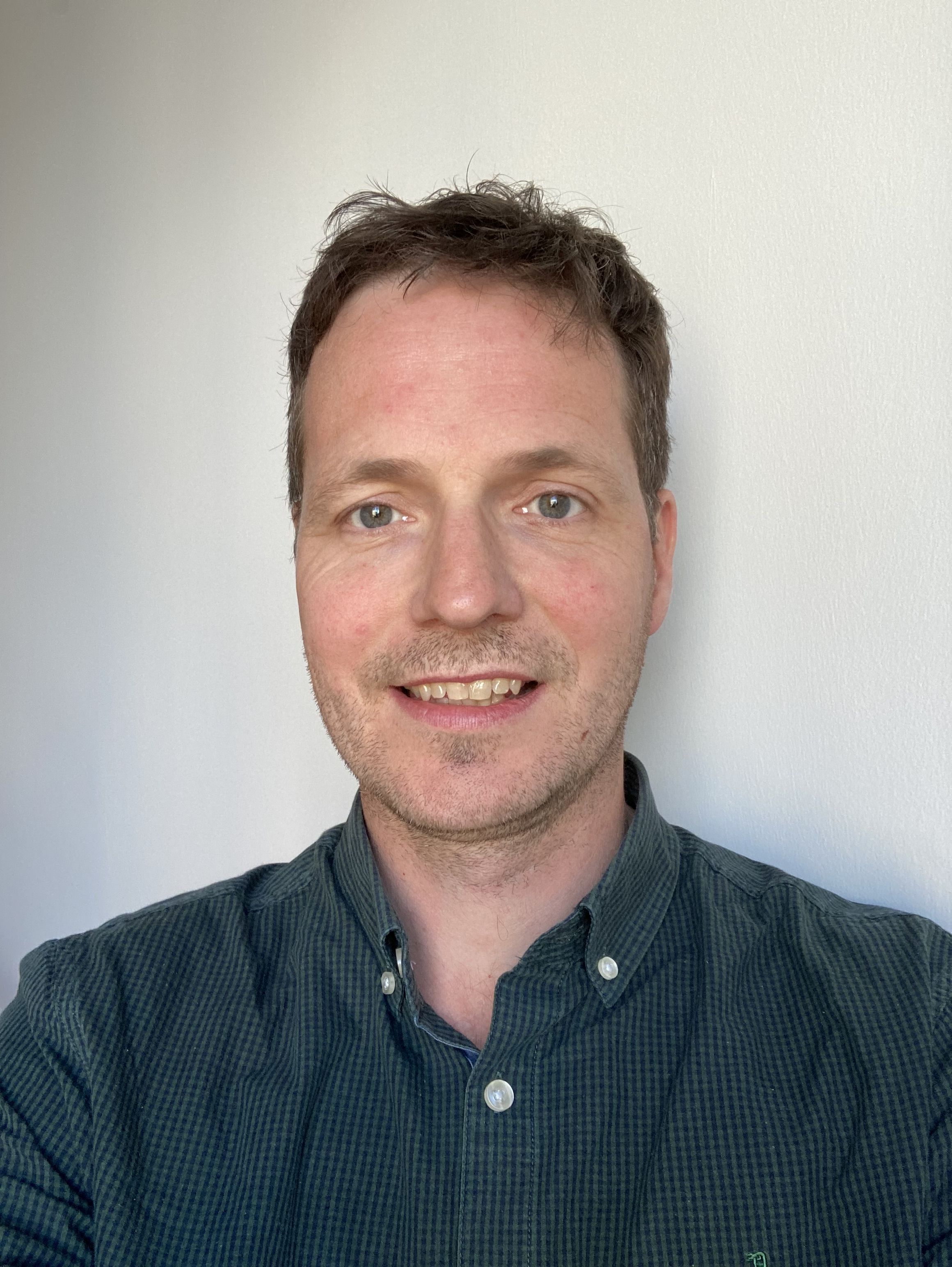
Professor Solomon Brown is a faculty member in the Department of Chemical and Biological Engineering at the University of Sheffield, School of Chemical, Materials and Biological Engineering. His research focuses on mathematical modelling, process analysis, and optimization of clean energy systems, particularly in energy storage, techno-economic analysis, and uncertainty quantification using Gaussian processes. PhD in Modelling Fluid Flow and Ductile Fractures (UCL, 2011) MSci in Mathematics (King’s College London, 2007) Research Interests: • Mathematical Modelling of Energy Systems • Techno-Economic Analysis of Storage Technologies • Uncertainty Quantification and Gaussian Processes • Agent-Based Models for Technology Adoption • Scheduling and Supply Chain Analysis Scientific Awards: IChemE Frank Lees Medal (for CO2 pipelines safety research during PhD) Publications Trends: Recent work spans energy storage systems (e.g., Li-ion batteries, solid oxide cells), climate policy under uncertainty, run-of-river hydropower optimization, and CO2 transport in carbon capture projects. His studies often integrate computational models with real-world data to address clean energy challenges. Contact: Email: s.f.brown@sheffield.ac.uk
Dr Dmitriy Kuvshinov is a Lecturer in the School of Engineering at the University of Hull, affiliated with the Faculty of Science and Engineering and Chemical Engineering department. With over 30 years of experience, he specializes in natural gas conversion, carbon capture/utilization technologies, and nanomaterials synthesis. His research leverages computational fluid dynamics (CFD) and COMSOL software for process design. He contributes to teaching modules such as 'Chemical Engineering of Nanomaterials' and 'Transport Processes' at both undergraduate and MSc levels. His research interests include carbon nanomaterial applications, biogas upgrading, and Lab-on-a-Chip systems for bioengineering. Notable projects include the THYME initiative to enhance biogas production and HEIF-funded studies on carbon nanofiber markets. Dr Kuvshinov has supervised multiple PhD students, focusing on topics like hydrogen production from waste textiles and CO2 detection systems. He collaborates with research groups like the Aura Innovation Centre and Biomedical Engineering Research Group. His work bridges engineering and environmental sustainability, addressing challenges in energy systems and waste utilization. Key awards and fellowships: Fellow of the Higher Education Academy (FHEA). Grant-funded projects include £29,937 for biogas process improvement (Research England) and £23,340 for carbon nanofiber market analysis (University of Hull). His work emphasizes circular economy principles and industrial-scale applications of emerging technologies.
Dr Christopher Harrison is a Research Fellow at the School of Public Health, University of Sydney, and a member of the Charles Perkins Centre. His work focuses on analyzing trends in Australian general practice, particularly chronic conditions, multimorbidity, and healthcare policy. He has contributed to major publications like 'A decade of Australian general practice activity' (2016–2024) and co-authored studies on opioid prescribing, musculoskeletal disorders, and mental health care planning. His research interests include understanding prescribing behaviors in primary care, the impact of multimorbidity on patient outcomes, and healthcare resource utilization. He has examined disparities in treatment access, such as consultations in non-English languages and lipid-lowering medication prescribing for Indigenous Australians. Key projects: Off-label psychotropic use in children, cardiovascular disease in diabetes patients of Southeast Asia Affiliations: Charles Perkins Centre, Family Medicine Research Centre Recent articles highlight his focus on decision fatigue among GPs, musculoskeletal care in primary settings, and frailty in aging populations. He has also investigated systemic issues like non-billable time in general practice and workforce adequacy projections. No scientific awards explicitly listed in provided texts Advises two students and has collaborated on numerous projects, though specific grant details are not mentioned His work bridges clinical practice and population health, emphasizing data-driven policy recommendations derived from large-scale datasets like the BEACH survey.