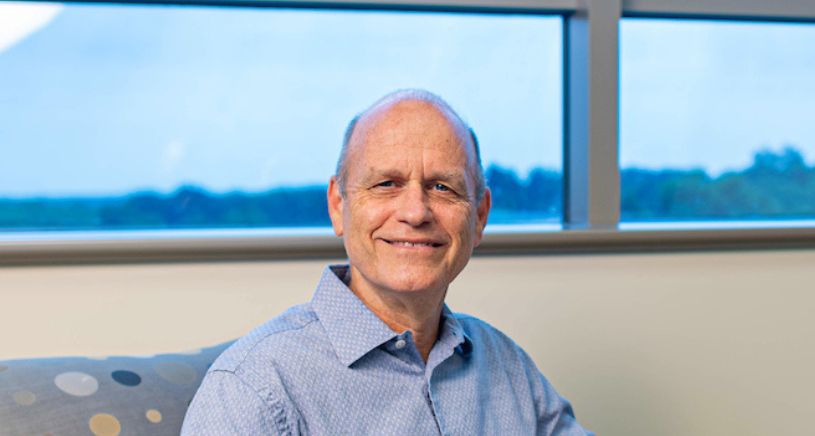
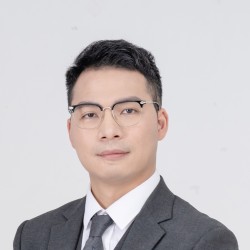
Warn N. Lekfuangfu is an Associate Professor of Economics at Universidad Carlos III de Madrid (UC3M), holding a prestigious Ramón y Cajal Research Grant from the Spanish Ministry of Science and Innovation. He is a co-investigator in the ERC Starting Grant-funded project MISMATCH and affiliated with multiple research institutions including IZA, J-PAL, CReAM (UCL), and CBEE (Chulalongkorn University). His research focuses on Labour Economics, Development Economics, and Behavioural Economics, particularly examining inequality mechanisms, early childhood development, subjective wellbeing, and intergenerational mobility. He employs micro-econometric and experimental methods to address systemic social issues. Lekfuangfu earned his PhD in Economics (2015) from University College London, MSc in Global Market Economics from the London School of Economics (201?), and BA in Politics and Economics from the University of York. His work has been published in top journals like the Journal of Economic Behavior & Organization and Journal of the European Economic Association . He currently serves on the Executive Board of the Asian and Australasian Society of Labour Economics (AASLE) and contributes to policy discussions through projects like Thailand’s pension reform and labour market restructuring analyses. His research has explored topics ranging from gender occupational sorting in the UK to the socio-economic impacts of landmines in Cambodia.
Mohammad Reza Farzanegan is a Professor in Economics of the Middle East at the Center for Near and Middle Eastern Studies (CNMS) & School of Business and Economics of Philipps-Universität Marburg in Germany. He serves as the coordinating professor for the international master study program of Economics of the Middle East in Marburg and holds research fellowships with ERF (Cairo) and CESifo (Munich). Education: PhD in Economics from Technische Universität Dresden (2006-09) with DAAD research grant Georg Forster Research Fellowship from Alexander von Humboldt Foundation (2010-12) MSc in Energy Economics & Marketing from University of Tehran (2000-03) BA in Theoretical Economics from Allameh Tabatabaei University, Tehran (1995-1999) Professor Farzanegan's research focuses on political economy of the Middle East, with specialization in Iran. His work spans energy economics, political economy of oil rents, climate change impacts, sanctions analysis, public finance, shadow economy, corruption economics, demographic transition, political institutions, economic development, and economics of happiness. His research methodology combines empirical institutional economics with development economics approaches. His recent publications (2025) demonstrate consistent scholarly output across multiple high-impact areas including sanctions effects on internal conflict, oil rent impacts on economic behavior, natural disaster economics, and Middle Eastern political economy. His work shows particular strength in applying advanced econometric techniques to analyze complex socio-economic phenomena in the Middle East context. Scientific Awards: ERF Research Fellow (Cairo) CESifo Research Network Fellow (Munich) Georg Forster Research Fellowship from Alexander von Humboldt Foundation Professor Farzanegan has led multiple significant international research projects including NAREM (Political Economy of Natural Resource Management, 2016-2018), NaDiMa (Socio-Economic, Cultural and Technical Aspects of Natural Disaster Management, 2020), and DEBEC (Drivers and Socio-Economic, Behavioural Effects of Climate Change in Iran, 2020-2022), all funded by DAAD/AA/BMBF. His research grants demonstrate strong institutional support for his work on Middle Eastern economic issues. He actively contributes to research networks including the NaDiMa Dialogue series which has hosted multiple workshops on disaster management, climate change, and economic policy in Iran and Germany.
Professor Nina Michaelidou holds the position of Professor in Marketing at Loughborough University, where she leads the Marketing group. Previously, she held faculty roles at the University of Birmingham and the University of Nottingham. Her research focuses on consumer behavior, personality traits, emotions, health behaviors, and the impact of social media and advertising. She is an Associate Editor for the International Marketing Review and the Journal of Consumer Behaviour , and chairs the Academy of Marketing Special Interest Group (SIG) on Consumer Psychology and Cross-Cultural Research. Professor Michaelidou’s educational background includes a PhD from the University of Warwick, an MA from Coventry University, a Postgraduate Certificate in Higher Education from the University of Birmingham, and a BA (Hons) from Wolverhampton University. Her research explores how emotions, cultural contexts, and digital platforms influence consumer decision-making. Key themes include the role of social media in brand engagement, ethical considerations in marketing practices, and the psychological drivers behind luxury consumption. Recent work examines the impact of virtual influencers, mobile app user behavior, and the ethical implications of social media analytics. Her editorial roles and conference leadership reflect her commitment to advancing marketing scholarship. She has published extensively in top-tier journals such as the Journal of Business Ethics , European Journal of Marketing , and Journal of Marketing Management , contributing to debates on contemporary marketing challenges like digital nomad preferences, sustainability, and cross-cultural consumer behavior.
Dr Sjaanie Koppel is an Associate Professor at Monash University's Accident Research Centre (MUARC), specializing in road safety research. She leads MUARC's Behavioural Science team and holds multiple leadership roles including Board Director of AAAM, ACRS Executive Member, and Associate Editor for Traffic Injury Prevention . Her research focuses on vulnerable road users, driver health assessment, and emerging mobility technologies. She leads major projects like NORTISS and smart vehicle systems for dementia drivers. Koppel holds a PhD in Psychophysiology and has received awards including the 2024 Women in Road Safety Award. Key collaborations include Safe Kids Worldwide and TÜV SÜD. Her work addresses older driver mobility, child occupant safety, and workplace road safety through innovative methods like driving simulations and naturalistic studies. She manages the National Road Safety Partnership Program (NRSPP) to improve corporate road safety practices. Recent research includes rideshare safety, pregnancy seatbelt use, and automated vehicle takeover behavior. Koppel has published 227+ outputs since 2002 and actively engages in policy advocacy through 56+ professional activities.
Professor Sheleigh Lawler is a health psychology expert and Head of the Faculty of Health, Medicine and Behavioural Sciences at The University of Queensland. Her research focuses on health behaviors, psychosocial factors, and communication strategies in public health contexts. She leads interdisciplinary teams addressing chronic disease prevention, Indigenous health equity, and behavioral interventions. She holds a PhD from The University of Auckland and has extensive experience in program evaluation, including the '10,000 Lives' smoking cessation initiative and cancer screening equity projects. Education: Bachelor of Arts, The University of Auckland Masters (Coursework), The University of Auckland Doctor of Philosophy, The University of Auckland Research Interests: She investigates psychosocial variables influencing health behaviors, blended learning pedagogy in public health, and behavioral interventions for chronic diseases. Her work emphasizes health equity, particularly for Indigenous populations, and integrates mHealth/eHealth solutions. Grants and Funding: Current NHMRC Synergy Grant (2024–2029): Achieving Equity in Cancer Screening for First Nations Peoples Queensland Health Grant (2023): Tobacco Reduction Reforms and Skin Cancer Prevention Past NHMRC Project Grant (2008–2013): Telephone Counselling for Diabetes Advising and Supervision: Supervises PhD and Master's students on topics like cancer survivorship care, mHealth for hypertension management, and AI-driven smoking cessation tools. Current projects include evaluating social inclusion programs and Indigenous cancer screening equity. Labs/Teams: Active in initiatives such as the 'Stepping Stone Clubhouse' mental health program evaluation and the development of the Quin chatbot for smoking cessation. Collaborates with government agencies and industry on public health campaigns.
Oliver Carsten is a Professor of Transport Safety at the Institute for Transport Studies within the Faculty of Environment at the University of Leeds. His career spans over three decades, including leadership roles as Director of ITS (2004–2007) and Director of Research at ITS (2000–2004). PhD in History, University of Michigan MA in History, University of Michigan BA in Modern History, Oxford University Research focuses on integrating safety with emerging transport technologies, including: Road safety policy and accident causation Human-machine interfaces in vehicles Intelligent speed adaptation systems Naturalistic driving studies (e.g., UDRIVE, ecoDriver) His work has addressed European and global challenges through projects like XCYCLE (cyclist safety) and ADAS User Attentiveness. While no specific publications or awards are listed in the provided text, his career includes 15+ large-scale research initiatives funded by entities such as EPSRC, EC Framework Programmes, and UK government agencies. He leads the Human Factors and Safety research group and has advised on policy through roles like Chair of the Road User Behaviour Working Party for PACTS and membership in EU advisory bodies (GEAR 2030, C-ITS Platform). Teaching activities include courses on future transport technologies and traffic management.
Dennis Esch serves as Lecturer (Assistant Professor) in Marketing and Behavioural Science at Cranfield School of Management, Cranfield University, where he acts as the Strategic Marketing and Sales Group's liaison for research matters. Previously, he directed the Cranfield Customer Management Forum, one of the School's premier research practice clubs. Dr. Esch holds award-winning academic qualifications in marketing, psychology and behavioural science from Lancaster University Management School and Cranfield School of Management, establishing a strong interdisciplinary foundation for his research. His research program centers on three interconnected domains: the psychological mechanisms of brand influence in consumer decision-making, the transformative impact of emerging technologies on consumer perceptions and preferences, and the complex relationship between social consumption experiences and human happiness. Methodologically, he integrates behavioral science principles with marketing theory through quantitative approaches including experiments, field studies, and big data analysis to address questions with both theoretical significance and practical managerial relevance. Dr. Esch's publication record reveals an evolving research trajectory from foundational consumer behavior studies (2016-2019) examining product assortment effects, sports consumption impacts, and social identity dynamics, toward contemporary methodological innovations in mobile research platforms (2022-2025). His recent work demonstrates particular expertise in evaluating mobile-first platforms for crowdsourcing behavioral, advertising, and personality research, addressing critical questions about digital research validity and ecological relevance. While specific major scientific awards beyond his noted 'award-winning degrees' aren't detailed in available information, his research has been published in reputable outlets including Behavior Research Methods and Academy of Marketing Science proceedings, indicating scholarly recognition. Dr. Esch brings extensive international teaching experience across multiple contexts, having instructed postgraduate students and executives in brand management, marketing strategy, consumer behavior, and research methods in the UK, Germany, and Switzerland. His pre-academic industry background includes significant roles at Audi, Henkel, Vaillant Group, and Swiss Post, providing practical grounding for his academic work and enhancing the real-world applicability of his research findings. His research methodology reflects a commitment to bridging the gap between laboratory rigor and field relevance, particularly through his investigations of mobile research platforms that can capture authentic consumer experiences while maintaining scientific validity. This approach addresses contemporary challenges in behavioral research methodology while generating actionable insights for marketing practitioners.
Itahisa Pérez Pérez is a Spanish education researcher who served as a faculty member in the Department of Education and Social Psychology at Universidad Pablo de Olavide (Seville, Spain) between 2009 and 2022. Affiliated with the research groups GIAS (Grupo de Investigación en Acción Socioeducativa) and GEDUPO , she has produced an extensive scholarly record spanning HIV-prevention education, community development, socio-cultural animation, and innovative pedagogies aligned with the United Nations Sustainable Development Goals. Education PhD in Education, Universidad Pablo de Olavide, 2013 – Thesis: "Conocimientos y prácticas de riesgo en VIH-SIDA: una estrategia de Cooperación en Educación para el Desarrollo en Nicaragua" (Supervised by Dr. Juan Agustín Morón Marchena). Research Interests Her scholarly agenda has evolved from early work on HIV-risk behaviours and Nicaraguan youth to a current focus on innovative higher-education methodologies (mind-mapping, flipped classroom, cooperative learning) and the integration of the 2030 Agenda into university curricula. She explores how University Social Responsibility can drive holistic, value-centred educational innovation, and she has become a leading voice in mapping university resources against SDG indicators. Publication Trends Between 2020 and 2023 she authored or co-authored more than twenty peer-reviewed articles, all clustered around three dominant themes: (1) pedagogical innovation (mind maps, flipped classroom, jigsaw techniques), (2) sustainability in higher education (SDGs, social curriculum, best-practice guides), and (3) community-oriented socio-educational action (socio-cultural animation, diversity attention, HIV education). This recent surge reflects a strategic pivot toward institutional transformation and policy-oriented research. Scientific Awards & Recognition No competitive awards or fellowships are explicitly mentioned in the supplied documents. Advising & Grants No doctoral or master’s students are listed, and grant details are absent from the provided sources. Labs, Teams & Networks She has collaborated within GIAS and GEDUPO at Universidad Pablo de Olavide, and her recent publications indicate ongoing cooperation with colleagues at the University of La Laguna , suggesting a cross-institutional network focused on SDG-aligned educational innovation.
Joseph N.S. Eisenberg, PhD, MPH is Professor of Epidemiology and Professor of Global Public Health at the University of Michigan School of Public Health . A leading infectious-disease epidemiologist, Eisenberg integrates theoretical transmission modelling with large-scale field studies to understand how environmental and social determinants drive water- and vector-borne disease dynamics across the globe. Education PhD, University of California, Berkeley/San Francisco, 1992 MPH, University of California, Berkeley, 1991 BS, University of California, Berkeley, 1982 Research Focus Eisenberg’s work centres on infectious disease epidemiology , particularly the environmental determinants of waterborne and vector-borne pathogens. His group develops dynamic transmission models that move microbial risk assessment from static individual-based calculations to population-based frameworks capable of capturing feedbacks between human behaviour, climate, infrastructure and pathogen spread. Empirical validation of these models occurs through multi-country collaborations in Ecuador (birth cohort, dengue mapping, zoonotic E. coli), Mexico (waste-water irrigation), Israel (poliovirus environmental surveillance), Ethiopia (urban water-system risk) and Kenya (WASH impacts). Recent Publication Trends Over 2024–2025 Eisenberg has published extensively on dengue and Zika transmission in Ecuador, WASH intervention modelling , antimicrobial resistance in enteric E. coli , and COVID-19 epidemiology . These works combine high-resolution field data (human landing catches, multiplex PCR diagnostics, eye-tracking neurodevelopment assessments) with advanced computational approaches (agent-based models, Bayesian spatial risk mapping, mechanistic QMRA), underscoring a commitment to methodological innovation grounded in real-world public-health problems. Scientific Awards & Recognition While no specific prizes are enumerated in the supplied text, Eisenberg’s sustained funding from the CDC (recent $17.5 M award establishing the Michigan Integrated Center for Outbreak Analytics and Modeling – MICOM) and repeated publication in PNAS , American Journal of Epidemiology and other high-impact journals attest to significant peer recognition. Advising & Grants Eisenberg mentors graduate students and post-doctoral researchers across epidemiology, biostatistics and global health. Active funding includes: CDC / MICOM – Michigan Integrated Center for Outbreak Analytics and Modeling (Principal Investigator) National Institutes of Health – Environmental influences on child diarrheal disease and the microbiome (Co-Investigator) NSF – Coupled natural-human systems: road development and infectious disease in Ecuador (Principal Investigator) Laboratories & Teams Eisenberg directs the EcoDess: Environmental Change and Diarrheal Disease in Ecuador research platform, coordinating interdisciplinary teams in Ann Arbor and field stations in Esmeraldas and Quito provinces. He is affiliated with the University of Michigan Center for Global Health Equity and the Global Public Health IDEAS initiative , fostering cross-campus collaborations in modelling, microbiology and social epidemiology.
Professor Julie Leask is a social scientist and faculty member at the School of Public Health, Faculty of Medicine and Health, University of Sydney . She co-leads the Social and Behavioural Insights research group and serves as a Visiting Professorial Fellow at the National Centre for Immunisation Research and Surveillance. Her work focuses on vaccination programs, policy, and risk communication , with a particular emphasis on addressing vaccine hesitancy, strengthening community dialogue, and improving health equity. Education: Master of Public Health (USYD, 1998), PhD in Public Health (USYD, 2002) Key Affiliations: Member of the University of Sydney Institute for Infectious Diseases, Affiliate of the Susan Wakil School of Nursing and Midwifery, Co-founder of COSSI (Collaboration on Social Science in Immunisation) Her research integrates psychology, sociology, public health ethics, and implementation science to address critical issues such as low vaccination rates, risk communication during health emergencies, and cultural competence in immunization . She has led initiatives like the Sharing Knowledge About Immunisation (SKAI) package and contributed to global frameworks for vaccine safety communication. Recent articles highlight her work on vaccine hesitancy trends, policy effectiveness, and community-engaged approaches , including studies on Aboriginal health communication and conflict-related vaccination barriers . Her scientific awards include the Australian Financial Review 100 Women of Influence (2019) , Supervisor of the Year (2021) , and Officer of the Order of Australia (2024) . She supervises PhD candidates such as Maria Christou-Ergos and Belinda Bruce , with interests in infectious disease prevention, health disparities, and vaccine communication . Her current projects include international collaborations via the WHO and research on social determinants of vaccine hesitancy .
Dr Matthew Anderson is a Senior Lecturer in Business Ethics at the University of Portsmouth's Portsmouth Business School, part of the Faculty of Business and Law. He teaches organisational behaviour, human resource management, and international business, coordinating a core second-year module on Leadership, Ethics, Governance and Sustainability. His research focuses on civil society-business intersections, particularly Fair Trade advocacy and Circular Economy policy. Anderson collaborates with Fairtrade Foundation, Fair Trade Advocacy Office, and Fashion Revolution on ethical purchasing initiatives. Previously, he worked in the UK Civil Service as a Strategic Analyst, translating behavioural science into evidence-based policy. Key research outputs include work on Fair Trade mainstreaming, EU SME supply chain practices, and Fair Trade Town campaigns' spatial impact. His affiliations include the Food Cultures in Transition research cluster and the Centre for Blue Governance. Research themes include consumer activism, regulatory change drivers, and hybrid movement dynamics. He co-convened the 2018 Fair Trade International Symposium and currently investigates civil society's role in driving regulatory frameworks for sustainability. As a PhD supervisor, he guides students in business ethics and organisational studies.
Dr. Yinglong He is a Lecturer in Automated Electrified Transport (AcT) Systems at the School of Mechanical Engineering Sciences, University of Surrey, UK, and an Honorary Assistant Professor at the School of Engineering, University of Birmingham. His research focuses on intelligent transportation systems, energy management, vehicle dynamics, and AI-driven optimisation. He has held positions including Postdoctoral Research Associate at the University of Cambridge and Technology Expert at the European Commission's Joint Research Centre (JRC). Research interests include autonomous vehicle control, traffic simulation, hybrid/electric vehicle dynamics, and sustainable transport solutions. Notable contributions include advancing microscopic traffic models for automated vehicles and optimising energy systems for hybrid powertrains. His work integrates machine learning, multi-agent systems, and data-driven approaches to address challenges in transport decarbonisation and safety. Recent publications highlight advancements in hybrid vehicle dynamics simulation, lithium-air battery modelling, and energy mapping of urban buildings. He has received the Chinese Government Award for Outstanding Self-Financed Students (2022) and is a Fellow of the Institute for Sustainability (IfS). His expertise spans interdisciplinary collaborations in automotive engineering, energy systems, and smart infrastructure.
Lawrence Jin is an Assistant Professor of Economics at the Lee Kuan Yew School of Public Policy, National University of Singapore (NUS). He holds a PhD in Economics and a BA in Mathematics & Economics from Cornell University. His research focuses on behavioral economics, health economics, environmental economics, and cost-benefit analysis, with an emphasis on applying econometric and experimental methods to inform public policy. His academic work spans topics such as physician decision-making, consumer behavior under misinformation, and the economic impacts of health policies. He has published in leading journals like Nature Human Behaviour , Review of Economic Studies , and American Economic Review . Courses taught include PP5203 - Behavioral Economics and Public Policy . Lawrence’s research explores how behavioral insights can address societal challenges, such as vaccine hesitancy, smoking cessation, and infrastructure resilience. His recent studies investigate replicability in social science experiments and the role of decision markets in selecting research priorities. He maintains an active research profile with collaborations in interdisciplinary fields, including health economics and environmental policy. His work bridges theoretical frameworks with real-world policy applications, aiming to enhance decision-making in public health and economic development.
Dr. Mike Pake is a Senior Lecturer at Anglia Ruskin University (ARU), affiliated with the Faculty of Science and Engineering and the Department of Psychology, Sport and Sensory Science in Cambridge. He joined ARU in 1996 when the Psychology course was established, and his work focuses on computational models of language acquisition, visual perception, and educational technology. Educations: PhD in Cognitive Science from the University of Edinburgh (Centre for Cognitive Science) MSc in Artificial Intelligence from the University of Edinburgh BSc in Psychology from the University of Stirling Research Interests: Mike’s research combines computational modeling of child language acquisition with visual perception studies using eye-tracking. He investigates how infants infer language syntax from speech and explores how eye-movement patterns influence face recognition and hazard perception. He also develops conversational learning tools via his company Psychonovo Publishing Ltd, creating interactive educational materials for voice/text interfaces. Teaching & Innovation: He teaches research methods and cognitive psychology, and his Psychonovo system is used for smartphone/laptop-based learning modules. He presented this work at ARU’s Digifest 2019. Labs & Collaborations: Member of the ARU Centre for Mind and Behaviour. Co-authored Cognitive Psychology for Dummies (2016) and its translations, and developed software for interactive learning systems.
Dr. Farheen Javed is a Lecturer in Management at Murdoch Business School, Murdoch University, Australia. She holds a Doctor of Business Administration (2019), Master of Philosophy (2016), and Bachelor of Business Administration (2012). Her research focuses on Corporate Social Responsibility (CSR), Human Resource Management (HRM), and employee-related outcomes such as behaviors, attitudes, and engagement. She has published 14 articles in high-impact journals, including five in Quartile 1 publications, with over 1700 citations. Her work explores CSR perceptions, green HRM, leadership roles in innovation, and cultural intelligence effects on workplace behavior. Dr. Javed serves on Murdoch University's Student Appeals Committee and reviews for international journals. She has received the Murdoch International Postgraduate Scholarship (2019–2023). Her research themes include environmental citizenship behaviors, leadership-environmental linkages, and cross-cultural employee dynamics. Her articles analyze CSR-employee behavior connections, innovative work behavior drivers, and HR policies in SMEs and agricultural sectors. Education: Doctor of Business Administration, Murdoch University (2019) Master of Philosophy (MPhil), National College of Business Administration & Economics (2016) Bachelor of Business Administration, University of South Asia (2012) Her research bridges HRM strategies with organizational sustainability, emphasizing employee perceptions of CSR initiatives and leadership roles in fostering environmentally conscious behaviors. She has explored knowledge-sharing mechanisms in education sectors and CRM's role in customer loyalty. Dr. Javed's work often employs advanced quantitative methods, contributing to both theoretical and practical HRM frameworks.