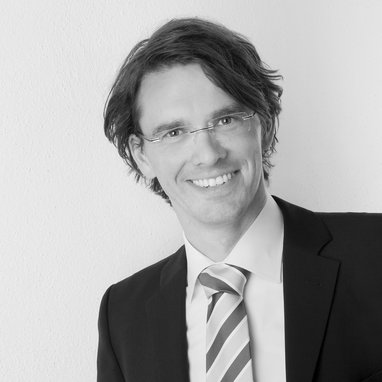
Jürgen König is a full professor at the Department of Nutritional Sciences , University of Vienna, leading the Research Professorship Specialized Human Nutrition . His work bridges psychological and physiological dimensions of eating behavior, with additional focus on population-level nutritional assessment in Austria. Academic Rank: Professor Department: Nutritional Sciences Research Focus: Hunger/satiety mechanisms, Public health nutrition, Food safety Key research themes include: Psychological drivers of eating behaviors (stress, food craving, sensory cues) Physiological regulation of nutrient homeostasis National nutrition surveys assessing dietary patterns Caloric restriction and metabolic adaptation Child and adolescent hydration/nutrition policies Recent publications highlight: Mechanistic studies on caloric restriction effects (2025) Pandemic impacts on school nutrition (2024) Global obesity/diabetes trends analysis (2024) Behavioral nudging in food selection (2024) Microbiota's role in dietary interventions (2023) Contact: juergen.koenig@univie.ac.at | Sekretariat: sekretariat.ew@univie.ac.at
Robert Andrews is a Professor in the Department of Civil & Mineral Engineering at the University of Toronto, affiliated with the Faculty of Applied Science and Engineering. He is a core member of the Drinking Water Research Group (DWRG), a multi-university consortium established in 1998 focused on advancing drinking water treatment technologies. His research expertise includes Disinfection and advanced oxidation processes Inactivation of emerging pathogens Control of disinfection by-products Membrane filtration systems Water reuse and compliance strategies Andrews has held the NSERC Senior Industrial Research Chair in Drinking Water Research since 2007 and serves on advisory councils for organizations like Health Canada and the Ontario Ministry of Environment. In 2022, he received the Dr. Albert E Berry Medal for his contributions to environmental engineering. He collaborates with industry partners to address challenges such as pharmaceutical removal in water and alternative disinfectant applications. His work directly influences regulatory frameworks, including Ontario’s disinfection guidelines.
Samuel Dorevitch is a Professor in the Department of Environmental and Occupational Health Sciences at the University of Illinois at Chicago (UIC). His primary affiliation is with the School of Public Health. His research focuses on water quality monitoring, environmental health, and occupational hazards, with an emphasis on preventing waterborne diseases and assessing health risks associated with environmental exposures. He has contributed to studies on recreational water safety, lead exposure prevention, and the health impacts of climate change. Key research areas include microbial water quality, occupational safety for healthcare and construction workers, and public health interventions in low-resource settings. He has evaluated novel water treatment methods like solar-powered ozonation and explored the use of wastewater-based epidemiology for disease surveillance. His work spans both local (Chicago) and global contexts, including studies in Kenya. Dr. Dorevitch has published widely on topics such as the health effects of waterborne contaminants, occupational injuries, and the relationship between environmental factors and chronic diseases. His research often bridges epidemiology, environmental science, and public policy to inform practical health protection strategies.
Professor Stuart James Khan is an Adjunct Professor in the School of Civil & Environmental Engineering at the University of New South Wales (UNSW). He previously served as Director of the Australian Graduate School of Engineering (AGSE). His research focuses on sustainable urban water management, water treatment processes, and chemical contaminant analysis. Khan holds a PhD in Environmental Engineering from UNSW (2003) and a BSc (Hons 1 in Organic Chemistry) from the University of Sydney (1995). His research interests include water recycling, desalination, disinfection byproduct formation, and the safe management of chemical contaminants. He has advised over 15 PhD students on topics ranging from advanced treatment technologies to risk assessment frameworks. Khan has published extensively, with over 200 journal articles and 18 book chapters, emphasizing interdisciplinary approaches to water quality challenges. Key contributions include advancing membrane bioreactor performance, optimizing water recycling systems, and assessing risks associated with emerging contaminants. His work bridges fundamental science and practical engineering solutions, addressing global water security challenges. Current projects explore wastewater-based epidemiology, PFAS remediation, and climate-resilient water infrastructure. Khan collaborates internationally on water reuse strategies and has contributed to policy frameworks for safe water management. His teaching spans courses like Water & Wastewater Treatment and Environmental Risk Analysis, reflecting his commitment to educating future engineers in sustainable practices.
Jacqui Webster is a Professor of Public Health at the University of Technology Sydney (UTS), leading the WHO Collaborating Centre on Nursing, Midwifery and Health Development. She serves as the Secretariat for the South Pacific Chief Nursing and Midwifery Officers Alliance (SPCNMOA) and continues collaborating with The George Institute for Global Health on salt reduction research. Key Grants: NHMRC Investigator Grant (Leadership 2), NHMRC IDEAS Grant, Global Alliance for Chronic Diseases grants Collaborations: Fiji National University, Deakin University, University of Sydney, UNSW, Northwestern University Her research focuses on reducing cardio-metabolic diseases through food/water security programs and salt reduction policies. Recent articles analyze potassium-enriched salt adoption barriers, global water sodium standards, ultra-processed food impacts in Fiji, and pandemic-related dietary shifts in Australia. She authored the public health-themed book Two Bugs on Bikes (Hembury Books 2025) based on her cycling journey across Europe and Africa. At UTS, she mentors early-career researchers and supports strategic operations for the WHO Collaborating Centre.
Margaret Karagas, PhD is the inaugural Department Chair and James W. Squires Professor of Epidemiology at the Geisel School of Medicine at Dartmouth College, with a secondary appointment as Professor of Community and Family Medicine. She also serves as Director of both the Children's Environmental Health and Disease Prevention Research Center and the Center for Molecular Epidemiology at Dartmouth. Her leadership extends to the NIH-funded Environmental Influences on Child Health Outcomes (ECHO) Program, which encompasses over 90,000 participants across the United States. Dr. Karagas earned her PhD from the University of Washington in 1990 and has established herself as a leading researcher in environmental epidemiology. She collaboratively developed an innovative cross-disciplinary postdoctoral and graduate program in Quantitative Biomedical Sciences (QBS) that integrates epidemiology, bioinformatics, and bistatistics. Her research focuses on interdisciplinary studies investigating environmental exposures, host factors, and biological mechanisms affecting health from infancy through adulthood, with particular emphasis on under-studied rural populations. Dr. Karagas employs high-dimensional analytic tools along with biomarkers and sensors to study the exposome, genetic susceptibility, and biological response. Her work has uncovered adverse cardiometabolic, neurodevelopmental, and immune-related health outcomes associated with drinking water contaminants, food-borne toxicants (including in infant first foods), and exposures from woodstoves. Analysis of her recent publications reveals a strong focus on environmental health impacts across the lifespan, with significant contributions to understanding how environmental exposures affect child development, chronic disease risk, and health disparities. Her work frequently employs advanced molecular and analytical techniques to assess environmental exposures and their biological consequences. Dr. Karagas serves on numerous prestigious international consensus panels and committees, including those for the United Nations, World Health Organization, International Agency for Research on Cancer, European Food Safety Authority, US National Institutes of Health, and National Academies of Science, Engineering and Medicine. As an academic leader, she has mentored diverse investigators at all career stages and established innovative training programs. Her research has directly contributed to practice and policy changes regarding environmental health threats. She maintains active collaborations across multiple centers at Dartmouth including the Dartmouth Toxic Metals Superfund Research Program and Dartmouth SYNERGY.
Bojan Tamburic is a Senior Lecturer in Environmental Engineering at the University of New South Wales (UNSW) Sydney, where he is affiliated with the School of Engineering and the Department of Civil and Environmental Engineering. He holds the prestigious position of Australian Research Council Mid-Career Industry Fellow (IM230100222) and serves as the lead Chief Investigator of the Nuisance and Harmful Algae Science-Practice Partnership (NHASP). Dr. Tamburic earned his academic credentials from Imperial College London, including a PhD in Chemical Engineering (2009-2012), an MSc in Sustainable Energy Futures (2008), and an MSci in Physics (2003-2007). Prior to joining UNSW, he was a Chancellor's Postdoctoral Research Fellow at the University of Technology Sydney. His research focuses primarily on dual aspects of algal science: the management of harmful algal blooms ('bad algae') in waterbodies to preserve water quality and aquatic habitats, and the cultivation of beneficial algae ('good algae') for producing valuable bioproducts such as biofuels, animal feed, and sustainable chemicals. His work spans environmental engineering, water treatment processes, and algal biotechnology applications. Analysis of Tamburic's recent publications reveals a strong trend toward practical applications of algal science in water management. His research spans environmental monitoring using remote sensing, microplastic analysis in urban water systems, odour and taste management in drinking water, and innovative approaches to algal biomass harvesting and utilization. His work consistently bridges fundamental algal physiology with practical engineering solutions for water quality challenges. Australian Research Council Mid-Career Industry Fellow (IM230100222) for the project 'Large scale urban stormwater reuse: safe, clear and odourless water supply' (2023-2026) Dr. Tamburic leads significant research initiatives including the Nuisance and Harmful Algae Science-Practice Partnership (NHASP), focusing on translating scientific understanding of algal phenomena into practical management solutions. His grant portfolio demonstrates strong industry and government engagement, particularly in the area of sustainable water management. He teaches courses including DESN1000 Engineering Design and Innovation and CVEN9886 Environmental Microbial Processes at UNSW.
Anisha I. Patel is a Professor at Stanford University School of Medicine, holding appointments in Pediatrics and Epidemiology and Population Health. She directs the Partnerships for Research in Child Health Lab and serves as Associate Dean of Research and Co-Director of the Office of Child Health Equity. Her work addresses health inequities through community-engaged research, focusing on chronic disease prevention in underserved populations. Undergraduate, Medical, and Public Health degrees from University of North Carolina, Chapel Hill (UNC-CH) Completed Clinical Scholars Program at UCLA and Health Policy Studies at UCSF Dr. Patel's research examines how community partnerships can improve child health outcomes through policy interventions related to school nutrition, drinking water access, and obesity prevention. She has led initiatives like Agua4All, which provided filtered water stations in schools, and evaluated universal free school meal policies. Her studies often involve randomized trials in schools and childcare centers. Recent publications analyze institutional barriers to community-engaged research, newborn temperature norms, and policy impacts of universal school meals. She has received national recognition for her work, including awards from the American Academy of Pediatrics and the National Heart Lung and Blood Institute. Outstanding Achievement Award, American Academy of Pediatrics (2025) Sidney S. Chipman Award, UNC-CH (2025) K24 Midcareer Investigator Award, NHLBI (2025) ELAM Program Fellow (2025) As a mentor, Dr. Patel supervises postdoctoral fellows and junior faculty in community-engaged research. Her projects have been funded by NIH, RWJF, and W.K. Kellogg Foundation. She also practices clinical pediatrics at Gardner Packard Children’s Health Center. Key collaborations include Stanford Maternal and Child Health Research Institute, Office of Community-Engaged Research, and partnerships with California and national school nutrition programs.
Michael Bach is a Professor for Water Management and Hydraulic Engineering at Stuttgart University of Applied Sciences since 2019. He also serves as the International Relations Officer (Auslandsbeauftragter) of the institution. His work focuses on integrated approaches to water resources management and modeling. Professor Bach's educational background includes: Civil Engineering studies at TU Darmstadt (Diplom-Ingenieur) Master's work at KTH Stockholm, Sweden Doctorate (Dr.-Ing.) from TU Darmstadt in 2010 His research interests span Water Management , Hydraulic Engineering , and Integrated Catchment Modeling . Professor Bach has developed software tools like BlueM.Wave for time series management and analysis, and BlueM.Sim for integrated river basin simulation. His work addresses critical challenges in urban wastewater systems, water quality modeling, and flood risk management, with applications both in Germany and internationally, including projects in Thailand. An analysis of his publication record reveals a strong focus on integrated modeling approaches for water systems, particularly for complex land use areas and urban environments. His work with the BlueM software package represents a significant contribution to the field, providing free tools for integrated river basin management. Many of his publications address the implementation of the EU Water Framework Directive and explore energy optimization within water management systems. Professor Bach has led numerous research projects since 2004, including ENERWA (energy optimization of water management systems), TASK (reservoir adaptation strategies for climate change), and IMCOP (integrated modeling of runoff and substance flows). He has collaborated extensively with academic and professional institutions, contributing to guidelines like the HSGSim for integrated urban wastewater system modeling. At Stuttgart University of Applied Sciences, Professor Bach is associated with the Kompetenzzentrum "Neue Forschungsfelder" (New Research Fields), where he contributes to advancing water management research and education.
Andrew J Whelton is a Professor of Civil and Construction Engineering at Purdue University's College of Engineering, with concurrent appointments in Sustainability Engineering and Environmental Engineering. He serves as Director of the Healthy Plumbing Consortium and Lead for the Center for Plumbing Safety, focusing on water quality, chemical contamination, and public health in building plumbing systems. Professor, Civil and Construction Engineering Professor, Sustainability Engineering Professor, Environmental Engineering Director, Healthy Plumbing Consortium Lead, Center for Plumbing Safety His research spans environmental engineering and public health, with key themes including chemical contamination from plastic pipe degradation, post-disaster water system recovery, wildfire-related water quality impacts, and microbial risks in premise plumbing. Recent work addresses crises like the East Palestine chemical spill and Maui wildfires, while also developing predictive models for water quality and evaluating sustainable infrastructure materials. Scientific awards and recognitions include: Rapid Response Research (RAPID) Grants from NSF for disaster-related studies Environmental Protection Agency (EPA) support for building water quality programs Leadership in interdisciplinary consortia focused on plumbing safety Development of novel tools for water quality monitoring and remediation His publications reveal trends in: Chemical leaching from plastic piping materials Environmental justice in water contamination crises Integration of machine learning for water quality prediction Microbial ecology in stagnant plumbing systems Policy recommendations for disaster response Sustainable material innovation for infrastructure
Professor Simon Pollard OBE DIC PhD DSc FREng FHEA is a Professor of Environmental Risk Management at Cranfield University's School of Water, Energy and Environment. With over 20 years of service at Cranfield, he has held numerous leadership positions including Pro-Vice Chancellor for the School of Water, Energy and Environment (2014-2021) and Pro-Vice-Chancellor International (2018-2024). He has served on the University's Executive for a decade and chaired key committees including Cranfield's Board for Energy and Environment, Health and Safety Committee, and International Committee. As an environmental engineer, Professor Pollard earned his PhD from Imperial College and his DSc from Cranfield University. His academic journey has positioned him as a leading authority in environmental risk governance, with significant contributions to government guidelines on environmental risk and leadership of risk centers for EPSRC and NERC. Professor Pollard's research focuses on environmental risk governance, preventative risk management, and regulatory design, with recent work exploring risk governance in the international water sector. His scholarship directly addresses the green economy, seeking to reconcile society's concerns about pollution with organizational responsibilities for safe management. His work spans carbon and climate risk, environmental policy, corporate sustainability, waste management, and resource efficiency. His extensive publication record demonstrates expertise across environmental engineering, risk assessment methodologies, water utility management, and sustainable waste practices, consistently bridging theoretical frameworks with practical applications. Professor Pollard has been honored with several prestigious awards including: Order of the British Empire (OBE) in 2020 Fellowship of the Royal Academy of Engineering (FREng) Fellowship of the Higher Education Academy (FHEA) Professor Pollard has served in numerous advisory capacities beyond academia, including membership on the Government's Interdepartmental Liaison Group on Risk Assessment, the joint engineering institutions' Hazards Forum, and BBSRC's Beringer Panel. As editor of Science of the Total Environment for 16 years, he has significantly influenced environmental research publication standards. His international engagement includes visiting professorships at the University of South Australia, Jiangsu University, and most recently, the University of Salerno (2024). Professor Pollard has led significant initiatives in responsible internationalization, resetting Cranfield's approach to academic partnerships amid changing geopolitical climates and renewing the university's approach to knowledge diplomacy. His work has directly influenced UUKi's commitment to international postgraduate education.
Corinne Wallace is an Adjunct Assistant Professor in the Department of Civil Engineering at McMaster University , with research expertise at the intersection of water security, climate change, public health, and gender equity. Her work spans both technical engineering analysis and community-engaged studies, particularly focusing on marginalized populations in Canada, East Africa, and South America. Dr. Wallace's research interests include: Water-Health Nexus Climate Change Impacts on Disease Gender Equity in Water Access Indigenous Water Governance Mosquito-Borne Disease Modeling Rainwater Harvesting Systems Her publication trends show increasing focus on climate-health interactions (2025), gender-water linkages (2024), and machine learning applications for water quality analysis (2025). She employs mixed-methods approaches and works closely with First Nations communities and international development organizations. Dr. Wallace utilizes art-science communication strategies like the Virtual Water Gallery to transform water and climate knowledge dissemination. Her recent work explores EDI (Equity, Diversity, Inclusion) implementation in large research networks and conceptual frameworks for climate-water equity.
University of Natural Resources and Life Sciences ViennaAustria
Roland Köck is a Professor at the Institut für Waldbau , Department für Agrarwissenschaften, University of Natural Resources and Life Sciences Vienna. His work focuses on adaptive forest management under climate change, water resource protection , and forest ecosystem dynamics . Key Projects: Dynamic forest site classification, PROLINE-CE/CAMARO-D initiatives, and karst hydrology studies. Research Trends: Analysis of 15 recent publications highlights expertise in silvicultural resilience , GIS-based hydrotope modeling , tree species adaptation , and groundwater protection . Scientific Engagement: Over 37 lectures across 8 countries, including keynote addresses at international conferences like IUFRO and EGU. Policy Contributions: Authored best practice manuals for EU-funded projects (PROLINE-CE, CAMARO-D) and national stakeholders.
Professor Woosung Sohn is Chair of Population Oral Health at the University of Sydney School of Dentistry, where he leads research and teaching in population oral health and collaborates with NSW Health and local health districts. He previously served as Director of the Advanced Specialty Education Program in Dental Public Health and Associate Professor at Boston University Goldman School of Dental Medicine, where he maintains an adjunct appointment. His education includes DDS, MS, and PhD in Preventive Dentistry from Yonsei University, Seoul, Korea, and Doctor of Public Health (DrPH) in Epidemiology from the University of Michigan School of Public Health. He is a Diplomat of the American Board of Dental Public Health. Sohn's research primarily focuses on reducing oral health disparities through understanding factors related to oral disease and improving access to dental care, particularly for underserved populations. His work involves analysis of large datasets including dental claims databases and national surveys, evaluation of state-level oral health policy, and research on children's water consumption patterns related to water fluoridation. His early publications provided key evidence for the 2015 adjustment of USPHS recommendation of optimum fluoride concentration in drinking water to 0.7 ppmF. His recent publications (2023-2025) demonstrate continued focus on health disparities, with particular attention to Indigenous populations in Australia, culturally and linguistically diverse communities, rural health access issues, obesity-related dental care challenges, and antibiotic prescribing patterns in dentistry. His work spans epidemiological studies, policy evaluations, and intervention development. Fellow, ADEA Leadership Institution, American Dental Education Association (2009) IADR Aubrey Sheiham Award for Distinguished Research in Dental Public Health Sciences (2009) Research Fellowship, Oak Ridge Institute for Science and Education (ORISE), CDC (2008) Sohn has directed Advanced Education Programs in Dental Public Health including Residency programs, Masters' in Science (MS), and Doctor of Science in Dentistry (DScD). In 2015, he received a $2.8 million HRSA grant for a combined DPH-Pediatric Dentistry residency training program. He serves as Editor of the Journal of Evidence-Based Dental Practice and on the editorial board of the Journal of Public Health Dentistry. His teaching includes Oral Epidemiology, Dental Public Health, and Evidence-based Dentistry, with a focus on critical thinking and evidence-based practice.
Marco Vinceti is a Full Professor at the Department of Biomedical, Metabolic and Neuroscience Sciences, University of Modena and Reggio Emilia. His work bridges environmental epidemiology, trace element toxicology, and public health policy. Research Interests: Focus on metal/metalloid exposure (selenium, iron, fluoride), neurodegenerative diseases (ALS, dementia), climate change impacts on health, and dietary interventions (MIND diet). Teaching: Leads courses in Hygiene and Public Health for Medicine and Surgery, and Health Research Methodology for Nursing Sciences. Publications: Recent studies analyze metal mixtures and mental health, selenium in drinking water risks, tofersen's impact on ALS biomarkers, and climate change's role in West Nile Virus spread. Environmental Advocacy: Investigates healthcare sector plastic waste reduction through water refill stations. Article Trends: His 2025 publications emphasize environmental toxicology (metals, selenium), neurodegenerative biomarkers, and climate-related health risks. Sub-fields include dose-response meta-analysis, dietary patterns in aging, and urban green space mitigation of noise exposure.