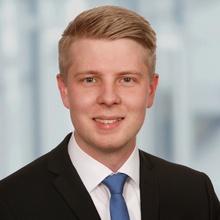
Maximilian Reinwaldt serves as a Lecturer in the Department of Applied Biosciences and Process Engineering at Anhalt University of Applied Sciences, a German University of Applied Sciences focused on practical engineering education. His research spans core areas of bioprocess engineering including biochemical engineering, applied microbiology, fermentation technology, and industrial biotechnology. The department emphasizes hands-on process engineering applications in biosciences, with research likely involving microbial cultivation systems, bioreactor design, and bioseparation techniques. As a teaching-focused faculty member in an applied sciences institution, his work bridges theoretical knowledge with industrial practice in bioprocessing. Current affiliations show no joint appointments or visiting positions.
Professor Jana Rödig serves as a Professor and Dean of Academic Affairs in Department 7 (Applied Biosciences and Process Engineering) at Anhalt University of Applied Sciences. She also acts as the Degree Program Advisor for the Biotechnology Master of Science program, which offers both full-time and dual study options. Her academic leadership extends across teaching, research, and administrative responsibilities within the university's engineering faculty. Professor Rödig's research spans multiple innovative areas in biotechnology. Her current focus includes biomaterials development (particularly mycelium-based materials), circular bioeconomy applications, bioprocess optimization, alternative proteins research, and virtual reality applications in biotechnology education. She leads two major externally funded projects: 'Innovative Mycolab - Mycothek (InMyco)' and 'VAB: Researching virtual applications in the BioTech House', both running from 2024-2027 with funding from the European Union and State of Saxony-Anhalt. Her publication record shows a progression from earlier work in influenza vaccine production and protein glycosylation analysis (2012-2014) to her current research directions. The publications demonstrate expertise in cell culture systems, bioprocess development, analytical methods for glycan analysis, and more recently, applications of virtual reality in biotechnology education and novel biomaterial development. Professor Rödig maintains strong connections between academic research and industrial applications, particularly evident in her current projects which aim to develop sustainable materials using regional resources and create innovative educational tools for biotechnology training.
Helge Scharnhop serves as a Temporary Lecturer within the Faculty of Applied Biosciences and Process Engineering at Anhalt University of Applied Sciences, located across its Bernburg, Dessau, and Köthen campuses in Germany. His position resides within Department 7 (BWP), focusing on the integration of biological sciences and engineering principles for industrial applications. Mr. Scharnhop's academic responsibilities center on critical domains within applied biosciences and process engineering, including: Bioprocess Engineering: Design and optimization of biological systems for pharmaceutical and industrial production Chemical Engineering: Application of chemical principles to industrial process development Biotechnology: Utilization of microbial and cellular systems for product manufacturing Process Control and Automation: Implementation of instrumentation and control systems in bioprocessing Industrial Fermentation: Scaling laboratory processes to commercial production Downstream Processing: Separation and purification techniques for biological products Prospective students may contact him directly at Helge.Scharnhop@hs-anhalt.de regarding course enrollment, research opportunities, or academic collaboration within his specialized domains. His temporary appointment indicates a fixed-term teaching contract within the university's engineering faculty.
Pascal Jaouen is a Full Professor at the University of Nantes and Honorary Director of GEPEA Laboratory (UMR CNRS 6144). He is affiliated with Polytech' Nantes Engineering School and has established himself as a prominent figure in marine biotechnology and process engineering over his extensive career that began in 1986 at the University Institute of Technology of Saint-Nazaire. Professor Jaouen's educational background includes: DEA from Grenoble INP (1985) Doctorate in Process Engineering from ENSM (Centrale Nantes) & University of Nantes (1988) Habilitation to supervise research from the University of Nantes (2000) His research focuses on marine biotechnology with emphasis on microalgae applications, membrane separation techniques, and bioprocess engineering. Professor Jaouen has pioneered work in microalgae harvesting, processing, and valorization, particularly in the context of marine resources. His research group develops innovative membrane-based approaches for the extraction of valuable compounds from marine organisms, with applications ranging from biodiesel production to cosmetic ingredients. With over 300 scientific publications to his name, Professor Jaouen's work demonstrates a consistent progression from fundamental research to practical industrial applications. His recent publications focus on microalgae biorefinery, marennine production from diatoms, membrane processes for seawater treatment, and extraction of valuable compounds from marine organisms, reflecting the evolution of his research toward increasingly sophisticated bioprocessing techniques. Professor Jaouen has held numerous leadership roles: Director of GEPEA Laboratory (2017-2018) Director of IUML (FR CNRS 3473) (2004-2016) Co-initiator of AlgoSolis research platform (2015) Chair of ISAP 2017 Congress in Nantes (560 delegates from 45 countries) Administrator of University of Nantes (since 2016) As an advisor, Professor Jaouen has supervised or co-supervised 22 doctoral theses and coordinated multiple research programs with substantial funding, including the 'Atlantic-Microalgae' program (€1.85M) and various international collaborations. His research has practical applications in environmental protection, resource utilization, and industrial processes. Professor Jaouen leads the GEPEA Laboratory research group focused on marine bioprocess engineering, with particular expertise in microalgae cultivation systems and downstream processing. His team works at the intersection of chemical engineering and marine biology, developing sustainable approaches for marine resource utilization that balance scientific innovation with environmental responsibility.
Jean-Luc LECOUEY is a Lecturer at ENSICAEN (National Graduate School of Engineering of Caen) and researcher at LPC Caen (Laboratory of Particle Physics - Caen), a CNRS/IN2P3 research unit. His office is located at Desk D16, 6 Boulevard du Maréchal Juin, 14050 CAEN CEDEX 4. His primary research focuses on: Nuclear Reactor Physics and reactor systems analysis Neutronics and particle behavior studies Fundamental Nuclear Physics research Advanced Digital Simulations for nuclear applications Processes involved in the Downstream Nuclear Power Cycle He is affiliated with the LPC Caen laboratory, which conducts experimental and theoretical research in nuclear physics. The laboratory website ( www.lpc-caen.in2p3.fr ) provides additional information about their research programs and facilities.
Prof. Dr. Jürgen Hubbuch serves as a Professor at Karlsruhe Institute of Technology (KIT), leading the Bioengineering and Biosystems research group within the Institute of Functional Interfaces (IFG). His work bridges engineering principles with biological systems to advance biopharmaceutical production and sustainable bioprocesses. His research spans critical areas of modern biotechnology: Bioengineering fundamentals and applications Integrated biosystems design Industrial-scale bioprocess engineering Advanced downstream processing techniques Protein purification methodologies Continuous manufacturing in biopharma The Bioengineering and Biosystems group operates under KIT's Institute of Functional Interfaces, focusing on translating laboratory innovations into industrial applications through rigorous engineering approaches and collaboration with biopharmaceutical partners.
Dompak Napitupulu is a Lecturer at the Agribusiness Department, Faculty of Agriculture, Jambi University, Indonesia. With a career spanning over three decades since 1985, he specializes in teaching Economics Theory, Entrepreneurship, and International Trade. His research focuses on smallholder farming systems , particularly in the rubber agribusiness sector . Key projects include analyzing rubber value chains, developing marketing partnership models, assessing downstream rubber industry strategies, and studying income disparities linked to rubber quality. His work emphasizes improving economic outcomes for smallholder farmers through policy and market innovations. Recent publications highlight trends in smallholder dependency on rubber traders clean rubber quality initiatives local food processing technology downstream industry development spanning 2010-2015. Contact: dompakn@yahoo.com | Cell: +628127891948.
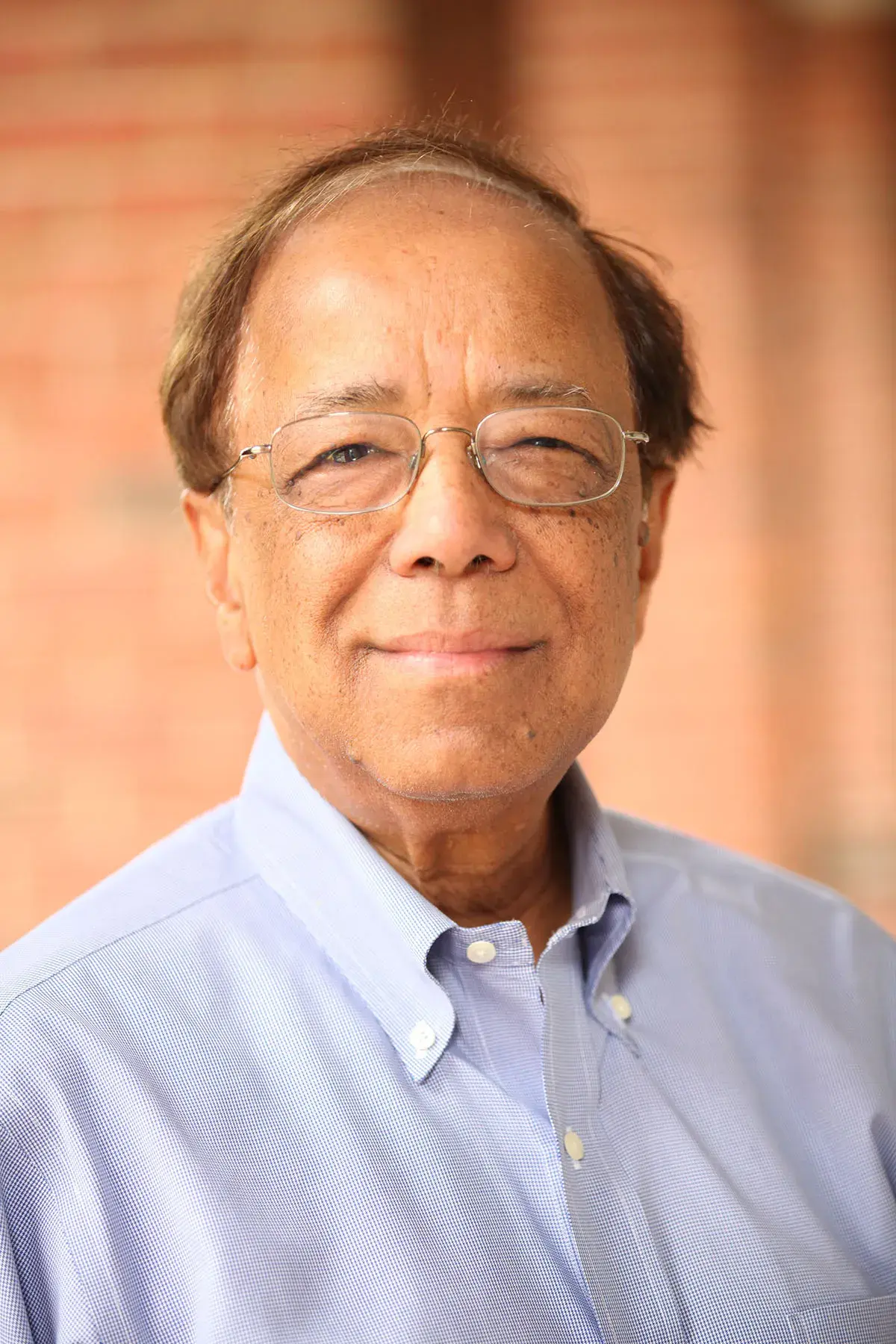
Dibakar Bhattacharyya—known globally as "DB"—is the University Alumni Professor in the Department of Chemical Engineering and Director of the Center of Membrane Sciences at the University of Kentucky’s Stanley and Karen Pigman College of Engineering. Celebrating 50 years of service in 2017, he remains an internationally recognized leader in membrane science and water technologies. Education: Ph.D. Environmental Engineering, Illinois Institute of Technology, USA, 1966 M.S. Chemical Engineering, Northwestern University, USA, 1963 B.S. Chemical Engineering, Jadavpur University, India, 1962 Research Focus: DB’s group pioneers tunable membranes and biocatalytic systems for next-generation water treatment. Major thrusts include high-performance graphene-oxide and amine-functionalized membranes for PFAS detoxification, selective capture of noble metals from electronic-waste streams, and advanced micro/ultrafiltration platforms that clarify viral vectors for gene-therapy applications. Integration of catalytic layers with membrane pores enables simultaneous separation and reaction, pushing the boundary of reactive membrane filtration . His recent works (2022-25) exhibit a clear trend: multifunctional membranes engineered at the nanoscale to solve emerging environmental and biomedical challenges. PFAS remediation, viral-vector purification, and dual-use air/water cleaning filters dominate the portfolio, often coupled with techno-economic or CFD analyses to speed deployment. Current & Recent Support: Investigations are backed by NSF EPSCoR, NIEHS, NSF EAGER, Australian Research Council, Southern Co. and Chevron, among others, reflecting strong federal & industry confidence. Campus Leadership: DB co-chaired the 2018 North American Membrane Society Annual Meeting, bringing 400+ global experts to Kentucky, and continues to direct the interdisciplinary Center of Membrane Sciences.
Colin Reiff serves as a Research Assistant at the Institute for Control Engineering of Machine Tools and Manufacturing Units at the University of Stuttgart, focusing on advanced manufacturing systems and process optimization. His work bridges theoretical research with industrial applications in automotive, aerospace, and general production contexts. His research interests center on process control and optimization in multi-stage production systems and Additive Manufacturing (Powder Bed Fusion Processes) . Reiff has developed innovative approaches for zero-defect manufacturing, particularly through smart centering methods for rotation-symmetric parts and automated vision data systems using collaborative robots. His work demonstrates how dimensional deviations can be compensated during production rather than detected at final inspection. Analysis of his publication record from 2018-2024 reveals consistent focus on manufacturing innovation, with increasing emphasis on data-driven approaches, software-defined manufacturing, and sustainable production. His research spans both theoretical frameworks and practical implementations, with several solutions transitioning to industrial applications. Reiff actively supervises student theses and practical experiments, including the "Simulation of a feed axis closed loop control with MATLAB/Simulink" laboratory course. His work has been supported through EU-funded projects like ForZDM under Horizon2020 and the High-Performance Center "Mass Personalization" in Stuttgart. His research group operates within the University of Stuttgart's manufacturing ecosystem, contributing to initiatives like the "Stuttgarter Maschinenfabrik" - a fully digitalized production environment for customer-individualized products. This environment leverages digital twins and new technological infrastructure to enable application development freedom and machine park flexibility.
Dr. Mohd Ariff Ahmad Nazri is a Senior Lecturer in the Department of Civil Engineering at Tun Hussein Onn University of Malaysia (UTHM) in Batu Pahat, Johor. He leads an active research laboratory focused on hydrological and environmental engineering challenges. Research Interests: His work spans: Water Resources Engineering with emphasis on tropical hydrology Groundwater dynamics including exploration, contamination, and treatment Water quality assessment using chemical and biological indicators Environmental monitoring techniques for Malaysian watersheds Sustainable water solutions like rainwater harvesting and green infrastructure Thematic analysis of his 15 most recent publications (2018-2024) reveals dominant research threads: 58% focus on groundwater characterization/remediation using geophysical and isotopic methods, 27% address surface water quality assessment through chemical/biological monitoring, and 15% develop sustainable water technologies like bioadsorbents and green roofs. His studies consistently feature Malaysian case studies with strong field-data components. Dr. Nazri's lab employs advanced techniques including: Electrical Resistivity Imaging for aquifer mapping Isotope measurements for water interaction studies Carbonization processes for water treatment materials Hydrological modeling and statistical trend analysis
David Gregory Weissbrodt serves as Head of the Department of Biology and Full Professor in the Department of Biotechnology and Food Science at the Norwegian University of Science and Technology (NTNU), Faculty of Natural Sciences. Previously, he was a Tenure Track Assistant Professor at Delft University of Technology (2016-2022) and held postdoctoral positions at ETH Zürich and TU Delft. His academic journey spans environmental chemistry, microbiology, and biotechnology with a focus on water-resource nexus solutions. His educational background includes: Ph.D. in Environment, École Polytechnique Fédérale de Lausanne (2013) M.Sc. in Environmental Sciences & Engineering, École Polytechnique Fédérale de Lausanne (2006) Dipl.-Ing. in Chemistry for Life Technologies, HES-SO Valais/Wallis (2003) Professor Weissbrodt's research pioneers nature-based solutions for water security and circular economies. He integrates microbial ecology with engineering to address antibiotic resistance, nutrient recovery, and space agriculture. His work on recirculating aquaculture systems, purple bacteria biotechnology, and lunar hydroponics demonstrates cross-disciplinary innovation. Current projects like LunarPlant and PhageLand translate fundamental science into practical applications for ecological balance and resource recovery. His recent publications (2023-2025) reveal strong trends in antibiotic resistance dynamics (40%), microbial community engineering (30%), and space agriculture applications (15%), with increasing use of molecular techniques like Hi-C sequencing and metagenomics. These studies consistently bridge fundamental ecology with engineered systems for water treatment and resource recovery. His scientific recognition includes: IWA MEWE Early Career Researcher Award (2019) Springer Theses Series recognition (2015) EPFL's Luce Grivat Award (2013) Four consecutive 'Best Teacher' awards at TU Delft (2017-2022) Professor Weissbrodt actively mentors 7 graduate students (3 PhD, 4 MSc) while leading 8 major research projects funded by ESA, Research Council of Norway, and EU programs. His VertiGrow collaboration with SINTEF advances indoor farming, while PhageLand addresses global antibiotic resistance through wetland technology. He emphasizes responsible innovation through policy engagement and citizen science initiatives. Though no formal lab name is used, his research group operates through the Department of Biotechnology and Food Science, utilizing NTNU's water technology facilities and collaborating with CIRiS for space-related research. The team combines wet-lab experimentation, computational modeling, and field studies to develop scalable environmental solutions.
Jannik Holler serves as a Lecturer for special tasks at the Institute for Bioprocess Engineering and Pharmaceutical Technology (IBPT), Department of LSE, Technical University of Central Hesse in Gießen, Germany. His office is located at Gutfleischstr. 5, Room D10.2.13, with regular availability on Mondays, Wednesdays, and Thursdays. Contact is maintained via jannik.holler@lse.thm.de and phone +49 (0)641 309 2682 by prior arrangement. Research Interests: Dr. Holler's work centers on Bioprocess engineering for pharmaceutical production systems, Bioanalytics for biomolecular characterization, and Pharmaceutical Microbiology ensuring sterility and contamination control. These interconnected fields drive innovation in biopharmaceutical manufacturing quality and efficiency within industrial and academic contexts. Laboratory: He leads the AG DSP research group at IBPT, focusing on downstream processing technologies and analytical methodologies for biopharmaceutical development. The group operates within the university's Life Science Engineering framework, bridging theoretical research with industrial applications in pharmaceutical technology.
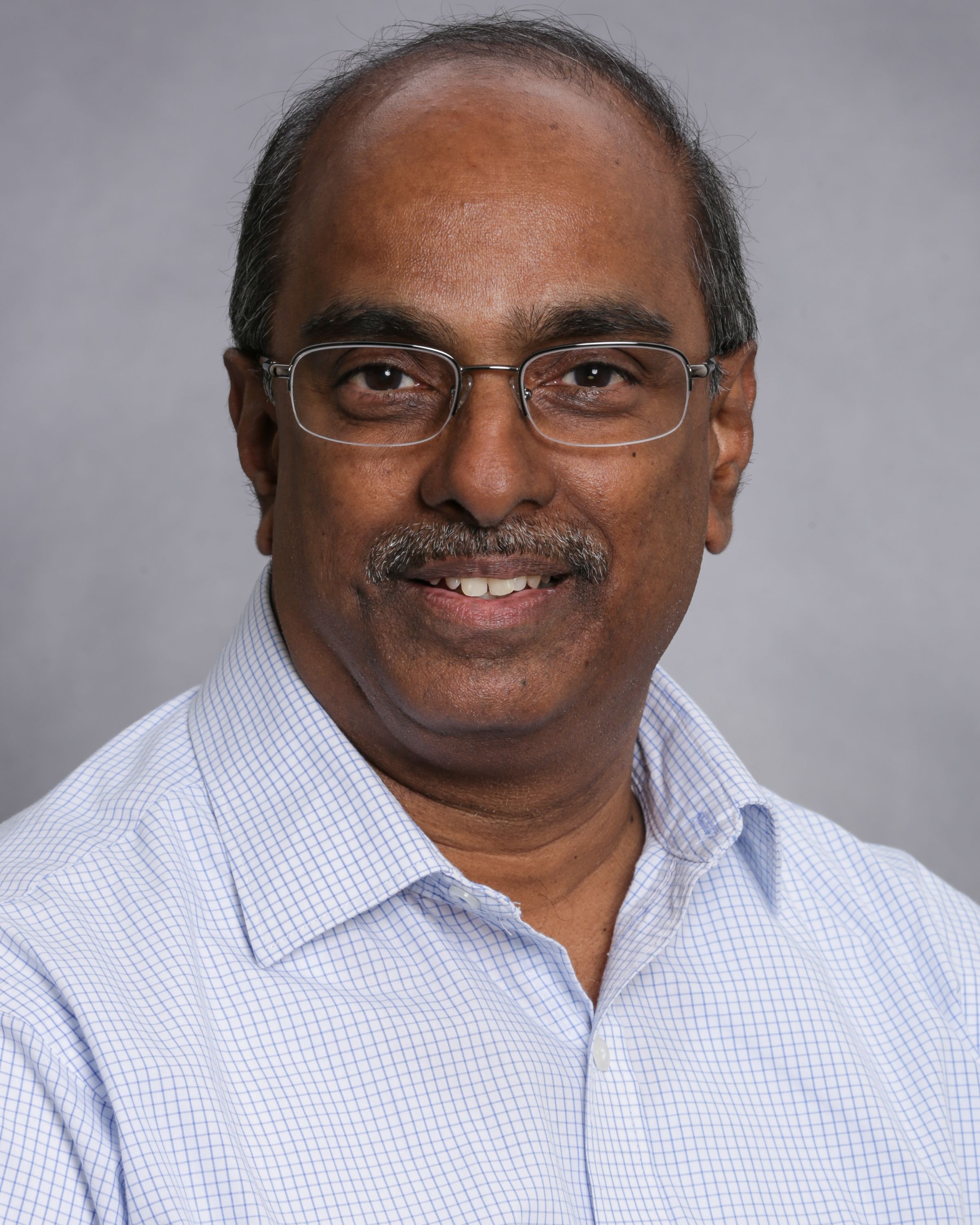
Sivanadane Mandjiny serves as Professor and Director of the Biotechnology Research and Training Center at COMTECH, University of North Carolina at Pembroke, operating from the Oxendine Science Building. His dual role integrates academic leadership with hands-on biomanufacturing workforce development. Research centers on industrial bioprocessing optimization, particularly using green fluorescent protein (GFP) as a model system. His work spans upstream processing (cell line identification, fermentation) and downstream processing (centrifugation, filtration, chromatography), with specialized focus on ion exchange chromatography. Key investigations compare protein binding capacities of nylon/PVA membranes versus Sepharose/silica gel beads to generate industry-applicable adsorption data. Students receive intensive training in laboratory techniques and Cytiva Chromatographic systems, preparing them for immediate industry contribution. The program successfully trains career-changers with no prior biomanufacturing background, demonstrating strong industry alignment. The Biotechnology Research and Training Center functions as both research hub and workforce pipeline, directly addressing pharmaceutical sector skill requirements through practical, industry-tested protocols.
Mateusz Marchel serves as Assistant Professor at the Department of Sanitary Engineering within the Faculty of Civil and Environmental Engineering at Gdańsk University of Technology. His workplace is located in Building D of the Chemical Faculty - Engineering Chemical, room 35D, and he can be contacted at mateusz.marchel@pg.edu.pl. Dr. Marchel's research program centers on sustainable chemical technologies with primary expertise in: Deep eutectic solvents (DESs) and their applications Green chemistry and environmentally friendly solvents Advanced oxidation processes for environmental remediation Aqueous biphasic systems for biomolecule separation Wastewater treatment technologies His publication record demonstrates a focused research trajectory on developing sustainable alternatives to traditional organic solvents. Dr. Marchel has published extensively on DES properties, applications in analytical chemistry, and limitations in environmental contexts. His work spans fundamental research on DES toxicity and thermal stability to practical applications in chromatography, pollutant removal, and biomolecule separation. His 2025 publications represent cutting-edge developments in DES-based microextraction techniques and HPLC stationary phases, indicating an active and evolving research program. Dr. Marchel maintains active international collaborations, as evidenced by his co-authorship with researchers across multiple institutions worldwide. His work appears in high-impact journals spanning chemistry, environmental science, and chemical engineering disciplines, including Separation and Purification Technology, Talanta, Science of the Total Environment, and Journal of Hazardous Materials.
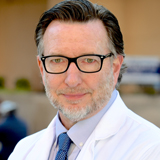
Steven B. McMahon serves as Professor and Chair of the Department of Biochemistry & Molecular Biology at Thomas Jefferson University's College of Life Sciences, concurrently holding the position of Associate Provost. His academic credentials include: PhD in Immunology from the University of Pennsylvania MS in Physiology from Temple University BS in Biology from Albright College Dr. McMahon's research program investigates deregulated biochemical events in human cancer, with primary focus on the transcription factors MYC and p53. His laboratory examines how these factors are regulated in cancer cells, how their transcriptional programs become altered, and the downstream impacts on cellular processes. Current projects specifically explore MYC's role in mitochondrial transcription-driven metabolic reprogramming during malignant transformation, post-translational modification mechanisms controlling p53's tumor suppressor functions, and contributions of SAGA coactivator complex genetic lesions to oncogenesis. Publications demonstrate concentrated expertise in molecular oncology, particularly tumor suppressor pathways and transcriptional regulation in cancer progression, with implications for therapeutic target identification. He leads an active research laboratory within the Department of Biochemistry & Molecular Biology dedicated to advancing cancer mechanism understanding through biochemical and molecular approaches.


_rdax_178x246.jpg)