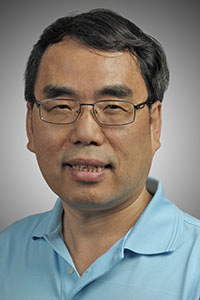
Zenghu Chang is a Distinguished Professor of Physics and Optics at the University of Central Florida, leading the Institute for the Frontier of Attosecond Science and Technology. He holds the UCF Trustee Chair and Pegasus Professor titles. His research focuses on ultrafast laser science, attosecond phenomena, and high-order harmonic generation. Chang earned his PhD from the Chinese Academy of Sciences and has held academic positions at the University of Michigan and Kansas State University. Education: BSc from Xi’an Jiaotong University (1982), PhD from Xi’an Institute of Optics and Precision Mechanics (1988). Postdoctoral research at the Rutherford Appleton Laboratory (1991-1993) and the University of Michigan (post-1996). Research Interests: Attosecond science, terawatt femtosecond lasers, ultrafast atomic physics, coherent XUV/X-ray sources, high-order harmonic generation, and advanced laser technology. His work includes pioneering contributions like the Double Optical Gating technique and generating the world-record 67-attosecond laser pulse. Awards: APS Fellow, Pegasus Professor (2016), Mercator Professorship (2007), and multiple national and international honors. His publications exceed 150 articles in top journals like Optics Letters and Nature Communications . Advising & Grants: Supervised numerous PhD students in optics and physics. Active in securing research grants for attosecond science and laser development. Collaborates internationally on projects involving ultrafast X-ray sources and advanced laser systems. Labs/Teams: Directs the Florida Attosecond Science and Technology group and leads the Institute for the Frontier of Attosecond Science and Technology, advancing cutting-edge laser and X-ray technologies.
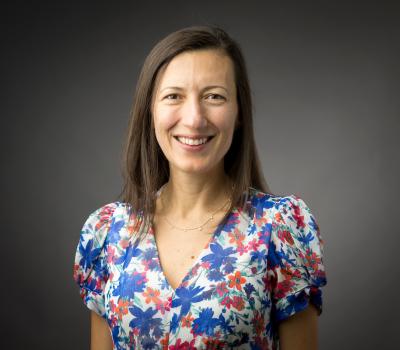
Professor Ananya Choudhury serves as Chair and Honorary Consultant in Clinical Oncology at the University of Manchester, where she is also Co-Group Leader of the Translational Radiobiology Group within the Division of Cancer Sciences. She joined The Christie NHS Foundation Trust in 2008, specializing in urology and sarcoma, and has since focused on radiotherapy-related research in prostate and bladder cancers. Professor Choudhury is clinical lead for advanced radiotherapy, including the groundbreaking MRLinac project, and plays a key role in national radiotherapy research initiatives. Professor Choudhury earned her BA (Hons) in 1993, MB. BChir (Cantab) in 1995, and MA (Cantab) in 1997 from Trinity College, Cambridge. She completed her Clinical Oncology training at the Yorkshire Deanery from 2000-2008, during which she earned her MRCP in 2000 and F.R.C.R in 2004. She completed her PhD in 2008 through the University of Leeds and Princess Margaret Hospital in Toronto, Canada, where she studied the molecular epidemiology of DNA double strand break repair in bladder cancer. Professor Choudhury's research program focuses on optimizing and personalizing radiotherapy using advanced imaging technology to deliver high doses while minimizing side effects. Her work centers on prostate and bladder cancers, with particular interest in predictive biomarkers, hypoxia, and the integration of magnetic resonance imaging to improve treatment precision. She has pioneered research in radiotherapy dose optimization, biomarker development, and the identification of patients who would benefit most from different treatment approaches. Her extensive publication record demonstrates a strong focus on radiation therapy, particularly in genitourinary cancers. Recent work explores MRI-guided radiotherapy, hypoxia biomarkers, and personalized treatment approaches across multiple cancer types. She has made significant contributions to understanding how imaging technology can improve radiotherapy precision and effectiveness while reducing side effects, with several publications appearing in top journals through 2025. Professor Choudhury has received multiple prestigious awards recognizing her contributions to the field: Cancer Research-UK/Royal College of Radiologists Clinical Training Fellowship (2005) Fellowship for the 10th ECCO-AACR-ASCO Workshop on Methods in Clinical Cancer Research (2007) Outstanding Contribution, Greater Manchester Clinical Research Awards (2017) RCR Research Fellowship (2005) Research Fellowship, Princess Margaret Hospital, Toronto (2004) Professor Choudhury has supervised numerous doctoral and master's students across multiple cancer types, with current students expected to complete through 2024. She is Principal Investigator on multiple research grants, including 'Measuring tumour radioresistance to improve radiotherapy outcomes' and the 'MAESTRO Programme' as part of CRUK RadNet. Her research program is supported by significant funding from NIHR Manchester Biomedical Research Centre and other major funding bodies. As Co-Group Leader of the Translational Radiobiology Group, Professor Choudhury collaborates extensively with leading researchers including Peter Hoskin, Catharine West, Corinne Faivre-Finn, and Marcel van Herk. Her team is at the forefront of integrating advanced imaging with radiotherapy to improve cancer treatment outcomes, with active projects spanning from basic radiobiology to clinical implementation of novel radiotherapy techniques.
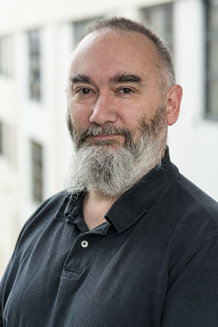
Thomas Berger is a Professor at the University of Hohenheim , affiliated with the Faculty of Agricultural Sciences and leading the Department of Economics of Land Use . He also contributes to the Computational Science Hub and Hohenheim Tropics initiatives. Focus Areas: Climate change adaptation, land-use modeling, biodiversity-productivity trade-offs, agent-based simulation, and machine learning in agricultural systems. Key Projects: Simulation frameworks for smallholder resilience in Ethiopia, bioeconomic modeling in the Amazon, and hybrid intelligence applications in European agricultural policy. Recent Publications: 2025 study on climate change effects on insecticide reduction in Germany, 2024 work on reconciling biodiversity with productivity via hybrid models, and 2023 methodological contributions to surrogate modeling and seasonal forecast integration. Research Trends: Interdisciplinary integration of climate science, agricultural economics, and computational modeling, with increasing emphasis on AI-assisted decision support systems and sustainability policy validation. Teaching & Outreach: Offers Agricultural Economics seminars and Hohenheim Tropics discussions, requiring advance email registration for office hours.
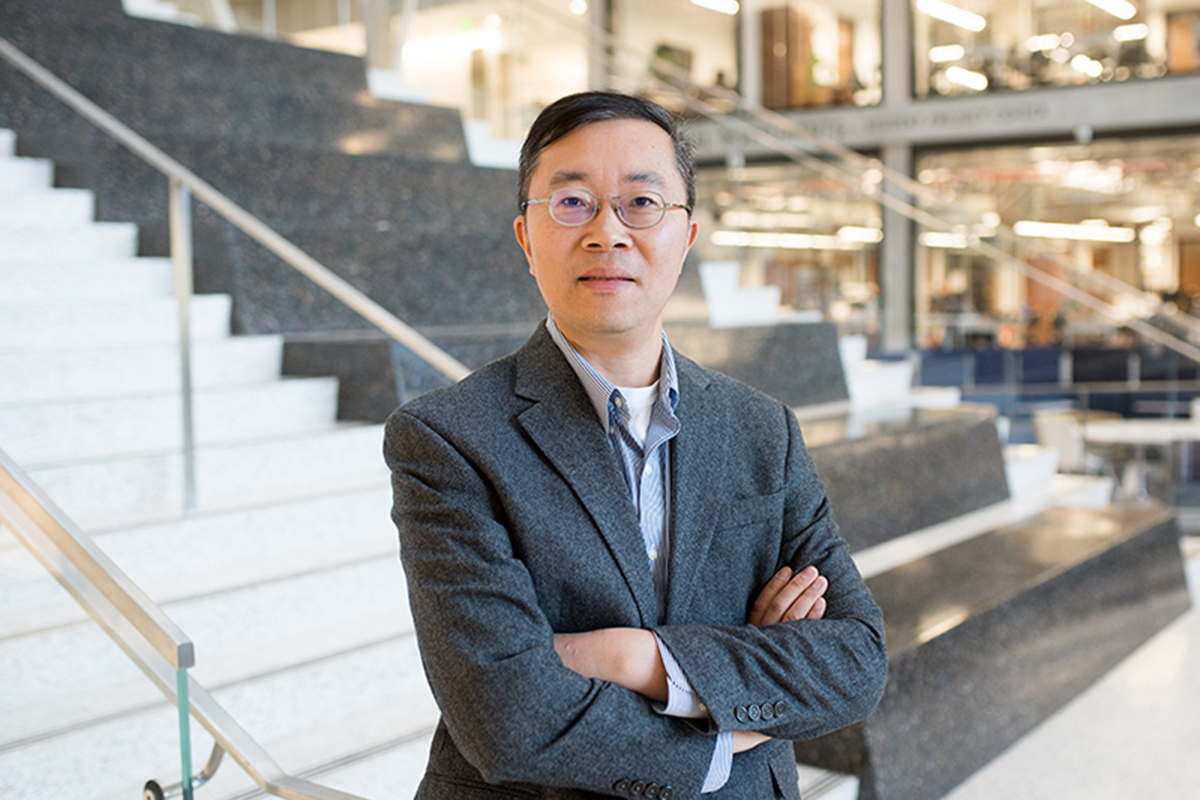
Dr. Jiang Qian is a Lecturer at the University of Sydney. He holds a PhD in Marketing from the University of Houston, a Master’s in Finance from Johns Hopkins University, and an undergraduate double major in Information Systems and Finance from the Southwestern University of Finance and Economics. His research focuses on leveraging quantitative models and machine learning techniques to extract insights from large-scale data in marketing and healthcare contexts, particularly in social media, online search, and healthcare markets. Current research supervision includes Jennifer Ye’s project on Audio Data Analytics: A New Dimension in Customer Service Excellence . Dr. Qian’s recent work spans AI applications in breast cancer detection, medical imaging analysis, and reinforcement learning for autonomous systems. His studies address challenges like AI model calibration, training data quality, and radiologist-AI collaboration in clinical settings. Notable contributions include analyzing video cover image impacts on advertisement engagement and exploring multiresolution techniques for medical imaging segmentation. His interdisciplinary approach bridges marketing analytics and healthcare technology, emphasizing practical clinical translation of AI systems.
Dr. Yelda Turkan is an Associate Professor in the School of Civil and Construction Engineering at Oregon State University, where she leads research in automation, computer vision, and machine learning for sustainable infrastructure. She holds a PhD from the University of Waterloo and dual BS degrees in Civil Engineering and Geomatics Engineering from Istanbul Technical University. Her work focuses on leveraging lidar, digital twins, and BIM to improve construction operations and decision-making in the built environment. She has secured over $4M in grants from NSF, FHWA, and other agencies, and currently leads the NSF Convergence Accelerator-funded 'Deep Reality' project for AI-driven infrastructure management. Education: Ph.D., Civil Engineering, University of Waterloo, 2012 M.S., Engineering Informatics & Remote Sensing, Istanbul Technical University, 2006 B.S., Civil Engineering (double major in Geomatics Engineering), Istanbul Technical University, 2005/2003 Professional Roles: Vice President, International Association for Automation and Robotics in Construction (IAARC) Chair, ASCE Computing Division Education Committee Associate Editor, ASCE OPEN Journal Her research emphasizes automation in construction quality control, infrastructure inspection via drones and lidar, and immersive education tools using VR/AR. Recent projects include automated curb ramp compliance analysis, wildfire impact modeling, and digital twin development for timber structures. She has published over 80 peer-reviewed articles and actively promotes computing integration in civil engineering education and professional practice.
Leid Zejnilovic is an Assistant Professor at Nova School of Business and Economics (Nova SBE), where he co-founded the Data Science Knowledge Center and serves as Academic Director, and co-founded the Open and User Innovation Knowledge Center as Scientific Deputy Director. He also co-founded the Patient Innovation platform, enabling patients and caregivers to share self-made healthcare solutions. With a double PhD from Carnegie Mellon University and Católica-Lisbon School of Business and Economics, his career spans over 20 years of international consulting, academic entrepreneurship, and teaching at institutions like Imperial College Business School and Ludwig Boltzmann Institute. PhD in Strategy, Entrepreneurship and Technological Change (Carnegie Mellon University / Catholic University of Portugal, 2014) Master in Engineering and Public Policy (Carnegie Mellon University, 2012) Master in Information Technology (Dzemal Bijedic University, 2007) Bachelor in Telecommunications (University of Sarajevo, 2002) His research focuses on Technology and Innovation Management, Human-Computer Interaction, and data-driven solutions across healthcare, tourism, and education. He has published extensively in journals like California Management Review , PLoS ONE , and Marine Policy , with recent work analyzing big data in tourism, machine learning for oral health, and pandemic impacts on fisheries. As an Associate Editor for Data & Policy Journal , his contributions bridge academic research and real-world applications. Co-founding the Data Science for Social Good Foundation and leading over 100 talks in industry and academia, Zejnilovic's career emphasizes translating innovation into social and economic impact through platforms, policy, and education.
Simon Crouch is a Senior Research Fellow in Biostatistics at the University of York's Health Sciences department. With a strong mathematical background from Cambridge and Warwick, he leads the analytics team within the Epidemiology and Cancer Statistics Group and works closely with the Haematological Malignancy Research Network (HMRN) and Cardiovascular Health team. His work focuses on statistical modeling of complex epidemiological data related to hematological malignancies. University of Cambridge: MA, MMath in Mathematics University of Warwick: PhD in Mathematics University of Lancaster: MSc in Medical Statistics Dr. Crouch specializes in the statistical modeling of complex epidemiological data, with particular focus on hematological malignancies. His research encompasses predictive modeling, event history analysis, and machine learning applications in cancer epidemiology. He has made significant contributions to understanding myelodysplastic syndromes, lymphoma classification, and survival analysis in blood cancers through population-based studies. His work often involves collaboration with international registries including the European Myelodysplastic Syndromes Registry (EUMDS) and the Haematological Malignancy Research Network. Analysis of his recent publications reveals a strong focus on myelodysplastic syndromes (MDS), with particular attention to risk stratification, survival analysis, and treatment outcomes. His work increasingly incorporates genomic and molecular data to refine disease classification and prediction models. The trend shows progression from purely statistical methodology development toward integrated translational research that combines clinical, genomic, and epidemiological data to improve patient outcomes. Extensive publication record with 113 research outputs including 66 articles, 21 patents, and numerous meeting abstracts Active participation in major international research consortia including MDS-RIGHT and ImmunAID Significant contributions to the development of statistical methodologies for cancer epidemiology Dr. Crouch actively supervises PhD students in mathematical and statistical modeling applied to cancer epidemiology, with particular interest in time-to-event models, complex longitudinal models, and simulation techniques. His research has been supported through multiple projects, including the European Myelodysplastic Syndromes Registry and the MDS-RIGHT project focused on facilitating informed decision-making in hemato-oncology. He contributes to the Advanced Health and Social Statistics module for postgraduate students at the University of York.
Chen Liu is an Assistant Professor in the Department of Computer Science at City University of Hong Kong and the Principal Investigator (PI) of the Machine Learning and Optimization (MLO) group. His research focuses on building reliable machine learning models, particularly studying robustness and privacy properties of deep neural networks from an optimization perspective. University: City University of Hong Kong Academic Rank: Assistant Professor Students: Supervises multiple PhD, MPhil, and postdoctoral researchers. Education: Holds a Ph.D. (2022) and MSc (2017) in Computer Science from École Polytechnique Fédérale de Lausanne (EPFL), and a BSc (2015) in Computer Science from Tsinghua University. Research Interests: Adversarial robustness, privacy-preserving machine learning, optimization algorithms, dataset distillation, generative models, and theoretical analysis of loss landscapes. His work addresses challenges like catastrophic overfitting, architecture overfitting in distilled data, and stable adversarial training methods. Article Trends: Recent publications explore adversarial robustness under l0/l1 norms, gradient inversion for data reconstruction, evolutionary factor searching in finance, and meta-tuning for out-of-domain few-shot learning. These works emphasize optimization techniques to enhance model reliability and generalization. Scientific Awards: Microsoft Research Ph.D. Scholarship Programme (2017–2019) Advising and Grants: Supervises a diverse team of current and former students, with collaborations across institutions like George Mason University and Zhejiang University. Research supported by academic and industry grants. Labs and Teams: Leads the MLO group, which investigates fundamental ML theory and algorithms to improve system reliability. The group's work spans adversarial training, dataset distillation, and generative model optimization.
Yang Zhang is a Visiting Assistant Professor in the Department of Mathematics at the University of California, Irvine (UCI), working under Prof. Katya Krupchyk. His research focuses on inverse problems in imaging sciences, nonlinear hyperbolic equations, and medical imaging applications. He previously held a postdoctoral position at the University of Washington, Seattle, under Prof. Gunther Uhlmann. His work integrates microlocal analysis and partial differential equations to address challenges in wave propagation, nonlinear acoustics, and elasticity. Education & Career: PhD from Purdue University (advisor: Prof. Plamen Stefanov) Postdoc: University of Washington, Seattle (2020–2024) Research Interests: Dr. Zhang's work spans inverse problems for nonlinear hyperbolic equations, acoustic imaging, and integral transforms in medical contexts. He develops novel methodologies using multi-fold linearization, wave interactions, and advanced calculus techniques. His studies on Rayleigh and Stoneley waves in elasticity further demonstrate his expertise in microlocal analysis. Key Contributions: His research bridges theoretical mathematics and applied imaging, with notable publications on inverse scattering, damping effects in wave equations, and Compton camera imaging. He is an active member of the Inverse Problems International Association (IPIA). Grants & Collaborations: Collaborations with prominent figures like Prof. Gunther Uhlmann and Prof. Katya Krupchyk highlight his network in inverse problems. His work often involves both analytical and computational approaches, with applications in medical diagnostics and geophysics.
Asst. Prof. Zehra Evrim Kanat serves as an Assistant Professor in the Textile and Fashion Design Department at Canakkale Onsekiz Mart University's Faculty of Fine Arts since 2020, following research assistant roles at Tekirdağ Namik Kemal University (2014-2020) and Ege University (2009-2014). Her expertise bridges academic research and industry applications in textile engineering. Her educational foundation includes: Doctorate in Textile Engineering from Ege University (2008-2013) Postgraduate in Textile Engineering from Ege University (2005-2007) Undergraduate in Textile Engineering from Ege University (1997-2002) Dr. Kanat's research centers on textile engineering and design, with specialized focus on thermal and moisture management properties of fabrics. She investigates yarn technology, cloth construction, and smart textile applications to enhance comfort in sportswear and technical garments. Her methodological approach integrates artificial neural networks and statistical modeling for predictive analysis of fabric behavior under varying humidity conditions, contributing significantly to thermophysiological comfort research. Publication trends reveal consistent advancement in thermal resistance modeling of knitted and woven fabrics, with recent expansion into smart textiles for sports applications and biomimetic design principles. Her work demonstrates strong interdisciplinary connections between textile science, materials engineering, and functional apparel design. Her research leadership includes: EU-supported project on Textile Insights and Future Aspects (2023-2024) Study on Hatay Silk's fiber properties versus Chinese-Japanese hybrid silk (2022-2023) TUBITAK-funded expert system for woven fabric defect diagnosis (2017-2018) Multiple projects on moisture management properties of technical textiles Dr. Kanat actively contributes to academic discourse through peer review for leading textile journals and participates in interdisciplinary art exhibitions that explore cultural and historical textile narratives.
David Zhigang Pan is a Professor in the Department of Electrical & Computer Engineering at The University of Texas at Austin. He also holds the Silicon Laboratories Endowed Chair. Prior to joining UT Austin, he was a Research Staff Member at IBM T. J. Watson Research Center from 2000 to 2003. His academic journey began with a B.S. from Peking University, followed by M.S. and Ph.D. degrees from UCLA. Research Areas: Electronic Design Automation (EDA), Machine Learning Hardware, FPGA Prototyping, Optical Computing, Hardware Security, and CAD for Emerging Technologies Academic Timeline: Assistant Professor (2003-2008), Associate Professor (2008-2013), Full Professor (2013-present) His research focuses on design automation for mixed-signal circuits , GPU-accelerated EDA tools , and hardware-software co-design for AI . Recent work explores FFT-based optical neural networks and deobfuscation techniques for integrated circuits , reflecting his interdisciplinary approach at the intersection of machine learning , computer architecture , and semiconductor manufacturing . Key publication trends reveal expertise in: VLSI design , lithography optimization , and deep learning applications for EDA tools. His work has been recognized with multiple Best Paper Awards at top conferences including DAC , ASP-DAC , and HOST . Awards: IEEE Fellow (2014), SPIE Fellow (2017), ACM SRC Graduate Category Honors for students Patents: 8 U.S. Patents in electronic design and hardware optimization Prof. Pan has mentored 40 PhDs and postdocs who now hold key positions in academia and industry. He leads research initiatives involving GPU acceleration frameworks and optical computing architectures . His lab focuses on vertical integration of architecture, CAD tools, and fabrication technologies for next-generation hardware solutions.
Jaouad Mourtada is an Assistant Professor in the Department of Statistics at ENSAE/CREST, École Nationale de la Statistique et de l'Administration Économique since September 2020. Previously, he was a postdoctoral researcher at the Laboratory for Computational and Statistical Learning at the University of Genoa (2019-2020). He completed his PhD in Statistics at École Polytechnique under the supervision of Stéphane Gaïffas and Erwan Scornet. His educational background includes a Master's degree in Mathematics with specialization in Probability and Random Models (2016), a Master's degree in Fundamental Mathematics (2015), and a Bachelor's degree in Mathematics from Pierre and Marie Curie University and École Normale Supérieure (2013). Dr. Mourtada's research focuses on the intersection of statistics and learning theory, with particular interest in high-dimensional statistics, online learning, and density estimation. His work explores the complexity of prediction and estimation problems through rigorous theoretical analysis. His research spans statistical learning theory, robust statistics, and the theoretical foundations of machine learning algorithms. His publication record since 2017 demonstrates consistent contributions to top-tier venues in statistics and machine learning, with recent work focusing on universal coding, aggregation methods, robust regression, and the theoretical analysis of kernel methods and random forests. His research shows a progression from online learning and expert aggregation to more complex statistical learning problems involving high-dimensional data and model misspecification. He teaches courses including Statistical Learning Theory for Master 2 Data Science students and Probability Theory at ENSAE. His teaching spans theoretical foundations of machine learning and core probability concepts for advanced statistics students.
Clifford Cheung is a Professor of Theoretical Physics at the California Institute of Technology (Caltech). He is affiliated with the Department of Theoretical Physics within the Division of Physics, Mathematics and Astronomy. His research focuses on fundamental questions in quantum gravity, scattering amplitudes, string theory, and effective field theories, with particular emphasis on bootstrap principles, black hole dynamics, and gravitational wave physics. Cheung's work bridges high-energy physics, astrophysics, and mathematical physics. He has pioneered methods to reconstruct scattering amplitudes using symmetry principles and positivity bounds, contributing significantly to our understanding of string theory's uniqueness and the interplay between gravitational systems and gauge theories. His research also explores the implications of effective field theories for extreme mass ratio binaries and gravitational wave phenomena. Key themes in his work include the development of novel symmetry-based approaches to quantum gravity, the application of bootstrap methods to constrain fundamental theories, and the exploration of connections between scattering amplitudes and black hole thermodynamics. His findings have advanced our knowledge of gravitational interactions, string universality, and the foundational structure of spacetime. Cheung has been featured in Caltech news for his contributions to theoretical physics, including insights into the 'miracle and beauty of physics' and his work on the Sloan Research Fellowships. His research outputs consistently address cutting-edge topics in theoretical physics, with a focus on unifying principles and rigorous mathematical frameworks.
Phiala E. Shanahan is the Class of 1957 Career Development Associate Professor of Physics at the Massachusetts Institute of Technology (MIT). Her research focuses on theoretical nuclear and particle physics, particularly the structure of hadrons and nuclei from QCD. She integrates machine learning to overcome computational challenges in QCD studies, pioneering techniques for lattice gauge theory simulations. Affiliated with MIT's Center for Theoretical Physics, Laboratory for Nuclear Science, and the NSF AI Institute for Fundamental Interactions (IAIFI), she also collaborates with Jefferson Lab and the Electron-Ion Collider project. Education: BSc (2012) and PhD (2015) from the University of Adelaide. Career: Postdoctoral Associate at MIT (2015–2017), then joint position as Assistant Professor at College of William & Mary and Senior Staff Scientist at Jefferson Lab (2017–2018) before joining MIT in 2018. Research Interests: Gluon structure in nuclei, strange quarks in protons/nuclei, and machine learning applications. Her work predicts gluon distributions testable at Jefferson Lab and the Electron-Ion Collider, with implications for dark matter detection via precision calculations. She also explores nuclear forces and symmetry-breaking effects in QCD. Awards: 2023 South Australian Woman of the Year, 2022 Ruby Payne-Scott Medal, 2021 Maria Goeppert Mayer Award (APS), 2020 Kenneth G. Wilson Award, 2018 NSF CAREER Award, 2016 Bragg Gold Medal. Grants & Labs: DOE Early Career Award (2020), IAIFI affiliate, MIT Center for Theoretical Physics. Active in public engagement, including a Perimeter Institute lecture on 'The Building Blocks of the Universe.'
Jinjin Ha serves as an Assistant Professor in the Department of Mechanical Engineering at the University of New Hampshire, with her office located in Kingsbury Hall, Room W101a, Durham, NH. She teaches core mechanical engineering courses including Statics (ME 525), Materials Processing in Manufacturing (ME 742/842), Theory of Plasticity (ME 927), and Doctoral Research (ME 999), demonstrating active engagement in both undergraduate and graduate education. Her research program integrates computational mechanics with advanced manufacturing, focusing on: Machine learning applications for plasticity modeling and fracture prediction Deformation mechanics in incremental sheet forming processes Martensitic phase transformations in stainless steels Anisotropic material behavior and yield function development Ductile fracture characterization of titanium and aluminum alloys Analysis of her 2023-2024 publications reveals a decisive shift toward AI-driven mechanics, where neural networks solve complex constitutive modeling challenges in metal forming. This interdisciplinary approach bridges fundamental material science with industrial manufacturing optimization, particularly in toolpath design and phase transformation control. No scientific awards were documented in the provided profile information. While doctoral research supervision is indicated through ME 999 course listings, specific student names, grant funding details, laboratory facilities, or collaborative team structures were not disclosed in the available text.