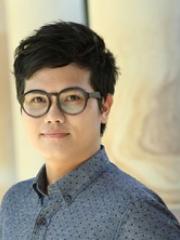
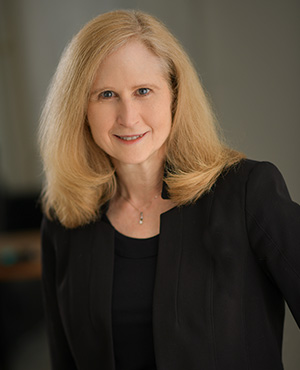
Prof. Dr. Stefan Luther is a Max Planck Research Group leader (W2, tenured since 2013) at the Max Planck Institute for Dynamics and Self-Organization, Göttingen, and an Honorarprofessor at the Faculty of Physics, University of Göttingen. He holds adjunct roles as Adjunct Associate Professor at Cornell University (2009–2012) and Northeastern University (2016–2018), and serves as DZHK-Professor at the Institute of Pharmacology and Toxicology, University Medical Center Göttingen. His research focuses on nonlinear spatiotemporal dynamics in excitable biological media, particularly cardiac arrhythmias. He pioneered 4D imaging of heart function and developed algorithms for optogenetic and electrical control of arrhythmias. Translational efforts span basic research to preclinical and clinical studies. Education includes a Diplom in Physics (1997) and PhD (2000) from Georg-August-University, Göttingen. Postdoctoral training followed at the University of Twente (2001–2004) and Cornell University’s LASSP (2004–2006). His lab, the Biomedical Physics group, explores electromechanical coupling in cardiac systems and develops novel therapeutic approaches. Collaborations include work on computational modeling, uncertainty quantification in dynamical systems, and fluid dynamics of multiphase flows.
Dr. Sotirios Stathakis is Chief of Physics at the Mary Bird Perkins Cancer Center (2023–Present) and Associate Director of the Medical Physics Division at the University of Texas Health Science Center San Antonio (2017–2022). He holds an Adjunct Professor position at Louisiana State University's Department of Physics and Astronomy (2023–Present). His expertise lies in radiation oncology and medical physics, with a focus on patient-specific quality assurance, dose verification, and advanced treatment techniques like adaptive radiation therapy and SBRT. Education: Ph.D., Medical Physics, University of Patras (2005) M.S., Medical Physics, University of Aberdeen (1997) B.S., Physics (minor in Mathematics and Computer Science), University of Waterloo (1995) Research Interests: Patient-specific quality assurance Daily dose verification Treatment planning techniques Adaptive radiation therapy Stereotactic body radiation therapy (SBRT) Automation and workflow optimization in radiation oncology Publications: Over 20 peer-reviewed articles since 2020, focusing on topics like Monte Carlo simulations, AI-driven beam analysis, and AAPM task group recommendations for IMRT verification. Key themes include improving dose accuracy, equipment validation, and clinical implementation of advanced radiation technologies. Grants & Awards: Not explicitly listed in provided text. Labs/Teams: Collaborates with institutions like Fox Chase Cancer Center, South Texas Veterans Health Administration, and LSU on medical physics research and clinical applications.
Dr. Mario Rebosura serves as a Postdoctoral Research Fellow at the Australian Centre for Water and Environmental Biotechnology (ACE), part of the Faculty of Engineering, Architecture and Information Technology at the University of Queensland. His work bridges fundamental research and practical engineering solutions for sustainable urban water systems. His academic credentials include: Bachelor of Science in Chemical Engineering (2009) from the University of the Philippines Los Banos Masters of Engineering in Environmental Engineering (2012) from the Catholic University of Korea PhD in Chemical Engineering (2020) from the University of Queensland Rebosura specializes in integrated urban water management with emphasis on anaerobic technologies and resource recovery. His research investigates iron salt applications throughout urban water cycles, contaminant fate analysis, and advanced wastewater treatment processes. He combines chemical engineering principles with environmental science to develop circular economy solutions that transform waste streams into valuable resources while improving infrastructure resilience. His publication record reveals consistent focus on optimizing iron-based interventions across the urban water system—from sewer networks to treatment plants—with recent expansion into micropollutant management and enhanced anaerobic digestion. This trajectory demonstrates increasing sophistication in addressing complex water-energy-resource nexus challenges through interdisciplinary experimentation. Rebosura actively contributes to scholarly discourse as Editor for the International Research Journal on Innovations in Engineering, Science and Technology and as a reviewer for leading water research journals. His conference presentations have generated international recognition through speaking invitations and workshop leadership. He has secured significant research funding including: Australian Research Council project 'An integrated approach to iron salt use in urban water systems' (2014–2019) Meat & Livestock Australia initiative 'Wastes to Profits: Advanced Anaerobic Digestion' (2018–2022) As a core member of ACE, Rebosura leverages world-class facilities for laboratory and pilot-scale water research, collaborating within multidisciplinary teams to advance sustainable water management solutions for global challenges.
Simone D. Castellarin is a Professor in the Department of Applied Biology at the University of British Columbia's Faculty of Land and Food Systems, and holds the Canada Research Chair Tier 2 in Viticulture. His research focuses on the molecular and physiological mechanisms governing berry ripening and composition in grapes, blueberries, and raspberries, with emphasis on genomic regulation under environmental stressors like heatwaves and drought. PhD in Plant Biology from the University of Udine (2007) Postdoctoral training at Hochschule Geisenheim University and University of California Davis Research areas include terpene biosynthesis, jasmonate signaling, cuticular wax dynamics, and agronomic strategies for climate change mitigation. Key projects involve remote sensing for vineyard zoning , hormone application effects , and genetic studies of berry quality traits . His work spans collaborations with industry bodies like the BC Wine and Grape Council and academic partners including the Cantu Lab at UC Davis. Recent publications highlight genomic analyses of terpene synthases, water deficit impacts on metabolites, and postharvest quality assessments. Awards include the 2009 Rudolf Hermanns Prize for viticultural research. He supervises numerous PhD and Master's students, and leads the Castellarin Lab at UBC's Wine Research Centre.
Jeffrey T. Jensen, M.D., M.P.H., is the Leon Speroff Professor and Vice Chair for Research in the Department of Obstetrics and Gynecology at Oregon Health & Science University (OHSU). He holds joint appointments as Professor of Public Health and Preventive Medicine and serves as a Core Scientist at the Oregon National Primate Research Center (ONPRC). Dr. Jensen completed his medical degree at Emory University, a Master of Public Health at the University of Washington, and residency training at OHSU. Research Focus: Dr. Jensen leads translational and clinical research programs focused on contraceptive innovation. His work emphasizes nonhuman primate models to develop: Novel contraceptive agents targeting oocyte-specific pathways Non-surgical permanent contraception methods Optimized emergency contraception for diverse populations He directs OHSU's Women’s Health Research Unit and the Gates Foundation-funded Oregon Permanent Contraception Research Center (OPERM). Recent Publications: His 15 most recent articles (2023-2025) demonstrate concentrated expertise in: Advanced hormonal contraceptive formulations (IUDs, vaginal rings, oral agents) Weight-adjusted dosing strategies for emergency contraception Biomarker validation for contraceptive efficacy monitoring Real-world assessment of bleeding pattern management Leadership & Collaboration: Dr. Jensen is Principal Investigator of the NICHD Contraception Clinical Trials Network and collaborates with global health organizations (CONRAD, FHI360, Population Council). He serves as Deputy Editor for the journal Contraception and consults for multiple pharmaceutical companies on product development.
Dan Lizotte is an Associate Professor jointly appointed to the Department of Computer Science in the Faculty of Science and the Department of Epidemiology and Biostatistics in the Schulich School of Medicine & Dentistry at Western University. Additional affiliations include the Schulich Interfaculty Program in Public Health and a cross-appointment to the Department of Statistics and Actuarial Sciences. Based in Middlesex College, London, Ontario, his contact email is dlizotte@uwo.ca. His research centers on machine learning and biostatistics for health decision support, with emphasis on sequential decision-making in chronic disease management where evolving patient health status and preferences inform adaptive interventions. Core contributions involve adapting reinforcement learning frameworks to model dynamic health decisions in public health and primary care settings, addressing methodological challenges in personalized medicine and risk prediction. Analysis of his publication record reveals consistent focus on healthcare applications of machine learning, particularly in chronic disease risk modeling using electronic medical records, intersectionality frameworks in public health AI, and Bayesian methods for dose personalization. His work bridges reinforcement learning with clinical decision support systems, advancing dynamic treatment regimes and statistical methodologies for evolving patient data. No scientific awards were mentioned in the provided text. The text does not specify any advisees, grant funding, or educational background details. Lizotte leads a research laboratory focused on machine learning applications in health, as evidenced by the dedicated lab site referenced in his contact information. His team likely explores intersections of statistical methodology, AI ethics, and clinical implementation for personalized health interventions.
Pamela Ronald is a Distinguished Professor of Plant Pathology at the University of California, Davis, affiliated with the Department of Plant Pathology within the College of Agricultural and Environmental Sciences. Her research focuses on understanding and enhancing crop resilience, particularly in rice, through genetic and molecular mechanisms. Key areas include plant immunity against pathogens, climate adaptation, and sustainable agricultural practices. Education and Background: Details on her academic qualifications are not explicitly mentioned in the provided text, but her career trajectory suggests advanced training in plant genetics and pathology. Research Interests: Ronald’s work centers on engineering disease-resistant crops, studying plant-microbe interactions, and developing climate-resilient varieties. Notably, she has contributed to identifying genes like XA21 that confer resistance to bacterial infections and pioneered methods to reduce methane emissions in rice. Her studies also explore the role of sulfated peptides in pathogen virulence and host defense mechanisms. Publications Trends: Her recent articles emphasize molecular mechanisms of plant immunity, genetic engineering applications, and sustainability challenges. Themes include directed evolution of immune receptors, machine learning in genotype-phenotype prediction, and mitigation of agricultural greenhouse gases. Awards and Recognition: While specific awards are not listed here, her leadership in plant genetics and advocacy for evidence-based biotechnology policies reflect significant recognition in her field. Grants and Advising: Ronald has led projects funded by agencies like the U.S. Department of Energy, focusing on bioenergy crops like switchgrass. She collaborates globally on initiatives such as the Rice Protein Tagging Project and the AI Institute for Next Generation Food Systems. Labs and Teams: She directs the Crop Genetics Innovation Lab at UC Davis, fostering interdisciplinary research in crop improvement and sustainable agriculture.
Emmanuel Stamatakis is a Professor of Physical Activity, Lifestyle, and Population Health at the University of Sydney's School of Health Sciences (Faculty of Medicine and Health). He holds NHMRC Leadership Fellowships (2021-2025 and 2026-2030) and leads the Charles Perkins Centre's Physical Activity & Exercise Theme. His research focuses on lifestyle behaviors' impacts on cardiometabolic conditions, cancer, and cardiovascular health, using large-scale cohort studies and wearable device data. Key roles include directing the Mackenzie Wearables Research Hub and co-chairing WHO's Physical Activity Guidelines Development Group. Education: PhD from University of Bristol (2003), post-doctoral training at University College London. He leads the ProPASS consortium, involving 45 cohorts with wearable data. Over 460 peer-reviewed publications, including Clarivate's Highly Cited list since 2019. Research interests integrate physical activity, sedentary behavior, and sleep analytics with clinical outcomes. Current projects explore wearables-based measurement innovations, SPAN (sleep-physical activity-nutrition) synergies, and intervention designs for GLP-1 receptor agonist users. Recent articles emphasize VILPA (vigorous intermittent lifestyle physical activity) benefits, sleep-cardiovascular links, and multimodal lifestyle optimization. Awards include Australia's Top Researcher in Sports Medicine and multiple NHMRC grants. Supervises PhD projects on physical activity measurement and intervention design. Active in 50+ peer-reviewed journals and national/international funding bodies.
Giuseppe Rizzo is a Full Professor at the Department of Maternal and Child Health and Urological Sciences, Sapienza University of Rome. His academic career focuses on Maternal Fetal Medicine, with expertise in ultrasound applications, fetal growth restriction, preeclampsia, and congenital anomalies. Research Interests : Delivery optimization, prematurity prediction, ultrasound diagnostics, and placental anomalies. Recent Publications : Over 15 high-impact studies in 2024-2025 on topics like umbilical cord abnormalities, cerebroplacental ratios, and gestational diabetes complications. Clinical Expertise : Prenatal counseling, Doppler ultrasound, and labor management protocols. Collaborations : Active in multicenter trials across Italy and Europe, with a focus on fetal neurosonology and high-fidelity obstetric simulation.
Rima Alaifari is currently an Assistant Professor for Applied Mathematics at ETH Zürich , where she works on applied analysis, inverse problems, and scientific machine learning. Her research emphasizes stability analysis and regularization of inverse problems, applied harmonic analysis, phase retrieval, and operator learning. She is an associated member of the ETH AI Center and will transition to a full professorship at RWTH Aachen University in 2025 as Chair of Analysis and its Applications. Education : PhD in Mathematics (2010–2014, Vrije Universiteit Brussel); MSc in Applied and Industrial Mathematics (2005–2010, Johannes Kepler University) Research Focus : Stability estimates for inverse problems, phase retrieval in wavelet/Gabor transforms, operator learning with neural networks, and deep learning robustness. Article Trends : Her recent work bridges harmonic analysis with machine learning, focusing on phase retrieval stability, adversarial perturbations in imaging, and mathematically grounded neural operator frameworks like ReNO and CNO. Advising : She has supervised PhD students like Tandri Gauksson and Matthias Wellershoff. Former postdoctoral researchers include Francesca Bartolucci (now at TU Delft) and Jesse Railo (Finnish Inverse Prize winner).
Professor Tariq Butt of Swansea University's Faculty of Science and Engineering leads the Biocontrol and Natural Products (BANP) group , focusing on entomopathogenic fungi and natural product-based biopesticides for managing pests impacting food security , human health , and agriculture . He co-directs the Natural Products BioHub and Health Technology Solutions Research Institute . His cross-disciplinary research includes collaborations with Dr Joel Loveridge (Chemistry) for chemical ecology, Professor Chedly Tizoui (Engineering) for plant-based molluscicides, and Professor Dan Eastwood (Biosciences) for fungal biocontrol. Externally, he works with experts in Greece, Brazil, Turkey, Saudi Arabia , and companies like Certis Belchim and Lallemand . Recent publications highlight his work on fungal volatile organic compounds for pest control, mosquito repellents , and microbial consortia to reduce chemical dependencies. He has supervised over 35 PhD/MSc students and contributed to 174+ peer-reviewed articles and 14 book chapters .
Professor Ingrid Undeland leads the Marine research group at the Division of Food and Nutrition Science, Department of Life Sciences at Chalmers University of Technology. She is a distinguished researcher with expertise spanning marine food science, lipid chemistry, and blue biorefining, having established herself as a leading figure in sustainable seafood research and marine biotechnology. Her educational background includes food science studies from Linnaeus University and a PhD in bioscience from Chalmers University of Technology and SIK (now RISE). Between 1999-2002, she was a post-doctoral fellow at University of Massachusetts Marine Station, which significantly shaped her research trajectory in marine food science. Professor Undeland's research focuses on pioneering next-generation seafood through innovative value chains from seaweed, small pelagic fish, fish side streams, mussels, and microalgae. Her specialized expertise lies in marine lipids and proteins, particularly their stabilization, isolation from complex sources, and nutritional properties including digestibility. She has extensive experience with antioxidant strategies using plant-derived side streams or extracts and fundamental studies of fish hemoglobins as pro-oxidants. Her work also encompasses innovative technologies for biomass fractionation and nutrient recycling to build blue biorefineries, along with in vitro digestion models and general seafood analytics. Beyond marine research, she explores filamentous fungi as sustainable alternative food protein sources. The trends in her recent publications reveal a strong emphasis on valorizing marine resources through advanced processing techniques. Her work increasingly focuses on sustainable extraction methods for seaweed proteins, particularly Ulva fenestrata, and developing antioxidant strategies using berry side streams to stabilize fish proteins. There's a growing interest in understanding the nutritional properties and digestibility of alternative marine proteins, along with environmental assessments of processing technologies. Her research consistently bridges fundamental science with practical applications for creating sustainable seafood value chains. Swedish representative in Nordic Lipidforum, WEFTA, and EuCheMS Editorial board member of Journal of the Aquatic Food Product Technology Member of the National Committee for Nutrition and Food Science at the Royal Swedish Academy of Sciences Co-founder of the startup company AquaFood H-index of 47 according to Google Scholar Professor Undeland has an extensive record of academic mentorship, having supervised or currently supervising 23 PhD students, 14 postdoctoral researchers, and examining over 25 MSc students. Her research is supported by numerous grants, including the WaSeaBi Project which focuses on valorizing seafood side-streams through holistic value chain design. She collaborates with various industry partners and academic institutions across Europe. Her laboratory includes technicians Dr. Karin Larsson and Dr. Rikard Fristedt, and she leads a dynamic research team working on multiple projects related to marine biorefining and sustainable seafood development. Her research group operates within well-equipped facilities at Chalmers University, with specialized laboratories for marine food analysis, protein extraction, lipid oxidation studies, and in vitro digestion modeling. The team also maintains cultivation systems for seaweed and filamentous fungi, enabling integrated research from raw material production to final product development.
Angela Birnbaum is a Professor in the Department of Experimental and Clinical Pharmacology at the University of Minnesota College of Pharmacy. She serves as Associate Director of the Center for Clinical and Cognitive Neuropharmacology and is a Fellow of The American Epilepsy Society (FAES). Her research focuses on translational clinical pharmacology with emphasis on special populations including the elderly, pregnant women, children, and those with drug addiction. Dr. Birnbaum earned her PhD in Pharmacology (with a Neuroscience minor) from the University of Minnesota Department of Pharmacology. She completed her undergraduate studies with a Bachelor of Science and Medical Technology (BSMT) with chemistry minor from Ohio Northern University, along with a Bachelor of Biology (BS). She also completed a Medical Technology Internship at St. Rita's Medical Center and a Post-doctoral Fellowship in Clinical Neuropharmacology at the University of Minnesota. Her research program centers on pharmacokinetics and pharmacodynamics in special populations, with particular expertise in antiepileptic drugs. She investigates drug concentration variability and response across different patient groups, with significant work on medications like lamotrigine, carbamazepine, and lacosamide. Her laboratory operates as a Pharmacokinetics Laboratory Core for various grant projects and explores drug stability both in vivo and in vitro. Dr. Birnbaum's recent publications demonstrate a strong focus on pregnancy-related pharmacokinetics, particularly for antiepileptic medications, and pharmacokinetic considerations for vulnerable populations including neonates and critically ill patients. Her work combines pharmacometric modeling with clinical research to optimize drug dosing across diverse patient populations. Among her notable recognitions: Fellow of The American Epilepsy Society (FAES) Designation as Center of Excellence for Model-based Drug Development (MBDD) Certara Center of Excellence designation for her program Dr. Birnbaum has been principal investigator and collaborator on numerous research projects funded by the National Institutes of Health, pharmaceutical industry, instrumentation companies, and foundations. Her current projects include investigations into antiseizure medication exposure during pregnancy and breastfeeding, development of monoclonal antibodies to reverse fentanyl overdose, and clinical trials of multivalent opioid vaccine components. Her laboratory, the Birnbaum Laboratory for Translational Clinical Neuropharmacology, operates as both an independent research program investigating drug effects on cognition and a Pharmacokinetics Laboratory Core supporting multiple research projects. The lab incorporates Certara's Phoenix software suite into thesis and research projects, reflecting their expertise in model-based drug development.
Steven Meikle is a Professor of Medical Imaging Physics and Head of the Imaging Physics Laboratory at the Brain and Mind Centre, University of Sydney. He also serves as Deputy Director (Preclinical) of Sydney Imaging and Deputy Director of the National Imaging Facility's Sydney node. His expertise spans advanced imaging technologies, with a focus on PET/SPECT instrumentation and molecular imaging. He holds a B.App.Sc.(Hons) from the University of Technology Sydney and a PhD from the University of New South Wales. Research focuses include developing novel PET systems like Open-field PET (for freely moving rodents) and Total Body PET, which enhance imaging sensitivity and enable real-time behavioral studies alongside brain function analysis. Collaborations include Tsinghua University (China) and UC Davis (USA). He leads projects on motion correction, quantitative imaging, and AI-driven analysis. Key achievements include over 180 peer-reviewed publications, editorial roles in Physics in Medicine and Biology , and leadership in professional societies. Awards include IEEE Senior Membership and Australian Institute of Physics Fellowship. Current student projects explore Total Body PET applications, motion correction, and radiopharmaceutical evaluation. Teaching roles include medical physics courses in diagnostic radiography and medical physics programs. He advises on imaging ethics, facility implementation, and translational research bridging basic science and clinical applications.
Marjo Yliperttula is a Professor at the Department of Pharmaceutical Biosciences, Faculty of Pharmacy, University of Helsinki. She serves as a supervisor in the Doctoral Programmes in Biomedicine, Drug Research, and Materials Research and Nanosciences, with expertise in biomaterials and pharmaceutical technology. Her research focuses on nanofibrillated cellulose (NFC) hydrogels for wound healing and drug delivery, extracellular vesicle (EV) engineering for therapeutic applications, and freeze-drying technologies for biomaterial preservation. Key contributions include NFC-based wound dressings that enhance platelet-rich plasma release (2024), Raman spectroscopy methods for monitoring freeze-drying-induced mutarotation (2024), and tandem chromatography techniques for high-purity EV isolation (2023). Her work bridges pharmaceutical sciences with regenerative medicine, emphasizing translational applications in chronic wound treatment and targeted drug delivery. Recent publications (2022-2025) reveal three dominant trends: (1) Optimization of NFC hydrogels for controlled drug release and tissue regeneration, (2) Advanced characterization of EV phenotypes under hypoxic conditions for improved therapeutic efficacy, and (3) Development of analytical methods (Raman spectroscopy, chromatography) to address manufacturing challenges in biopharmaceuticals. These themes reflect her group's commitment to solving critical problems in biomaterial stability, EV-based delivery, and precision wound care. Professor Yliperttula has supervised 10 doctoral theses, including recent work on NFC for skin substitutes (Elle Koivunotko), freeze-drying of hydrogels (Arto Merivaara), and mesenchymal stromal cells for wound healing (Jasmi Snirvi). She currently leads the Academy of Finland-funded GeneCellNa project (2024-2026) on gene/cell/nanotherapy for chronic diseases and a Finnish Red Cross project (2023-2024) on NFC for blood products, with cumulative project funding spanning 18 initiatives since 2005. She heads the Biopharmaceuticals Group within the Drug Research Program, fostering collaborations across pharmaceutical biosciences, materials science, and clinical medicine to advance next-generation therapeutic platforms.