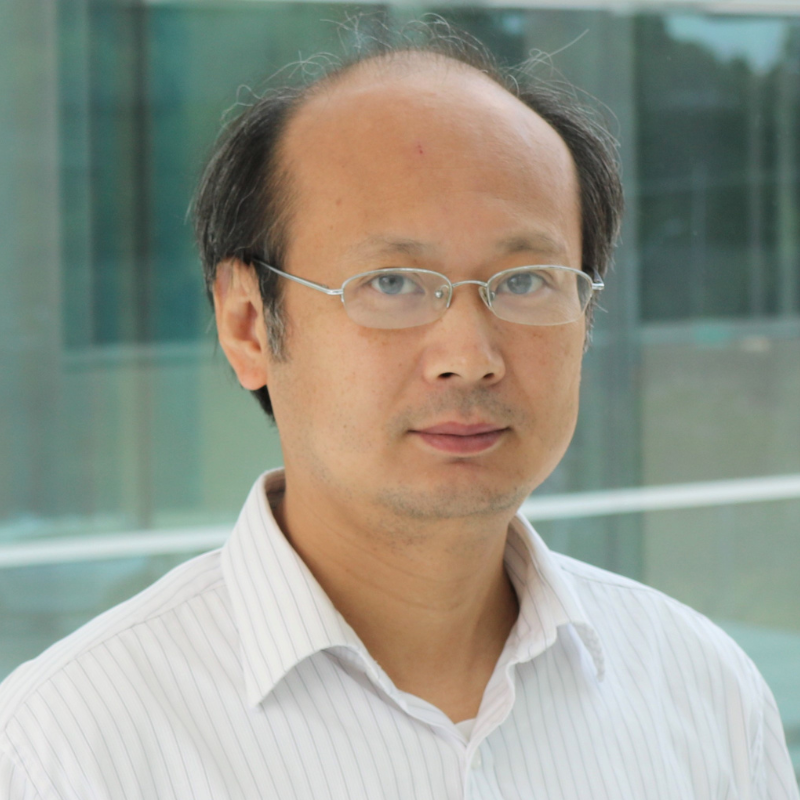
Stephanie Dixonمشاهده پروفایل
استادیار مدعو
Stephanie Dixon, PhD, MSc is an Adjunct Assistant Professor in the Department of Epidemiology and Biostatistics at the Schulich School of Medicine & Dentistry, Western University. She serves as Program Manager for the Kidney, Dialysis and Transplantation Program at the Institute for Clinical Evaluative Sciences and works as a Biostatistician at the London Health Sciences Centre. Her academic appointments include being an Associated Graduate Faculty member with the Department of Mathematics and Statistics at the University of Guelph. Dr. Dixon earned her Post-Doctorate in Biostatistics from Western University (2009-2011), PhD in Statistics from the University of Guelph (2004-2009), MSc in Statistics from the University of Guelph, and Honours BSc in Mathematics and Statistics from McMaster University. Her research spans biostatistics methodology and clinical applications with particular expertise in kidney disease research. Dr. Dixon specializes in cluster randomization trials, survival analysis, health services research, and statistical methods for correlated observations. Her work frequently involves population-based research related to kidney disease and clinical trials, applying rigorous statistical methodologies to address important clinical questions in nephrology. Dr. Dixon's recent publications demonstrate a strong emphasis on applying biostatistical methods to real-world healthcare problems, particularly in nephrology. Her research portfolio includes medication safety studies in kidney disease patients, comparative effectiveness research on dialysis modalities, and methodological improvements in clinical trial design. She has made significant contributions to understanding drug safety profiles, organ allocation systems, and statistical methodology for cluster randomized trials. As an active member of the Biostatistics Research Cluster at Western University, Dr. Dixon collaborates across disciplines to advance statistical methodology and its application to health research questions. Her work bridges theoretical statistics and practical healthcare applications, contributing substantially to evidence-based medicine through rigorous methodological approaches applied to clinically important questions.