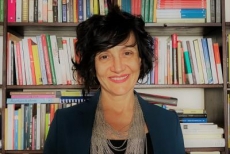
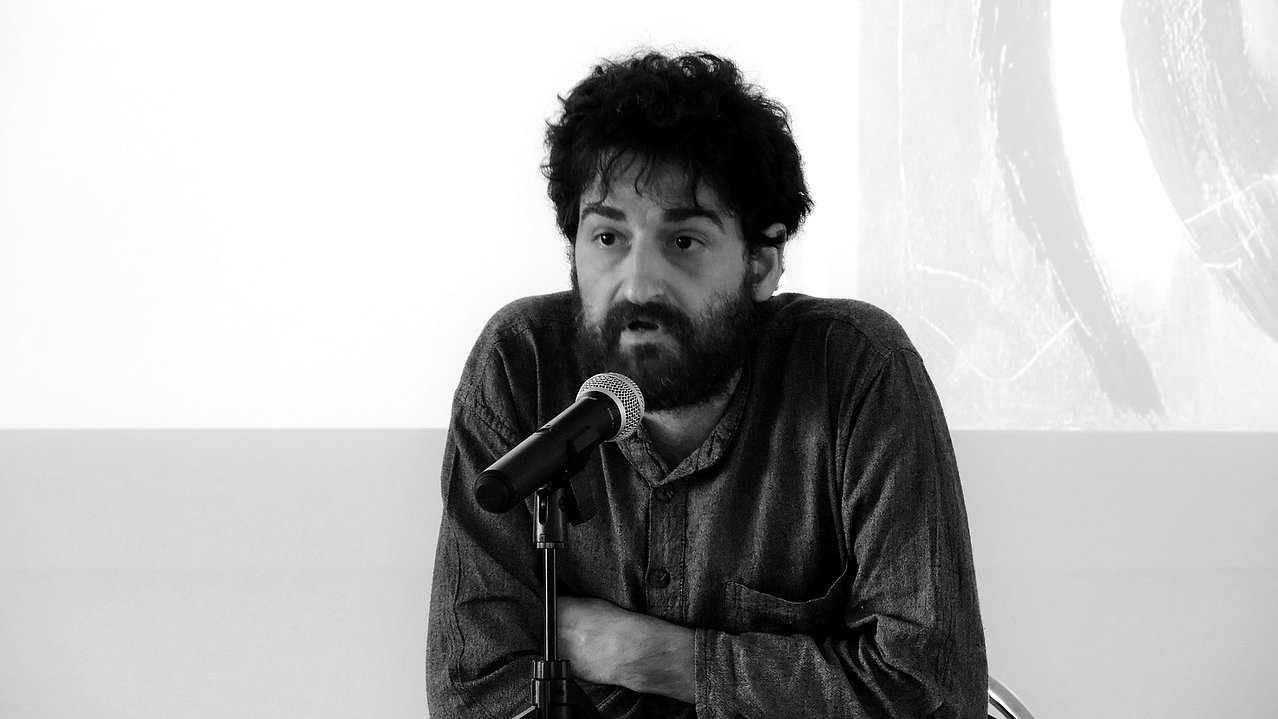
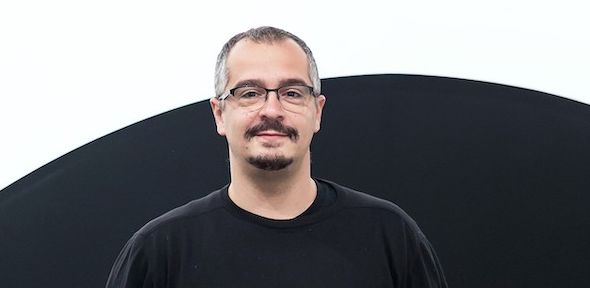
Anna Berge is a Professor of Linguistics at the University of Alaska Fairbanks, directing the Alaska Native Language Archive. She holds a PhD from the University of California, Berkeley (1997), specializing in the documentation, description, and historical analysis of Eskimo-Aleut languages, particularly Unangam Tunuu (Aleut). Her research integrates linguistics with archaeology, genetics, and environmental studies to explore prehistoric language contact and divergence patterns along the North Pacific Coast. Her work focuses on morphosyntax, discourse analysis, and language revitalization for highly endangered languages. She teaches courses in Morphology, Field Methods, Community Language Documentation, and Eskimo-Aleut Linguistics, emphasizing practical skills for language preservation. Berge's multidisciplinary approach addresses Aleut language divergence from Eskimoan branches, leveraging data from multiple disciplines to reconstruct linguistic prehistory. She actively collaborates with Indigenous communities in Russia, Alaska, Canada, and Greenland to archive linguistic materials and support language maintenance initiatives.
Alison Landsberg is a Professor at George Mason University, affiliated with the Department of History and Art History and the Cultural Studies PhD program. Her research focuses on the politics of memory, affective engagements with the past, visual culture, and the intersections of race, aesthetics, and history. A leading scholar in memory studies, she explores how mass media and popular culture shape historical consciousness and political subjectivity. Her seminal works include *Prosthetic Memory* (2004) and *Engaging the Past* (2015), which analyze how mediated experiences of history foster empathy and progressive politics. Landsberg’s interdisciplinary work bridges film studies, cultural theory, and historiography. She examines how audiovisual media—from films to immersive digital exhibits—produce alternative historical narratives that challenge traditional academic historiography. Her current project, *Impossible Histories*, critiques conventional ‘historicism’ and explores counterhegemonic modes of historical representation. Her teaching spans courses on historical cinema, visual culture, and the politics of memory. She has advised over 20 doctoral students, many of whom explore topics like public history, digital memory, and cultural activism. Landsberg is a frequent keynote speaker at international conferences and has contributed to NPR’s *On the Media* and *The American Scholar* on topics ranging from racial representation to post-postracial America. Landsberg’s research emphasizes the urgency of rethinking historical engagement in an era of fragmented media and contested identities. Her work underscores the ethical and political stakes of how societies remember—and forget—the past.
Sunny Xiang is an Associate Professor of English at Yale University, where she teaches and conducts research at the intersection of literature, race, war, and empire. Her work critically examines U.S. military empire in Asia and the Pacific, particularly through aesthetic, cultural, and documentary forms from the mid-twentieth century. She is affiliated with the Department of English in the Faculty of Arts and Sciences at Yale. Ph.D., University of California, Berkeley B.A., Northwestern University Her research focuses on the cultural genealogies of American empire, with an emphasis on how war and militarism shape perception, knowledge, and everyday life. Key areas include Cold War aesthetics, Asian American studies, Pacific studies, critical militarization studies, and feminist science studies. She is particularly interested in how literary and cultural forms reveal the intimate, quotidian, and often invisible operations of empire. Her publications span journals such as ASAP/Journal , Radical History Review , PMLA , and Public Books . Her first book, Tonal Intelligence: The Aesthetics of Asian Inscrutability During the Long Cold War (Columbia University Press, 2020), explores the visual and narrative trope of Oriental inscrutability in relation to U.S. intelligence operations. Her current project, Chemical Apophenia: Air Conspiracies and Skin Connections in the Toxic Tropics , investigates how WWII military science in the Pacific generated new paradigms for detecting toxicity. The articles reflect a consistent engagement with themes of militarized domesticity, aesthetic excess, diasporic memory, and the entanglement of fashion, food, and war in imperial contexts. Mundane Militarisms: War, Archives, and Everyday Life (2024) Militarized Comfort: How to Feel Naked While Wearing Clothes (2023) Bikinis and Other Atomic Incidents: The Synthetic Life of the Nuclear Pacific (2022) Wars of Contemporary Life (2020) Global China as Genre (2019) Sunny Xiang has not been mentioned in relation to any scientific awards or fellowships in the provided text. She teaches courses such as War and Everyday Life, Readings in Comparative World English Literatures, and The Teaching of English. While her advisees or research teams are not listed, her scholarship demonstrates deep engagement with interdisciplinary methodologies and collaborative work, such as with the Mundane Militarisms Collective. She has not indicated any lab affiliations, but her research involves critical archival work and analysis of visual, literary, and cultural materials.
Vinzenz Hediger is a Full Professor of Film Studies at Goethe University Frankfurt, Germany. He has held previous positions as Full Professor of Film Studies and History/Theory of Documentary Forms at Ruhr-University Bochum (2004–2011) and as a substitute Full Professor at the same institution (2002/3). Hediger has served as Senior Fellow at IKKM, Bauhaus Universität Weimar (2016), and as Speaker/Director for research programs including the DFG-funded Graduate College GRK 2279 Configurations of Film (2017–2021) and the Hans Böckler Foundation's The Productivity of Culture (2009–2014). Current Role: Full Professor, Film Studies, Goethe University Frankfurt Previous Roles: Professorships in Film Studies, Guest Professorships in Belgium, France, Italy, Czech Republic Leadership: Co-founder of NECS (2006–2011), President of German Association for Media Studies (2007–2011) Research Interests span Film Studies, Film Philosophy, Media Culture, Post-cinema, and Digital Media Culture. His work explores the philosophical foundations of film, industrial cinema, and the digital transformation of media practices. Hediger's recent publications focus on the ecology of post-cinematic media, the productivity of industrial films, and the historiography of film studies. Scientific Awards & Roles include membership in the Mainzer Akademie der Wissenschaften und der Literatur (2017), Senior Fellowship at IKKM (2016), and Franqui Chair at the University of Antwerp (2014). He has directed large-scale research programs and contributed to international academic networks like NECS.
Anup Grewal is an Assistant Professor at the University of Toronto Scarborough (UTSC) within the Department of Historical and Cultural Studies and affiliated with the Tri-Campus Graduate Department of History at the University of Toronto. She teaches courses in History, Women’s Studies, and Global Asia Studies, integrating interdisciplinary perspectives into her pedagogy and research. Education: PhD in East Asian Languages and Civilizations, University of Chicago (2012) MA in History, Trent University BA in History, McGill University Her research focuses on modern Chinese cultural history, gender studies, and transnational leftist movements. She explores intersections of literature, film, and political activism, particularly examining Chinese women's roles in leftist movements of the 1920s-30s. Additional projects include comparative analyses of socialism in Indian and Chinese literature, and studies of minority films in contemporary China. Prior to her current position, she held roles as a Lecturer in Chinese and Comparative Literature at King’s College London (2013–15) and a Postdoctoral Fellow at Leiden University (2012–13).
Professor Alberto Rigolio is a scholar of Classics and Ancient History at Durham University, specializing in the Eastern Mediterranean during the Roman and Late Antique periods. He focuses on Syriac literature, Greco-Roman intellectual traditions, and the reception of classical texts in early Christian and Islamic contexts. Rigolio holds a D.Phil. from Oxford University and has held prestigious fellowships at Harvard, Princeton, and All Souls College, Oxford. He serves as Chair of the Board of Examiners at Durham and is a Fellow of the Higher Education Academy. His research explores the transformation of classical dialogue forms in late antiquity, the transmission of Greek texts into Syriac and Arabic, and the cultural intersections between Greco-Roman, Christian, and Islamic traditions. Key works include Christians in Conversation (Oxford UP, 2019), which examines late antique dialogue literature, and a forthcoming book on the emergence of Syriac literature supported by British Academy and Princeton IAS fellowships. Education: BA/Milan, D.Phil./Oxford, Postdoctoral Fellowships at Harvard and Princeton Affiliations: Institute of Medieval and Early Modern Studies, Durham Rigolio's articles analyze Syriac translations of Aristotelian works, Plutarch, and Themistius, revealing how Greco-Roman thought was adapted to meet religious and cultural needs. His projects include studies on Syriac rhetoric, the Roman household in late antique conflicts, and para-biblical narratives. He supervises postdoctoral researchers and PhD students on topics ranging from Syriac literary culture to late antique religious identity. Awards: British Academy Mid-Career Fellowship (2024), All Souls College Visiting Fellowship (2024) Grants: Leverhulme Trust, British Academy, American Philosophical Society He directs research labs examining Syriac intellectual culture and co-ordinates interdisciplinary projects on late antique translation movements. Rigolio is actively involved in public outreach, offering talks on Roman religion, Palmyrene military identity, and the Graeco-Syro-Arabic textual tradition.
Professor Helen Finch (University of Leeds) is a leading scholar in German Literature , with a focus on Holocaust Studies , Queer Memory , and German-Jewish Cultural Production . Affiliated with the School of Languages, Cultures and Societies and the Centre for Jewish Studies , she co-leads the LCS Queer Area Studies Network and contributes to equality initiatives through the LGBT+ staff network . Research: Holocaust representation in German works, queer identity in postwar literature, transnational memory studies, curriculum design in German studies Awards: Fellow of the Higher Education Academy (2014) Academic Output : Her 15 most recent publications span Holocaust poetics , queer life writing , translation ethics , and Sebaldian intertextuality , with a particular focus on intersections between trauma , identity , and intergenerational testimony . Supervision : Currently guides PhD research on topics including transnational transphobia , queer art practices , and LGBTQ+ cross-cultural representation . Her students explore areas from German exile photography to postcolonial queer narratives .
Caterina Stefania Romeo is an Associate Professor in the Department of Modern Literature and Culture at Sapienza University of Rome's Faculty of Letters and Philosophy. She teaches courses including Introduction to Literary Criticism, Gender, Race, and Mobilities: Narratives and Counternarratives, and Literature, Migration, Inequality. Her office is located on the 4th floor of the Faculty of Letters and Philosophy in Studio B. Dr. Romeo specializes in Postcolonial Studies, Gender Studies, Migration Studies, and Race and Ethnicity Studies, with particular focus on Italian literature and transnational perspectives. Her research explores the intersections of race, gender, and postcoloniality in contemporary Italian contexts, examining how these dynamics shape national identity, urban spaces, and literary production. She has made significant contributions to understanding postcolonial Italian literature, Black Italian experiences, and intersectional approaches to cultural studies. Her scholarly work demonstrates consistent engagement with contemporary issues in Italian society, particularly regarding migration, race relations, and gender dynamics. She has developed innovative frameworks for analyzing how postcolonial perspectives reshape understandings of Italian national identity and cultural production. Premio nazionale di divulgazione scientifica (2014) - finalista John Fante Prize (2009) for La pelle che separa di Kym Ragusa Acerbi Special Prize for Women's Writing (2008) for Vertigo di Louise DeSalvo American Italian Historical Association Award for best doctoral thesis in Italian American Studies (2000) Dr. Romeo has supervised numerous doctoral students including Christina Maraboutaki, Giulia Fabbri, Valentina Quaresima, Barbara De Vivo, Emily Marogi, and Karisma Wilson. She has received multiple research grants including Transliteratures Fellowship, Princeton-Pettoranello Foundation Dissertation Grants, and various post-doctoral fellowships. Her work demonstrates sustained engagement with both theoretical frameworks and practical applications in postcolonial, gender, and migration studies. She is actively involved in organizing academic events, conferences, and seminars focused on postcolonial studies, gender studies, and migration. Dr. Romeo has collaborated extensively with international scholars and institutions, reflecting her transnational approach to research and teaching.
Yingjin Zhang is a Distinguished Professor of Modern Chinese Literature at the University of California San Diego (UCSD), affiliated with the School of Arts and Humanities. He holds a Ph.D. in Comparative Literature from Stanford University (1992). His research focuses on Chinese literature, comparative literature, cinema studies, visual culture, cultural history, and urban studies. Previously, he taught at Indiana University and served as President of the American Association of Chinese Comparative Literature. He has held prestigious fellowships including the Fulbright China Research Fellowship (2003-04) and has been a visiting professor at institutions like the University of Chicago and Nanjing University. Education: Ph.D. in Comparative Literature, Stanford University (1992) M.A., University of Iowa (1987) Research Interests: Zhang’s work interrogates intersections between literature, cinema, and urbanization in modern China. He analyzes how cultural forms like documentary film and urban narratives reflect societal transformations, translocal identities, and global cultural flows. Notable themes include post-disaster epistemologies in Chinese reportage, the politics of space in Jia Zhangke’s films, and the reconfiguration of Shanghai’s cinematic legacy. His scholarship bridges comparative literature methodologies with empirical film and literary analysis. Awards & Fellowships: Fulbright China Research Fellowship (2003-04) National Endowment for the Humanities Summer Fellowship (1999) Outstanding Junior Faculty Award (Indiana University, 1996) Advising & Editorial Roles: Doctoral advisor for scholars now at institutions like Peking University and Texas A&M Editorial board member for journals including Journal of Chinese Cinemas and Prism: Theory and Modern Chinese Literature His transnational research collaborations and editorial work position him as a key figure in global Sinophone studies and Chinese cinema scholarship.
Professor Alberto Rigolio is a leading scholar of Classics and Ancient History at Durham University, specializing in the cultural and intellectual history of the Eastern Mediterranean during the Roman and late antique periods. He holds a D.Phil. from Oxford University and has held prestigious fellowships at Harvard Dumbarton Oaks, Princeton Society of Fellows, and All Souls College Oxford. His research focuses on Syriac literature, Greco-Syro-Arabic translation movements, and religious debates in late antiquity. Rigolio has published extensively, including his award-winning monograph Christians in Conversation (2019), and currently leads projects supported by the British Academy and the Institute for Advanced Study. He supervises PhD students across multiple institutions and mentors postdoctoral researchers like Dr. Karl Heiner Dahm and Dr. Mara Nicosia. His work bridges classical antiquity with early Christian and Islamic intellectual traditions, emphasizing literary and educational exchanges in late antique societies. Educations: D.Phil., University of Oxford (2014) MPhil/BA, University of Milan and Oxford Research Interests: Syriac literary emergence, Greek-Syriac-Arabic translation networks, late antique dialogues, early Christian theology, and the cultural history of the Roman Near East. Rigolio's current projects investigate how Syriac became a major literary language and its role in transmitting Graeco-Roman thought to early medieval cultures. Grants & Awards: British Academy Mid-Career Fellowship (2024) All Souls College Visiting Fellowship (2024) Princeton IAS Membership (2023) Advising & Mentoring: Supervised 9 PhD students, including Cédrik Michel (Lancaster University Lecturer) and Lila Knight (awarded 2024). Mentors postdoctoral scholars in areas like Syriac rhetoric and late antique religious conflict. Labs/Teams: Leads interdisciplinary research groups at Durham and collaborates with institutions like the Institute for Advanced Study, focusing on textual analysis and cultural history.
Martha Stiegman is an Associate Professor at the Faculty of Environmental and Urban Change, York University. Her research integrates Indigenous knowledge, food sovereignty, and arts-based methodologies to address issues of social, environmental, and disability justice. She is actively engaged in community-based research and public scholarship in Toronto and Mi’kma’ki (Nova Scotia). Her educational background includes a PhD from Concordia University’s Special Individualized Program and a BA in English Literature & Political Science from McGill University. This interdisciplinary foundation supports her work at the intersection of activism, research, and art. Stiegman’s research focuses on three interconnected domains: Indigenous/settler treaty relations, food sovereignty and justice movements, and participatory video and arts-based research. She emphasizes decolonizing methodologies and community-led knowledge production. Her work explores how arts-based approaches can deepen dialogues across communities and strengthen collective action for justice. Her recent publications and multimedia projects demonstrate a strong trend toward interdisciplinary, community-engaged scholarship that bridges Indigenous epistemologies, environmental justice, and disability justice. She frequently uses film, digital storytelling, and public art to mobilize knowledge and challenge colonial narratives. Co-creator of A Treaty Guide for Torontonians (2022) Lead on the Polishing the Chain project exploring Toronto’s treaty relationships Editor of the forthcoming Anti Colonial Food Systems (Routledge) Active collaborator with Indigenous scholars and artists including Dr. Sherry Pictou, Ange Loft, and Elder Kerry Prosper Stiegman has been involved in significant research grants such as the Atlantic Aboriginal Health Research Program. While specific advisees are not listed, her collaborative projects suggest active mentorship and supervision. She does not appear to lead a formal lab but works within research collectives and community partnerships.
Dr. Enrico Lucca serves as a Research Fellow at the Dubnow Institute, where he has held the position of Research Associate since January 2018. He concurrently coordinates the Research Unit 'Knowledge', the Institute's Forum, and oversees peer reviewing for the Dubnow Institute Yearbook. His academic work centers on twentieth-century European-Jewish history and thought, with specialized focus on knowledge transfer between Europe and Israel/Palestine, intellectual history, and institutional history within Jewish contexts. Lucca completed his Master's degree in Philosophy at the University of Milan in 2007, followed by doctoral studies (2009-2012) at the same institution, culminating in a dissertation titled 'A Dialectic Vision of Jewish History. Gershom Scholem and the Legacy of Messianism.' His academic training includes post-graduate specialization in Cultural Studies at Scuola Alti Studi in Modena (2009) and visiting research periods at the University of Chicago Divinity School (2009-2010) and Hebrew University of Jerusalem (2011). His research traverses European-Jewish intellectual history, Jewish cultural studies, and philosophy of religion, with particular emphasis on messianic thought, Kabbalah studies, and Hebrew literature. Lucca's scholarship frequently examines biographical and institutional frameworks that shaped Jewish thought in the twentieth century, especially through figures like Gershom Scholem, Franz Rosenzweig, and Hugo Bergmann. His methodological approach integrates cultural history with philosophical analysis to explore knowledge transmission across geographical and temporal boundaries. Analysis of his 15 most recent publications reveals consistent engagement with Central European Jewish intellectual migration to Palestine/Israel, institutional history of the Hebrew University, and critical reinterpretations of Scholem's legacy. His work demonstrates interdisciplinary breadth across history, philosophy, and literary studies, with recurring themes of linguistic identity, cultural transfer, and the interplay between mysticism and modernity in Jewish thought. No scientific awards are documented in the provided materials. While no formal students are listed, Lucca has secured significant research funding including a Gerda Henkel Foundation fellowship (2016-2017) for 'German-Jewish Knowledge and Cultural Transfer 1918–1948' and currently serves as Principal Investigator for the German Research Foundation-funded International Research Training Group 'Belongings: Jewish Material Culture in Twentieth-Century Europe and Beyond' (since 2024). Lucca actively leads the Research Unit 'Knowledge' and co-directs the International Research Training Group 'Belongings'—a tripartite collaboration between the Dubnow Institute, Leipzig University, and Hebrew University of Jerusalem—focusing on material culture approaches to Jewish history through comparative, transnational frameworks.
Dr. Kareem Estefan is an Assistant Professor of Film and Screen Studies at the University of Cambridge's Department of History of Art and a Fellow and Director of Studies in History of Art at Christ’s College. His research focuses on contemporary visual culture, particularly Arab moving-image practices, Global South cinema, and activist engagements with colonialism. He is currently on research leave during Lent Term 2025. Estefan holds a PhD from Brown University (2022), where he completed a dissertation supported by the Mellon/ACLS and Darat al-Funun Fellowships. He also earned an MFA in Art Criticism and Writing from the School of Visual Arts (2012) and a BA in Comparative Literature from New York University (2008). Prior to Cambridge, he taught at Brown University, the American University of Beirut, the Rhode Island School of Design, and the School of Visual Arts. His research explores decolonial processes in Palestinian art and cinema, framing witnessing as a form of worldbuilding and world repair. He co-edited Assuming Boycott: Resistance, Agency, and Cultural Production (2017) and is completing a book manuscript on Palestinian moving-image practices. Estefan’s writing appears in Artforum , Frieze , Journal of Visual Culture , and other venues. His work bridges scholarly and general-audience discourses, emphasizing art’s role in confronting colonial legacies and imagining alternative futures.
Eric Rentschler is the Arthur Kingsley Porter Professor of Germanic Languages and Literatures at Harvard University, affiliated with the Film and Visual Studies Program. He holds a PhD from the University of Washington with academic training in German literature, history, and European intellectual history across Stuttgart, Bonn, and Prague. A leading scholar in German cinema and cultural studies, his work spans from Weimar-era films to contemporary German cinema, focusing on historical memory, political representation, and transnational cultural exchanges. Director of Harvard’s annual Berlin Film Program (coordinated with Deutsche Film- und Fernsehakademie Berlin) Editor of New German Critique and co-director of the German Film Institute Recipient of major grants including Guggenheim, Humboldt, ACLS, DAAD, and Fulbright fellowships His research integrates film theory with historical analysis, examining cinematic representations of Nazism’s legacy, post-wall German society, and transnational art movements. Notable publications include The Ministry of Illusion: Nazi Cinema and Its Afterlife (Harvard UP, 1996) and The Use and Abuse of Cinema: German Legacies from the Weimar Era to the Present (Columbia UP, 2015). Current projects explore German cinema during Helmut Kohl’s chancellorship. Award-winning educator, Rentschler has received Harvard’s Levenson Teaching Prize (2001) and Cabot Fellowship (2003). He organizes the monthly Film and Visual Studies Colloquium, fostering interdisciplinary dialogue between scholars and filmmakers.
Dr. Isaias Fanlo serves as University Lecturer in Modern Iberian Literary and Cultural Studies within the Spanish & Portuguese Department of the Faculty of Modern and Medieval Languages and Linguistics at the University of Cambridge. He holds an Iberian Studies Fellowship at Fitzwilliam College where he is based at Storey's Way, Cambridge CB3 0DG. His research specializes in contemporary Iberian cultures with emphases on: Queer theory applied to theatrical and performative events in Spain Intersections of race, class, citizenship and HIV status in urban spaces Catalan and Spanish literatures from the 19th century to present Toponormativity and resistance against gentrification Archival studies of HIV/AIDS through performance Analysis of his 15 most recent publications reveals dominant trends in spatial politics and queer resistance, with 60% focusing on theatrical responses to urban gentrification and normative space usage. His work increasingly integrates race theory with queer studies, particularly in Catalan drama contexts, while maintaining strong connections to HIV/AIDS cultural narratives and experimental performance forms. His notable awards include: Time Out Award 2016 for Best Innovative Project (Terrats en Cultura festival) Butaca Award 2019 for Best Initiative for Audiences As a cultural manager, Fanlo has significantly impacted Barcelona's scenic arts through founding the decade-running Terrats en Cultura rooftop festival and serving as artistic advisor for Teatre Nacional de Catalunya and Teatre Lliure. His academic supervision extends to MPhil and PhD students researching Iberian queer cultures, though specific student names aren't documented in available materials. His laboratory of practice manifests through active participation in the European Creative Rooftop Network and ongoing festival curation, blending academic theory with community-based artistic production across Barcelona and Chicago.