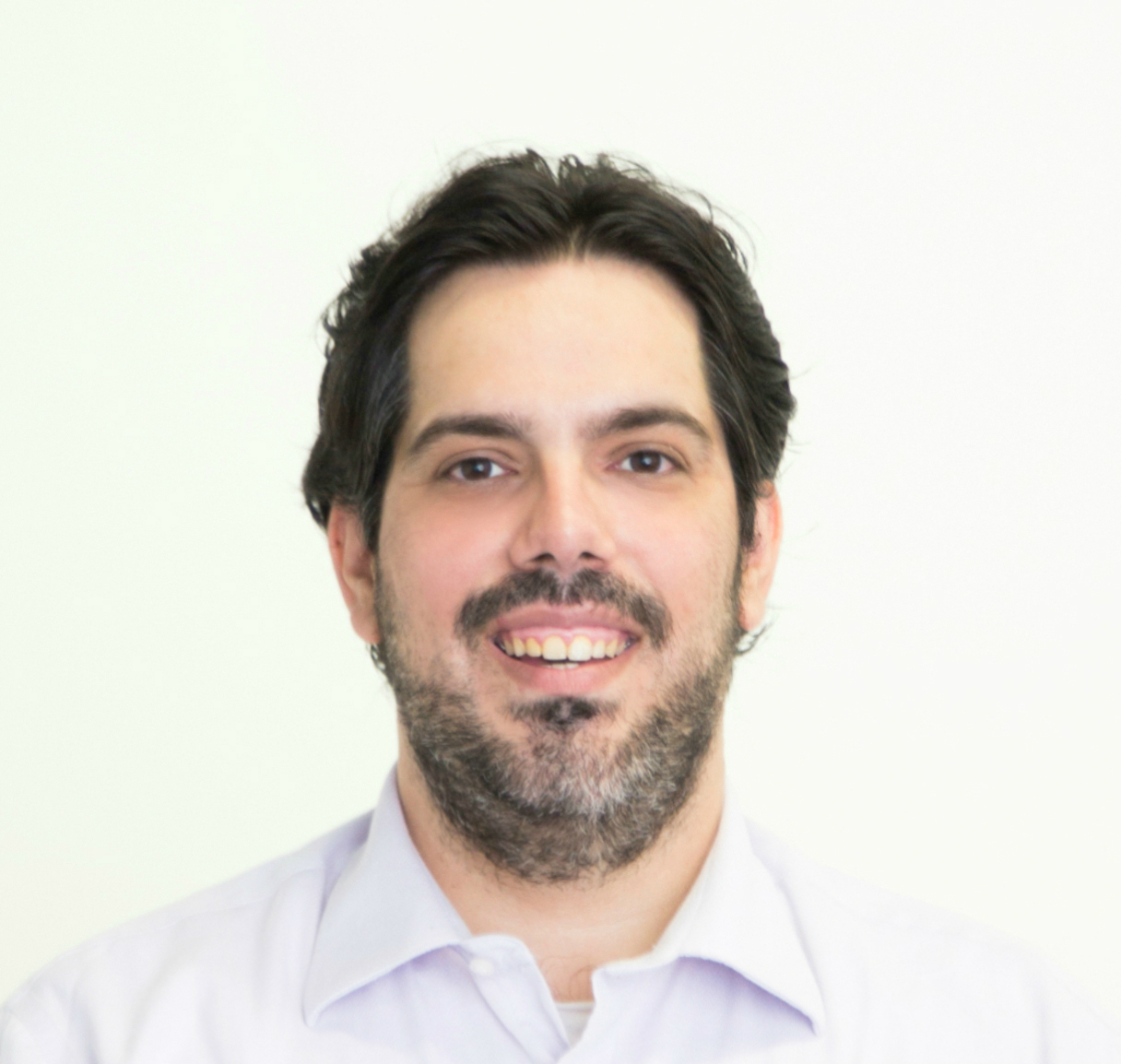
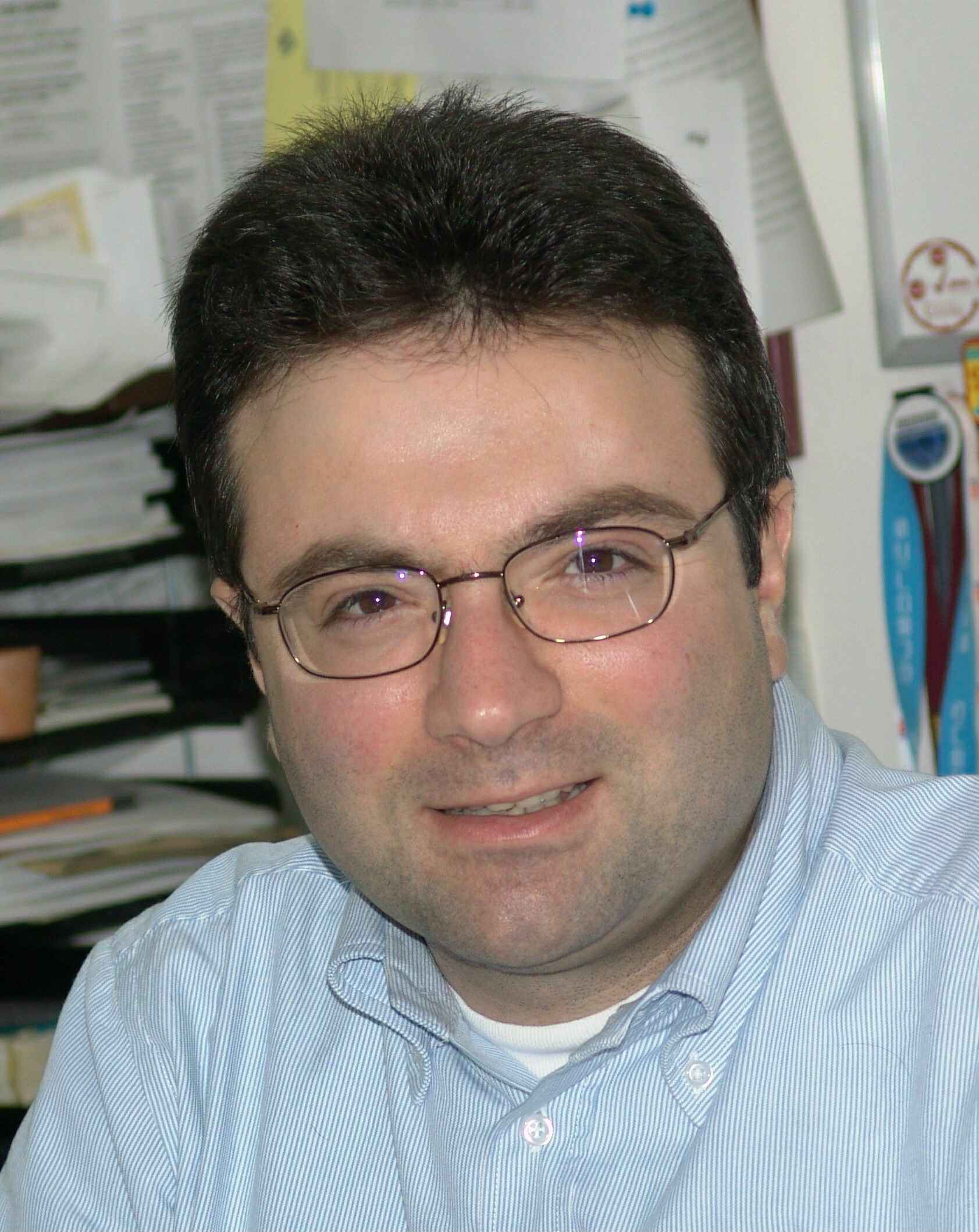
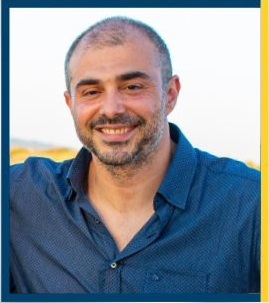
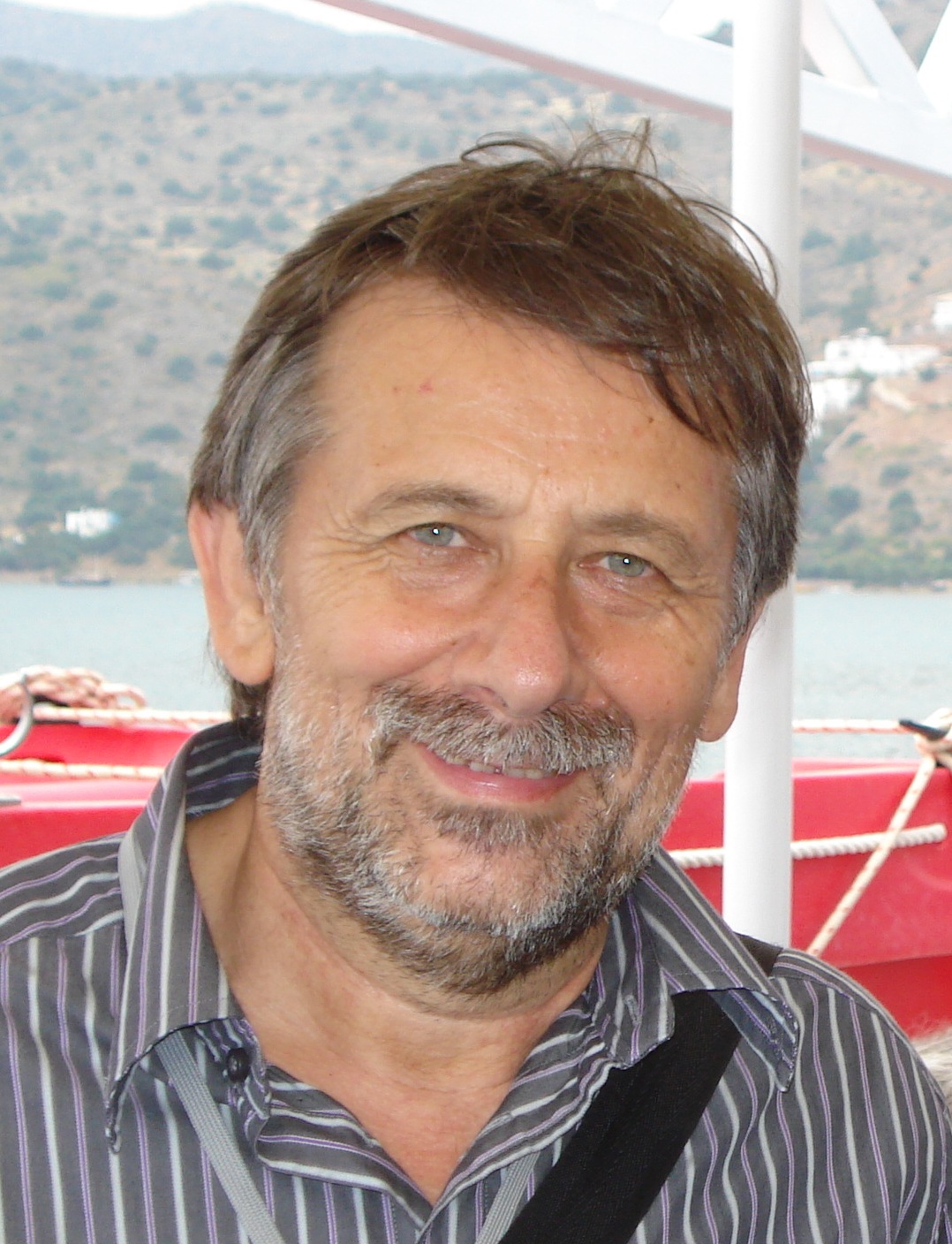
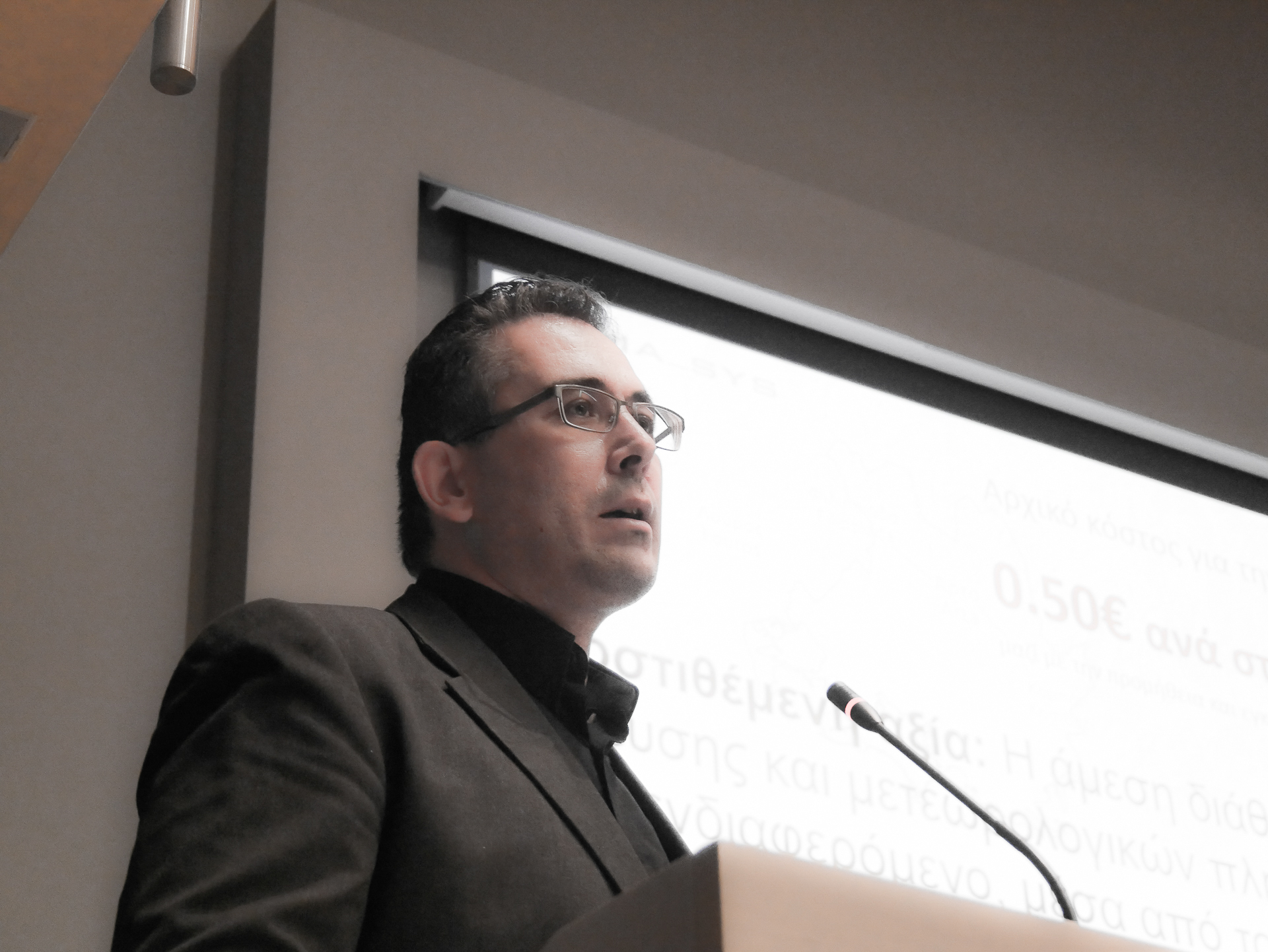
Ioannis Panageas is an Assistant Professor in Computer Science at UC Irvine's Donald Bren School, directing the GOALLab. His research develops theory for learning in multi-agent systems, game dynamics, and optimization. Funded by NSF and NRF, he focuses on last-iterate convergence guarantees in games, efficient equilibrium computation, and multi-agent reinforcement learning. Recent Work: Provides first exponential lower bounds for fictitious play in potential games (NeurIPS 2023), efficient Nash equilibrium computation methods (ICLR 2023), and semi-bandit learning dynamics with no-regret guarantees (ICML 2023). Teaching: Offers courses in Algorithmic Game Theory and Optimization for Machine Learning. Currently advising 3 PhD students and 2 MS students.
Heather Miller is a tenure-track Assistant Professor in the Software and Societal Systems Department within Carnegie Mellon University's School of Computer Science. Her academic journey includes prior roles as an Assistant Clinical Professor at Northeastern University's College of Computer and Information Science and as Executive Director of the Scala Center at EPFL. Miller's research centers on distributed and concurrent computation through the lens of programming languages, with particular emphasis on data-centric systems, big data processing, and edge computing. A defining theme throughout her work is composability - enabling construction of complex distributed systems through composition of components that are correct by construction. Her projects span distributable closures, flexible serialization techniques, futures and promises for asynchronous programming, and deterministic concurrent dataflow models. Her recent publications demonstrate strong trends in applying programming language theory to practical distributed systems challenges, with increasing focus on WebAssembly instrumentation, microservice resilience, and language model pipelines. This evolution reflects her commitment to bridging theoretical foundations with real-world system requirements. Dahl-Nygaard Junior Prize (2023) Mentorship forms a significant component of Miller's academic work. She actively supervises multiple PhD, MS, and undergraduate researchers at CMU, including Christopher Meiklejohn, Matthew Weidner, Huairui Qui, Ria Pradeep, and Luke Dramko. Her service contributions span numerous top-tier conferences including PLDI, SPLASH, ECOOP, and ICSE where she has served as committee member, chair, and keynote speaker. Miller co-founded the Curry On conference to foster industry-academia dialogue, hosting successful editions in Prague, Rome, Barcelona, Amsterdam, and London. She leads research groups focused on distributed programming models and maintains strong industry connections through Two Sigma, where she holds an affiliation. Her work consistently emphasizes practical open-source implementations, primarily within the Scala ecosystem where she's been a core contributor since 2011.
Dimitris Karlis is a Professor in the Department of Statistics at the Athens University of Economics and Business (AUEB), within the School of Information Sciences and Technology. He has been a key academic figure since earning his BSc and PhD in Statistics from AUEB in 1992 and 1999, respectively, and was promoted to Associate Professor in 2012 before advancing to full Professor. Education: BSc in Statistics, AUEB (1992) PhD in Applied Statistics, AUEB (1999) His research spans computational statistics, mixture models, EM algorithms, copulas, multivariate discrete data, and applications in sports, insurance, and seismicity. He has published extensively in top-tier statistical journals such as the Journal of the Royal Statistical Society and Statistics in Medicine . The 15 most recent publications reveal a strong focus on multivariate count data, integer-valued time series, model-based clustering using copulas, and applications in actuarial science and health. His work frequently involves mixture models, Bayesian inference, and innovative extensions of Poisson-based frameworks. Scientific Service and Recognition: Associate Editor: Metron, Communications in Statistics, IMA Journal of Management Mathematics, Stochastic Environmental Research and Risk Assessment Editor: Biometrics Bulletin of IBS Member: American Statistical Society, International Statistical Institute, International Association of Statistical Computing, Hellenic Statistical Institute Publicity Officer: Eastern Mediterranean Region, International Biometric Society Advising and Grants: He has supervised 4 completed PhDs and 18 Master’s theses, with several more in progress. He has led and participated in research projects funded by the European Union and EUROSTAT, particularly in official statistics. His advising spans methodological and applied topics in statistics. Labs and Teams: While no formal lab is named, he collaborates extensively with researchers in actuarial science, transportation, biostatistics, and environmental risk, often through joint projects and publications.
Nectarios Koziris is a Professor at the Department of Computer Science , National Technical University of Athens (NTUA) , and former Dean of the School of Electrical and Computer Engineering . His research focuses on Parallel and Distributed Systems , Computer Architecture , and Cloud Computing . Key Research Themes: Compiler-OS-Architecture Interaction, Datacenter Hyperconvergence, Sparse Matrix Optimization, Quantum Computing, FPGA Virtualization Leadership: Founder of ~okeanos (Europe's largest public Cloud IaaS), Co-founder of GFOSS , Member of IEEE Computer Society Greece, Advisor to Arrikto Inc. His work has led to over 180 publications with 5800+ citations (h-index 33) , including two Best Paper Awards (IPDPS 2001, CCGRID 2013) and Intel Recognition (2015). He has supervised 12 PhD students and participated in 15+ EU projects as coordinator or consortium partner. Scientific Leadership: Program Co-Chair for Europar 2012 , Organizer for IPDPS , ICPP , SC conferences, and active member in Cloud Computing Expert Groups for the European Commission.
Nikos Giatrakos is an Assistant Professor at the School of Electronic & Computer Engineering, Technical University of Crete, and a core member of the Software Technology and Network Applications Lab (SoftNet) . His work bridges Big Data systems, IoT, and advanced analytics, with a focus on real-time processing and scalable architectures. Previously, he served as a postdoctoral researcher at the same laboratory. Education PhD in Computer Science, University of Piraeus (2012) Postgraduate Diploma in Information Systems, Athens University of Economics and Business (2008) BSc in Computer Science, University of Piraeus (2006) Research Focus : Nikos specializes in software architectures for Big Data streaming, including Distributed Big Data Processing , Federated Machine Learning , Cloud-to-Edge Data Management , and Approximate Query Processing . His work has also advanced Complex Event Processing and Outlier Detection in decentralized environments. Scientific Contributions : His research has led to the DAG* workflow optimizer for IoT, the SuBiTO framework for real-time neural learning, and the INFORE approach for cross-platform analytics. He received the Best System Demonstration Award at ACM CIKM 2020 for INforE. Academic Leadership : Nikos teaches Object-Oriented Programming, Data Science, and Distributed Systems. He has supervised numerous European and national grants as Principal Investigator and served on program committees for top-tier conferences like SIGMOD, VLDB, and DEBS.
Christos Haldoupis is a retired Professor in the Department of Physics at the University of Crete, where he established his career starting in 1978. He founded and led the Laboratory of Ionospheric Physics, contributing significantly to atmospheric and space physics research for over three decades until his retirement in 2014. Education includes: B.Sc. in Physics from University of Thessaloniki (1970) Ph.D. in Ionospheric Physics from University of Saskatchewan His research focuses on ionospheric plasma physics, particularly: Dynamics of sporadic E layers and their relationship with atmospheric waves Transient luminous events (sprites/elves) and their ionospheric effects Atmospheric electricity and VLF electromagnetic wave studies Geophysical instrumentation development including radar systems He maintains active collaborations worldwide through visiting positions in Norway, Canada, Germany, France, and Japan. Publications demonstrate concentrated focus: Dominant themes in sporadic E layer formation and variability Atmospheric wave-ionosphere interactions across multiple timescales Lightning-induced electromagnetic phenomena and their ionospheric signatures Innovative ionospheric measurement techniques and algorithms Research infrastructure development includes establishing radio Doppler and interferometry systems for ionospheric monitoring. International collaborations span Europe, North America and Japan.
Nikas Thomas is an External Instructor at the Department of Informatics (DI) of the National and Kapodistrian University of Athens (NKUA). His work spans multiple interdisciplinary areas including quantum cryptography, fiber optic sensing technologies, and seismic monitoring. Key roles include advancing secure communication protocols through quantum key distribution (QKD) and developing novel Li-Fi transceivers using perovskite photodiodes. He also pioneers applications of Distributed Acoustic Sensing (DAS) for urban earthquake monitoring in Athens, leveraging existing fiber-optic infrastructure for environmental and geophysical studies. His research bridges theoretical frameworks (e.g., phase transmission analysis) with practical implementations in optical communication systems and seismic detection. Research interests focus on: Secure optical communication systems leveraging quantum principles Fiber optic-based seismic and acoustic sensing Emerging Li-Fi technologies for high-speed wireless networks Phase-sensitive fiber optic analysis for geophysical applications Publications from 2022-2024 highlight trends in: Quantum security protocols for optical and radio-over-fiber systems Urban DAS applications for earthquake monitoring Microwave frequency interferometry for low-cost seismic sensors No scientific awards are explicitly listed in the provided materials. His work often involves collaborative projects with industry and academic partners, though specific grants are not detailed here. Current projects include optimizing DAS for real-time urban seismic networks and exploring novel modulation formats for secure optical transmission.
Michael D. Bond is a Professor in the Department of Computer Science & Engineering at Ohio State University's College of Engineering. He leads the Programming Languages and Software Systems (PLaSS) Research Group, which focuses on designing program analyses and software and hardware systems that enhance computing reliability, scalability, and security. His academic service includes general chair for PLDI 2027, program committee membership for multiple top conferences, and committee roles in SIGPLAN Research Highlights (2024-2027). Professor Bond's research spans programming languages, systems, and security, with particular expertise in memory management, concurrency, hardware transactional memory, information flow control, and predictive race detection. His work bridges theoretical foundations with practical implementations, as evidenced by numerous open-source projects accompanying his publications. The PLaSS group has made significant contributions to understanding and improving memory models, developing efficient garbage collection techniques for modern architectures, and creating novel approaches to secure programming in languages like Rust. Analysis of his recent publications reveals a clear trajectory toward addressing security and reliability challenges in modern computing systems, particularly through language-based approaches. His work increasingly focuses on Rust programming language security mechanisms, memory disaggregation for datacenters, and advanced techniques for detecting and preventing concurrency bugs. The research demonstrates strong continuity in exploring memory models and concurrency while adapting to emerging hardware trends and security challenges. Outstanding Teaching Award, Department of Computer Science and Engineering, Ohio State University (2018) Lumley Research Award, College of Engineering, Ohio State University (2016) OOPSLA 2015 Distinguished Paper and Artifact Awards NSF CAREER Award ACM SIGPLAN Outstanding Doctoral Dissertation Award Intel PhD Fellowship Professor Bond actively mentors several PhD students including Chujun Geng, Vincent Beardsley, Chris Xiong, Victor Chen, and Noah Charlton, with external co-advisee Zixian Cai at Australian National University. His research is currently supported by multiple NSF grants including SaTC-2348754 (2024-2027), CyberCorps-2336531 (2024-2029), and CSR-2106117 (2021-2025), reflecting sustained funding for his work in information flow control, security, and systems research. The PLaSS Research Group maintains a strong presence in both academic and industrial communities, with graduated PhD students securing positions at major technology companies like Google, Amazon Web Services, and Huawei, as well as academic positions at institutions like UIUC and IIT Kanpur. The group's work combines theoretical rigor with practical implementation, consistently producing open-source artifacts that enable reproducibility and further research in the systems and programming languages community.
Berberidis Kostas is a Professor at the University of Patras, Department of Computer Engineering and Informatics. His academic work focuses on Information Processing over Networks , Adaptive Signal Processing , and Wireless Communications . He is affiliated with the Division of Hardware and Computer Architecture. Specialized in Statistical Learning and Distributed Information Processing Contributed to advancements in Signal Processing for Communications and Array Signal Processing Notable research areas include: Adaptive and distributed learning algorithms Wireless channel equalization and relaying Hyperspectral and biomedical image processing Resource allocation with security constraints Recent publications cover topics like blind hyperspectral unmixing , secure resource allocation , and FIR filter optimization , reflecting his interdisciplinary focus on signal processing, communications, and computational imaging.
Wei Yang is an Associate Professor in the Department of Computer Science at the University of Texas at Dallas, actively contributing to software engineering research through program committee roles at ICSE, FSE, ASE, and ISSTA conferences since 2015. His research focuses on software testing innovation , particularly in mobile security, GUI testing, and AI-driven test automation. Key contributions include frameworks for malware analysis (MalScan), UI exploration (Guardian, Vet), and neural network testing (DeepPerform, EREBA), addressing critical challenges in test oracle generation, flaky tests, and resource-constrained environments. Recent work demonstrates a strategic shift toward LLM and foundation model applications for testing, with 2023-2026 publications exploring vision-language models for GUI testing, parameter ownership in collaborative AI development, and instruction alignment in large language models. This evolution reflects the field's broader trajectory toward AI-integrated quality assurance.
Georgios Manis is an Associate Professor in the Department of Computer Science and Engineering at the School of Engineering, University of Ioannina, Greece. He holds a PhD from the National Technical University of Athens and has been a faculty member at the University of Ioannina since 2002, progressing from Lecturer to Associate Professor in 2018. He has also served as temporary teaching staff at the University of Patras, University of Crete, and University of Ioannina in the late 1990s and early 2000s. Education: B.Sc. in Computer Engineering (Diploma), National Technical University of Athens (NTUA), 1987–1992 MSc in Advanced Methods in Computer Science (Distributed and Parallel Systems), Queen Mary, University of London, 1992–1993 PhD in Computer Engineering, NTUA, School of Electrical and Computer Engineering, 1993–1997 His research interests lie at the intersection of Biomedical Engineering and Computing Systems , with a strong emphasis on Biomedical Signal Processing , Entropy Analysis , and Machine Learning . He has pioneered work in Bubble Entropy —a parameter-free entropy measure—and developed fast algorithms for entropy computation. His work also extends to compiler design and parallel computing, particularly in the automatic parallelization of recursive functions and loops. The trends in his recent publications reflect a dual focus: (1) biomedical applications involving entropy, heart rate analysis, and disease diagnosis using machine learning (especially Random Forests and SVMs), and (2) high-performance computing, including parallelization techniques and compiler optimizations for multi-core and SVP architectures. His research is highly interdisciplinary, combining signal processing, algorithm design, and clinical applications. Scientific Leadership and Recognition: Guest Editor, Special Issue on “Entropy in Biomedical Engineering”, Entropy (MDPI) Member of the IPAN Laboratory, University of Ioannina Active contributor to IEEE, Elsevier, and MDPI journals He has supervised several graduate students and is involved in funded research projects such as Palimpsest and Homore , focusing on smart systems for cultural interaction and elderly monitoring. His advising contributions are evident in co-authored papers with students like Evanthia Tripoliti and Aristeidis Mastoras. He teaches both undergraduate and postgraduate courses, including Compilers I/II and Biomedical Data Analysis . Laboratories and Teams: He is a member of the IPAN lab at the University of Ioannina, which supports interdisciplinary research in informatics and biomedical applications. His collaborative network includes researchers from Greece and abroad, particularly in the fields of biomedical signal analysis and entropy-based methods.
Konstantinos Blekas is a Professor at the Department of Computer Engineering and Informatics, University of Ioannina, Greece. He is affiliated with the Polytechnic School and teaches advanced courses such as 'Machine Learning' (MYE002) and 'Probability and Statistics' (MYY304). His research focuses on Machine Learning, Intelligent Agents, Computer Vision, and Bioinformatics, with particular expertise in Reinforcement Learning, Deep Learning, and their applications in autonomous systems, traffic management, and aerospace engineering. Education: Ph.D. in Electrical and Computer Engineering, National Technical University of Athens (1997) Diploma in Electrical Engineering, National Technical University of Athens (1993) Research Interests: Dr. Blekas explores cutting-edge topics in machine learning, including generative adversarial networks (GANs), multi-agent systems, and reinforcement learning for autonomous navigation. His work spans domains such as unmanned surface vehicles, air traffic management, and medical informatics. Notable contributions include advanced frameworks for flight trajectory modeling, urban traffic optimization, and brain functional network analysis. Awards and Recognition: While specific awards are not explicitly listed, his extensive publications and contributions to AI and robotics reflect significant academic impact. Advising and Grants: He supervises research in machine learning applications, though specific student names or grant details are not provided in the texts. His courses emphasize practical implementation, with resources available on e-learning platforms like e-course.uoi.gr. Labs and Teams: Engaged in collaborative projects involving robotics and AI, though no specific lab names are mentioned. His work integrates interdisciplinary approaches across computer science, engineering, and biomedical fields.
Konstantinos Stergiou is a distinguished Professor in the Department of Biology at the School of Sciences, Aristotle University of Thessaloniki, with a prolific career spanning over three decades in marine biology and fisheries science. His work has significantly contributed to understanding Mediterranean marine ecosystems, fish population dynamics, and sustainable fisheries management. Dr. Stergiou's research interests encompass marine biology, fisheries science, fish ecology, and marine conservation. He has pioneered research on trophic levels, fish biological parameters, and the impacts of climate change on Mediterranean fisheries. His work often integrates ecological, economic, and social dimensions to provide holistic approaches to marine resource management. He has developed innovative methodologies for fisheries assessment and has extensively documented the biological characteristics of Mediterranean fish species. His publication record demonstrates consistent scholarly output since the 1980s, with recent work focusing on biological invasions in the Mediterranean, discard management, and climate change impacts on marine ecosystems. His research shows a strong emphasis on practical applications for fisheries management and conservation policy. Dr. Stergiou has collaborated extensively with researchers across Greece and Europe, contributing to numerous projects addressing critical issues in Mediterranean marine science. His work on the mean temperature of the catch (MTC) has provided valuable insights into climate change effects on fisheries.
Nikolaos Malamos serves as an Associate Professor at the Agricultural University of Athens within the School of Environment and Agricultural Engineering, specifically in the Department of Natural Resources Development & Agricultural Engineering. His academic foundation includes graduation from the Agricultural University of Athens, postgraduate studies at the National Technical University of Athens' School of Civil Engineering, and a PhD in Agricultural Sciences. His research spans critical domains of agricultural hydrology with particular emphasis on: Soil-water-plant-atmosphere relationships and water movement in soil Mathematical simulation of water resources systems Hydroinformatics and spatial analysis methodologies Irrigation engineering and drainage systems Climate-hydrology interactions including evapotranspiration modeling His recent publication trajectory reveals intensifying focus on climate-resilient water management, stochastic rainfall frameworks, and water-energy-food nexus applications, particularly within Mediterranean agricultural contexts. Scientific recognition includes his role as Associate Editor for the Hydrological Sciences Journal, the official publication of the International Association of Hydrological Sciences (IAHS). Associate Editor, Hydrological Sciences Journal (IAHS) Professor Malamos actively leads research projects addressing irrigation optimization, hydrological modeling, and water resource sustainability. His work integrates field studies with computational approaches, frequently collaborating on national infrastructure initiatives like Greece's OpenHy.net water monitoring system. Current projects emphasize climate adaptation strategies for Greek agriculture, particularly in vineyards and greenhouse systems. He directs research activities within the Agricultural Hydraulics Laboratory, focusing on practical applications of hydrological theory to agricultural water management challenges across diverse Greek landscapes.
Georgios Kargas serves as a Professor in the Department of Water Resources Management within the School of Environment and Agricultural Engineering at the Agricultural University of Athens (AUA). His academic profile centers on advanced irrigation engineering, soil physics, and hydrodynamics of porous media, with particular expertise in drainage system design, soil salinity assessment, and sensor-based soil moisture monitoring. His research interests focus on hydrodynamic characteristics of porous media , precision irrigation systems , and soil-water-electrical conductivity relationships . Current work emphasizes developing novel infiltration equations for furrow irrigation, validating low-cost sensor platforms for soil monitoring, and creating EU-wide soil salinity mapping frameworks using machine learning. His experimental approach bridges laboratory measurements with field applications, particularly in Mediterranean agricultural contexts. Analysis of his 15 most recent publications (2023-2025) reveals dominant trends in sensor technology validation (TEROS/WET sensors), advanced infiltration modeling consistent with Philip theory, and large-scale soil salinity mapping using EU databases. Key subfields include subsurface drainage equation development, LoRa-based monitoring systems, and electrical conductivity compensation methods for dielectric sensors. Professional contributions include editorial review work for Sensors (2021), Water (2016), and Sustainability (2017) journals, though no specific scientific awards are documented in available sources. Teaching responsibilities encompass core undergraduate and postgraduate courses including Hydrodynamic Characteristics of Porous Media , Special Topics in Soil Physics , and Irrigation-Drainage Systems Design , with consistent focus on Water Resources Management specialization. His instructional approach integrates theoretical principles with practical system design applications across 8th-9th semester curricula.