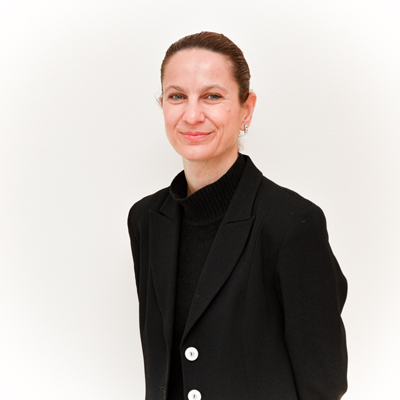
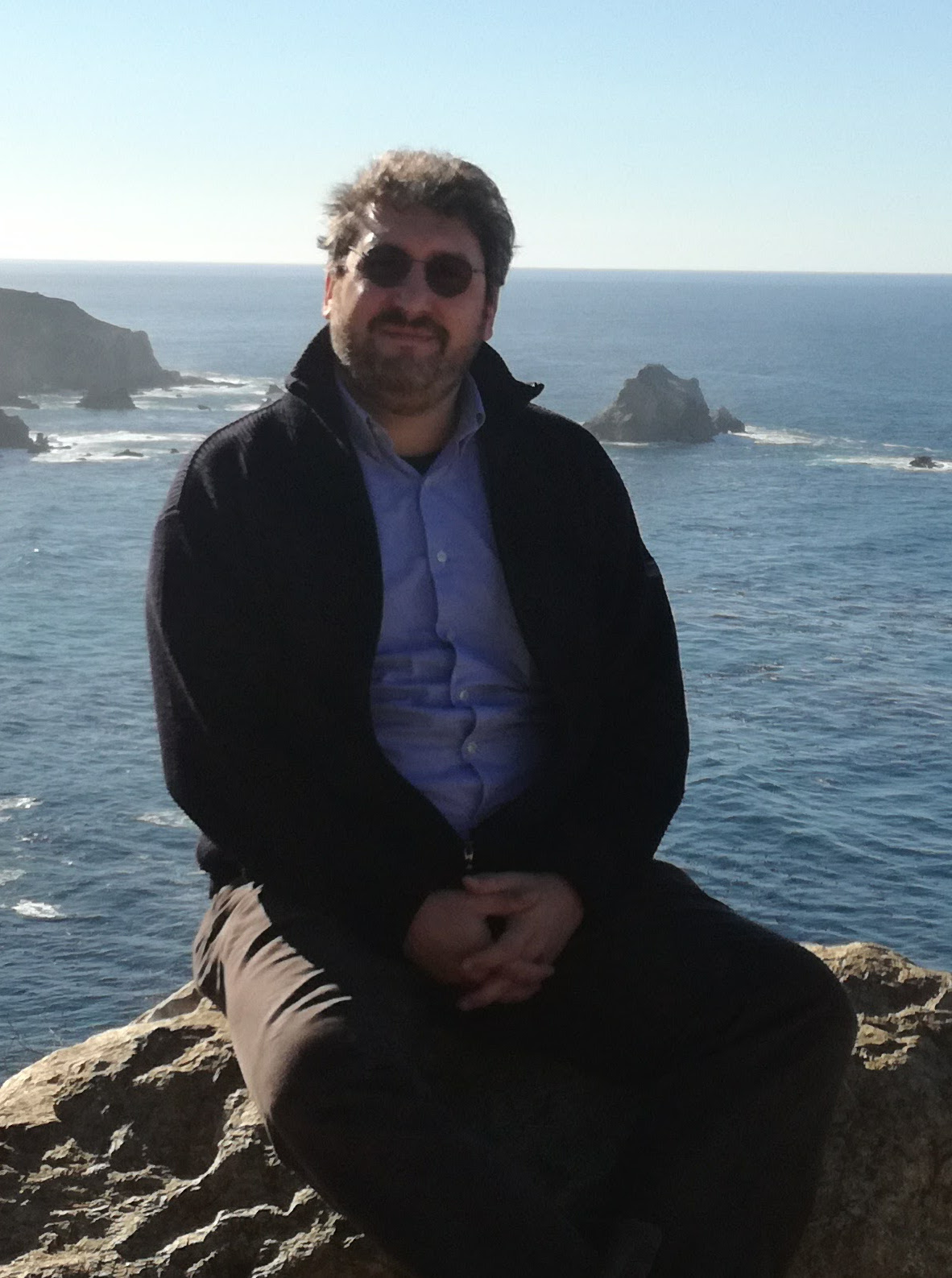
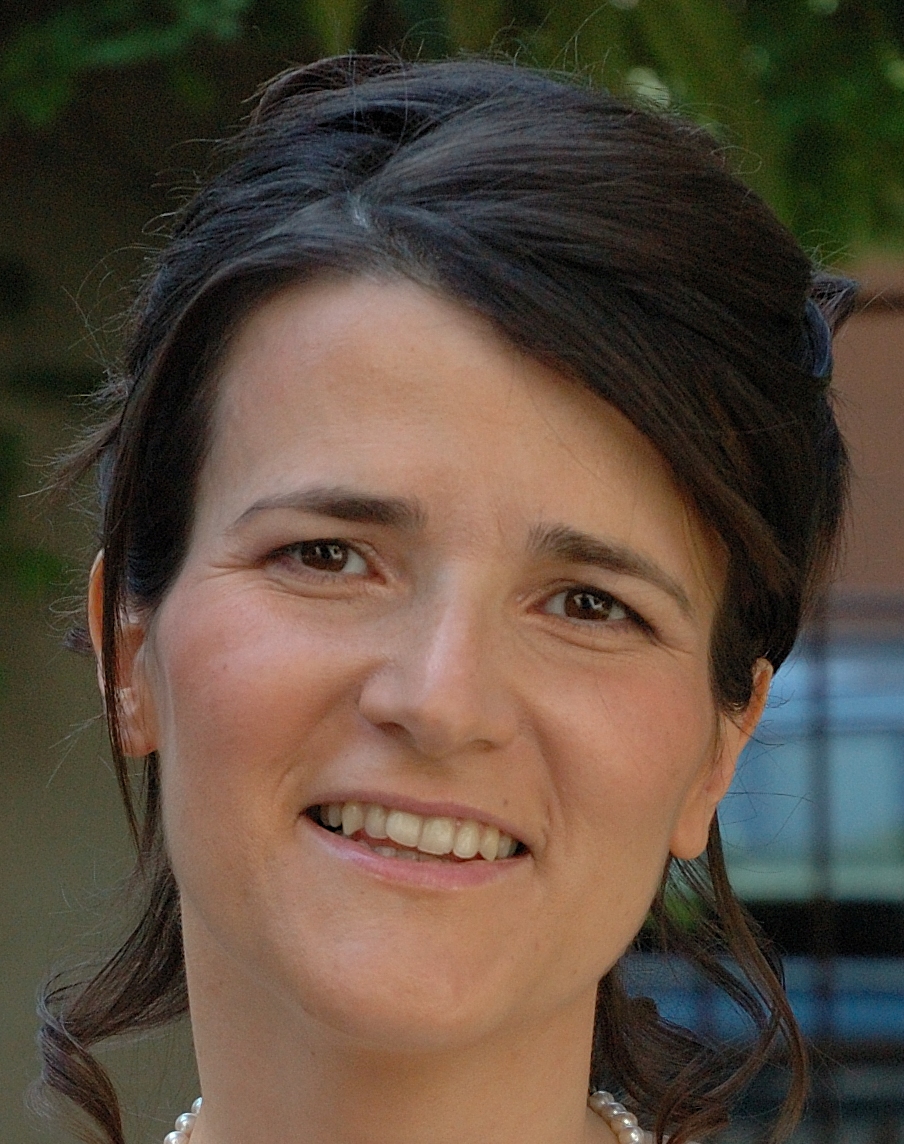
Francesco Franco serves as a Research Fellow in the Department of Pure and Applied Sciences (DiSPeA) at the University of Urbino Carlo Bo, actively contributing to cutting-edge research at the intersection of computer science and healthcare technology. His research program centers on decentralized health data architectures , with primary expertise in blockchain systems, IPFS implementation, and patient-centric data sovereignty frameworks. Key focus areas include mitigating single points of failure in health monitoring, developing wearable-integrated data pipelines, and optimizing resource efficiency for mobile health applications through distributed file systems. Current publication trends demonstrate practical implementation of theoretical models, particularly through Android-based health monitoring systems that leverage Pinata API for IPFS integration. His 2025 conference paper establishes technical feasibility of decentralized approaches on consumer smartphones, showing negligible computational overhead while achieving significant gains in data portability and security compared to Firebase-based centralized systems.
Professor Shohei Kato holds a primary appointment at Nagoya Institute of Technology's Graduate School of Engineering (Omohi College) and serves as a Visiting Researcher at the National Center for Geriatrics and Gerontology. His career includes prior roles as Associate Professor at Nagoya Institute of Technology (2002–2015), Lecturer at Toyota National College of Technology (1999–2002), and Research Assistant (1998–1999). He earned his Doctor of Engineering from Nagoya Institute of Technology, where he also completed undergraduate studies in Electrical and Computer Engineering. Kato's research integrates artificial intelligence, robotics, and affective computing, with applications spanning healthcare, optimization, and human-machine interaction. Key themes include kansei (sensitivity) robotics, computational intelligence, dementia screening via speech/fNIRS analysis, and multi-agent systems. His work emphasizes adaptive algorithms, emotion modeling, and real-world AI deployment. Recent publications focus on sim-to-real transfer learning, reinforcement learning for multi-agent cooperation, and non-invasive dementia diagnosis. A consistent trend involves applying particle swarm optimization and deep learning to industrial and biomedical challenges, such as shield tunneling automation and EEG-based emotion recognition. Awards & Honors: Minister of Education Commendation for Science and Technology (2015) IEEE Outstanding Paper Awards (GCCE 2017, 2018) 日本感性工学会論文賞 (2012) Multiple Workshop on Informatics (WiNF) prizes for student collaboration (2011–2020) Kato leads externally funded projects on dementia screening, affective robotics, and optimization algorithms. He directs the Kato Lab (katolab.nitech.ac.jp), collaborating with entities like Shimizu Corporation on AI-driven construction planning. His team explores human-robot symbiosis, BCI interfaces for Duchenne muscular dystrophy patients, and therapy robot design.
Valeria Falce is a Professor of Economic Law at the European University of Rome, serving as Rector's Delegate for Postgraduate Studies and Scientific Coordinator of the PhD Program "Persona e benessere". Key appointments include: Non-Governmental Advisor to the Global Network of Competition Authorities Member of the Appeals Commission against Trademarks and Patents Office Decisions Member of the Banking and Financial Arbitrator - Milan College Director of CREDA Co-Founder of the Italian Academy of Internet Code Chair holder of the Jean Monnet Chair in European Innovation Policy Her research centers on regulation, competition and innovation; intellectual property; and consumer protection. She examines legal challenges in digital markets, big data, and smart cities, focusing on competition law's role in fostering innovation while protecting consumers and intellectual property rights in evolving technological landscapes. Recent publications reveal consistent analysis of digital market regulation, trade secrets harmonization, and smart city governance. Her work bridges competition law with innovation policy, particularly addressing big data challenges, platform dominance, and the interplay between intellectual property rights and market competition in European and global contexts. As Scientific Coordinator of the PhD Program "Persona e benessere", she oversees doctoral research in interdisciplinary human well-being studies. Her leadership in CREDA and the Jean Monnet Chair directs research teams on economic law, European innovation policy, and the development of ethical frameworks for digital spaces through the Italian Academy of Internet Code.
Giulio Bottazzi is Professor of Economic Policy at Scuola Superiore Sant'Anna, where he previously served as Dean of Social Sciences. His research spans industrial dynamics, financial economics, experimental economics, and applied econometrics. With PhD in Theoretical Physics from Milano University, Bottazzi develops mathematical models of firm growth, market selection, and asset pricing dynamics. He directs the Center for Analysis of Financial and Economic Dynamics (CAFED) and coordinates EU projects on market dynamics and complex systems.
Peter FERRARA is an Associate Professor in Computer Science at Ca' Foscari University of Venice, Italy. He joined the university in November 2019 as a tenure-track assistant professor and transitioned to his current rank. His primary affiliation is with the Department of Environmental Sciences, Computer Science and Statistics (D.A.I.S.) and the Research Institute for Complexity. He is part of the Software and System Verification group and maintains an active role in the Temporary Center Innovation Ecosystem Project. Education: Holds a PhD in Computer Science (2009) from École Polytechnique (Paris) and Ca' Foscari University of Venice, advised by Radhia Cousot and Agostino Cortesi. Completed his MA (2005) and BA (2003) in Computer Science from Ca' Foscari. Defended his thesis at École Normale Supérieure in May 2009. His research experience spans 15 years, with 50+ publications and 20 patents, focusing on static analysis for software reliability and security. Research Interests: Specializes in applying abstract interpretation theories to enhance software security, reliability, and performance. Recent work emphasizes static analysis of mobile and .NET systems, blockchain smart contracts, IIoT vulnerabilities, and automated policy enforcement. He bridges formal methods with practical software development, addressing challenges in precision-efficiency tradeoffs and industrial tool adoption. Industry Experience: From 2013-2019, worked in industry as Head of R&D at JuliaSoft SRL (2016–2019) and IBM Research (2013–2015). Developed commercial static analysis tools, managed research projects, and delivered technical presentations to clients. His work focused on transitioning research into deployable solutions. Teaching: Instructs courses in Object-Oriented Programming, Software Architectures, and Coding/Data Management. Engages students through practical LiSA framework experiences. Has taught at ETH Zurich (2009–2013) and supervised over a dozen students across PhD, Master's, and Bachelor's levels. Awards: No specific scientific awards listed, but recognized through extensive patent portfolio and impactful industry-academia collaborations. Holds 20 patents, including innovations in permissions extraction, privacy enforcement, and malware detection. Grants & Projects: Involved in multiple research projects from proposal to execution, including EU Data Act analysis, IoT security frameworks, and blockchain verification initiatives. Collaborates with institutions like IBM, Microsoft Research, and the University of Verona's JuliaSoft spin-off. Labs/Teams: Active in the Software and System Verification group at Ca' Foscari. Co-developed the LiSA static analysis framework. Engages in interdisciplinary projects combining robotics, IoT, and blockchain domains.
Maura Pintor is an Assistant Professor at the University of Cagliari, Italy. Her research focuses on adversarial machine learning, explainability methods, and cybersecurity applications. She holds an MSc in Telecommunications Engineering (2018) and a PhD in Electronic and Computer Engineering (2022), both from the University of Cagliari. Her work emphasizes robustness in AI systems, including defenses against adversarial examples, secure model updates, and dataset development for testing adversarial robustness. She has contributed to frameworks like SecML for explainable machine learning and led projects such as RAID and Attackbench for evaluating adversarial defenses. Her research spans neural network pruning, over-parameterization effects, and query-efficient adversarial attacks on phishing detectors. She is affiliated with the PRALab, where she explores AI security in autonomous systems and malware detection. Key areas include continual learning for malware detection, adversarial attacks on deep reinforcement learning, and model security in edge computing environments. She actively publishes in top venues like the ACM Workshop on Artificial Intelligence and Security (AISec).
Eleonora Riva Sanseverino is a Full Professor of Engineering at the University of Palermo, affiliated with the Department of Electrical Engineering (DEIM). She serves as a delegate for coordination of European programs at the university. Her research focuses on renewable energy integration, smart grids, energy storage systems, and blockchain applications in energy markets. She actively supervises master’s theses on topics such as offshore wind energy in Sicily, energy transition strategies, and microgrid optimization. Her work includes analyzing the impact of renewable energy sources on grid stability, developing energy management systems, and exploring blockchain solutions for energy communities. She teaches courses on electroenergy systems and advises on projects related to electric vehicle infrastructure, hydrogen utilization, and grid-forming converter technologies. Her office hours are held at DEIM and the Caltanissetta Educational Center.
Luca Giaccone is an Associate Professor at the Department of Energy (DENERG) of the Polytechnic University of Turin. He is a member of the Academic Senate and the Committee for Teaching Coordination. His research focuses on bioelectricity, computational electromagnetics, dosimetry, and the application of machine learning in engineering. He leads the CADEMA research group and has supervised PhD student Junlong Liu in electrical engineering. Giaccone has extensive experience in funded projects including WPT-SAFE and SAFECHARGE, addressing electromagnetic exposure safety in automotive and medical contexts. He holds the Mentoring Polito Project (M2P) award (2023). His teaching includes courses on fundamentals of electrical engineering and electrical machines within the College of Electrical and Energy Engineering. Research Interests : Giaccone’s work spans numerical dosimetry for human exposure assessment, wireless power transfer systems, and electromagnetic compatibility. He develops data-driven models for traction motors and investigates the impact of electromagnetic fields on medical devices like pacemakers. His projects emphasize safety compliance with international guidelines and the mitigation of magnetic fields in urban and industrial environments. Key Projects : WPT-SAFE (2025–2027): Electromagnetic modeling for automotive wireless charging systems SAFECHARGE (2024–2026): Evaluating exposure risks for electric vehicle charging systems Virtual Human Models (2015): Validation for electromagnetic safety analysis Awards : Recognized with the Polito M2P Mentoring award for contributions to academic mentoring. Consulting & Industry Collaboration : Advised on magnetic field mitigation for welding equipment, substations, and industrial facilities, focusing on occupational safety and environmental compliance.
Massimo MIGLIORINI is a contract professor specializing in biodiversity, soil ecology, and arthropod biology. His research focuses on ecological communities in Mediterranean environments, including studies on soil microarthropods, invasive species, and disturbance ecology. He has conducted extensive work on oribatid mites, carabid beetles, and their roles as bioindicators of environmental health. His investigations span topics ranging from the molecular biology of Drosophila germ cells to the conservation of Mediterranean pine woodlands. Key research areas include the impact of human activities (e.g., agriculture, urbanization, fire) on soil biodiversity, the structure of forest ecosystems, and the use of taxonomic and functional approaches to assess community dynamics. He has contributed to debates on neutral theory, stochastic processes in biodiversity, and the application of geometric models to biological measurements. His publications highlight interdisciplinary approaches, blending field studies, molecular analyses, and theoretical ecology. While no awards are explicitly mentioned, his work demonstrates sustained contributions to understanding Mediterranean and global ecological systems. No advising or grant details are provided in the text.
Rita Vignani is a Professor at the University of Siena engaged in molecular biology, genetics, and archaeology-focused research. Her work centers on plant and animal genetic diversity, particularly in agricultural contexts like viticulture and pig breeding. She specializes in applying DNA analysis techniques for food traceability, archaeological investigations, and conservation efforts. Her research integrates lab-based molecular methods with bioinformatics to study historical and modern biological samples. Key projects include analyzing ancient grapevine seeds from Bronze Age sites in Iran, tracing genetic diversity in Tuscan grape varieties, and developing protocols for wine authenticity verification. She has also contributed to the conservation of endangered species such as the Giglio Island mouflon and the Cinta Senese pig breed. Rita has received the Premio Antico Fattore 2013 award for her work in molecular authentication of wines. Her interdisciplinary approach bridges archaeology, botany, and animal science, with a focus on applying genetic tools to solve both historical and contemporary agricultural challenges. Ongoing projects include investigations into medieval olive trees and the application of non-invasive sampling techniques for ancient biological materials.
Francesco Paolo Deflorio is an Associate Professor in the Department of Environmental, Land and Infrastructure Engineering (DIATI) at the Polytechnic University of Turin , where he has been active since 2018. He is affiliated with the CARS@PoliTO Interdepartmental Center for Automotive Research and Sustainable Mobility and teaches courses such as Models and Technologies for Traffic and Transport , Simulation Tools for Transport Systems , and Traffic Observation, Simulation, and Regulation across various engineering programs including Civil, Mechanical, Automotive, and Environmental Engineering. He is a member of the PhD collegium in Civil and Environmental Engineering and supervises several doctoral candidates. Education: PhD in Automation and Computerization of Transport, Polytechnic University of Turin Master of Science in Civil Engineering, Polytechnic University of Bari His research focuses on transportation systems engineering , with emphasis on intelligent transport systems (ITS), electric mobility, sustainable logistics, traffic modeling, and simulation. He has made significant contributions to dynamic route guidance, wireless sensor networks for traffic safety, and in-motion charging for electric vehicles. His recent work explores autonomous vehicle integration, energy efficiency in freight transport, and smart road technologies. The analysis of his recent publications reveals a consistent trend toward sustainable and intelligent mobility systems , combining engineering modeling with real-world applications in urban and freight transport. His work bridges theoretical simulation with practical ITS deployment, particularly in energy-efficient and safety-enhancing technologies. Scientific Participations: President, Italian Association for Traffic and Transport Engineering – Piedmont and Aosta Valley Section (2012–2018) Full Member, Italian Society of Transport Teachers (SIDT) (2006–present) He leads numerous research initiatives, including the EPIGNOSIS project under the PNRR, and has served as scientific manager for over 20 funded research and commercial projects related to vehicle energy efficiency, traffic control, and smart mobility. He advises doctoral students on topics such as autonomous vehicle integration and electric mobility modeling. His research is supported by collaborations with regional authorities, industry partners, and foundations. Labs and Research Centers: Member, CARS@PoliTO – Center for Automotive Research and Sustainable Mobility Involved in the CLIK Laboratory (“Contamination Lab and Innovation Kitchen”) for innovative teaching challenges
Erica Raviola is a Fixed-term Assistant Professor at the Department of Electronics and Telecommunications (DET) of Politecnico di Torino. She is an invited member of multiple academic colleges including Biomedical Engineering, Electronic/Telecommunications/Physics Engineering, and Mechanical/Aerospace/Automotive Engineering. Research Focus: Electromagnetic Compatibility, Power Electronics, MEMS, and IoT for Environmental Monitoring Teaching: PCB Design (PhD), Introduction to MEMS/Bio-MEMS (Master), Analog/Power Electronics (Master/Bachelor) Supervision: Co-advisor to PhD candidates Alberto Barbaro and Jacopo Serra Commercial Research: Scientific Director for SiC Power Module DCT Implementation (2023) Her recent publications address EMI mitigation in GaN converters, indoor environmental quality monitoring systems, and acoustic communication for smart water networks. Key subfields include Spread-Spectrum Modulation, Sensor Fusion, and Active Gate Driver Design.
Davide Pacifico is a Senior Researcher at the Institute of Biosciences and BioResources (IBBR), part of the National Research Council of Italy (CNR), based at the Palermo division. His work focuses on plant-pathogen interactions, particularly in grapevine and other Mediterranean crops, with extensive research on virology, bacterial pathogens, and sustainable agricultural practices. Dr. Pacifico earned his Degree in Biotechnology from the University of Turin in 2004, followed by PhD studies at Institut de Biologie Végétale Moléculaire (IBVM) INRA-Bordeaux, France (2005-2006). He completed his Doctorate in Agricultural, Forestry and Food Science at the University of Turin in 2008. His career progressed through post-doctoral positions at the Institute of Plant Virology-CNR (2007-2013) before becoming a Researcher at IBBR in Palermo. His research primarily centers on genomic and transcriptomic approaches to study plant-pathogen interactions. His work encompasses the development of molecular protocols for pathogen detection and characterization, studies on environmental factors influencing plant-pathogen dynamics, screening for resistant plant genotypes, and field collection of pathogens. His expertise spans virology, bacteriology, and mycology, with particular focus on grapevine diseases and Mediterranean crops. Recent publications demonstrate a strong focus on plant virology, particularly grapevine pathogens, with expanding interests in plant-microbe interactions, endophytic microbiomes, and sustainable agricultural practices. His work has increasingly incorporated genomic and transcriptomic approaches to understand plant-pathogen interactions at the molecular level, with significant contributions to understanding grapevine diseases and developing sustainable viticulture practices. Dr. Pacifico collaborates extensively with researchers across Italy and internationally, particularly with Tunisian institutions on grapevine germplasm and pathogen studies. His research has practical applications for improving crop resistance and developing sustainable disease management strategies in Mediterranean agricultural systems.
Maria Prandini is a Full Professor at the Politecnico di Milano , where she chairs the Automation and Control Engineering Program within the Department of Electronics, Information, and Bioingegneria. With a PhD in Information Technology from the University of Brescia (1998), she conducted postdoctoral research at UC Berkeley (1998-2000) and held visiting positions at Delft University, Cambridge, and ETH Zurich. Research Interests: Her work spans Distributed and Stochastic Optimization Stochastic Hybrid Systems Randomized Methods for Control Air Traffic and Energy Management Identification Theory Recent Article Trends: Her publications focus on cyber-physical systems, multi-agent optimization, unmanned aircraft control, and computational geometry methods, with a strong emphasis on real-world applications in energy and transportation. Scientific Awards: IEEE CSS Distinguished Member (2018) IEEE Fellow (2019) Editorial & Conference Roles: She serves on editorial boards of Automatica , IEEE Transactions on Network Systems , and Cyber Physical Systems , and has chaired major conferences like IEEE CDC and IFAC World Congress. Teaching: Courses include Hybrid Systems, Nonlinear Control, and courses at Lund University, University of Brescia, and Politecnico di Milano.
Marco Filippo Torchio is an Associate Professor in the Department of Energy (DENERG) at Politecnico di Torino. He holds membership in both the College of Electrical and Energy Engineering and the College of Mechanical, Aerospace and Automotive Engineering. His primary teaching responsibility is Applied Thermodynamics and Heat Transfer across multiple engineering programs including Energy Engineering, Automotive Engineering, and Mechanical Engineering for over a decade. Dr. Torchio's research focuses on several key areas in energy engineering and sustainability. His primary interests include combined heat and power systems, energy and environmental sustainability, development of environmental indicators and indices, and thermodynamic irreversibility analysis. He has developed expertise in analyzing energy, exergetic, and environmental indicators for sustainability monitoring, with particular attention to OECD-PISA indicators. His work also encompasses fuel cell technology and thermophysical property measurement, including the design and construction of experimental apparatus for thermal conductivity and specific heat measurements. His publication record shows a clear evolution from more purely technical energy engineering topics toward broader sustainability assessment frameworks that integrate economic, environmental, and social dimensions. While his early work (2003-2010) focused heavily on combined heat and power systems, district heating, and fuel cell technology, his recent publications (2019-2024) increasingly address sustainability indicators, environmental cost impacts, and well-being metrics. Dr. Torchio has demonstrated strong commitment to engineering education through his consistent teaching of Applied Thermodynamics and Heat Transfer across multiple engineering disciplines. His work aligns with Sustainable Development Goals 4 (Quality education), 7 (Affordable and clean energy), and 12 (Responsible consumption and production), contributing to both technical education and sustainable energy development.