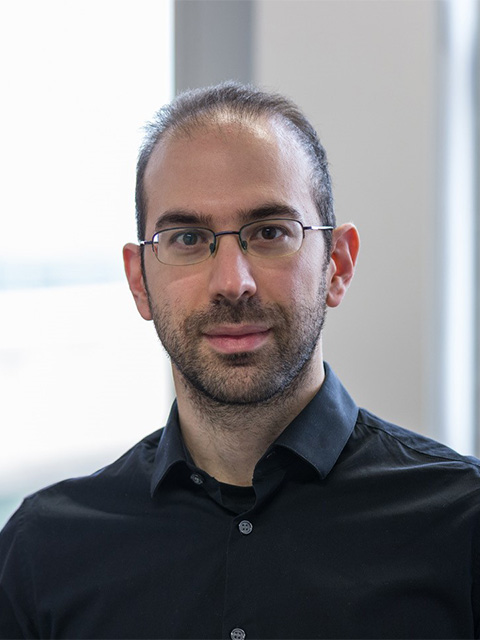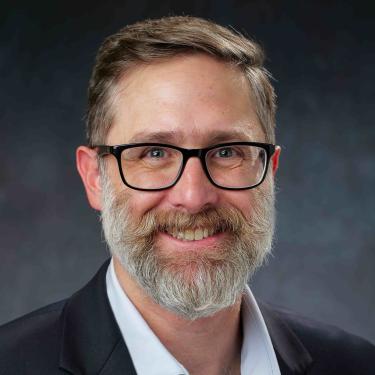
Beau Schelbleمشاهده پروفایل
استادیار
Beau Schelble is an Assistant Professor in the Department of Industrial and Systems Engineering at the University of Tennessee, Knoxville, within the Tickle College of Engineering. He is the founding director of the AI and Robotics for Collaborative Systems (ARCS) Lab, where he leads interdisciplinary research on human-AI teaming, responsible AI, and team cognition. His work bridges human factors, systems engineering, and artificial intelligence, with applications in advanced manufacturing, healthcare, emergency response, and defense. Education: PhD in Human-Centered Computing, Clemson University, 2023 BS in Psychology, Clemson University, 2018 Dr. Schelble's research focuses on optimizing collaborative systems involving humans and AI. Key interests include trust development, situational awareness, shared knowledge, and ethical AI integration. He employs mixed-methods approaches—qualitative, quantitative, and computational—to study human-AI interaction in complex environments. His work has resulted in over 30 peer-reviewed publications in top-tier venues across human factors, HCI, and systems engineering. The 15 most recent articles reflect a strong trend toward ethical AI, explainability, autonomy adaptation, and team cognition in human-AI systems. Topics span healthcare applications, collaborative technologies, training methods, and emotional expression in AI teammates, demonstrating a broad yet cohesive research agenda centered on responsible and effective human-AI collaboration. Scientific Awards and Recognitions: NSF Research Traineeship (THINKER) Scholarship, August 2019 Multiple best paper awards and nominations (5 total) in human factors and systems engineering conferences Dr. Schelble actively mentors students and leads a dynamic research lab. He has secured research support through academic collaborations and professional engagement with IEEE, HFES, ACM, and IISE. His lab, ARCS, fosters innovation in AI-driven collaborative systems. Future work includes expanding frameworks for outpatient care, adaptive autonomy in healthcare, and deeper integration of human teaming principles into AI design. He continues to publish extensively and contribute to shaping the future of human-AI teaming.