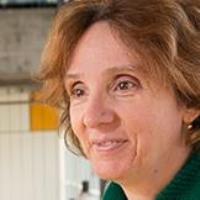
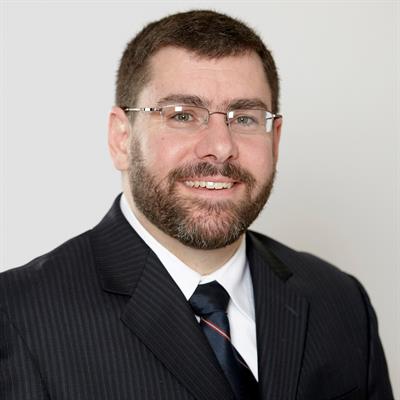
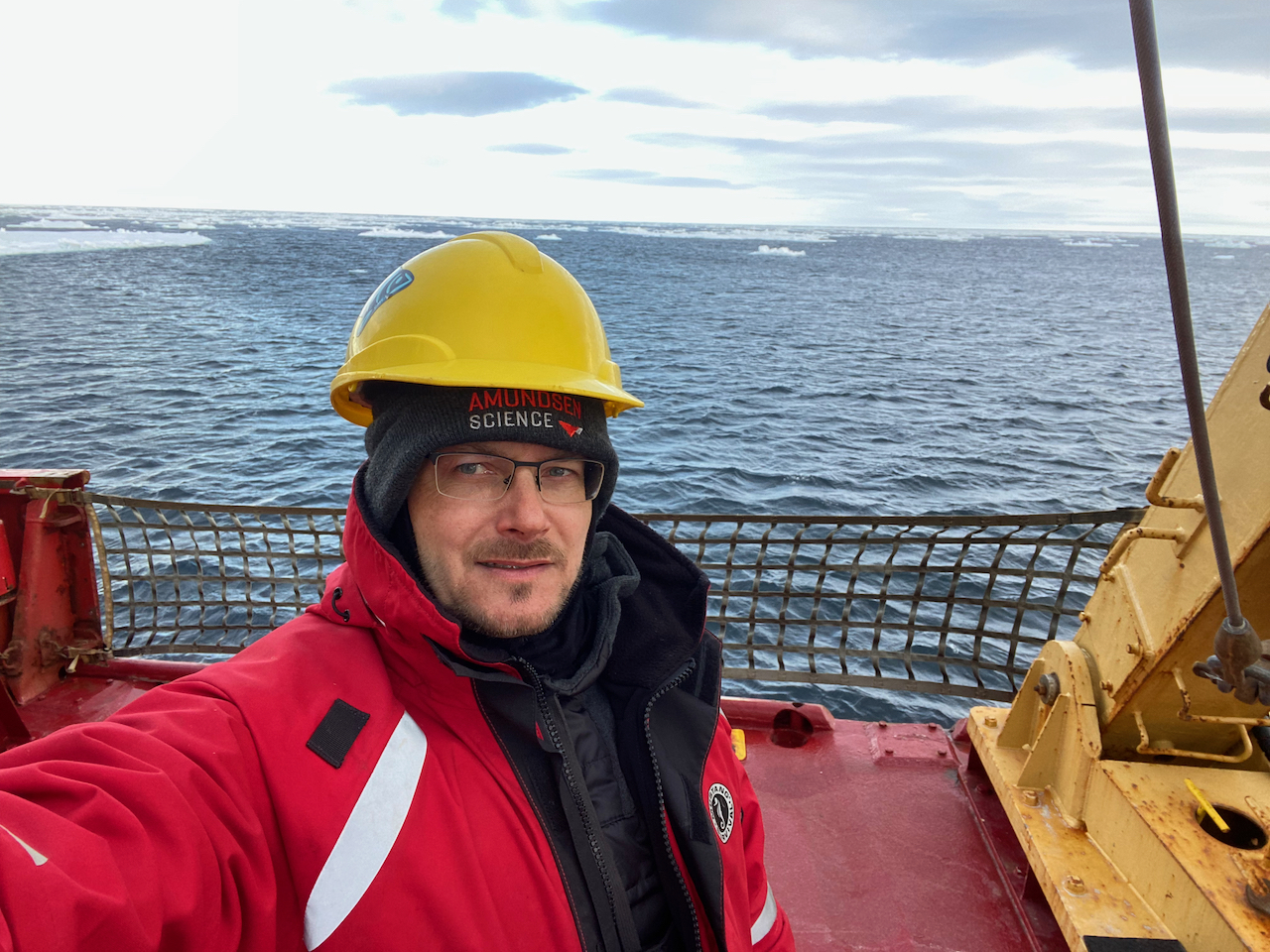
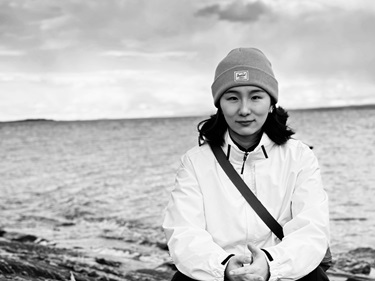
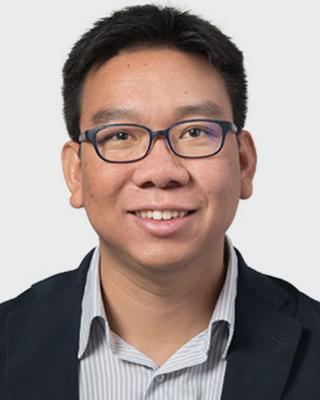
Cristina Anton serves as Professor in the Department of Mathematics and Statistics within the Faculty of Arts and Science at MacEwan University, Edmonton, Alberta. Her contact information includes email popescuc@macewan.ca and office phone (780) 633-3939. Her research expertise spans: Dynamical systems in applications Numerical analysis Probability theory Statistical learning Stochastic Differential Equations Stochastic Processes Recent publications (2022-2025) reveal three dominant research thrusts: (1) Advanced functional data clustering using parsimonious models, t-distributions, and outlier-robust techniques; (2) Development of symplectic numerical methods for stochastic Hamiltonian systems with conservation properties; (3) Applied work in cytotoxicity assessment and pandemic policy impact modeling. Her methodological innovations frequently address locally Lipschitz coefficients and skewed distributions in stochastic frameworks. Scientific awards: No awards mentioned in source materials. Advising and grants: Source text provides no information about graduate students, postdoctoral researchers, or research funding. Labs and teams: No research laboratories, collaborative groups, or institutional centers are referenced in the provided documentation.
Dr. John Maheu is a Professor and Business Research Chair at the DeGroote School of Business, McMaster University. His research focuses on financial econometrics, time series forecasting, and stochastic volatility modeling, with a particular emphasis on structural breaks and Bayesian methodologies. University: McMaster University School: DeGroote School of Business Department: Finance and Business Economics Maheu’s work explores how macroeconomic and financial factors influence market volatility, bull/bear cycles, and portfolio allocation. His models incorporate flexibility to adapt to unforeseen changes, such as those observed during the COVID-19 pandemic. He advocates for the use of disaggregated data to sharpen risk estimates and improve investment decisions. His recent publications analyze topics like infinite hidden Markov models, Bayesian forecasting frameworks, and jump processes in financial markets. These works highlight advancements in modeling market regimes and volatility dynamics under uncertainty. Scientific awards include the Social Sciences and Humanities Research Council (SSHRC) grant, which supports his long-term research initiatives. This funding enables him to address complex financial and economic challenges through innovative econometric modeling. Maheu’s research bridges theory and practice, offering insights into market risk, structural instability, and the efficacy of volatility models. His contributions extend to advising on financial decision-making tools that account for evolving economic conditions.
Frederic Maps serves as a Full Professor in the Department of Biology at Université Laval, Québec, Canada, where he leads research in marine ecosystem modeling with emphasis on Arctic systems. His work is conducted through the Numerical Ecosystem and Oceanography (NEOLab) laboratory, and he holds leadership roles including Co-director of the FRQNT Québec Océan strategic network and membership in the Institut Nordique du Québec. Post-doctorate fellow, University of Maine (2009-2012) Ph.D. in Oceanography, Université du Québec à Rimouski (2004-2009) M.Sc. in Oceanography, Université du Québec à Rimouski (2000-2003) Maps' research centers on marine plankton responses to environmental variability across scales, using numerical modeling approaches including individual-based models, trophic network modeling, and coupled 3D bio-physical systems. He pioneers trait-based plankton ecology informed by in situ optical measurements of morphological properties, with specific focus on Arctic ecosystems. His methodology integrates machine learning for analyzing plankton imagery and lipid content estimation. Analysis of his 15 most recent publications (2021-2024) reveals consistent focus on Arctic marine systems, particularly Hudson Bay and Baffin Bay. Key themes include copepod life history strategies, phytoplankton bloom dynamics, zooplankton community seasonality, and trait-based ecological modeling. His work increasingly incorporates machine learning for image analysis while maintaining strong physical-biological coupling in numerical frameworks. Maps actively contributes to major collaborative projects including the BaySys initiative and Québec Océan network, though no individual scientific awards are documented in the provided materials. As Principal Investigator of NEOLab, Maps supervises research on marine ecosystem modeling with emphasis on Arctic plankton dynamics. His team develops innovative approaches connecting in situ observations with numerical simulations to address climate change impacts on polar marine systems.
Huiwen Cai is a Research Fellow in the Department of Biology at Laval University, Canada, affiliated with the Takuvik research team (a joint UL/CNRS laboratory). Her expertise lies in the analysis and environmental behavior of nanoplastics in aquatic ecosystems. Her academic background includes: Ph.D. in Environmental Science, East China Normal University, China (2016-2022) B.Sc. in Environmental Science, Ocean University of China, China (2012-2016) Dr. Cai's research focuses on developing methods for the separation, identification, and quantification of nanoplastics, addressing challenges in environmental sampling and detection. Her work examines the transport, fate, and impacts of nanoplastics in aquatic environments, with recent emphasis on Arctic ecosystems through her FRQNT-PBEEE project. Her 14 publications (2018-2024) reveal a consistent trajectory in micro/nanoplastic methodology development, spanning analytical chemistry, environmental behavior studies, and ecological impact assessments. Key trends include advancing ultracentrifugation techniques, addressing sampling artifacts, and applying deep learning for microplastic categorization, with growing focus on Arctic-specific challenges. She received the National Graduate Student Award in 2020. Current leadership of the FRQNT-PBEEE project demonstrates active grant acquisition focused on Arctic nanoplastics detection. Dr. Cai previously held a Graduate Research Trainee position at McGill University (2020-2021). As part of the Takuvik team at Laval University, she contributes to international collaborations on plastic pollution in Arctic environments through this CNRS-UL joint laboratory.
Yossiri Adulyasak is a Full Professor in the Department of Operations and Logistics Management at HEC Montréal, where he was promoted to this position effective June 1, 2025. He also holds an appointment as Associate Professor in the Department of Computer Science and Operational Research at the University of Montreal since May 2022. Adulyasak is a member of the GERAD research center since February 2017 and holds the Canada Research Chair in Supply Chain Analytics. His educational background includes a Ph.D. in Operations and Logistics Management from HEC Montréal, where his doctoral research focused on planning systems in supply chains, and a Master of Civil Engineering in Transportation Engineering from Chulalongkorn University. Professor Adulyasak's research centers on supply chain analytics, with particular emphasis on stochastic and robust optimization under uncertainty. His work bridges operations research, artificial intelligence, and supply chain management, focusing on real-world applications in logistics, inventory management, and sequential decision-making processes. He investigates how to integrate demand forecasting with optimization frameworks and develops algorithms that can predict disruptions and recommend mitigation measures in supply chain operations. His recent publications demonstrate a strong trend toward integrating AI and machine learning techniques with traditional optimization methods to address complex supply chain challenges. The research spans multiple domains including electric vehicle routing, drone delivery, facility location under uncertainty, and pandemic response strategies. His work frequently appears in top-tier journals across operations research, transportation science, and management science. Canada Research Chair in Supply Chain Analytics (2018-present) Prix d'impact en recherche (HEC Montréal, 2024) Prix du meilleur cas de gestion (2024) 1st place for Prix de la pratique (Société canadienne de recherche opérationnelle, 2024) Best Paper Award for 2021 ('The value of aggregate service levels in stochastic lot sizing problems') Professor Adulyasak has supervised numerous doctoral and master's students, with 3 doctoral theses completed or in progress, 5 master's theses, and 37 supervised master's projects. His students have worked on diverse topics including inventory management, demand forecasting, supply chain network design, and optimization of logistics systems. He has collaborated extensively with industry partners including Bombardier, Pratt & Whitney Canada, and Hydro-Québec on research projects addressing real-world supply chain challenges. As an active member of GERAD and holding the Canada Research Chair in Supply Chain Analytics, Adulyasak leads a research group focused on developing advanced optimization techniques for supply chain applications. His team works at the intersection of operations research, artificial intelligence, and business analytics to create innovative solutions for complex decision-making problems under uncertainty.
Okan Arslan is an Associate Professor in the Department of Decision Sciences at HEC Montreal , where he has been since 2017. He is also a member of prestigious research centers GERAD and CIRRELT . His academic journey began with a PhD in Industrial Engineering from Bilkent University . Expertise in Operations Research and Combinatorial Optimization Current research focuses on Intelligent Last-Mile Delivery Systems Dr. Arslan's work revolves around Large-Scale Network Design and Transportation Optimization , with specific applications in Urban Mobility , Logistics Innovation , and Smart Infrastructure . His recent publications address critical challenges like 15-Minute City Concepts , Crowdkeeping in Delivery , and Probabilistic Network Reliability . Key trends in his research include Machine Learning Integration for routing optimization, Stochastic Facility Location modeling, and Humanitarian Logistics applications. His work has been recognized through prestigious awards like the 2024 Transportation Science Meritorious Service Award and Amazon Last Mile Routing Research Challenge Third Place (2021). Advising : Mentors PhD and Master's students in network optimization and delivery systems Editorial Roles : Editor-in-Chief for Transportation Research Part B and advisory board member for Transportation Research Part C His teaching portfolio includes Fundamentals of Optimization and Distribution Management courses, emphasizing practical applications in Hydro-Quebec and Intact Insurance projects.
Professor Il Yong Kim is a distinguished academic in the Department of Mechanical and Materials Engineering at Queen's University's Faculty of Engineering and Applied Science, where he serves as Director of the Structural and Multidisciplinary Systems Design (SMSD) Lab. His research integrates advanced computational methods with practical industrial applications in automotive, aerospace, and defense sectors. Dr. Kim earned his PhD in Mechanical Engineering from KAIST (Korea Advanced Institute of Science and Technology) followed by postdoctoral research and teaching at MIT. His educational journey reflects deep expertise in computational mechanics and design optimization. His research focuses on multi-disciplinary design optimization , topology optimization , and additive manufacturing , with significant contributions to multi-material systems, composite modeling, and machine learning integration. Current projects emphasize lightweight design for aerospace applications, fatigue analysis of advanced structures, and AI-driven optimization methodologies. The SMSD Lab maintains strong industry partnerships for real-world implementation of novel optimization techniques. Recent publications reveal a pronounced trend toward multi-physics neural network modeling and multi-scale optimization for additive manufacturing, particularly in urban air mobility systems and fiber-reinforced composites. His work consistently bridges theoretical advances with practical engineering constraints like manufacturability and fatigue life. Dr. Kim's accolades include: Research Excellence Award (Faculty of Engineering and Applied Science, 2016) Early Researcher Award (Ontario Ministry of Research and Innovation, 2010) Multiple Paper Awards from AAME, AIAC, and CSME Silver Wrench Awards (Queen's University, 2016 & 2017) Prestigious fellowships from KOSEF, DAAD, and JISTEC He actively mentors graduate researchers including PhD candidates Daniel Tameer, Daniel Kršikapa, and Yongcheng Zhou, with recent thesis defenses in structural optimization. His research is supported by competitive grants including the Ontario Early Researcher Award and industrial partnerships. The SMSD Lab operates state-of-the-art facilities for finite element analysis and multi-disciplinary optimization, specializing in FEM-based solutions for automotive and aerospace challenges with particular emphasis on topology optimization for additive manufacturing and composite structures.
Mustafa Daraghmeh serves as an Assistant Professor in the Department of Physics and Computer Science within the Faculty of Science at Wilfrid Laurier University, Waterloo, Ontario, where he contributes to both teaching and research initiatives in computational disciplines. His academic foundation includes: Bachelor of Science in Computer Science from Al-Balqa Applied University, Al-Huson University College, Jordan (2009) Master of Science in Computer Science from Jordan University of Science & Technology, Jordan (2014) Doctor of Philosophy in Electrical and Computer Engineering from Concordia University, Montreal, Canada (2024) Dr. Daraghmeh's research program actively explores cloud computing architectures, multi-agent coordination systems, machine learning optimization, cybersecurity protocols, and large language model applications. His work specifically targets resource management efficiency, scalable computing frameworks, and intelligent decision-making mechanisms within distributed environments, addressing critical challenges in modern computational infrastructure. No scientific awards were documented in the available information. The source material also omitted details regarding graduate student supervision, research grant acquisitions, laboratory facilities, or collaborative research team structures.
Osvaldo Valeria is a Professor at the University of Quebec in Abitibi-Témiscamingue (UQAT) and co-holder of the UQAT-UQAM Chair in Sustainable Forest Management. He serves as Director of the Masters in Sustainable Management of Forest Ecosystems and Co-Director of the Lac Duparquet Teaching and Research Forest. His work focuses on forestry operations, geomatics and remote sensing within the field of sustainable forest management. Dr. Valeria earned his Ph.D. in Forest Sciences from Laval University in 2004, following an M.Sc. in Forest Sciences from the same institution in 1999. He completed his undergraduate education with a BSc in Forest Engineering from Universidad de Concepcion, Chile in 1991. Professor Valeria specializes in spatial analyses using geographic information systems and remote sensing systems, with additional expertise in database design. His research laboratory conducts studies focused on forest soil mapping, wetland mapping, monitoring forest dynamics following natural disturbances, bryophyte species diversity, and the automatic identification of forest roads and their closure. His work represents the cutting edge of knowledge on geospatial data, specialized software applications, remote sensing data sources, and statistical processing of spatial data in forestry contexts. He actively participates in and leads numerous research projects in sustainable forest management, with particular emphasis on the ecological, economic and social feasibility of sustainable forest management strategies in the boreal forest. An analysis of Professor Valeria's recent publications reveals a strong emphasis on sustainable forest management in the boreal region, with particular attention to carbon dynamics, climate change impacts, and the use of advanced remote sensing technologies like LiDAR. His work bridges ecological, economic, and social considerations in developing sustainable forestry practices, with increasing focus on climate adaptation strategies and carbon sequestration potential in forest ecosystems. Professor Valeria has advised numerous graduate students throughout his career, including over a dozen doctoral candidates and more than twenty master's students. His research is supported by multiple funding agencies including the UQAT-UQAM Chair in Sustainable Forest Management, the FQRNT Forest Fund, Géoïde, the CRSNG, the MRNF, DEC, MDEIE and the RGDF – Center of Excellence. His laboratory represents a significant hub for research and training in forest geomatics and sustainable management practices. Dr. Valeria's laboratory is at the forefront of applying geospatial technologies to forest management challenges. His team works extensively with LiDAR data, satellite imagery, and advanced spatial analysis techniques to address critical questions in sustainable forestry. The lab maintains strong collaborations with other researchers across Canada and internationally, contributing to a robust research environment for graduate students and postdoctoral fellows.
Abderrahmane Ameray is a Post-doctorate researcher at the University of Quebec at Chicoutimi (UQAC), specializing in forest carbon dynamics, environmental modeling, and remote sensing applications for climate change mitigation. His work bridges advanced computational techniques with practical forest management strategies to address critical environmental challenges in boreal ecosystems. His educational background includes: 2019-2023: Ph.D. in Environmental Sciences from the University of Quebec in Abitibi-Témiscamingue (UQAT), Forest Research Institute, Quebec, Canada 2017-2018: Master's degree in Forest Ecosystem Management from Polytechnic Institute of Bragança (IPB), Portugal 2012-2017: Agricultural Engineer in Environment and Natural Resources from Hassan II Agronomic and Veterinary Institute (IAV), Rabat, Morocco Dr. Ameray's research focuses on Forest Carbon Dynamics , Environmental Modeling , Remote Sensing Applications , and Artificial Intelligence & Machine Learning in forestry contexts. His work examines how boreal forests can be managed to maximize carbon sequestration while maintaining ecosystem health and resilience under climate change scenarios. His publication record reveals a consistent trajectory of high-impact research, with recent work spanning carbon dynamics modeling, climate change mitigation strategies, and innovative applications of remote sensing in environmental management. His studies integrate field data with sophisticated computational approaches to provide evidence-based solutions for sustainable forest management across different biomes. As a post-doctoral researcher under Yan Boucher at UQAC, Dr. Ameray continues to advance our understanding of forest ecosystem responses to climate change and develop practical management strategies for enhancing carbon sequestration in Quebec's forests while maintaining ecological integrity.
Martin Vallières is an Associate Professor in the Department of Computer Science at the University of Sherbrooke, holding the CIFAR Research Chair in Artificial Intelligence. His work bridges artificial intelligence and oncology through advanced computational methods. His academic credentials include: M. Sc. in Medical Physics from McGill University (2012) Ph. D. in Medical Physics from McGill University (2017) Postdoctoral research at INSERM UMR 1101, Brest, France (2017-2018) Postdoctoral research at University of California San Francisco, USA (2018-2019) Postdoctoral research at McGill University, Montreal, Canada (2018-2020) Dr. Vallières specializes in precision oncology via medical image analysis, leveraging machine learning techniques including graph neural networks and natural language processing. He leads MEDomicsLab—an open-source end-to-end platform integrating heterogeneous hospital data through deep learning and graph-based methods to enhance oncology prediction models. His research emphasizes distributed and federated learning architectures for privacy-preserving medical AI development. His distinguished recognition includes: CIFAR Research Chair in Artificial Intelligence No specific information about student supervision or grant funding beyond the CIFAR chair is provided in the source material. He directs the MEDomicsLab initiative, which aims to become a foundational AI tool in precision oncology by synthesizing multimodal clinical data for personalized cancer treatment pathways.
Hongli Liu serves as Assistant Professor in the Civil and Environmental Engineering Department at the University of Alberta's Faculty of Engineering. Her research focuses on advancing hydrologic modeling for extreme event prediction and climate change impact assessment. Education: PhD, Civil Engineering (Collaborative Water Program), University of Waterloo, 2019 MSc, Environmental Science, Beijing Normal University, 2014 BSc, Geography, Shandong Normal University, 2011 Dr. Liu leads the Computational Hydrology Group , integrating machine learning with process-based hydrologic modeling to address critical water challenges. Her research tackles driving factors behind extreme hydrologic events, dominant hydrologic processes across regions, watershed delineation improvements, observational data uncertainty incorporation, and climate change impacts on water systems. The group utilizes in situ and remote sensing data while conducting large-domain simulations on supercomputers. Her publication portfolio demonstrates expertise in uncertainty quantification, ensemble methods, and sensitivity analysis within hydrological modeling. Current research trends emphasize machine learning integration with physical models and large-scale hydrological prediction under global change scenarios. Dr. Liu actively contributes to the scientific community through co-editing special issues including Advances in Large-Scale Hydrological Modeling and Prediction under Global Change (Water Resources Research) and Every Drop Matters: Resolving New Challenges in Flood and Drought Analyses and Forecasting (Meteorological Applications). The Computational Hydrology Group develops open-source tools including pyVISCOUS global sensitivity analysis toolbox, Parameter estimation toolbox for SUMMA, Watershed discretization toolbox, and Ensemble dressing of North American land data assimilation version 2 (EDN2), reflecting commitment to reproducible and collaborative research.
Vincent McFarlane is an Assistant Professor in Water Resources Engineering at the Department of Civil and Environmental Engineering, Faculty of Engineering, University of Alberta. He is part of the River Ice Research Group at the University of Alberta, with his research primarily focused on ice formation and the river freeze-up process. Dr. McFarlane teaches courses including CIV E 330 - Introduction to Fluid Mechanics and CIV E 739 - Advanced Topics in Fluid Mechanics and Hydraulics. Dr. McFarlane received his educational background entirely from the University of Alberta: Ph.D. in Water Resources Engineering (2014-2018) - Thesis: "Laboratory and Field Measurements of Frazil Ice Characteristics" M.Sc. in Water Resources Engineering (2011-2013) - Thesis: "Laboratory Studies of Suspended Frazil Ice Particles" B.Sc. in Civil Engineering (2007-2011) Dr. McFarlane's research interests center around river ice processes, with a particular focus on frazil and anchor ice formation, river supercooling and energy budget, and ice jam flooding. His work combines experimental field and laboratory studies to investigate ice formation mechanisms in rivers, with emphasis on how these processes affect river hydraulics and morphology. His research spans from fundamental ice physics to practical applications for flood management and infrastructure design in cold regions. Dr. McFarlane has received numerous scientific awards and recognitions for his work, including: NSERC Postdoctoral Fellowship NSERC Postgraduate Scholarship - Doctoral Graduate Student Teaching Award President's Doctoral Prize of Distinction R. Larry Gerard Medal Queen Elizabeth II Graduate Scholarship Best Student Paper Award from IAHR Best Student Paper Prize from CGU-HS Committee on River Ice Processes As a passionate teacher, Dr. McFarlane enjoys sharing the wonders of water resources engineering with students of all ages. He has professional experience in both academia and industry, having worked as a Hydrotechnical Specialist at Stantec Consulting Ltd. before joining the University of Alberta as an Assistant Professor. He is also a Professional Engineer (P.Eng.) registered with the Association of Professional Engineers and Geoscientists of Alberta (APEGA).
Yaoliang Yu is an Associate Professor in the Department of Computer Science at the University of Waterloo, Canada. He holds a Ph.D. from the University of Alberta (2013), and M.Sc. and B.Sc. degrees from Fudan University, China (2008 and 2005, respectively). His research focuses on Machine Learning, particularly generative models, representation learning, optimization algorithms, and applications in computer vision and natural language processing. He actively explores topics such as diffusion models, federated learning, adversarial robustness, and algorithmic fairness. Affiliations: School of Computer Science, University of Waterloo Key Research Areas: Generative Modelling, Optimization Theory, Federated Learning, Adversarial Machine Learning Education: Ph.D. in Computer Science, University of Alberta (2013) M.Sc. in Computer Science, Fudan University (2008) B.Sc. in Computer Science, Fudan University (2005) Research Interests: Yu’s work bridges theoretical foundations and practical applications in machine learning. His recent efforts emphasize robustness in generative models (e.g., diffusion models), optimization methods for non-convex problems, and privacy-preserving federated learning. He also investigates adversarial attacks and defenses, such as data poisoning and model unlearning mechanisms. Publications: His recent work explores diffusion models with group equivariance, noise-aware federated learning, and convergence guarantees for optimization algorithms like Adam. These studies reflect a trend toward unifying theory and practice in scalable ML systems. Awards: No awards explicitly listed in the provided text. Advising & Grants: While specific grants are not detailed, his research portfolio suggests involvement in projects funded by Canadian NSERC or industry partnerships. He advises students on topics such as generative AI and optimization, though no student names are listed here.
Xi He is an Assistant Professor at the Cheriton School of Computer Science, University of Waterloo. Her research centers on privacy and security for big data, with a focus on developing trustworthy tools for machine learning and data exploration. She holds a Ph.D. from Duke University (2018) and an M.Sc. from Duke University (2015). Her work spans privacy-preserving data analytics, secure ML frameworks, and algorithmic fairness. Recent publications emphasize explainable AI for brain aging , neural tangent kernels , and graph-structured learning . She actively investigates transferability of covariance networks in neuroimaging contexts. Dr. He's articles reveal a strong emphasis on theoretical ML foundations applied to neuroscience, with innovations in model interpretability and high-dimensional data analysis. She leads research on graph-constrained algorithms and adaptive statistical methods.