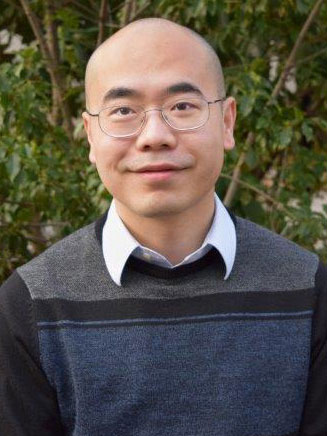
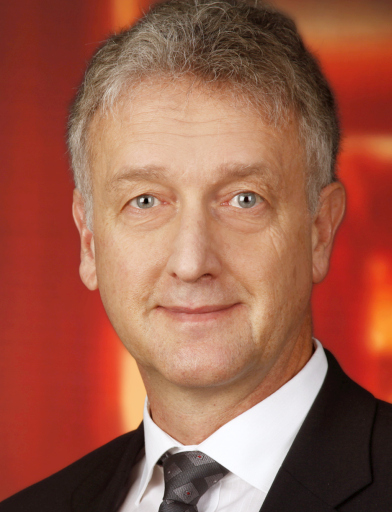
Gopal Murali is a Postdoctoral Research Associate and Affiliated Faculty at the University of Arizona's Wiens Lab. His research focuses on ecology, evolution, and biodiversity patterns, particularly under environmental changes. He holds a PhD in Ecology and Evolution from the Indian Institute of Science Education and Research (IISER) Thiruvananthapuram, preceded by an M.S. in Biology and a B.Tech. in Bioengineering. Research Interests: Murali applies macroecological and macroevolutionary frameworks to study biodiversity dynamics. His work addresses how climate change impacts species distributions, thermal tolerances, and predator-prey interactions. Key themes include evolutionary rarity, habitat heterogeneity effects, and global threats to vertebrates. Publications highlight contributions to understanding sexual dimorphism, viviparity in cold climates, and the role of temperature extremes in biodiversity loss. His work bridges theoretical models with field observations, emphasizing conservation implications. Labs/Teams: Active in the Wiens Lab, focusing on integrative ecology and evolution. Collaborates globally, including with researchers at Ben-Gurion University and institutions in India.
Lale Erdem Atılgan is an Assistant Professor in the Department of Electrical Engineering at Istanbul Technical University, Turkey, specializing in energy-efficient lighting systems with a focus on LED applications for cultural heritage sites. Her work bridges electrical engineering and architectural lighting, particularly for historic Turkish mosques. Her research centers on LED lighting technology for historic preservation, thermal management of LED systems, energy efficiency optimization, and human-centric lighting design. Key projects include thermal design of LED lanterns for mosques, performance analysis of LED drivers, and energy-saving lighting controls for non-residential buildings. She investigates practical implementations in real-world settings like university libraries and social centers. Analysis of her 15 most recent publications (2016-2019) reveals consistent emphasis on adapting LED technology to historic structures while addressing thermal challenges, energy savings, and human factors. Her work combines experimental market analysis (e.g., Turkish LED retrofit lamps), case studies (e.g., Semsi Ahmet Pasha Mosque), and technical evaluations of driver circuits. Scientific awards: None documented in available sources. She has supervised at least two students and led three significant research projects: Aydınlatma Armatürleri Projesi (2021-2022): Focused on innovative lighting fixture R&D Uzun Ömürlü Optimum LED Sürücü Tasarımı (2018-2021): Developed long-life LED drivers LED'li Retrofit Lambaların Analizi (2018-2021): Evaluated electrical/thermal properties of retrofit lamps in Turkish market These projects secured institutional funding through ITU's Revolving Fund and SRP programs. Her work operates within ITU's Lighting Laboratory ecosystem, where she investigates thermal dynamics of LED systems, human visual responses, and sustainable urban lighting solutions with emphasis on preserving cultural heritage through modern technology.
Qi Wang is an Associate Professor and Vice Chair for Research in Civil and Environmental Engineering at Northeastern University's College of Engineering, with an affiliation in the School of Public Policy & Urban Affairs. He holds a PhD from Virginia Tech (2015) and an MS from Michigan State University (2012). His research focuses on urban and social resilience, geo-social networking, and disaster response, particularly addressing mobility equity and human-natural system interactions through AI-driven methods. Key projects include NSF-funded initiatives on elderly mobility in aging cities, post-disaster water safety, and big data biases in mobility analysis. He leads the Ryan Wang Lab, exploring human movement under hazards and urban mobility equality. Notable awards include the 2025 Faculty Research Team Award and 2023 College of Engineering Faculty Fellow. Research Grants: Multiple NSF awards totaling over $3.8M, including studies on toxic-free footprints and age-inclusive urban planning. Advising: Mentors students like Xinhua Wu (PhD), Yanchao Wang (PhD), and Haoyu He (PhD candidate). Publications: Over 50 peer-reviewed articles in journals like Nature Human Behaviour, PNAS, and Applied Network Science, emphasizing disaster resilience and mobility analytics.
Dieter W. Fellner is a distinguished Professor of Computer Science at Technical University of Darmstadt, Germany, where he serves as Director of the Fraunhofer Institute of Computer Graphics (IGD). He also holds a concurrent position as Professor of Computer Science and Founding Director of the Institute of Computer Graphics and Knowledge Visualization at Graz University of Technology, Austria. With a career spanning over three decades, Fellner has established himself as a leading figure in computer graphics, digital libraries, and related fields. Education: Diploma in Technical Mathematics, Graz (1981) Doktorate (Ph.D.) in Technical Mathematics, Graz (1984) Habilitation, Graz (1988) Professor Fellner's research spans multiple domains within computer science, with a primary focus on computer graphics and its applications. His work encompasses computational geometry, 3D modeling and rendering, virtual and augmented reality, and digital libraries with emphasis on cultural heritage preservation. He has made significant contributions to algorithms for integrating modeling and rendering processes, efficient visualization techniques, and generative modeling approaches. His research extends to practical applications in internet-based multimedia systems, where he coordinated a strategic initiative funded by the German Research Foundation that supported approximately 50 researchers across 21 groups from 1997 to 2005. An analysis of Professor Fellner's publication record reveals a consistent trajectory of innovation in computer graphics and digital document systems. His early work focused on foundational graphics algorithms and videotex systems, evolving toward more complex 3D document modeling, visualization techniques, and digital library architectures. A notable trend is his interdisciplinary approach, bridging computer graphics with applications in cultural heritage, bioinformatics, and brain-computer interfaces. His research demonstrates a progression from theoretical algorithms to practical implementations addressing real-world challenges in information visualization and knowledge management. Scientific Awards: Fellow of the Eurographics Association (2000) Member of the IST Advisory Group for the European Commission (ISTAG) (2007) Best Technical Paper Award (Günther Enderle Award) at Eurographics'98 Conference Honorary Doctorate from the University of Rostock (2019) Throughout his career, Professor Fellner has supervised numerous students and researchers, though specific names are not documented in the available sources. His leadership extends to significant grant activities, most notably coordinating the German Research Foundation's strategic initiative on distributed processing and mediation of digital documents from 1997 to 2005. This major project provided funding for approximately 50 researchers annually across 21 research groups, demonstrating his capacity to lead large-scale collaborative research efforts. He has also served on editorial boards of leading journals and program committees of international conferences, shaping the direction of research in his fields of expertise. Professor Fellner directs the Fraunhofer Institute of Computer Graphics (IGD) in Darmstadt, a prominent research institution focused on applied computer graphics. He also founded and chairs the Institute of Computer Graphics and Knowledge Visualization at Graz University of Technology. These institutions serve as hubs for interdisciplinary research, bringing together computer scientists, domain experts, and industry partners to advance the state of the art in visualization, digital libraries, and knowledge management systems. The teams under his leadership have produced influential work in 3D document processing, cultural heritage digitization, and advanced visualization techniques.
Sean van Elden is a Research Fellow at the School of Biological Sciences, The University of Western Australia. His work focuses on marine ecosystems, particularly the ecological impacts of offshore oil platforms, artificial structures, and decommissioning strategies. He contributes to UN Sustainable Development Goals related to ocean conservation and sustainable infrastructure. Research Interests: Dr. van Elden investigates novel ecosystems arising from anthropogenic infrastructure, invasive species dynamics, and biodiversity conservation in marine environments. His studies employ advanced techniques like drone surveillance and remotely operated vehicles to analyze fish distribution and ecosystem engineering effects. Key Projects: He co-led the INSITE Phase 2 Synthesis project at Plymouth Marine Laboratory (2021–2023), synthesizing global insights on marine artificial structures. This work engaged international collaborators and influenced policy discussions on environmental targets. Grant Activity: His research has secured funding through initiatives like INSITE, focusing on decommissioning assessments and ecosystem management. Collaborations span institutions globally, addressing topics from coral mimicry to scalloped hammerhead shark aggregations. Labs/Teams: Works closely with marine conservation networks, contributing datasets on offshore platforms and Lethrinidae coloration. His interdisciplinary approach bridges ecological science with policy applications.
Dr. Aart J. Verhoef is a Joint Professor in Physics and Astronomy and Assistant Professor of Soil and Crop Science at Texas A&M University. His research focuses on biophysical sensing, quantum optics, and ultrafast nonlinear optics, with applications in biology and agriculture. He leads a team advancing multiphoton imaging and laser technologies for non-destructive analysis of plant systems and microbial communities. Education: PhD in Experimental Physics from Ludwig Maximilians Universität, Munich (group of Prof. Ferenc Krausz). Bachelor's in Physics and Astronomy from Vrije Universiteit Amsterdam. Specializes in ultrafast laser design with breakthroughs in neuro-imaging and multiphoton microscopy. Research Interests: Development of advanced optical tools for plant nutrient analysis, bacterial enzymology, and agricultural phenotyping. Key projects include Raman microspectroscopy for nitrate quantification and three-photon microscopy for deep-tissue imaging. Institutional Partnerships: Collaborates with the Institute for Quantum Science & Engineering on quantum thermometry and nanophotonic sensor technologies. Research team includes students Xinghua Liu and Ajithamithra Dharmasiri.
Jason M. Kamilar is a Professor of Anthropology at the University of Massachusetts Amherst, where he leads the Comparative Primatology Lab. His research focuses on understanding how ecology and evolutionary history shape primate diversity, employing quantitative techniques such as phylogenetic comparative methods, GIS, and molecular data analysis. He holds a BS & BA from Arizona State University (1999) and a PhD from Stony Brook University (2006). Key research areas include primate behavior, evolutionary biology, and ecological modeling. His work often involves interdisciplinary collaborations, such as studies on Kinda baboon social systems and the evolutionary ecology of primate hair coloration. Recent publications highlight topics like mammalian diel activity patterns and gene expression in primate visual cortices. Kamilar advises students including Dr. Anna Weyher (PhD 2023-2024), Laura Haynes, and Ally Schmidt. His lab supports diversity initiatives and adheres to UMass’s commitment to inclusion. He contributes to graduate programs in anthropology and organismic & evolutionary biology, shaping curricula and mentoring future scholars. Education: BS & BA, Arizona State University, 1999 PhD, Stony Brook University, 2006 Awards & Funding: Supports lab research through grants and fellowships, including REAL Fellowships and dissertation awards.
Andrew Koh is an Associate Research Scholar at Yale University's Department of Near Eastern Languages and Civilizations. He holds a BS from the University of Illinois, an MA, and a PhD from the University of Pennsylvania. Previously, he served as a Florence Levy Kay Fellow at Brandeis University, founding its Digital Humanities Lab, and as a Senior Research Fellow at MIT's Center for Materials Research in Archaeology and Ethnology. His work integrates archaeology, chemistry, and digital humanities to study ancient organic residues and transdisciplinary methodologies. Research interests include organic residue analysis, ancient technologies, Mediterranean archaeology, and the intersection of science with cultural heritage. He co-directs the Southern Phokis Regional Project and founded the ARCHEM Project, which created the OpenARCHEM database for collaborative residue analysis. Key achievements include pioneering studies on ancient wine storage at Tel Kabri and dye production in Minoan Crete. Professional awards include the Florence Levy Kay Fellowship and Senior Research Fellow appointments. He actively contributes to committees such as the Archaeological Institute of America and the Getty Research Institute, emphasizing ethical stewardship of archaeological data.
Christos Pelekis is an Assistant Professor in the Department of Mathematics at Aristotle University of Thessaloniki. He holds a PhD in Mathematics from Delft University of Technology (2014), focusing on Probability and Game Theory with a thesis titled Search Games on Hypergraphs . His academic journey includes postdoctoral research at institutions like the Czech Academy of Sciences, KU Leuven, and NTUA. His research interests span Game Theory, Probability Theory, Combinatorics, Discrete Mathematics, Measure Theory, and Optimization. Education: PhD in Mathematics (Delft University of Technology, 2014), Master's in Applied Mathematical Sciences (NTUA, 2008), and a Bachelor's in Mathematics (University of Crete, 2005). Research focuses on probabilistic methods in combinatorics, game-theoretic models for resource allocation, and optimization in networked systems. Notable work includes contributions to search games, concentration inequalities, and distributed network algorithms. His publications address topics ranging from Turán-type theorems to 5G wireless power allocation using game theory. Professional experience includes roles at The American College of Greece – Deree (2022–2023) and postdoctoral positions at NTUA (2020–2023), the Czech Academy of Sciences (2017–2019), and KU Leuven (2014–2016). Key research trends in his articles include applying game theory to network optimization, analyzing probabilistic inequalities, and exploring combinatorial structures in Euclidean geometry. His work bridges theoretical foundations with practical applications in telecommunications and distributed systems.
Professor Erik Wapstra is the Dean of Research, Sciences and Engineering and a Professor of Evolutionary and Behavioural Ecology at the University of Tasmania's School of Natural Sciences. He co-leads the Behavioural and Evolutionary Ecology Group (BEER Group) and has held roles including ARC Future Fellow and Associate Professor since 2004. His research focuses on reptile model systems, particularly snow skinks, Egernia lizards, and European sand lizards, examining climate impacts, sex determination, maternal effects, and social behavior. Education: PhD in Life History Evolution (University of Tasmania, 1998), Bachelor of Science (Hons) in Zoology (UTAS). Research Interests: Climate change effects on biodiversity, sex allocation strategies, evolutionary ecology of social behavior, and conservation genetics. He leads the UTAS Climate Transition initiative, addressing climate action and resilience. Awards: Includes MR Banks Medal (2012), Vice-Chancellor's Award (2011), and multiple research excellence awards. Grants/Advising: Over 60 funded projects, including studies on telomere dynamics, sex determination transitions, and climate impacts on reptiles. Supervised over 30 doctoral and master's students. Labs/Teams: BEER Group, collaborating with global institutions like Gothenburg University and Macquarie University.
Robert Mason is a Researcher at the Marine Spatial Ecology Lab, University of Queensland (UQ). He specializes in spatial modelling and GIS to study resilience-based management strategies for the Great Barrier Reef. His PhD research, conducted through UQ’s ARC Centre of Excellence for Coral Reef Studies node, focused on coral biology under climate stressors like acidification and warming. He holds an MSc in Applied Mathematics (Imperial College London) and undergraduate degrees from Macquarie University. His research interests bridge spatial ecology and climate change impacts, with field experience in the Pacific, Heron Island, and Keppel Islands. Notable achievements include Fulbright and Endeavour Scholarships, and certifications in scientific diving and boating. Recent work highlights include studies on fisheries vulnerability to climate change (2022) and shifts in fish community coloration linked to coral decline (2022). His contributions emphasize interdisciplinary approaches to marine conservation challenges.
Associate Professor Leo Nankervis is a leading researcher at James Cook University's College of Science and Engineering, where he directs the Tropical Aquafeeds Innovations Laboratory. With expertise spanning aquaculture nutrition, feed development, and sustainable practices, he bridges commercial aquaculture challenges with scientific innovation across global supply chains. PhD in Aquaculture (James Cook University, 2005) BSc(Hons) in Aquaculture (James Cook University, 1999) His research focuses on nutritional physiology of marine species, particularly barramundi, groupers, and lobsters, while addressing sustainability through alternative protein sources and microplastic mitigation. Recent work emphasizes postprandial nutrient dynamics , lipid utilization, and functional feed additives like black garlic and chitosan. Article trends reveal expertise in macronutrient optimization for tropical species, feed safety assessments, and physiological adaptations to environmental stressors. Key collaborations span Atlantic salmon research in Norway, lobster aquaculture in Queensland, and coral-aquaculture integration projects. Professional affiliations include the World Aquaculture Society and FRDC Queensland Research Advisory Committee (2023). Current initiatives prioritize workforce development for aquaculture's future through 2050, reflecting his commitment to industry capacity building.
Prof. Vedat Uyak is a Professor at the Department of Environmental Engineering, Faculty of Civil Engineering, Istanbul Technical University (ITU). He holds a PhD in Environmental Engineering from ITU and has extensive experience in academic and administrative roles, including Head of the Department at ITU since 2021 and prior positions such as Dean and Vice Rector at Pamukkale University. His research focuses on Air Pollution Control , Waste Management , and Environmental Chemistry , with notable contributions to biogas purification, membrane technologies, and disinfection byproduct formation in water systems. Education: PhD in Environmental Engineering, Istanbul Technical University (2002–2006) Master’s Degree from University of Iowa, USA (1995–1997) Bachelor’s Degree in Environmental Engineering from Republic University (1989–1993) Research Interests: His work addresses advanced water treatment processes , including ozone application for wastewater treatment, nanomaterial-based adsorption systems for toxic metal removal, and membrane technologies for siloxane and organic matter purification. He also investigates seasonal variations in disinfection byproduct formation and their mitigation strategies in drinking water systems. Key Achievements: Recipient of the TUBA TEKHEP Award (2015) and YLS Scholarship (1994). Active member of the International Water Association and American Water Works Association. Over 50 peer-reviewed publications, focusing on environmental engineering challenges like biogas upgrading, nanocomposite membranes, and chlorination byproduct modeling. Grants & Administration: Served on executive boards of TÜBİTAK and Pamukkale University’s administrative committees. Led projects on water distribution systems, membrane technology applications, and sustainable waste management strategies.
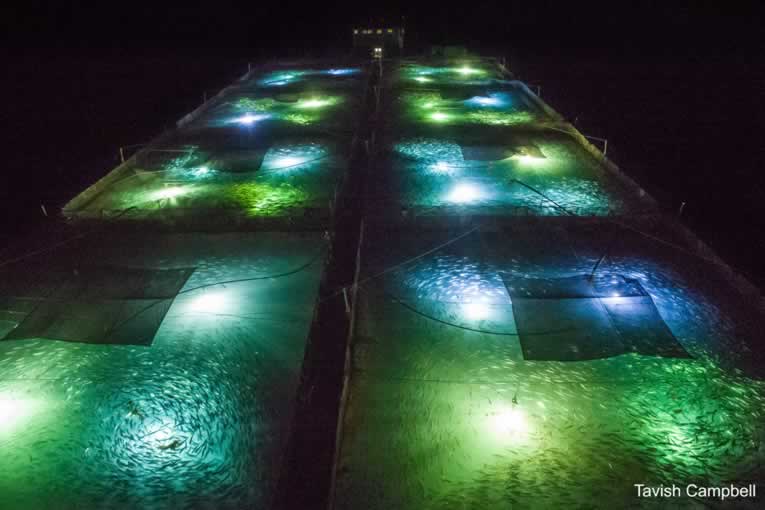
Overview Dr. Amy Ellison is a Senior Lecturer in Biological Sciences at Bangor University, UK, specializing in molecular parasitology and host-pathogen interactions. Her research focuses on chronoparasitology, examining how circadian rhythms influence disease dynamics in aquatic and wild animal populations. She holds academic affiliations with the School of Environmental and Natural Sciences and collaborates with institutions like Cardiff University and Plymouth University. Education & Career PhD (2012) : Evolutionary genetics of mixed-mating systems, Aberystwyth University BSc Zoology (2009) : First class honors, Aberystwyth University Positions : NSF Postdoc (Cornell, 2012–2015), BBSRC Future Leader Fellow (Cardiff & Bangor, 2018–2021), Lecturer (Bangor, 2019–present) Research Interests Her work integrates chronobiology with aquaculture health, light pollution impacts, and amphibian disease resistance. Key themes include circadian rhythm effects on fish immunity, microbiome interactions, and environmental stressors like skyglow. She employs cutting-edge techniques like next-generation sequencing and meta-transcriptomics to study pathogen dynamics. Grants & Projects FUTUREFISH : BBSRC-funded study on circadian rhythms and aquaculture (2019–2022) AquaWales : Climate change impacts on aquaculture (2015–2018) One Health Wales : Integrated health surveillance system (2022–2023) Labs & Collaboration Dr. Ellison leads interdisciplinary teams addressing global challenges like sustainable aquaculture and wildlife disease. Collaborations include work on amphibian chytridiomycosis resistance and light pollution effects on intertidal organisms.
Amelia Fuller is Professor of Chemistry & Biochemistry at Santa Clara University, based at the Sobrato Campus for Discovery and Innovation (Room 2117B). Her research bridges plant evolutionary biochemistry and synthetic polymer design. Research focuses on two interconnected domains: Floral Biochemistry : Mechanisms of color polymorphisms in Lysimachia species, including anthocyanin pathway evolution and pollinator-driven selection Peptoid Engineering : Design of sequence-specific N-substituted glycine oligomers for molecular recognition in aqueous environments, with applications in drug delivery and environmental sensing Recent publications (2019-2025) demonstrate dual expertise: biochemical studies of flower color transitions using multiscale approaches, and peptoid development for nanoparticle stabilization, membrane interactions, and contaminant detection through fluorescence and X-ray techniques. Key awards: Ralph F. Hirschmann Award in Peptide Chemistry (2012) NSF CAREER Award (2011) Secured multiple NSF grants including RUI awards (2019, 2023) supporting undergraduate research integration. Developed course-based research experiences (CUREs) that replace traditional organic chemistry labs with combinatorial synthesis modules. Mentors students in multidisciplinary projects spanning biochemistry, nanotechnology, and chemical ecology. Leads a collaborative research group utilizing fluorescence spectroscopy, surface X-ray scattering, and computational modeling. Partners with institutions across the US and Cuba on antimicrobial discovery and chemistry education initiatives.