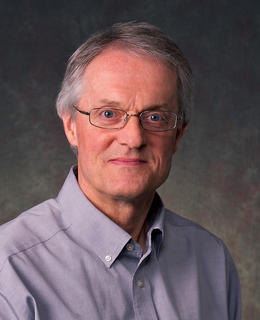
Robert Barclay is a Professor Emeritus in the Department of Biological Sciences at the University of Calgary, Faculty of Science. He holds a PhD (Carleton University, 1981), MSc (Carleton University, 1978), and BSc (Trent University, 1976). His research focuses on the behavioral and physiological ecology of mammals and birds, particularly bats, investigating roosting behavior, thermoregulation, and responses to environmental disturbances like wind energy, urbanization, and wildfires. He has contributed to understanding bat migration, torpor physiology, and conservation challenges. Key awards include the Order of the University of Calgary (2024), Faculty of Science Excellence in Research Award (2021), and multiple teaching awards. His work spans bat-habitat interactions, climate impacts, and wildlife management. Retired since 2021, he no longer advises students but retains a legacy of influential research and mentorship. Education: PhD Biological Sciences, Carleton University, 1981 MSc Biological Sciences, Carleton University, 1978 BSc Biological Sciences, Trent University, 1976 Research highlights include studies on bat responses to wind turbines, urbanization effects on prairie bats, and Yukon bat ecology. His publications address topics like bat diet, roost selection, and population dynamics. Collaborative projects include investigating bat fatalities at wind facilities and the impact of forest disturbances on bat communities.
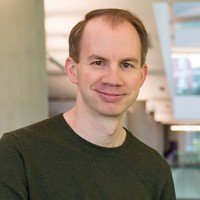
Christopher Ramsey is an Associate Professor and Interim Chair of the Department of Mathematics and Statistics within the Faculty of Arts and Science at MacEwan University in Edmonton, Alberta. He holds a PhD in Pure Mathematics from the University of Waterloo (2013), an MMath from Waterloo, and a BSc Honours from the University of Regina. Dr. Ramsey's research centers on operator algebras and functional analysis, with particular emphasis on non-selfadjoint operator algebras and multivariable operator theory. His work explores connections between analysis and algebra, studying algebras of infinite matrices and their applications to group theory, dynamical systems, free probability, and quantum information theory. He also investigates aperiodic order and its mathematical structures. His recent publications (2020-2025) demonstrate a consistent focus on operator algebras, with significant contributions to C*-algebras, tensor algebras, and their applications. The research spans theoretical foundations in functional analysis while connecting to diverse fields including symbolic dynamics, aperiodic structures, and quantum information. His work often bridges abstract algebraic structures with concrete analytical problems. Dr. Ramsey has received notable recognition including an NSERC Discovery Grant (2019), a MacEwan University Project Grant (2019), and an NSERC Postdoctoral Fellowship (2013). He serves as Editor-in-Chief of the MacEwan University Student eJournal (MUSe) and Associate Editor of the Canadian Transactions of Operator Theory. As an educator, Dr. Ramsey teaches various mathematics courses and supervises senior students' independent studies. His academic service includes editorial work and active participation in the Canadian Mathematical Society. His research program continues to develop connections between operator algebras and their diverse applications across mathematical disciplines.
Jean-Luc Bonniol is a Professor of Anthropology at Paul-Cézanne University (Aix-Marseille III) affiliated with UMR 6591 (IDEMEC) and the Mediterranean House of Human Sciences. His work focuses on postcolonial societies, race, and Caribbean cultural dynamics. Key affiliations: University of Aix-Marseille, IDEMEC research unit, Mediterranean anthropological networks. Doctoral research included studies on population genetics in Caribbean island communities. Research emphasizes colonial legacies, memory of slavery, and creolization processes. He has curated major collections like the 'Creole Societies' series. Publications span anthropology, sociology, and history, addressing topics like racialization, postcolonial identity, and Guadeloupean social movements. His 2009 analysis of labor strikes in Guadeloupe remains seminal. Received formal permissions to distribute works openly via Les Classiques des sciences sociales. Active in interdisciplinary dialogue blending anthropology with historical and political analysis.
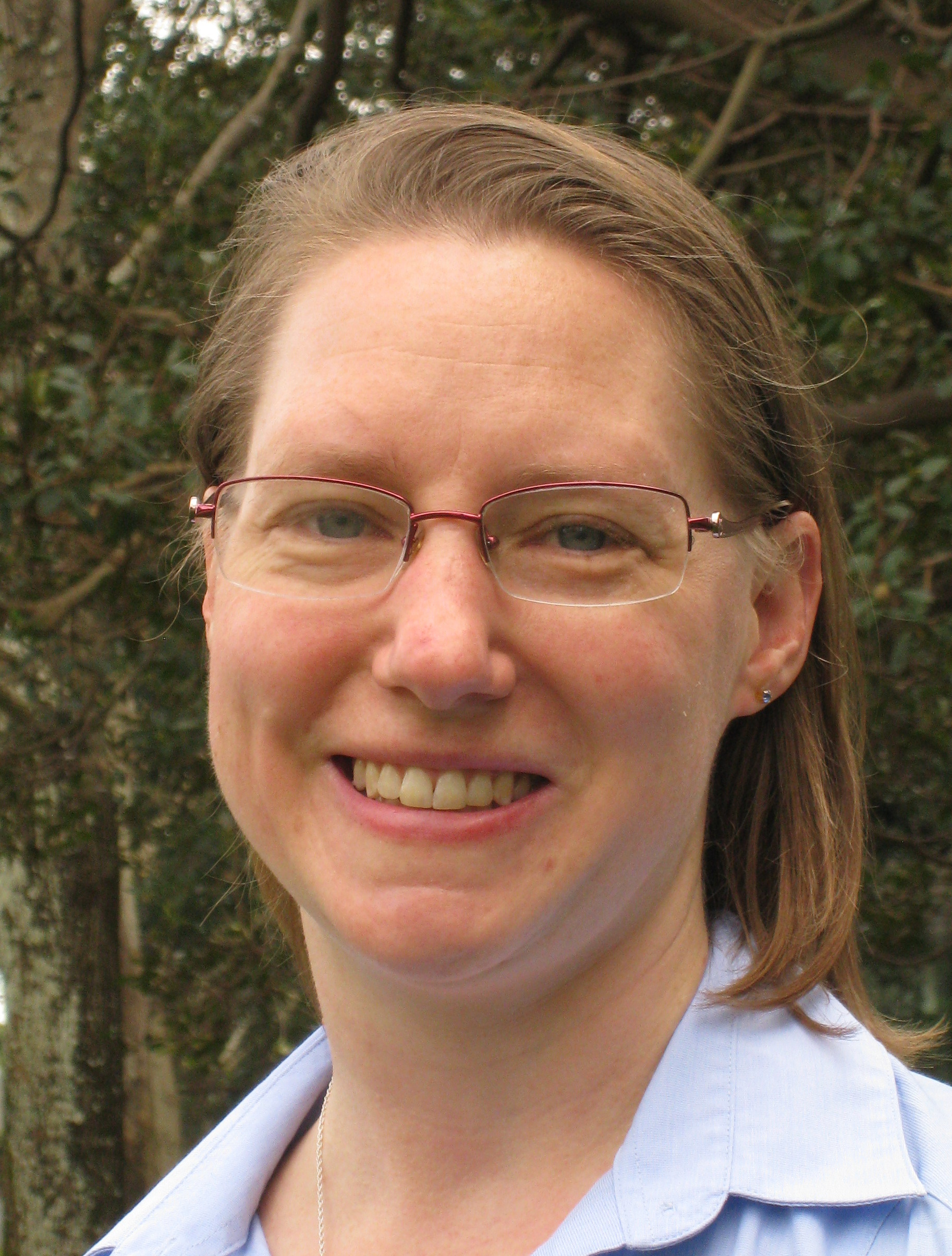
Associate Professor Judy Hart is a materials scientist at the School of Materials Science & Engineering, UNSW Sydney , specializing in the development of semiconducting materials for renewable energy applications. Her work integrates computational (DFT) and experimental approaches to understand composition-property relationships in systems like solid solutions , heterostructures , and doped materials for photocatalysis and solar cells . She leads projects funded by ARC Discovery and Linkage grants , including work on photo-electro-catalysis systems and stabilizing ceramic materials . Education: PhD in Materials Engineering (Monash University, 2007), BEng (Materials) (Monash, 2002) Professional Experience: Senior Lecturer (UNSW, 2017–), Lecturer (UNSW, 2013–2017), University of Bristol (2007–2012) Research Interests Her research focuses on designing materials for renewable energy , particularly photoelectrochemical water splitting and organic oxidation reactions . Key areas include Density Functional Theory (DFT) , defect engineering , band gap tuning , and nanostructured materials . She investigates ferroelectric polarization effects , metal oxide heterostructures , and stability of battery components , with applications in hydrogen production , CO2 conversion , and advanced battery materials . Scientific Awards Ramsay Memorial Fellowship (University of Bristol, 2007–2009) Teaching Contributions She is co-author of the 1st Australian & New Zealand edition of "Materials Science and Engineering: An Introduction" , and teaches courses on computational materials science , corrosion-resistant surfaces , mechanical behavior of metals , and materials design .
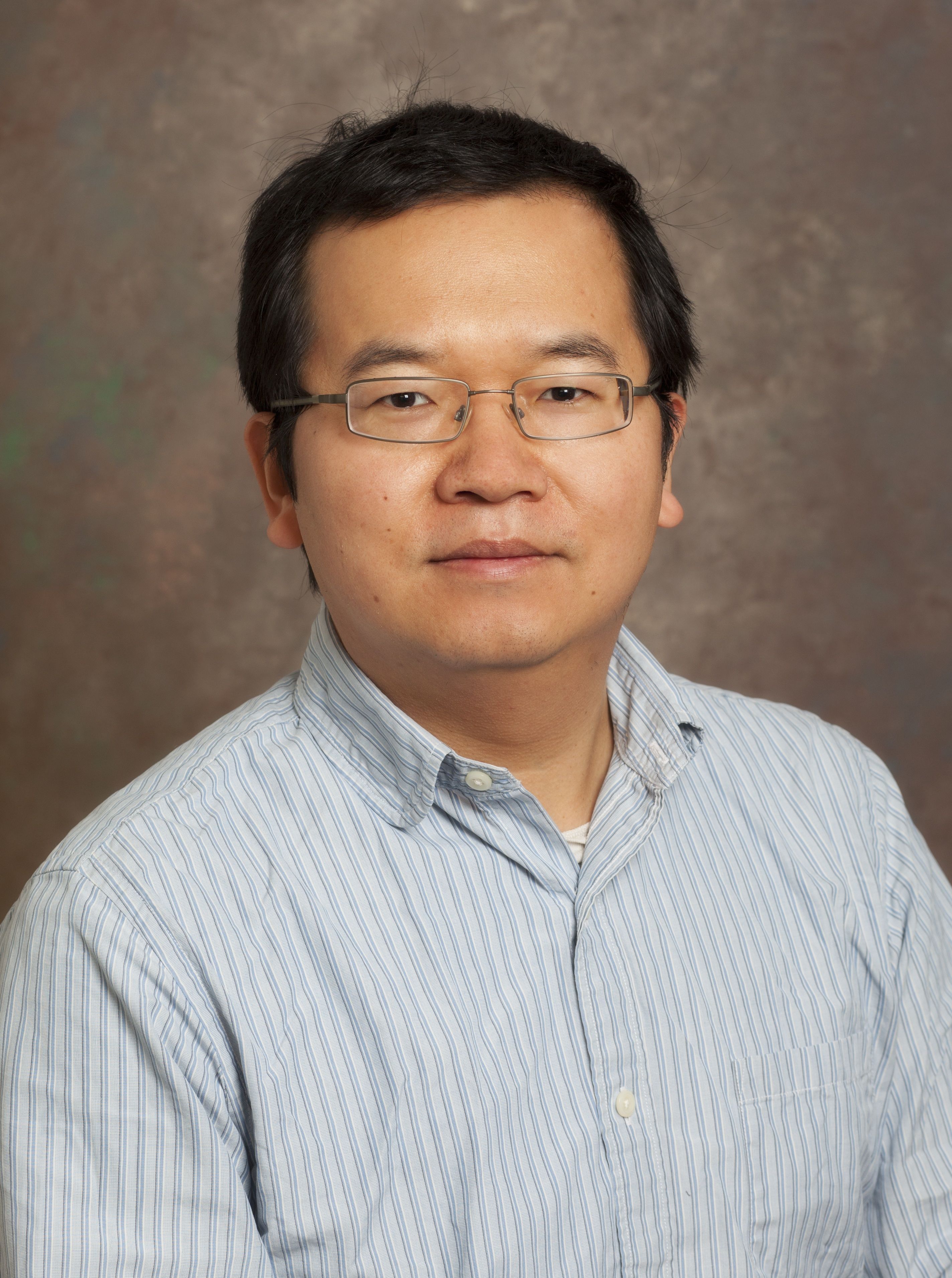
Xiaoming Li is an Associate Professor in the Department of Electrical and Computer Engineering at the University of Delaware , focusing on compiler optimization, GPU computing, and hardware-software interaction. His work bridges machine learning with code generation to enhance program efficiency. B.S. and M.E. from Nanjing University (1998, 2001) Ph.D. in Computer Science from University of Illinois at Urbana-Champaign (2006) Research interests include: Compiler optimizations for static and dynamic code transformation Machine learning-driven code generation techniques FFT algorithms for sparse and hybrid systems Non-traditional compilers for SAT solvers and virtual machines GPU acceleration for large-scale computational problems His publications span 15 years , emphasizing: FFT optimization across GPU/CPU architectures Compiler techniques for heterogeneous systems Adaptive scheduling and error resilience Integration of empirical and model-driven approaches Notable awards: NSF CAREER Award (2008) Best Paper Award at ADAPT Workshop (2013) Advising highlights: Current students: Ryan Taylor, Sha Li, Shuo Chen, Yuanfang Chen, Chao Yang, Chaoyu Chen Graduates: Liang Gu (FFT Libraries), Jakob Siegel (GPGPU Frameworks), Murat Bolat (Context-Aware Compilation)
Dr. Michael Alfaro is a Professor in the Department of Ecology and Evolutionary Biology at UCLA, where he leads the UCLA Alfaro Lab. His research focuses on understanding evolutionary dynamics of organismal diversification, particularly in marine fishes. He employs interdisciplinary approaches combining evolutionary morphology, molecular phylogenetics, and theoretical evolution to explore patterns and mechanisms of morphological and functional diversity. Education: Ph.D. in Evolutionary Biology, University of Chicago (2000) M.A. in Biology, Humboldt State University (1995) B.A. in Dramatic Arts, University of California, Davis (1989) Research interests emphasize the interplay between morphological diversity and ecological/functional dynamics. Notable themes include the drivers of diversification in marine lineages, the role of physiological traits in lineage success, and the integration of computational tools for large-scale phenotypic analysis. Alfaro has contributed to advancements in phylogenetic methodology and genomic resources for studying fish evolution. His work bridges macroevolutionary theory with empirical data, often leveraging crowdsourced phenotypic data and bioinformatics tools like Sashimi and Charisma for high-throughput analysis. The lab actively engages in collaborative projects addressing biodiversity patterns and evolutionary mechanisms across marine and terrestrial systems. Grants and advising activities are central to his academic contributions, though specific details are not detailed in the provided text. The UCLA Alfaro Lab collaborates internationally, emphasizing both basic research and applied conservation contexts.
Dr. Bin Zhu is a Research Fellow in the School of Mechanical Engineering Sciences at the University of Surrey, affiliated with the Centre for Engineering Materials. He obtained his PhD from the same institution, focusing on multiscale residual stress evaluation and mechanical property characterization using microscopy and large-scale facilities. His research develops techniques for harsh environments to enhance material longevity by managing manufacturing-induced residual stress, with applications in nuclear fusion components. Education PhD, University of Surrey (Research focus: Multiscale residual stress evaluation and mechanical property characterization) Research Focus Dr. Zhu's research centers on three interconnected areas: 1) Multiscale residual stress evaluation using advanced techniques like plasma-focused ion beam and neutron diffraction; 2) In situ mechanical testing under extreme conditions; and 3) Computational modeling for predicting stress distributions and material behavior. His work primarily addresses nuclear fusion reactor challenges, particularly laser-welded Eurofer97 steel components, where residual stress critically impacts structural integrity. Publication Trends Dr. Zhu's recent publications (2021-2025) demonstrate three key themes: 1) Advanced residual stress analysis in nuclear materials using machine learning, neutron imaging, and synchrotron techniques; 2) High-temperature mechanical performance of welded joints for fusion reactors; and 3) Biomimetic material characterization, including bioinspired composites and biological light-diffraction mechanisms. His methodologies consistently integrate multiscale experimental approaches with computational modeling.
Distinguished Professor David Jewitt is a prominent planetary scientist at UCLA's Department of Earth and Space Sciences within the College of Letters and Science. He has held this position since 2009 and also serves as a Professor in the Department of Physics and Astronomy since 2010, and as Director of the Institute for Planets and Exoplanets since 2011. Dr. Jewitt earned his B.Sc. in Astronomy from the University of London (1979), followed by M.S. (1980) and Ph.D. (1983) in Planetary Science from Caltech. Prior to UCLA, he served on the faculty at MIT (1983-1988) and the University of Hawaii (1988-2009), where he became a full Professor in 1993. His research focuses on primitive bodies of the Solar System, particularly comets which he considers remnants from planetary accretion processes. His work aims to understand solar system formation and evolution through studying these objects. Recent publications explore non-gravitational forces in planetary systems, interstellar interlopers, and the asteroid-comet continuum, reflecting his continued leadership in solar system small body research. Shaw Prize (2012) Kavli Prize (2012) Member of the National Academy of Sciences (2005) Exceptional Scientific Achievement Medal, NASA (1996) Professor Jewitt has mentored numerous students including Jane Luu (co-discoverer of the Kuiper Belt) and Chadwick Trujillo. As Director of the Institute for Planets and Exoplanets, he fosters interdisciplinary research connecting planetary science with exoplanet studies. His work continues to shape our understanding of the solar system's formation through analysis of its smallest constituents.
Guo Ping is an Associate Professor of Mechanical Engineering at Northwestern University, leading the Advanced Intelligent Manufacturing Laboratory (AIM). His research focuses on precision manufacturing, intelligent metrology via deep learning, and advanced manufacturing applications. He holds a Ph.D. from Northwestern University and a B.S. in Automotive Engineering from Tsinghua University. Education: Ph.D. in Mechanical Engineering, Northwestern University, Evanston, IL B.S. in Automotive Engineering, Tsinghua University, Beijing, China Research Interests: Dr. Guo’s work emphasizes innovations in precision engineering, including ductile-regime machining, smart metrology systems, and robotics-driven manufacturing. Key areas include structural coloration, additive manufacturing, and human-robot collaboration in industrial settings. His lab explores cutting-edge techniques like ultrasonic vibration machining and machine learning for defect detection and process optimization. Publications Trends: Recent work spans AI-driven quality control (e.g., photometric stereo networks), robotic swarm patterning, and wearable fatigue monitoring systems. His research bridges machine learning, robotics, and traditional manufacturing to address scalability and precision challenges. Awards: F.W. Taylor Medal (CIRP, 2023) ASME Kornel F. Ehman Manufacturing Medal (2021) SME Outstanding Young Manufacturing Engineer Award (2020) Professional Service: Associate Editor of the Journal of Manufacturing Processes (2017–present). Active in organizing conferences and reviewing for top journals. Labs & Teams: Directs the AIM Lab, which integrates robotics, AI, and advanced materials to solve problems in precision fabrication and smart manufacturing. Current projects include structural coloration for anti-counterfeiting and fatigue prediction in industrial workers.
Rob Patro is an Associate Professor in the Department of Computer Science at the University of Maryland, with an appointment at the University of Maryland Institute for Advanced Computer Studies. His work bridges computational biology and computer science, focusing on algorithm design and data structures for genomics applications. Education: Ph.D. in Computer Science, University of Maryland, College Park (2012) B.S. in Computer Science, University of Maryland, College Park (2006) with academic and departmental honors Patro’s research centers on developing computational methods for analyzing high-throughput genomics data, combining algorithmic innovation with statistical inference. His work extends to programming languages, parallel computing, and machine learning applications in biology. His publications at ISMB, RECOMB, and in journals like Nature Methods and Cell Systems highlight advancements in RNA-seq quantification, metagenomic analysis, and compressed genomic representations. These contributions emphasize efficiency and scalability in genomic data processing.
Yi-Jun Chang is an Assistant Professor in the Department of Computer Science at the National University of Singapore (NUS). He previously held a Junior Fellow position at the Institute for Theoretical Studies, ETH Zurich (2019–2021), and earned his Ph.D. in Computer Science and Engineering from the University of Michigan (2019). His research focuses on theoretical computer science, particularly distributed, parallel, and sublinear graph algorithms. Ph.D., University of Michigan (2019) M.S., National Taiwan University (2015) B.S., National Taiwan University (2013) Chang’s research explores the complexity and optimization of algorithms in distributed systems, including leader election, graph shattering, expander decomposition, and subgraph detection. His work addresses fundamental challenges in time-energy trade-offs, communication efficiency, and deterministic vs. randomized approaches in models like LOCAL and CONGEST. Recent publications highlight advancements in distributed triangle enumeration, optimal coloring, shortest path computation, and certification in bounded pathwidth graphs. Awards include the PODC 2019 Best Paper and Best Student Paper Awards, followed by the 2020 PODC Doctoral Dissertation Award. PODC 2019 Best Paper Award PODC 2019 Best Student Paper Award 2020 PODC Doctoral Dissertation Award Chang teaches courses such as CS3230 (Design and Analysis of Algorithms) and CS5275 (The Algorithm Designer's Toolkit). He advises Ph.D. students Hung Thuan Nguyen and Haoran Zhou, and has collaborated with postdoctoral researchers including Gopinath Mishra and Dean Leitersdorf.
Prof. Dr. Ahmet ÖZMEN is a Professor at Sakarya University's Faculty of Computer and Information Sciences, Department of Software Engineering. He has held various administrative positions including Head of the Software Engineering Department (2019-2028) and Director of the Computer Research and Application Center (2019-2022). With extensive experience in academia since 1991, he has made significant contributions to computer vision, traffic monitoring systems, and sensor technologies. Sakarya University: Professor (2019-present), Associate Professor (2011-2019) Dumlupınar University: Assistant Professor (2001-2011), Research Assistant (2000-2001, 1993-1998) Istanbul Technical University: Research Assistant (1991-1993) Prof. ÖZMEN's research spans computer vision applications for traffic monitoring, indoor air quality systems, parallel computing, and sensor technologies. His work bridges theoretical computer science with practical engineering applications, particularly in developing vision-based systems for nighttime vehicle detection, traffic flow monitoring, and environmental sensing. His interdisciplinary approach combines machine learning, image processing, and embedded systems to solve real-world problems in transportation and environmental monitoring. His publication record shows a clear evolution from parallel and distributed systems in his early career to computer vision and sensor applications in recent years. The majority of his recent work focuses on traffic monitoring systems using computer vision techniques, particularly for nighttime conditions, and indoor air quality monitoring systems using sensor networks. His research demonstrates strong industry and societal relevance, with applications in smart transportation, environmental protection, and educational technology. TÜBİTAK Publication Awards (2006, 2008, 2009, 2010) Physical implementation award from TÜBİDER (2008) Microsoft Certified Professional Certificate (2005) YÖK overseas study scholarships (1993, 1998) Elginkan graduate scholarships (1990, 1991) Prof. ÖZMEN has supervised numerous graduate students across multiple institutions, with a focus on practical engineering problems. His research has been supported by various projects including TÜBİTAK projects, institutional research grants, and industry collaborations. He has led significant research initiatives in traffic monitoring systems, indoor air quality monitoring, and educational technology platforms. His administrative leadership has included directing research centers and shaping curriculum development in software engineering. His work has involved establishing research teams focused on computer vision applications, sensor network development, and educational technology. These teams have produced numerous publications, developed practical systems, and trained the next generation of computer engineers. Current research directions include advanced traffic monitoring systems using deep learning and multi-camera setups for urban planning applications.
James Lacefield is a Professor in both the Department of Electrical and Computer Engineering and the Department of Medical Biophysics at Western University. He serves as Director of the School of Biomedical Engineering and maintains his research laboratory in the Amit Chakma Engineering Building. His academic appointments span multiple disciplines, reflecting the interdisciplinary nature of his work in biomedical ultrasound imaging. Dr. Lacefield earned his Ph.D. and B.S.E. in Biomedical Engineering from Duke University. His educational background established the foundation for his current research program that bridges engineering principles with medical applications. His research focuses on the physical acoustics and signal processing aspects of ultrasound imaging, with particular emphasis on quantitative vascular imaging applications. Dr. Lacefield's laboratory develops novel methods for color Doppler, power Doppler, and contrast-enhanced ultrasound imaging, with primary applications in cancer research. Current projects include optimization of high-resolution ultrasound systems for tumor vascular characterization and development of methods to quantify spatial blood flow distribution in tumors. Analysis of his recent publications reveals a strong focus on quantitative ultrasound techniques for cancer applications, with particular attention to tumor perfusion assessment using contrast-enhanced ultrasound. His work demonstrates increasing sophistication in speckle analysis methods to improve the reliability of perfusion measurements in preclinical tumor models. Associate Editor, IEEE Transactions on Ultrasonics, Ferroelectrics, and Frequency Control Member, Council of Chairs of Bioengineering and Biomedical Engineering Member, College of Reviewers, Canadian Institutes of Health Research Dr. Lacefield maintains active collaborations with multiple research groups including the Imaging Research Laboratories at Robarts Research Institute. His professional activities include editorial work for major ultrasound journals and participation in national review panels for biomedical research funding.
Ingrid E.J. Heynderickx is a Professor in Applied Visual Perception at the Human-Technology Interaction group within the Faculty of Industrial Engineering and Innovation Sciences at Eindhoven University of Technology (TU/e), where she also serves as Dean of the Department. She holds a part-time Visiting Research Professor role at Southeast University (China) since 2005. Her research focuses on optimizing display and lighting systems through understanding human visual perception, emphasizing both fidelity and preference in design, with attention to age and cultural variability. Academically, she earned her PhD in Physics from the University of Antwerp (1986) and spent 18 years at Philips Research, leading visual perception research. She became a Philips Research Fellow in 2005 before joining TU/e as Full Professor in 2013. She holds Fellow status with the Society for Information Displays (SID) and received the Otto Shade Prize (2015). Her recent work explores lighting solutions for office environments, roadway safety systems, and LED artifact mitigation. Notable projects include the Brainbridge initiative (2015–2016) on spectral lighting effects. Over 236 publications and 4 datasets reflect her contributions to lighting science and human-centric design. She advises on sustainable lighting technologies and collaborates globally, with recent media engagements discussing departmental leadership and smart lighting trends. Key research themes include visual attention modeling, illuminance preferences, and dynamic viewing behavior—issues critical for next-generation human-technology interfaces.
Cornelius Barry is an Associate Professor in the Department of Horticulture at Michigan State University, with affiliations to the Plant Breeding, Genetics and Biotechnology program, AgBioResearch, and the Molecular Plant Sciences Graduate Program. He joined MSU in July 2007 with a 75% research and 25% teaching appointment. Education: PhD and BSc from the University of Nottingham and University College of Wales Current roles: Director of NSF REU Site: Plant Genomics @ MSU His research focuses on the evolution of biochemical diversity within the Solanaceae family , particularly specialized metabolites like terpenoids, flavonoids, and alkaloids. He investigates their roles in plant defense, pollinator attraction, and human applications through genomics, metabolite profiling, and synthetic biology. Recent publications show expertise in alkaloid biosynthesis , trichome chemistry , and metabolic pathway engineering . Key collaborations include teams at Boyce Thompson Institute, Texas A&M, and University of Nottingham. He advises graduate students in Genetics , Biochemistry & Molecular Biology , and Molecular Plant Sciences programs.