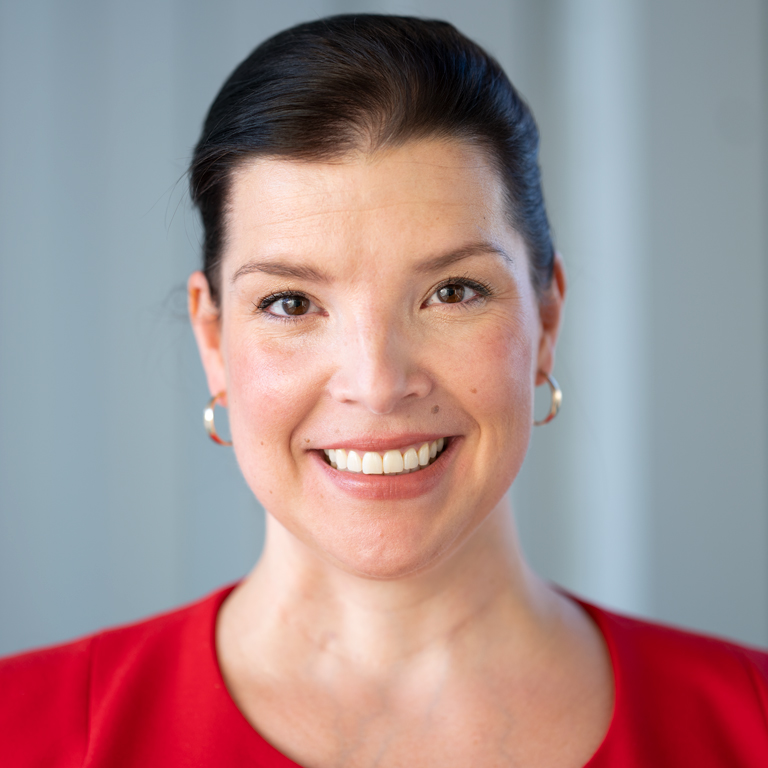
Dr. Kaya de Barbaro is an Associate Professor in the Department of Psychology at the University of Texas at Austin (College of Liberal Arts). She holds a Ph.D. from the University of California San Diego. Her research focuses on bridging computer science and developmental/clinical psychology, particularly maternal mental health and infant social-emotional development. She directs the Daily Activity Lab, which uses mobile/wearable sensors and machine learning to analyze real-world interactions, aiming to develop just-in-time interventions for new mothers. Key research areas include maternal-infant dynamics, physiological synchronization, and the impact of environmental chaos on development. She has pioneered methods for analyzing high-density data, such as Granger causality and machine learning algorithms to detect behaviors like crying and holding. Recent work emphasizes leveraging ecological momentary assessment surveys and 24-hour LENA audio recordings to understand proximal mechanisms of development. Dr. de Barbaro teaches Psychology 333D (Introduction to Developmental Psychology) and has developed curricula for both in-person and online formats. She is actively involved in training students through the Eureka program at UT Austin. Her lab collaborates on tools like chatbots for postpartum mental health and has published extensively on sensor-based methodologies in developmental science.
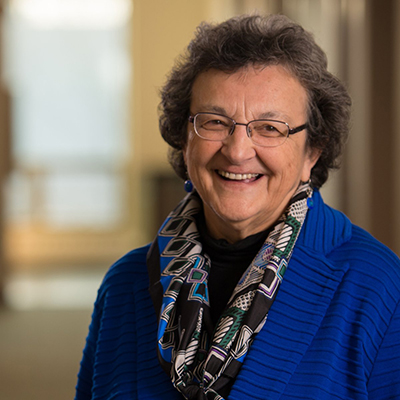
Barbara Given is a University Distinguished Professor in the College of Nursing at Michigan State University. Her research focuses on the interplay between formal healthcare systems and informal caregiver networks, particularly in oncology and geriatric populations. She has secured over 34 years of NIH funding, including grants from the National Cancer Institute, NIMH, and others. Dr. Given earned her Ph.D. at MSU, following a BSN and MSN from Ohio State University. Her work centers on caregiver burden, symptom management in chronic disease, and caregiver-patient communication. She developed the Caregiver Burden Instrument, widely used in research and clinical settings across multiple languages. Key research interests include: 1) caregiver stress and support systems, 2) symptom management in cancer patients, and 3) healthcare coordination challenges in aging populations. Her NIH-funded projects address adherence to oral chemotherapy, fall prevention in cancer survivors, and psychosocial outcomes post-treatment. Recent articles emphasize innovation in symptom tracking (e.g., text messaging for adherence), caregiver mental health barriers, and longitudinal symptom analysis. Awards/fellowships are not explicitly stated, though her sustained NIH support reflects significant recognition. Dr. Given advises on grants and mentors nurse researchers. She collaborates on interdisciplinary teams focused on palliative care, gerontology, and technology-based interventions. Her work bridges clinical practice and policy, advocating for integrated care models to reduce caregiver burden.
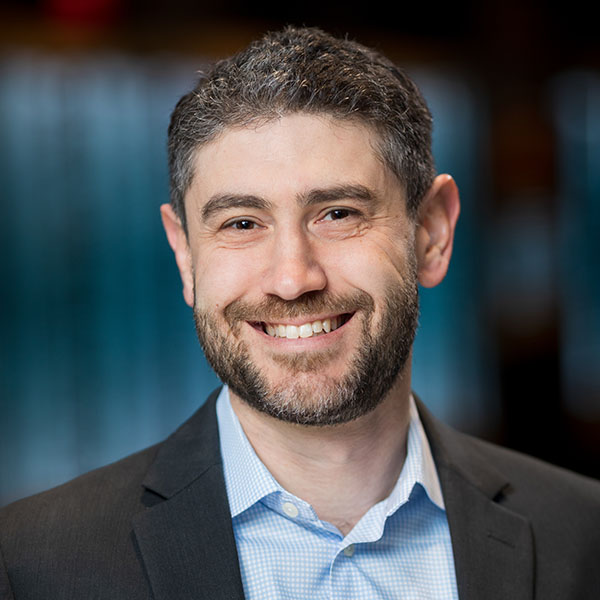
Joé T. Martineau is an Associate Professor in the Department of Management at HEC Montréal, holding the Chair in Organizational Ethics and AI Governance. He also co-leads IVADO's R3 AI research program and is a regular member of OBVIA. His expertise spans organizational ethics, neuroethics, healthcare administration, and AI governance. He earned a joint PhD and M.Sc. in Management from HEC Montréal. His research focuses on the ethics and governance of AI, outcomes of ethics programs, and developing ethical competence in organizations. Recent work includes studies on AI in healthcare, crisis management in sports, and patient engagement in cancer care. Dr. Martineau has been recognized with the 2024 Best Practical Solutions Award (with Audrey-Anne Cyr), the 2022 HEC Montréal Pedagogical Innovation Award, and the 2020 Excellence in Teaching Award. He teaches courses on organizational ethics and responsible research conduct. He has supervised 13 graduate students and contributed to over 30 peer-reviewed articles, books, and case studies. His work bridges ethical theory with practical applications in management and AI development.
Wendy Balliet is an Assistant Professor at the Medical University of South Carolina (MUSC), affiliated with the College of Medicine and the Department of Psychiatry and Behavioral Sciences. She earned her PhD in counseling psychology with a health psychology concentration from Virginia Commonwealth University, completed a pre-doctoral internship at the University of Florida Health Science Center (Medical Psychology rotation), and a postdoctoral fellowship in behavioral medicine at MUSC. Key Roles: Associate Co-Director of Clinical Operations for the Division of Bio-behavioral Medicine Supervisor for interns in the Behavioral Medicine Clinic (Charleston Consortium Psychology Internship Program) Researcher and clinical provider in psycho-oncology and transplant behavioral health Her research focuses on behavioral medicine , psycho-oncology , and transplant/living donation psychology. She investigates body image distress in cancer survivors , mental health in transplant populations , and telemedicine-based cognitive behavioral therapy (CBT) . Her work includes the BRIGHT trial for tele-CBT in head and neck cancer survivors and studies on caregiver burden, peer mentoring programs (TRIO), and psychosocial factors in organ transplantation. Her clinical efforts span patient care, committee service (Grand Rounds, hospital-wide initiatives), and training for postdoctoral fellows and medical students. She emphasizes integrating psychosocial interventions with medical outcomes , particularly in cancer and transplant settings, and has developed educational resources like the Organ Transplant Caregiver Toolkit.
Professor Lars E. Eriksson is a Registered Nurse with a PhD in Nursing and an MSc in Chemistry, currently serving as a part-time Professor in Nursing at the School of Health and Medical Sciences, City St George's, University of London, and as a full Professor in Nursing at Karolinska Institutet, Stockholm, Sweden, where he leads the Lars E. Eriksson Research Group. His academic journey began with a UC in Nursing in 1985, followed by over a decade of clinical work in hematology, immunology, and HIV care in Stockholm, before transitioning into research and academia. His research is centered on biobehavioral and translational nursing, particularly focusing on health and quality of life among individuals with chronic conditions such as HIV, cancer, and long-term infections. Key areas include disease-related stigma, symptom research, patient-reported outcomes, and biomarker development. He is Principal Investigator for a lung cancer biomarker project funded by the Swedish Research Council and the Swedish PI for the H2020 Magnet4Europe project on mental health in healthcare workplaces. His recent publications show a strong trend in using mixed methods to explore end-of-life communication, death literacy, sexual and reproductive health after cancer, and stigma in chronic illness. He frequently employs patient-reported outcomes, online focus groups, and web-based interventions, often in collaboration with international partners. His work bridges clinical practice, nursing science, and public health. Scientific Awards and Memberships: British HIV Association (BHIVA) National HIV Nurses Association (NHIVNA) Swedish Society of Nursing Swedish Society of Medicine Swedish Society of Medical Microbiology Lars Eriksson has advised numerous PhD and Master’s students, primarily on topics related to quality of life, stigma, and chronic illness. He teaches postgraduate modules including MSc Dissertation, Advanced Practice Dissertation, and Sexual and Reproductive Health. He is affiliated with the Centre for Health Services Research and the Centre for Public Health Research at City St George's.
Professor Linda He Hong-Gu is a faculty member at the Alice Lee Centre for Nursing Studies, Yong Loo Lin School of Medicine, National University of Singapore. As Programme Director for Master of Science (Nursing) and Doctor of Philosophy programs, she leads graduate research initiatives and co-convenes the Women and Children Health Care Research Programme. Doctor of Philosophy, University of Eastern Finland Master of Science in Nursing, University of Eastern Finland Clinical Medicine, Fujian Medical University Her research spans Women and Children Health Care , Chronic Illness Management , and Health Technology , with over 200 peer-reviewed publications. Recent work focuses on digital interventions for improving mental health outcomes, perioperative care through technology, and preventive health behaviors in maternal populations. Publications emphasize systematic reviews , meta-analyses , and mobile health applications across diverse domains: dementia care, stroke rehabilitation, cancer support, diabetes management, and pediatric surgery preparation. Collaborations span Finland, Norway, China, and Singapore. Scientific recognition includes: Fellow of American Academy of Nursing (FAAN), 2021 International Nurse Researcher Hall of Fame, 2023 Multiple Best Poster/Oral Presentation Awards (2013-2024) Teaching Excellence Awards from NUS As an active grant recipient, she has secured over S$17.9 million in research funding from organizations like NMRC, Business Finland, and National Natural Science Foundation of China, driving innovations in AI-powered VR rehabilitation , STOMA care , and psychosocial interventions .
Joseph Kangmennaang is an Assistant Professor and Queen's National Scholar in Black Health & Social Change at Queen's University. He holds a PhD from the University of Waterloo, an MA from Western University, and a B.A. from the University of Ghana. His research focuses on the interplay between environment and wellbeing, particularly in sub-Saharan Africa and among Black immigrant communities in North America. He employs social theories, participatory methods, and mixed approaches to address health disparities, with a focus on non-communicable diseases, food/water security, and the impact of racism and social change. His courses include HLTH 397 (Globalization and Black Health) and HLTH 495 (Racism and Health). Research areas include immigrant health equity, syndemics, and the role of place in healthcare access. Collaborations with marginalized communities emphasize participatory action and civic engagement. He has published extensively on topics such as climate change impacts on health, HIV/AIDS knowledge among women in Malawi, and the social determinants of wellbeing in Ghana. His work bridges global health challenges with localized solutions, addressing systemic inequities through interdisciplinary partnerships. Notably, he explores how structural factors like migration, remittances, and agroecology affect household welfare and food security in Malawi and Ghana. His recent studies highlight the mental health implications of discrimination among minoritized Canadians during the pandemic and the spatial distribution of diseases like cholera in Tanzania. He advocates for community-driven interventions to promote wellbeing in resource-limited settings.
Ezra Golberstein, PhD, is a Professor in the Division of Health Policy & Management at the University of Minnesota's School of Public Health. His academic journey includes a PhD in Health Services Organization and Policy from the University of Michigan (2008) and a BA from Brandeis University (2001). His research focuses on the intersection of health services and policy research with health economics, particularly in mental health services and policy. Golberstein's research interests span health economics , health care policy , mental health , quantitative methods , health insurance , human capital , and non-medical determinants of health . His work examines how health insurance changes, provider incentives, and practice innovations affect healthcare use and outcomes for people with mental health problems. He has published extensively on mental health services utilization, insurance coverage effects, and policy interventions aimed at improving mental healthcare access and quality. His publication record shows consistent scholarly output from 2007 through 2023, with recent work focusing on healthcare delivery innovations, mental health economics, and the impact of policy changes on vulnerable populations. His research demonstrates methodological rigor using quantitative approaches to address pressing questions in health policy. Member, Delta Omega Honorary Society in Public Health Golberstein's research has significant implications for health policy development, particularly in mental healthcare financing and delivery systems. His work on geographic variations in mental health services, insurance parity effects, and innovative service delivery models provides evidence to inform policymakers and healthcare administrators. His studies on college student mental health have contributed to understanding barriers to care and developing more effective campus mental health programs.
Associate Professor Stephen Carter is an Associate Professor in Pharmacy Practice at the University of Sydney's Sydney Pharmacy School within the Faculty of Medicine and Health. He serves as the Program Director for Undergraduate Pharmacy programs and is a registered pharmacist with clinical specialisation in medication management review. Stephen holds qualifications including BPharm, MSc, PhD, and Grad Cert Edu (Higher Ed). He is a Fellow of the Pharmaceutical Society of Australia (FPS), Fellow of the Higher Education Academy (FHEA), and holds other professional accreditations. His research focuses on optimizing the role of pharmacists in healthcare, particularly examining how consumers and caregivers obtain and use medicines, designing effective pharmacist services, and supporting pharmacists throughout their professional journey. His work spans areas including osteoporosis care, medication adherence, service quality in community pharmacies, and the application of advanced statistical methods like Structural Equation Modelling. Stephen's publications demonstrate a strong focus on practical pharmacy interventions, with significant work on osteoporosis management services, perinatal depression screening in pharmacies, and digital health approaches to improve medication adherence. His research employs diverse methodologies including randomized controlled trials, qualitative studies, and advanced psychometric analyses. Early Career Investigator Award Australasian Pharmaceutical Science Association (APSA) for 2017 Lesmuller Award for Best Oral Communication - Pharmaceutical Care Network Europe Working Conference, Berlin, 2013 Recipient of the 2013 Annual Best Paper Award by Elsevier publication, Research in Social and Administrative Pharmacy Best Poster Presentation Award: International Social Pharmacy Workshop, Boston, USA, 2014 Top reviewer, Research in Social and Administrative Pharmacy (2015, 2016, 2017, 2019) Stephen actively supervises several graduate students including PhD candidates Fatima Rezea, Steven Tran, Veronika Seda, Kingston Leung, and Joel Hillman, as well as MPhil student Linda Krogh. He has secured significant research funding, including co-leading a $2.36 million Randomized Controlled Trial and managing four current competitive grant-funded projects totaling over $6.3 million. His work has particular emphasis on translating research into practical pharmacy services that improve patient outcomes. Stephen is actively involved in major research initiatives including the #STOP trial (Safer medicines To reduce falls and refractures for OsteoPorosis) and the TICTOC trial (Timely post-discharge medication reviews to Improve Continuity – the Transitions Of Care stewardship), both focusing on innovative pharmacist-led interventions to improve medication safety and effectiveness.
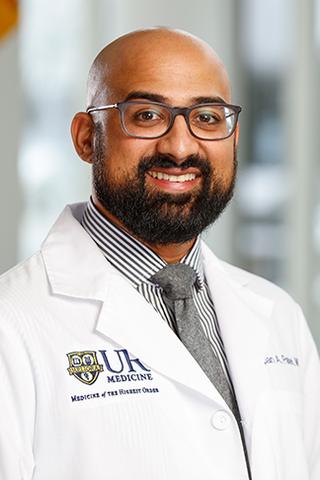
Arpan A. Patel, M.D. serves as Associate Professor in the Department of Hematology/Oncology at the University of Rochester School of Medicine and Dentistry. Board-certified in Hematology, Internal Medicine, and Medical Oncology, he specializes in lung cancer (including small cell, non-small cell lung cancer, and mesothelioma) and head and neck cancer through UR Medicine's comprehensive cancer program. His educational foundation includes: MD from Medical University of Lublin (Poland), 2012 Internal Medicine Residency at SUNY Upstate University Hospital, 2013-2016 Hematology & Oncology Fellowship at University of Florida College of Medicine, 2016-2019 Dr. Patel's research examines thoracic oncology, quality improvement, financial toxicity, patient distress, and medical education. His clinical philosophy emphasizes compassionate, patient-centered care addressing financial burdens and quality-of-life concerns through multidisciplinary teamwork. He actively conducts clinical trials to advance lung cancer treatment while documenting patient distress in veteran populations. His scholarly output reveals consistent focus on hematologic disorders, oncology documentation, and medical education innovation. Publications demonstrate expertise in rare hematologic conditions (HLH, PNH), anticoagulant management, and curriculum development for resident training - reflecting dual clinical strengths in hematology and oncology. Recognition includes: Chief Fellow Award and Craig S Kitchens Award for Mentorship (2019) Gold Humanism Honor Society inductions (2018, 2012) Multiple teaching excellence awards (2015, 2012) Quality improvement honors (2018, 2015) As an educator, he develops innovative curricula for oncologic documentation while mentoring residents. His work bridges clinical practice and scholarly inquiry through the University of Rochester's academic medical center. Dr. Patel collaborates within multidisciplinary oncology teams to deliver comprehensive cancer care through Accountable Health Partners network.
Scarlett Smout is a Postdoctoral Research Associate at the Matilda Centre, part of the Faculty of Medicine and Health at the University of Sydney. Her email is scarlett.smout@sydney.edu.au . Her research focuses on adolescent mental health, lifestyle behaviors, and the development of school-based interventions to address risk factors such as diet, physical activity, and substance use. She has contributed to studies on pandemic mental health impacts, the Health4Life eHealth intervention, and the role of parental monitoring in dietary habits. Her work also explores social determinants of loneliness during crises and the mental health trajectories of young adults during the pandemic. Key research areas include adolescent mental health outcomes, behavioral interventions, and the intersection of lifestyle factors with psychopathology. She has collaborated on large-scale trials and systematic reviews, including an umbrella review of global mental health during the pandemic and analyses of longitudinal data in gender-diverse populations. Her findings have informed policy recommendations for youth mental health recovery plans and public health strategies. Smout has secured grants including the 'Mentally Healthy Future Project' (2023) and a BHP Foundation grant for pandemic mental health response research (2020). Her contributions address both academic and policy domains, emphasizing evidence-based approaches to safeguard mental health in diverse populations. Labs/Teams: The Matilda Centre, where her work aligns with broader initiatives in mental health research and public health interventions.
Scott Nelson is an Associate Professor of Finance at the University of Chicago Booth School of Business. His research bridges consumer credit markets, regulatory frameworks, and behavioral economics, with a focus on how information asymmetries and algorithmic decision-making shape market outcomes. He has contributed to understanding the impacts of the 2009 CARD Act, eviction protections in housing markets, and fairness in credit scoring systems. PhD in Economics, Massachusetts Institute of Technology BA (summa cum laude) in Economics and Mathematics, Yale College Nelson's work employs diverse data sources, including credit reports, court filings, and tax records, combined with structural models to analyze consumer and firm behavior. Key themes include regulatory efficiency, validity disparities in predictive models, and the welfare implications of policy interventions. His articles reveal trends in algorithmic regulation (2025), eviction dynamics (2025), credit scoring disparities (2024), and public finance impacts on Chinese real estate (2023). These publications highlight interdisciplinary methodologies integrating economics, law, and data science. Scientific awards include the AQR Top Finance Graduate Award (2018) and National Science Foundation Graduate Research Fellowship. He has held postdoctoral roles at the Consumer Financial Protection Bureau/Princeton University and visiting research positions at the Federal Reserve Bank of Boston.
Dr. Elizabeth Shaunessy-Dedrick is a Professor and Chair of the Department of Language, Literacy, Ed.D., Exceptional Education, and Physical Education at the University of South Florida's College of Education. She coordinates the Gifted Education Program and teaches in the fully-online Gifted Education program, offering courses for the Florida Endorsement and Master's degree. Her roles include leading the Ed.D. in Educational Program Development and serving on various college committees. Education: B.A. in English (University of Miami, 1990), M.A. in English (Florida State University, 1991), Ph.D. in Special Education with an emphasis in Gifted Education (University of Southern Mississippi, 2003). Research focuses on underrepresented gifted children and social-emotional needs of AP/IB students. Notable projects include the Javits-funded REACH initiative and an IES study on intrapersonal factors in AP-IB success. Her work emphasizes technology integration, program development, and mental health interventions in advanced curricula. Key grants include a Javits Gifted Education Award (2009-2011) and an IES grant (2010-2012). Awards include the NAGC Early Scholar Award (2013). Advising and grants: Primary Investigator on multiple projects; collaborates with Dr. Shannon Suldo on major studies. Active in college committees like the Tenure and Promotion Committee and Strategic Plan Revision Committee. Labs/Teams: Leads the Gifted Education Program and collaborates on interdisciplinary research teams focusing on advanced learners and educational innovation.
Thomas Schanding serves as Associate Professor and Department Head in the Department of Educational and Counselling Psychology, and Special Education at the University of British Columbia's Faculty of Education. He concurrently directs the Psychological Services and Counselling Training Centre. Previously, he held significant roles including core faculty in Special Education and Associate Director of Outreach and Leadership for the decade-long LoneStar LEND program at the University of Texas Health Science Center at Houston, alongside clinical supervision positions at Baylor College of Medicine/Texas Children’s Hospital. His educational foundation includes doctoral coursework at the University of Southern Mississippi (APA-accredited) and doctoral internship with Cypress-Fairbanks Independent School District (APA-accredited). Doctoral Coursework: University of Southern Mississippi Doctoral Internship: Cypress-Fairbanks Independent School District Dr. Schanding's research centers on social-emotional learning (SEL) and behavioral/mental health (B/MH) through three interconnected pillars: (1) assessment methodologies for SEL/B/MH, (2) evidence-based interventions to enhance youth well-being, and (3) cultural-linguistic considerations in school-community contexts. His clinical expertise spans Autism Spectrum Disorders and 2SLGBTQIA+ youth experiences, operating within Cognitive-Behavioral and Ecological theoretical frameworks. The SMART Lab ( https://blogs.ubc.ca/smartlab ) drives his applied research agenda focusing on inclusive practices and mental health promotion. Analysis of his recent publications reveals consistent emphasis on SEL assessment tools, helicopter parenting dynamics, and diversity-inclusive frameworks in school psychology. Key trends include validation studies of early literacy screeners, exploration of LGBTQ+ mental health predictors, and critical examinations of equity in educational literature, reflecting his commitment to evidence-based social justice. His scholarly contributions have been recognized through: President’s Distinguished Faculty Research Award, University of Houston – Clear Lake (2020) Group Teaching Excellence Award, University of Houston (2011) Early Career Scholar, Society for the Study of School Psychology (2009) As an educator, Dr. Schanding has supervised numerous practicum and intern students across settings including school districts and hospital systems. His leadership extends to directing the Psychological Services and Counselling Training Centre at UBC and previously leading outreach initiatives for neurodevelopmental disabilities through the LEND program. His teaching portfolio includes EPSE 506 (Applied Psychopathology), EPSE 555 (Academic & Social-Emotional Assessment), and specialized courses on Autism Spectrum Disorders. The SMART Lab (Social, Mental health, and Academic Research Team) operates as his primary research vehicle, conducting community-engaged projects on SEL implementation, mental health screening, and culturally responsive interventions for diverse youth populations, with particular attention to inclusive practices for 2SLGBTQIA+ students.
Ping Ma, PhD, is an Associate Professor in the Department of Health Behavior at Texas A&M University School of Public Health. She specializes in social and environmental determinants of health, focusing on underserved populations including maternal women, adolescents, racial/ethnic minorities, and older Asian populations. Her methodological expertise spans survey development, mixed methods, and multi-level analysis. Liaoning University, BA in Social Welfare/Social Work (2003) Liaoning University, MA in Population Studies/Demography (2006) Linköping University & EHESS, MA in Dynamics of Health and Society (2008) Tulane University, PhD in Public Health (2013) UT Southwest Medical Center, Postdoctoral Training Certificate (2015) Dr. Ma's research examines health disparities, social determinants of health, maternal and child health, mental health service access, and health behavior interventions. She utilizes community-based participatory research and integrated care models to address disparities in mental health, chronic diseases, and substance use among vulnerable groups. Her recent publications focus on air pollution impacts, cancer prevention strategies, mental health trends during the pandemic, illicit drug use patterns, and culturally adapted interventions. Key themes include environmental health equity, digital health technologies, and multi-level analysis of health outcomes. Early Career Faculty Research Excellence Award (2022) Health Disparities Research Scholar (2022) NCFDD Faculty Success Fellow (2021) Robert Woods Johnson Foundation Interdisciplinary Research Leader (2020) Dr. Ma teaches courses in Grant Writing, Public Health Intervention, and Public Health Evaluation. She collaborates with clinical providers, community organizations, and health workers, with funding from NIH, HRSA, CPRIT, Gulf grants, and the Robert Wood Johnson Foundation.