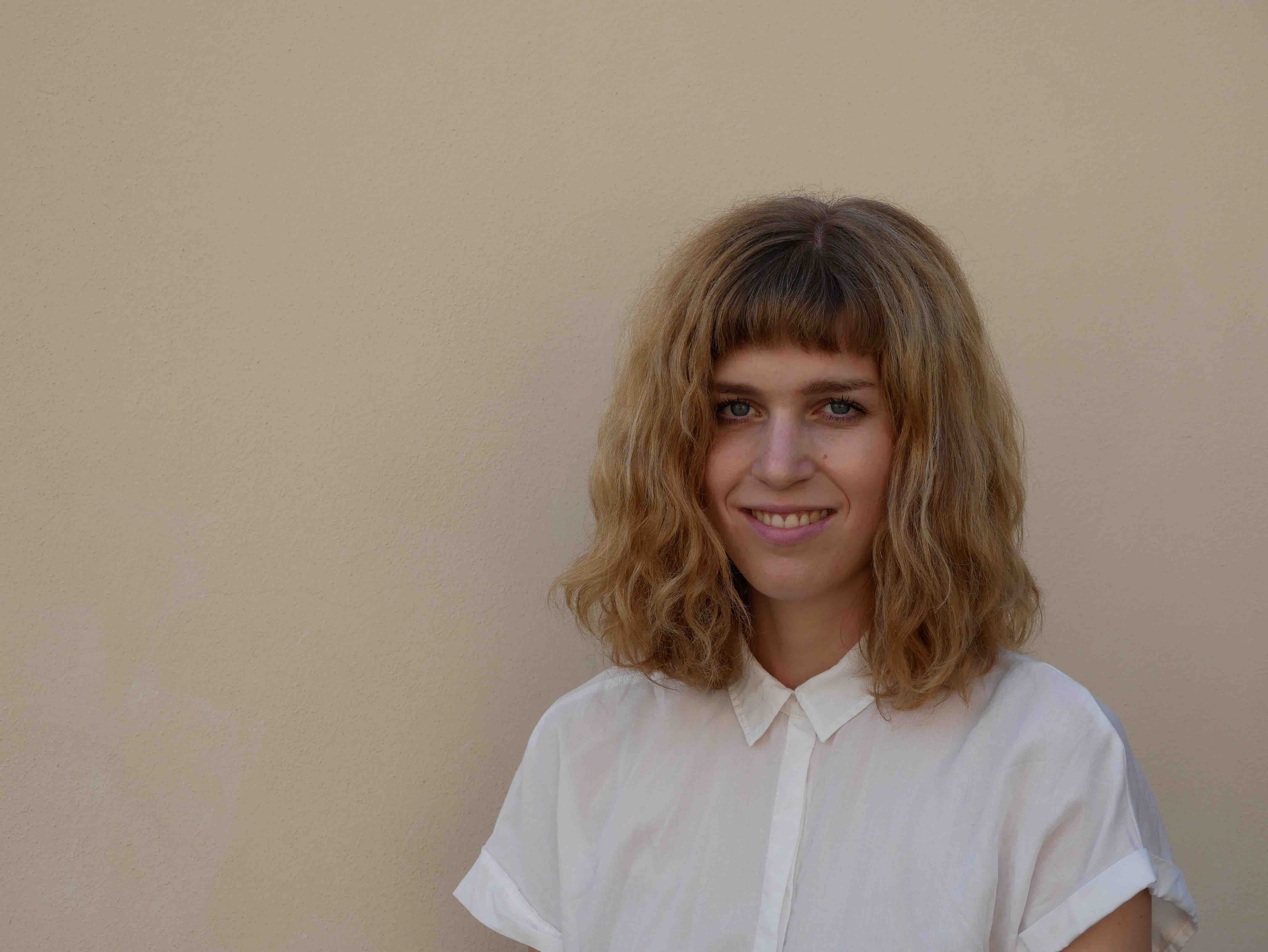
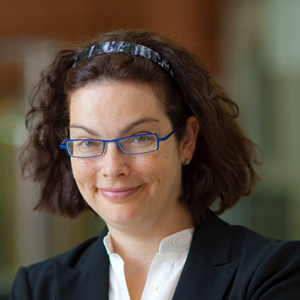
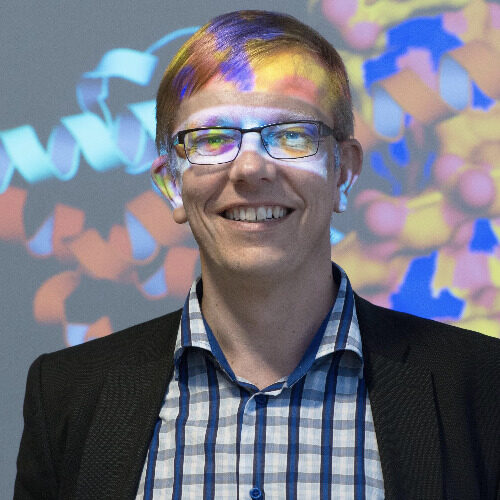
Dr. Sarah A.M. Loos is a Research Fellow at the Department of Applied Mathematics and Theoretical Physics (DAMTP) at the University of Cambridge and a Research Fellow at Corpus Christi College, Cambridge. She holds a PhD in Physics (summa cum laude) from TU Berlin (2020), with postdoctoral research at ICTP (Trieste) and Leipzig University. Her research focuses on stochastic thermodynamics, non-Markovian processes, and nonreciprocal systems. She has received major awards including the Royal Society of Chemistry Early Career Award (2024) and Marie Skłodowska Curie Fellowship (2023). Education: PhD in Physics (2020, TU Berlin), Master's in Physics (2015, TU Berlin), Bachelor's in Physics (2012, TU Berlin). Research interests include entropy production in nonreciprocal systems, active matter, and control theory. She has organized workshops on adaptive dynamical systems and contributed to KITP programs on active solids. Publications span topics like optimal control at microscale, PT symmetry in non-Hermitian systems, and nonreciprocal heat transfer. Her work bridges statistical physics and nonlinear dynamics, with applications in biological and nanoscale systems. Awards: 8 major prizes including DPG and RSC recognitions Grants: MSCA Fellowship (€200k), DFG Walter-Benjamin Fellowship Labs/Teams: Active Matter Group at DAMTP, collaborations with Édgar Roldán and Klaus Kroy
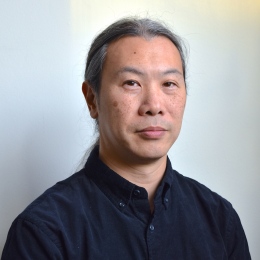
Yu He is an Assistant Professor of Applied Physics and Physics at Yale University, affiliated with the Department of Physics. His research focuses on condensed matter physics and experimental techniques such as angle-resolved photoemission spectroscopy (ARPES) and x-ray scattering to study correlated electronic systems and quantum materials. Prior to Yale, he completed a Miller Research Fellowship at UC Berkeley (2019) after earning his Ph.D. in Applied Physics from Stanford University. Key research areas include metal-to-insulator transitions, superconductivity, 2D magnetism, and solid-state quantum simulation. He has contributed to advancements in material characterization techniques, including high-resolution ARPES using tabletop lasers. His work integrates crystal synthesis, electric transport measurements, and surface decoration to explore material properties. Education: B.S. in Physics from University of Science and Technology of China (USTC); M.S. in Electrical Engineering and Ph.D. in Applied Physics from Stanford University. Research Interests: Experimental condensed matter physics, quantum materials, superconductivity, and light-matter interaction studies. His current projects aim to dissect microscopic degrees of freedom (electronic, lattice, spin) in novel materials using cutting-edge spectroscopic methods. The lab employs complementary techniques like electric transport measurements and crystal growth to characterize material properties comprehensively. Awards: Miller Research Fellow, UC Berkeley (2019) Advising & Grants: No student advisees listed. Research supported by Yale University and prior fellowships. Labs & Teams: Leads a research group at Yale focused on experimental condensed matter physics, collaborating on projects involving advanced material characterization and quantum material discovery.
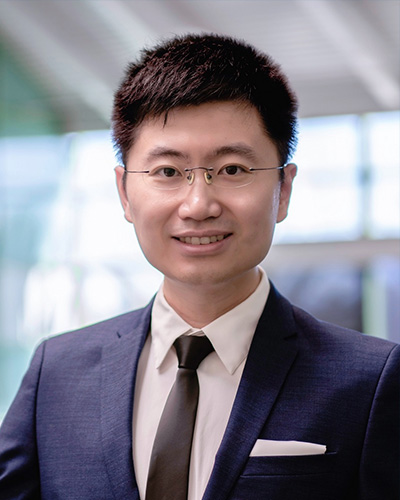
Xilin Liu is an Assistant Professor at the Edward S. Rogers Sr. Department of Electrical & Computer Engineering (University of Toronto) and the Center for Advancing Neurotechnological Innovation to Application (CRANIA) . He obtained his PhD from the University of Pennsylvania and previously worked at Qualcomm Inc. in California. Expertise in integrated circuits and systems for brain-machine interfaces , neuromodulation , and edge AI Published in top venues including Nature Electronics , IEEE JSSC , and ISSCC Recipient of multiple best paper awards and IEEE Senior Member His research spans three main themes: High-speed data converters for wireless/wireline communication IC design for neural interfacing Accelerating machine learning via hardware Recent publications focus on closed-loop neuromodulation , ultra-wideband transceivers , and flexible biomedical sensors . These works integrate analog IC design , edge AI , and real-time neural interfacing across medical rehabilitation , parkinson's monitoring , and memory research . Awards include: IEEE Solid-State Circuits Society Predoctoral Achievement Award (2016) Best Paper Award at BioCAS (2015) ECE Department Teaching Award (2022) Multiple conference best paper finalists His lab collaborates with UHN , EMBS , and global institutions while maintaining strong commitments to equity, diversity, and inclusion (EDI) in research practices.
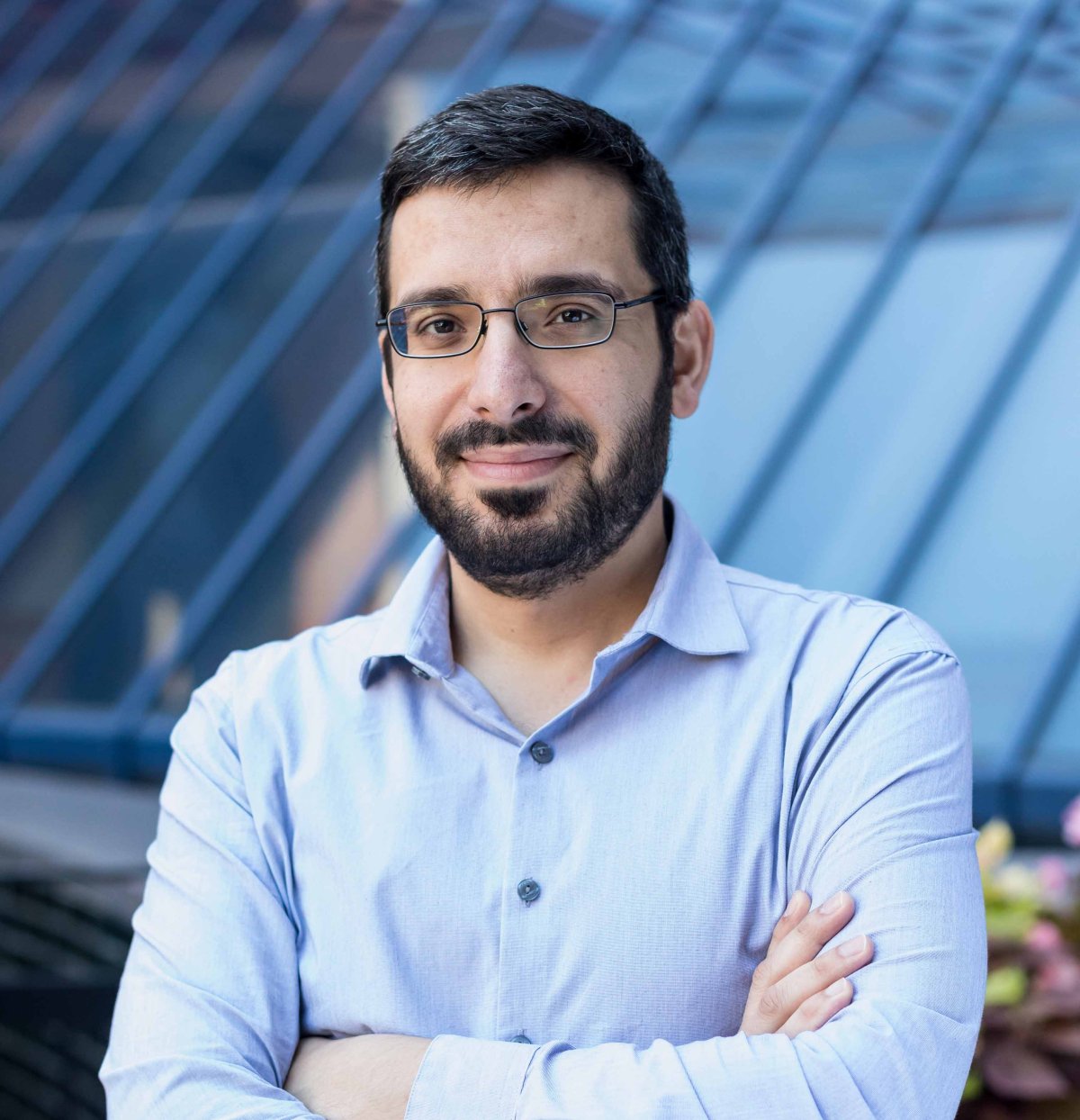
Turan Birol is an Associate Professor in the Department of Chemical Engineering and Materials Science at the University of Minnesota, with a secondary appointment in the School of Physics. He leads the Theoretical Materials Physics Group , focusing on computational materials design to discover exotic condensed matter phenomena. Education: PhD in Physics (Cornell University), Postdoc (Rutgers University) Research Areas: Ferroelectricity, Charge Density Waves, Multiferroics, Strongly Correlated Systems, Kagome Metals His work combines Density Functional Theory with Dynamical Mean Field Theory to study materials like perovskites, layered antiperovskites, and 2D/3D compounds. Recent projects include Office of Naval Research -funded ferroelectric design and NSF Discovery File -featured transparent conductors. Scientific contributions include 15+ recent articles on topics spanning structural chirality in superconductors, strain-tuned magnetism, and catalytic resonance theory. Former advisees include PhD graduates in Physics and Materials Science.
Jessica Rosenholm is a Professor at the Faculty of Science and Engineering, Department of Pharmacy at Åbo Akademi University. Her research focuses on drug delivery systems, nanomedicine, and biomaterials engineering. She holds a D.Sc.(Tech.) and has authored over 200 publications. Key research areas include mesoporous silica nanoparticles, 3D bioprinting, and antimicrobial resistance solutions. Her work contributes to UN Sustainable Development Goals, particularly in advancing health technologies. Notable achievements include the Akzo Nobel Nordic Research Prize 2009 and the Knight, First Class, of the Order of the White Rose of Finland (2022). She leads projects like the MADNESS Centre of Excellence, exploring materials-driven solutions against antimicrobial resistance. Education: Doctor of Science (Technology) Research Interests: Nanoformulations, biomedical imaging, microfluidics, and tissue engineering. Recent articles highlight innovations in programmable nanocomposites for hearing loss treatment, microfluidic assembly of nanostructures, and 3D printing of drug delivery systems. Awards: ÅAU Chancellor’s Prize (2013), Forskarpriset ur Harry Elvings legat (2009) Grants: Projects funded by EU, Finnish Research Council, and Sigrid Jusélius Foundation. Labs/Teams: BioNanoMaterials group explores cutting-edge technologies like nanomedical agents and microfluidics. Current projects include the NAP4DIVE initiative for blood-brain barrier drug delivery.
Sharon Rozovsky is a Professor in the Department of Chemistry and Biochemistry at the University of Delaware's College of Arts & Sciences, where she leads research on oxidative stress response mechanisms and protein quality control pathways. Her work bridges biochemistry, chemical biology, and structural biology with direct implications for understanding neurodegenerative diseases and viral pathogenesis. Her academic foundation includes a B.S. from Tel Aviv University (1994) and a Ph.D. from Columbia University (2000), establishing her expertise in protein dynamics and redox biochemistry. These credentials underpin her innovative approaches to studying cellular stress responses. Rozovsky's research program centers on selenoproteins—proteins containing the rare amino acid selenocysteine—and their critical roles in endoplasmic reticulum (ER) stress resolution. She investigates how membrane-bound selenoproteins like Selenoprotein S and K regulate the ER-associated degradation (ERAD) pathway, with recent work revealing their surprising autoproteolytic activity and involvement in SARS-CoV-2 replication. Her lab pioneers chemical tools including expressed protein ligation and advanced 77Se NMR spectroscopy to characterize these systems at molecular resolution. Analysis of her 2021-2025 publications shows dominant themes in selenoprotein structure-function relationships, ER stress mechanisms, and viral interactions, alongside methodological innovations in cryo-EM grid technology and NMR. This body of work demonstrates consistent focus on redox biochemistry with expanding applications in virology and structural biology. No major scientific awards or fellowships were explicitly documented in the available materials, though her research impact is evident through high-impact publications and methodological contributions. She directs the active Rozovsky Research Group, mentoring graduate students and postdoctoral researchers in biochemical and biophysical techniques. Her laboratory operations are supported by competitive funding including an NSF CAREER award (2011) focused on selenoprotein reactivity, reflecting sustained recognition of her innovative research program.
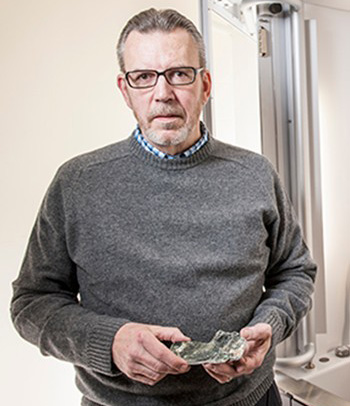
Cheuk Wai Tai is a Senior Staff Researcher at Stockholm University's Department of Environmental and Materials Chemistry since 2009. He manages the transmission electron microscopes and sample preparation equipment at the Electron Microscopy Center and serves as Section Editor for the Journal of Electronic Materials. His work focuses on quantitative structure characterization in functional materials research, particularly within nanoscience and nanotechnology contexts. Education: Ph.D. in Applied Physics, The Hong Kong Polytechnic University, 2004 M.Phil. in Applied Physics, The Hong Kong Polytechnic University, 2001 M.Sc. in Physics, The Chinese University of Hong Kong, 1998 B.Sc. (Hons) in Engineering Physics, The Hong Kong Polytechnic University, 1997 Dip. in Mechanical Engineering (Computer Aided Engineering), Institute of Vocational Education (formerly Haking Wong Technical Institute), Hong Kong, 1992 His research centers on structure-property relationships in functional materials through advanced electron microscopy techniques. Current specializations include Pair Distribution Function (ePDF) & Diffuse Scattering, Energy Materials characterization, and EM sample preparation methodology development. The group maintains strong focus on translating structural data into functional performance metrics for nanomaterials. Recent publications (2013-2019) demonstrate consistent emphasis on electron microscopy applications for energy storage materials (batteries, photocatalysts) and functional ceramics. Key trends include structural disorder analysis in piezoelectrics, development of quantitative TEM methods like SUePDF, and nanoscale characterization of electrocatalyst surface phases. His work bridges materials chemistry with advanced imaging techniques. Scientific recognition includes: Fellow of The Royal Microscopical Society (U.K.) Senior Member of IEEE Marie Curie Fellowship (2007-2009) from European Commission Sir Edward Youde Memorial Fellowship (2003/2004) from Hong Kong S.A.R. Government He teaches Solid State Chemistry (KZ7003) and leads Introduction to Analytical Electron Microscopy (KZ8009), having previously taught Advanced Transmission Electron Microscopy (KZ8010) before 2011. Major grants supporting his work include: "Quantitative structural characterisation using 3D electron-based pair distribution function" (Swedish Research Council) "A Multidimensional Toolkit for Modern Electron Microscopy" (Swedish Foundation for Strategic Research) "Mitigating Ni-rich Li-ion cathode side-reactions" (Swedish Energy Agency, Co-applicant) He leads the Cheuk-Wai Tai group within Stockholm University's chemistry department and oversees operations at the Electron Microscopy Center, where his team develops and applies advanced characterization techniques for functional materials research.
David A. Muller serves as the Samuel B. Eckert Professor of Engineering in the School of Applied and Engineering Physics at Cornell University and co-directs the Kavli Institute at Cornell for Nanoscale Science. His research group focuses on developing quantitative electron microscopy methods to understand materials properties at the atomic scale, with particular emphasis on sustainable energy applications and quantum materials. Muller's laboratory utilizes some of the world's highest resolution electron microscopes housed in specially designed, environmentally isolated rooms. Muller received his undergraduate education at the University of Sydney and earned his Ph.D. in Physics from Cornell University in 1996. Between 1997 and 2003, he was a member of the technical staff at Bell Laboratories, where he applied his expertise in imaging single atoms and atomic-scale spectroscopy to determine the physical limits of transistor miniaturization. In 2003, he returned to Cornell as a faculty member, where he has since established himself as a leader in advanced electron microscopy techniques. Muller's research spans multiple frontiers in materials science, with particular focus on understanding how electronic-structure changes at the atomic scale control macroscopic behavior in diverse systems like turbine blades, fuel cells, and transistors. His current work emphasizes the physics of renewable energy materials, atomic-scale control of materials to create electronic phases that cannot exist in bulk, and developing hardware and algorithms for 'big data' acquisition from high-bandwidth pixelated electron microscope detectors. His group's work bridges theoretical physics and experimental techniques, requiring researchers who can think in both real and reciprocal space while considering both fundamental principles and practical applications. Analysis of Muller's recent publications reveals a strong trend toward advancing electron ptychography and 4D-STEM techniques for atomic-scale imaging. His group has pioneered methods for 3D atomic-scale metrology, strain mapping, and imaging of radiation-sensitive materials. The research spans applications from semiconductor technology to quantum materials and energy storage systems, demonstrating the versatility of his microscopy approaches across multiple scientific domains. Top 100 Young Innovator by Tech Review Magazine (2003) Burton Medal from Microscopy Society of America (2006) Ernst Ruska Prize of German Society for Electron Microscopy (2021) John Cowley Medal from International Federation of Societies for Microscopy (2023) Fellow of American Physical Society Fellow of American Association for the Advancement of Science Fellow of Microscopy Society of America Muller has mentored an extensive group of students and postdocs who have gone on to successful careers in academia and industry. His former students hold faculty positions at institutions including Rice University, University of Southern California, Seoul National University, Colorado School of Mines, and the University of Michigan, among others. His research has been supported by substantial grants, including a $22.5M NSF grant that accelerates materials discovery. The Muller lab maintains close collaborations with the Kavli Institute at Cornell and PARADIM (Platform for the Accelerated Realization, Analysis, and Discovery of Interface Materials). The Muller lab operates at the forefront of electron microscopy, housing specialized instrumentation including high-resolution transmission electron microscopes in environmentally isolated rooms. The group collaborates extensively with other research teams at Cornell and worldwide, focusing on understanding materials atom by atom. Current research directions include applying machine learning to electron microscopy data analysis, developing cryogenic techniques for studying low-melting-point materials, and exploring quantum phenomena in engineered materials systems.
Dr. Joshua Brinkerhoff is an Associate Professor in Mechanical Engineering at the University of British Columbia Okanagan Campus. He serves as the Associate Director for Research & Industrial Partnerships in the School of Engineering and leads the UBC-Okanagan Computational Fluid Dynamics Laboratory. His research spans computational fluid dynamics, turbomachinery, multiphase flows, hydrogen safety, wind energy, and biofluid mechanics. He teaches courses in mechanics of materials, alternative energy systems, turbulence, computational fluid dynamics, and aircraft design. PhD, Aerospace Engineering (Carleton University, Ottawa, ON) BEng, Aerospace Engineering (Carleton University) Dr. Brinkerhoff’s research interests include: Computational Fluid Dynamics (CFD) for laminar-to-turbulent transition and instability analysis Wind energy systems and turbine aerodynamics Hydrogen storage and safety protocols for transportation Biofluid mechanics for respiratory diseases and aneurysm modeling Multiphase flows in industrial and environmental contexts His publications focus on CFD simulations for: Aerosol dispersion and mitigation in indoor environments Wind farm interactions and atmospheric gravity waves Cavitation and phase transitions in cryogenic and LNG systems Heat transfer optimization in industrial and thermal systems Instability dynamics in buoyancy-driven and swept flows Turbulent structures in fluidized beds and reactors Dr. Brinkerhoff has no listed scientific awards in the provided data but has extensive contributions to renewable energy, hydrogen safety, and medical fluid dynamics. His laboratory develops open-source tools like TOSCA for large-eddy simulations and investigates practical applications in urban air quality, dental aerosol control, and turbine wake modeling.
John M. Dallesasse is the Gregory E. Stillman Professor of Electrical and Computer Engineering at the University of Illinois at Urbana-Champaign, where he also serves as Associate Dean for Facilities and Capital Planning. He holds dual roles in academia and industry leadership, with prior experience as CTO, Vice President, and co-founder of Skorpios Technologies. His expertise spans optoelectronics, semiconductor materials, and photonic integration. Dallesasse earned his B.S., M.S., and Ph.D. from UIUC ECE in 1985, 1987, and 1991, respectively. His research focuses on III-V semiconductors, heterogeneous integration, quantum cascade lasers, and silicon photonics. He has pioneered innovations like III-V oxidation and the transistor-injected quantum cascade laser. Education: Ph.D., Electrical and Computer Engineering, UIUC, 1991 M.S., Electrical and Computer Engineering, UIUC, 1987 B.S., Electrical and Computer Engineering, UIUC, 1985 Research Interests: Compound semiconductor materials and devices Heterogeneous integration and wafer bonding Quantum cascade lasers and transistor lasers Photonic integration and silicon photonics III-Nitride devices and optoelectronics Awards: IEEE Fellow (2015) Optica Fellow (2013) Dean’s Award for Excellence in Research (2016) Advising and Labs: Leads the Advanced Semiconductor Device and Integration Laboratory Mentors undergraduate researchers in semiconductor innovation and photonics
Stephen A. Boyd is a University Distinguished Professor in the Department of Plant, Soil and Microbial Sciences within Michigan State University's College of Agriculture and Natural Resources. His research spans environmental chemistry and microbiology with a focus on soil systems. His educational background includes a B.S. in Chemistry from Central Michigan University (1975), and M.S. and Ph.D. in Soil Chemistry from Purdue University (1978, 1980). Dr. Boyd's research investigates organic contaminant movement in soil, microbial/catalytic degradation mechanisms, and remediation technologies for contaminated soils/sediments. His work features innovative approaches including chemically modified clays for contaminant sorption and degradation, mechanistic studies of toxicant interactions with natural/modified clays, and development of in-situ soil modification technologies. He extensively examines biodegradation of xenobiotics (particularly PCB reductive dechlorination) and bioavailability of soil-bound contaminants to degrading bacteria. His 15 most recent publications reveal strong trends in clay-based contaminant immobilization, pharmaceutical/water pollutant interactions, dioxin chemistry, and nanomaterial applications for environmental remediation, with dominant fields being environmental chemistry, soil science, and contaminant toxicology. University Distinguished Professor (MSU, 2005) Jackson Award in Soil Science (SSSA, 2004) Highly Cited Researcher (Institute for Scientific Information, 2002) Distinguished Faculty Award (MSU, 2001) Soil Science Research Award (SSSA, 1999) Dr. Boyd has secured significant research funding including a recent $750K USDA grant (2022) for PFAS mitigation research. His laboratory focuses on clay chemistry applications for environmental remediation, with notable breakthroughs in soil cleansing technologies and biochar applications. Current work emphasizes advanced contaminant degradation pathways and practical field applications of his soil modification technologies.
Yong Chen is a Professor of Electrical and Computer Engineering and Physics at Purdue University. His research spans quantum physics, nanotechnology, and materials science, focusing on advanced 2D materials, topological insulators, and quantum transport phenomena. Condensed Matter Physics Quantum Computing Nanotechnology Materials Science Photonics Spintronics Recent publications highlight his work on van der Waals heterostructures, Bose-Einstein condensates, Raman spectroscopy applications, and quantum interference effects. His studies often intersect with machine learning, energy storage, and synthetic magnetic field engineering of quantum systems. Yong Chen's email address is yongchen@purdue.edu , and further information can be accessed at his Purdue University profile .
Ivana Brekalo is a Researcher at the Ruđer Bošković Institute in Zagreb, Croatia, affiliated with the Division of Physical Chemistry and the Laboratory for Applied and Sustainable Chemistry. She holds a Ph.D. in Chemistry from Georgetown University (2019), with a thesis on "Solid State Synthesis and Study of Porous Materials," and completed her Master's (2012) and Bachelor's (2010) degrees in Chemistry at the University of Zagreb. Her work bridges mechanochemistry and materials science, focusing on scalable synthesis methods for functional materials. Doctor of Philosophy, Chemistry, Georgetown University (2013–2019) Master of Science, Chemistry, University of Zagreb (2010–2012) Bachelor of Science, Chemistry, University of Zagreb (2007–2010) Her research emphasizes mechanochemical synthesis, particularly for porous materials like metal-organic frameworks (MOFs) and coordination polymers. She explores solvent-free methods, polymorphism control, and the role of gas-phase catalysts in solid-state reactions. Recent publications highlight thermally controlled milling for agrochemical cocrystals, conductivity in alkali metal coordination polymers, and real-time monitoring of mechanochemical processes. Key publications include Nature Reviews Chemistry perspectives on advanced mechanochemical synthesis and Inorganic Chemistry studies on low-dimensional magnetism in MOF-74 materials. Her work appears in journals like ACS Sustainable Chem. Eng. and Chemical Science , with a focus on green and scalable methods. Scientific Awards Scholarship of the Polish National Agency for Academic Exchange – Ulam Programme (2020) Bepina Sabalić Kunin Fellowship (2013-2015, 2017-2018) Ludo Frevel Crystallography Scholarship, IUCr (2017) CCDC award for best presentation (2022) Brekalo contributes to outreach as the 2019 ACS Volunteer of the Year and has received recognition for her work on solvent-free polymorphism and mechanochemical templation of ZIFs.
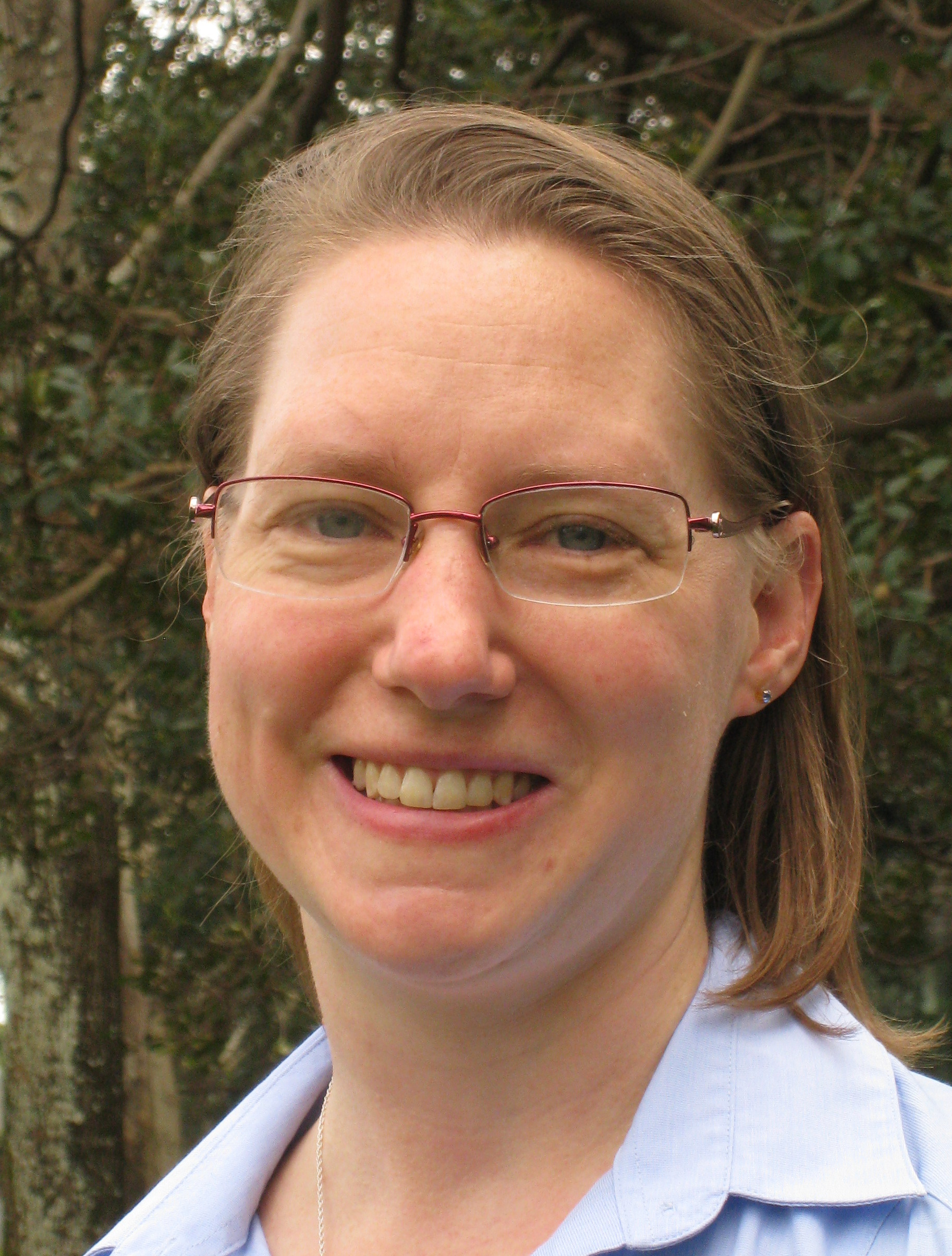
Associate Professor Judy Hart is a materials scientist at the School of Materials Science & Engineering, UNSW Sydney , specializing in the development of semiconducting materials for renewable energy applications. Her work integrates computational (DFT) and experimental approaches to understand composition-property relationships in systems like solid solutions , heterostructures , and doped materials for photocatalysis and solar cells . She leads projects funded by ARC Discovery and Linkage grants , including work on photo-electro-catalysis systems and stabilizing ceramic materials . Education: PhD in Materials Engineering (Monash University, 2007), BEng (Materials) (Monash, 2002) Professional Experience: Senior Lecturer (UNSW, 2017–), Lecturer (UNSW, 2013–2017), University of Bristol (2007–2012) Research Interests Her research focuses on designing materials for renewable energy , particularly photoelectrochemical water splitting and organic oxidation reactions . Key areas include Density Functional Theory (DFT) , defect engineering , band gap tuning , and nanostructured materials . She investigates ferroelectric polarization effects , metal oxide heterostructures , and stability of battery components , with applications in hydrogen production , CO2 conversion , and advanced battery materials . Scientific Awards Ramsay Memorial Fellowship (University of Bristol, 2007–2009) Teaching Contributions She is co-author of the 1st Australian & New Zealand edition of "Materials Science and Engineering: An Introduction" , and teaches courses on computational materials science , corrosion-resistant surfaces , mechanical behavior of metals , and materials design .
Antti Poso is a Professor of Drug Design at the University of Eastern Finland (Kuopio), affiliated with the School of Pharmacy under the Faculty of Health Sciences. His research focuses on computer-aided molecular design, particularly targeting anti-cancer drugs and anti-microbials. Key projects include the EDCMET project (2019–2024) and the GeneCellNano Flagship (2020–2028). He leads the Molecular Modeling and Drug Design Research Group, specializing in QSAR analysis, kinase inhibition profiling, and systems-level drug response modeling. Recent work includes studies on SARS-CoV-2 inhibitors, endocrine disruptors, and bacterial pathogenesis. His findings bridge chemical structure with biological outcomes, leveraging computational tools like CCA and molecular dynamics simulations. Collaborations span medicinal chemistry, pharmacology, and systems biology, contributing to both academic and applied drug discovery efforts. Education: Not explicitly stated in texts; assumed to hold advanced degrees in pharmacy or chemistry. Research Themes: Drug design, molecular modeling, QSAR, computational biology, and anti-infective agents. Key Contributions: Over 150+ publications, including influential works on chemoinformatics-driven drug response analysis and structure-based inhibitor design. Publications highlight advancements in kinase inhibitors, anti-microbial strategies, and viral hijacking mechanisms. His work emphasizes translating computational insights into therapeutic solutions for cancer, infectious diseases, and metabolic disorders.