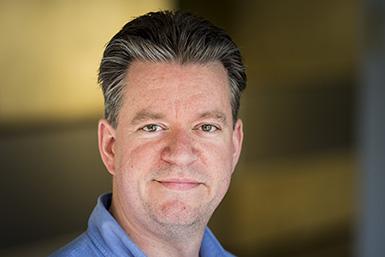
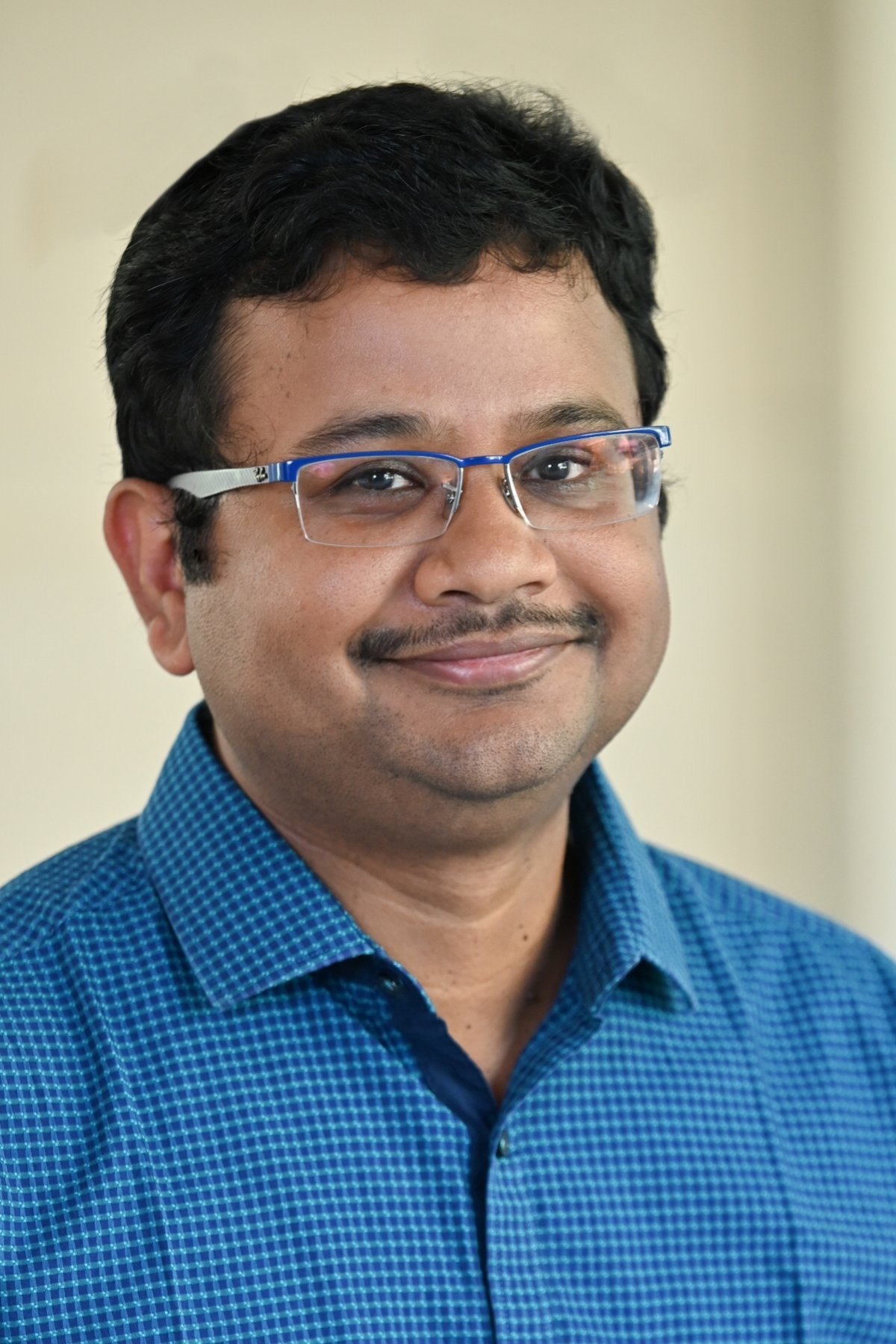
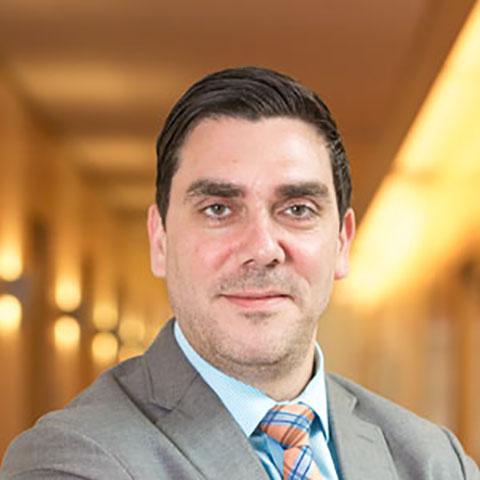
Taylor L. Hughes is a Professor in the Department of Physics at the University of Illinois at Urbana-Champaign. He focuses on theoretical condensed matter physics, particularly topological insulators/superconductors, quantum information/entanglement techniques, and mesoscopic transport in low-dimensional materials. His research also explores connections between high-energy physics, gravity, and condensed matter systems. Education : B.S. in Physics and Mathematics (2003, summa cum laude) from the University of Florida; Ph.D. in Physics (2009) from Stanford University under Shou-Cheng Zhang. Research Interests : Topological insulators and superconductors Quantum entanglement in condensed matter Mesoscopic transport in heterostructures Topological order and quantum Hall effect Spin-orbit coupling and low-dimensional systems Interdisciplinary links to high-energy physics Scientific Awards : Donald Biggar Willett Faculty Scholar (2020, 2022) ONR Young Investigator Award (2015) University of Illinois Center for Advanced Study Fellowship (2014) NSF CAREER Award (2014) Dean's Award for Excellence in Research (2014) Alfred P. Sloan Foundation Research Fellow (2013) Teaching and Advising : Hughes has taught advanced courses including Condensed Matter Physics I (PHYS 560) and Special Topics in Physics (PHYS 598 CMX). He actively mentors highly motivated undergraduate and graduate students in computational and theoretical physics projects.
Yu He is an Assistant Professor of Applied Physics and Physics at Yale University, affiliated with the Department of Physics. His research focuses on condensed matter physics and experimental techniques such as angle-resolved photoemission spectroscopy (ARPES) and x-ray scattering to study correlated electronic systems and quantum materials. Prior to Yale, he completed a Miller Research Fellowship at UC Berkeley (2019) after earning his Ph.D. in Applied Physics from Stanford University. Key research areas include metal-to-insulator transitions, superconductivity, 2D magnetism, and solid-state quantum simulation. He has contributed to advancements in material characterization techniques, including high-resolution ARPES using tabletop lasers. His work integrates crystal synthesis, electric transport measurements, and surface decoration to explore material properties. Education: B.S. in Physics from University of Science and Technology of China (USTC); M.S. in Electrical Engineering and Ph.D. in Applied Physics from Stanford University. Research Interests: Experimental condensed matter physics, quantum materials, superconductivity, and light-matter interaction studies. His current projects aim to dissect microscopic degrees of freedom (electronic, lattice, spin) in novel materials using cutting-edge spectroscopic methods. The lab employs complementary techniques like electric transport measurements and crystal growth to characterize material properties comprehensively. Awards: Miller Research Fellow, UC Berkeley (2019) Advising & Grants: No student advisees listed. Research supported by Yale University and prior fellowships. Labs & Teams: Leads a research group at Yale focused on experimental condensed matter physics, collaborating on projects involving advanced material characterization and quantum material discovery.
Professor Christopher Roland is a faculty member in the Department of Physics at North Carolina State University, part of the College of Sciences. He holds the rank of Professor since 2002, joining the university in 1993 after completing his PhD in Physics at McGill University, Canada, and postdoctoral work at the University of Toronto and AT&T Bell Laboratories. His research focuses on theoretical condensed matter physics and biophysics, particularly investigating nucleic acid structures (DNA and RNA) associated with neurodegenerative and neuromuscular disorders like Trinucleotide Repeat Expansion Diseases (TREDs). Key areas include DNA/RNA hairpin dynamics, free energy calculations, and molecular mechanisms underlying genetic mutations. Recent publications emphasize structural and computational studies of nucleic acid conformations, such as Z-DNA motifs, triplex formations, and disease-linked repeat sequences. His work bridges quantum transport simulations, biomolecular modeling, and disease prediction. No scientific awards are explicitly listed in the provided materials. His research is supported by grants from NC State University and collaborations within the Department of Physics. Laboratory and team details are not specified, though his work aligns with computational biophysics and condensed matter research groups at NC State.
Svitlana Mayboroda is a Professor of Mathematics at ETH Zurich and the McKnight Presidential Professor at the University of Minnesota. Her research focuses on partial differential equations, harmonic analysis, and wave localization phenomena. University of Minnesota: School of Mathematics, 127 Vincent Hall, Minneapolis, MN ETH Zurich: Department of Mathematics, Ramistrasse 101, Zurich Research Interests: Analysis and partial differential equations Wave localization and Anderson localization Elliptic theory on non-smooth and lower-dimensional domains Harmonic measure and geometric measure theory Applications to quantum mechanics and semiconductor physics Recent Publications: Her 2023-2022 works investigate Anderson mobility edges, landscape functions in spectral theory, regularity problems for elliptic operators, and Green function estimates. Key themes include localization landscape theory, uniformly rectifiable domains, and spectral analysis of disordered systems. Grants & Collaborations: Simons Collaboration on Localization of Waves (Director, 2018–2025, $14M) NSF RAISE–TAQS grant ($1M) Academic Leadership: She has organized numerous conferences and workshops, including annual meetings of the Simons Collaboration on Wave Localization (2020–2024) and programs at MSRI and PCMI. Her mentorship includes postdocs and PhD students working on elliptic theory, spectral problems, and applied mathematical physics.
Turan Birol is an Associate Professor in the Department of Chemical Engineering and Materials Science at the University of Minnesota, with a secondary appointment in the School of Physics. He leads the Theoretical Materials Physics Group , focusing on computational materials design to discover exotic condensed matter phenomena. Education: PhD in Physics (Cornell University), Postdoc (Rutgers University) Research Areas: Ferroelectricity, Charge Density Waves, Multiferroics, Strongly Correlated Systems, Kagome Metals His work combines Density Functional Theory with Dynamical Mean Field Theory to study materials like perovskites, layered antiperovskites, and 2D/3D compounds. Recent projects include Office of Naval Research -funded ferroelectric design and NSF Discovery File -featured transparent conductors. Scientific contributions include 15+ recent articles on topics spanning structural chirality in superconductors, strain-tuned magnetism, and catalytic resonance theory. Former advisees include PhD graduates in Physics and Materials Science.
David A. Muller serves as the Samuel B. Eckert Professor of Engineering in the School of Applied and Engineering Physics at Cornell University and co-directs the Kavli Institute at Cornell for Nanoscale Science. His research group focuses on developing quantitative electron microscopy methods to understand materials properties at the atomic scale, with particular emphasis on sustainable energy applications and quantum materials. Muller's laboratory utilizes some of the world's highest resolution electron microscopes housed in specially designed, environmentally isolated rooms. Muller received his undergraduate education at the University of Sydney and earned his Ph.D. in Physics from Cornell University in 1996. Between 1997 and 2003, he was a member of the technical staff at Bell Laboratories, where he applied his expertise in imaging single atoms and atomic-scale spectroscopy to determine the physical limits of transistor miniaturization. In 2003, he returned to Cornell as a faculty member, where he has since established himself as a leader in advanced electron microscopy techniques. Muller's research spans multiple frontiers in materials science, with particular focus on understanding how electronic-structure changes at the atomic scale control macroscopic behavior in diverse systems like turbine blades, fuel cells, and transistors. His current work emphasizes the physics of renewable energy materials, atomic-scale control of materials to create electronic phases that cannot exist in bulk, and developing hardware and algorithms for 'big data' acquisition from high-bandwidth pixelated electron microscope detectors. His group's work bridges theoretical physics and experimental techniques, requiring researchers who can think in both real and reciprocal space while considering both fundamental principles and practical applications. Analysis of Muller's recent publications reveals a strong trend toward advancing electron ptychography and 4D-STEM techniques for atomic-scale imaging. His group has pioneered methods for 3D atomic-scale metrology, strain mapping, and imaging of radiation-sensitive materials. The research spans applications from semiconductor technology to quantum materials and energy storage systems, demonstrating the versatility of his microscopy approaches across multiple scientific domains. Top 100 Young Innovator by Tech Review Magazine (2003) Burton Medal from Microscopy Society of America (2006) Ernst Ruska Prize of German Society for Electron Microscopy (2021) John Cowley Medal from International Federation of Societies for Microscopy (2023) Fellow of American Physical Society Fellow of American Association for the Advancement of Science Fellow of Microscopy Society of America Muller has mentored an extensive group of students and postdocs who have gone on to successful careers in academia and industry. His former students hold faculty positions at institutions including Rice University, University of Southern California, Seoul National University, Colorado School of Mines, and the University of Michigan, among others. His research has been supported by substantial grants, including a $22.5M NSF grant that accelerates materials discovery. The Muller lab maintains close collaborations with the Kavli Institute at Cornell and PARADIM (Platform for the Accelerated Realization, Analysis, and Discovery of Interface Materials). The Muller lab operates at the forefront of electron microscopy, housing specialized instrumentation including high-resolution transmission electron microscopes in environmentally isolated rooms. The group collaborates extensively with other research teams at Cornell and worldwide, focusing on understanding materials atom by atom. Current research directions include applying machine learning to electron microscopy data analysis, developing cryogenic techniques for studying low-melting-point materials, and exploring quantum phenomena in engineered materials systems.
Prof. Casper Hoogenraad is a full professor in Molecular Neuroscience at the Department of Cell Biology, Faculty of Science, Utrecht University. His research focuses on understanding how intracellular protein trafficking underlies neuronal development and function, with particular emphasis on the microtubule cytoskeleton, synaptic cargo trafficking, and synaptic plasticity. He leads an active research group within Utrecht University's Cell Biology department and collaborates extensively with other neuroscience research groups. Education: PhD, Erasmus University Rotterdam (1996-2001) Postdoc, Massachusetts Institute of Technology (2002-2005) Hoogenraad's research spans three main themes: cytoskeleton dynamics during neurodevelopment and synaptic plasticity, motor proteins and adaptors as regulators of synaptic transport, and psychiatric and neurologic disease disorders linked to intracellular transport. His work combines genetics, biochemistry, molecular, and cellular biology methods in in vitro (neuron cultures), ex vivo (brain slices), and in vivo (mice) systems, along with advanced microscopy techniques including immunofluorescent confocal microscopy, high-resolution live cell imaging, and photo-activated localization microscopy (PALM). Analysis of Hoogenraad's recent publications reveals a strong focus on microtubule organization, neuronal polarity, and the molecular mechanisms underlying synaptic function and dysfunction. His work frequently explores how disruptions in intracellular transport contribute to neurological disorders including Alzheimer's disease, schizophrenia, and autism spectrum disorders, with particular attention to the relationship between cytoskeletal organization and cargo transport in neuronal compartments. Scientific Awards and Memberships: ZonMW-VIDI (2004) European Young Investigators (EURYI) award (2005) NWO-ALW VICI (2011) ERC Consolidator grants (2013) FENS-Kavli Network of Excellence (2014) European Molecular Biology Organization (EMBO) (2015) Young Academy of Europe (YAE) (2015) IBRO Kemali Prize (2016) Hoogenraad leads a research group studying neuronal development and function, with a particular focus on how intracellular transport mechanisms contribute to both normal brain function and neurological disorders. His laboratory employs a multidisciplinary approach combining molecular, cellular, and systems neuroscience techniques to investigate the molecular basis of neuronal polarity, synaptic plasticity, and the pathogenesis of neurological disorders. He has secured significant research funding through prestigious grants including ERC Consolidator grants. The Hoogenraad lab operates within the Cell Biology department at Utrecht University, collaborating with other research groups focusing on cellular dynamics, biophysics, and neurobiology. The lab utilizes advanced microscopy techniques including immunofluorescent confocal microscopy, high-resolution live cell imaging (spinning disc microscopy and total internal reflection fluorescence microscopy), and quantitative analysis using advanced high-resolution microscopy (photo-activated localization microscopy). Current lab technicians include Phebe Wulf and Bart de Haan.
Arnab Sen is an Associate Professor at the School of Mathematics, University of Minnesota. His research focuses on probability theory and discrete harmonic analysis, with emphasis on models from statistical physics such as spin glasses, random graphs, random matrices, and random polynomials. PhD in Statistics, UC Berkeley (2010), advised by Steven N. Evans and Elchanan Mossel Postdoctoral Fellow, Statistical Laboratory, University of Cambridge His research spans discrete probability , statistical physics , and random matrix theory , addressing topics like disorder chaos in spin glasses, eigenvalue distributions, and quantum percolation. He has taught graduate and undergraduate courses including Random Matrix Theory , Introduction to Stochastic Processes , and Multivariable Calculus . His recent publications analyze spin glass models, random matrices, and combinatorial systems.
John M. Dallesasse is the Gregory E. Stillman Professor of Electrical and Computer Engineering at the University of Illinois at Urbana-Champaign, where he also serves as Associate Dean for Facilities and Capital Planning. He holds dual roles in academia and industry leadership, with prior experience as CTO, Vice President, and co-founder of Skorpios Technologies. His expertise spans optoelectronics, semiconductor materials, and photonic integration. Dallesasse earned his B.S., M.S., and Ph.D. from UIUC ECE in 1985, 1987, and 1991, respectively. His research focuses on III-V semiconductors, heterogeneous integration, quantum cascade lasers, and silicon photonics. He has pioneered innovations like III-V oxidation and the transistor-injected quantum cascade laser. Education: Ph.D., Electrical and Computer Engineering, UIUC, 1991 M.S., Electrical and Computer Engineering, UIUC, 1987 B.S., Electrical and Computer Engineering, UIUC, 1985 Research Interests: Compound semiconductor materials and devices Heterogeneous integration and wafer bonding Quantum cascade lasers and transistor lasers Photonic integration and silicon photonics III-Nitride devices and optoelectronics Awards: IEEE Fellow (2015) Optica Fellow (2013) Dean’s Award for Excellence in Research (2016) Advising and Labs: Leads the Advanced Semiconductor Device and Integration Laboratory Mentors undergraduate researchers in semiconductor innovation and photonics
Ron Peled is a Full Professor in the School of Mathematical Sciences at Tel Aviv University , currently on leave to serve as the Brin Professor in the Department of Mathematics at the University of Maryland starting summer 2024. During 2022–2024 he was a Member at Princeton University and the Institute for Advanced Study . Education & Career: While explicit degrees are not listed, his trajectory shows appointments at NYU (2009–2010), UC Berkeley and Tel Aviv University as a teaching assistant, followed by faculty positions culminating in full professorship. Research Interests: His work lies at the intersection of probability theory, statistical physics, and combinatorics . Key themes include: Disordered systems and random environments (random-field Ising, spin glasses) First-passage percolation and random metrics Random surfaces and height functions Loop models and critical phenomena Random matrices and band matrices Geometric probability and allocation problems Publications & Impact: With over 70 papers in top journals such as Annals of Mathematics , Annals of Probability , Inventiones Mathematicae , and Communications in Mathematical Physics , his recent work explores minimal surfaces in random environments, localization in random band matrices, and quantitative disorder effects in low-dimensional spin systems. Grants & Awards: Research has been continuously funded by: Israel Science Foundation (grants 1048/11, 861/15, 1971/19, 2340/23) ERC Starting Grant LocalOrder ERC Consolidator Grant Transitions Marie Skłodowska-Curie International Reintegration Grant SPTRF Teaching & Mentoring: Prof. Peled has taught a broad spectrum of courses at Tel Aviv University (Brownian motion, probability, percolation, random matrices, stochastic calculus) and NYU (combinatorics, discrete mathematics). He has supervised 13 post-doctoral fellows and 8 graduate students (PhD & MSc) to date. Service & Outreach: He co-organizes the Joint Israeli Probability Seminar and has organized numerous international workshops and conferences including at Oberwolfach, Technion, and Tel Aviv University.
Gabriel A. Silva is a Professor in the Shu Chien-Gene Lay Department of Bioengineering at UC San Diego’s Jacobs School of Engineering, with a joint appointment as Assistant Professor in Ophthalmology. His research bridges neuroscience, theoretical physics, and applied mathematics to explore how the brain encodes and processes information, leveraging quantum logic and algorithms for advanced neural modeling. University: University of California, San Diego School: Jacobs School of Engineering Department: Shu Chien-Gene Lay Department of Bioengineering Academic Rank: Professor Joint Appointment: Assistant Professor in Ophthalmology Research Interests: Silva focuses on neural computation at cellular and network scales, aiming to abstract biological mechanisms into mathematical models that emulate brain-like processing. His work has implications for understanding neurological disorders, developing neural engineering nanotechnologies, and advancing AI systems through emergent complexity. Recent Article Trends: His publications span quantum-enhanced neural modeling, EEG-based disease detection, nonlinear dynamics in brain networks, and interdisciplinary applications of graph theory. Emerging themes include the integration of category theory for network analysis and AI optimization via emergence-promoting schemes. Labs & Teams: Affiliated with UC San Diego’s Institute of Engineering in Medicine, Silva leads research at the intersection of bioengineering, ophthalmology, and neural systems, fostering collaborations with neuroscience and quantum computing domains.
Lena Simine is an Associate Professor in the Department of Chemistry at McGill University, affiliated with the Faculty of Science. She holds a B.Sc. (2009) and Ph.D. (2015) from the University of Toronto, followed by a postdoctoral fellowship at Rice University (2015–2019). Her laboratory is located in P&P 118A, focusing on developing computational approaches for modeling molecular phenomena in theoretical chemistry and chemical physics. Her research interests center on computational materials design, quantum dynamics, and the application of machine learning to chemistry. Specific areas include simulating amorphous materials, aptamer design, and quantum systems modeling. She teaches CHEM 365 (Statistical Thermodynamics) and CHEM 593 (Statistical Mechanics and Machine Learning for Chemistry). Her work explores interdisciplinary frontiers, such as path-integral simulations, GFlowNets for molecular design, and the physical principles underlying deep learning in materials science. Recent studies highlight innovations like DeltaGzip for binding affinity prediction and the MAP protocol for 3D disordered matter simulations. Her lab’s contributions span computational methods, material innovation, and quantum phenomena, with a focus on advancing both theoretical frameworks and practical applications in chemistry and materials science.
Noam Berger Steiger is a Professor of Stochastic Processes at the Technical University of Munich (TUM), within the School of Computation, Information and Technology and the Department of Mathematics. His office is located at Parkring 11, Garching bei München, and he can be contacted at noam.berger@tum.de. His research focuses on stochastic processes in random environments, percolation theory, and random walks. Key contributions include asymptotic analysis of preferential attachment graphs, quenched invariance principles for non-elliptic random walks, and slowdown phenomena in ballistic random motion. His work bridges theoretical probability with applications in complex systems. Analysis of his 2012-2014 publications reveals consistent focus on random walk dynamics in disordered media, with significant results on ballisticity conditions, trail detection in random scenery, and distributional limits. His research employs advanced probabilistic techniques published in top-tier journals including Annals of Probability and Probability Theory and Related Fields . Professor Berger has supervised 11 theses: 5 bachelor's theses at TUM covering Brownian motion properties and investment strategies for risk-averse investors, and 6 master's theses (3 at TUM, 3 at Hebrew University) on topics including return times for random walks, mass transport principles, and spin-glass percolation. His current teaching includes Markov Chains, Probability on Graphs, and Brownian Motion seminars. He is an active member of TUM's Probability Theory research group, which participates in the TUM-ICL Mathematical Sciences Hub and Exzellenzcluster MCQST. The group collaborates on quantum science initiatives while maintaining strong foundations in classical probability theory and stochastic analysis.
Yong Chen is a Professor of Electrical and Computer Engineering and Physics at Purdue University. His research spans quantum physics, nanotechnology, and materials science, focusing on advanced 2D materials, topological insulators, and quantum transport phenomena. Condensed Matter Physics Quantum Computing Nanotechnology Materials Science Photonics Spintronics Recent publications highlight his work on van der Waals heterostructures, Bose-Einstein condensates, Raman spectroscopy applications, and quantum interference effects. His studies often intersect with machine learning, energy storage, and synthetic magnetic field engineering of quantum systems. Yong Chen's email address is yongchen@purdue.edu , and further information can be accessed at his Purdue University profile .
William Sulis is an Associate Clinical Professor in the Department of Psychiatry and an Associate Member of the Department of Psychology at McMaster University, where he also directs the Collective Intelligence Lab (CILab). With a unique interdisciplinary background spanning mathematics, physics, and psychiatry, Dr. Sulis bridges the gap between theoretical science and clinical practice. His educational journey is exceptionally diverse: B.Sc. (Hon) in Mathematics with minor in Theoretical Physics, Carleton University (1976) M.D., University of Western Ontario (1980) M.A. in Mathematics, University of Western Ontario (1984) Ph.D. in Mathematics, University of Western Ontario (1989) FRCPC in Psychiatry (1984) Ph.D. in Theoretical Physics, University of Waterloo (2014) CRCPC in Geriatric Psychiatry (2015) Dr. Sulis's research explores the intersection of complex systems theory with psychological and psychiatric phenomena. His work on Collective Intelligence investigates how group dynamics emerge from individual interactions, while his research on Temperament and Psychobiology examines the continuum between normal personality variations and mental illness. He has made significant contributions to understanding Synchronization in Complex Systems and developed the concept of Transient Induced Global Response Synchronization (TIGoRS) , which has implications for neural coding and information processing. His theoretical work extends to Quantum Foundations and Process Algebra Theory , where he proposes novel approaches to quantum mechanics. Analysis of his recent publications reveals a consistent thread connecting complex systems theory with psychological and psychiatric applications. His work increasingly focuses on bridging the gap between temperament theory and clinical psychiatry, using mathematical and computational approaches to understand mental illness. Simultaneously, he continues to develop theoretical frameworks in quantum physics through process algebra models, demonstrating remarkable interdisciplinary range. Dr. Sulis has received several prestigious awards including The Governor General's Medal for having the highest overall grade point average in his graduating class, the Henry Marshall Tory Scholarship, and multiple Harry Stevenson Southam Scholarships. Throughout his career, Dr. Sulis has mentored numerous students across disciplines, supervising research projects spanning collective intelligence, semantic space modeling, network dynamics, and temperament studies. His Collective Intelligence Lab has served as a hub for interdisciplinary research connecting computer science, psychology, and psychiatry. Dr. Sulis has also been actively involved in professional organizations, serving as President of The Society for Chaos Theory in Psychology and the Life Sciences (1996-1998) and holding editorial positions for several journals including "Dynamical Psychology" and "Nonlinear Dynamics in Psychology and the Life Sciences." As Director of the Collective Intelligence Lab at McMaster University, Dr. Sulis fosters research exploring how complex adaptive systems can model cognitive and social phenomena. The lab serves as an intellectual nexus where mathematics, computer science, psychology, and psychiatry converge to address fundamental questions about intelligence, both individual and collective.