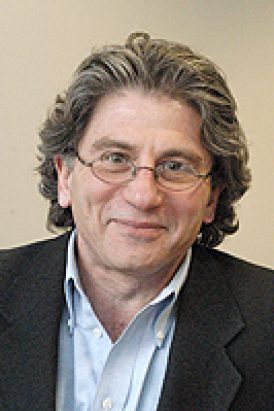
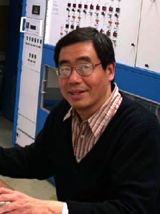
Professor James Zanotti is a faculty member at the University of Adelaide, holding the position of Professor/Reader in the School of Physics, Chemistry and Earth Sciences within the Faculty of Sciences, Engineering and Technology. His research focuses on advanced theoretical and computational studies of particle physics, particularly in the realm of lattice Quantum Chromodynamics (QCD). He specializes in exploring nucleon structure, quark dynamics, and the internal forces within protons using lattice simulations. His work includes groundbreaking studies on transverse force distributions, parity-odd structure functions, and the application of the Feynman-Hellmann theorem to nucleon matrix elements. Professor Zanotti is actively involved in supervising Masters and PhD students in these areas. His recent research highlights include mapping proton force distributions, constraining beyond-Standard-Model physics through nucleon charges, and investigating collective magnetic states in materials. He is affiliated with Adelaide's physics department and accessible via james.zanotti@adelaide.edu.au.
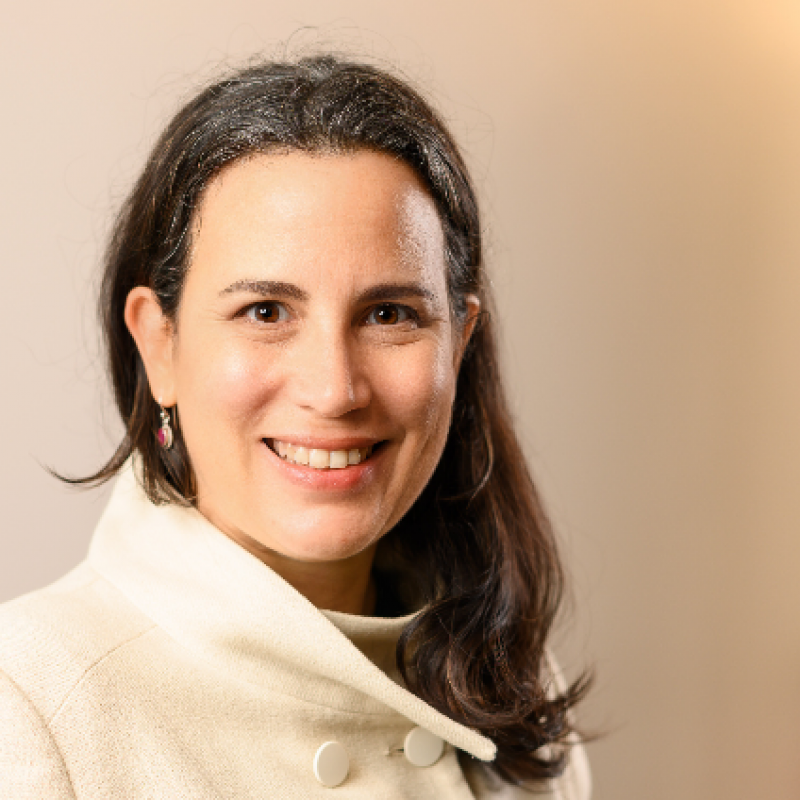
Dr. Rico Friedrich is a computational materials scientist leading the "Autonomous Materials Thermodynamics - AutoMaT" research group, jointly operated by the Chair of Theoretical Chemistry at Technische Universität Dresden and the Helmholtz-Zentrum Dresden-Rossendorf (HZDR). His work focuses on data-driven computational design of advanced materials for information technology and energy applications through the DRESDEN-concept research alliance. His research spans several cutting-edge areas: Discovery and design of 2D non-van der Waals materials with novel electronic and magnetic properties Data-driven modeling of high-entropy ceramics based on entropy maximization principles Development of computational methods for accurate thermodynamic stability prediction, particularly the coordination corrected enthalpies (CCE) method Applications of artificial intelligence in materials design Dr. Friedrich's publication record shows a strong trend toward computational materials discovery, with significant contributions to understanding non-van der Waals 2D materials and high-entropy ceramics. His work bridges theoretical developments with practical applications, resulting in publications in high-impact journals including Nature, Nano Letters, and Advanced Electronic Materials. His key scientific contributions include: Development of the coordination corrected enthalpies (CCE) method for accurate formation enthalpy calculations Creation of the AFLOW-CCE module implemented in the AFLOW software ecosystem Discovery of novel 2D non-van der Waals materials with ultra-low exfoliation energies Formulation of the disordered enthalpy-entropy descriptor (DEED) for high-entropy ceramics Dr. Friedrich actively mentors the next generation of materials scientists, currently supervising PhD students and postdoctoral researchers in his AutoMaT lab. His research group collaborates extensively within the DRESDEN-concept research alliance, leveraging computational resources and expertise across multiple institutions to advance materials science and engineering.
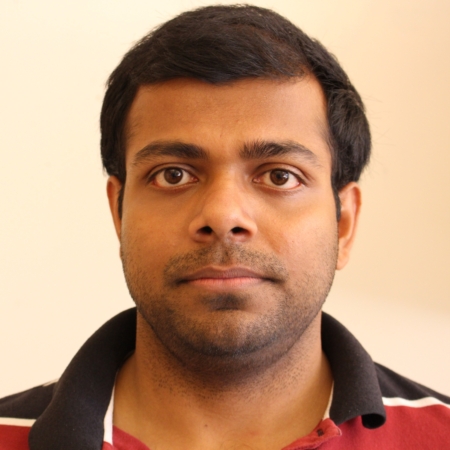
Prof. Dr. Nadine Buczek serves as Professor of Renewable Energies, Nanotechnology and Photonics at the Department of Applied Natural Sciences, Lübeck University of Applied Sciences (TH Lübeck), a position she has held since 2017. She leads the Energy Materials Laboratory and maintains active affiliations with the Climate and Environmental Protection Group, Materials for Storage and Renewable Energy Systems, and Photovoltaics Group. Her research centers on physical principles of renewable energy systems and photonics, with core expertise in solar technology, thermoelectrics, and nanoscale material engineering. She investigates spin wave phenomena in disordered magnetic materials and develops advanced fabrication techniques for silicon nanowires and superlattices using metal-assisted chemical etching, with applications in sustainable energy conversion and storage. Analysis of her 15 most recent publications (2012-2022) reveals consistent focus on condensed matter physics and nanomaterial engineering. Key trends include theoretical modeling of spin dynamics in alloys, structural characterization of etched semiconductor nanostructures, and optimization of nanofabrication processes for renewable energy applications. Her work bridges experimental nanotechnology with computational physics, primarily targeting semiconductor-based energy solutions. The Energy Materials Laboratory under her direction drives interdisciplinary research in photovoltaics and thermoelectric materials, collaborating closely with the Materials for Storage and Renewable Energy Systems group. Current projects emphasize scalable nanofabrication methods and fundamental studies of charge transport in nanostructured materials to advance next-generation renewable energy technologies.
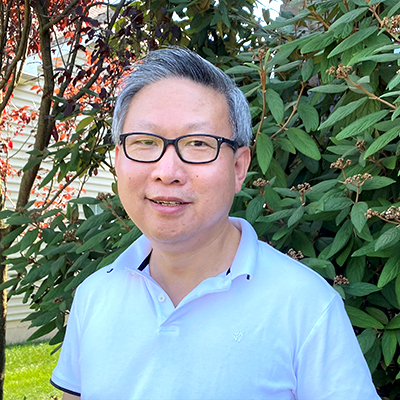
Nikita Kavokine serves as Tenure Track Assistant Professor at École Polytechnique Fédérale de Lausanne (EPFL) within the School of Basic Sciences . His dual appointments span the Institute of Chemical Sciences and Engineering (ISIC) and the School of Chemical Sciences and Engineering (SCGC) , where he leads the Quantum Plumbing Lab (LNQ) and contributes to graduate teaching. Based at Building CH A2 398 in Lausanne, he maintains active research and instructional roles across EPFL's chemistry and chemical engineering programs. His research pioneers quantum nanofluidics and nanoscale transport phenomena , focusing on electron-ion coupling mechanisms in confined geometries. Key investigations include quantum friction in water-carbon interfaces, hydroelectric energy conversion through nanochannels, and plasmon-hydron resonances in two-dimensional materials. His work bridges condensed matter physics, electrochemistry, and fluid dynamics to develop fundamental principles for next-generation nanofluidic devices and quantum sensors. Analysis of his 15 most recent publications (2023-2025) reveals three dominant research thrusts: quantum-enhanced energy conversion (evident in hydroelectric drag and electron cooling studies), non-classical ion transport (including ionic Coulomb blockade and interaction confinement), and emergent quantum hydrodynamics (momentum tunneling, collective modes). These publications consistently integrate advanced numerical methods with nanoscale experimental systems, establishing new paradigms for solid-liquid quantum interactions. Kavokine currently supervises three PhD students: Gispert Peter , Lu Hao , and Rigaux Killian David . His teaching portfolio includes graduate courses in Statistical Mechanics for Chemistry and Nanofluidics , emphasizing theoretical frameworks for many-particle systems and nanoscale fluid dynamics. Research funding supports his laboratory's exploration of quantum effects in nanofluidic channels, though specific grant details are not provided in source materials. The Quantum Plumbing Lab (LNQ) operates at the forefront of nanoscale quantum transport research, utilizing advanced nanofabrication and characterization techniques to probe electron-ion coupling phenomena. The lab's interdisciplinary team combines expertise in quantum physics, electrochemistry, and fluid dynamics to investigate fundamental limits of energy conversion and transport at atomic scales, with particular focus on graphene-based systems and angstrom-scale confinement.
Igor Di Marco is a Researcher at Uppsala University's Department of Physics and Astronomy, specializing in Materials Theory. He has maintained continuous research activity at Uppsala since 2009, initially as a postdoctoral fellow and subsequently as a researcher, with a temporary leave in 2017 to lead a group at the Asia-Pacific Center for Theoretical Physics in South Korea. Dr. Di Marco earned his PhD in condensed matter theory from Radboud University of Nijmegen in 2009. His academic trajectory has focused on computational approaches to understanding complex quantum materials, particularly those exhibiting strong electron correlations. His research centers on computational physics and condensed matter theory , with emphasis on developing methods to determine electronic and magnetic properties of strongly correlated materials . Dr. Di Marco is one of the principal developers of the all-electron DFT code RSPt (a Sweden-USA-France collaboration), which utilizes the full-potential linearized muffin-tin orbitals method. His expertise spans density-functional theory (DFT) , dynamical mean-field theory (DMFT) , and their integration (DFT+DMFT). Current research extends to X-ray absorption spectroscopy (XAS) and resonant inelastic X-ray scattering (RIXS) . Analysis of his recent publications reveals a consistent focus on electronic correlations in quantum materials, particularly in kagome metals, van der Waals magnets, and complex alloys. His work bridges theoretical method development with practical materials applications, frequently examining magnetic properties and electronic structure calculations across diverse material systems. Dr. Di Marco has made significant contributions to computational methodologies for strongly correlated electron systems, including the development of the DFT+DMFT framework within RSPt featuring full self-consistency over electron density and self-energy. His research projects have addressed magnetic properties of transition metals, excitation spectra of metal oxides, theoretical frameworks for lanthanides, and prediction of novel 2D materials.
Surjo R. Soekadar is the Einstein Professor of Clinical Neurotechnology at Charité – University Medicine Berlin. He leads the Clinical Neurotechnology Laboratory , which focuses on developing noninvasive neurotechnologies for treating neurological and psychiatric disorders through closed-loop brain stimulation and advanced brain-machine interfaces (BCI/BMI). His work integrates real-time EEG/MEG monitoring with electromagnetic stimulation to modulate pathological brain oscillations and enhance neuroplasticity in conditions like stroke, spinal cord injury, and psychiatric disorders. Education : Studied medicine in Mainz, Heidelberg, and Baltimore Clinical Training : Residency in Psychiatry and Psychotherapy at University of Tübingen Academic Journey : 2008-2011 Research Fellow at NINDS (USA); 2017 Venia Legendi at University of Tübingen; 2018 First Professor of Clinical Neurotechnology in Germany His research interests span: • Closed-loop neurostimulation combining real-time brain state monitoring with targeted intervention • Next-generation BCI using optically pumped magnetometers (OPM) for mobile MEG recordings • Neurorehabilitation through exoskeleton control and sensory feedback • Neurophysiological modeling of entropy measures and phase flows Recent publications highlight: • Adaptive deep brain stimulation protocols • Real-time phase-sensitive tACS applications • OPM-based BCI innovations • Stroke recovery mechanisms through corticospinal tract analysis Scientific recognition includes: International BCI Research Award BIOMAG Award NARSAD Young Investigator Award Funded by the European Research Council (ERC) , his lab trains doctoral students like David Haslacher (EEG/MEG integration), Khaled Nasr (multicoil TMS optimization), and Annalisa Colucci (entropy-driven BCI development). The team also explores quantum AI applications in clinical decision-making and bidirectional BCI systems using OPM and tES.
Wilson Miller serves as Associate Professor of Radiology and Medical Imaging within the Department of Radiology and Medical Imaging at the University of Virginia School of Medicine. His research bridges advanced medical imaging physics with clinical pulmonary and neurological applications, maintaining active collaborations across radiology, pulmonology, and neurosurgery departments. Dr. Miller's research program centers on two transformative domains: hyperpolarized gas MRI for pulmonary disease characterization and focused ultrasound for neurological interventions. In pulmonary imaging, he pioneers hyperpolarized xenon-129 and helium-3 MRI techniques to map regional lung function in COPD, asthma, and lung transplantation, identifying novel imaging biomarkers for early disease detection and treatment monitoring. His neurological work develops focused ultrasound protocols for blood-brain barrier opening to enhance therapeutic delivery for cerebral cavernous malformations and brain tumors, with recent publications demonstrating lesion regression and improved drug penetration. Analysis of his 2023-2025 publications reveals accelerating integration of molecular techniques with imaging, particularly transcriptomic analysis of rejection in lung transplants and immune response mapping in glioblastoma. His work increasingly emphasizes multimodal assessment combining hyperpolarized gas MRI with histological and molecular validation, while maintaining a secondary research thread in spin-polarized fusion physics for energy applications. Scientific Awards: No specific awards documented in source materials Dr. Miller actively mentors graduate students and postdoctoral researchers within the Medical Imaging PhD program, though individual advisee names were not provided in source texts. His research program likely operates through NIH-funded R01 grants from the National Heart, Lung, and Blood Institute (NHLBI) and National Institute of Neurological Disorders and Stroke (NINDS), supported by collaborative infrastructure from the University of Virginia's Radiology Research Division. His laboratory operates advanced 3T MRI systems with hyperpolarized gas delivery capabilities and preclinical focused ultrasound platforms, collaborating with the UVA Brain Immunology and Glia Center and Lung Repair and Regeneration Consortium. Current projects include developing AI-enhanced analysis of hyperpolarized gas MRI for COPD endotyping and optimizing microbubble parameters for focused ultrasound-mediated drug delivery to brain lesions.
Dr. Axel Lubk is a Group Leader at the Institute for Solid State Research (IFW Dresden) , specializing in advanced electron microscopy techniques for materials science. His research spans four key areas: (1) TEM method development (high-resolution imaging, tomography, holography, and in-situ techniques), (2) charge particle optics and scattering theory , (3) magnetic nanotextures (domain walls, skyrmions), and (4) plasmonics (mode hybridization in heterogeneous structures and semiconductor heterostructures). Dr. Lubk’s work focuses on three-dimensional magnetic texture analysis using electron holography and tomography, particularly in systems like skyrmion tubes , FeGe , and Cr2O3 thin films . He has pioneered techniques for vector-field electron tomography and phase retrieval under varying boundary conditions, advancing nanoscale magnetic imaging. His recent studies include plasmonic properties in AgAu nanosphere chains , thermoelectric multilayer systems , and topological insulators like NiRh2Sb and TaTMTe4 . Dr. Lubk has published extensively in high-impact journals such as Nature Communications and Advanced Materials , with a focus on TEM instrumentation and quantitative analysis . He frequently presents at international conferences like the International Microscopy Congress and European School of Magnetism , emphasizing applications in spintronics , quantum materials , and nanostructured systems . His contributions to holographic vector-field electron tomography and machine learning for spectrum-image data have set new standards in electron microscopy.
Shulei Zhang is an Assistant Professor in the Department of Physics at Case Western Reserve University's College of Arts and Sciences. He earned his Ph.D. from the University of Arizona in 2014 and specializes in theoretical condensed matter physics. His research investigates spin-charge transport in topological materials, magnetization dynamics, and quantum phenomena in magnetic systems. Research Focus Professor Zhang's group studies: Coupled spin/charge transport in topological quantum materials (e.g., insulators/semimetals) Magnetotransport in hybrid magnetic-organic-oxide structures Skyrmion dynamics and topological Hall effects Chiral magnetoplasmons arising from Berry phase phenomena Magnon transport in ferromagnetic/antiferromagnetic heterostructures This work aims to enable advances in spin-based electronics and quantum computation. Collaborations and Group He maintains active partnerships with the CATS Center (DOE Energy Frontier Research Center), Argonne National Laboratory, National University of Singapore, University of Tokyo, Fudan University, and other global institutions. His laboratory welcomes undergraduate/graduate students and postdoctoral researchers interested in condensed matter theory.
Roberto Merlin is a Peter A. Franken Collegiate Professor of Physics and Professor of Electrical Engineering and Computer Science (EECS) at the University of Michigan. Born in Buenos Aires, Argentina, he earned an M.S. in 1973 from the University of Buenos Aires and a Ph.D. in 1978 from the University of Stuttgart under Manuel Cardona. After postdoctoral work at the University of Illinois, he joined the University of Michigan Physics faculty in 1980 and holds a joint appointment in EECS since 2000. He has held visiting positions at institutions including Max-Planck-Institut FKF, Hong Kong University of Science and Technology, and ETH Zurich. Merlin's research focuses on experimental condensed matter physics, particularly ultrafast optical techniques like spontaneous and impulsive Raman spectroscopy. His work spans coherent phonon dynamics, metamaterials for subwavelength focusing, and light-induced phase transitions in quantum materials. Recent publications address magnetophononics, phonon Bloch oscillations, and radiation-less interference in evanescent-field plates, reflecting his interdisciplinary interests in optics, quantum mechanics, and materials science. His scientific contributions have been recognized by fellowships from the American Physical Society (1996), Optical Society of America (2000), and Simons Foundation (2013), along with the Frank Isakson Prize (2006) and Ellis R. Lippincott Award (2017). He has served in leadership roles for APS committees and conference chairs, and his editorial work includes Physical Review Letters and Solid State Communications.
Prof. Johannes Zeiher is a Professor at Ludwig Maximilian University (LMU) and leads the independent research group Quantum Matter Interfaces . His work focuses on studying quantum systems of laser-cooled atoms coupled to optical resonators, aiming to advance quantum error correction and quantum many-body physics. He secured €3.3 million from Germany's BMBF for the SNAQC project on scalable neutral atom quantum computing. Research interests include quantum interfaces between atoms and photons, Rydberg arrays in optical tweezers, and hybrid architectures for quantum technologies. His group explores non-destructive measurements, feedback mechanisms, and entanglement generation in quantum systems. Key experimental tools include high-resolution microscopy and resonator-coupled systems. Prof. Zeiher's lab is located at the Max Planck Institute of Quantum Optics, collaborating on cutting-edge quantum technologies. He holds dual affiliations with LMU and the MPQ, advancing both theoretical and experimental frontiers in quantum computing and quantum simulation. His work bridges atomic physics, quantum optics, and condensed matter systems to realize practical quantum devices.
Souvik Paul is an Assistant Professor in the School of Physics at Indian Institute of Science Education and Research Thiruvananthapuram, where he leads the Computational Materials Science (CMS) Laboratory established in 2023. His research employs advanced computational techniques to investigate fundamental properties of magnetic materials and topological phenomena. Education: Ph.D. (2015), Indian Institute of Technology Guwahati, India M.Sc. (2008), Presidency College, Kolkata, India B.Sc. (2006), University of Calcutta, India Dr. Paul's research focuses on computational materials science with particular emphasis on magnetism in two and three dimensions, topological magnetic quasiparticles like skyrmions, surface physics, strongly correlated systems, and multifunctional materials including Heusler alloys. His work primarily utilizes Density Functional Theory (DFT) to predict and explain material properties at the atomic scale, bridging computational predictions with experimental observations through international collaborations. His publication record reveals a consistent trajectory in magnetic skyrmions research, transition metal systems, and Heusler alloys, with significant contributions to understanding spin interactions, stability mechanisms, and electronic properties. His work frequently appears in high-impact journals including Physical Review Letters, Nature Communications, and npj Computational Materials, demonstrating both theoretical depth and practical relevance to materials design. Scientific Awards: Prime Minister Early Career Research Grant (2025) from Anusandhan National Research Foundation Departmental Postdoctoral Fellowship (2015), Uppsala University Doctoral fellowship (2009), IIT Guwahati Graduate Aptitude Test in Engineering (GATE) (2009), MHRD, India Dr. Paul actively mentors graduate students including Moinak Ghosh and Bipin Babu. Through the International PhD Program, he has established formal collaborations with Prof. Stefan Heinze at CAU Kiel, Germany, providing students with international research opportunities, access to high-performance computing facilities, and extended research stays at partner institutions. His recently awarded Prime Minister Early Career Research Grant supports innovative work on antiferromagnetic skyrmions. The Computational Materials Science Laboratory employs Density Functional Theory to investigate structural, electronic, magnetic, and optical properties of materials at the atomic level. The lab maintains strong international collaborations with research groups at CAU Kiel and Forschungszentrum Jülich in Germany, focusing on discovering novel materials, explaining fundamental material behaviors, and developing predictive materials theory with applications in electronics and energy technologies.
Yi Ji is an Associate Professor in the Department of Physics and Astronomy at the University of Delaware. He joined the faculty in 2006 and serves as the Graduate Program Director (2020–present). His research focuses on spintronics, exploring spin injection, transport, and functionality in mesoscopic metallic heterostructures. Key areas include enhancing spin relaxation lengths, studying spin transfer torque effects, and investigating Kondo spin relaxation. He holds a Ph.D. from Johns Hopkins University (2003) and a B.S. from Peking University (1997). Research interests emphasize experimental studies using advanced equipment such as thin film deposition systems, electron-beam lithography, and cryogenic magneto-transport setups. His lab, the Mesoscopic Spintronics Lab, collaborates with the University of Delaware Nanofabrication Facilities. Notable contributions include demonstrating copper spin relaxation lengths exceeding 3 micrometers and exploring ionic-gated spin relaxation tuning. Yi Ji has supervised seven Ph.D. students, many of whom now hold industry and academic positions. His work appears in top journals and is accessible via Google Scholar and ORCiD profiles. He has held postdoctoral roles at Argonne National Laboratory (2003–2006) and maintains active participation in experimental condensed matter physics.
Dr. Fow-Sen Choa is a Professor in the Department of Computer Science and Electrical Engineering at the University of Maryland, Baltimore County (UMBC). His research focuses on neural engineering, photonics, and biomedical applications, including deep transcranial magnetic stimulation (TMS), EEG brain network analysis, and mid-infrared technologies for chemical sensing. He is a Fellow of the Optical Society of America and has over 250 referred publications. Education: Ph.D. (Electrical Engineering, SUNY Buffalo, 1988), M.S. (SUNY Buffalo, 1985), B.S. (National Taiwan University, 1980). His research interests include opto-electronics, quantum cascade lasers, photoacoustic sensing, and non-invasive neural modulation for treating neural disorders. He collaborates with institutions like the NIH, CBE department, and the University of Maryland, Baltimore (UMB). His lab develops semiconductor lasers and detectors, and he advises UMBC's IEEE student branch. Recent projects involve acoustic beam forming, real-time brainwave systems, and prosthetic robotics. Awards: Fellow of the Optical Society of America. Dr. Choa mentors undergraduate researchers, leading to awards such as the Undergraduate Research Awards for projects on standoff explosive detection and bio-electronic robotics. He co-founded UMBC's Bio Electronics and Bio Photonics laboratory course. Labs/Teams: MOCVD Lab, Mid-Infrared Technologies for Health and the Environment (MIRTHE) consortium.
James N. Eckstein is a Professor of Physics at the University of Illinois at Urbana-Champaign, affiliated with the Frederick Seitz Materials Research Laboratory. He holds a PhD from Stanford University (1978) and joined UIUC in 1997 after 15 years as a senior scientist at Varian Associates. His research focuses on superconductivity, magnetic materials, and thin-film growth via molecular beam epitaxy (MBE). Eckstein pioneered atomic layer-by-layer MBE techniques for oxide films, enabling precision studies of cuprate superconductors and manganites. His work has advanced understanding of spin-valve magnetoresistance, interface effects, and quantum phase transitions. He has authored over 50 journal articles and holds six U.S. patents. Awards include the James C. McGroddy Prize (2021) and APS Fellowship (2005). Eckstein teaches advanced electromagnetism courses (PHYS 435/436) and leads the Eckstein Group, leveraging facilities like the Electron Microscopy Core and X-ray Analysis Core. Education: B.S. Physics (St. Olaf College, 1973); Ph.D. Physics (Stanford University, 1978). Research Interests: Superconducting and magnetic oxide materials Molecular beam epitaxy of complex oxides Colossal magnetoresistance in manganites Interface engineering for novel electronic phases Quantum transport in low-dimensional systems Publications Highlight Trends: His recent work explores topological superconductivity in Bi/Sb films (2020), strain-tuned Dirac surface states (2018), and coherence in superconducting qubits (2016). Earlier contributions addressed quantum criticality in Ce-based compounds (2012) and phase separation in manganites (2005). Awards: James C. McGroddy Prize (2021) Bernd T. Matthias Prize (2012) Arnold O. Beckman Award (2015, 2001) Lab/Team: Eckstein Group at UIUC focuses on thin-film synthesis and characterization, collaborating with Stanford, Berkeley, and international institutions. Facilities used include X-ray analysis, microscopy, and nanofabrication cores.