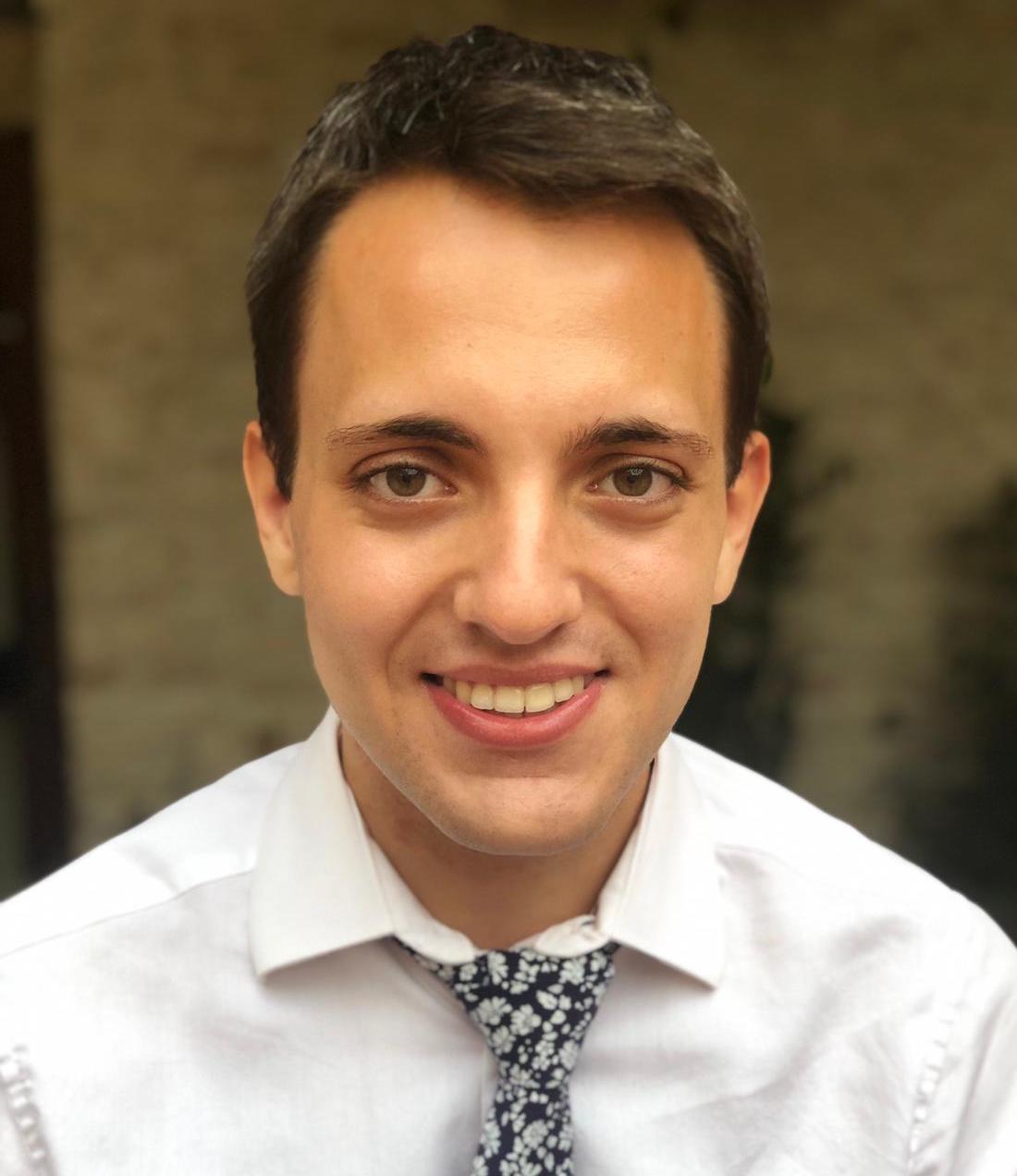
Giorgio Zavarise is a Full Professor in the Department of Structural, Building and Geotechnical Engineering (DISEG) at the Politecnico di Torino, where he also contributes to the SISCON Interdepartmental Center for Safety of Infrastructures and Constructions. His academic work spans computational and structural mechanics, with a focus on contact mechanics, finite element methods, and thermomechanical modeling. He has held leadership roles in numerous international conferences and serves on the editorial board of Computational Mechanics . His research interests include contact mechanics, isogeometric analysis, cohesive zone modeling, beam-to-beam contact, and the mechanics of masonry and massive concrete structures. He has extended his work into advanced technological applications such as subatomic particle detectors (e.g., Mu2e, SuperB, MEG), thermonuclear fusion (RFX, ITER), large optical telescopes (LBT), and structural fire analysis. His methodologies integrate physical modeling with computational efficiency, often involving multi-scale and coupled problems. The recent publications reflect a strong trend in computational contact mechanics, particularly using NURBS and T-splines for isogeometric analysis, as well as cohesive zone models for fracture and delamination. His work consistently emphasizes algorithmic robustness, geometric accuracy, and real-world engineering applications across civil, aerospace, and energy sectors. Scientific Awards and Recognitions: Fellow of the International Association for Computational Mechanics (IACM), 2013–2022 Professional Memberships: Full Member, IACM Full Member, Italian Group of Computational Mechanics Full Member, AIMETA (Italian Association of Theoretical and Applied Mechanics) Full Member, EUROMECH (European Mechanics Society) Advising and Grants: He has supervised PhD students in Civil, Mechanical, and Complex Systems Engineering at Politecnico di Torino and Università del Salento. He has led multiple PRIN-funded national research projects on contact and fracture mechanics and is currently managing a commercial consulting project on reconstructed stone materials. His editorial role in Computational Mechanics and chairmanship of the ICCCM series highlight his leadership in the computational mechanics community. He has also contributed to the Encyclopedia of Computational Mechanics . Laboratories and Teams: He is affiliated with the SISCON Interdepartmental Center, focusing on infrastructure safety, and collaborates internationally with institutions such as INFN (Lecce), Fermilab, CNR, and the University of Arizona’s Steward Observatory.