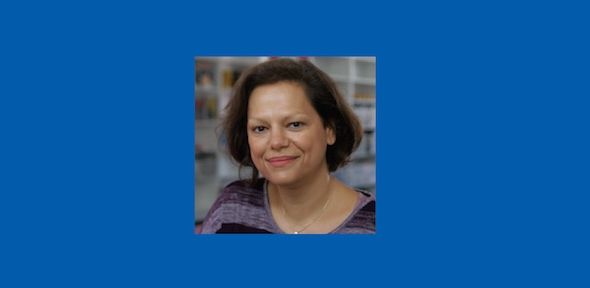
Eytan Zweigمشاهده پروفایل
مدرس ارشد
Eytan Zweig is a Senior Lecturer in the Department of Language and Linguistic Science at the University of York, where he conducts research and teaches in formal semantics and neurolinguistics. He is affiliated with the Syntax and Semantics Research Group and the Psycholinguistics Research Group, and serves as Chair of the Ethics Committee and Careers and Skills Liaison Officer. BA in English, Literature and Linguistics – Hebrew University of Jerusalem (1998–2002) PhD in Linguistics – New York University (2002–2008) His research focuses on the intersection of formal semantics and cognitive neuroscience, particularly in quantification, scalar implicature, and morphological processing. He employs experimental and neuroimaging techniques (e.g., MEG) to investigate how linguistic meaning is computed in real time. His work spans theoretical, experimental, and computational approaches to language. The recent publications reflect a strong trend in integrating formal semantic theory with psycholinguistic and neurolinguistic validation. Key themes include scalar inference processing, quotative constructions, morphological complexity effects on brain responses, and the semantics of plurality. These works span journals such as Linguistics and Philosophy , Language and Cognitive Processes , and Linguistic Variation , indicating interdisciplinary reach across theoretical and cognitive linguistics. He has served on editorial boards for prominent journals including Semantics and Pragmatics and Language and Cognitive Processes , and has acted as a reviewer for Linguistic Inquiry . His external activities include numerous invited talks at institutions such as ZAS Berlin, NYU, and Queen Mary College. Eytan Zweig supervises PhD students, including Upsorn Tawilapakul, and has secured research funding through a pump-priming grant on scalar calculation. He collaborates with scholars such as George Tsoulas and Bill Haddican on syntactic and semantic innovations. He is actively involved in research groups at York and leads projects that bridge theoretical linguistics with cognitive neuroscience, contributing to both foundational knowledge and methodological advances in the field.