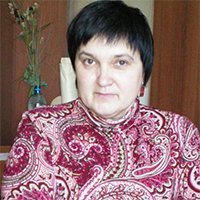
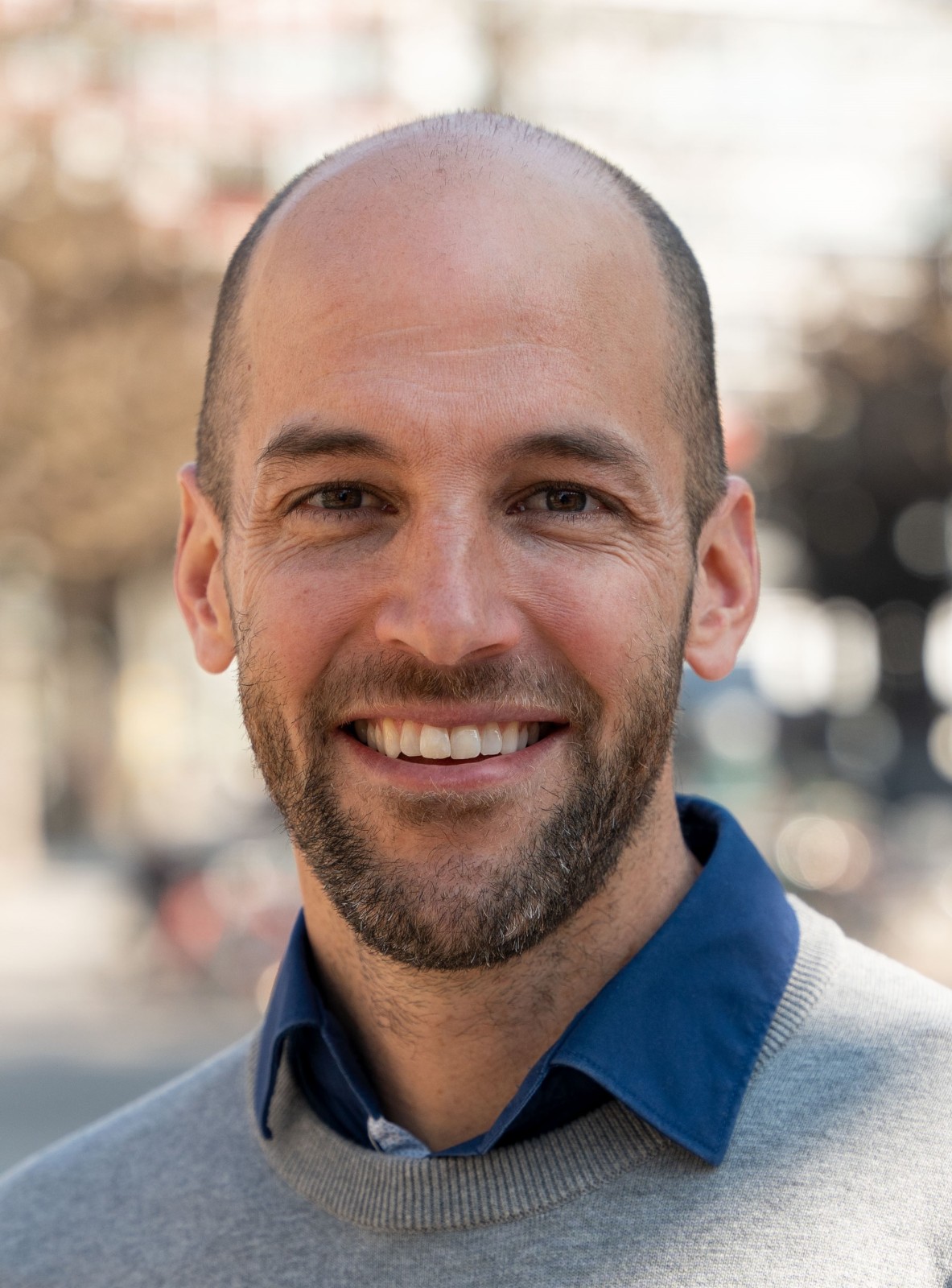
Dr. Dorota Jegorow is an Assistant Professor at the Department of Econometrics and Statistics , Institute of Economics and Finance , within the Faculty of Social Sciences at the John Paul II Catholic University of Lublin , Poland. Specializes in Econometrics , Regional Development , and European Cohesion Policy Active in Entrepreneurship , Public Finance , and Digital Technology Applications in socio-economic contexts Recipient of 2022 National Award for research on cryptocurrency volatility
Res. Assist. Dr. FATMA DEMİR is a researcher at the Department of Civil Engineering, Faculty of Engineering, Igdir University. Her academic journey includes a Ph.D. from Sakarya University (2014-2024) focusing on real-time river monitoring systems, an M.Sc. from Sakarya University (2012-2014) on flood risk assessment, and a B.Sc. in Civil Engineering from Firat University (2006-2010). Her research interests revolve around hydraulic engineering, flood risk management, and water resource systems. Key areas include real-time monitoring station development for flood warnings, climate change impacts on reservoir levels, sediment transport dynamics, and fuzzy logic applications in irrigation optimization. Her work emphasizes practical solutions for environmental challenges, such as designing flood inundation maps for urban areas and assessing disaster costs. She has contributed to projects like the Real-Time Water Level Monitoring Station Prototype for the Sakarya River and Flood Risk Assessment in Adapazarı . Dr. Demir’s publications span environmental protection, applied sciences, and hydraulic engineering journals. She actively collaborates with institutions like Sakarya University and has presented at conferences on innovative technologies in engineering and disaster management.
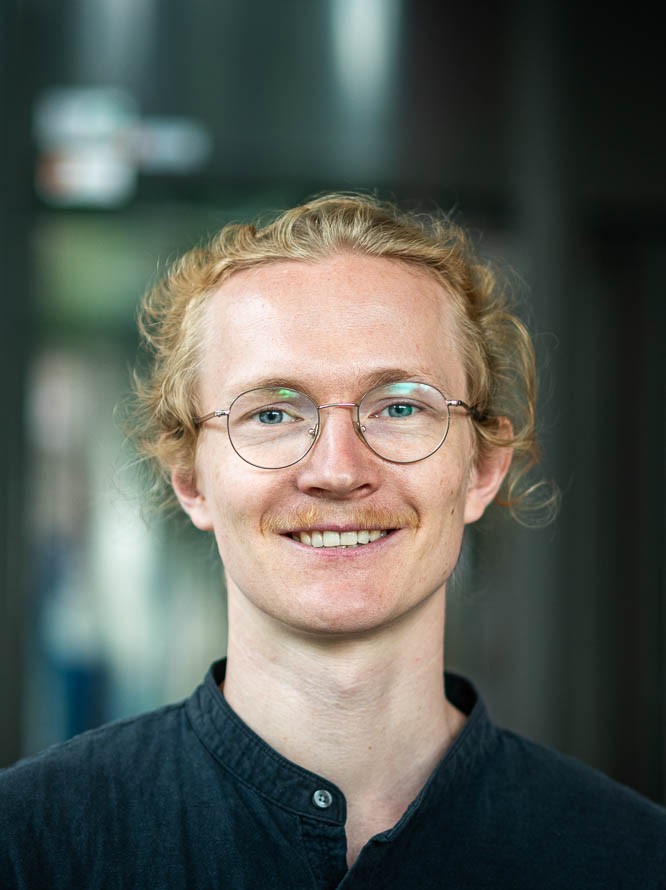
Yongtao Wu is a Doctoral Assistant and student in the doctoral program in Computer and Communication Sciences at École Polytechnique Fédérale de Lausanne (EPFL). He is affiliated with the Laboratory for Information and Inference Systems (LIONS), part of the School of Engineering (STI) and the Institute of Electrical Engineering (IEM). His research focuses on machine learning, adversarial learning, computer vision, and deep learning, with applications in vision-language models, robustness analysis, and optimization algorithms. His work explores topics such as diffusion-based purification for vision-language models, adversarial attacks on large models, and parameter-efficient fine-tuning techniques. He contributes to advancing foundational AI models and their robustness in real-world scenarios. His research also intersects with cybersecurity, structural engineering predictions, and quantum computing methodologies. Yongtao is actively involved in the LIONS lab, collaborating on projects that bridge theoretical advancements with practical applications in computer science and engineering. His doctoral studies emphasize interdisciplinary approaches to solving complex problems in AI and machine learning.
Anne Kiremidjian is the C.L. Peck, Class of 1906 Professor in Stanford University's School of Engineering, specializing in Civil and Environmental Engineering. She holds a BA in Physics from Queens College (1972), BS in Civil Engineering from Columbia University (1972), and MS/PhD in Structural Engineering from Stanford (1973/1977). Her research focuses on earthquake hazard modeling, structural resilience, and wireless sensor networks for infrastructure monitoring. Key roles include Co-Director (1987-1995) and Director (1995-2002) of the John A. Blume Earthquake Engineering Research Center. She co-founded K2 Technologies and Sensametrics, Inc., and has served on numerous national and international advisory boards, including the National Academy of Engineering and the John and Jene Blume Foundation. Her research emphasizes data-driven methods for post-earthquake damage assessment, integrating machine learning and sensor networks. Notable contributions include algorithms for structural health monitoring and frameworks for prioritizing healthcare system recovery post-disaster. Over 130 publications and 15+ honors highlight her impact, including the 2023 Thomas Egleston Medal and National Academy of Engineering membership (2021). Teaching spans decision analysis, structural engineering, and research mentorship. Her work bridges academia and industry, addressing global challenges in disaster resilience and sustainable infrastructure.
Friedrich Boeing is a Researcher at the Department of Hydrosystem Modeling in the Computational Hydrosystems unit of the Helmholtz Centre for Environmental Research − UFZ in Leipzig, Germany. He is simultaneously pursuing his PhD at the University of Potsdam under the supervision of Prof. Dr. Sabine Attinger, Prof. Dr. Thorsten Wagener, and Dr. Andreas Marx. PhD Candidate: University of Potsdam University: Helmholtz Centre for Environmental Research − UFZ Department: Hydrosystem Modeling His research focuses on drought quantification , water resource monitoring , and climate change impact assessment for Germany. He develops high-resolution drought indicators and leads knowledge transfer through the WIS-D project , collaborating with stakeholders across water sectors. Recent publications highlight his expertise in soil moisture dynamics , hydrological modeling , and climate-water interactions . His work appears in journals like Environmental Research Letters and Hydrology and Earth System Sciences . Key Projects: WIS-D, CLIMALERT, HOKLIM Collaborations: University of Potsdam, ICOS network, Zenodo data repository
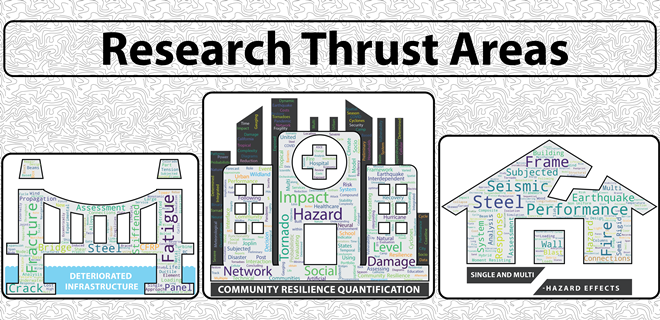
Hussam N. Mahmoud is the George T. Abell Professor in Infrastructure and Director of the Structural Laboratory at Colorado State University's Department of Civil and Environmental Engineering. He leads the SoPHIE Research Group , focusing on Sustainable and Resilient Infrastructure and Communities across three major research thrusts: community resilience quantification, multi-hazard structural performance, and deteriorated infrastructure lifecycle assessment. Key research areas include climate change adaptation , multi-hazard design , and life-cycle cost analysis for infrastructure subjected to earthquakes, wildfires, hurricanes, and climate-related deterioration. His work integrates machine learning (e.g., neural networks for wind damage prediction), hybrid simulation , and multi-resolution modeling of structural systems. Recent publications highlight interdependent recovery of healthcare/school networks , coastal community resilience to cyclones, and fatigue repair methodologies using fiber composites. Scientific Recognition Keynote speaker at international conferences (STESSA 2015, NEES Annual Meeting 2013) Invited to prestigious events: G7 One Health Summit , NASEM New Voices program Recipient of the George T. Abell Professorship, a distinguished academic honor Professional Leadership Chaired NASEM workshop on Natural Infrastructure Active in global collaborative frameworks through the InterAcademy Partnership Organizing committee member for triennial international academic conferences
Andrea Critto is a Full Professor at the Department of Environmental Sciences, Computer Science and Statistics, Ca' Foscari University of Venice. His research focuses on environmental risk assessment, climate change impacts, and coastal management. He specializes in integrating machine learning and Bayesian networks to evaluate coastal risks, water quality dynamics, and multi-hazard scenarios. Critto leads projects on Venice’s climate resilience, including flood risk modeling and participatory adaptation strategies. Affiliations: Research Institute for Complexity, Temporary Center for the Innovation Ecosystem Project Key Projects: DESYCO DSS for coastal climate impacts, Myriad-EU AI-driven risk assessment Research Interests Critto’s work bridges environmental science and policy, addressing: Climate adaptation strategies for coastal zones Machine learning applications in environmental monitoring Multi-risk frameworks for ecosystem and urban resilience Recent Focus Publications emphasize: Coastal erosion and water quality under climate change Participatory approaches to urban flood resilience Hybrid models for Venice lagoon hypoxia prediction Awards & Grants No specific awards listed, but active in EU-funded projects like Myriad-EU and BRIDGE. Labs & Teams Leads interdisciplinary teams at the Department of Environmental Sciences, collaborating with institutions like EGU and SETAC on global environmental challenges.
Andrea Tonoli is a Full Professor at the Department of Mechanical and Aerospace Engineering (DIMEAS) at Polytechnic University of Turin. He serves as Scientific Advisor for partnerships with DAYCO, ITALDESIGN GIUGIARO, and STELLANTIS, and leads Spoke 2 'Sustainable Road Vehicle' at the National Center for Sustainable Mobility (MOST). He coordinates the DIMEAS-LIM research group and participates in CARS and PEIC interdepartmental centers. His teaching includes courses on Car Body Design, Motor Vehicle Design, and Mechatronic Systems Simulation. His research focuses on electric/hybrid powertrain optimization, mechanical design of electric traction machines, energy management in autonomous vehicles, longitudinal/lateral dynamics, virtual sensors for vehicle state estimation, electro-hydraulic/electromechanical shock absorbers, and magnetic bearings. Key subfields include rotordynamic analysis, harmonic finite element modeling for turbines, maglev stability, mechatronic systems for autonomous vehicles, and sustainable transportation. Recent publications emphasize electrodynamic maglev damping, compact assistive knee prostheses, electromagnetic shock absorber testing, and multi-objective optimization of regenerative suspensions. His work spans automotive, aerospace, and biomedical domains with applications to energy recovery, vibration control, and sustainable mobility. He supervises PhD students in mechatronics and automotive engineering, and leads numerous funded research projects including SPHERE (PNRR), MINERVA (PNRR), SmartCorners (EU), and industry collaborations with Hyperloop Transportation Technologies, Dayco Europe, and Racing Force Spa.
Gongbo Chen is a Senior Research Fellow in Planetary Health at Monash University’s School of Public Health and Preventive Medicine, Faculty of Medicine, Nursing and Health Sciences. He is actively engaged in cutting-edge research on air quality, climate change, and their health impacts, leveraging satellite remote sensing and machine learning. He rejoined Monash University in 2023 after a research tenure at Sun Yat-sen University in China, where he expanded global collaborations. PhD in Planetary Health, Monash University (2015–2018) Master of Public Health, Cancer Epidemiology, Chinese Academy of Medical Sciences & Peking Union Medical College (2015) Bachelor in Health Care Management, Beijing University of Chinese Medicine (2012) Dr. Chen’s research focuses on environmental epidemiology , particularly the health effects of air pollution (PM2.5, PM1, ozone) , bushfire smoke , and climate-related exposures . He develops advanced models using satellite data and AI to predict air quality and assess health burdens. His work contributes significantly to planetary health and UN Sustainable Development Goals. The recent publications highlight a strong trend in multi-country epidemiological studies , exposure-response modeling , and global burden assessments . His research frequently appears in top journals such as The Lancet Planetary Health , International Journal of Epidemiology , and Journal of Hazardous Materials , focusing on mortality, chronic disease, and child health impacts of air pollution. ARC Discovery Early Career Researcher Award (DECRA) NHMRC Centre for Safe Air Postdoctoral Research Fellowship Monash Early Career Postdoctoral Fellowship Academic Star Award, China Scholarship Council Dean's Award for Excellence in Research - Team Award (2024) Dr. Chen mentors PhD students and leads major research projects, including the Global mortality burden of industry-related air pollution and the health and economic cost of bushfire smoke in Australia . He has secured six grants as Chief Investigator (CIA) totaling nearly $1 million. His work is supported by extensive collaborations across Australia, China, the US, UK, and Brazil. He leads the development of advanced air quality prediction models within the Climate, Air Quality Research Unit at Monash.
Massoud Zolgharni is a Professor of Computer Vision at the School of Computing and Engineering, University of West London. He joined UWL as a Senior Lecturer in 2018 and was promoted to Associate Professor in 2020. Previously, he held academic positions at the University of Lincoln and was a Research Associate at Imperial College London. He is a Fellow of the Higher Education Academy and leads the MSc Artificial Intelligence and PhD programs at UWL. BSc in Mechanical Engineering, Amirkabir University of Technology Master’s and PhD, Brunel and Swansea Universities, UK His research focuses on computer vision and medical imaging , particularly in automated cardiac imaging using AI and deep learning . His work aims to develop low-cost, non-invasive techniques for echocardiography and cardiovascular diagnostics. He has published extensively in journals such as Computers in Biology and Medicine , IEEE Transactions , and European Heart Journal . Recent publications (2023–2025) highlight his leadership in AI-driven echocardiography, including left ventricle segmentation, Doppler analysis, and multimodal seizure detection. His research integrates deep learning, signal processing, and real-world clinical validation, establishing a strong interdisciplinary profile bridging computing and medicine. Scientific Awards : Fellow of the Higher Education Academy He has secured major grants from the British Heart Foundation , including a £1.5M Programme Grant (2022–2027) on AI integration in echocardiography. He serves on university research committees, acts as Critical Reader for the School, and organizes the monthly research seminar. He teaches across a wide range of computing and AI programs, contributing to curriculum development and research supervision.
Saddam Hussain Wahla is a Researcher at the University of Florida , specializing in water management , GIS , remote sensing , and UAV-based crop health surveillance . His work integrates advanced technologies with agricultural practices to optimize resource use and enhance climate resilience. University: University of Florida Role: Researcher (mapped from Research Associate) Research Interests His expertise spans precision agriculture , irrigation systems , and climate change adaptation , with a focus on leveraging satellite data and unmanned aerial vehicles (UAVs) for crop monitoring. Recent Publications His recent studies include applications of machine learning for leaf area index predictions, micronutrient optimization in agronomy, and robotic automation for hydroponic systems. These works highlight trends in data-driven agriculture and climate stress response .
Rosa Maria Badia Sala is a Research Professor at the Universitat Politècnica de Catalunya (UPC), affiliated with the Departament d'Arquitectura de Computadors and the Barcelona Supercomputing Center (BSC-CNS). She specializes in distributed computing, heterogeneous systems, and task-based programming models. Her work focuses on advancing high-performance computing (HPC), cloud computing, and workflow management for large-scale scientific applications. She holds a Doctorat en Informàtica and has been actively involved in numerous research projects, including contributions to the COMPSs programming framework and the optimization of HPC workflows. Her collaborations span institutions like BSC-CNS and international initiatives such as JLESC. Recent research includes GPU-accelerated computing, quantum optimization algorithms, and digital twins for power networks. Badia's publications span journals like Future Generation Computer Systems and IEEE Transactions on Parallel and Distributed Systems, reflecting her expertise in parallel computing, distributed systems, and real-time data analysis. She has supervised multiple doctoral theses and contributes to research grants focused on HPC and AI integration.
Nur Yazdani is a Professor of Civil Engineering at the University of Texas at Arlington , affiliated with the College of Engineering. Her research focuses on structural engineering, non-destructive evaluation (NDE), fiber-reinforced polymer (FRP) composites for infrastructure, and hazard mitigation in coastal and wind/flood-prone regions. Bridge Engineering Concrete Durability Fire and Corrosion Resilience Machine Learning for Structural Prediction Her recent work emphasizes machine learning models for concrete strength prediction, flood mitigation in residential coastal buildings, and hybrid applications of CFRP/GFRP laminates for retrofitting bridges and concrete components. She leads the NSRI Lab , addressing infrastructure resilience through experimental and numerical studies. Scientific Awards : NSF RET Program Evaluation She integrates interdisciplinary education into her research, including collaborations with biology and architecture in classroom implementations for bridge deck evaluation and coastal resilience.
Professor Galina Yuryevna Yamskikh is a distinguished academic serving as Head and Professor at the Department of Geography within the School of Ecology and Geography at Siberian Federal University. With over 43 years of professional experience and 45 years of advanced training, she is a leading expert in paleoenvironmental research of Siberian regions, specializing in Holocene climate and vegetation reconstructions. Her scientific expertise spans palynology, paleogeography, paleoclimatology, paleolandscape science, soil geography, exogenous geomorphology, and quaternary geology. Professor Yamskikh teaches comprehensive courses including geology, geography, landscape-geoecological systems, paleogeography, and modern problems of ecology and nature management. She heads postgraduate studies in Geoecology (1.6.21) and Geomorphology and paleogeography (1.6.14), demonstrating her leadership in academic training. Professor Yamskikh's recent research (2023-2025) reveals a strong focus on paleoenvironmental reconstructions, recreational resource management in the Krasnoyarsk Basin, snow cover composition analysis, and paleogeographic tourism. Her work bridges historical environmental studies with contemporary ecological challenges, particularly examining how Holocene climate and vegetation changes inform current environmental management practices in Siberia. She has published extensively on mollusk assemblages, floodplain soils, and climate change prediction in the Krasnoyarsk forest-steppe region. Her scientific achievements have been recognized with prestigious awards: Honorary Worker of Higher Professional Education Certificate of honor of the Ministry of Education and Science of the Russian Federation Laureate of the Krasnoyarsk City Head's Prize in the field of science and education – professor's prize Professor Yamskikh actively participates in the Russian Palynological Society and Russian Geographical Society. She has completed numerous advanced training programs from 2018-2023, focusing on digital teaching methods, climate project development, and modern educational technologies. Her research collaborations span multiple Siberian institutions, with significant contributions to understanding the environmental history of the Krasnoyarsk Basin and surrounding regions through interdisciplinary approaches combining palynological, malacofaunistic, and geomorphological analyses.
Erich Fischer is a Professor at ETH Zürich's Department of Environmental Systems Science, where he leads research on climate and weather extremes. Affiliated with the Institute for Atmospheric and Climate Science, he maintains an active research program focusing on extreme weather events under climate change. His work bridges fundamental climate science with practical applications for risk assessment and policy development. Research Focus: Fischer's work centers on climate extremes, particularly heatwaves and heavy precipitation events. His research spans multiple dimensions including mechanisms of extreme events, detection and attribution of climate change signals, climate projections, and quantification of uncertainties. He investigates both global patterns and regional manifestations of climate change, with special attention to human health impacts from heat stress and the climate response to volcanic eruptions. His methodology combines observational analysis, climate model evaluation, and advanced statistical techniques for extreme event attribution. Publication Trends: Fischer's recent work shows increasing focus on compound extremes, attribution of specific events to climate change, and practical applications of climate science for risk management. His research demonstrates how climate change is altering the probability and intensity of extreme weather, with particular attention to heatwaves. The publications reveal strong collaboration across international climate research institutions and consistent publication in high-impact journals including Nature, Science, and their affiliated publications. Clarivate Highly Cited Researcher (2019-2023) Lead Author for IPCC AR6 Co-lead of WCRP Grand Challenges on Weather and Climate Extremes Professional Activities: Fischer serves as associate editor for Science Advances and co-editor for Weather and Climate Dynamics. His research informs climate policy through participation in major international assessments and development of climate scenarios for Switzerland. He maintains active collaborations with leading climate research institutions worldwide including NCAR and the University of Reading.