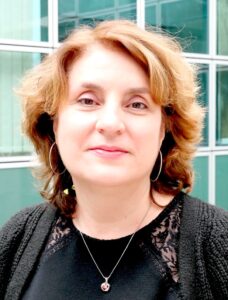
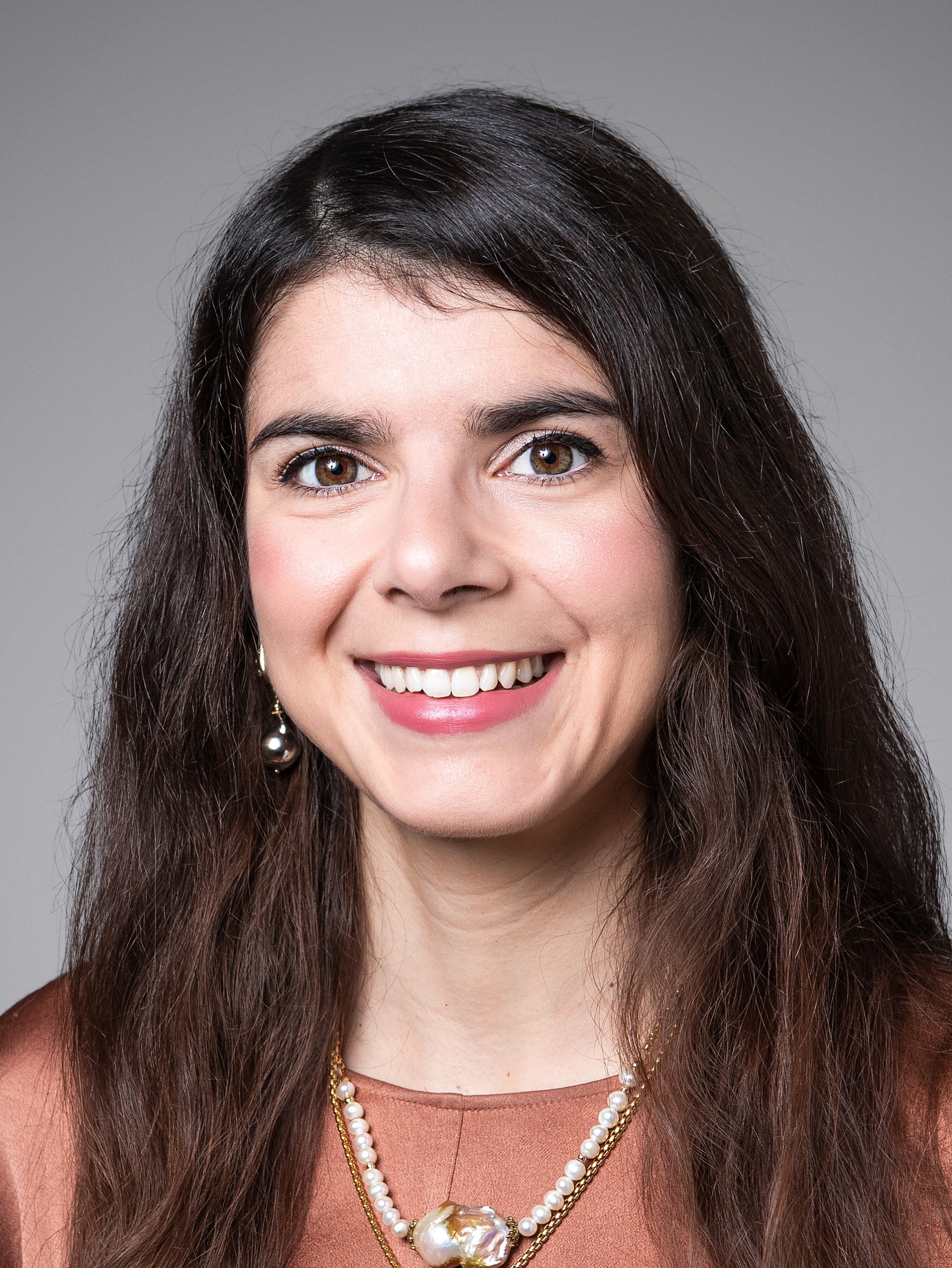
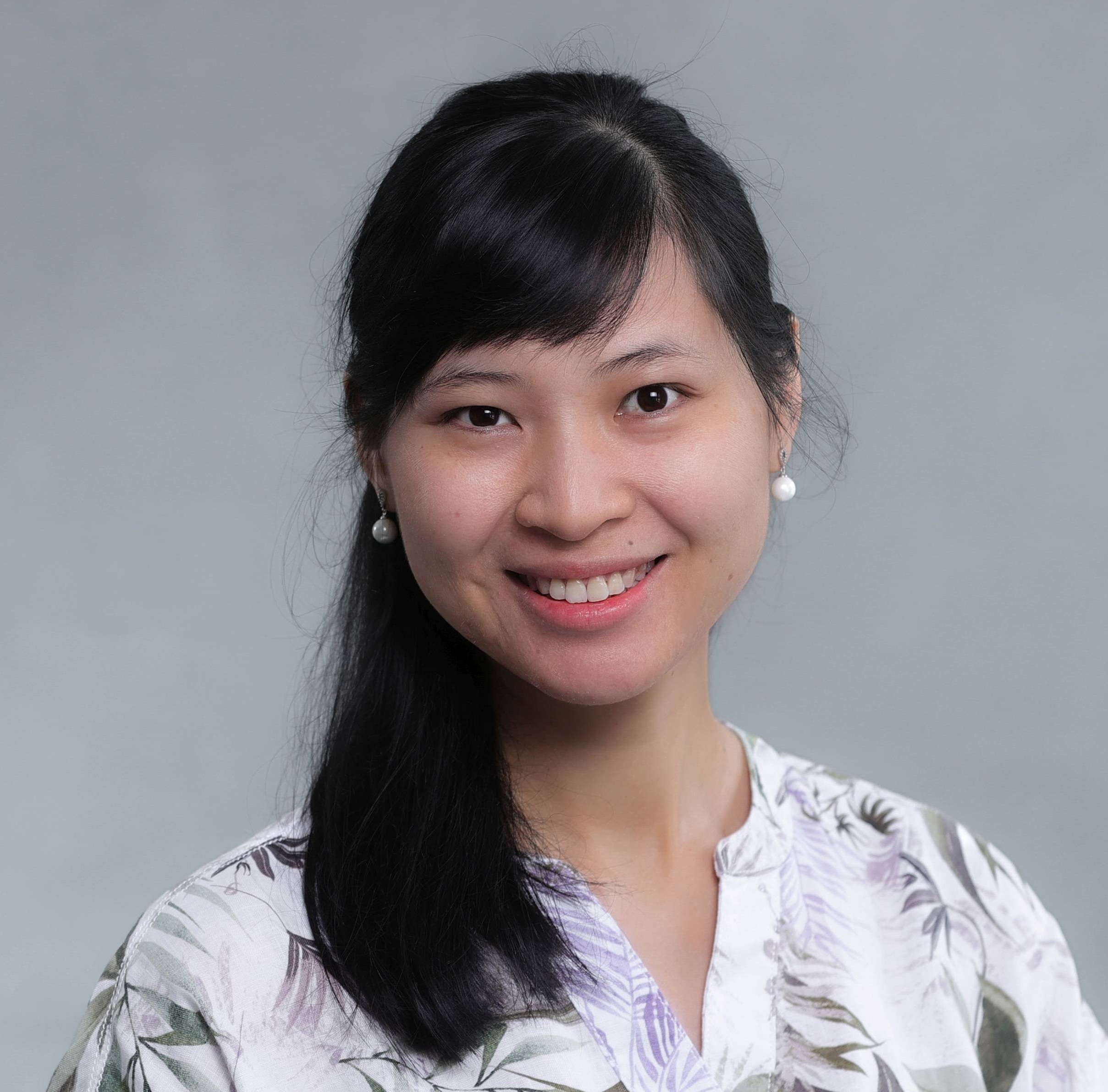
Erika Pastoráková is a Professor and Dean at the Faculty of Economics and Finance, University of Economics in Bratislava, where she also heads the Department of Insurance. She has held these leadership positions since 2019 (Dean) and 2017 (Professor). Previously, she served as Vice Dean for Education (2007–2014) and worked briefly in banking. Her academic qualifications include: Professor in Economic Policy (Prague University, 2017) Associate Professor in Finance and Banking (2008) PhD in Insurance (2000) Master's in National Economic Theory (1995) Her research examines insurance markets, risk management strategies, financial literacy, and economic policy, with a focus on transition economies like Slovakia. She employs empirical analysis and behavioral economics to study insurance consumption patterns and disaster preparedness. Recent publications (2020–2023) cluster around risk financing, insurance determinants, and financial resilience, often using Slovak case studies. Methodologies range from econometric analysis to fuzzy logic applications. She has supervised 42 bachelor's, 63 master's, and 6 PhD theses. Major grants include: KEGA 015EU-4/2020: Enhancing risk-management education (Principal Investigator, 2020–2022) APVV-23-0329: Financial literacy research (Team Member, 2024–2027) VEGA 1/0660/23: Household financial resilience (Team Member, 2023–2026) She actively participates in European academic networks through Erasmus+ exchanges in Lithuania, Spain, Hungary, and Poland.
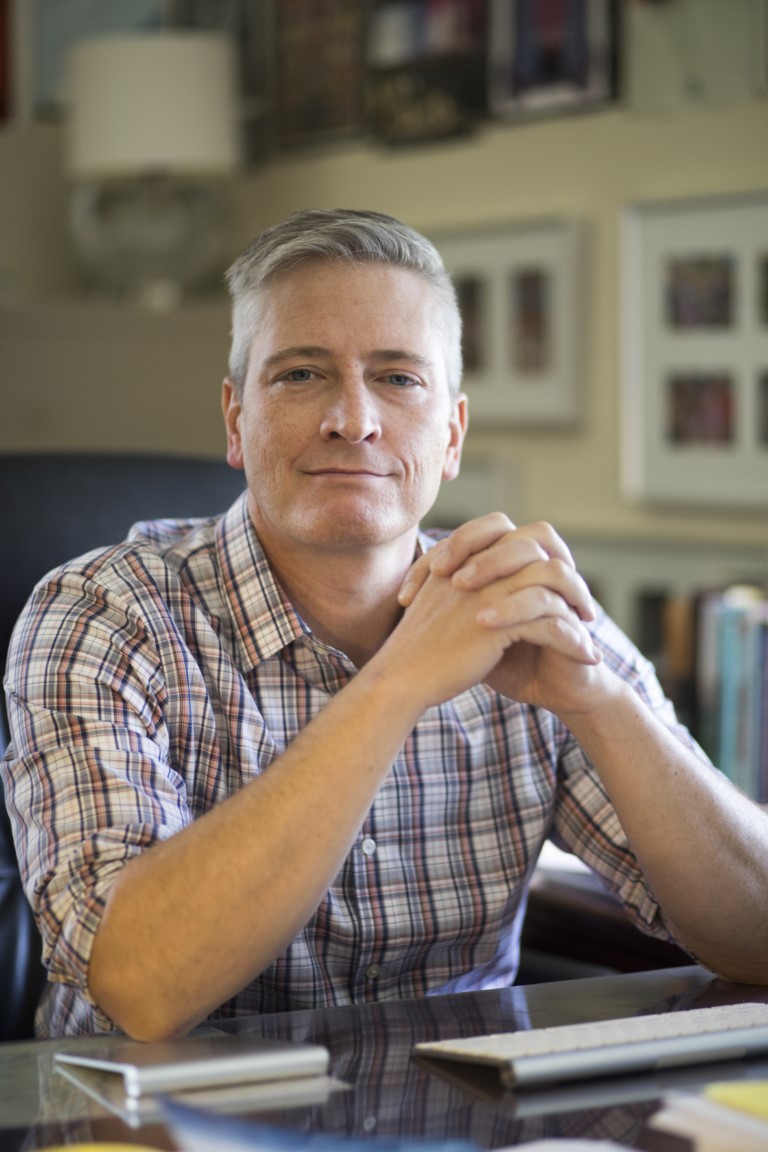
Cameron M. Ellis is an Assistant Professor and Hentges Fellow in Finance at the Tippie College of Business, University of Iowa . His research focuses on insurance economics, household finance, health economics, and public policy analysis. He has published extensively in top journals including Journal of Risk and Insurance , Econometrica , and Health Economics . Academic Rank: Assistant Professor Institution: University of Iowa College: Tippie College of Business Department: Department of Finance Research Interests: His work examines financial decision-making in insurance markets, retirement planning, healthcare policy, and disaster recovery economics. Recent studies analyze index-linked annuities, consumer collateral costs, and medical cannabis impacts on public health. Awards: Les B. Strickler Innovation in Instruction Award (2024) NAIC Research Fellowship (2023-2024) Excellence in Reviewing Award (2022-2023)
Madalina Deaconu is an Inria Research Director and Assistant Scientific Delegate (DSA) at the Inria Center of the University of Lorraine since January 2022. She leads the PASTA joint project team (Processus Aléatoires Spatio-Temporels et leurs Applications) hosted at the Institut Elie Cartan de Lorraine (IECL). Her academic affiliation is with the Faculty of Science and Technology at the University of Lorraine, where she conducts research in probability theory and stochastic modeling. She serves on multiple committees including the Inria Evaluation Commission, the Geophysics Program Committee of the RT CNRS "Earth & Energies", and has held leadership positions including Director of the Charles Hermite Federation (2018-2022). Dr. Deaconu completed her Habilitation à diriger des recherches (HDR) at Université Henri Poincaré – Nancy 1 in 2008 and earned her PhD in Stochastic Processes and Partial Differential Equations from the same institution in 1997. Habilitation à diriger des recherches (HDR), Université Henri Poincaré – Nancy 1, France, 2008 PhD in Stochastic Processes and Partial Differential Equations, Université Henri Poincaré – Nancy 1, France, 1997 Madalina Deaconu's research focuses on stochastic modeling with applications across multiple domains. Her primary areas include data-enriched stochastic modeling, probabilistic approaches to coagulation/fragmentation models, numerical methods for diffusion reach times, and stochastic methods for linear and nonlinear partial differential equations. Her work bridges theoretical probability with practical applications in environmental science, geophysics, and actuarial science. She develops innovative probabilistic simulation methods and analyzes random spatio-temporal processes, with particular emphasis on fragmentation equations, Bessel processes, and Hawkes processes. Her research has significant applications in modeling avalanches, natural disasters, insurance risk assessment, and hydrochemical data analysis. She has established international collaborations with researchers from University of Turin, University of Uruguay, and institutions in Bucharest, as well as national collaborations with University of Burgundy and INRAE Grenoble. Analysis of Dr. Deaconu's recent publications reveals a consistent focus on fragmentation processes and stochastic modeling approaches. Her work spans theoretical developments in probability theory, numerical methods for stochastic processes, and practical applications in environmental science and actuarial mathematics. A notable trend is her increasing focus on Bayesian inference methods and point process applications, particularly for environmental and insurance contexts. Her most recent work demonstrates strong interdisciplinary connections, applying stochastic methods to hydrochemical data analysis, insurance recommendation systems, and natural disaster modeling. The consistent thread throughout her publications is the development and application of sophisticated probabilistic techniques to solve complex real-world problems. Dr. Deaconu has received recognition for her contributions to research: Paper and Poster award at EWEA 2015 (European Wind Energy Association) Plenary speaker at the 14th International Conference on Monte Carlo Methods and Applications (MCM23) While specific student names aren't listed in the provided text, Dr. Deaconu is involved in doctoral training through the IECL and supervises research in stochastic modeling. She coordinates multiple research collaborations including industrial partnerships with Le Foyer Luxembourg and SnT Université du Luxembourg (2018-2022). Her teaching activities include Stochastic Modeling at Master 2 level, Stochastic Differential Equations at École des Mines de Nancy, and Monte Carlo Simulation for Financial Market Engineering. Dr. Deaconu leads the PASTA research team (Processus Aléatoires Spatio-Temporels et leurs Applications), a joint Inria project hosted at IECL. She previously directed the Charles Hermite Federation (2018-2022), which brought together three major research laboratories: CRAN (Automatic Control), IECL (Mathematics), and LORIA (Computer Science). Her work is centered at the Institut Elie Cartan de Lorraine, a mathematics research institute affiliated with the University of Lorraine, where she contributes to both theoretical developments and practical applications of stochastic methods across multiple scientific domains.
Craig Landry is a Professor in the Department of Agricultural & Applied Economics at the University of Georgia's College of Agricultural & Environmental Sciences. His research focuses on natural resource economics, nonmarket valuation, experimental economics, and coastal resource management. Dr. Landry earned his Ph.D. in Agricultural and Natural Resource Economics from the University of Maryland in 2004, along with multiple advanced degrees in related fields from the University of Georgia and Maryland. Research Interests Natural Resource Economics Nonmarket Valuation Coastal Risk Analysis Applied Econometrics Climate Adaptation Modeling Recent Work Trends Quantifying ecosystem service benefits of natural infrastructure Investigating flood risk perception and insurance uptake Modeling coastal homeowners' adaptive responses to climate change Developing econometric frameworks for recreation demand and environmental valuation Analyzing shoreline modification impacts on biodiversity
FEYZA ÖZDİNÇ is an academic faculty member at Gaziantep University's Faculty of Economics and Administrative Sciences , Department of Economics. She holds a PhD in Economics from Hacettepe University (2023) and has completed a postdoctoral program at City St. George's, University of London (2025). Education : PhD (2018-2023) and Postdoctoral (2025) at Hacettepe University and City St. George's; MA (2010-2012) at University of North Carolina Charlotte; BA (2002-2006) at Gaziantep University. Her research focuses on Behavioral Economics and its intersections with Microeconomics , Development Economics , and Monetary Economics . Recent work includes analyzing behavioral biases during economic crises, poverty dynamics in Turkey, and natural disaster risk management through behavioral frameworks. Key publications highlight trends in Experimental Economics , Financial Behavior , and Policy Design , particularly in contexts like the global financial crisis, climate change risks, and the economic impacts of pandemics. Scientific Awards : Kamu Yurtdışı Eğitim Bursu (2009) Yurt Dışı Lisansüstü Eğitim Bursu (MEB-YLYS) PhD Fellowship Program by UNU-WIDER She has served as a Research Assistant at Gaziantep University since 2013, advised graduate theses, and participated in international conferences (Athens, Rome, Barcelona, etc.). Her professional memberships include Türkiye Ekonomi Kurumu (2024) and the American Economic Association (2017). She teaches courses in Mikroekonomik Teori , Mesleki İngilizce , and Hazine İşlemleri .
Yiling Deng is an Associate Professor of Insurance & Risk Management at the College of Business, University of Central Arkansas. Her research spans insurance markets, financial economics, and risk management practices, with additional interests in environmental economics and policy analysis. Research Interests: Dr. Deng specializes in insurance industry dynamics, tort reform economics, and organizational learning in post-crisis environments. Her work also explores timber insurance mechanisms, landowner decision-making, and corporate financial strategies in sectors like oil and gas. Selected Publications (2015-2025): Her recent work analyzes government guarantees in insurance, household portfolio impacts on life insurance demand, and ESG ratings in energy sector capital structures. Earlier studies focus on catastrophe risk, tort reform drivers, and forest management economics.
David L. Kelly is a Professor of Economics at the University of Miami 's Miami Herbert Business School , where he also serves as the Academic Director of the MS in Sustainable Business and Co-Chair of the Sustainable Business Research Cluster. His research and teaching focus on environmental economics, climate policy, and sustainable business practices. Education: Ph.D. in Economics, Carnegie Mellon University (1995) M.S. in Economics, Carnegie Mellon University (1991) B.S. in Mathematical Economics (Honors), Wake Forest University (1989) Research Interests: Kelly's work centers on environmental economics , particularly the design of climate policies under uncertainty, the economics of natural disasters, and the intersection of sustainability and business strategy. He explores how learning and uncertainty affect macroeconomic and financial outcomes, with applications to regulation, risk management, and long-term environmental planning. Publications & Impact: His recent publications address solar geoengineering, coastal adaptation strategies, and the economic valuation of climate resilience infrastructure. A recurring theme is the integration of fat-tailed risk distributions into environmental policy design, highlighting the importance of precautionary approaches in the face of potentially catastrophic climate outcomes. Awards & Recognition: Multiple Excellence in Teaching Awards (2020–2024) Roberta Bosey Fullbright Foote Prize for Sustainability (2024) Excellence in Research Award, UM School of Business (2000) William Larimer Mellon Fellowship (1989–1992) Advising & Grants: Kelly has supervised six PhD students to completion and currently advises Kevin Sterling. His funded research includes ULINK grants on coastal resilience and climate gentrification, as well as projects on sustainable banking and environmental regulation. Teaching & Outreach: Beyond his research, Kelly teaches MBA and MS-level courses in managerial economics, game theory, and sustainable business. He is an active contributor to the Association of Environmental and Resource Economists (AERE), having hosted its 2020 summer conference and served on its program committee for over a decade.
Despoina Makariou serves as Assistant Professor of Risk Management and Insurance at the University of St. Gallen and holds a Visiting Research Fellow position in Statistics at the London School of Economics and Political Science (LSE). Her academic journey includes a PhD in Statistics from LSE (2017-2022), an MSc in Insurance & Risk Management from Cass Business School (2012-2013), and a BA in Economics and International Business from the University of Macedonia (2008-2012). Dr. Makariou's research centers on machine learning in insurance and finance, catastrophe risk management, and insurance-linked securitisation. She develops and applies statistical learning methods to address challenges in insurance pricing, risk modeling, and alternative risk transfer. Her work bridges theoretical statistics with practical applications in the insurance industry. Recent publications demonstrate a trend toward integrating advanced machine learning techniques (such as random forests and finite mixture models) with traditional actuarial science to improve catastrophe bond spread prediction, claim count modeling, and expert opinion aggregation for risk measures. She has been recognized with scholarships for academic excellence and research potential, and holds an Advanced Chartered Insurance Institute Diploma. Her industry experience spans roles at CNA Hardy, Argo Group, and Lancashire Insurance in catastrophe risk modeling and (re)insurance pricing. Dr. Makariou is affiliated with the Institute of Insurance Economics at the University of St. Gallen, contributing to research and education in risk management and insurance.
Professor Satoshi Nakaide serves as Professor at Waseda University's Faculty of Commerce, where he also holds the position of Program Director for the Global Management Program. With a Doctor of Commerce from Waseda University (2015) and an LL.M from University of London (1993), his academic credentials are complemented by extensive industry experience having worked for Tokio Marine Insurance Company for 28 years. His research focuses on marine insurance, non-life insurance, insurance law, and protection of financial consumers. Professor Nakaide has made significant contributions to understanding insurance contract principles, particularly in non-mass risk scenarios, reinsurance mechanisms, and marine insurance law. His recent work examines the intersection of insurance with sustainable development goals and the evolution of flood insurance systems. Professor Nakaide maintains an active international presence as Vice-Chairman of the Marine Insurance Working Group of the International Association of Insurance Law (AIDA) and Executive Director of the International Academy of Financial Consumers (IAFICO). His research output demonstrates consistent engagement with contemporary insurance challenges across Japanese, European, and global contexts. Okuma Academic Encouragement Award (2018) Japanese Society of Insurance Science's Award (2016) Shoichi Sumita Maritime Technology Encouragement Award (2012) Yamagata Katsumi Award (Book Award) (2012) Professor Nakaide serves on numerous influential committees including the Agency Business Quality Council of the General Insurance Association of Japan, the Japan Loss Appraisal Association, and the Ministry of Health, Labor and Welfare's Seamen's Insurance Council. He has advised government bodies including the Financial Services Agency and Ministry of Finance on insurance regulation. His leadership extends to directing Waseda University's Research Institute of Business Administration, where he oversees significant research initiatives in commercial insurance law. His research projects examine cutting-edge topics including non-mass risk insurance theory, corporate insurance contract law in harmony with global standards, and insurance systems for natural disasters. Professor Nakaide has led international collaborative efforts such as the Principles of Reinsurance Contract Law (PRICL) project, contributing to global insurance law development.
V. Carlos Slawson Jr. is the Latter & Blum Distinguished Professor of Real Estate and Professor of Finance at Louisiana State University's E. J. Ourso College of Business, where he also serves as Associate Director of the Real Estate Research Institute. Joining LSU in 1995, he chaired the Finance Department from 2007-2015 and maintains active research in real estate finance and housing markets. His academic credentials include: PhD in Business Administration / Real Estate, University of Georgia (1995) MBA in Business Administration, University of Georgia (1992) BSBA in Accounting, University of Southern Mississippi (1991) Slawson's research centers on quantitative modeling of mortgage markets, housing economics, and securitization. His work examines asymmetric information in subprime lending, flood insurance mechanisms, and mortgage prepayment dynamics, contributing foundational insights to real estate finance. The interdisciplinary nature of his research bridges finance, economics, and policy analysis. Publication trends over 25 years reveal consistent output in premier real estate journals, with recent focus on flood insurance (2020) and historical analysis of subprime mortgages (2011-2012). His work demonstrates methodological rigor in econometric modeling and practical relevance to housing policy. Professor Slawson has earned significant recognition for his academic contributions: Latter & Blum Inc. Distinguished Professor of Business Administration Jacobs Professor of Excellence Award (2018) As Associate Director of the Real Estate Research Institute, Slawson leads collaborative research initiatives connecting faculty expertise with industry applications in real estate finance and housing markets.
Dr. Thi Xuyen Tran is a Researcher at Helmut Schmidt University Hamburg and Associate at Hamburg Institute of International Economics (HWWI) since April 2022, specializing in socioeconomic impacts of natural disasters in Vietnam. Her academic background includes: Master's degree in Mathematical Economics from National University of Economics, Hanoi Doctorate in Economics from Helmut Schmidt University Hamburg (supervised by Prof. Dr. Michael Berlemann) Her research integrates applied econometrics with environmental and development economics to analyze disaster-induced behavioral changes. Key investigations cover agricultural adaptation (crop-to-livestock shifts post-typhoon), migration patterns (temporary vs. permanent displacement from floods/droughts), and insurance market dynamics in developing economies. Methodologically, she combines georeferenced hazard data with household surveys using difference-in-differences and panel regression techniques. Recent publications (2020-2025) reveal consistent Vietnam-focused findings: extreme weather events trigger measurable socioeconomic adaptations, with regulatory frameworks critically influencing resilience outcomes. Her work demonstrates how disaster exposure reduces insurance uptake but can be counteracted through policy interventions.
Dr. Ahmet Şahin is an Assistant Professor at Adıyaman University, Besni Ali Erdemoğlu Vocational School in the Department of Finance-Banking and Insurance. He has been continuing his academic career at the university since February 2011, following professional experience at Türkiye Finans Katılım Bankası from 2007 to 2011. Dr. Şahin completed his doctoral studies in Accounting and Finance at İnönü University, Institute of Social Sciences, in 2023, after earning his master's degree in Business Administration from Gaziantep University in 2016. His academic journey began with a Bachelor's degree in Business Administration from Kırıkkale University in 2005. His research primarily focuses on Participation Banking (Islamic Finance), Financial Analysis, and Interest-free Finance. Dr. Şahin has published extensively on the structural development of participation banks, financial performance analysis of Islamic financial institutions, and market orientation in banking. His recent work explores compulsory earthquake insurance and digital banking applications in participation banks, reflecting his commitment to addressing contemporary financial challenges. Dr. Şahin's publication record includes 10 proceedings, 1 book titled "Current Research in Islamic Finance and Accounting" (2022), and 6 journal articles. His work has received citations, with particular recognition for his research on the financial performance analysis of participation banks. Among his notable achievements: Current research project on Compulsory Earthquake Insurance in Türkiye (2023-present) Author of the book "Current Research in Islamic Finance and Accounting" (2022) Multiple publications analyzing participation banking systems in Türkiye Research on the impact of digital transformation on banking services Dr. Şahin serves as Deputy Director of the Vocational School since 2022 and previously held the position of Department Head from 2013 to 2016. His teaching portfolio spans various finance and banking courses at both associate and bachelor's degree levels, demonstrating his commitment to education and student development in the financial sector.
Claus Munk is a Professor at Copenhagen Business School's Department of Finance, where he researches dynamic asset allocation, life-cycle financial planning, and housing economics. His work employs stochastic modeling to analyze consumption-investment decisions under uncertainty. Research interests focus on: Optimal portfolio strategies across life stages Housing market interactions with financial decisions Retirement savings mechanisms and decumulation Stochastic interest rate and income risk modeling Welfare implications of financial regulations Publication analysis reveals consistent focus on life-cycle finance since 1998, with recent emphasis on retirement systems (2019), mortgage structures (2018), and ETF-based portfolios (2024). Methodologically, his work combines theoretical frameworks with empirical validation using household data. Professor Munk maintains research collaborations with Goethe University Frankfurt economists and co-advises projects through Copenhagen Business School. His personal academic website is available at: http://sites.google.com/view/clausmunk/home
Harrison Hong is the John R. Eckel, Jr. Professor of Financial Economics at Columbia University's Department of Economics, where he also serves as Vice Chair for Finance and Director of the Program for Economic Research (PER). His academic career is firmly established at one of the world's leading research institutions, with his work spanning multiple domains within financial economics. Hong received his Ph.D. from MIT, establishing the foundation for his distinguished research career. His educational background at one of the premier economics programs has positioned him as a leading scholar in financial economics. Professor Hong's research spans several interconnected domains with remarkable breadth and depth. His early work focused on behavioral finance phenomena such as underreaction, momentum trading, and overreaction in asset markets. Over time, his research agenda has evolved to address increasingly complex financial phenomena, including market microstructure, social interactions in finance, and more recently, climate finance and pandemic risk modeling. His current research demonstrates a clear trajectory toward examining how financial markets process and respond to systemic risks, particularly those related to climate change and global health crises. The increasing prominence of sustainability, ESG factors, and climate risk in his recent publications reflects both his intellectual adaptability and the evolving priorities of financial economics as a discipline. Among his notable professional recognitions is the John R. Eckel, Jr. Professorship of Financial Economics, an endowed chair position that represents significant institutional recognition of his scholarly contributions. While specific awards aren't detailed in the available information, this prestigious appointment underscores his standing within the academic finance community. Serves as Director of Columbia's Program for Economic Research (PER) Vice Chair for Finance in the Economics Department Extensive research funding supporting his work on market dynamics, climate finance, and pandemic economics As Director of the Program for Economic Research, Professor Hong oversees a significant research infrastructure at Columbia University that supports empirical and theoretical economic research. His leadership in this capacity positions him at the nexus of academic research and policy-relevant economic analysis, particularly in areas where finance intersects with broader societal challenges.
Dr. Han Li is an Associate Professor at the Centre for Actuarial Studies within the Department of Economics at the University of Melbourne. She also serves as an Associate Investigator at the ARC Centre of Excellence in Population Ageing Research. Previously, she held academic positions at the University of New South Wales and Macquarie University (2016-2021). Her educational background includes: PhD in Econometrics and Business Statistics from Monash University Bachelor of Commerce (Honours) in Actuarial Studies from University of Melbourne Her research focuses on: Longevity and mortality risk modeling using advanced statistical methods Impact of climate change on insurance systems Ageing populations and retirement security Catastrophe bond pricing and extreme event forecasting She applies econometric techniques to actuarial challenges, with particular emphasis on forecasting methodologies. Recent publications demonstrate strong focus on mortality forecasting (2025), catastrophe modeling (2025), and health disparities (2024), with consistent application of statistical and machine learning approaches across insurance and demographic research. Awards and recognition: 2023: Dean's Research Engagement and Partnership Award (University of Melbourne) 2018: Mollie Holman Doctoral Medal for Thesis Excellence (Monash University) Research funding sources include: Australian Research Council (ARC) Society of Actuaries Casualty Actuarial Society Australia-Germany Joint Research Cooperation Scheme (DAAD) Major projects include 'Catastrophe Loss Prediction via NLP' (2022-2025) and 'Quantitative Analysis of Systemic Risk in Insurance'.