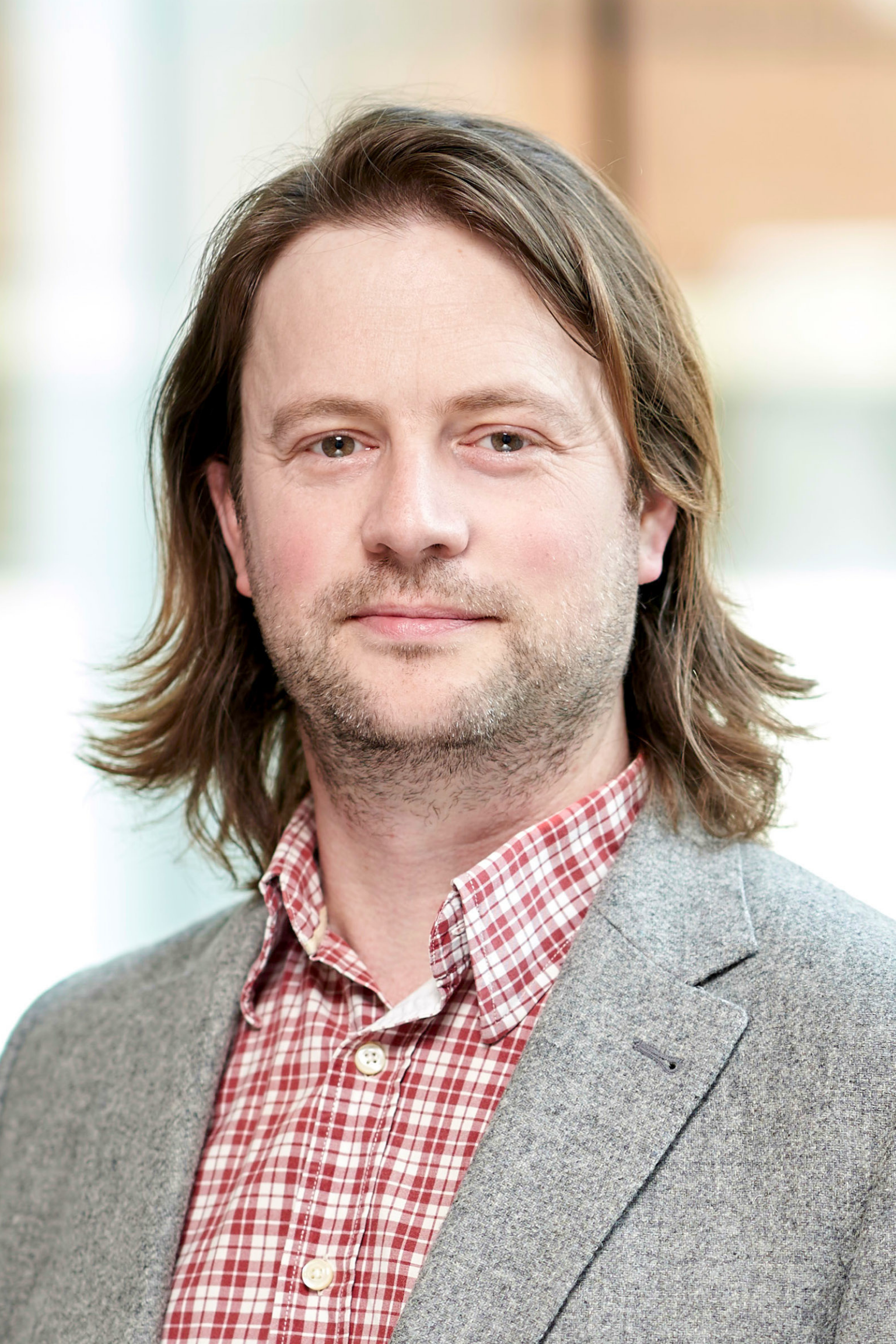
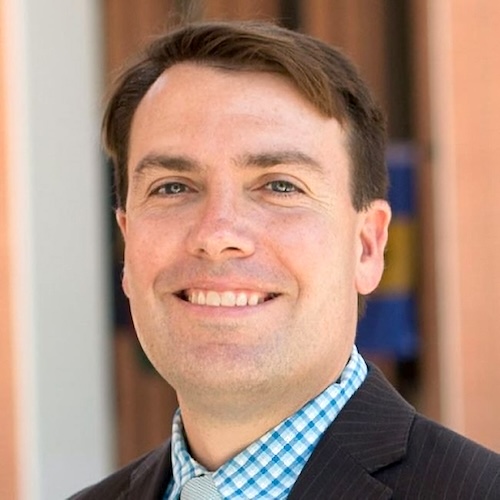
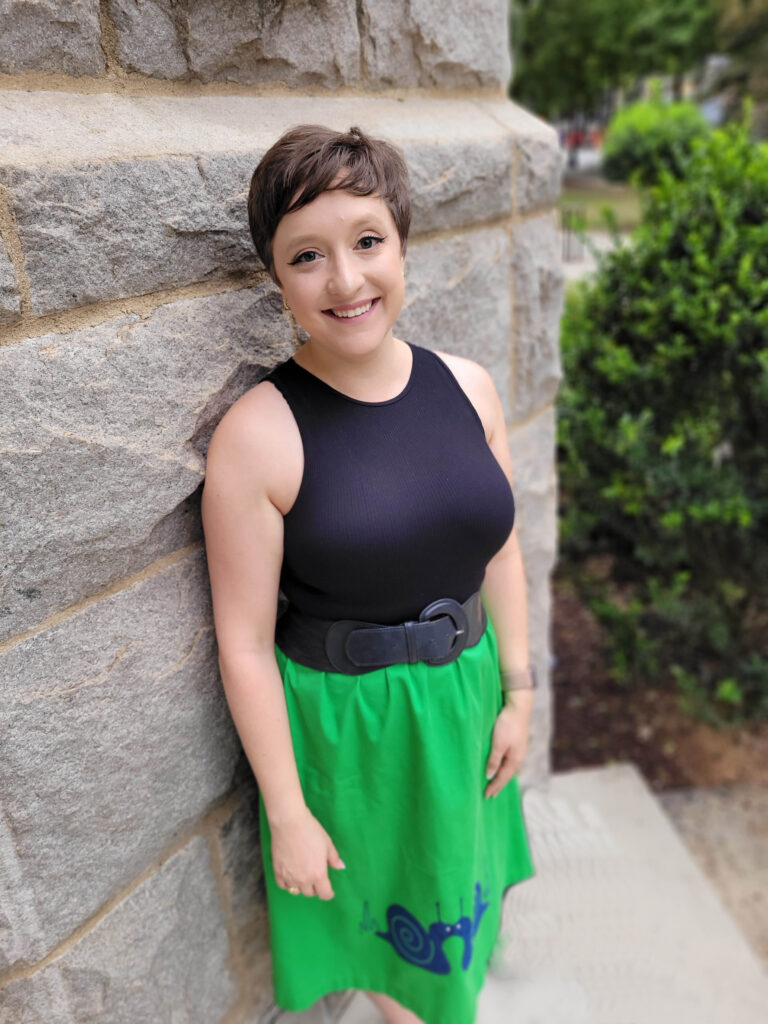
Renu Barton-Hanson is Associate Professor in Law at Middlesex University, specializing in medical law and disability rights. Her research focuses on legal frameworks for decision-making capacity, sterilization ethics, and reforms to best interests principles in healthcare law. Publications examine tensions between patient autonomy and protective legal mechanisms, particularly regarding intellectual disabilities and mental health legislation.
Neal Martin Kingston is a University Distinguished Professor in the Department of Educational Psychology at the University of Kansas. He serves as Director of the Achievement and Assessment Institute (AAI) and Vice Provost for Jayhawk Global and Competency-Based Education. His work focuses on large-scale assessment, learning maps, and psychometric methods. He leads AAI, overseeing 400+ staff and 150+ temporary employees, managing projects like the Dynamic Learning Maps Alternate Assessment. Education includes a B.A. from SUNY Stony Brook (1974) and multiple degrees from Teachers College, Columbia University: M.A. (1977), M.Ed. (1978), M.Phil. (1983), and Ph.D. (1983) in Educational Measurement. Research emphasizes integrating assessment with learning, including formative assessment, games-based testing, and support for students with disabilities. Over 250 grants funded his work, notably the Dynamic Learning Maps project (then KU’s largest grant). Notable awards include the University Distinguished Professor title. His advising spans 17 listed students, many now in academia or assessment roles. Key labs include the AAI, involved in projects like I-SMART and Kansas Assessment Program.
Beth Tauke serves as Associate Professor in the Department of Architecture at the School of Architecture and Planning, University at Buffalo, State University of New York. Her office is located at 318 Hayes Hall, Buffalo, NY 14214, with contact via phone (716-829-5892) and email (tauke@buffalo.edu). Professor Tauke's research centers on inclusive design and design education, with particular focus on empowering underrepresented groups through architectural solutions. She co-authored Inclusive Design: Implementation and Evaluation (Routledge, 2018) and co-edited Diversity and Design: Understanding Hidden Consequences (Routledge, 2016), establishing foundational frameworks for equitable design practices. Her work bridges theoretical scholarship with community-centered applications, emphasizing design's role in social justice. Analysis of her recent publications reveals consistent exploration of universal design implementation across educational, residential, and cultural contexts. Her research trajectory shows increasing focus on intersectional approaches, examining how race, disability, and aging intersect with spatial design. Notable themes include adaptive housing solutions, museum accessibility innovations, and critical examinations of design's hidden consequences for marginalized communities. Professor Tauke's scholarly contributions have been recognized with prestigious awards: National Institute for Architectural Education Award American Collegiate Schools of Architecture Robert R. Taylor Award Lily Endowment Teaching Award Gary Day Award State University of New York Chancellor’s Award for Excellence in Teaching President Emeritus and Mrs. Meyerson Award for Distinguished Undergraduate Teaching and Mentoring American Institute of Architects - Western New York Chapter: Outstanding Mentor Award She has secured significant research funding as co-PI on three National Endowment for the Arts grants: Universal Design Identity Program, Bridging the Gap: Increasing Access to Universal Design to Meet the Needs of African American Communities, and The State of Universal Design Education in University-Level Design Curricula. Professor Tauke's primary professional mission advocates for integrating design literacy into global general education curricula, positioning it as essential for 21st-century societal understanding.
Ryan Kilmer is a Professor and Chair of the Department of Psychological Science at the University of North Carolina at Charlotte (UNC Charlotte). He holds a Ph.D. in Clinical Psychology from the University of Rochester (1999). His work focuses on child clinical-community psychology, emphasizing resilience in at-risk children, trauma recovery, and evaluative research guiding systemic changes in mental health services. He leads the Community Psychology Research Lab and contributes to the university’s Social Aspects of Health Initiative. Key roles include serving as Chair of Psychological Science, former Senior Fellow for Faculty Engagement at urbanCORE, and Director of the Social Aspects of Health Initiative. His research spans natural disasters (e.g., Hurricane Katrina), military families, sibling dynamics in mental health challenges, and systems of care for child mental health. Publications highlight trauma’s impact on children, posttraumatic growth, and community-based interventions. Collaborations with organizations like Mayfair Elementary and community-university partnerships underscore his commitment to applied research. Teaching includes courses on community psychology, developmental psychology, and personality assessment.
Jennifer C Madigan is an Associate Professor in the Department of Special Education at San José State University's College of Education. She holds a Doctor of Education from the University of San Francisco (2002) specializing in Special Education, alongside teaching credentials in Elementary Education, History, and Education for Mild to Moderate Disabilities. Her research focuses on single-gender special education models for female students, culturally responsive teaching practices, and gender equity in educational settings. She has received federal and private grants for studies on gender issues in special education, with publications in journals like Advances in Gender and Education and Principal Leadership . Dr. Madigan co-authored Mentorship of Special Educators , addressing teacher retention and support strategies. Her work emphasizes collaboration between educators and administrators, with a focus on inclusive practices. She has presented nationally and internationally on special education equity, single-sex classrooms, and culturally responsive pedagogy. Dr. Madigan's research often intersects with urban education challenges and the needs of linguistically diverse student populations.
Peter Lewis is an Associate Dean (Research and Graduate Studies) and Associate Professor at Ontario Tech University's Faculty of Business and Information Technology, holding a Canada Research Chair in Trustworthy Artificial Intelligence. He specializes in socio-technical systems, self-aware computing, and AI ethics. His work bridges foundational AI research with practical applications in industry, emphasizing trust, collective action, and socially intelligent systems. Education PhD in Computer Science, University of Birmingham, UK MSc in Natural Computation, University of Birmingham, UK BSc in Computer Science, University of Leicester, UK PGCert in Learning and Teaching Higher Education, Aston University, UK Research Interests His research focuses on trustworthy AI, self-aware systems, and the societal implications of AI. Key areas include explainable AI for accessibility, ethical AI governance, and modeling social institutions. He co-edited Self-Aware Computing Systems and serves on editorial boards for IEEE journals. Publications & Awards Over 75 peer-reviewed papers in journals/conferences Winner of the 2020 Aston Achievement Award for Business Engagement Best Paper Award at IEEE SASO 2018 Labs & Collaborations He leads research in the Business Analytics & AI group, collaborating on projects with industry partners. His work addresses real-world challenges in AI ethics, sustainability, and human-AI collaboration.
Sean Ahlquist is an Associate Professor of Architecture at the University of Michigan's Taubman College of Architecture and Urban Planning, where he serves as Director of the Master of Science in Digital Material Technologies (DMT) program. He leads the Lab for Socio-material Architectures and is a member of the Cluster in Computational Media and Interactive Systems, connecting architecture with material science, computer science, and performing arts technology. His research centers on developing malleable, sensory-responsive environments that foster social behavior for individuals with disabilities, particularly children with autism spectrum disorder. This work, inspired by his autistic daughter Ara, employs industrial knitting technologies and involves collaborations across disciplines including materials science, civil engineering, kinesiology, psychiatry, and behavioral science. His installations have been featured at the Venice Architecture Biennale, Lincoln Center's Big Umbrella Festival, and various educational and therapeutic settings. Ahlquist's publications and projects explore themes of inclusive design, computational material systems, and neurodiverse spatial experiences. His work demonstrates how architecture can leverage computational design and material technologies to create more inclusive spaces for underserved communities. ACADIA Innovative Research Award of Excellence (2020) Featured in ARCHITECT Magazine as Game Changer (2022) Recipient of U-M Sustainability Catalyst Grants (2024) Ahlquist teaches across all academic programs at Taubman College, from undergraduate to PhD levels. His students engage in multi-year collaborations with the Ann Arbor Center for Independent Living (AACIL), developing design methodologies that integrate disability theory with technical material fabrication skills. His work with the local Ann Arbor community includes partnerships with public schools, children's museums, and disability organizations to create inclusive environments that address real-world challenges.
Benjamin Henwood, PhD, MSW is the Frances L. and Albert G. Feldman Professor of Social Policy and Health at the University of Southern California (USC). He directs the Center for Homelessness, Housing and Health Equity Research at the USC Suzanne Dworak-Peck School of Social Work and holds a secondary appointment in the USC Chan Division of Occupational Science and Occupational Therapy. His research focuses on housing and health equity for marginalized populations, with expertise in Housing First policies and interventions for vulnerable groups. Education: PhD (2011) and MSW (2004) from New York University, MA (1999) from Swarthmore College, and BA (1997) from an unspecified institution. He has led major initiatives like the Grand Challenge to End Homelessness and serves as methodological lead for the Greater Los Angeles Homeless Count. Research interests include homelessness prevention, housing policy integration, and aging populations in supportive housing. His work bridges clinical interventions and policy, emphasizing data-driven solutions to systemic issues. Notable awards include the Slavin-Patti Award (2020) and Sterling K. Franklin Award (2017) . He has secured funding from the NIH, NSF, and private foundations like the Conrad N. Hilton Foundation. His lab collaborates with community organizations to translate research into actionable policies. Current roles include directing the Homelessness Policy Research Institute and advising policymakers on housing equity. He actively mentors students and researchers in social work and public health disciplines.
Allegra Smith is an Assistant Professor in the School of Literature, Media, and Communication (LMC) at Georgia Tech. Her research focuses on technical and professional communication, emphasizing how identity intersects with technology use, particularly addressing equity and accessibility for marginalized groups. She holds a PhD in Rhetoric and Composition from Purdue University and previously taught at Jacksonville State University, where she received the Campus Technology Award for innovative pedagogy. Education: PhD, Rhetoric and Composition, Purdue University MA, Digital Rhetoric and Professional Writing, Michigan State University BA, Professional Writing and Women's & Gender Studies, Michigan State University Research Interests: Dr. Smith examines aging and technology through digital rhetoric, feminist methodologies, and disability studies. Her work critiques design practices to ensure inclusive experiences for older adults and advocates for justice-centered pedagogy in technical communication. She has published in Technical Communication , SIGDOC , and Journal of University Teaching and Learning Practice . Teaching & Grants: Recipient of Georgia Tech's Class of 1940 Teaching Award (2025) Developed a digital studio course award-winning for its industry collaboration model Secured grants from the Ivan Allen College and Alabama Commission on Higher Education Awards: 2025: CIOS Award for LMC 3813 (Content Strategy) 2024: CIOS Award for LMC 3206 (Communication & Culture) 2022: Hugh Burns Best Dissertation Award Labs & Initiatives: Leads projects on UX design for older adults and collaborates with industry partners to bridge classroom and workplace technical communication practices. Her courses include Content Strategy and Communication & Culture .
Joan Surfus is an Adjunct Assistant Professor of Clinical Occupational Therapy at the USC Mrs. T.H. Chan Division of Occupational Science and Occupational Therapy. She teaches courses such as Dysphagia Across the Lifespan and Sensory Integration Clinical Training. Her clinical practice focuses on pediatric feeding disorders, autism, sensory integration, and developmental disabilities through her private practice, Surfus Pediatric Feeding and Occupational Therapy. She also works part-time at Cedars-Sinai Medical Center in the NICU/PICU. Dr. Surfus holds an OTD (2012) and MSOT (2011) from Misericordia University, and a BS in Occupational Therapy from Western Michigan University (1990). Research & Clinical Focus: Dr. Surfus specializes in pediatric intervention with emphases on feeding disorders, sensory integration, and autism spectrum disorders. She has authored chapters on mealtime participation in neurodevelopmental disorders and regularly teaches nationally/internationally. Her work combines clinical practice with advocacy, including volunteering abroad to support children with special needs and their families. Professional Experience: With over 30 years in pediatrics, she previously served 21 years as therapist, supervisor, and clinical coordinator at Pediatric Therapy Network (Torrance, CA). Her expertise spans NICU/PICU occupational therapy, oral-motor skills, and family-centered care. Awards & Recognition: No specific awards listed, though her extensive clinical contributions and educational roles highlight her specialized expertise.
Susie Aldiss is a Research Fellow in the School of Health Sciences at the University of Surrey, specializing in children and young people's cancer care, transitional healthcare, and patient-centered research. She holds a BSc in Psychology from the University of York and an MSc in Health Psychology from University College London. Her research focuses on improving communication in healthcare, transitioning young patients from pediatric to adult services, and supporting families through undiagnosed genetic conditions. Notable projects include the James Lind Alliance Priority Setting Partnership for Children's Cancer and evaluations of transition nursing networks. She has contributed to developing benchmarks for transitional care and explored staff experiences during the pandemic. Key themes in her publications include patient involvement in research, healthcare transition protocols, and staff resilience. She collaborates with multidisciplinary teams, young people, and policymakers to address gaps in healthcare delivery. Her work emphasizes practical solutions for coordinated care and policy reforms.
Professor Cath Taylor is a Professor of Healthcare Workforce Organisation and Wellbeing at the University of Surrey’s School of Health Sciences. She holds a BA, MA, and PhD in Psychology from Swansea University. Her career spans roles at Imperial College London (1997–2002) and King’s College London (2002–2017). Taylor’s research focuses on improving NHS workforce wellbeing and optimizing multidisciplinary team collaboration in healthcare. Notable contributions include the MDT-FIT tool (winner of the 2016 QiC Oncology Digital Innovation Award) and evaluations of Schwartz Center Rounds. She leads NIHR-funded studies on mental wellbeing in nurses, midwives, and paramedics, and investigates video livestreaming in emergency dispatch. Taylor’s work addresses systemic challenges in healthcare, advocating for organizational reforms to prioritize staff wellbeing alongside patient care. Education: BA, MA, PhD (Psychology), Swansea University. Research Interests: Healthcare workforce wellbeing, multidisciplinary team dynamics, telemedicine, and pandemic response strategies. Key projects include longitudinal evaluations of Schwartz Rounds, feasibility trials for video livestreaming in trauma dispatch, and analyses of virtual lung cancer MDT meetings during the pandemic. Grants & Awards: QiC Oncology Digital Innovation of the Year 2016; multiple NIHR grants for workforce wellbeing research. Advising & Grants: Leads NIHR-funded projects on nurse/midwife mental health and telemedicine in haemato-oncology. Co-develops interventions for maternity team improvement and parent care with learning disabilities. Labs/Teams: Workforce, Organisation and Wellbeing (WOW) Expert Group at the University of Surrey.
Ning Hsieh is an Associate Professor in the Department of Sociology at Michigan State University, affiliated with the College of Social Science. Their research focuses on health equity, stress processes, and social connections across intersections of sexuality, gender, race/ethnicity, and aging. Current work examines healthcare inequities in vulnerable populations, including sexual/gender minorities and older adults. Education: PhD in Demography and Sociology from the University of Pennsylvania (2014). Previously held a postdoctoral fellowship at the University of Chicago. Research Interests: Health disparities, intersectionality, stigma and discrimination, aging populations, LGBTQ+ health, and cultural competency in healthcare. Recent work explores how social relationships buffer against dementia risks and how race/ethnicity-sexuality-gender intersections affect healthcare access and outcomes. Key Publications: Over 20 peer-reviewed articles in leading journals such as Demography , Journal of Health and Social Behavior , and Health Affairs . Recent topics include flu vaccination inequities, cognitive impairment risk among sexual minorities, and disparities in primary care access. Awards: Recognitions from ASA, SSSP, IPUMS, and MSU. Funded by National Institute on Aging and Agency for Healthcare Research and Quality. Associated Programs: Asian Pacific American Studies Program and Center for Gender in Global Context at MSU. Active in collaborative research on aging and health equity.
Laura Ott is a Teaching Assistant Professor in the Department of Biology at the University of North Carolina at Chapel Hill. She holds a Ph.D. in Immunology from North Carolina State University (2010) and a B.S. in Microbiology from Michigan State University (2005). Her academic focus revolves around STEM education innovation, particularly in biology and microbiology pedagogy. Ott specializes in developing active learning strategies, tactile teaching tools, and scalable undergraduate research programs. She has contributed to curriculum design in courses like Human Anatomy & Physiology, Advanced Cell Biology, and metagenomics. Her work emphasizes accessibility for underrepresented groups, including deaf students in research settings. Her research outputs highlight contributions to educational frameworks such as classroom-based undergraduate research experiences (CUREs), inquiry-based microbiome activities, and role-based team learning. These initiatives aim to enhance student engagement, scientific literacy, and retention in STEM disciplines. Ott teaches a range of courses including Principles of Biology, Cell Function, and Undergraduate Research in Biology. She actively collaborates with colleagues on projects addressing educational equity and evidence-based teaching practices.
Professor Viktor von Wyl is an Assistant Professor with Tenure Track for Digital and Mobile Health at the University of Zurich's Faculty of Medicine. He is affiliated with the Institute for Implementation Science in Health Care and serves as a DSI professor within the Digital Society Initiative. Since October 2023, he has been a member of the Directorate of the Swiss School of Public Health. He leads the Swiss Multiple Sclerosis (MS) Registry at the Institute of Epidemiology, Biostatistics & Prevention, which combines citizen science with digital health methodologies to improve MS care. He holds a PhD in Epidemiology from ETH Zurich (2008) and a Master’s in Biology from the University of Basel (2002). His professional career includes roles as a data manager for an HIV cohort in Washington, D.C. (2002–2004), an HIV epidemiologist at University Hospital Zurich (2004–2010) and University College London (2010–2011 with SNF support), and a Senior Researcher at the CSS-Institute in Luzern (2011–2014), focusing on end-of-life care and risk adjustment. His research interests prioritize digital epidemiology methodology, including the integration of digital data and citizen science. He explores text analysis via crowdsourcing, public trust in health systems, and factors influencing health behaviors, such as adherence to preventive measures during pandemics. His work addresses challenges in chronic disease management (e.g., MS) and musculoskeletal health through practice-based research networks (PBRNs), leveraging frameworks for interdisciplinary collaboration and implementation science. Scientific Awards: SNF Fellowship (2010–2011) SNF-funded Research at CSS Institute (2011–2014) His grants include SNF support for postdoctoral and CSS research. He co-leads the MAP-U and MAP-Z studies on mental health in conflict and displacement contexts. His advisory work involves the development of frameworks for clinician-patient engagement in PBRNs and the optimization of digital health study designs. He directs the Swiss MS Registry and chairs the Swiss Chiropractic Practice-based Research Network (Swiss ChiCo), advancing musculoskeletal primary care research. Viktor’s labs include the Swiss MS Registry and collaborations within the Institute of Epidemiology, Biostatistics & Prevention. He co-founded the corona immunitas digital ecohort to study pandemic impacts and has pioneered the use of fitness trackers in neurorehabilitation studies through the BarKA-MS initiative.