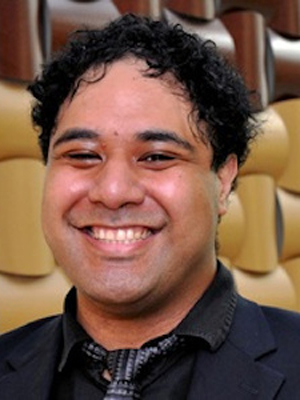
Jeffrey P. Bigham is an Associate Professor at the Human-Computer Interaction Institute within the School of Computer Science at Carnegie Mellon University . His research spans human-computer interaction , human-AI interaction , accessibility , dialog systems , NLP , and crowdsourcing . Current PhD Students: Hamza El Alaoui, Jessica Yin Huynh, Sara Kingsley, Peya Mowar, Yi-Hao Peng, Atieh Taheri PhD Graduates: Erin Brady, Yu Zhong, Ting-Hao Huang, Anhong Guo, Cole Gleason, Prakhar Gupta, Stephanie Valencia, Kundan Krishna, Jason Wu His work is funded by Apple , Bosch , DARPA , Google , Microsoft , the National Institute of Disability Rehabilitation Research , the National Science Foundation , and Yahoo! He also holds a CMU HCII Career Development Fellowship . Selected Awards: NSF CAREER Award 2019 Best Paper at ASSETS 2021 Best Paper Nomination at CHI 2024 Best Paper Nomination at CHI 2021 Best Paper Nomination at DIS 2021
Paul Taele is an Instructional Assistant Professor and Deputy Lab Director in the Sketch Recognition Lab at Texas A&M University's Department of Computer Science & Engineering. He holds a Ph.D. (2019), M.S. (2010), and dual B.S. degrees in Computer Science and Mathematics from the University of Texas at Austin (2006). His research focuses on sketch recognition, haptics, and intelligent interfaces for education and accessibility, with notable work in mid-air gesture recognition, educational sketching tools, and assistive technologies for disabilities. He has contributed to projects like Kanji Workbook , Hashigo , and HaptiMoto , and has published over 50 peer-reviewed articles across venues like CHI, IUI, and AAAI. Taele has received awards including the NSF Student Travel Grant (2014) and Ford Foundation Honorable Mention (2015). He teaches courses in capstone design, programming, and sketch recognition, and mentors students across all academic levels through strict eligibility criteria for research collaborations. Education : Ph.D. Computer Science, Texas A&M University (2019) M.S. Computer Science, Texas A&M University (2010) B.S. Computer Science & Mathematics, University of Texas at Austin (2006) Concentration in Mandarin Chinese, National Chengchi University (2007) Research Interests : Taele's work bridges HCI and AI to create accessible educational interfaces. His projects emphasize: Sketch Recognition : Developing algorithms for mid-air gestures, children's developmental assessments, and language learning Accessibility : Haptic systems for visually impaired learners and algebra education Educational Tech : Intelligent tutoring systems for music, math, and East Asian languages Awards & Grants : EAAI-20 Travel Grant (2020) Ford Foundation Dissertation Honorable Mention (2015) NSF East Asia-Pacific Summer Institutes (2013, 2012) Royce E. Wisenbaker Fellowship (2009) Lab & Teams : Director of the Sketch Recognition Lab (SRL) and collaborator with global institutions like Singapore Management University and National Taiwan University. Active in organizing workshops like SketchRec at IUI conferences.
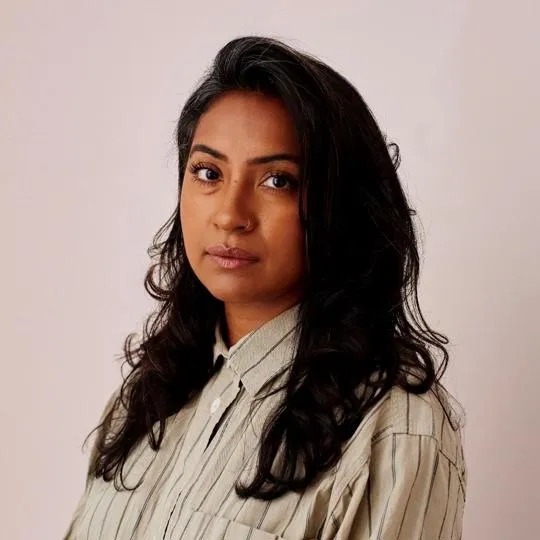
Renasha Khan is a Lecturer in Religion, Politics and Ethics at King’s College London, based in the Department of Theology & Religious Studies within the Faculty of Arts & Humanities. She holds a PhD in the Sociology of Religion from King’s College London. Her research focuses on digital religion, examining how social media shapes narratives of British Bangladeshi Muslim women’s agency, identity, and belonging through decolonial and feminist methodologies. She co-designed decolonised pedagogical modules at King’s, emphasizing lived experiences and challenging dominant epistemologies. Her teaching spans religion, politics, ethics, sociology, race, and gender at undergraduate and postgraduate levels, employing film and digital media to foster critical thinking. Beyond academia, she is an award-winning documentary filmmaker and media consultant for BBC, Sky Arts, and National Geographic. She co-founded Forward Culture to empower South Asian women and leads the Religion, Neurodiversity and Disability Network. Publications include Living the Muslim Atlantic: Race, Gender, and the Politics of Marginality (2020) and works addressing digital activism and Muslim women’s online identities. She actively engages in policy work on digital rights and inclusive futures through her roles at the British Sociological Association and King’s College London.
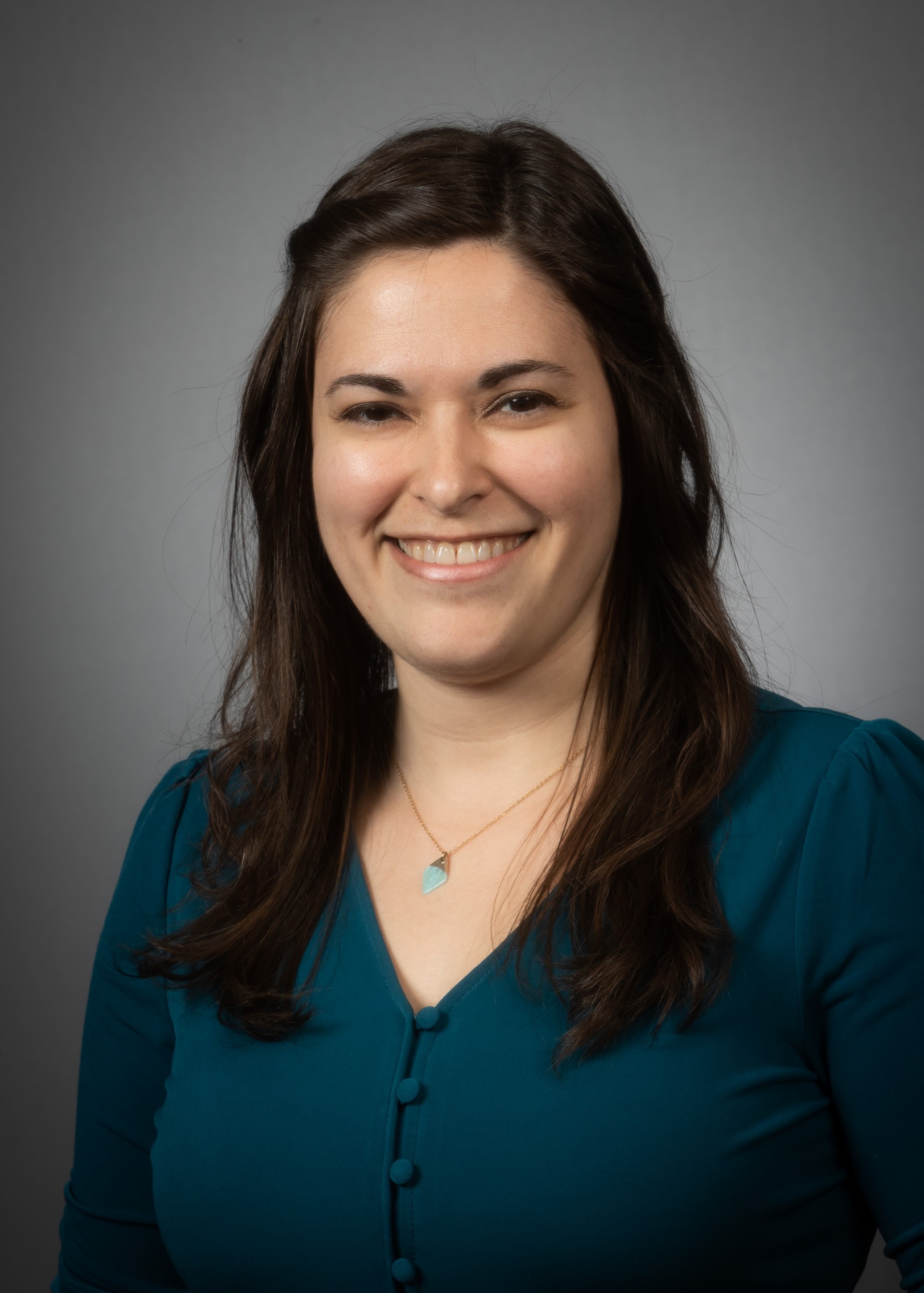
Jennifer D. Oliva is a Professor of Law at Indiana University Maurer School of Law where she holds the Val Nolan Faculty Fellow position. She maintains significant interdisciplinary affiliations as a Research Scholar at Georgetown University Law Center's O'Neill Institute for National & Global Health Law and as a Senior Scholar with the UCSF/UC Law Consortium on Law, Science & Health Policy. Her academic work bridges legal scholarship with practical health policy development, focusing on the intersection of constitutional protections, public health needs, and modern surveillance technologies. Professor Oliva's research interests center on health law, privacy law, and drug policy with particular expertise in prescription drug monitoring programs (PDMPs), health information privacy, and the legal dimensions of the opioid crisis. Her scholarship critically examines how law enforcement surveillance of prescription data impacts patient privacy rights, particularly for vulnerable populations including those with substance use disorders. She has developed significant expertise in how constitutional privacy protections apply to health data in the digital age, especially following the Supreme Court's decision in Carpenter v. United States. Her recent publications reveal a growing focus on algorithmic regulation in healthcare, examining how risk scoring systems and coverage algorithms can perpetuate health disparities. She has published extensively on the intersection of reproductive rights and health data privacy in the post-Dobbs landscape, analyzing how prescription monitoring systems could be weaponized against individuals seeking reproductive healthcare. Her work consistently connects doctrinal legal analysis with public health realities, advocating for evidence-based policy approaches that prioritize patient privacy and health equity over punitive enforcement. Dosing Discrimination: Regulating PDMP Risk Scores (2022) The "New" Drug War (2024) Prescription Drug Policing: The Right to Health Information Privacy Pre- and Post-Carpenter (2020) Opioid Multidistrict Litigation Secrecy (2019) Surveillance, Privacy, and App Tracking (2020) Professor Oliva actively engages with policymakers and has contributed to amicus briefs in significant cases including Ruan v. United States. Her scholarship has been cited in legal proceedings and she regularly presents at major academic conferences including the Association of American Law Schools Annual Meeting. She has collaborated with scholars across disciplines including public health researchers, medical ethicists, and data scientists to address complex challenges at the intersection of law, technology, and healthcare.
Lisa B. Limeri is an Assistant Professor at the Department of Biological Sciences, Texas Tech University. Her work bridges social psychology, educational psychology, and STEM education to address retention and success in biology education. She leads the Limeri Lab, focusing on social-psychological factors affecting student persistence and instructor-student dynamics. Ph.D., Biological Sciences, University of Pittsburgh (2012–2017) Postdoctoral Research, Biology Education Research, University of Georgia (2017–2021) Her research examines how students' and instructors’ beliefs about abilities influence academic outcomes. She develops classroom interventions to reduce stressors and improve educational experiences. The lab’s recent work spans mindset measurement, community cultural wealth, disability frameworks, and mentoring surveys. Scientific awards include the STEP Program Fellow (2021–Present) and Scholar Certification from the Center for Integrated Research on Teaching and Learning (2017). She mentors doctoral students Anastasia Chouvalova and Mason Tedeschi and collaborates with postdoctoral researchers. The Limeri Lab has received recognition for its contributions to undergraduate research at Texas Tech symposia.
Dr. Barbara Barbosa Neves is a sociologist of technology and ageing at the University of Sydney’s Sydney Centre for Healthy Societies, holding a prestigious Sydney Horizon Fellowship in AI Social Science. She specializes in loneliness, social isolation, and digital inequalities in later life, with over $6 million in competitive funding from global bodies. Her research bridges sociology and computer science, focusing on inclusive technology design for older adults. Education: PhD in Sociology. Formerly an Associate Director at the Technologies for Aging Gracefully Lab, University of Toronto, Canada. Visiting positions at Oxford, Oslo, Louvain, and Toronto. Research Interests: Sociology of Technology , Aging Anxieties , Healthcare AI , and Ageism . Her work examines how AI, VR, and robotics can benefit older adults while addressing ethical and social challenges. Key themes include combating age-based digital divides and designing technologies that align with care ethics. Grants & Projects: Lead Investigator for the $1M+ evaluation of Australia’s Aged Care Volunteer Visitors Scheme, ARC Discovery Project on loneliness and technology, and MRFF-funded dementia studies. Collaborates with multidisciplinary teams, including computer scientists and policy experts. Awards: 28+ international awards, including Mather Awards (US), George Story Distinguished Lecturer, and Fellowships from the Royal Society of Arts (FRSA) and Higher Education Academy (FHEA). Public Engagement: Over 200 media contributions, including ABC op-eds and SBS documentaries. Her research informs policy and public discourse on aging, technology, and social equity.
Walter D. Penrose, Jr. is a Professor at San Diego State University specializing in the History of Gender and Sexuality in Ancient Greek, Hellenistic, and South Asian contexts. His work also explores the Reception of Classics in modern periods, Disability Studies, and Ancient Religions. Penrose holds a Ph.D. in History from the City University of New York (2006) and a B.S. in Business Administration from California State University, Long Beach (1988). His research interests span interdisciplinary topics including gender diversity in classical thought, queer historiography, and cross-cultural comparisons of ancient societies. Penrose has published widely on topics such as Amazons in classical and modern media, disability discourse in antiquity, and homoeroticism in South Asian history. His 2016 monograph Postcolonial Amazons is a foundational text in comparative studies of gendered heroism in Greek and Sanskrit literature. Penrose’s publications include over a dozen book chapters and journal articles, with recent contributions analyzing gendered power dynamics in Hellenistic royal courts (2021), visual representations of Amazons in Troy adaptations (2022), and the intersection of disability and identity in ancient Greece (2015). His pedagogical work emphasizes inclusive approaches to teaching challenging classical topics like homophobia and gender variance. While no specific grants or awards are noted, Penrose’s work consistently bridges classical studies with modern interdisciplinary frameworks, contributing to fields such as queer studies, disability studies, and world history. His research continues to explore marginalized voices in ancient texts and their contemporary receptions.
Sally M. Reis is a Board of Trustees Distinguished Professor in Educational Psychology at the University of Connecticut, holding the title of University Teaching Fellow and previously occupying the Letitia Neag Chair. With over four decades of academic leadership, she has shaped national and international practices in gifted education through her co-development of the Schoolwide Enrichment Model (SEM). Her academic credentials include: Ph.D. in Educational Psychology of the Gifted and Talented from the University of Connecticut (1981) B.A. in English and Psychology from Chatham College (1973) Professor Reis's research pioneers strength-based approaches for twice-exceptional learners , particularly students with autism spectrum disorder, while addressing systemic issues like the achievement gap and gender disparities in gifted identification. Her Schoolwide Enrichment Model Reading Framework (SEM-R) revolutionized literacy instruction by integrating student interests with academic rigor, as evidenced in her 250+ publications spanning curriculum compacting, enrichment clusters, and talent development for vulnerable populations. Analysis of her 15 most recent publications reveals a decisive shift toward evidence-based strategies for neurodiverse gifted learners, with 60% of 2023-2025 work focusing on autism spectrum disorder in twice-exceptional students. Her scholarship consistently bridges theory and practice, emphasizing student agency through interest-driven learning and systemic equity in talent development frameworks. Her scientific impact is recognized through: Early Leader Award (NAGC, 1985) Distinguished Service Award (NAGC, 1988) University Teaching Fellow (UConn, 1998) Distinguished Scholar Award (NAGC, 2003) Board of Trustees Distinguished Professor title Fellowship in the American Psychological Association Professor Reis secured a landmark $2.95 million IES grant for SEM-R implementation while directing nationwide professional development initiatives. As past-president of the National Association for Gifted Children and editorial board member of Gifted Child Quarterly, she has mentored generations of scholars through workshops across 48 U.S. states. Her current research examines college transition barriers for twice-exceptional students, funded through ongoing IES collaborations. Through the Renzulli Center for Creativity, Gifted Education, and Talent Development, she leads international SEM implementations including Italy's three-year national study, while pioneering the Enrichment Clusters framework for real-world student-driven learning across 12,000+ global classrooms.
Elisa Kreiss is an Assistant Professor in the Department of Communication at UCLA, affiliated with the College of Letters & Science. She leads the Coalas Lab (Computation and Language for Society Lab), focusing on advancing understanding of how communicative context shapes language use through natural language processing, psycholinguistics, and human-computer interaction. Her work addresses challenges in image accessibility for visually impaired users, supported by grants from Google, NSF, and Stanford initiatives. Education: Ph.D. in Linguistics, Stanford University (advised by Christopher Potts) Research Interests: Her research bridges AI ethics, image accessibility, and human-centered evaluation of machine learning systems. Key themes include: Generating context-aware image descriptions for accessibility Ethical implications of vision-language models Interpretable AI through causal reasoning Awards: Google Research Awards National Science Foundation Grant Stanford Human-Centered AI Initiative Support Stanford Community Impact Award (2022) Lab & Advocacy: Directs the Coalas Lab, emphasizing inclusive research environments. Advocates for diversity in STEM and accessible technology design.
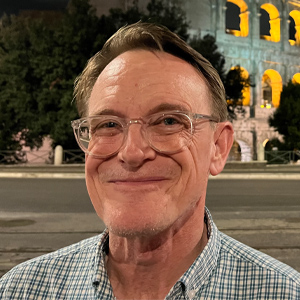
Brett Gilley is an Associate Professor of Teaching in the Department of Earth, Ocean and Atmospheric Sciences at The University of British Columbia (UBC), Vancouver Campus. His primary affiliation is within the Faculty of Science. He specializes in geoscience education with a focus on inclusive fieldwork practices, collaborative learning strategies, and accessibility in STEM education. He is currently not accepting students for advising. His research interests span geology and geoscience education, with a strong emphasis on making field experiences accessible for students with disabilities, developing innovative teaching methodologies, and fostering inclusive learning environments. Gilley has contributed to projects like the Earth Science Experiential and Indigenous Learning (EASEIL) initiative, which integrates Indigenous knowledge and community partnerships into curriculum design. Notable trends in his publications include advancing universal design in geoscience field courses, evaluating collaborative testing strategies, and exploring the impact of technology (e.g., ChatGPT) on student research practices. His work often bridges pedagogical innovation with practical implementation in large undergraduate science programs. While no formal awards are listed, his contributions to inclusive education and curriculum development reflect a commitment to equitable STEM education. His professional activities include mentoring faculty through UBC’s evidence-based pedagogy graduate course and participating in interdisciplinary curriculum development teams.
Yang Wang is a Professor of Information Science and Computer Science (courtesy) at the University of Illinois at Urbana-Champaign (UIUC), where he co-directs the SALT lab and is part of the Interactive Computing group and Security and Privacy Research at Illinois (SPR@I). He holds affiliations with the Institute of Software Research (ISR) at UC Irvine and advises Conviva. His research spans AI governance, privacy, security, and inclusive technologies, focusing on marginalized populations such as people with disabilities and non-Western communities. Education: Ph.D. from the University of California, Irvine (UCI), under advisors Dr. Alfred Kobsa, Dr. André van der Hoek, and Dr. Gene Tsudik. Previous roles include Assistant Professor at Syracuse University and Research Scientist at Carnegie Mellon University’s CyLab. He has collaborated with institutions like Alcatel-Lucent Bell Labs, Intel Research, and Tsinghua University. Research interests include AI safety for children (aisafety4kids.org), inclusive privacy mechanisms, accessible authentication for visually impaired users, and policy implications of AI. Notable projects include Inclusive.AI (funded by OpenAI), privacy in smart homes, and drone privacy studies. Awards and grants include NSF SaTC awards, NSF CAREER, and industry partnerships with Meta/Facebook, Google, and OpenAI. His work has been featured in outlets like the New York Times and Wall Street Journal. Current PhD advisees include Smirity Kaushik and Yaman Yu, with notable alumni such as Dr. Yaxing Yao (now at Johns Hopkins) and Dr. Tanusree Sharma (Penn State). Labs/Teams: Co-director of the SALT lab, part of SPR@I and the Interactive Computing group at UIUC. Collaborates with industry and policy bodies, including the FTC.
Ari Schlesinger is an Assistant Professor of Computer Science at the University of Georgia (UGA), directing the Socially Responsible Tech Lab. She holds a PhD from the School of Interactive Computing at Georgia Institute of Technology. Her research focuses on anti-discriminatory computing, technology policy, and equitable sociotechnical systems. She advocates for reducing computing-enabled harm to advance justice in technology. Education : PhD in Human-Centered Computing (HCC), Georgia Tech Affiliations : ACM's U.S. Technology Policy Committee Her work spans Human-Computer Interaction (HCI), Artificial Intelligence (AI), and broader CS applications. Key interests include addressing algorithmic bias, inclusive design, and policy frameworks for ethical computing. She has developed strategies to mitigate discrimination in technical systems through frameworks like anti-discriminatory computing. Awards include the 2021 Outstanding Graduate Teaching Assistant Award and a Best Paper Award at CHI 2018. Her research has been featured in venues like CSCW and CHI, focusing on topics from chatbot ethics to decentralized social networks. Lab : Socially Responsible Tech Lab at UGA Grants/Advising : Advises graduate student Eddie Alexander Gomez Schieber. Active in policy advocacy and academic leadership roles.
Gabrielle Hodge is a Senior Lecturer in Sign Language Linguistics at the University of Edinburgh's School of Philosophy, Psychology and Language Sciences. A deaf researcher, she specializes in sociolinguistics related to deaf communities, sign languages, and multimodal communication. Her work incorporates corpus linguistics, applied linguistics, and semiotics methodologies. Education: PhD in Linguistics (Macquarie University, 2014), BA (Hons) in Linguistics (La Trobe University, 2008). Teaching includes undergraduate and postgraduate courses in sign language linguistics and sociolinguistics. She chairs the University BSL Plan Implementation Group (2024-2030) and actively supervises PhD and MSc students in deaf community research. Research focuses on accessibility, sign language corpus methods, and inclusive language theory. Notable projects include the Accessibility & Inclusion Toolkit for deaf Australians and Signing to Know & Survive , exploring deaf communication resilience. She develops training for educators and interpreters, emphasizing direct access without relay systems. Key contributions include advancing corpus-driven sign language research, analyzing deaf professionals' trust in interpreters, and creating climate change resilience resources in Auslan. Her work challenges traditional linguistic frameworks to better incorporate deaf perspectives and embodied communication practices.
Dr. Lisa Fernandes is a Lecturer in Inclusive Education and Programme Director for the MSc Inclusive Education at the University of Edinburgh's Moray House School of Education & Sport. She holds a Doctorate in Education from the University of Glasgow and specializes in autism inclusion, teacher education, and ethics of care. Prior to academia, she spent 15 years in post-compulsory education and led PGCE programmes in learning difficulties/disabilities. Education: Doctorate in Education (U Glasgow), Masters in Autism (Northumbria), PGCE (FE, Sunderland), BA Combined Studies (U Sheffield) Her research focuses on improving inclusive education practices for autistic learners, teacher training methodologies, and the role of Learning Support Assistants. She represents the University of Edinburgh in the Scottish University Inclusion Group and is a Fellow of the Higher Education Academy. Recent work includes exploring ethics-based pedagogy to reduce autistic learner exclusion and curriculum design for FE sectors. Teaching responsibilities include Comparative Approaches to Inclusive Education and Dissertation supervision for the MSc programme. Though not currently open to PhD supervision, she maintains active conference engagement through presentations at ECER and TEAN.
Professor Dan Goodley is a leading academic in Critical Disability Studies at the University of Sheffield , affiliated with the School of Education and co-director of the iHuman research center. His work bridges critical psychology , medical sociology , and posthuman theory to challenge ableist norms in education, healthcare, and society. He has secured major grants, including a £2.9m Wellcome Trust Discretionary Award and multiple ESRC-funded projects, focusing on themes like disablism , social justice , and inclusive research methodologies . Research Themes : Critical Disability Theory, Posthumanism, Dis/ability and Technology, Decolonizing Disability, Austerity and Dis/ability, Co-Production with Marginalized Communities. Grants : Wellcome Trust, ESRC, EPSRC, Research England, European Social Fund. Professional Roles : Visiting Professor at University of Ghent, Editorial Board Member for multiple journals, ESRC Peer Review College. His recent publications interrogate the intersections of disability , pandemic ethics , and autonomous technologies , often employing co-produced and participatory frameworks. He advocates for disabled voices in research and policy, emphasizing resilience and decolonizing praxis in global contexts.