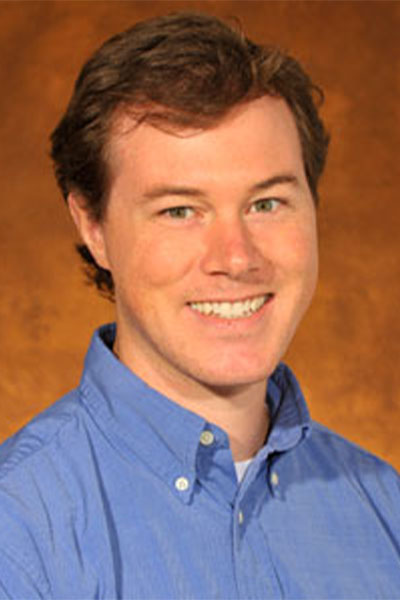
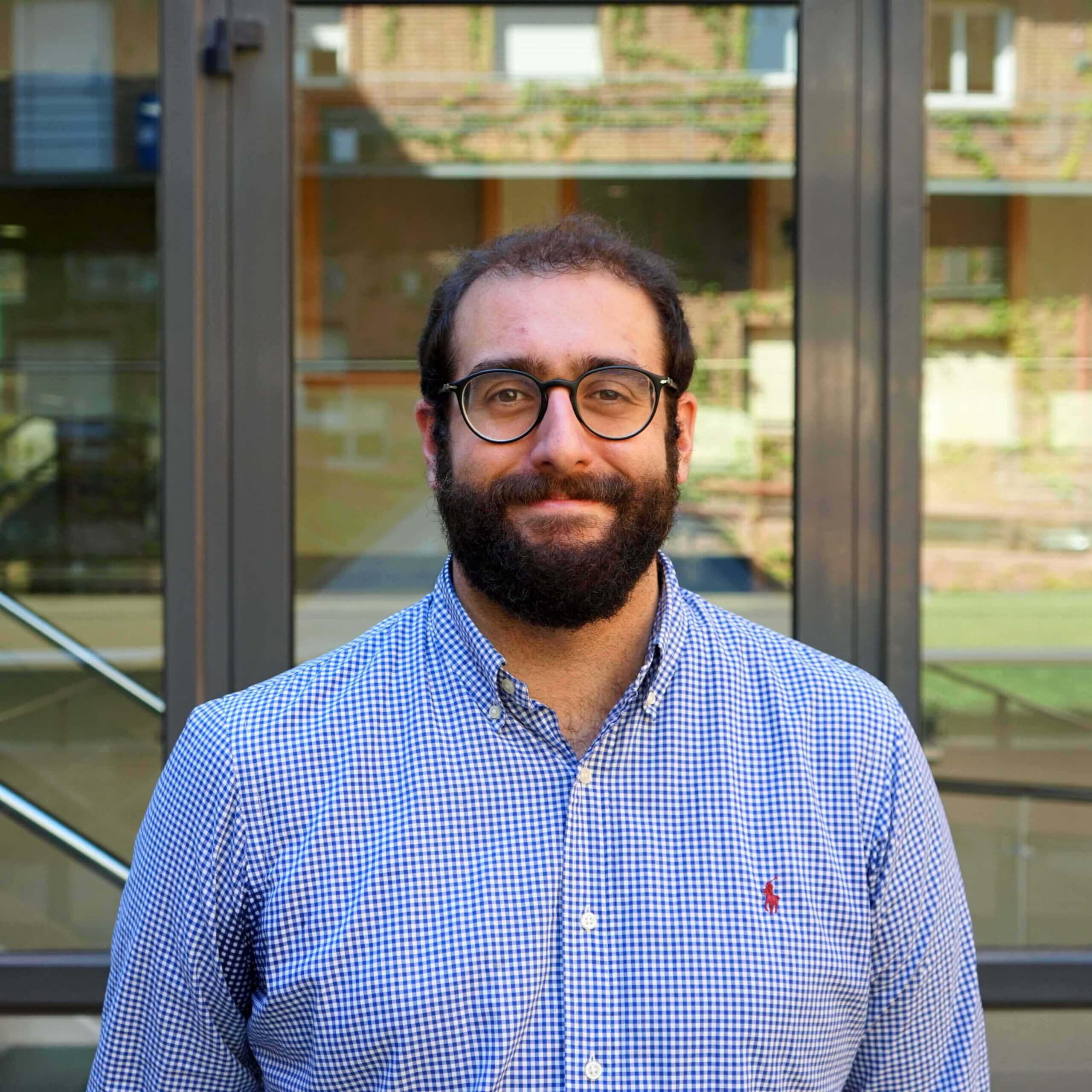
Professor David Musker is the **Professor of International Design Law** at the **Centre for Commercial Law Studies (CCLS)**, Queen Mary University of London. He specializes in **design law**, **patent law**, and **intellectual property (IP) procedural law**, with a focus on comparative and international frameworks, Unitary Patents, and IP professional regulation. His work bridges academia and practice, having authored influential texts like Community Design Law: Principles and Practice , cited globally in judicial rulings. Education & Professional Roles: Holds a BSc (Hons) in London, ARSM, and an LLM from Nottingham Trent University. He is a **Chartered Patent Attorney**, **European Patent Attorney**, and member of key IP bodies such as the Chartered Institute of Patent Attorneys (CIPA) and the Intellectual Property Regulation Board (IPReg). Previously chaired CIPA’s Designs and Copyright Committee and served as President of UNION’s Designs Commission. Research & Influence: Research emphasizes **cross-border design protection**, legal professional privilege in IP, and procedural harmonization. Notable contributions include filing the first Registered Community Design and advising on EU IP policy. His writing spans journals like Journal of Intellectual Property Law & Practice and European Copyright and Design Reports . Awards & Recognition: Received the **Worldleaders European IP Award (2004)** for contributions to Community Design education. Active in global IP networks, lecturing at institutions like ETH Zurich and CEIPI Strasbourg. Teaching & Supervision: Teaches modules on international design law, EU/US design systems, and IP management. Supervises research in design/patent law and IP litigation.
Philip Shapira is a Part-Time Professor at the Jimmy and Rosalynn Carter School of Public Policy, Georgia Institute of Technology, and a Professor of Management, Innovation and Policy at the Manchester Institute of Innovation Research, University of Manchester. His work focuses on science and technology policy, innovation systems, and responsible research and innovation. Shapira holds a Ph.D. from UC Berkeley in City and Regional Planning, an M.A. in Economics, an M.C.P. from MIT in City Planning, and a Dip.TP from Gloucestershire College of Art and Design. He directs the Georgia Tech Program in Science, Technology, and Innovation Policy and the Georgia Manufacturing Survey. His research spans nanotechnology, synthetic biology, and AI ethics, with recent emphasis on generative AI’s impact on scientific publishing. Shapira is a Fellow of the AAAS and RSA, and co-edited key handbooks on innovation policy. Research Interests: Shapira’s work bridges policy and practice, analyzing how innovation systems drive economic development while addressing societal challenges. Key areas include: Technology trajectories and policy evaluation Responsible innovation in emerging fields like synthetic biology AI ethics and academic integrity Manufacturing competitiveness and equity Articles Trends: Recent publications examine generative AI’s role in scientific writing, societal alignment in innovation, and bioeconomy strategies. His 2024 work on ChatGPT’s influence on academic prose highlights methodological innovations in detecting AI-generated text. Awards: Recognized for contributions to science policy, Shapira’s fellowships underscore his dual focus on scholarly rigor and public engagement. Advising & Grants: Leads initiatives like the Georgia Manufacturing Survey and collaborates on EU-funded open innovation networks. Current projects include analyzing AI’s impact on science and designing tools for rapid sustainability assessment in biotechnology. Labs/Teams: Associated with the Technology Policy and Assessment Center at Georgia Tech and SYNBIOCHEM (Manchester), focusing on biofoundries and translational research.
Richard O'Leary is a Lecturer in the Department of Electronic and Electrical Engineering at the University of Strathclyde, Faculty of Engineering. His work bridges teaching and research in ultrasonic engineering, measurement systems, and transducer development, with strong applications in biomedical and industrial domains. Research Interests: Ultrasonic transduction using novel polymer materials Design and fabrication of piezoelectric and capacitive transducers 3D printing of tissue-mimicking phantoms and microvascular structures Finite element modeling and wave propagation analysis Applications in non-destructive testing, ultrasound imaging, and sonochemistry The recent publications indicate a strong trend toward additive manufacturing of functional materials and phantoms for advanced ultrasound applications, particularly in high-resolution imaging and therapeutic research. His work increasingly integrates microfabrication, biomimetic design, and acoustic characterization. Professional Roles and Projects: Principal Investigator, EPSRC Centre for Doctoral Training in Future Ultrasonic Engineering (FUSE) Co-investigator, Transformative Anatomically accurate Microvascular flow Phantoms for Ultrasound therapy research (TAMP-US) Co-investigator, Bio-Inspired Adaptive Ultrasonic NDE feasibility study Principal Investigator, Industrial Case Account project (2015–2022) External Examiner for PhD programs at Technical University of Madrid and other institutions He contributes to teaching in measurement principles, analog/digital circuits, and project supervision for final-year engineering students. He is also active in professional service, including organizing workshops and contributing to IEEE conferences. Labs and Research Groups: His research is based in the Centre for Ultrasonic Engineering at the University of Strathclyde, a leading interdisciplinary group focused on ultrasonic sensor development, imaging, and industrial applications.
Mahyar Fazeli is a Postdoctoral Researcher at the School of Chemical Engineering , Aalto University . His research focuses on developing sustainable composite materials through innovative processing techniques, including the utilization of textile waste, agricultural byproducts, and lignocellulosic biomass. Current Affiliation: Aalto University, Bioproducts and Biosystems Research Groups: Bioproduct Technology, Postdoctoral Researcher Research Interests include composite material design, biopolymer processing, and environmental impact assessment. His work addresses challenges in sustainable manufacturing, carbon footprint reduction, and functional packaging solutions. Recent Publication Trends highlight advancements in biocomposites, with emphasis on Textile waste recycling Life cycle assessment Hydrogel-based additive manufacturing Lignin valorization Cellulose nanofiber integration Biomedical device fabrication Labs & Teams : Collaborates with interdisciplinary researchers in composite development, including teams led by Prof. Orlando J. Rojas, Prof. Jukka Seppälä, and Prof. Eero Kontturi.
Jacob S Sherkow is the Richard W. and Marie L. Corman Professor of Law at the University of Illinois College of Law, with additional appointments as Professor of Medicine at the Carle Illinois College of Medicine, Professor at the European Union Center, and Affiliate of the Carl R. Woese Institute for Genomic Biology. He serves as Director of the Innovation Law and Technology Program and maintains concurrent appointments at the Center for Advanced Studies in Biomedical Innovation Law at the University of Copenhagen. Sherkow received his JD from the University of Michigan Law School, where he was an editor of the Michigan Law Review, an MA in biotechnology from Columbia University, and a BSc in molecular biology and English literature from McGill University. His background includes several years of experience as a research scientist in molecular biology and he is a certified Editor in the Life Sciences (BELS). Professor Sherkow's research focuses on the intersection of intellectual property law, regulation, and bioethics as they apply to advanced biotechnologies. He is widely recognized as a leading expert on IP protection for genome-editing technologies, particularly CRISPR. His scholarship spans patent law, regulatory policy, and the ethical implications of emerging biotechnologies, with particular attention to how legal frameworks can both promote and hinder scientific innovation in the life sciences. He has published over 75 articles in prestigious venues including Science, Nature, JAMA, the Yale Law Journal, and the Stanford Law Review, with his work cited by various federal courts including the Supreme Court. Analysis of Sherkow's recent publications reveals a strong focus on CRISPR patent disputes, gene patenting after the Myriad decision, regulation of direct-to-consumer genetic testing, and the intersection of patent law with pharmaceutical regulation. His work demonstrates a consistent pattern of addressing timely legal questions at the cutting edge of biotechnology, often providing empirical analysis and practical insights for policymakers, courts, and industry stakeholders. A notable trend is his increasing attention to global governance frameworks for emerging biotechnologies and the implications of patent law for public health initiatives. University Scholar (2024) - University of Illinois System's highest honor for faculty Carroll P. Hurd Award for Scholarly Excellence (2024) Otto L. Walter Distinguished Writing Award (2018) Class of 2017 Teaching Award (previous institution) Emerging Leader in Health and Medicine Scholar, National Academy of Medicine (2018-2021) Professor Sherkow serves as an expert in patent disputes in both the United States and Germany and has advised France's National Assembly on biotechnology patenting issues. He regularly consults with investment firms on patent litigation in the biosciences and has been extensively quoted in major media outlets including The Wall Street Journal, The New York Times, and NPR. His legal practice background includes patent litigation at Gibson, Dunn & Crutcher LLP and clerkship experience in the U.S. District Court for the Eastern District of New York. He teaches courses including Patent Law, Property, Genomics and the Law, and Advanced Topics in Patent Law. Sherkow's work connects multiple research ecosystems including the Carl R. Woese Institute for Genomic Biology where he contributes to interdisciplinary genomic research initiatives. His international collaborations extend to the Center for Advanced Studies in Biomedical Innovation Law in Copenhagen, where he has maintained appointments since 2018, and he has presented his research at institutions including the University of Cambridge. His scholarship bridges legal theory with practical applications in the rapidly evolving field of biotechnology.
Dr. Thomas Kissinger is a Lecturer in Optical Instrumentation at the Centre for Engineering Photonics at Cranfield University. He holds a prestigious 5-year Royal Academy of Engineering Research Fellowship (2018-2023) focused on "Doppler-enhanced lidar system using range-resolved interferometry". With a background in physics and electrical engineering, Dr. Kissinger has been with the Centre for Engineering Photonics since 2011, first as a PhD student and then as a Research Fellow. Dr. Kissinger earned his physics degree (Dipl.-Phys.) and a Bachelor of Science in Electrical Engineering. His PhD research in range-resolved interferometric signal processing for fiber sensing applications won the 2016 Lord Kings Norton prize for the best overall PhD thesis across Cranfield University. Dr. Kissinger's research focuses on applying interferometric and optical measurement techniques to engineering problems. His main research areas include 3D Imaging and Lidar, Precision Optical Interferometry and Vibrometry, Optical Fibre Sensing (particularly Fibre Optic Shape Sensing), Manufacturing Instrumentation, and Optical Gas Sensing. His work has significant applications in manufacturing, robotics, autonomous vehicles, and healthcare. Analysis of Dr. Kissinger's recent publications (2022-2026) reveals a strong focus on precision optical measurement techniques, particularly in the areas of interferometry, fiber optic sensing, and metrology. His work shows increasing collaboration with international researchers and a growing emphasis on practical applications in manufacturing, aerospace, and nanotechnology. The trend indicates a shift toward more complex multi-parameter sensing systems and higher precision measurement capabilities. Lord Kings Norton prize for the best overall PhD thesis across Cranfield University (2016) Dr. Kissinger has been actively involved in several significant research grants, including a Royal Academy of Engineering Research Fellowship (2018-2023), an EPSRC grant on "Novel optical instrumentation for robotic manufacturing" (2015-2018), and the ATI-funded BladeSense project (2015-2019). He collaborates extensively with industry partners including Oxford Instruments Nanoscience, National Physical Laboratory, QinetiQ Group PLC, and Airbus SE, applying his research to real-world problems in welding, laser processing, and aerospace applications. Dr. Kissinger works within the Centre for Engineering Photonics, which holds three consecutive EPSRC Platform Grants. His research has practical applications in helicopter rotor blade monitoring, robotic manufacturing, and laser-based welding and additive manufacturing. His work on fiber optic shape sensing has particular relevance for structural health monitoring in aerospace applications.
Mark D. Poliks is a SUNY Distinguished Professor and Director of the School of Systems Science and Industrial Engineering at SUNY Binghamton. He also leads the Center for Advanced Microelectronics Manufacturing (CAMM), a New York State Center of Advanced Technology. His research focuses on flexible electronics, additive manufacturing, and hybrid electronics, with applications in wearable sensors, aerospace, and healthcare. He has secured over $50M in combined research and equipment funding, and holds 48 U.S. patents. Poliks holds a BS in Chemistry and Mathematics (University of Massachusetts) and a PhD in Materials Science and Engineering (University of Connecticut). Before academia, he held senior roles at IBM Microelectronics and Endicott Interconnect. Research Interests: Flexible and stretchable electronics Additive manufacturing techniques (aerosol jet, 3D printing) High-temperature electronics packaging Sensor systems for medical and industrial uses Awards & Recognition: SUNY Chancellor’s Award for Excellence in Research 2017 NextFlex Fellow Leader of DoD NextFlex Manufacturing USA Node His work emphasizes industry collaboration, with projects funded by federal agencies, NY state, and corporations. Key contributions include developing roll-to-roll manufacturing processes and novel interconnect technologies for flexible electronics.
Nadia Grossiord is a University Researcher at Eindhoven University of Technology (TU/e) and a Scientific Advisor for the Stimuli-responsive Functional Materials & Devices (SFD) research group. She is employed by SABIC, where she focuses on functional surfaces and high-performance polymers. Her academic background includes a Ph.D. in Polymer Chemistry from TU/e (2003) and postdoctoral research at Warwick University and Holst Centre/TNO. Her research interests span wettability, polymer materials, smart responsive surfaces, and thin films. Notable contributions include work on electrochromic foils, light-responsive polymers, and photonic materials. She has authored over 40 publications, with recent highlights in ACS Applied Materials and Interfaces and Advanced Materials .
Dr. Jim Marquardson is an Assistant Professor in the Information Assurance & Cyber Defense department at Northern Michigan University's College of Business . With a Ph.D. in Management Information Systems from the University of Arizona, his research focuses on lie detection with technology, human-computer interaction, persuasive technology, information security, data analytics, and educational methodologies. Ph.D. in Management Information Systems (University of Arizona) Teaching credentials in cybersecurity, network simulation, and virtual labs Industry experience at Zions Bank and Exxon Mobil Research Interests revolve around integrating hands-on learning into cybersecurity education, including Amazon Web Services Academy implementations, GitHub-based tutorials , and Security Operations Center (SOC) frameworks . His work bridges academic theory with practical applications in information assurance and network design. Publications highlight trends in cybersecurity pedagogy , cloud computing education , risk management , and persistent skill gaps in entry-level cybersecurity roles. Articles from 2017-2025 demonstrate sustained focus on improving educational outcomes through simulation , AI integration , and collaborative learning techniques . Teaching Philosophy emphasizes practical experience , with students actively building computer networks , creating virtual machines , and developing security software . His background in corporate IT informs real-world applications of theoretical concepts. Mountain Biking Baking College Football Ethical Hacking Programming Music
Alice White is a Professor affiliated with the College of Engineering and Department of Mechanical Engineering at Boston University. She holds affiliations with the Division of Materials Science and the Photonics Center. Her research focuses on fabrication and packaging of optical and electronic devices, including novel optical devices for future exabit networks, additive manufacturing via high-resolution 3D printing, and silicon photonics integration using CMOS processes. Recent work includes neural interface devices and biocompatible microelectrodes. Education: PhD in Engineering from Harvard University. Professional roles emphasize interdisciplinary collaboration across materials science, photonics, and biomedical engineering. Research interests span optical device innovation, nanoscale fabrication, and biomedical microdevices. Recent publications highlight advancements in cardiac tissue engineering, programmable microrobots, and metamaterial scaffolds. Over 50 peer-reviewed articles demonstrate expertise in photonics, additive manufacturing, and biocompatible systems.
Dr. Rafael Nicolosi Libanori is a Lecturer and Senior Researcher at the Department of Materials (D-MATL) , ETH Zurich, Switzerland. He holds a PhD from ETH Zurich (2009–2013) under Prof. André R. Studart, focusing on bio-inspired composite materials processing. His research emphasizes bio-inspired composites , active/adaptive materials , and living materials , with applications in sustainability and biomedical engineering. He designs materials that mimic biological structures for enhanced mechanical performance and environmental adaptability. He teaches multiple courses at ETH Zurich, including Biological and Bio-Inspired Materials (co-lecturer), Bio-Inspired Active and Adaptive Materials , and Ethics and Scientific Integrity for Doctoral Students (MaP Doctoral School). His work bridges engineering and biology, aiming to create functional materials with self-healing properties and processable via advanced manufacturing techniques. Recent publications highlight innovations in 3D-printed silicone vitrimers for reprocessability, solar-driven CO2 splitting using hierarchically channeled ceria structures, and bone-inspired material systems. These studies address challenges in material durability, sustainability, and functional design through interdisciplinary approaches. Rafael collaborates with prominent researchers like Prof. André R. Studart and Prof. Aldo Steinfeld. His current role involves academic teaching and cutting-edge research within the Complex Materials group at ETH Zurich.
Brett G. Compton is a Joint UTK Associate Professor at the Department of Materials Science and Engineering, Tickle College of Engineering, University of Tennessee. His research focuses on additive manufacturing, composites, and advanced materials characterization. He specializes in polymer-derived ceramics, material extrusion processes, and hybrid manufacturing techniques. His work addresses challenges in sustainability, process optimization, and material performance in high-tech applications such as aerospace and energy systems. Research interests include: Additive Manufacturing (e.g., friction stir deposition, material extrusion), polymer and ceramic composites, and mechanical/thermal characterization of 3D-printed materials. He explores topics such as crosslinking control in thermosets, syntactic foams, and rotational direct ink writing for anisotropic properties. His studies also emphasize process modeling (e.g., thermal dynamics in printing) and material design for industrial scalability. Recent trends in his work highlight innovations in sustainable manufacturing, advanced composite architectures, and integration of hybrid manufacturing systems. His publications span conferences like IM²AM and journals focused on polymer science and ceramic materials. No awards or grants are explicitly listed in the provided text. Advising details and lab affiliations are not specified, though his research suggests involvement with labs focused on additive manufacturing and materials characterization.
Ester Abram is a Research Fellow at the Biophotonics and Medical Imaging research group within the Faculty of Science at Vrije Universiteit Amsterdam (VU Amsterdam). Her work bridges experimental physics and materials engineering, focusing on laser interactions with nanoscale metal systems for advanced fabrication and diagnostic applications. She completed her PhD in Optics, Physics, Nanolithography, and Imaging at the Advanced Research Center for Nanolithography (ARCNL) under the NWO-HTSM program, with research conducted from June 15, 2020, to January 1, 2025, and the degree awarded on June 20, 2025. Her doctoral work established foundational insights into light-matter interactions below ablation thresholds. Dr. Abram's research centers on pre-ablation laser processing of metal films , where she investigates optical, morphological, and structural changes induced by sub-threshold laser pulses. Key areas include ruthenium thin-film modification, plasmonic strain-wave generation, and diffraction-limit overcoming techniques. Her interdisciplinary approach combines ultrafast optics, materials characterization, and nanofabrication to develop novel nanolithography methods and optical sensors. Recent publications reveal consistent innovation in sub-diffraction laser patterning and pre-ablation optical diagnostics , with strong emphasis on ruthenium systems. Her work demonstrates how controlled laser fluence enables nanoscale feature creation without thermal damage, advancing applications in semiconductor manufacturing and biomedical imaging. As an active member of the Biophotonics and Medical Imaging group, she maintains critical collaborations with ARCNL and leverages NWO-HTSM grant support. Her research infrastructure includes advanced laser systems, optical reflectance setups, and nanofabrication tools for probing light-matter interactions at fundamental scales.
Robert Texidó Bartés is an Assistant Professor in the Department of Chemical Engineering and Materials Science at IQS School of Engineering, Universitat Ramon Llull. His research focuses on biomaterials, 3D bioprinting, wearable biosensors, and advanced material development for biomedical applications. Education: PhD in Chemistry and Chemical Engineering, IQS (2017) MSc in Chemistry and Chemical Engineering, IQS (2013) Industrial Engineer, IQS (2011) His research interests span biomaterials, 3D bioprinting, surface engineering, wearable biosensors, and drug delivery systems . He is actively involved in the GEMAT (Materials Engineering Group), contributing to innovations in functional materials for clinical use. His work integrates polymer science, nanotechnology, and biomedical engineering to develop solutions for tissue regeneration, disease monitoring, and surgical planning. The recent articles reflect a strong trend in advanced material fabrication , particularly in silicone-based 3D printing, responsive drug delivery systems, and flexible electronics . His publications emphasize translational research with applications in orthopedics, oncology, infectious diseases, and liver diagnostics . The interdisciplinary nature of his work bridges chemistry, engineering, and medicine. Scientific Contributions: Principal Investigator of PERSAM project on wearable biosensors Key researcher in 3DCartiBone and zwiRNA projects Active member of GEMAT research group CTO and co-founder of Tractivus SL He mentors students across Chemistry, Chemical Engineering, Biotechnology, and Bioengineering programs. His research is supported by grants from AGAUR and involves collaborations with clinical and industrial partners. He leads projects on clinical phantom development, transdermal delivery, and antibacterial nanomaterials . His lab focuses on innovative biomaterials for medical devices and regenerative medicine applications.
Lee E. Ohanian is a Professor of Economics at the University of California, Los Angeles (UCLA) and a Senior Fellow (adjunct) at the Hoover Institution. He also directs the Ettinger Family Program in Macroeconomic Research at UCLA and serves as associate director of the Center for the Advanced Study in Economic Efficiency at Arizona State University. He is a research associate at the National Bureau of Economic Research (NBER), where he co-directs the Macroeconomics across Time and Space initiative, and a fellow in the Society for the Advancement of Economic Theory. His research interests include Economic Growth, Macroeconomics, Economic Theory, and Public Policy , with a particular focus on economic crises and the impact of public policy on the economy. His work often analyzes US labor markets, budget and spending, monetary policy, regulation, and state and local economic issues, especially in California. The recent publications and research output of Lee Ohanian span macroeconomic theory, historical economic analysis, and contemporary policy issues. His work shows a strong trend toward analyzing the economic impact of regulation, housing policy, fiscal responsibility, and infrastructure projects, particularly as they relate to California's economic challenges. He frequently applies macroeconomic models to real-world policy failures and inefficiencies. Numerous teaching awards at UCLA Numerous teaching awards at the University of Rochester Ohanian advises the Federal Reserve Banks of Minneapolis and St. Louis and has previously advised other Federal Reserve banks, foreign central banks, and the National Science Foundation. He has testified before legislative committees and serves on the editorial boards of Econometrica and Macroeconomic Dynamics . He is a frequent media commentator, writing for outlets such as the Wall Street Journal, Forbes, and Investor’s Business Daily . He has held faculty positions at the Universities of Minnesota and Pennsylvania and earned his PhD from the University of Rochester and his undergraduate degree from UC Santa Barbara. Ohanian is a key participant in the Hoover Institution's Socialism and Free Market Capitalism: The Human Prosperity Project and is actively involved in public policy discourse through media appearances, podcasts, and policy briefings.