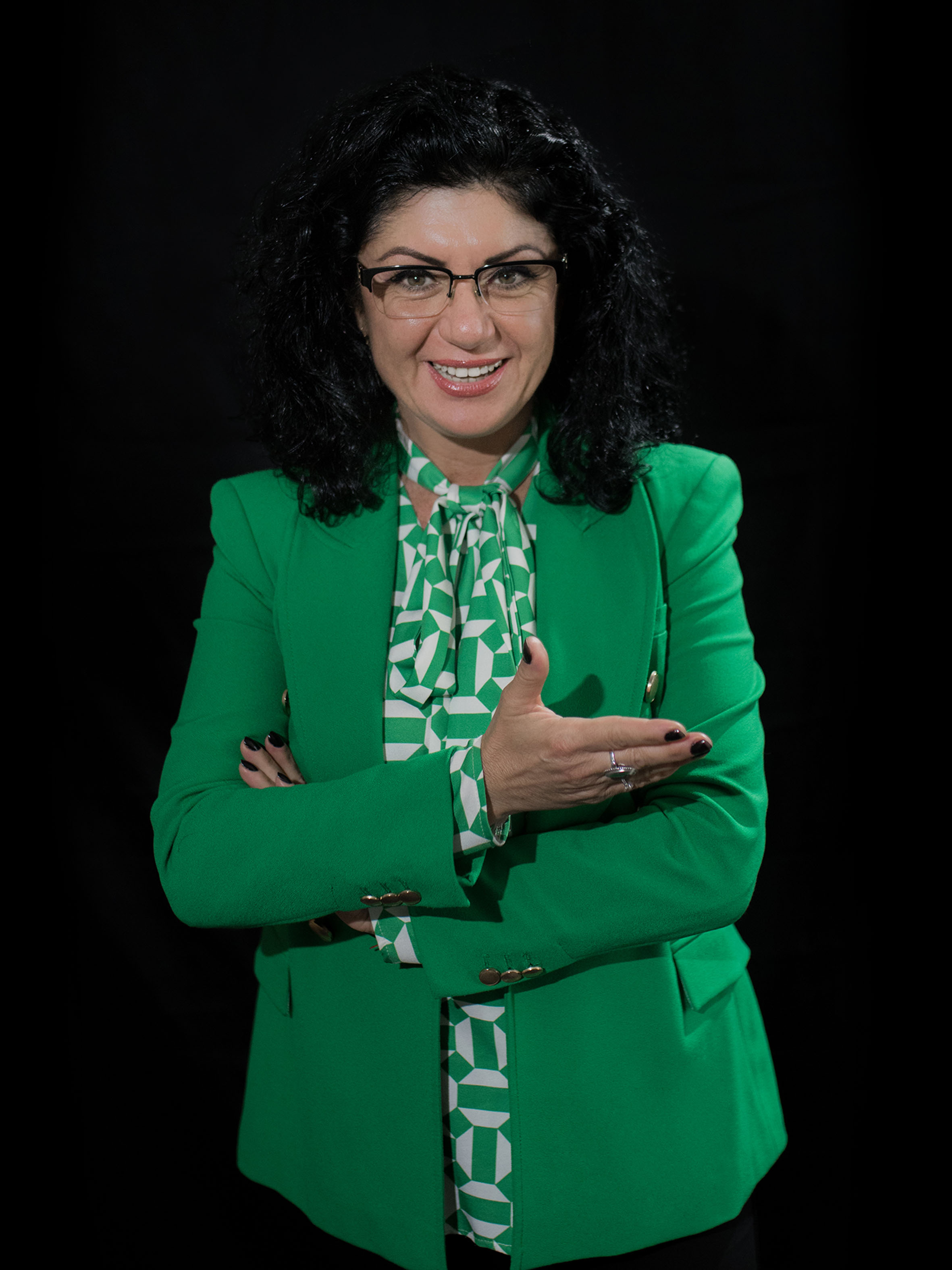
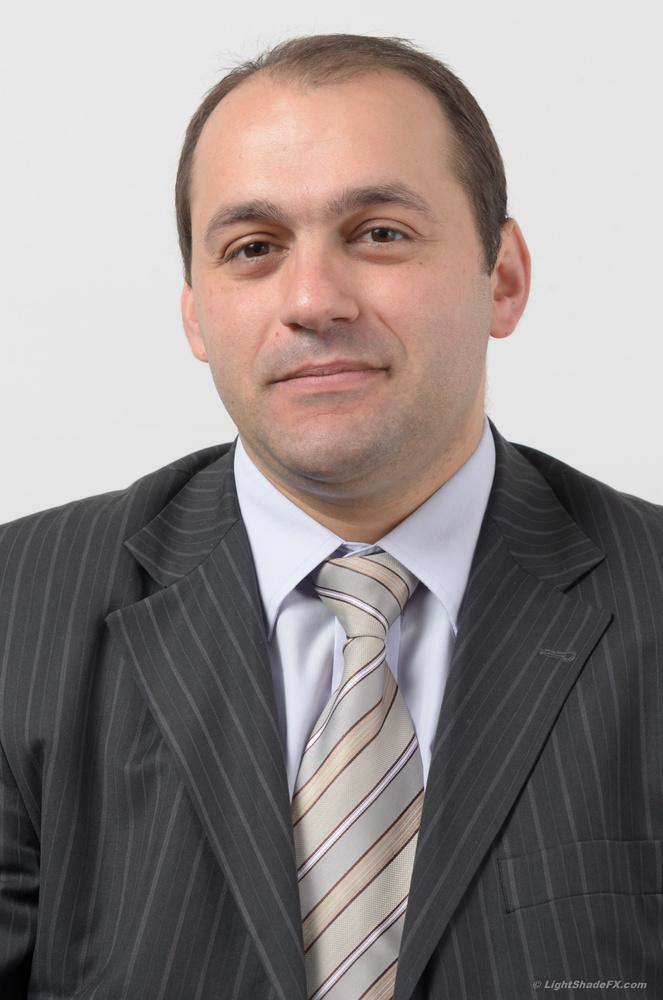
Andang Sunarto is an Associate Professor affiliated with the State Islamic Institute (IAIN) Bengkulu, Indonesia and the Lepage Research Institute, Slovakia . His work bridges Numerical Analysis , Computational Mathematics , and Algorithm Design with applications in Robotics , Image Processing , and Sharia-Compliant Systems . Research Focus: Fractional Calculus, Nonlinear PDEs, GPU-Accelerated Algorithms Collaborations: International institutions including Union of Czech Mathematicians and Physicists and University of Prešov His recent publications (2021–2025) emphasize Iterative Methods for solving Time-Fractional Diffusion Equations and Porous Medium Models . He also explores Digital Islamic Education and Halal Tourism Development . Despite no listed awards, his work spans diverse domains like Mobile Banking Evaluation , Environmental Pollution Analysis , and Ethnobotanical Applications . Andang actively designs EdTech tools (e.g., Wordwall-based modules) and contributes to computational methods in Climate Modeling and Nonlinear Diffusion .
Daniela Margareta Chiorean serves as University Professor in the Graphics Department at the University of Art and Design Cluj-Napoca, where she has held academic positions since 2000 and currently serves as Prorector responsible for quality assurance (2023-2024). She previously served as Dean of the Faculty of Plastic Arts (2012-2015) and Department Director for Graphics (2015-2023). Concurrently, she maintains an active legal practice as an attorney specializing in civil law and intellectual property at the Cluj Bar Association since 2007. Her educational background includes a PhD in Visual Arts (2007) from UAD Cluj-Napoca with thesis 'Man - Media. Traditional and new media in graphics,' a Master's in Civil Law (2005-2007), Law degree (2001-2005), and dual Master's degrees in Visual Arts (2001-2003). She completed specialized training in intellectual property at WIPO (2002) and cultural management/multimedia in Germany (2002-2003). Chiorean's research bridges graphic design, digital media, and intellectual property law, examining how traditional media interacts with contemporary digital environments. Her work explores symbolic dynamics in advertising, the evolution of typography from Gutenberg to virtual publications, and the legal frameworks governing creative works in digital spaces. She investigates how new technologies transform artistic practices while maintaining connections to historical techniques, with particular focus on remix culture and copyright issues in visual communication. Her publication trends reveal consistent exploration of media transitions, with recent work analyzing digital image processing, urban-nature representations in artificial environments, and comparative studies of display versus print media. These publications demonstrate her interdisciplinary approach connecting artistic practice with scholarly inquiry into media evolution. Premiul UAP România pentru grafică - tineret (2002) Premiul Vespasian Lungu pentru grafică (1997) As a researcher, she has led multiple nationally-funded projects including 'Vector – Design and Book Illustration' (2012) through the National Cultural Fund and 'Center for Promoting Entrepreneurship in Sustainable Development' (2010-2013). She coordinates international collaborations through Erasmus+ and Leonardo da Vinci programs, organizing workshops on infographics, bookbinding, and digital media. Her professional activities span academic leadership, legal practice in intellectual property, and active participation in national and international artistic communities as both creator and evaluator. She coordinates specialized workshops in infographics and bookbinding techniques, and participates annually in the Brâncuși International Workshops for sculpture, painting, and graphics. Her collaborative network extends across European institutions through multiple international partnerships, with recent involvement in Korea's 'O întâlnire și o altă călătorie începe' exhibition (2024).
Lect. dr. Alina Cristiana Gavriluţ is a faculty member at the Faculty of Mathematics, Al. I. Cuza University of Iaşi, Romania. Her research focuses on advanced topics in mathematical analysis, including set multifunctions, non-additive measures, fuzzy integrals, and their applications in physics and complex systems. She has authored/co-authored multiple books and over 30 peer-reviewed papers in journals like Fuzzy Sets and Systems , Entropy , and Reports on Mathematical Physics . Her work explores regularity properties of set multifunctions, integrability in non-additive settings, and interdisciplinary applications in areas like fractal information, quantum mechanics, and neurosciences. She has also contributed to theoretical frameworks connecting mathematical physics with complex systems, including studies on non-differentiable entropy and spacetime manifolds. Dr. Gavriluţ collaborates extensively with researchers in mathematics and physics, notably Maricel Agop and Anca Croitoru. Her research has implications for diverse fields, from image processing to neuronal network modeling. She actively participates in international conferences, presenting findings on set-valued integration, fractal systems, and transdisciplinary approaches to complex phenomena. Education: PhD in Mathematics from Al. I. Cuza University (year not specified). Key Areas: Mathematical analysis, measure theory, fuzzy set theory, complex systems, non-differentiable dynamics. Grants/Awards: Not explicitly listed in the provided texts, but her prolific publication record indicates sustained academic engagement. Labs/Teams: Affiliated with the Mathematics department at Al. I. Cuza University, contributing to research groups in functional analysis and mathematical physics.
Prof. Dan Cristea is a faculty member at the Faculty of Computer Science, Alexandru Ioan Cuza University (UAIC), specializing in Artificial Intelligence and Natural Language Processing. He holds a PhD and is a corresponding member of the Romanian Academy. His research focuses on computational linguistics, knowledge representation, and historical document deciphering, with notable projects like DeLORo for old Cyrillic texts and EUROLAN Summer Schools. He has supervised numerous students in AI and NLP projects, including systems for question-answering, sentiment analysis, and agent-based models. His work bridges theoretical linguistics with practical applications in digital heritage preservation and multilingual technologies. Education: PhD (not explicitly stated in text), but his academic rank implies doctoral qualifications. Research Interests: AI applications in NLP, discourse analysis, computational linguistics, and cultural heritage digitization. Projects include MappingBooks for geographical text navigation, CoBiLiRo for bimodal corpora, and Sentimatrix for sentiment analysis. He collaborates internationally on corpora like EuReCo and has developed tools for dependency parsing and semantic annotation. Key Achievements: Corresponding member of the Romanian Academy Lead developer of the Corpus of Contemporary Romanian Language (CoRoLa) Pioneered AI-driven historical document transcription systems Grants and Collaborations: Involved in EU-funded projects like i-Librarian and i-Publisher. Collaborates with institutions globally on NLP and corpus linguistics. Labs/Teams: Director of the NLP-Group@UAIC-FII and heads the DeLORo project team.
Dr. Anca Udristoiu is an Associate Professor at the Department of Computers and Information Technology, University of Craiova's Faculty of Automatic Control, Computers and Electronics. She graduated from the same faculty in 2003 as a Software Engineering specialist and has been a PhD candidate in Computer Science since 2009 under Prof. Mircea Petrescu. Research Focus: Her work centers on AI-driven medical diagnostics, with emphasis on: Real-time analysis of endoscopic ultrasound (EUS) for pancreatic/liver pathologies Deep learning for cancer detection in biopsy samples Robotic navigation systems for minimally invasive procedures Computer-aided diagnosis frameworks for thyroid/liver disorders Teaching: Leads courses in Databases, Machine Learning, and Web Systems Engineering. Research Trends: Publications (2022-2025) demonstrate: Dominant focus on AI applications in endoscopic imaging (76% of recent works) Progression from theoretical models to clinical validation studies Integration of convolutional/long short-term memory neural networks Robotics development for endovascular/pulmonary interventions
Gabriel DANCIU is a Lecturer at the Department of Electronic and Computers, Faculty of Electrical Engineering and Computer Science, Technical University of Banat. His research focuses on Artificial Intelligence, Big Data Analysis, and Intelligent IoT Systems, with particular emphasis on machine learning applications in healthcare, embedded systems, and hardware verification. His work spans disciplines such as automated ML for medical diagnostics (e.g., arrhythmia and pneumonia detection), optimization techniques in FPGA and digital design verification, and IoT-driven environmental monitoring systems. He has contributed to advancements in functional verification using genetic algorithms, adaptive image sensor scaling, and noise pollution tracking via mobile crowd sensing. Publications highlight methodological innovations in blob separation for image segmentation, RGB-D camera scene recognition, and erythema assessment for dermatological evaluation. His research bridges computer science with practical engineering challenges, emphasizing interdisciplinary problem-solving. No scientific awards or grants are explicitly mentioned in the provided texts. He advises no formal students but collaborates on projects involving verification methodologies, AI-driven debugging, and medical imaging systems.
Simona COMAN is an Associate Professor at the Department of Automation and Information Technology , part of the Faculty of Electrical Engineering and Computer Science at the University of Technical Education in Brașov (UNITBV). Her work focuses on advancing AI applications in medical diagnostics, fractional order systems, and adaptive control mechanisms. She leads research in areas such as cardiovascular signal processing, privacy-preserving AI, and precision medicine frameworks. Her research interests include developing robust systems for non-invasive diagnostics (e.g., heart murmurs detection via AI), enhancing cybersecurity in industrial AI deployments, and creating MATLAB-based tools for anesthesia control. She actively contributes to international conferences and collaborates on projects addressing biomedical systems modeling and stability analysis. Notable achievements include pioneering AI-driven CT scan analysis for pandemic response and co-authoring frameworks for validating AI in precision medicine. Her work bridges theoretical control systems with practical healthcare applications, emphasizing both innovation and rigorous validation standards. Dr. COMAN’s publications span journals in biomedical engineering, electrical systems, and control theory, reflecting her interdisciplinary approach to solving complex technical challenges. She maintains an active role in academic and industrial partnerships, fostering advancements in automation and information technology.
Adrian Virgil CRĂCIUN is an Associate Professor at the Department of Electronic and Computers, Faculty of Electrical Engineering and Computer Science, Technical University of Brașov. His research focuses on analog electronics, electronic circuit modeling, and data acquisition systems. He has published extensively on topics like VHDL-based filter design, low-power amplifiers, and FPGA security. His work includes both theoretical contributions and practical implementations in medical electronics and embedded security systems. Education Background: No explicit education details provided in text Research Interests: Dr. CRĂCIUN specializes in electronic circuit analysis and design, with emphasis on analog systems. His work integrates hardware security (PUF-based solutions), low-power medical electronics, and advanced simulation techniques using VHDL. Recent efforts focus on optimizing power consumption in complex integrated circuits and developing robust FPGA identification methods. Grants & Collaborations: No grant information explicitly stated Labs & Teams: Participates in university-based electronics research groups focused on analog circuit design and embedded systems security.
Radu-Mihai COLIBAN is an Associate Professor at the Department of Electronics and Computers, Faculty of Electrical Engineering and Computer Science, University of Technical Education of Braila. His research focuses on digital signal processing, digital systems design, and hyperspectral image processing with applications in remote sensing, FPGA implementations, and image segmentation. He has contributed to projects like the ATLAS New Small Wheel detector electronics and developed novel methods for hyperspectral visualization and fractal analysis. Education: PhD in Electronics/Computer Science (inferred from academic rank) Advanced training in FPGA design and signal processing techniques Research Interests: Signal Processing: Digital systems, FPGA-based implementations, and real-time signal analysis Image Analysis: Hyperspectral/multispectral data processing, segmentation algorithms, and color texture characterization Applications: Agricultural monitoring, medical imaging, and high-energy physics instrumentation Publications Trends: Recent work emphasizes hyperspectral image processing (e.g., band selection, segmentation) and FPGA-accelerated algorithms (e.g., modular arithmetic, 8b/10b encoding). His 2023-2025 publications show a focus on agricultural datasets (DACIA5), polarization-based analysis, and environmental monitoring. Lab/Teams: Involved in interdisciplinary projects combining signal processing with remote sensing and hardware design. Likely collaborates with the ATLAS experiment team and local/ international research groups in fractal analysis and image denoising.
Associate Professor Olimpiu Stoicuta is affiliated with the Polytechnic University of Timișoara's Faculty of Mechanical and Electrical Engineering, Department of Automation, Computers, Electrical and Power Engineering. His research focuses on advanced control systems for electrical motors, renewable energy integration, and econometric analysis of energy policies. He has extensive expertise in sensorless vector control, induction motor modeling, and optical communication technologies. Education details are not explicitly stated in the provided text, but his work indicates a strong background in electrical engineering and control systems. He has published widely on topics including adaptive observers, energy transformation systems, and underground communication solutions. His research interests span multiple domains: (1) Electrical Engineering with emphasis on motor control and power electronics; (2) Renewable Energy focusing on system integration and efficiency improvements; (3) Data Communication involving LiFi and optical networks for industrial applications; and (4) Econometric Modeling related to energy policy analysis in Romania and the EU. Recent publications (2020-2025) highlight trends in AI-driven network optimization, sensorless motor control advancements, and energy policy studies. Articles frequently address practical engineering challenges like underground communication reliability and EV autonomy enhancement. No specific awards or grants are mentioned, though his prolific publication record suggests sustained research activity. Laboratory and team involvement can be inferred through his work on robotics (exoskeleton control) and collaborative projects in industrial automation systems.
Andreea Iosif serves as Associate Professor at the Department of Form and Environment Studies, Ion Mincu University of Architecture and Urbanism (UAUIM), Bucharest, with academic service spanning from Assistant (1999) to Lecturer (2009) and Associate Professor (2013). She leads CGI disciplines including Visualizations, Virtual Modeling, CAD, and Parametric Modeling across Architecture and Interior Architecture programs, driving digital innovation in architectural education and practice. Education: Faculty of Architecture and Urban Planning, Ion Mincu Institute of Architecture (1988-1994) Research Focus: Her work pioneers Virtual Reality applications for cultural heritage conservation , exemplified by the Simu Museum VR recreation project and 3D digitization of fortified churches. She integrates computational design with digital fabrication to reinterpret historical techniques like mosaics while advancing heritage documentation standards through tools like ECCLESIA 3D software. This interdisciplinary approach bridges architectural history, technology, and pedagogy. Publication Trends: Recent works emphasize VR-driven heritage storytelling (2019 Simu Museum paper) and computational frameworks for sacred architecture (2013 publications). Earlier research established foundational digital modeling methodologies, evolving toward immersive technologies that transform how architectural heritage is preserved, experienced, and taught in contemporary practice. Scientific Awards: 2nd Prize, National Furniture Design Competition (APMR 2009) Honorable mention at Vimania Architecture International Competition (2018) Project selections for Bucharest 2000 and Revolution Square urban planning competitions (1996-1997) Ecclesia 3D selected at BNAB 2012 Advising and Grants: As project coordinator for UAUIM's Mac Popescu Experimental Workshop (2019-2021) and director of InstrulabMincu (2021), she mentors students in digital fabrication. Her grant portfolio includes CNCSIS-funded architectural heritage documentation (2004-2006), VRtransFORM (2021), and cultural projects with the Order of Romanian Architects, securing institutional support for heritage-technology integration. Labs and Teams: Iosif spearheaded the Digital Fabrication Laboratory feasibility study (2017-2018) and co-develops VR tools through the Simu Museum team. She actively collaborates with CINETic, National Institute of Heritage, and Globalworth Foundation on cross-disciplinary initiatives that position UAUIM at the forefront of digital heritage innovation in Eastern Europe.
Najib Rahouma is an Assistant Professor at the University of Tripoli, specifically in the Department of Journalism within the College of Media and Communication. He has served in various administrative roles including Vice Dean for Academic Affairs at the College of Media since March 2022, and previously as Director of the College's Media Lab from May 2020 to May 2022. His career at the University of Tripoli spans over 15 years, beginning as a Teaching Assistant in January 2007. His educational background includes: Master's degree in Media from New Mexico State University (May 2012) Postgraduate diploma from University of Tripoli, College of Arts and Media (June 2006) Rahouma's research primarily focuses on the evolving landscape of journalism in the digital age, with particular emphasis on citizen journalism as an emerging field. His work explores how traditional journalism practices are being transformed by digital media and social platforms. He is currently preparing a book on the history of electronic journalism in Libya with Professor Ahmed Al-Kurd, and developing an academic curriculum on media accountability in cooperation with the University of Dortmund in Germany. His research also extends to media coverage of electoral processes and migration issues, reflecting his commitment to understanding journalism's role in democratic processes and social challenges. His teaching responsibilities include communication theories, mobile journalism, interpersonal communication skills, and editing applications. His publication record demonstrates a consistent focus on contemporary media challenges in Libya and the broader region. His recent work examines press photography in conflict coverage, migration reporting, and the dynamics between citizen and professional journalism. These publications reveal a researcher deeply engaged with both theoretical aspects of media studies and practical applications within the Libyan context, with a particular attention to institutional news processing and media representation of critical social issues. Rahouma actively contributes to academic administration, having served in various leadership roles including Head of the Department of Studies and Examinations (2016-2020), Coordinator of the Journalism Division, and currently as Vice Dean for Academic Affairs. He has supervised numerous graduation projects and provided academic guidance to students throughout his career, while also chairing selection examination committees, discussion committees, and final examination committees. He has participated in professional development activities including a one-week course at the University of Cologne on modern teaching methods (December 2018) and a course on teaching multimedia journalism at Sapienza University in Rome (June 2022). Beyond academia, he serves as Vice President of the Libyan Organization Against Violence and Hate Speech, demonstrating his commitment to social issues beyond the classroom.
Mohammed Al-Jahani is an Assistant Professor in the Department of Computer Engineering at the College of Engineering, University of Tripoli. With over 15 years in higher education and research, he specializes in FPGA design , natural speech processing , and high-level synthesis of digital systems . Education: PhD in Computer Engineering (2015) from Florida Institute of Technology (FIT) MSc in Computer Science (2012) from FIT MSc in Computer Engineering (2004) from Beijing University of Aeronautics and Astronautics (BUAA) His research focuses on real-time FPGA-based speech recognition , Embedded Systems , and low-power hardware solutions . Recent publications highlight advancements in traffic control , processor architecture , and automated rotary car parking systems using FPGAs. He leads the FPGA Digital Embedded Systems Research and Development Group at the University of Tripoli and actively participates in scientific conferences.
Dr. Athanasios Ap. Nikolaidis is a Professor at the International Hellenic University (IHU) . His research focuses on interdisciplinary domains within cognitive systems and digital technologies. Contact: Tel: +30-23210-49342 | Email: nikolaid@ihu.gr Office Hours (Spring 2024-2025): Tuesdays 8:30-9:00, Fridays 8:30-9:00 & 11:00-12:00, and by appointment Research Interests: He specializes in Cognitive Multimedia Systems , with technical expertise in Digital Image Processing and Digital Signal Processing .
Liana Stanescu is a Professor at the Faculty of Automatic Control, Computers and Electronics at the University of Craiova, Romania. Her research spans interdisciplinary domains at the intersection of computer science and medical technology. Email: liana.stanescu@ucv.ro Her research interests focus on artificial intelligence applications in software engineering and medical imaging, including: Automated testing frameworks Deep learning for medical image classification Graph-based volumetric segmentation techniques Comparative database analysis Recent publications highlight trends in AI-driven testing methodologies, hybrid medical-educational systems, and advanced database architectures. Key technologies explored include Petri Nets for dynamic system modeling and LiFi communication protocols. No formal scientific awards are publicly documented. She has developed practical tools for hospital automation, educational platforms, and medical data analysis systems.