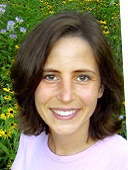
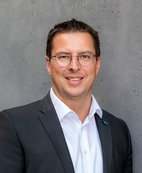
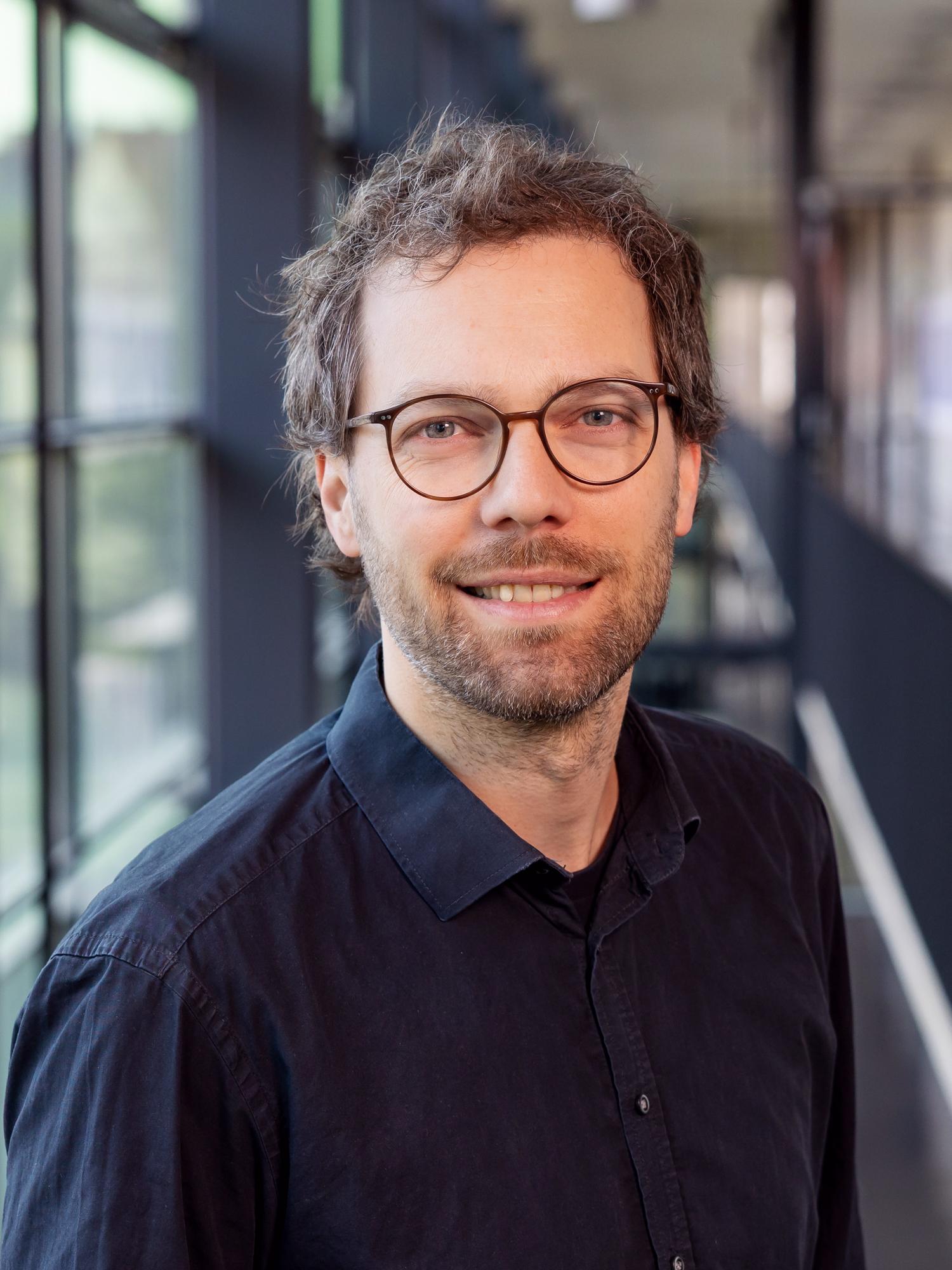
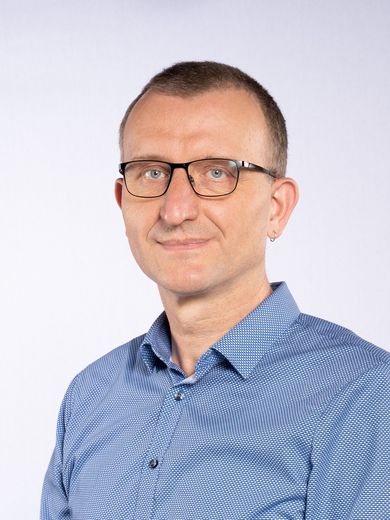
Asli Göçmen is an Associate Professor at the University of Wisconsin–Madison in the Department of Geography & Nelson Institute for Environmental Studies. Her work focuses on environmental planning, sustainable land development, and GIS applications. She holds a Ph.D. from the University of Michigan and has expertise in spatial analysis and urban planning. Education: Ph.D., Urban, Technological, and Environmental Planning, University of Michigan Certificate in Spatial Analysis & GIS, University of Michigan Master of Community Planning, University of Cincinnati Bachelor of City Planning, Middle East Technical University, Turkey Research Interests: Examines human dimensions of environmental sustainability, particularly how stakeholders' attitudes and policies influence land development patterns. Current projects include planner perspectives on sustainable development and conservation subdivisions' ecological benefits. Teaching: Urban & Regional Planning 622: GIS Applications in Planning Urban & Regional Planning 841: Planning for the Ecological City Urban & Regional Planning 590: Resilience to Natural Hazards Advising & Students: Advised over 20 graduate students in urban planning and environmental studies programs. Current advisees include Colleen Henegan and Alex Jeffers. Former students have contributed to ecological design and policy research.
Markus König is a Professor of Informatics in Civil Engineering at Ruhr University Bochum, where he has been researching and teaching since October 2009. His work focuses on Building Information Modeling (BIM), digital construction technologies, and civil engineering informatics, with significant contributions to the development and implementation of digital methods in German construction industry. Dr. König earned his degree in civil engineering with a focus on applied computer science at Leibniz University Hannover, where he also completed his doctorate on cooperative building planning at the Institute for Building Informatics. He subsequently held a junior professorship for Theoretical Methods of Project Management at Bauhaus University Weimar before joining Ruhr University Bochum. His research spans multiple cutting-edge areas including Building Information Modeling (BIM), construction process simulation, tunneling informatics, infrastructure asset management, and the application of artificial intelligence and computer vision in civil engineering. As chair of the Building Informatics Working Group from 2012-2016, he played a key role in developing the first national BIM curriculum for German universities and serves as editor of the book 'Building Information Modeling: Technological Foundations and Industrial Practice.' Analysis of his recent publications reveals a strong trend toward semantic technologies, digital twins, automated compliance checking, and the integration of AI in construction processes. His work increasingly focuses on information containers, ontology development, and the application of large language models to infrastructure data, reflecting the evolving landscape of digital construction. Dr. König's significant contributions to digital construction have been recognized with prestigious awards: Lower Saxony-Bremen Construction Industry Award (2017) for 'services in the development and introduction of digital construction in Germany' Konrad Zuse Medal (2020) While specific details about his advising and grant activities aren't explicitly mentioned in the provided text, his extensive publication record with numerous co-authors suggests active supervision of doctoral students and research staff. His involvement in multiple collaborative research projects is evident from his publication history. At Ruhr University Bochum, Professor König leads a research group focused on civil engineering informatics, with particular emphasis on BIM, digital construction technologies, and their application across the building lifecycle. His team appears to work at the intersection of computer science and civil engineering, developing innovative solutions for construction process optimization, infrastructure management, and digital transformation of the AEC industry.
Prof. Bernd Domer is an Associate Professor at the Geneva School of Landscape, Engineering and Architecture (HES-SO) specializing in Building Information Modeling (BIM) , Geographic Information Systems (GIS) , and digital transformation of civil engineering . He leads multiple ongoing research projects including CU_OFROU_PAB (CHF278,844) focused on BIM-GIS workflows for noise barriers, and SousEtoile (CHF50,000) developing subsurface prediction models for urban planning. His work addresses critical challenges in software interoperability and point cloud processing for infrastructure digital twins. BA HES-SO in Architecture (HEPIA) BSc Civil Engineering (EPFL) BSc HES-SO in Civil Engineering (HEPIA) MSc HES-SO in Engineering (HES-SO Master) His research explores digital workflows for infrastructure projects, with over 15 recent publications examining topics like: Semantic segmentation of point clouds (2024) IFC standard optimization (2023) Underground confidence level modeling (2021) Swiss BIM implementation frameworks (2020) Construction waste management platforms (2018) He serves as Head of the MIC Group and co-directs the CAS in BIM Coordination . Active in international committees like EG-ICE and Bauen digital Schweiz , his work bridges academic research with practical implementation through collaborations with HEPIA , HEIG-VD , and institutions like the Swiss Federal Roads Office (OFROU) .
Judith Fauth is a researcher at the Technical University of Munich's Chair of Computing in Civil and Building Engineering, where she pioneers digital transformation in building permit processes through Building Information Modeling (BIM) and digital twin technologies. Her work bridges civil engineering, computer science, and public policy to streamline regulatory compliance across international contexts. Her research expertise spans Building Permit Processes , Digital Building Permits , Ontology Engineering , and Process Modeling , with emphasis on developing standardized frameworks for global permit system benchmarking. She investigates how semantic technologies and digital twins can automate regulatory compliance while accommodating regional variations in construction law and administrative practices. Analysis of her 2023-2025 publications reveals three dominant trends: (1) integration of digital building permits with digital building logbooks for lifecycle data management, (2) development of ontologies like OBPA for automated permit reviews, and (3) creation of taxonomies and process models (e.g., PACE-BP framework) enabling cross-national comparisons of permit systems. This work increasingly incorporates sustainability metrics and stakeholder-specific KPIs. Within TUM's research infrastructure, Dr. Fauth contributes to the BIM Lab and Digital Twinning research groups, collaborating on projects involving Gaia-X-based data frameworks and semantic modeling of the built environment. She teaches practical software development skills through the SoftwareLab course, preparing engineering students for digital construction workflows.
Dr. Sven Mackenbach serves as a Postdoctoral Researcher and Senior Engineer at RWTH Aachen University's Institute of Construction Management, Digital Engineering and Robotics in Construction (ICoM) since January 2023. Holding a doctorate in circular construction from the same institution, he leads the development of the "Circular Construction" research area, oversees multidisciplinary projects, and teaches Sustainable Construction Management to engineering students. His academic credentials include: PhD in Circular Construction, RWTH Aachen University (2023) Mackenbach's research integrates circular economy principles with digital construction technologies, focusing on strategic management frameworks for sustainable building practices. His expertise spans modular construction methods, BIM-based sustainability assessment, and digital twinning applications for infrastructure management. He bridges theoretical research with practical implementation through sustainability consulting for construction stakeholders, addressing real-world challenges in resource efficiency and regulatory compliance. His publication portfolio reveals a decisive shift toward data-driven circular construction solutions, with increasing emphasis on BIM-ontology integration for deconstruction planning, public participation systems, and sewer infrastructure management. Recent works demonstrate sophisticated methodological approaches to quantify ecological, economic, and social sustainability metrics without specialized expertise. As a scientific supervisor, Mackenbach mentors research assistants in project execution while contributing to curriculum development through his specialized course instruction. His leadership in research project coordination indicates substantial grant management experience, though specific funding sources aren't detailed in available materials. Within ICoM's collaborative environment, he contributes to cross-disciplinary teams advancing digital engineering and robotics applications in construction, particularly through the KaSyTwin sewer management project and BIPV facade digitalization initiatives.
Prof. Dr.-Ing. Jürgen Melzner is a Professor at the Faculty of Civil and Environmental Engineering at Bauhaus-Universität Weimar. His research focuses on construction operations, occupational health and safety, and BIM integration. He leads projects in lean construction management, noise pollution modeling, and safety planning using BIM. His work emphasizes digital transformation in construction processes and legal aspects of building permits. Education includes a Dr.-Ing. (Doctor of Engineering) with extensive career contributions to construction safety and process optimization. His teaching and research involve BIM applications, IoT integration, and interdisciplinary methods in construction education. Research interests span BIM-based safety systems, predictive noise simulation, ontology networks for construction data, and lean principles in project management. Recent articles address stakeholder management in permits, machine learning for site monitoring, and metaverse applications in urban planning. Notable advising includes guidance of master's students like Mahshid Birkholz and Nasim Babazadeh. His work bridges academic research with practical implementation through projects like BIMwissT and DROHNIS. Labs/teams: Active in the Chair for Construction Management and BIM, focusing on digital tools and safety innovation.
Tracy Seneca is a Clinical Professor and Head of Digital Programs and Services at the University of Illinois at Chicago (UIC) Library. She holds a Master of Arts in Applied Technology from DePaul University and a Master of Library and Information Studies from the University of California, Berkeley, alongside a B.A. in Humanities from UC Berkeley. Her work focuses on digital preservation, web archiving, and metadata standards, with significant contributions to collaborative digital initiatives like the Chicago Collections Consortium and the End of Term Web Archive. She has led projects such as the Chicago Building Permit Collection digitization and the implementation of the International Image Interoperability Framework (IIIF) in academic settings. Her professional service includes roles in the iPRES steering committee, the Chicago Collections Consortium, and the UIC Faculty Senate. Awards include the Center for Research Libraries Primary Source Award and the Larry L. Sautter Golden Award for Innovation. Teaching activities include workshops on web archiving and library instruction courses. Her publications span topics from digital humanities tools to consortial repository development, emphasizing interoperability and accessibility in cultural heritage preservation.
Simon Goebel is a Professor for Social Work and Diversity at the Faculty of Humanities and Natural Sciences at Augsburg University of Applied Sciences. Appointed in 2021, he leads research and teaching in the Social Work (Bachelor of Arts) program, focusing on critical approaches to migration, diversity, and social justice. His academic work bridges theoretical frameworks with practical applications in social work contexts. Dr. Goebel earned his doctorate in European Ethnology/Folklore from the Catholic University of Eichstätt-Ingolstadt in 2016. His academic journey includes research positions at the Centre for Flight and Migration (2019-2021) and teaching assignments at multiple German universities since 2012. Prior to his professorship, he worked extensively with Tür an Tür – Integrationsprojekte gGmbH as a speaker and consultant on refugee labor market integration (2014-2020). His research interests span migration and asylum studies, media representation of refugees, postcolonial theory, diversity and anti-racism, and the legal anthropology of migration control regimes. Dr. Goebel examines how migration discourses are constructed in political talk shows and digital public spheres, with particular attention to the intersection of racism, culturalism, and policy frameworks. His work critically analyzes the relationship between migration control and social policy, especially regarding refugee camps and labor market access. Dr. Goebel's scholarly contributions reveal consistent themes across his publications: the critical examination of migration discourses in German media and politics, the intersection of racism and culturalism in public debate, and innovative approaches to refugee integration through projects like urban gardening. His work demonstrates how digital media shapes migration narratives while challenging deficit-oriented frameworks in integration policy. German Society for Social Work German Society for Empirical Cultural Studies Refugee Research Network Network for Critical Migration and Border Regime Research Migration Council Dr. Goebel actively engages in knowledge transfer through numerous lectures, workshops, and media appearances. He has supervised multiple theses on topics including racism in children's media, refugee family experiences at the intersection of disability, and accommodation standards for refugees. His current projects include 'Hello Diversity! Diversity Check,' an anti-racist analysis of children's books, and 'Urban Gardening with Refugees,' which explores sustainable social work methods.
Hugo Ledoux is an academic affiliated with the Faculty of Architecture and the Built Environment at Delft University of Technology, specializing in Urban Data Science. His research focuses on 3D geospatial modeling, including CityGML standards, terrain analysis, and automated reconstruction of urban structures. He has contributed to projects like the DeltaDTM coastal terrain model and the cjdb database solution for CityGML. Education: Not explicitly detailed in text, but inferred through academic roles and publications. Research interests emphasize 3D geoinformation systems, remote sensing applications, and urban data science. His work addresses challenges in 3D city models, building reconstruction, and geospatial validation tools like Val3dity. Recent efforts include improving global terrain models using ICESat-2 and GEDI lidar data. Publications span automated building reconstruction workflows, terrain accuracy assessments, and semantic-guided facade modeling. Awards include the Best Presentation at 3DGeoInfo 2020 and the U.V. Helava Award for Best Paper in 2011. Ledoux has supervised 4 academic works and actively participates in conferences, editorial activities, and open-source software development for geospatial applications. Labs/Teams: Involved in TU Delft’s 3D geoinformation research, contributing to tools like 3dfier and CityJSON for 3D data interoperability.
Eunhwa Yang is an Associate Professor and Curriculum Committee Chair at the School of Building Construction, Georgia Institute of Technology. She holds a Ph.D. in Human Behavior and Design from Cornell University and an MS in Building Construction from Georgia Tech. Her research focuses on the interplay between built environments and human outcomes, employing Bronfenbrenner’s ecological systems theory to study workplaces, campuses, and homes. Key areas include sustainable building practices, facility management optimization, and aging-in-place strategies for individuals with mild cognitive impairment. As an advocate for innovative teaching methods, Dr. Yang has developed facility management courses using active learning and service learning approaches. She has led workshops on pedagogical strategies at GT’s Center for Teaching and Learning and Cornell’s Center for Teaching Excellence. Professional affiliations include the International Facility Management Association (IFMA) and CoreNet Global, where she has received young researcher awards and fellowships. Her recent work emphasizes data-driven solutions for energy performance contracting, hybrid workspaces, and inclusive housing designs. The Workplace Ecology Lab under her direction explores environmental factors influencing sleep health, workplace safety, and aging-in-place technologies. Over 15 years of grant-funded research has produced impactful studies on green leasing, building lifecycle analysis, and multi-stakeholder decision-making in urban transformation projects. Awards: IFMA Fellowships, IAPS Workshop Grant Grants: CoreNet Global Academic Challenges, IAPS sponsored projects Labs: Workplace Ecology Lab at Georgia Tech School of Building Construction Dr. Yang’s advisory work supports facility managers, corporate real estate directors, and designers in optimizing space utilization through evidence-based strategies. Her research bridges environmental science, architectural design, and human behavior studies to create healthier, more equitable built environments.
Ronald Kanterman serves as Adjunct Faculty in Fire Science and Professional Studies within the Henry C. Lee College of Criminal Justice and Forensic Sciences at the University of New Haven. With 47 years of fire service experience, he currently holds the position of Executive Inspector for the FDNY Bureau of Fire Prevention while teaching at the university. His research interests span multiple critical areas of fire science and emergency management. Kanterman specializes in fire prevention strategies , occupational safety and health protocols for firefighters, and hazardous materials response . His work emphasizes practical applications in fire service administration and emergency management systems, with particular focus on leadership development and organizational resilience within fire departments. His scholarly output demonstrates consistent contribution to fire service literature, with publications spanning fire officer safety, hazardous materials response, and fire service leadership. The articles reveal a strong emphasis on practical applications with theoretical underpinnings in fire science, showing evolution from technical firefighting procedures toward broader organizational and leadership concerns in later publications. Over 180 published works in fire service literature Regular contributor to Fire Engineering magazine and Fireengineering.com Author of multiple textbooks including "Fire Officer's Guide to Occupational Safety and Health" (2019) Kanterman has taught for 32 years at various two and four-year colleges at undergraduate and graduate levels, including serving as an Adjunct Instructor at the National Fire Academy. He has been instrumental in fire service education through his long-standing involvement with the Fire Department Instructors Conference (FDIC), where he has taught for 25 years and served on the Educational Advisory Committee. Beyond academia, he volunteers with the National Fallen Firefighters Foundation and serves as an Instructor for the Local Assistance State Teams program.
Christian Schranz is an Associate Professor at TU Wien, affiliated with the Forschungsbereich Digitaler Bauprozess . His work focuses on digital transformation in construction processes, particularly in Building Information Modeling (BIM), augmented reality applications, and regulatory process automation. He co-developed the BIMcert Handbook and leads the BRISE-Vienna project to implement openBIM in building permit processes. Key Projects: BRISE-Vienna (openBIM permitting), TAniA (asset valuation in infrastructure management) Research Themes: Digitalization of construction workflows, AR for building inspection, BIM standardization He has authored/co-authored over 150 publications, including conference presentations on AR applications in Austrian building authorities and technical reports on BIM implementation challenges. His work emphasizes bridging regulatory frameworks with digital tools to enhance construction efficiency and sustainability.
Leandro Madrazo Agudin serves as Professor in the Department of Architecture at La Salle School of Architecture, Universitat Ramon Llull. His research integrates technical engineering with social sciences to address building sustainability and urban identity through data-driven approaches. His research spans Energy Efficiency Engineering (61% fingerprint match), Building Systems Engineering (52%), and Semantic Technology (40%), focusing on municipal data platforms for building renovation and socio-physical aspects of urban environments. Current work emphasizes semantic data models for energy management and the social construction of neighborhood identities in renewal processes. Analysis of recent publications (2019-2023) reveals three dominant trends: 1) Development of municipal data platforms like OpenSantCugat for building information management, 2) Semantic data-driven models connecting building physics with urban energy systems, and 3) Socio-spatial studies on placemaking and neighborhood identity. These strands demonstrate consistent interdisciplinary methodology bridging technical engineering solutions with social science perspectives. Scientific Awards: No awards were documented in the source material. Grants and projects include leadership in the European Commission's ACCORD project (2022-2025) for automated compliance checks in construction, RETABIT (2021-2024) developing municipal building rehabilitation platforms, and Energy Communities (2023-2024) addressing interdisciplinary renovation diagnostics. These demonstrate sustained funding for municipal-scale sustainable building initiatives. He actively contributes to the Human-Environment Research group at La Salle, which investigates socio-technical interactions in built environments through projects like OpenSantCugat and RETABIT. This team specializes in translating building data into municipal services for energy efficiency and urban renewal.
Prof. Jürgen Knies serves as Professor and Vice Dean of Faculty 2 (Faculty of Architecture, Civil Engineering and Geomatics) at Bremen City University of Applied Sciences. Based in the Department of Infrastructure Planning of Environmental and Energy Systems (building UB, room 107), his work integrates ecological principles, Geographic Information Systems (GIS), Building Information Modeling (BIM), and environmental law to address complex infrastructure challenges. His leadership extends to municipal heat planning initiatives and跨-institutional research networks across Northwest Germany. His research focuses on urban energy transitions , with particular emphasis on heat system transformation, spatial planning integration, and socio-technical implementation barriers. Key methodologies include GIS-based spatial analysis, BIM integration, and multi-stakeholder governance frameworks. Current investigations target cold district heating networks, wastewater heat recovery, solar cadastre validation, and equity considerations in energy transitions—always contextualized within Bremen's municipal challenges and North German regional cooperation frameworks. Analysis of his 15 most recent publications (2017-2025) reveals a consistent trajectory: evolving from foundational spatial energy modeling toward integrated socio-technical solutions for urban heat transitions. The body of work demonstrates increasing sophistication in Digital integration (E-Government/BIM fusion) Multi-scale spatial analysis (neighborhood to regional) Equity-focused implementation strategies Legal-regulatory-compliance frameworks with Bremen serving as both living laboratory and model for municipal energy planning. No scientific awards are documented in the provided materials. His advising activities center on thesis supervision in infrastructure planning, while grant leadership includes major projects: hyBit (Hydrogen for Bremen's industrial transformation; 2021-2022) Heat Transition Northwest (digitalization for heat implementation; 2021-2025) North German Research Associations coordination Bremen Heat Transition Network initiatives These involve partnerships with municipal authorities, industry, and regional research consortia. His operational ecosystem includes the GIS Laboratory for spatial analysis, active participation in Networking AG Wärme (Heat Working Group), and leadership in the Bremen Heat Transition Network . Current engagements extend through 2026, including coordination of the 3rd North German Conference on Thermal Research—demonstrating sustained commitment to advancing urban energy infrastructure through academic-practice integration.
Jon Reades is a Professor of Geographic Data Science at the Centre for Advanced Spatial Analysis (CASA) at University College London (UCL), where he currently serves as Director. His academic journey includes a PhD in Town Planning from UCL's Bartlett School of Planning, and prior roles as Senior Lecturer and Lecturer in Quantitative Human Geography at King's College London. His research integrates urban planning, human geography, and data science, with a focus on housing policy, geospatial modeling, and urban systems analysis. Reades' educational background spans comparative literature (BA, Princeton University) and non-academic experience in software engineering and database mining. He has held visiting research positions at MIT's SENSEable City Lab and completed postgraduate training in data science and academic practice. His work bridges computational methods with urban theory, addressing challenges like housing inequality, urban gentrification, and pandemic-era spatial dynamics. Key research interests include spatial data visualization (e.g., Folium library contributions), agent-based modeling of urban behavior, and quantitative approaches to gender equity in academia. He actively engages with policy-relevant topics such as affordable housing and urban innovation, leveraging open-source tools and collaborative frameworks like CyberGIS. Reades' interdisciplinary approach is reflected in his teaching, which emphasizes practical coding skills (Jupyter notebooks) alongside theoretical urban concepts. Labs/Teams: As CASA Director, he oversees a multidisciplinary team advancing spatial data science methodologies. His research network includes collaborations with MIT's SENSEable City Lab and contributions to global urban initiatives like 'Smart London.' Current projects explore post-pandemic urban resilience, spatial equity in housing markets, and digital tools for urban analytics.