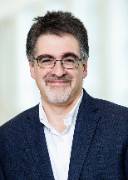
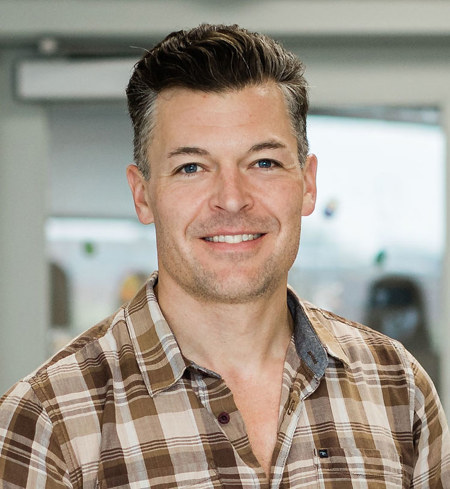
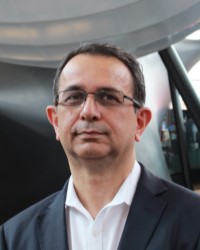
Dr. Edward Blumenthal , an Associate Professor at Marquette University's Department of Biological Sciences, investigates Drosophila melanogaster epithelial development and function. His research combines genetic, molecular, and physiological approaches to study the drop-dead gene's role in adult viability and tyramine signaling in Malpighian tubules. Key Research Areas: Epithelial barrier formation, neurodegeneration, and insect renal physiology Methodologies: Genetic mutation analysis, cell-cell communication studies, and osmoregulation research His laboratory's recent publications show focus on drop-dead 's multifaceted roles in gut motility, eggshell formation, and respiratory system integrity. Tyramine signaling pathways in Malpighian tubules constitute a major research theme. Scientific Honors: Senior Research Fellowship, KU Leuven (2011-2012) Advising: Actively mentoring both graduate and undergraduate researchers, Dr. Blumenthal has advised over 25 students since 2004, including PhD candidates and technicians. His trainees have presented at major conferences like the Annual Drosophila Research Conference. Grant Funding: NSF IOS-1355087 (2014-2019): Epithelial barrier formation NSF DBI-1156569 (2012-2015): Undergraduate research training NSF IOS-0744619 (2008-2013): Tyramine signaling NIGMS R15-GM080682 (2007-2010): Feeding and digestion genetics NIDDK R21-DK080680 (2001-2003): Osmoregulation research
Marjukka Kolehmainen is a Professor at the University of Eastern Finland, School of Medicine, specializing in the Institute of Public Health and Clinical Nutrition. Her research spans food and health with a focus on whole grains, berries, gut microbiota, and metabolic health . Email: marjukka.kolehmainen@uef.fi Key Collaborations: Research groups: COBRA, StopDia, Oat-Gut-Brain Study Her work integrates clinical dietary interventions and in vitro gut microbiota modeling to explore: Gut-Barrier Function: Linking dietary fiber/proteins to inflammation and systemic health Gut-Liver Axis: Preventing liver disease through diet Dietary Biomarkers: Using metabolomics to assess food impacts Psychobehavioral Nutrition: Stress-eating interactions and digital interventions Recent publications highlight trends in plant-based food health effects , microbiota-mediated metabolism , and sustainable nutrition , particularly for metabolic syndrome and obesity. She contributes to developing Life Cycle Assessment frameworks for food sustainability and gut barrier models for functional food research. Her projects include: FOODNUTRI: Climate-smart food infrastructure (2022–2025) Microplastic research (2016–present) StopDia: Diabetes prevention through lifestyle changes (2017–present)
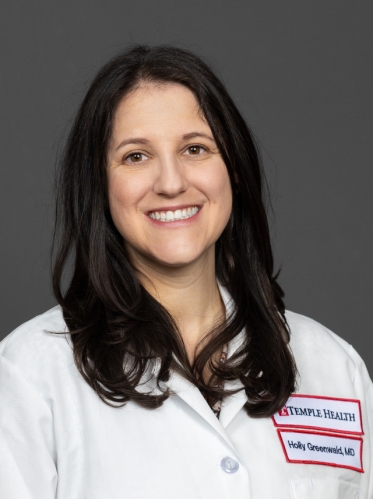
Holly S. Greenwald, MD, is an Assistant Professor of Clinical Medicine at the Lewis Katz School of Medicine, Temple University, and serves as Associate Program Director for the Gastroenterology Fellowship. She practices at the Temple Digestive Disease Center in Philadelphia, PA. Clinical Interests: Colorectal cancer screening, Gastroesophageal reflux disease, Celiac disease, Inflammatory bowel disease, and Hemorrhoid therapy. Research Interests: Quality improvement, Patient safety, Disorders of gut-brain interaction, and Medical education. Education: MD, Georgetown University School of Medicine, Washington, DC Fellowship in Gastroenterology & Hepatology, Temple University Hospital Residency in Internal Medicine, University of California, San Diego Medical Center Board Certifications: American Board of Internal Medicine in Internal Medicine and Gastroenterology. Professional Memberships: American Gastroenterological Association American College of Gastroenterology American Society for Gastrointestinal Endoscopy Scientific Awards & Honors: Medicine 401 Clerkship Excellence in Teaching Award, UC San Diego (2017-2018) 1st place Fellow, Department of Medicine Sol Sherry Research Symposium, Temple University (2022) Chief Fellow, Division of Gastroenterology, Temple University Hospital (2022-2023) Treatment Philosophy: Focuses on personalized, holistic care for digestive health, emphasizing comprehensive understanding and communication.
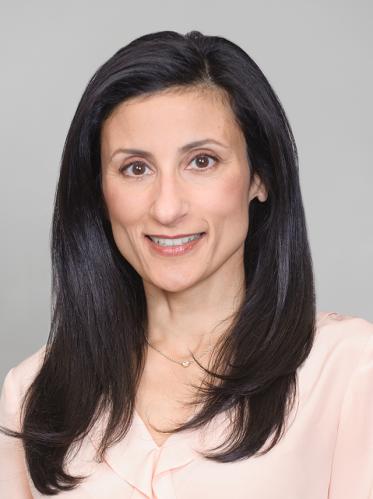
Dr. Anahita Deboo is a Professor of Neurology at Lewis Katz School of Medicine, Temple University. Specializing in Neuromuscular Medicine and Clinical Neurophysiology , her clinical expertise includes diagnosis and management of Amyotrophic Lateral Sclerosis (ALS) , Motor Neuron Disease , Diabetic Polyneuropathy , and Myasthenia Gravis . EDUCATION & TRAINING MD from University of Pittsburgh School of Medicine Fellowship in Neuromuscular/Clinical Neurophysiology at Hospital of the University of Pennsylvania Residency in Neurology at Hospital of the University of Pennsylvania RESEARCH FOCUS: Dr. Deboo's research spans ALS pathophysiology, cognitive changes in neurodegenerative diseases, and innovative neuroimaging techniques like fNIR and EEG impedance . She has contributed to multicenter ALS trials (QALS study group) and developed methodologies for non-invasive gastrointestinal transit time assessment in ALS patients. SCIENTIFIC CONTRIBUTIONS Co-authored 15+ peer-reviewed publications Key studies on ALSFRS-R reliability, caloric expenditure prediction models, and lidocaine treatment for myotonia Active participant in Northeast ALS Consortium (NEALS) HONORS Philadelphia magazine Top Doctors (2023-2025) AOA Honor Medical Society member PATIENT CARE: With 4.8+ satisfaction ratings (88 reviews), patients praise her thoroughness, clear communication, and compassionate approach to complex neurological conditions.
Ketil Størdal is a Professor at the University of Oslo's Faculty of Medicine, where he serves as Research Leader BAR. His work is centered in the Department of Clinical Medicine with a focus on pediatric gastroenterology and nutrition. His research spans multiple critical areas in child health including celiac disease, inflammatory bowel disease, and early childhood nutrition. Dr. Størdal's research interests primarily focus on the relationship between early-life diet and autoimmune conditions in children. His work examines how dietary diversity, gluten exposure, and nutritional factors influence the development of celiac disease and inflammatory bowel disease. He also investigates neonatal care practices, particularly temperature regulation in preterm infants and antibiotic use patterns in pediatric populations. His research methodology frequently employs Scandinavian birth cohort data and nationwide registry studies, allowing for robust epidemiological analysis of childhood diseases. Analysis of his recent publications (2023-2025) reveals a strong emphasis on dietary factors in autoimmune disease development, with particular attention to celiac disease and inflammatory bowel disease. His work spans both clinical practice guidelines (such as appropriate proton pump inhibitor use in infants) and fundamental epidemiological research examining gene-environment interactions. The geographical scope of his research extends beyond Norway to include international collaborations, particularly evident in studies conducted in Tanzania and other global health contexts. Dr. Størdal actively collaborates with researchers across Scandinavia and internationally. His work appears in high-impact journals including Clinical Nutrition, Gut, Journal of Pediatrics, and Alimentary Pharmacology and Therapeutics. He participates in major research initiatives including the IBSEN III project on inflammatory bowel disease in South Eastern Norway and studies on child mortality differences in Norway. His research group focuses specifically on pediatric gastroenterology and nutrition, addressing critical questions about optimal nutritional practices for children with gastrointestinal disorders and investigating the long-term outcomes of various pediatric digestive conditions. His work bridges clinical practice and epidemiological research, contributing significantly to evidence-based approaches in pediatric gastroenterology.
Robert Brummer serves as a Professor at the School of Medical Sciences, Örebro University, Sweden, and holds a LINXS Fellowship with membership in Food Working Group 5. His research centers on the intricate interactions between nutrition, gut microbiota, the gastrointestinal tract, and the brain. He investigates how these elements collectively influence gut health, aiming to develop advanced preventive strategies, therapeutic interventions, and diagnostic tools for common gastrointestinal disorders. His work bridges clinical nutrition with neurogastroenterology to address complex digestive pathologies.
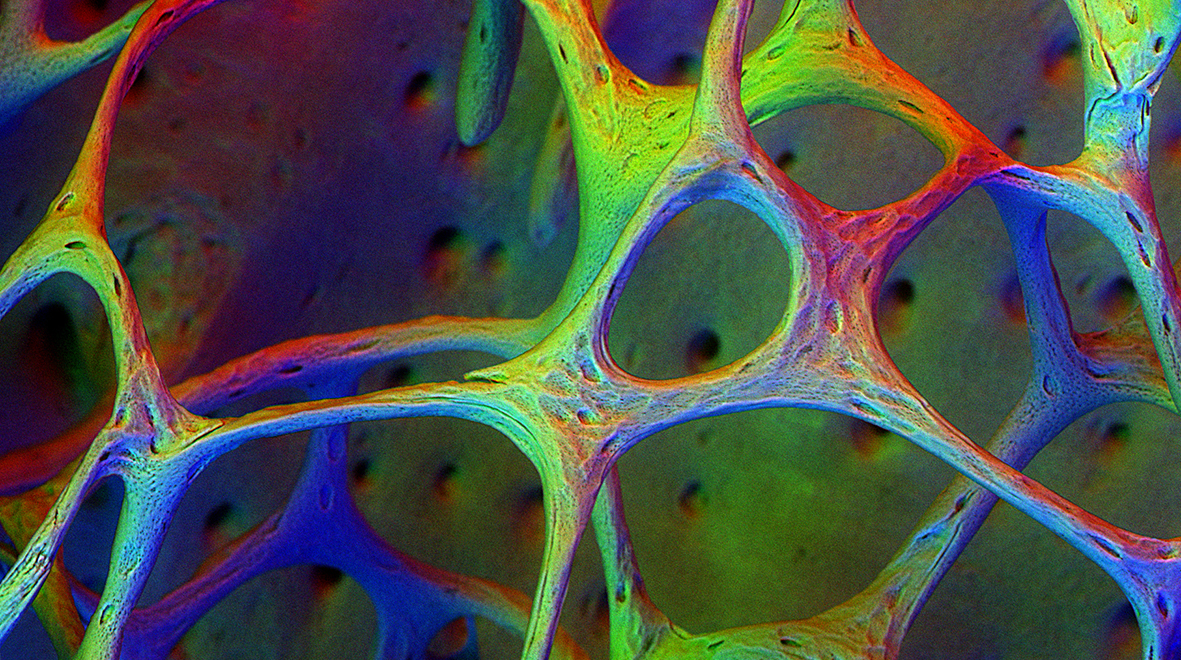
Victoria Leitch is a researcher affiliated with the Faculty of Medicine at Imperial College London , specializing in the Department of Metabolism, Digestion and Reproduction . Her work focuses on osteoporosis research, aiming to develop new treatments for this prevalent condition. Research Interests: Osteoporosis and bone density disorders Genetic factors in metabolic diseases Women's health and aging The article highlights her personal motivation stemming from witnessing osteoporosis's impact on her piano teacher, emphasizing the condition's societal prevalence (1 in 3 women and 1 in 5 men over 50 affected).
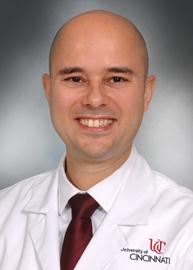
Inuk Zandvakili is a Physician Scientist at the University of Cincinnati , affiliated with the Department of Internal Medicine and specializing in Gastroenterology and Hepatology . With clinical experience from Mayo Clinic and a dual MD/PhD background in Molecular and Developmental Biology , they focus on metabolic disorders, liver disease, and obesity treatment. Their research integrates clinical practice with genomic analysis, including collaborations with teams at University of Pennsylvania and Regeneron. Education : PhD in Molecular and Developmental Biology (University of Cincinnati), MD (University of Cincinnati), BS in Biochemistry (University of Western Ontario) Certifications : American Board of Internal Medicine, Gastroenterology Board Certification Their work explores the intersection of GLP-1 agonists , genetic variants (MLXIPL, MTARC1), and liver disease prevention , with recent studies analyzing aspirin's protective effects, statin therapy, and bile acid interventions. Publications span journals like Gastroenterology , Hepatology Communications , and JAMA Network Open . Clinical interests include digestive diseases and gastroenterology , with contributions to endoscopic safety guidelines and obesity management strategies. They maintain active collaborations with researchers at Regeneron, UK Biobank, and Regensburg University Medical Center.
Brian D Gulbransen is a Professor in the Department of Physiology at Michigan State University , with faculty appointments in both the Neuroscience Program and Genetics & Genome Sciences Program. His research focuses on neuroinflammation, glial cell biology, and the pathophysiological mechanisms of the enteric nervous system (ENS) in gastrointestinal disorders. Academic Rank: Professor Departments: Physiology, Neuroscience Program, Genetics & Genome Sciences Program Location: Biomedical Physical Sciences Building, Room 3181 Contact: gulbrans@msu.edu Research Overview: Investigates neuron-glia interactions in the ENS to understand their role in gut physiology and neurodegenerative diseases, particularly focusing on how glial changes during neuroinflammation contribute to conditions like irritable bowel syndrome and Gulf War Illness. Scientific Recognition: Holds the MSU Research Foundation Professor Award for his contributions to enteric neuroscience. His work has been cited in high-impact journals like Nature Reviews Gastroenterology & Hepatology and Annual Review of Physiology . Research Trends: Recent publications highlight enteric glial heterogeneity, purinergic signaling mechanisms, and neuroimmune crosstalk in gut-brain axis disorders. His studies also explore lipid signaling pathways (lysophosphatidic acid), pannexin channels, and glial regulation of intestinal immunity.
Silvia Ravera , an Associate Professor at the University of Genoa , specializes in Human Anatomy within the Department of Experimental Medicine - DIMES . Her academic contributions span multiple degree programs including Medicine, Dentistry, and Dietetics. DIGESTIVE SYSTEM ANATOMY (code 66437) HUMAN ANATOMY (code 58091) DIET IN METABOLIC DISEASES (code 66502) ANATOMY OF THE DIGESTIVE SYSTEM AND ENDOCRINE SYSTEM (code 107000) Her research focuses on the intersection of molecular biology , neurodegeneration , and metabolic dysfunctions , with recent work exploring Alzheimer's disease, mitochondrial disorders, and hematologic malignancies. Publications highlight her expertise in multi-omics approaches , gene therapy , and metabolic regulation . Contact: silvia.ravera@unige.it | Phone: +39 010 33 57871
Dr. Robert S. Sandler is the Director of the Center for Gastrointestinal Biology and Disease (CGIBD) at the University of North Carolina at Chapel Hill. Holding the John and Nina Sessions Distinguished Professor title in the Department of Medicine (Division of Gastroenterology and Hepatology) and the Department of Epidemiology (Gillings School of Global Public Health), he has published over 450 papers with an H-index of 89 (Scopus). Key Research Themes: Chronic digestive disorders, particularly colorectal adenomas/cancer Asymptomatic diverticulosis and microscopic colitis Population-level burden of gastrointestinal diseases Diet-gut microbiome interactions Grants & Leadership: NIH R01 grant on microscopic colitis First NIH grant for asymptomatic diverticulosis PI of T32 Digestive Disease Epidemiology training program (funded since 1990) CGIBD director since 1992 Scientific Awards: NIH Grant Recipient (multiple awards) H-index 89 (Scopus) Leadership in multicenter clinical trials
Lars Eckmann, M.D., is a Professor in the Department of Medicine at the University of California, San Diego (UCSD), where he leads the Division of Gastroenterology. His research focuses on mucosal immunology, antimicrobial drug development, and host-pathogen interactions, with emphasis on protozoan infections (e.g., Giardia , Trichomonas ) and gut-liver axis dynamics. He completed his M.D. at the University of Hamburg, Germany (1989) and postdoctoral training at UC San Diego (1996). Dr. Eckmann directs NIH-funded projects including R01s on proteasome inhibitors for parasitic infections (R01AI158612) and nanoparticle mucosal vaccines (R21AI166815). His work integrates microbiology, immunology, and nanomedicine to develop novel therapeutics against diarrheal pathogens and inflammatory conditions. His recent publications (2021–2025) demonstrate consistent themes: Antimicrobial innovation (e.g., gold-based compounds, proteasome inhibitors) Mucosal vaccine design using nanoparticle technology Microbiome modulation in metabolic liver disease Parasite-host interactions and immune evasion mechanisms He leads multidisciplinary teams in the UCSD Digestive Diseases Research Center (NIH P30 grant) but has no listed students or scientific awards.
Professor Qasim Aziz is Professor of Neurogastroenterology and Director of The Wingate Institute of Neurogastroenterology at Barts and The London School of Medicine and Dentistry, Queen Mary University of London. He also serves as Deputy Lead of the Centre for Neuroscience, Surgery and Trauma and is currently President of the European Society of Neurogastroenterology and Motility. His academic career spans over two decades with significant contributions to understanding brain-gut interactions. Professor Aziz completed his undergraduate medical training in Pakistan before coming to the UK in 1988. He earned his PhD from the University of Manchester in 1996 while serving as a Digestive Disorders Foundation clinical research fellow. He held academic positions at the University of Manchester as Lecturer, Senior Lecturer, and Professor of Gastroenterology before moving to Queen Mary University of London. His primary research focuses on the neurophysiological basis of human gut sensory and motor function in health and disease. Professor Aziz has pioneered numerous neurophysiological techniques to study the human brain-gut axis, with particular emphasis on visceral pain mechanisms, psychophysiological factors in pain perception, and the relationship between hereditary connective tissue disorders and gastrointestinal symptoms. His work has significantly advanced understanding of how gut pain is processed in the brain and how psychological factors modulate this process. Analysis of his recent publications reveals a strong emphasis on applying advanced neuroimaging techniques to study nausea and visceral pain, with increasing use of machine learning approaches to predict symptom susceptibility. His research consistently bridges basic neuroscience with clinical gastroenterology, focusing on translational applications for patients with functional gastrointestinal disorders. British Society of Gastroenterology Research Gold Medal American Gastroenterology Association, Janssen Award for Basic and Clinical Research Medical Research Council (MRC) Clinician Scientist Award MRC Career Development Award Professor Aziz actively supervises multiple PhD students and research fellows, including Dr Ahmed Albusoda, Heather Fitzke, Dr James Ruffle, Anisa Choudhary, Dr Rabia Lalani, and Dr Kazuya Takahashi. His research has been funded by diverse sources including the National Institute of Health Research (NIHR), European Union, Medical Research Council, and pharmaceutical industry. He has held significant leadership roles including Chairman of the Neurogastroenterology and Motility Section of the British Society of Gastroenterology and co-lead for WHO ICD-11 coding for visceral pain. Professor Aziz leads the Neurogastroenterology Group at the Blizard Institute, which comprises world-renowned researchers working collaboratively to advance basic scientific study and translate knowledge to enhance patient care. The group maintains state-of-the-art translational research programs in visceral pain, GI neuromuscular disorders, gastro-oesophageal reflux disease, colorectal disease, nausea and appetite, surgical innovation, and drug discovery. The group works closely with the Barts and The London NHS Trust, which provides access to large patient populations for clinical research.
Mohsin Butt is an NIHR Academic Clinical Fellow at the Centre for Neuroscience, Surgery and Trauma within the Blizard Institute, Faculty of Medicine and Dentistry, Queen Mary University of London, with clinical research affiliations at the Wingate Institute of Neurogastroenterology and Royal London Hospital under Prof. Qasim Aziz, and the NIHR Nottingham Digestive Diseases Centre under Prof. Maura Corsetti. He graduated from Barts and The London School of Medicine and Dentistry in 2020 with triple distinctions (top 10% of cohort), a BSc (Hons) in Neuroscience funded by the Peter Enzor/Sir John Zochonis Scholarship, and received the Weitzmann Prize in Cardiology and Strauss Prize in Psychological Medicine. His current fellowship includes a preceptorship at the Mayo Clinic with Prof. Adil E. Bharucha. Research focuses on disorders of gut-brain interaction, including irritable bowel syndrome, functional constipation, and cyclical vomiting syndrome, with emerging work on heritable connective tissue disorders (e.g., Ehlers-Danlos Syndrome) and device-based therapies like vagus nerve stimulation. His clinical and research activities prioritize improving quality of life for patients with these conditions. Awards include: Weitzmann Prize in Cardiology Strauss Prize in Psychological Medicine Peter Enzor/Sir John Zochonis Scholarship 2024 International Foundation for Functional Gastrointestinal Diseases Preceptorship Award NIHR Academic Clinical Fellowship He supervises students across M.B.B.S (Years 1-5), M.Sc. Gastroenterology, and B.Sc. Biomedical Science programs, and holds key roles as Elected Member of the British Society of Gastroenterology's Neurogastroenterology and Motility Committee, Trainee Editor for Neurogastroenterology and Motility , and Medical Advisor for the Cyclical Vomiting Syndrome Association UK. Additional affiliations include membership in the Royal College of Physicians.
Anette Drøhse Kjeldsen is a Clinical Professor at the Department of Clinical Research, University of Southern Denmark, specializing in Oto Rhino Laryngology at Odense University Hospital. She serves as principal investigator and supervisor for multiple PhD projects focused on rhinology and vascular malformations, particularly Hereditary Hemorrhagic Telangiectasia (HHT). Her research interests focus on Hereditary Hemorrhagic Telangiectasia (HHT), Pulmonary Arteriovenous Fistula , Chronic Rhinosinusitis , and related vascular malformations. Her work integrates clinical practice with research to improve understanding of HHT manifestations and develop better screening and management protocols. Her recent publications demonstrate a consistent focus on HHT complications, particularly neurological manifestations and pulmonary involvement. Her research shows increasing emphasis on population-based studies and registry validation to improve clinical understanding of rare vascular disorders. Dr. Kjeldsen actively participates in educational activities including VASCERN webinars on HHT management, with recent presentations focusing on nosebleed management in HHT patients. She has contributed to media discussions on nasal injuries from cocaine use and other ENT-related topics. She supervises multiple PhD students working on projects related to chronic rhinosinusitis, HHT neurovascular manifestations, and innate immune system components in airway diseases, demonstrating her commitment to training the next generation of researchers in her field.